
Sacred Gender Roles: Spiritual Responsibilities of Indigenous Men and Women

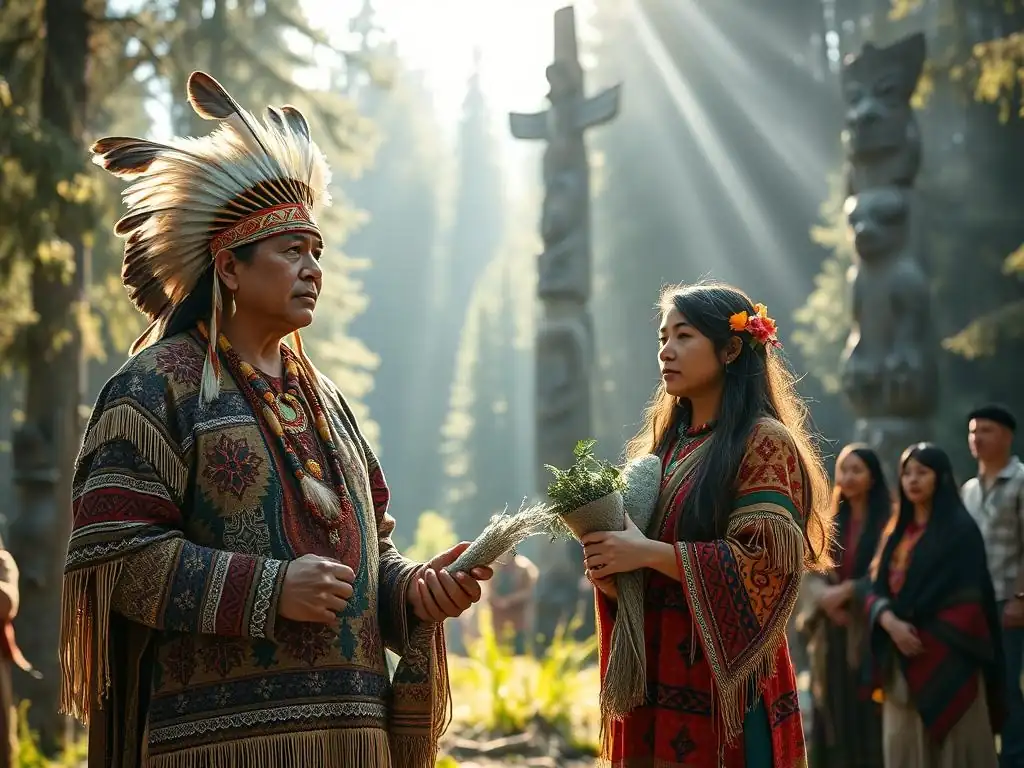
Welcome to Indigenous Civilizations of the Americas, where we delve into the rich tapestry of diverse cultures that flourished long before European colonization. Here, you will uncover the intricate spiritual responsibilities of indigenous cultures, a theme that resonates deeply within the fabric of their societies.
In our featured article, Sacred Gender Roles: Spiritual Responsibilities of Indigenous Men and Women, we invite you to explore how these roles not only shaped individual identities but also contributed to the collective harmony of their communities. Prepare to embark on a journey that reveals the profound connections between gender, spirituality, and cultural legacy—each discovery beckoning you to learn more about these remarkable civilizations.
- Introduction to Sacred Gender Roles in Indigenous Cultures
- Historical Context of Gender Roles in Indigenous Civilizations
- Spiritual Responsibilities of Indigenous Men
- Spiritual Responsibilities of Indigenous Women
- Comparison of Spiritual Responsibilities Across Different Indigenous Cultures
- The Interconnection of Gender Roles and Spirituality
- Challenges and Changes in Modern Indigenous Gender Roles
- Conclusion: The Lasting Impact of Spiritual Responsibilities in Indigenous Cultures
-
Frequently Asked Questions
- What are the spiritual responsibilities of indigenous cultures?
- How do gender roles influence spiritual practices in indigenous communities?
- Can you explain the significance of sacred gender roles?
- How did indigenous cultures view the relationship between spirituality and nature?
- What is the impact of colonization on indigenous spiritual practices?
- Final Reflection: Embracing Sacred Gender Roles in Indigenous Cultures
- Embrace & Honor Indigenous Spirituality Today!
Introduction to Sacred Gender Roles in Indigenous Cultures
The exploration of sacred gender roles within indigenous cultures reveals a profound understanding of spirituality, responsibility, and community dynamics that have shaped societies across the Americas. Long before European colonization, indigenous men and women held distinct yet complementary roles that were integral to their spiritual and social frameworks.
These roles were often defined by a deep connection to the land, ancestors, and the cosmos, emphasizing a balance that nurtured both the individual and the community. In this article, we will delve into the spiritual responsibilities of indigenous men and women, examining how these roles contributed to the richness of their cultures and continue to resonate today.
Overview of Spiritual Responsibilities in Indigenous Societies
In many indigenous societies, spiritual responsibilities were not merely personal obligations; they were communal in nature, extending beyond individual practices to encompass the well-being of the entire tribe.
- Men's Responsibilities:
- Often seen as protectors and providers, indigenous men were tasked with hunting, fishing, and defending their communities.
- They also played a vital role in spiritual ceremonies, acting as leaders, shamans, or priests who connected the physical world with the spiritual realm.
- Their responsibilities included maintaining harmony within the tribe and ensuring that traditions were passed down through generations.
- Women's Responsibilities:
- Indigenous women were frequently viewed as the life-givers and caretakers of the community. Their roles included agriculture, gathering, and nurturing children.
- Women held significant spiritual authority, often serving as healers, midwives, and custodians of sacred knowledge.
- Their involvement in rituals and ceremonies was crucial, as they were seen as the intercessors between the people and the spirits.
These roles, while distinct, were interconnected, fostering a sense of unity and shared purpose within the community. Each gender’s spiritual responsibilities were essential to the survival and prosperity of indigenous societies.
Importance of Gender Roles in Indigenous Cultures
Understanding gender roles in indigenous cultures is vital for appreciating their complex social structures and the values they uphold.
- Cultural Identity:
- Gender roles contribute significantly to the cultural identity of indigenous peoples, influencing their customs, traditions, and community practices.
- These roles help to preserve the history and narratives that define their existence and resilience.
- Social Cohesion:
- The division of responsibilities often fosters cooperation and mutual respect between genders, creating a balanced social framework.
- This balance is crucial for maintaining peace and harmony within the community, reflecting a holistic approach to life.
- Spiritual Connection:
- Gender roles are deeply intertwined with spiritual beliefs, reinforcing the idea that each individual has a unique purpose in the greater tapestry of life.
- This perspective not only honors individual contributions but also emphasizes the interconnectedness of all beings and the natural world.
The sacred gender roles of indigenous cultures are foundational to their spirituality and societal structure. By recognizing and respecting these roles, we gain insight into the rich cultural tapestry that has persisted throughout history and continues to influence contemporary discussions on gender and spirituality.
Historical Context of Gender Roles in Indigenous Civilizations
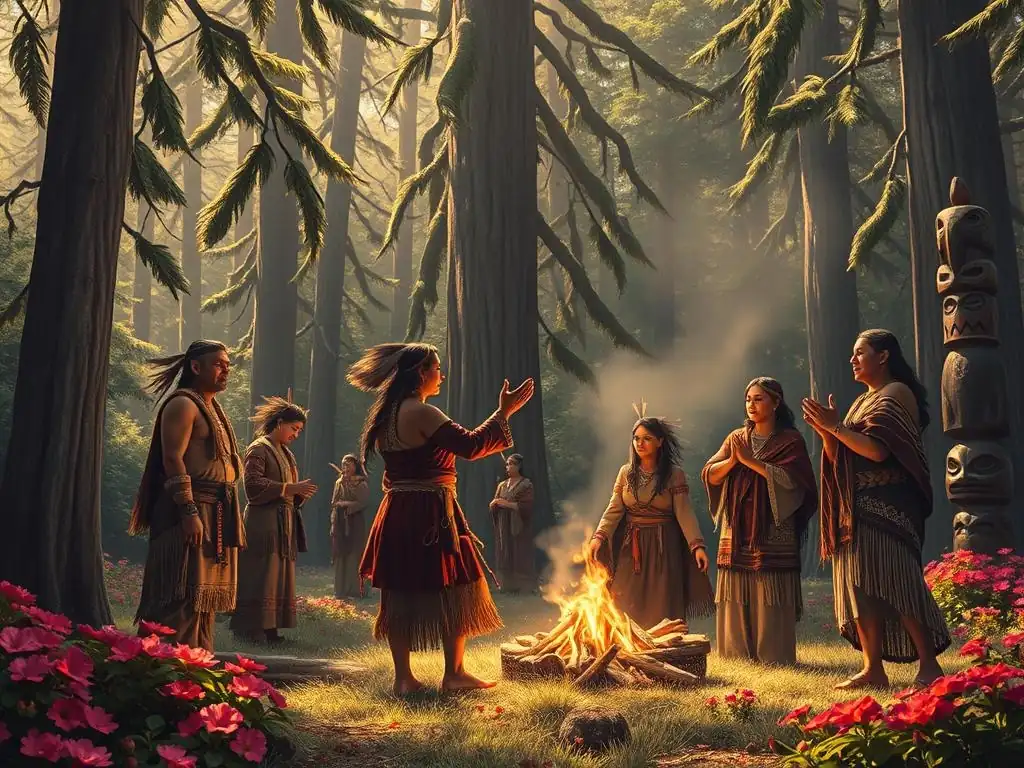
Pre-Colonization Gender Dynamics
Before European colonization transformed the landscapes and societies of the Americas, indigenous cultures exhibited a rich tapestry of gender roles that were often deeply intertwined with their spiritual beliefs. In many communities, men and women held distinct yet complementary responsibilities that contributed to the balance and harmony of their societies.
Men were typically tasked with roles such as hunting, warfare, and various forms of labor that required physical strength. However, their responsibilities extended beyond mere provision; they were also expected to protect sacred knowledge and rituals, serving as custodians of spiritual traditions. Women, on the other hand, often managed the home, engaged in agriculture, and were the primary nurturers of children. This division of labor was not merely functional; it was steeped in spiritual significance, with many cultures viewing women's roles in agriculture as vital to the earth's fertility and health.
- Key Roles:
- Men:
- Hunters and warriors
- Protectors of spiritual traditions
- Leaders in community decisions
- Women:
- Caregivers and educators
- Farmers and gatherers
- Holders of medicinal knowledge
- Men:
This balance was often reflected in the cultural narratives and myths of indigenous peoples, where both genders were celebrated for their unique contributions to the community's spiritual and material well-being. In many societies, gender roles were fluid, allowing for the acknowledgment of individuals who embodied both masculine and feminine traits, thus fostering a more inclusive understanding of identity.
The Impact of Colonization on Gender Roles
The arrival of European colonizers marked a seismic shift in the gender dynamics of indigenous cultures. The imposition of foreign values and systems, often rooted in patriarchal structures, disrupted the existing balance between men and women within these societies. Colonization not only brought about the exploitation of resources and land but also led to the marginalization of indigenous knowledge systems and spiritual practices.
As colonizers sought to impose their own cultural norms, many indigenous practices surrounding gender were deemed "primitive" or "savage," leading to a systematic dismantling of traditional roles. Men were often forced into new labor systems that stripped them of their spiritual responsibilities, while women faced increased oppression, often being relegated to domestic roles devoid of the respect they once commanded within their communities.
- Consequences of Colonization:
- Disruption of Spiritual Practices:
- Loss of rituals associated with fertility and harvest
- Erosion of women's roles as spiritual leaders
- Societal Changes:
- Introduction of patriarchal norms
- Marginalization of indigenous women in decision-making processes
- Disruption of Spiritual Practices:
Despite these challenges, many indigenous communities have demonstrated resilience. Contemporary movements often emphasize the reclamation of traditional gender roles and the revitalization of spiritual practices that honor both men and women. This resurgence reflects a broader understanding of spiritual responsibilities in indigenous cultures, highlighting the importance of restoring balance and harmony within communities as they navigate the legacies of colonization.
By exploring these historical contexts, we can appreciate the profound impact of both indigenous gender roles and the subsequent changes wrought by colonization, understanding how these dynamics continue to shape the identities and spiritual practices of indigenous peoples today.
Spiritual Responsibilities of Indigenous Men
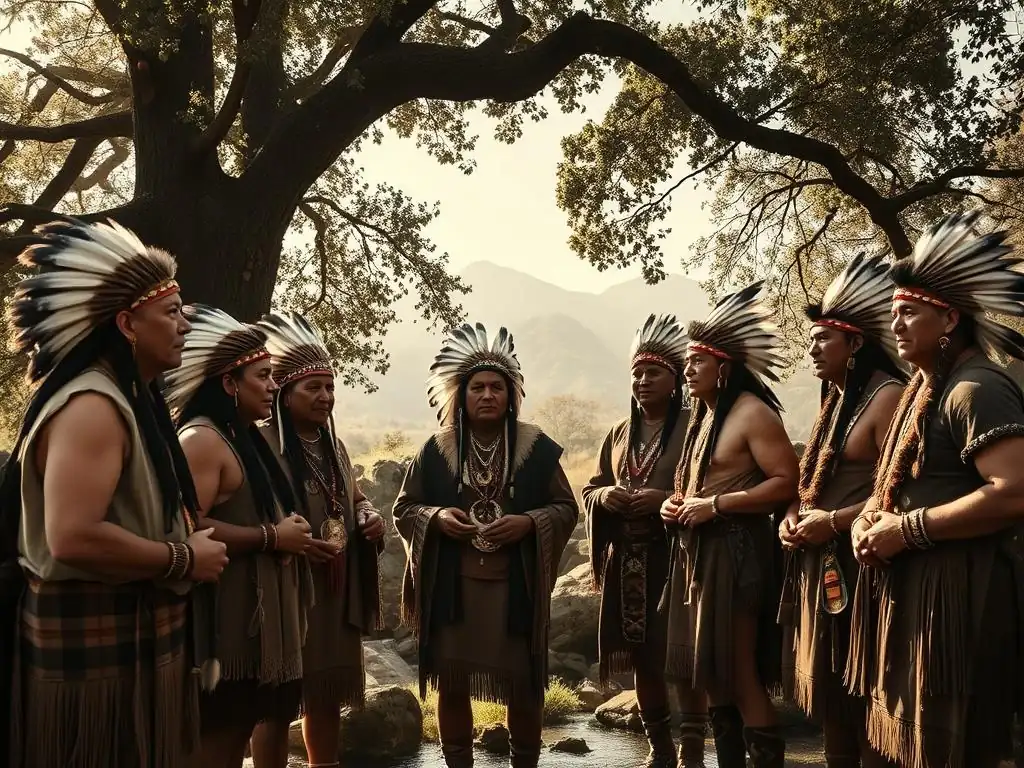
Role of Men as Spiritual Leaders
In many indigenous cultures, men hold significant spiritual responsibilities that are often intertwined with their roles as leaders within their communities. These spiritual leaders are not only tasked with guiding their people in matters of faith but also play crucial roles in mediating between the physical and spiritual worlds.
Men often serve as shamans, healers, or spiritual advisors, roles that require a deep understanding of both the cultural traditions and the natural world. For instance, among the Lakota Sioux, men who take on the role of a medicine man are expected to undergo rigorous training and initiation processes. This spiritual leadership is characterized by:
- Knowledge of Sacred Texts: Men often memorize and interpret sacred stories and teachings that guide their communities.
- Ceremonial Leadership: They lead important ceremonies such as sun dances, vision quests, and initiation rites, which are vital for maintaining cultural identity and spiritual well-being.
- Mediation: Men often act as mediators in conflicts, using their spiritual insights to foster harmony within the community.
Through these roles, indigenous men embody the spiritual values and teachings of their cultures, helping to preserve their traditions and guiding future generations.
Responsibilities in Rituals and Ceremonies
Rituals and ceremonies are central to the spiritual life of indigenous cultures, and men play a pivotal role in these practices. These events are not merely social gatherings; they are deeply spiritual experiences that reinforce community bonds and cultural identity. Men’s responsibilities during these ceremonies include:
- Preparation and Offering: Men are often responsible for preparing sacred offerings, such as tobacco, corn, or other items deemed spiritually significant. This preparation is a form of respect and is believed to invite positive spiritual energy.
- Conducting Prayers and Invocations: During ceremonies, men lead prayers that invoke the spirits of ancestors, the natural world, and deities. Their words are believed to carry weight and influence the spiritual outcome of the event.
- Guiding Participants: Men are tasked with guiding participants through the rituals, ensuring that everyone understands their roles and the significance of the actions being performed.
For example, in many Mesoamerican cultures, men participate in bloodletting rituals or sacrifices, believed to renew the relationship between the people and the gods, demonstrating their commitment to their spiritual responsibilities.
Connection to Nature and the Spiritual World
Indigenous men often have a profound connection to nature, viewing it as a living entity that is intertwined with their spiritual beliefs. This connection manifests in several ways:
- Nature as a Teacher: Men are taught to observe and learn from nature, understanding the cycles of life, death, and rebirth. This knowledge is essential for their spiritual practices and responsibilities.
- Environmental Stewardship: Many indigenous cultures emphasize the importance of protecting natural resources. Men often take on roles as guardians of the land, ensuring that their communities live in harmony with their environment. This stewardship reflects their spiritual responsibilities to maintain balance and respect for the earth.
- Ritualistic Practices Connected to Nature: Many ceremonies are directly tied to natural events, such as solstices, equinoxes, and seasonal changes. Men’s roles in these ceremonies often include rituals that honor the earth, the sky, and the elements, reinforcing their spiritual connection to the world around them.
The spiritual responsibilities of indigenous men encompass leadership in rituals, a profound relationship with nature, and the active preservation of cultural practices. These roles are vital not only for the spiritual health of their communities but also for the transmission of their rich cultural heritage to future generations.
Spiritual Responsibilities of Indigenous Women
Role of Women as Caregivers and Nurturers
In many indigenous cultures, women hold a pivotal role as caregivers and nurturers, embodying the essence of familial and community well-being. Their responsibilities often extend beyond the immediate family, encompassing a broader social and spiritual framework. Women are seen as the primary nurturers, responsible for the upbringing of children and the transfer of cultural values and traditions. This nurturing role is not merely practical; it is deeply spiritual, as women are often viewed as life-givers, connecting the physical and spiritual realms.
In various indigenous societies, such as the Iroquois and many Plains tribes, women are entrusted with the task of maintaining harmony and balance within the community. This is reflected in their involvement in ceremonies and rituals that honor life stages, such as birth, puberty, and marriage. For example, the Ojibwe people celebrate the Wabano or the "Dawn" ceremony, where women play a crucial role in guiding young girls through their rite of passage, imbuing them with the spiritual significance of womanhood and community responsibilities.
Spiritual Leadership and Wisdom in Indigenous Cultures
Spiritual leadership among indigenous women is often characterized by their roles as healers, shamans, and spiritual guides. Many cultures recognize the unique spiritual insights that women possess, granting them the authority to lead rituals and ceremonies. For instance, among the Navajo, women known as Blessingway singers are responsible for conducting healing ceremonies that invoke spiritual protection and harmony within the community.
Moreover, the wisdom of indigenous women is frequently passed down through oral traditions, where they serve as storytellers and keepers of knowledge. This transmission of wisdom is vital for preserving the community's spiritual heritage and cultural identity. Women often share teachings about the interconnectedness of all living beings, emphasizing the importance of respect for nature and the environment.
Responsibilities in Cultural Preservation and Transmission
The responsibilities of indigenous women extend into the realm of cultural preservation and transmission. They are instrumental in teaching traditional practices, languages, and customs to the younger generations. This role is crucial for the survival of indigenous cultures, particularly in the face of external pressures and colonization.
For example, many indigenous women engage in traditional crafts, such as weaving, pottery, and beadwork, which are not just artistic expressions but also carry deep cultural meanings. These crafts often tell stories of their ancestors and serve as a connection to their heritage. Additionally, women often lead initiatives aimed at revitalizing indigenous languages, ensuring that future generations can communicate in their ancestral tongues.
In many communities, the act of storytelling itself is a spiritual responsibility. By sharing histories, legends, and teachings, women reinforce the cultural identity and spiritual beliefs of their people. This transmission of knowledge is seen as a sacred duty, linking past, present, and future generations in a continuous thread of cultural continuity.
The spiritual responsibilities of indigenous women encompass a wide range of roles that are vital to the health and sustainability of their cultures. From nurturing the next generation to leading spiritual ceremonies and preserving cultural practices, women are central to the spiritual and social fabric of indigenous communities. Their contributions are a testament to the profound impact they have on both their families and their wider communities, ensuring that the rich tapestry of indigenous cultures continues to thrive.
Comparison of Spiritual Responsibilities Across Different Indigenous Cultures
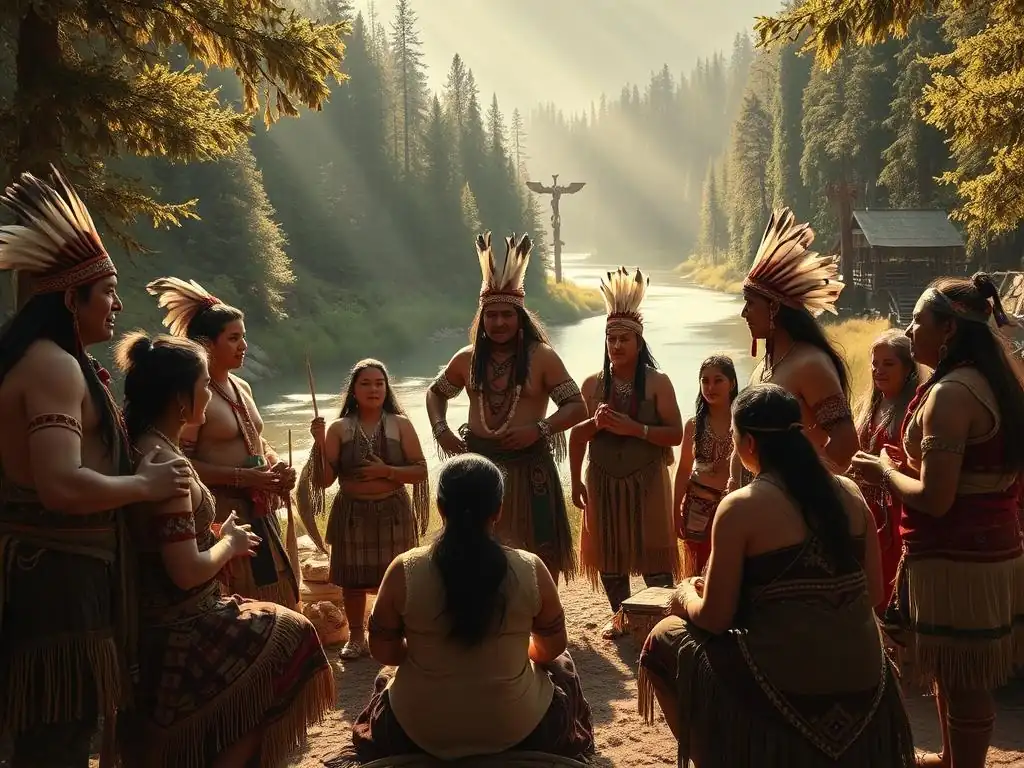
Similarities in Gender Roles Among Indigenous Groups
Across the diverse indigenous cultures of the Americas, there are notable similarities in the spiritual responsibilities assigned to men and women. These gender roles are often intertwined with the community’s spiritual beliefs, practices, and their relationship with nature.
- Balance and Harmony: Many indigenous cultures emphasize the concept of balance between the masculine and feminine energies. This principle is not only applicable to social structures but also to spiritual practices.
- Example: In the Navajo culture, the concept of Hózhó, which signifies harmony and beauty, is maintained through the complementary roles of men and women in rituals and daily life.
- Interconnectedness with Nature: Both men and women are often seen as stewards of nature, with spiritual responsibilities that emphasize their connection to the land.
- Example: Many tribes, such as the Lakota, view both genders as essential to the health of the ecosystem, where men may engage in hunting and protective roles, while women often gather and cultivate.
- Ritual Participation: Participation in rituals is a shared spiritual responsibility, though the specific roles may vary. Both genders may lead or assist in ceremonies that honor ancestors or natural elements.
- Example: In the Pueblo culture, both men and women participate in ceremonial dances, each embodying different aspects of life, such as fertility or the harvest.
Unique Spiritual Responsibilities in Specific Cultures
While there are common threads in the spiritual roles of indigenous men and women, specific cultures exhibit unique practices and responsibilities that highlight their distinct beliefs and societal structures.
- Iroquois Confederacy: In Iroquois culture, women hold significant power as clan mothers. They are responsible for selecting leaders and making decisions that affect the community, reflecting a matrilineal structure where lineage and inheritance are traced through the female line. Their spiritual responsibility includes maintaining the welfare of the community and ensuring harmony among its members.
- Mayan Civilization: In the ancient Mayan culture, spiritual responsibilities were often divided by gender, with men typically serving as priests responsible for conducting rituals and maintaining the calendar. Women, on the other hand, were often seen as the embodiment of fertility and life, tasked with rituals that ensured agricultural bounty and family prosperity.
- Andean Cultures: In the Andean regions, particularly among the Quechua and Aymara, men and women have distinct yet complementary spiritual roles in agricultural practices. Men often engage in the physical labor of farming, while women perform rituals that honor Pachamama (Mother Earth), reinforcing the belief in the spiritual significance of their agricultural work.
- Northwest Coast Tribes: Among tribes such as the Haida and Tlingit, men often take on the roles of warriors and providers, while women are recognized as the keepers of cultural traditions. Women lead potlatches and are responsible for the transmission of oral histories, showcasing their vital role in cultural preservation.
While there are overarching themes in the spiritual responsibilities of indigenous men and women, each culture possesses distinctive practices that reflect their unique heritage, values, and connections to the world around them. Understanding these roles provides insight into the rich tapestry of indigenous societies and their enduring legacy.
The Interconnection of Gender Roles and Spirituality
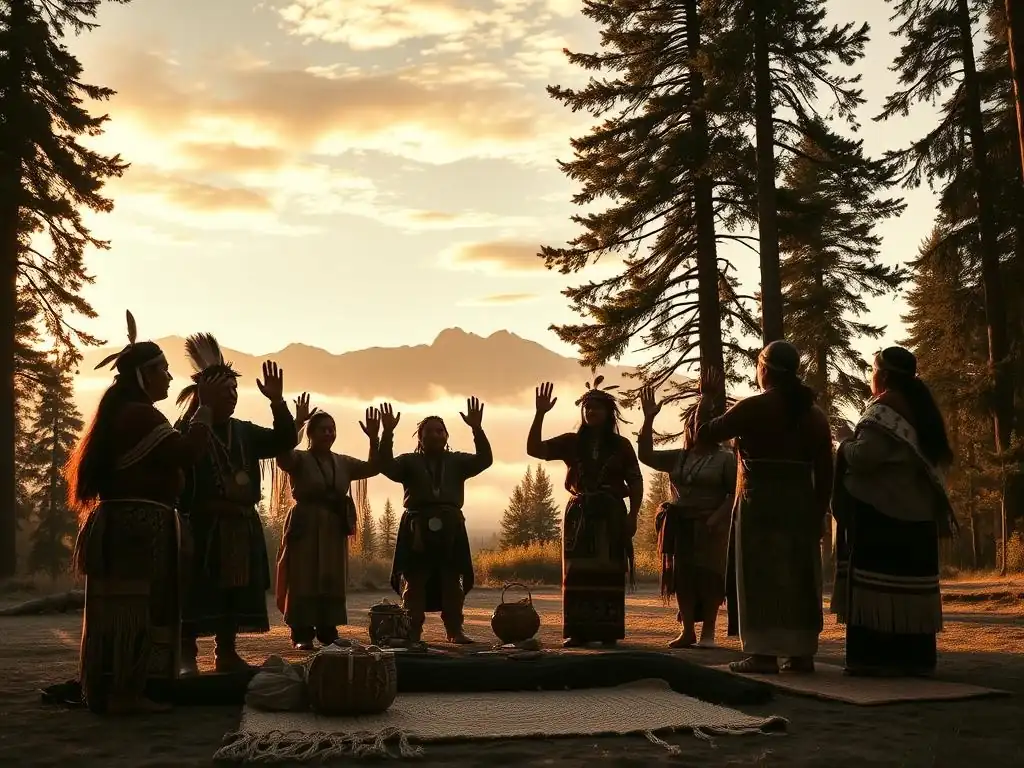
Indigenous cultures across the Americas have long recognized the profound interconnection between gender roles and spirituality. In many of these societies, spiritual responsibilities are not merely individual duties; they are woven into the very fabric of community life, guiding social structures, rituals, and relationships.
How Spiritual Responsibilities Shape Community Structures
In numerous indigenous cultures, the spiritual responsibilities assigned to men and women are foundational to maintaining the health and harmony of their communities. These roles often reflect the ecological and social dynamics of the environment in which the communities exist.
- Men's Spiritual Roles:
- Often seen as the protectors and providers, men typically engage in activities such as hunting, warfare, and leadership, which are imbued with spiritual significance.
- They may lead rituals and ceremonies that honor the spirits of the land and ancestors, reinforcing their role as guardians of tradition and cultural heritage.
- Women's Spiritual Roles:
- Women frequently serve as nurturers and caretakers, not only in familial contexts but also in the broader community. Their responsibilities often include agriculture, healing, and the passing down of cultural knowledge.
- Many indigenous cultures believe that women hold a special connection to the earth and its cycles, which is reflected in their roles as life-givers and educators of the next generation.
This division of spiritual responsibilities can be observed in various indigenous cultures, such as the Navajo, where both men and women perform distinct yet complementary roles in ceremonies like the Blessingway. Here, the balance between masculine and feminine energies is crucial for the success of the rituals and the overall well-being of the community.
The Influence of Gender Roles on Indigenous Spiritual Practices
The influence of gender roles on indigenous spiritual practices is profound and multifaceted. Spirituality in these cultures is often expressed through various rituals, ceremonies, and oral traditions, all of which are impacted by gendered expectations.
- Rituals and Ceremonies:
- Many rituals are gender-specific, with certain ceremonies reserved for men and others for women. For instance, in the Lakota tradition, the Sun Dance is a ceremony primarily led by men, while women often participate in its preparation and support roles, highlighting the collaborative nature of spiritual life.
- Cultural Narratives and Oral Traditions:
- Storytelling serves as a vital means of passing down spiritual knowledge, and the narratives often emphasize the roles of both genders. These stories frequently illustrate the importance of balance between masculine and feminine forces, reflecting the belief that both are essential for harmony in the universe.
- Symbolism and Art:
- Indigenous art often embodies spiritual meanings tied to gender roles. For example, pottery made by women is not only functional but also serves as a canvas for expressing spiritual beliefs and cultural identity, while men's carvings may depict powerful animal spirits or ancestral figures.
The spiritual responsibilities within indigenous cultures are intricately linked to gender roles, shaping community structures and influencing spiritual practices. Recognizing the significance of these roles allows for a deeper understanding of how indigenous societies functioned and thrived long before European colonization, and highlights the enduring impact of these traditions today.
Challenges and Changes in Modern Indigenous Gender Roles
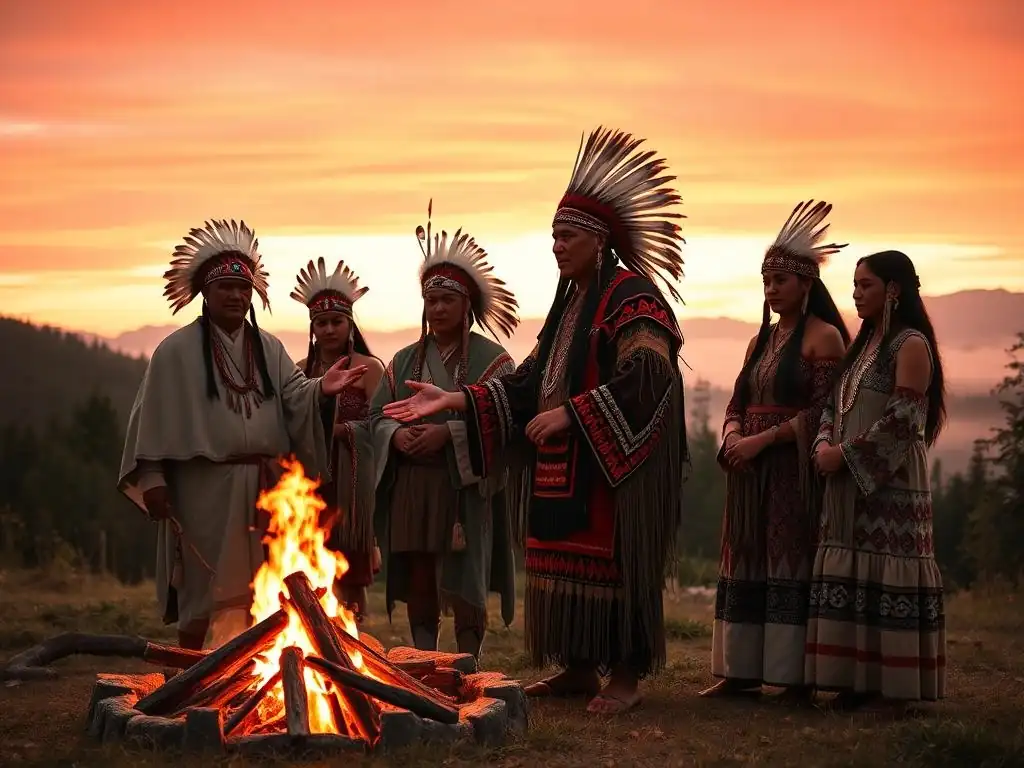
The evolving landscape of modern society has introduced significant challenges and changes to the traditional gender roles within Indigenous cultures. Historically, Indigenous men and women held distinct spiritual responsibilities that were intricately tied to their community's identity and cultural practices. However, the influence of colonization, globalization, and contemporary societal norms has led to a transformation in these roles.
Contemporary Issues Facing Indigenous Men and Women
Indigenous men and women today grapple with a range of contemporary issues that affect their spiritual responsibilities and gender roles. These include:
- Loss of Cultural Practices: Many traditional practices tied to gender roles have diminished due to colonial influences and the assimilation policies of the past. This has led to a disconnect from the spiritual responsibilities once held by Indigenous cultures.
- Socioeconomic Disparities: Indigenous communities often face economic challenges, including high unemployment rates and limited access to education. These factors can hinder individuals from fulfilling their spiritual roles, as economic stability is essential for community engagement and cultural participation.
- Mental Health Struggles: The impact of historical trauma continues to affect Indigenous populations, leading to mental health issues that can disrupt family structures and spiritual practices. This affects both men and women, often leading to a cycle of disconnection from cultural identities.
- Gender-Based Violence: Indigenous women are disproportionately affected by violence and discrimination, which can undermine their roles in spiritual and cultural leadership within their communities. Addressing these issues is critical to restoring balance in gender roles.
- Changing Family Dynamics: Traditional family structures have been altered by modern influences, including changing gender norms and the roles of parents. This has led to a reexamination of how spiritual responsibilities are passed down and maintained within families.
Efforts in Revitalizing Traditional Gender Roles and Spiritual Practices
In response to these challenges, many Indigenous communities are actively working to revitalize traditional gender roles and spiritual practices. Some key efforts include:
- Cultural Education Programs: Various initiatives aim to educate both Indigenous and non-Indigenous people about the importance of traditional gender roles and the spiritual responsibilities associated with them. These programs often include workshops, storytelling, and cultural immersion experiences.
- Community Gatherings and Ceremonies: Many Indigenous groups are organizing gatherings and ceremonies to honor traditional practices and roles. These events serve as a platform for sharing knowledge, reinforcing community bonds, and emphasizing the spiritual significance of gender roles.
- Mentorship and Leadership Initiatives: Indigenous elders and leaders are creating mentorship programs to guide younger generations in understanding their spiritual responsibilities. These initiatives focus on empowering both men and women to reclaim their roles within their communities.
- Advocacy for Rights and Recognition: Indigenous organizations are advocating for policies that recognize and support the spiritual and cultural needs of Indigenous peoples. This includes fighting against gender-based violence and promoting the importance of traditional roles in the broader societal context.
- Integration of Traditional Knowledge in Modern Contexts: Many Indigenous communities are finding innovative ways to integrate traditional knowledge into modern practices, such as environmental stewardship and sustainable living, which align with their spiritual responsibilities.
Through these revitalization efforts, Indigenous cultures are not only preserving their unique identities but also ensuring that the spiritual responsibilities associated with gender roles continue to be honored and practiced in a modern context. This ongoing work reflects a deep commitment to cultural resilience and the importance of spiritual responsibilities in Indigenous cultures.
Conclusion: The Lasting Impact of Spiritual Responsibilities in Indigenous Cultures
The spiritual responsibilities within indigenous cultures have played a pivotal role in shaping gender roles and societal structures. These responsibilities are not merely ceremonial; they are deeply embedded in the cultural fabric, influencing daily life and community interactions. By understanding the spiritual duties assigned to indigenous men and women, we can appreciate the broader implications of these roles on cultural identity, social cohesion, and intergenerational knowledge transfer.
The legacy of these spiritual responsibilities continues to resonate today. Many indigenous communities are revitalizing traditional practices and beliefs, reinforcing the importance of gender roles in maintaining cultural integrity. This revival not only strengthens community bonds but also promotes a deeper understanding of the interconnectedness of spirituality and daily life.
Reflections on Gender Roles and Spirituality in Indigenous Societies
In indigenous societies, gender roles are often intricately tied to spiritual beliefs. Men and women traditionally have defined roles that contribute to the spiritual and social well-being of their communities. For instance, men may take on responsibilities as hunters or warriors, which are seen as acts of protection and provision, while women may engage in nurturing and healing roles, often acting as custodians of cultural knowledge and spirituality.
A notable aspect of these roles is the way they are viewed within the context of balance and harmony. In many cultures, the duality of male and female energies is essential for maintaining equilibrium in nature and society. This perspective fosters respect for both genders and emphasizes collaborative efforts in fulfilling spiritual duties. The teachings and stories passed down through generations serve as a reminder of the value placed on these responsibilities.
Moreover, the acknowledgment of diverse gender identities within some indigenous cultures illustrates a more fluid understanding of gender roles compared to dominant Western narratives. This inclusivity further enriches the spiritual tapestry of indigenous societies and highlights the importance of respecting each individual's contributions to communal life.
The Future of Gender Roles in Indigenous Cultures
As indigenous cultures face modern challenges, including globalization and cultural assimilation, the future of gender roles and spiritual responsibilities remains a critical area of exploration. Many communities are actively working to reclaim their traditions and ensure that spiritual teachings about gender roles are passed on to younger generations. Initiatives focused on education, cultural events, and community gatherings are vital in promoting awareness and appreciation of these roles.
Furthermore, the integration of traditional knowledge with contemporary practices can lead to innovative approaches that honor spiritual responsibilities while adapting to changing societal dynamics. For example, revitalizing traditional ceremonies and teachings around gender roles can empower individuals and communities to navigate modern challenges while remaining rooted in their cultural heritage.
The spiritual responsibilities inherent in indigenous cultures form a fundamental aspect of their social structure and identity. As these communities strive to preserve their traditions, the understanding and appreciation of gender roles will continue to evolve, ensuring that their rich spiritual legacies endure for future generations.
Frequently Asked Questions
What are the spiritual responsibilities of indigenous cultures?
Indigenous cultures often emphasize spiritual responsibilities that include maintaining harmony with nature, honoring ancestors, and engaging in community rituals that strengthen social bonds.
How do gender roles influence spiritual practices in indigenous communities?
In many indigenous communities, gender roles are deeply intertwined with spiritual practices, where men and women have distinct roles that contribute to the spiritual and communal life, reflecting their unique responsibilities.
Can you explain the significance of sacred gender roles?
Sacred gender roles signify the respected positions that men and women hold within their communities. These roles often come with specific spiritual duties that are considered essential for the well-being of the tribe.
How did indigenous cultures view the relationship between spirituality and nature?
Indigenous cultures frequently viewed spirituality and nature as interconnected, believing that respecting and nurturing the environment is a form of spiritual responsibility, essential for sustaining life and culture.
What is the impact of colonization on indigenous spiritual practices?
Colonization significantly disrupted indigenous spiritual practices, often leading to the erosion of traditional roles and responsibilities. Many communities are now working to revitalize these practices to restore their cultural identity.
Final Reflection: Embracing Sacred Gender Roles in Indigenous Cultures
The spiritual responsibilities of Indigenous cultures are not just historical artifacts; they are vibrant, living practices that continue to shape identities and communities today. As we navigate a world increasingly disconnected from its roots, understanding the sacred gender roles within Indigenous cultures offers profound insights into balance, respect, and the interconnectedness of all beings. These roles are not merely duties; they are pathways to spiritual fulfillment and communal harmony that resonate deeply in our contemporary society.
The influence of these spiritual responsibilities extends far beyond the confines of Indigenous communities, permeating the broader cultural and social landscape. The teachings of Indigenous men and women remind us of the importance of stewardship, respect for nature, and the sacredness of life. As we reflect on these values, we are reminded of the words of Chief Seattle: We do not inherit the earth from our ancestors; we borrow it from our children.
This perspective urges us to reconsider our relationship with the environment and each other, fostering a sense of responsibility that transcends generations.
As we conclude this exploration of sacred gender roles, I invite you to reflect on your own spiritual responsibilities within your community. How can you embody the principles of respect, balance, and interconnectedness in your daily life? Let the wisdom of Indigenous cultures inspire you to take action, whether through advocacy, education, or personal growth. Together, we can honor these traditions and ensure that their teachings continue to illuminate our paths toward a more harmonious future.
Embrace & Honor Indigenous Spirituality Today!
Thank you for taking the time to delve into the profound insights regarding sacred gender roles among Indigenous cultures. Your understanding of these spiritual responsibilities is invaluable and can contribute to a greater appreciation of Indigenous wisdom.
Now, let’s turn this knowledge into action:
- Deepen your connection: Participate in a local Indigenous community event or ceremony. This firsthand experience can enrich your understanding and respect for these traditions.
- Share the knowledge: Discuss what you've learned with friends or share your insights online. By spreading awareness, you help honor the heritage and teachings of Indigenous peoples.
- Explore further: Read works by Indigenous authors or spiritual leaders to discover more about their perspectives and teachings on gender roles and responsibilities.
Which aspect of Indigenous spirituality resonates most with you, and how do you plan to incorporate it into your life?