
The Effectiveness of Online Platforms in Promoting Indigenous Cultural Education

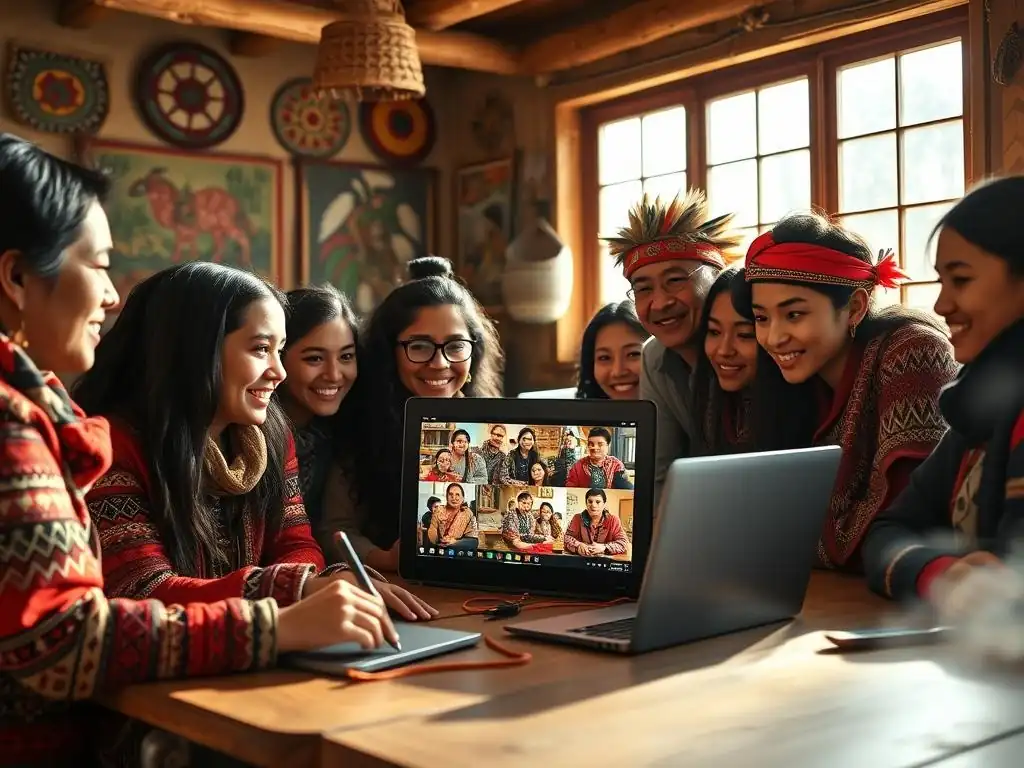
Welcome to Indigenous Civilizations of the Americas, where we invite you to embark on a fascinating journey through the rich tapestry of indigenous cultures that flourished long before European colonization. This site is dedicated to uncovering the achievements, societies, and lasting impact of these vibrant civilizations. In our featured article, "The Effectiveness of Online Platforms in Promoting Indigenous Cultural Education," we delve into how modern technology is reshaping the landscape of indigenous education.
Curious about the ways digital tools can preserve and celebrate these ancient cultures? Join us as we explore the profound connections between past and present, and discover how online platforms are paving the way for a deeper understanding of indigenous heritage.
Introduction to Online Platforms for Indigenous Education
In an increasingly digital world, online platforms for indigenous education have emerged as vital tools in the preservation and promotion of indigenous cultures across the Americas. These platforms provide unique opportunities for individuals to engage with and learn about the diverse societies that flourished long before European contact.
By utilizing technology, these educational resources not only facilitate access to knowledge but also empower indigenous communities to share their stories, traditions, and legacies with a global audience. This article will explore the effectiveness of these platforms in promoting indigenous cultural education, examining their historical context, traditional methods, and the transition to modern online learning environments.
Definition of Online Platforms in Education
Online platforms in education refer to digital environments that facilitate learning through various means such as videos, interactive quizzes, virtual classrooms, and forums. These platforms can be tailored to suit different educational needs, making them versatile tools for educators and learners alike. They often include:
- Course Management Systems (CMS): Allowing for the organization and delivery of educational content.
- Learning Management Systems (LMS): Supporting tracking and management of learners’ progress.
- Social Media and Community Forums: Providing spaces for discussion and collaboration among learners.
These components can be particularly effective in promoting indigenous education by showcasing culturally relevant materials and providing access to resources that might otherwise be unavailable.
Importance of Indigenous Cultural Education
Indigenous cultural education is crucial for several reasons:
- Preservation of Heritage: It helps ensure that indigenous languages, traditions, and histories are preserved for future generations.
- Cultural Identity: Education fosters a sense of identity and belonging among indigenous peoples, reinforcing their unique cultural narratives.
- Awareness and Understanding: It promotes awareness of indigenous issues among non-indigenous communities, fostering mutual respect and understanding.
- Empowerment: By educating both indigenous and non-indigenous individuals, these platforms empower communities to advocate for their rights and cultural sovereignty.
Historical Context of Indigenous Education
Traditional Methods of Indigenous Education
Traditionally, indigenous education was deeply embedded within the community and environment. Knowledge was transmitted through:
- Oral Traditions: Elders played a critical role in sharing stories, teachings, and cultural practices.
- Experiential Learning: Skills and knowledge were often acquired through hands-on experience, such as hunting, gathering, and crafting.
- Ceremonial Teachings: Many lessons were imparted during community ceremonies, integrating cultural values into the learning process.
These methods prioritized the holistic development of individuals, emphasizing interconnectedness with nature, community, and spirituality.
Transition to Online Learning Platforms
The transition to online learning platforms represents a significant shift in the way indigenous education is delivered. Factors contributing to this change include:
- Increased Accessibility: Online platforms allow individuals from remote communities to access educational resources that were previously limited.
- Cultural Revitalization: Digital platforms enable the sharing of indigenous knowledge in innovative ways, helping to revitalize interest in native languages and traditions.
- Global Reach: These platforms can connect indigenous peoples with a global audience, fostering cross-cultural dialogue and understanding.
As we delve deeper into the effectiveness of these online platforms, it becomes essential to explore how they are reshaping the landscape of indigenous cultural education and the implications for future generations.
Advantages of Online Platforms for Indigenous Education
Online platforms for indigenous education are revolutionizing the way knowledge about indigenous cultures, languages, and histories is disseminated. These platforms offer numerous advantages that enhance educational outreach and engagement for indigenous communities and beyond.
Accessibility and Reach of Online Learning
One of the most significant advantages of online platforms is their ability to provide widespread access to educational resources. Historically, many indigenous communities have been isolated, making it challenging to access educational materials that reflect their cultures. Online platforms can overcome geographical barriers, allowing learners from remote areas to engage with content that is relevant and meaningful to them.
- Global Reach: Individuals from diverse backgrounds can learn about indigenous cultures, fostering a greater understanding and appreciation of these societies.
- Flexible Learning: Learners can access courses, videos, and materials at their convenience, accommodating varying schedules and learning paces.
Through these platforms, indigenous education is no longer confined to traditional classrooms; it reaches a global audience, promoting cultural exchange and understanding.
Preservation of Indigenous Languages and Cultures
Online platforms serve as vital tools for the preservation and revitalization of indigenous languages and cultures. Many indigenous languages are endangered, and online resources provide a means to document and teach these languages to both community members and outsiders.
- Language Courses: Many platforms offer language learning modules that include native speakers, helping to maintain the linguistic heritage of indigenous peoples.
- Cultural Content: Online resources can showcase stories, traditions, and practices, ensuring that these elements of culture remain vibrant and accessible.
By facilitating the documentation and teaching of indigenous languages, online platforms play a critical role in ensuring that these languages are not lost to future generations.
Interactive Learning Experiences and Engagement
The interactive nature of online platforms enhances learner engagement significantly. Multimedia elements like videos, quizzes, and discussion forums create immersive educational experiences that go beyond passive learning.
- Gamification: Some platforms incorporate game-like elements to encourage participation, making learning about indigenous cultures enjoyable and memorable.
- Community Interaction: Online forums and social media integrations allow learners to share experiences, ask questions, and engage in discussions, fostering a sense of community and belonging.
These interactive features cater to diverse learning styles, ensuring that learners are not only informed but also engaged in the educational process.
Challenges Faced by Online Platforms in Indigenous Education
Despite the advantages, there are several challenges that online platforms encounter when promoting indigenous cultural education. Addressing these challenges is essential for maximizing their effectiveness.
Digital Divide and Access Issues
A significant barrier to online education is the digital divide, which refers to the gap between those who have easy access to digital technology and those who do not. Many indigenous communities may face limitations in terms of:
- Internet Connectivity: Remote areas often have unreliable or no internet access, hindering participation in online education.
- Technology Availability: Limited access to computers or smartphones can prevent individuals from engaging with online platforms.
Efforts must be made to improve infrastructure and provide necessary resources to ensure that all individuals can benefit from online educational offerings.
Cultural Representation and Authenticity Concerns
Another challenge is ensuring cultural representation and authenticity in the educational content provided through online platforms. Misrepresentation or oversimplification of indigenous cultures can lead to misunderstandings and perpetuate stereotypes.
- Community Involvement: It is crucial to involve indigenous communities in the creation of content to ensure it accurately reflects their traditions, values, and histories.
- Quality Control: Platforms must implement measures to vet content, ensuring it aligns with the authentic narratives of indigenous peoples.
By prioritizing authentic representation, online education can foster respect and understanding rather than perpetuate misconceptions.
Resistance from Traditional Education Systems
There can also be resistance from traditional education systems towards online platforms for indigenous education. Some educators and institutions may be hesitant to incorporate online learning due to:
- Skepticism About Effectiveness: Concerns regarding the quality of online education and its ability to meet educational standards may undermine its acceptance.
- Curriculum Integration: Traditional systems may struggle to integrate online resources into established curriculums, limiting their use in formal education.
Building bridges between online platforms and traditional educational frameworks is essential in creating a holistic approach to indigenous education that leverages the strengths of both modalities.
Case Studies of Successful Online Platforms

Online platforms have emerged as powerful tools for promoting indigenous cultural education, providing access to resources and knowledge that were previously limited to specific geographical areas. Through various case studies, we can see how these platforms have effectively engaged indigenous communities and contributed to the preservation and dissemination of their rich cultural heritage.
First Nations Education Steering Committee – Overview and Impact
The First Nations Education Steering Committee (FNESC) is a notable example of an online platform that champions indigenous education in Canada. Established to support First Nations students in navigating the educational system, FNESC offers a plethora of resources, including curriculum guides, cultural programs, and professional development for educators.
The impact of FNESC is profound. By integrating indigenous perspectives into the educational framework, FNESC has fostered a deeper understanding of First Nations cultures among students and educators alike. Their online resources are designed to be accessible, engaging, and relevant, promoting the inclusion of indigenous knowledge in classrooms. The platform has seen significant improvements in student engagement and academic performance, demonstrating the transformative power of culturally relevant education.
Indigenous Education Online – Unique Features and Outcomes
Indigenous Education Online (IEO) is another successful platform designed to enhance indigenous cultural education. This initiative offers a wide range of courses that cover various aspects of indigenous history, language, and traditions. One of the unique features of IEO is its collaborative approach, bringing together educators, community leaders, and cultural experts to create content that is authentic and reflective of the indigenous experience.
The outcomes of IEO have been impressive, with thousands of users benefiting from its offerings. The platform not only serves as an educational resource but also as a community hub where learners can connect, share experiences, and engage in discussions about indigenous issues. The emphasis on storytelling and oral traditions within the courses has resonated deeply with participants, fostering a sense of belonging and cultural pride.
Kanyini – Community Engagement Strategies
Kanyini is a platform dedicated to promoting the cultural knowledge and practices of the Anangu people of Australia. It employs innovative community engagement strategies that empower indigenous voices and encourage active participation in the educational process. Through workshops, online forums, and interactive content, Kanyini ensures that the community is involved in shaping the educational landscape.
The effectiveness of Kanyini lies in its ability to create a dialogue between indigenous knowledge holders and learners. By facilitating the sharing of personal stories and experiences, the platform helps to bridge the gap between traditional knowledge and contemporary education. This approach not only validates indigenous perspectives but also enhances the learning experience for all participants.
Best Practices for Developing Online Platforms for Indigenous Education
To maximize the effectiveness of online platforms aimed at indigenous education, it is crucial to adopt best practices that respect and honor indigenous cultures and knowledge systems. Below are key practices that stakeholders should consider when developing these platforms.
Involving Indigenous Communities in Content Creation
One of the most critical best practices for online platforms is the involvement of indigenous communities in the content creation process. This not only ensures that the materials are culturally relevant and respectful but also empowers communities by valuing their knowledge and perspectives. When indigenous voices are integrated into the development of educational resources, it leads to a more authentic and engaging learning experience.
Utilizing Culturally Relevant Pedagogy
Culturally relevant pedagogy is essential for the success of online educational platforms targeting indigenous learners. This approach recognizes the importance of incorporating indigenous ways of knowing and learning into the curriculum. By aligning educational content with the cultural values, traditions, and languages of indigenous peoples, platforms can create a more meaningful and impactful educational experience.
Ensuring Technological Accessibility
Ensuring that online platforms are technologically accessible is vital for reaching a broader audience. This encompasses not only the usability of the platform itself but also the availability of internet access and digital literacy training within indigenous communities. By addressing these barriers, platforms can enhance participation and engagement among learners, ensuring that everyone has the opportunity to access and benefit from indigenous cultural education.
Future Trends in Online Platforms for Indigenous Education
As technology continues to evolve, the future of online platforms for indigenous education looks promising. Innovations in educational technology, expanded global reach, and the evolution of curriculum standards will play crucial roles in enhancing the effectiveness of these platforms. By embracing these trends, educators and stakeholders can ensure that indigenous cultures are celebrated and preserved in the digital age.
Innovations in Educational Technology
Recent advancements in educational technology are transforming how indigenous education is delivered online. Tools such as virtual reality (VR) and augmented reality (AR) offer immersive experiences that allow learners to engage with indigenous cultures interactively. For instance, VR can transport students to historical sites or cultural events, providing them with a firsthand experience that traditional methods cannot replicate.
Additionally, artificial intelligence (AI) is being harnessed to personalize learning experiences. AI-driven platforms can adapt content to meet the unique needs of individual learners, ensuring that indigenous perspectives are accurately represented and understood. These innovations not only make learning more engaging but also foster a deeper appreciation of indigenous histories and practices.
Expanding Global Reach and Collaboration
Online platforms have the incredible potential to connect indigenous communities with broader audiences around the globe. This expanded reach allows for greater collaboration between indigenous educators and institutions worldwide, promoting the sharing of knowledge and resources.
For example, international partnerships can lead to the development of joint educational programs that emphasize indigenous viewpoints and methodologies. Webinars, online workshops, and collaborative projects create opportunities for cross-cultural exchanges that enrich the educational landscape. By working together, indigenous communities can amplify their voices and ensure their stories are told accurately and respectfully.
Evolving Curriculum and Educational Standards
The push for inclusivity in education is driving the evolution of curricula and educational standards regarding indigenous content. Online platforms are uniquely positioned to incorporate these changes quickly and effectively.
Educators are increasingly recognizing the importance of integrating indigenous perspectives into mainstream curricula, leading to the development of resources that reflect diverse worldviews. This shift not only enriches the learning experience for all students but also validates the knowledge systems of indigenous peoples. As educational standards evolve, online platforms can serve as vital tools for delivering this content in accessible and engaging formats.
Conclusion on the Role of Online Platforms in Indigenous Cultural Education
The role of online platforms in promoting indigenous cultural education cannot be understated. They serve as vital conduits for sharing knowledge, preserving histories, and fostering appreciation for indigenous cultures among diverse audiences. As technology advances, these platforms will continue to play an essential role in ensuring that indigenous voices are heard and respected.
Summary of Key Points
The effectiveness of online platforms for indigenous education is being enhanced by:
- Innovations in educational technology, such as VR, AR, and AI.
- Expanded global reach that fosters collaboration and cultural exchange.
- Evolving curricula that integrate indigenous perspectives and knowledge systems.
These elements collectively contribute to a more inclusive and representative educational landscape, paving the way for future generations to engage with and appreciate indigenous cultures.
Call to Action for Educators and Stakeholders
Educators and stakeholders are encouraged to actively engage with online platforms for indigenous education. By investing time and resources into these tools, they can help elevate indigenous voices and ensure that cultural education remains a priority.
- Advocate for the integration of indigenous content into educational programs.
- Collaborate with indigenous communities to co-create resources that reflect their histories and cultures.
- Utilize innovative technologies to enhance the learning experience and broaden the reach of indigenous education.
Together, we can foster a more inclusive and equitable educational landscape that honors and celebrates the rich tapestry of indigenous cultures across the Americas.
- Introduction to Online Platforms for Indigenous Education
- Historical Context of Indigenous Education
- Advantages of Online Platforms for Indigenous Education
- Challenges Faced by Online Platforms in Indigenous Education
- Case Studies of Successful Online Platforms
- Best Practices for Developing Online Platforms for Indigenous Education
- Future Trends in Online Platforms for Indigenous Education
- Conclusion on the Role of Online Platforms in Indigenous Cultural Education
- What is the main focus of the article on indigenous civilizations?
- How do online platforms contribute to indigenous education?
- What are some examples of online platforms mentioned in the article?
- Why is it important to promote indigenous cultural education online?
- How can individuals support indigenous education through online platforms?
Frequently Asked Questions
What is the main focus of the article on indigenous civilizations?
The article emphasizes diverse indigenous cultures that thrived in the Americas, highlighting their achievements, societies, and lasting impacts before European colonization.
How do online platforms contribute to indigenous education?
Online platforms play a crucial role in promoting indigenous cultural education by providing accessible resources, fostering community engagement, and preserving traditional knowledge through digital means.
What are some examples of online platforms mentioned in the article?
The article discusses several online platforms that focus on indigenous education, including educational websites, social media initiatives, and virtual learning environments that support cultural transmission.
Why is it important to promote indigenous cultural education online?
Promoting indigenous cultural education online is vital for preserving cultural heritage, enhancing awareness of indigenous issues, and empowering indigenous communities through knowledge sharing and representation.
How can individuals support indigenous education through online platforms?
Individuals can support indigenous education by engaging with educational content, sharing resources, participating in online discussions, and advocating for the inclusion of indigenous perspectives in educational curriculums.
Final Reflection: Embracing Digital Spaces for Indigenous Cultural Education
The effectiveness of online platforms for indigenous education is more relevant today than ever, as we navigate a world increasingly shaped by technology and digital connectivity. In a time when traditional educational methods may not fully encompass the richness of indigenous cultures, these online platforms serve as vital tools for preservation and dissemination of knowledge. They not only bridge geographical divides but also empower indigenous voices, ensuring that cultural narratives are shared and celebrated in the digital age.
The influence of online platforms on indigenous cultural education is profound and ongoing. These digital spaces have become essential for fostering community engagement and cultural exchange, allowing indigenous peoples to reclaim their narratives and educate others about their heritage. As we witness this transformation, it's essential to recognize the words of indigenous activist and scholar, Leanne Betasamosake Simpson: We are not just fighting for our rights; we are fighting for our stories.
This highlights the importance of storytelling in indigenous cultures and underscores the role that online platforms play in amplifying these stories to a broader audience.
As we reflect on the lessons from this article, I invite you to consider how you can engage with and support indigenous cultural education in your own life. Whether through sharing resources, participating in online discussions, or simply listening to indigenous voices, your actions can contribute to a richer understanding and appreciation of these cultures. Let us harness the power of online platforms not just as consumers of information, but as active participants in the preservation and promotion of indigenous knowledge for future generations.
Embrace and Elevate Indigenous Voices Today!
Thank you for exploring the transformative power of online platforms in promoting Indigenous cultural education. Your interest in this topic reflects a commitment to understanding and celebrating diverse cultural narratives. Now, it's your turn to make a difference!
Here are a few actionable steps you can take to support Indigenous cultural education:
- Join the conversation: Share this article with your network to raise awareness about the significance of Indigenous cultures and education.
- Explore further: Visit our website to access a wealth of resources, webinars, and workshops designed to enhance your understanding of Indigenous histories and traditions.
- Support Indigenous creators: Discover and follow Indigenous artists, authors, and educators online. Engaging with their work is a meaningful way to honor their stories.
What impact do you believe online platforms will have on the future of Indigenous education in your community? We invite you to share your thoughts below!