
Interactive Activities for Teaching Indigenous Cultures and Histories

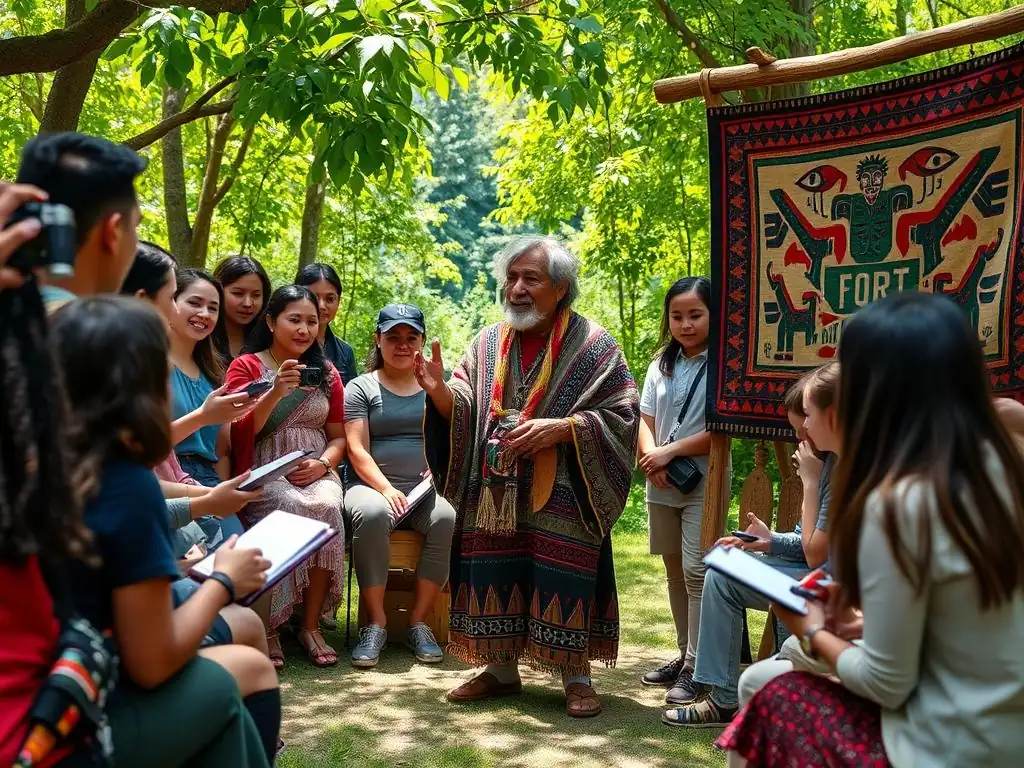
Welcome to Indigenous Civilizations of the Americas, where we embark on a fascinating journey through the rich tapestry of indigenous cultures that once flourished across this vast continent. Our main article, Interactive Activities for Teaching Indigenous Cultures and Histories, invites you to explore innovative ways to engage with these vibrant histories. Discover how thoughtfully designed activities can illuminate the achievements and societal structures of indigenous peoples, fostering a deeper understanding and appreciation for their enduring legacies. Are you ready to uncover the stories that shaped the Americas? Let’s dive in and inspire a new generation of learners!
- Introduction to Teaching Indigenous Cultures Activities
- Types of Interactive Activities for Teaching Indigenous Cultures
- Benefits of Interactive Activities in Teaching Indigenous Cultures
- Implementing Interactive Activities in the Classroom
- Resources for Educators on Teaching Indigenous Cultures
- Conclusion
-
Frequently Asked Questions
- What types of activities are suggested for teaching indigenous cultures?
- How can these activities enhance understanding of indigenous cultures?
- Are there specific age groups these activities are designed for?
- Can these activities be integrated into existing curricula?
- Where can educators find resources for these activities?
- Final Reflection: Embracing Indigenous Cultures Through Interactive Learning
- Ignite Change: Dive into Indigenous Cultures Today!
Introduction to Teaching Indigenous Cultures Activities
In today's educational landscape, the importance of incorporating indigenous perspectives into curricula cannot be overstated. Teaching indigenous cultures activities not only enriches students' understanding of diverse histories but also fosters respect for the rich traditions and contributions of these communities. This article aims to provide educators with engaging and interactive activities that promote a deeper appreciation of indigenous cultures and histories, emphasizing the significance of experiential learning. By integrating these activities into lessons, teachers can create a more inclusive and holistic educational experience that honors the legacy of indigenous peoples across the Americas.
Importance of Interactive Learning in Indigenous Education
Interactive learning plays a crucial role in the education of indigenous cultures, as it encourages students to engage with the material actively rather than passively absorbing information. This method of teaching can lead to several benefits:
- Enhanced Engagement: Students are more likely to participate and retain information when they are actively involved in the learning process.
- Cultural Connection: Interactive activities allow students to connect personally with indigenous cultures, fostering empathy and understanding.
- Critical Thinking Skills: By engaging in discussions and activities, students develop critical thinking skills as they analyze different perspectives and cultural practices.
- Community Involvement: Interactive learning often involves collaboration with local indigenous communities, encouraging respect and understanding of contemporary issues facing these groups.
Utilizing interactive methods helps foster an inclusive environment where all students can learn about and appreciate the richness of indigenous cultures.
Overview of Indigenous Cultures and Histories
The indigenous cultures of the Americas are incredibly diverse, encompassing a wide range of languages, traditions, and histories that vary from region to region. From the intricate societies of the Maya and Aztec to the nomadic tribes of the Great Plains, each group has contributed uniquely to the tapestry of human history. Some key aspects to consider when teaching about these cultures include:
- Cultural Diversity: Indigenous peoples encompass over 500 distinct nations in the United States alone, each with its own languages, customs, and belief systems.
- Historical Achievements: Indigenous civilizations made significant advancements in areas such as agriculture, architecture, and governance, often adapting to their environments in innovative ways.
- Spiritual Beliefs: Many indigenous cultures have deep spiritual connections to the land, which shapes their worldview and practices.
- Contemporary Issues: Understanding the historical context of indigenous peoples is essential for addressing current challenges such as land rights, cultural preservation, and social justice.
By exploring these elements, educators can provide students with a comprehensive understanding of indigenous cultures and encourage a respectful dialogue about their histories and contributions.
Types of Interactive Activities for Teaching Indigenous Cultures
Hands-on Workshops
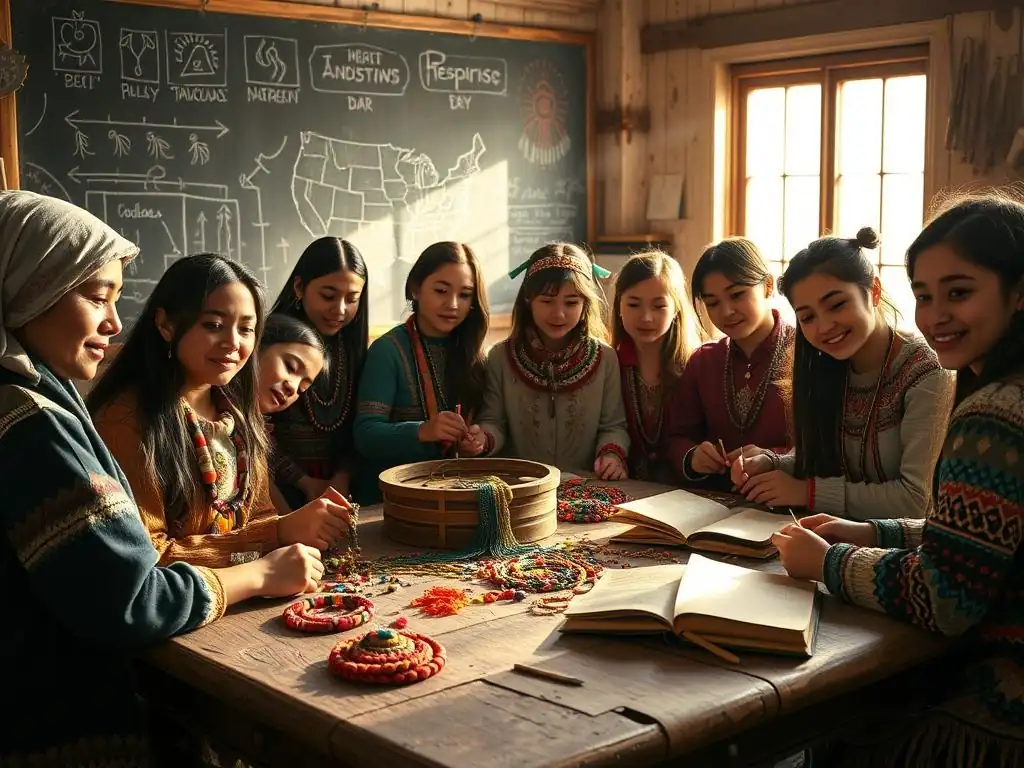
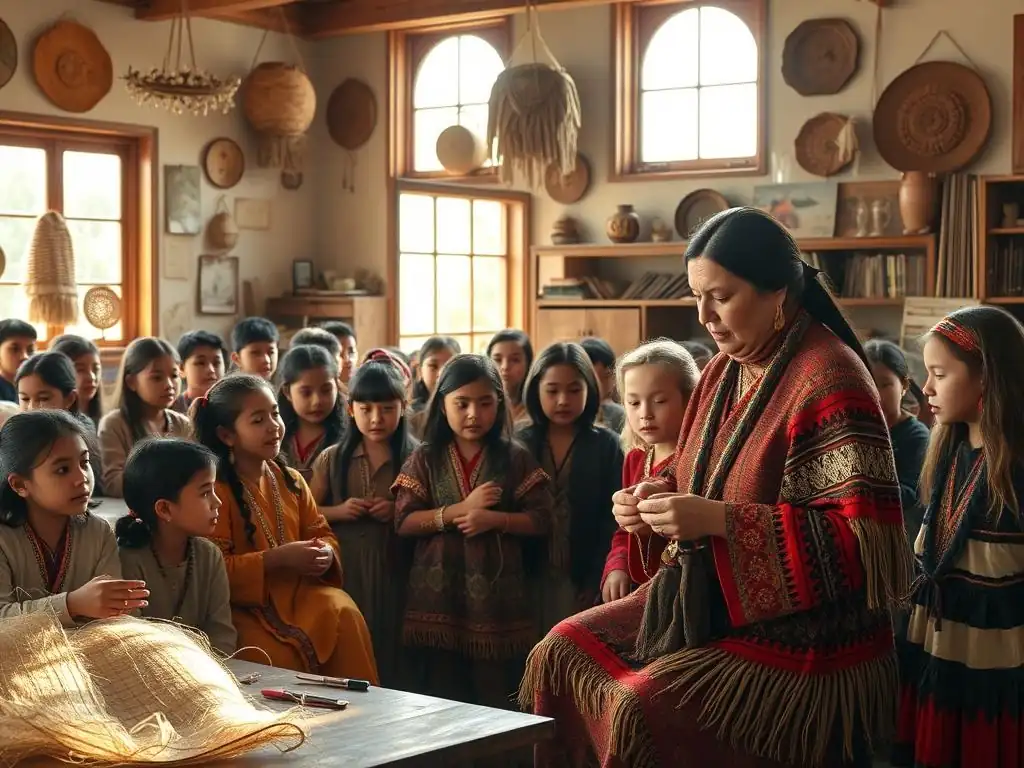
Hands-on workshops offer a dynamic approach to teaching indigenous cultures by engaging students in direct, experiential learning. These activities not only promote understanding but also foster respect for the distinct traditions and practices of various indigenous communities. Here are two notable types of workshops:
Crafting Traditional Artifacts
Crafting traditional artifacts provides students with a tangible connection to indigenous cultures. By participating in activities such as:
- Pottery Making: Students can learn about the significance of pottery in various indigenous societies, particularly among the Pueblo peoples of the Southwest.
- Weaving: Workshops on weaving can highlight the artistry behind textiles, showcasing the intricate methods used by groups like the Navajo and the Huichol.
These hands-on activities encourage creativity while imparting knowledge about the cultural significance and historical context of these artifacts.
Cooking Indigenous Recipes
Cooking indigenous recipes serves as both an educational and a sensory experience. By preparing traditional dishes, students can explore the relationship between food, culture, and identity. Some ideas for cooking activities include:
- Making Corn Tortillas: This activity can illustrate the importance of maize in many indigenous cultures, especially among communities in Mesoamerica.
- Preparing Traditional Stews: Recipes from the Inuit, such as seal stew, provide insights into the resourcefulness and adaptability of indigenous peoples in varying climates.
Engaging in these culinary experiences allows students to appreciate the diversity of indigenous diets and the cultural stories behind them.
Storytelling and Oral Histories
Storytelling is a cornerstone of indigenous cultures, serving as a means to pass down knowledge, values, and history through generations. Incorporating storytelling into educational settings can be both enriching and enlightening.
Inviting Indigenous Speakers
Bringing in indigenous speakers to share their personal narratives and cultural stories provides authenticity and depth. This approach can foster a respectful dialogue between the speaker and students, creating an opportunity for:
- Q&A Sessions: Students can engage directly with speakers, asking questions and gaining insight into their experiences and perspectives.
- Cultural Demonstrations: Speakers can also demonstrate traditional practices, such as dances or rituals, to provide a more immersive experience.
Inviting speakers not only highlights the richness of indigenous oral traditions but also reinforces the importance of listening to and valuing indigenous voices in education.
Utilizing Digital Storytelling
Digital storytelling combines technology with traditional narrative forms, allowing students to create multimedia presentations that reflect indigenous histories and cultures. This can involve:
- Creating Short Films: Students can work in groups to develop stories that reflect specific cultural themes or historical events.
- Podcasting: Producing podcasts centered on indigenous narratives promotes research skills and encourages storytelling through a modern medium.
This innovative approach to storytelling helps students develop critical thinking and digital literacy skills while fostering a deeper understanding of indigenous cultures. By utilizing digital platforms, educators can reach a broader audience and preserve these stories for future generations.
Cultural Simulation Games
Cultural simulation games offer an engaging way for students to immerse themselves in the practices, beliefs, and lifestyles of various Indigenous cultures. These games can recreate historical scenarios or contemporary issues faced by Indigenous communities, allowing participants to step into the shoes of Indigenous peoples and experience their perspectives. By manipulating variables and making decisions that reflect cultural values and practices, students gain a deeper understanding of the complexities and richness of Indigenous histories.
For instance, a simulation game might focus on resource management in a specific Indigenous culture, where students must navigate environmental challenges while adhering to traditional practices. This format encourages critical thinking, teamwork, and empathy, making learning both interactive and impactful. Additionally, these games can highlight the importance of sustainability and respect for nature, which are key themes in many Indigenous cultures.
Role-playing Historical Events
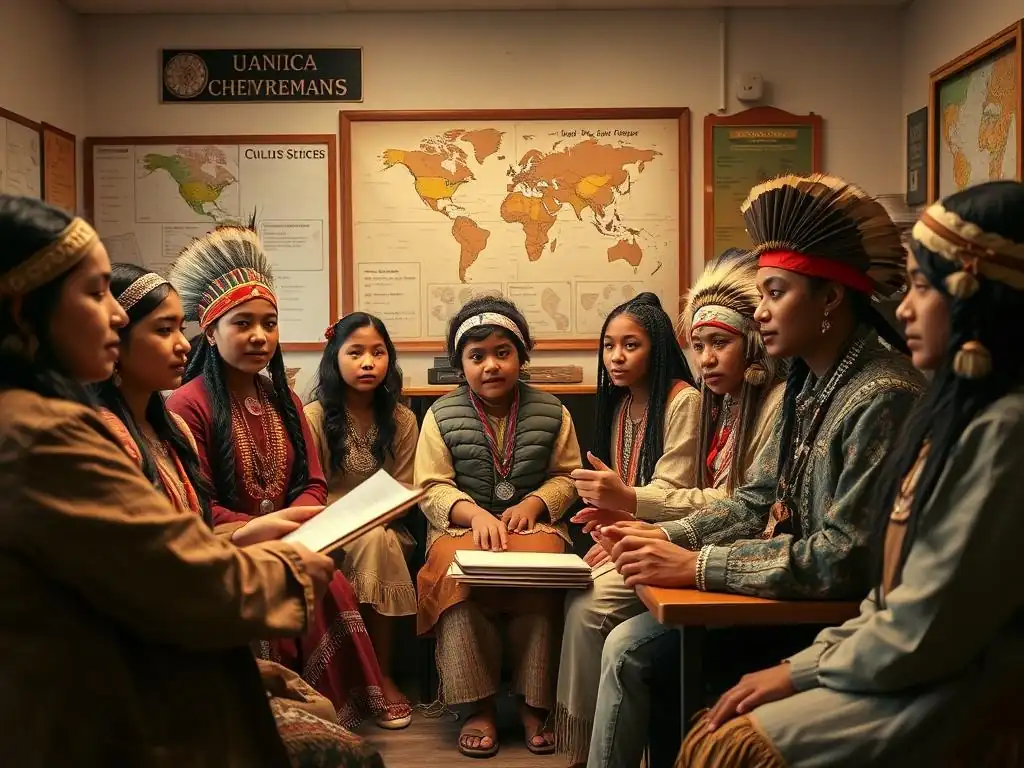
Role-playing historical events allows students to actively engage with Indigenous histories and cultures in a way that promotes empathy and understanding. By taking on the roles of historical figures or community members, students can explore significant events from multiple perspectives, fostering a deeper appreciation for the complexities of Indigenous experiences.
For example, a classroom activity may involve students reenacting the signing of treaties between Indigenous nations and colonial powers. By understanding the motivations, emotions, and consequences of these historical moments, learners can grasp the long-term impacts on Indigenous communities. Role-playing can also involve exploring daily life in an Indigenous community, where students can simulate traditional practices, storytelling, or ceremonial events, thus experiencing firsthand the cultural significance of these activities.
Interactive Map Exploration
Interactive map exploration provides a dynamic learning tool that allows students to visualize and engage with the geographical contexts of Indigenous cultures across the Americas. Utilizing digital tools or printed maps, learners can explore historical sites, tribal territories, and significant landmarks relevant to Indigenous histories.
This activity can involve students tracing migration routes, identifying traditional lands, and understanding the relationships between geography and cultural practices. For example, an interactive map could include clickable elements that reveal information about specific tribes, their languages, and cultural practices, enriching the students' knowledge base. Additionally, this exploration can highlight the ongoing impact of colonization on Indigenous lands and communities, prompting discussions about land rights and historical injustices.
Incorporating interactive maps into the curriculum not only enhances spatial awareness but also encourages students to think critically about the significance of place in shaping cultural identities.
Benefits of Interactive Activities in Teaching Indigenous Cultures
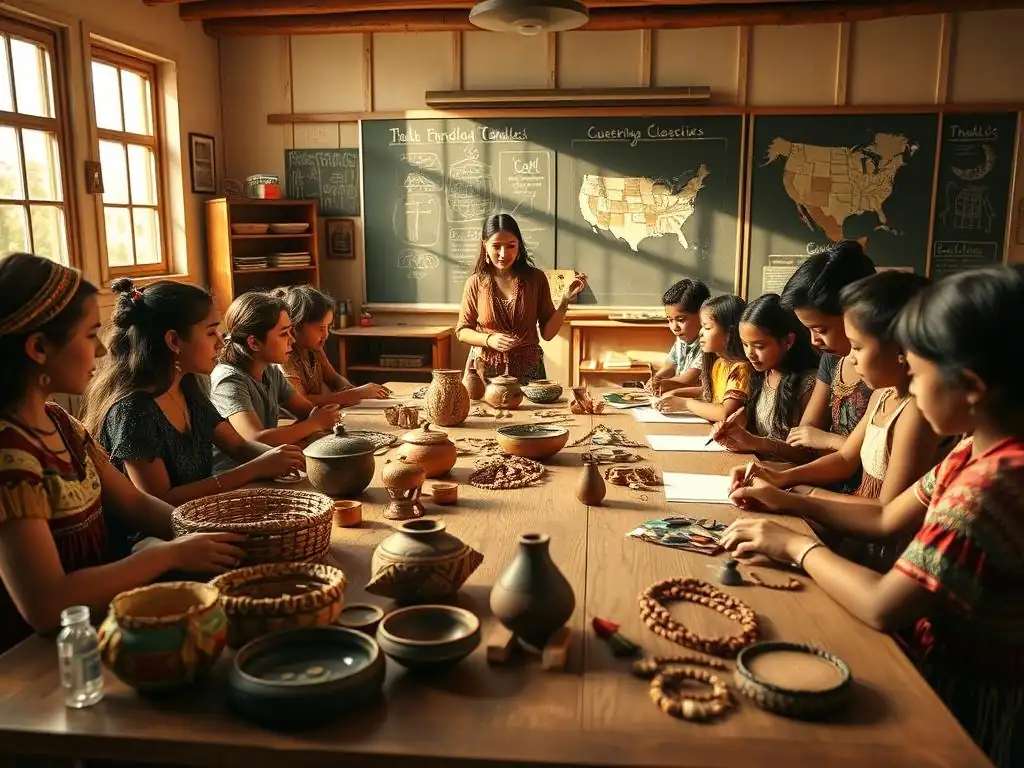
Interactive activities play a vital role in teaching indigenous cultures, providing dynamic and immersive experiences that enhance learning outcomes. By integrating these activities into the curriculum, educators can create a more engaging and impactful educational environment. Below are some key benefits of such approaches in the context of teaching indigenous cultures.
Enhancing Engagement and Retention
Interactive activities significantly boost student engagement, leading to improved retention of knowledge. Traditional teaching methods often rely on passive learning, which can lead to disengagement. In contrast, interactive activities—such as role-playing, simulations, and hands-on projects—encourage active participation. For example:
- Role-playing: Students can take on roles from different indigenous societies, which helps them better understand cultural practices and societal structures.
- Hands-on projects: Creating traditional crafts or cooking indigenous recipes allows students to experience the culture tangibly.
Research shows that when students are actively involved, they are more likely to remember and recall information. A study by the National Training Laboratories indicates that active learning methods can lead to retention rates as high as 75% compared to only 5% for traditional lectures.
Fostering Cultural Appreciation and Respect
Through interactive activities, students gain a deeper appreciation for indigenous cultures. Engaging with diverse cultural narratives fosters respect and understanding. Activities that promote cultural exchange, such as:
- Guest speakers from indigenous communities: Inviting indigenous leaders or cultural practitioners to share their stories and experiences.
- Cultural festivals: Organizing events where students can participate in traditional dances, music, and storytelling.
These experiences help dismantle stereotypes and challenge misconceptions about indigenous peoples. By learning about the complexities and richness of these cultures, students develop a more nuanced view, which promotes empathy and respect.
Encouraging Critical Thinking and Empathy
Interactive activities encourage students to think critically about historical narratives and contemporary issues facing indigenous communities. By analyzing case studies, participating in debates, or engaging in community projects, students can:
- Examine multiple perspectives: Understanding the impact of colonization and ongoing challenges faced by indigenous peoples.
- Reflect on their own beliefs and biases: This self-reflection helps cultivate empathy, allowing students to connect with the experiences of others.
For instance, a classroom debate over land rights can prompt students to explore legal, ethical, and social dimensions of indigenous sovereignty. According to educational theorists, such critical engagement develops higher-order thinking skills, essential for informed citizenship and advocacy.
Incorporating interactive activities into the teaching of indigenous cultures not only enriches the educational experience but also fosters respect, empathy, and critical thinking skills among students. By embracing these methods, educators can significantly enhance the understanding of indigenous histories and cultures, creating a generation of informed advocates and allies.
Implementing Interactive Activities in the Classroom
Curriculum Integration Strategies
Integrating interactive activities into the curriculum is essential for effectively teaching indigenous cultures and histories. By aligning these activities with existing educational standards and objectives, educators can create a cohesive learning experience that engages students and deepens their understanding.
- Incorporate Indigenous Perspectives Across Subjects: Rather than isolating indigenous cultures to social studies, educators can weave indigenous perspectives into various subjects such as:
- Literature: Explore indigenous storytelling traditions and texts.
- Science: Discuss traditional ecological knowledge and sustainable practices.
- Art: Analyze indigenous art forms and their cultural significance.
- Utilize Project-Based Learning (PBL): Project-based learning encourages students to engage in hands-on activities that explore specific themes related to indigenous cultures. Examples include:
- Creating a digital storytelling project that incorporates indigenous narratives.
- Developing a class garden using traditional indigenous agricultural techniques.
By implementing these strategies, educators can create a rich, interdisciplinary curriculum that honors and teaches about the diverse indigenous cultures of the Americas.
Aligning Activities with Learning Objectives
To ensure that interactive activities effectively contribute to students’ learning, it’s crucial to align them with clear learning objectives. This process involves:
- Identifying Key Concepts: Determine what fundamental ideas and themes about indigenous cultures you want students to grasp, such as:
- The importance of oral traditions.
- The role of community and kinship in indigenous societies.
- Developing Specific Learning Outcomes: Frame measurable outcomes that can guide the design of activities. For instance:
- Students will be able to describe the significance of a specific indigenous festival.
- Students will analyze the impact of colonization on indigenous populations.
- Using Bloom's Taxonomy: Employ Bloom's Taxonomy as a framework for crafting objectives that promote higher-order thinking skills. For example:
- Remembering: Identify key figures in indigenous history.
- Analyzing: Compare and contrast different indigenous cultures.
By aligning activities with well-defined learning objectives, educators can create meaningful interactive experiences that enhance students' understanding of indigenous cultures.
Collaborating with Indigenous Communities
Collaboration with indigenous communities is vital for creating authentic and respectful educational experiences. This partnership can manifest in various ways:
- Inviting Guest Speakers: Engage members of indigenous communities to share their personal stories, cultural practices, and perspectives. This direct interaction can enrich students' understanding and appreciation of indigenous cultures.
- Co-developing Curriculum: Work alongside indigenous leaders and educators to co-create curriculum materials that accurately reflect their histories and cultures. This collaborative approach ensures that the content is relevant and respectful.
- Field Trips and Cultural Experiences: Organize trips to indigenous cultural sites, museums, or events. This hands-on experience allows students to engage with the culture in a meaningful way.
By fostering these collaborations, educators can create a more inclusive and comprehensive educational environment that honors indigenous voices and perspectives.
Assessment Techniques for Interactive Learning
Assessing the effectiveness of interactive activities in teaching indigenous cultures requires innovative techniques that capture students’ learning experiences. Here are some key assessment methods:
Evaluating Participation and Understanding
Participation and understanding can be evaluated through various formative assessment strategies, including:
- Observation: Regularly observe students during interactive activities to gauge their engagement and participation levels. Take note of how well they collaborate and contribute to group discussions.
- Reflective Journals: Encourage students to maintain reflective journals where they can document their learning experiences, thoughts, and feelings about indigenous cultures. This practice fosters critical thinking and self-reflection.
- Peer Assessments: Implement peer assessments where students provide feedback on each other’s contributions during group activities. This not only encourages collaboration but also reinforces learning.
By employing these strategies, educators can effectively assess students' understanding and engagement in learning about indigenous cultures.
Feedback Mechanisms for Continuous Improvement
Feedback is an essential component of the learning process. Implementing effective feedback mechanisms can lead to continuous improvement in both teaching and learning:
- Immediate Feedback: Provide real-time feedback during interactive activities, allowing students to adjust their understanding and approach on the spot. This could involve giving constructive criticism or highlighting successful contributions.
- Post-Activity Debriefing: After completing an interactive activity, hold a debriefing session where students can express their thoughts and insights. This discussion can provide valuable feedback for both students and educators.
- Anonymous Surveys: Utilize anonymous surveys to gather student feedback on the activities and their learning experiences. This can reveal areas for improvement and help refine future interactive activities.
By implementing these feedback mechanisms, educators can create a dynamic learning environment that continuously evolves and enhances the teaching of indigenous cultures.
Resources for Educators on Teaching Indigenous Cultures
Recommended Books and Literature
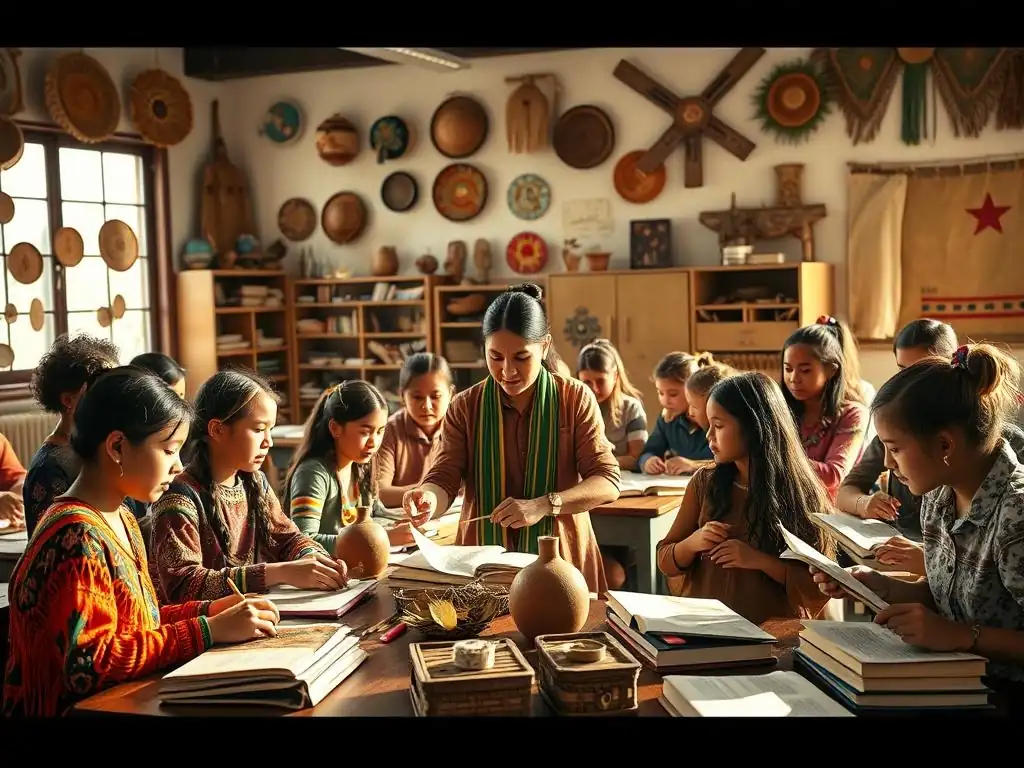
When it comes to teaching indigenous cultures activities, literature is an invaluable resource that provides deep insights into the histories, traditions, and contributions of indigenous peoples. Here’s a selection of recommended books that educators can utilize in their classrooms:
- "An Indigenous Peoples' History of the United States" by Roxanne Dunbar-Ortiz
- This book offers a critical perspective on U.S. history, focusing on the experiences and histories of indigenous peoples. It presents a narrative that challenges traditional historical accounts, making it a vital resource for educators.
- "The Absolutely True Diary of a Part-Time Indian" by Sherman Alexie
- A young adult novel that provides a poignant look at contemporary Native American life through the eyes of a young boy. This engaging narrative can spark discussions about identity, culture, and resilience.
- "Rez Life: An Indian's Journey Through Reservation Life" by David Treuer
- This book delves into the complexities of life on reservations today, exploring both challenges and triumphs. It serves as a powerful tool for understanding modern indigenous realities.
- "Indian No More" by Charlene Willing McManis and Traci Sorell
- A compelling story that addresses themes of identity and belonging, particularly focusing on the impacts of the termination policy on indigenous people. This book is suitable for younger readers and can lead to meaningful conversations about cultural heritage.
- "We Are the Stars" by the Seven Generations project
- A collection of stories and oral histories that celebrate indigenous voices. This book can help students appreciate the richness of indigenous storytelling traditions.
Online Platforms and Tools for Teaching Activities
Incorporating interactive activities for teaching indigenous cultures can significantly enhance student engagement and understanding. Here are some online platforms and tools that educators can utilize:
- Teaching Tolerance
- A project of the Southern Poverty Law Center, Teaching Tolerance offers free resources focused on social justice and anti-bias education, including modules on indigenous histories and cultures.
- National Museum of the American Indian (NMAI)
- NMAI provides a variety of online educational resources, including lesson plans and activities that explore indigenous cultures, art, and history. Their interactive modules can be particularly engaging for students.
- PBS LearningMedia
- This platform features a range of videos, lesson plans, and interactive activities that cover indigenous history and cultures. The content is curated to align with educational standards, making it easy for teachers to integrate into their curriculum.
- Khan Academy
- While primarily known for its math and science resources, Khan Academy also offers materials related to indigenous cultures, including historical context and contributions. These resources can be adapted for various educational levels.
- Google Arts & Culture
- This platform hosts numerous virtual exhibits and interactive experiences related to indigenous cultures worldwide. Teachers can use these tools to create immersive learning experiences that highlight the diversity of indigenous peoples.
Networks and Organizations Supporting Indigenous Education
Educators can benefit from connecting with networks and organizations dedicated to supporting indigenous education. Here are some notable organizations:
- National Indian Education Association (NIEA)
- The NIEA advocates for quality education for Native students and provides resources, professional development, and networking opportunities for educators interested in indigenous education.
- American Indian Science and Engineering Society (AISES)
- AISES promotes education and careers in STEM fields for indigenous students. Their resources and programs can help educators integrate culturally relevant STEM activities into their curriculum.
- First Nations Development Institute
- Focused on economic development and educational initiatives for Native communities, this organization offers resources and funding opportunities for projects that support indigenous education.
- Indigenous Education Coalition
- A network that focuses on the educational needs of indigenous populations, providing resources, training, and advocacy for culturally relevant teaching practices.
- The Smithsonian Institution’s National Museum of the American Indian
- This museum not only offers educational resources but also engages in advocacy and outreach to promote awareness and appreciation of indigenous cultures.
By leveraging these resources, educators can create dynamic and impactful experiences that resonate with students and foster a deeper understanding of indigenous cultures and histories.
Conclusion
Recap of the Importance of Teaching Indigenous Cultures Activities
Teaching indigenous cultures activities is vital for fostering a deeper understanding of the rich histories and contributions of indigenous peoples across the Americas. Engaging students in interactive activities not only enhances their learning experience but also promotes respect and appreciation for cultural diversity. These activities serve several key purposes:
- Cultural Awareness: Students learn about the traditions, languages, and practices of indigenous groups, which broadens their perspectives and encourages empathy.
- Critical Thinking: Interactive activities challenge students to think critically about historical narratives, often contrasting indigenous perspectives with mainstream accounts.
- Engagement: Hands-on learning experiences, such as storytelling, art projects, and role-playing, captivate students' interest, making the learning process both enjoyable and memorable.
By integrating these activities into the curriculum, educators can help students develop a holistic view of history that recognizes the importance of indigenous contributions and perspectives.
Call to Action for Educators and Institutions
Educators and institutions play a crucial role in transforming the landscape of indigenous education. To effectively teach indigenous cultures activities, consider the following actionable steps:
- Incorporate Diverse Resources: Utilize a variety of materials, including books, documentaries, and online resources, to provide a comprehensive view of indigenous cultures.
- Collaborate with Indigenous Communities: Engage with local indigenous groups to gain insights and knowledge that can enrich the curriculum. This collaboration can also foster relationships and mutual respect.
- Professional Development: Invest in training and workshops for educators focused on indigenous histories and pedagogical techniques that promote inclusive teaching.
- Create Inclusive Curriculum: Develop lesson plans that integrate indigenous perspectives across various subjects, ensuring that students encounter these narratives throughout their education.
By taking these steps, educators can create a more inclusive and engaging learning environment that honors the legacies of indigenous cultures and empowers students to become informed global citizens. 🌍
Frequently Asked Questions
What types of activities are suggested for teaching indigenous cultures?
The article provides interactive activities such as storytelling, art projects, and traditional games that aim to engage students with indigenous histories and cultures.
How can these activities enhance understanding of indigenous cultures?
These activities promote active learning, allowing students to experience and appreciate the diversity and richness of indigenous cultures, fostering a deeper respect for their heritage.
Are there specific age groups these activities are designed for?
Yes, the activities can be tailored for various age groups, from elementary to high school, ensuring that the content is age-appropriate and engaging.
Can these activities be integrated into existing curricula?
Absolutely! The suggested activities can be seamlessly incorporated into social studies, history, or art classes, enriching the curriculum with cultural insights.
Where can educators find resources for these activities?
Educators can access a variety of resources through the website, including lesson plans, materials, and links to community organizations that support teaching about indigenous cultures.
Final Reflection: Embracing Indigenous Cultures Through Interactive Learning
Teaching Indigenous cultures activities is not just an educational endeavor; it is a vital step towards fostering understanding and respect in our increasingly diverse society. As we navigate the complexities of modern life, the need to appreciate and honor the rich histories and traditions of Indigenous peoples has never been more urgent. By engaging with these cultures through interactive activities, we can break down barriers, challenge stereotypes, and cultivate a more inclusive environment for all.
The influence of Indigenous cultures is woven into the fabric of our social landscape, shaping our values, art, and community dynamics. By incorporating these teachings into our educational systems, we not only honor the past but also create a bridge to a more equitable future. As author and activist Winona LaDuke once said, The future will be about the relationships we build with each other and the land.
This sentiment underscores the importance of fostering connections through education, allowing us to learn from Indigenous perspectives and integrate them into our collective consciousness.
As you reflect on the insights shared in this article, I invite you to consider how you can actively participate in this journey of learning and respect. Think about the ways you can incorporate interactive activities into your own teaching practices or community engagements. By doing so, you not only enrich your own understanding but also contribute to a broader movement that honors Indigenous cultures and histories. Let us commit to being lifelong learners, advocates for justice, and champions of diversity in our educational spaces.
Ignite Change: Dive into Indigenous Cultures Today!
Thank you for exploring the vibrant tapestry of Indigenous cultures and histories with us! Your engagement helps preserve and promote these rich traditions, ensuring they thrive for generations to come. Now, let’s take actionable steps together to deepen your understanding and become an advocate for these essential narratives.
- Participate in a local Indigenous cultural event or workshop to experience traditions firsthand.
- Share this article with friends and family to spread awareness and inspire others to learn about Indigenous peoples.
- Join an online community or forum focused on Indigenous issues to connect, share insights, and enhance your knowledge.
Which aspect of Indigenous culture or history resonates with you the most, and how do you plan to integrate it into your daily life?