
Weaving Stories: The Symbolism Embedded in Indigenous Textile Patterns

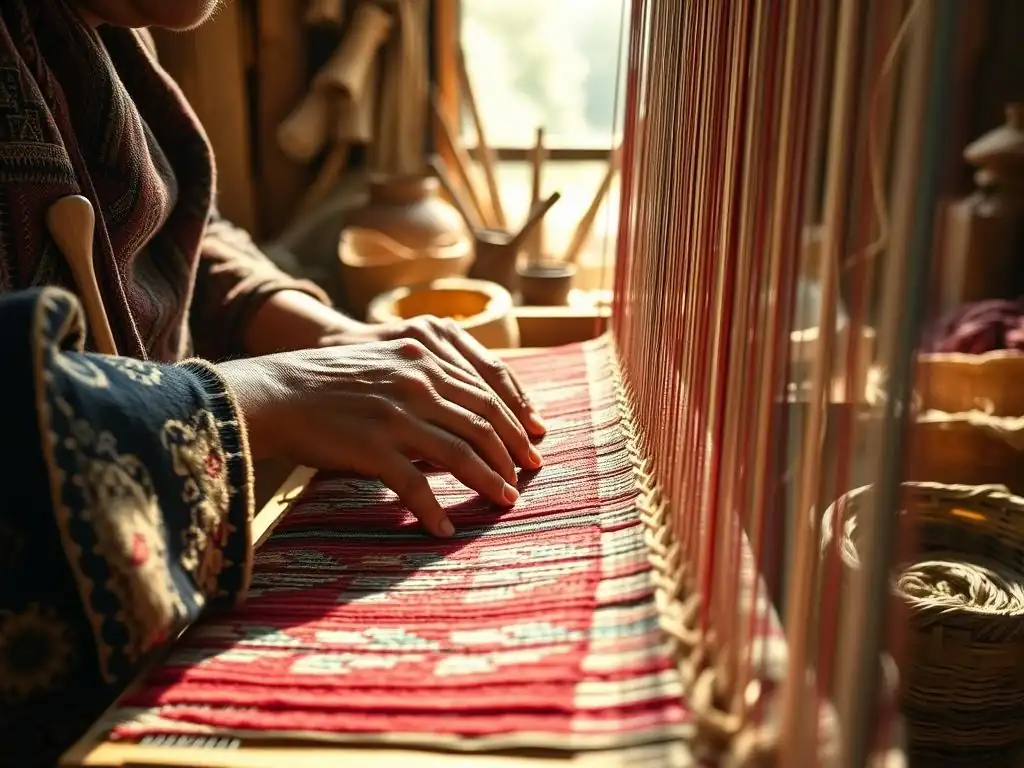
Welcome to Indigenous Civilizations of the Americas, where we invite you to embark on a journey through the vibrant tapestry of cultures that flourished long before European contact. In our featured article, "Weaving Stories: The Symbolism Embedded in Indigenous Textile Patterns," we delve into the intricate meanings woven into the fabric of indigenous textiles. Discover how these stunning patterns serve not just as art, but as powerful symbols of identity, heritage, and storytelling.
Prepare to be captivated by the rich narratives behind these textiles, and explore the profound achievements of the indigenous peoples who created them. Your adventure into the depths of history and culture begins here!
Introduction to Indigenous Textile Pattern Symbolism
Textiles have long served as a canvas for storytelling, cultural expression, and identity among Indigenous peoples of the Americas. Indigenous textile pattern symbolism is not merely about aesthetics; these intricate designs encapsulate histories, beliefs, and the relationship of communities with their environment.
From intricate weavings of the Navajo to the vibrant tapestries of the Andes, each pattern is imbued with meaning, serving as a visual language that communicates the values and narratives of Indigenous cultures. This article delves into the rich tapestry of symbolism found in Indigenous textiles, exploring how these patterns reflect the achievements and advancements of Indigenous societies.
Understanding the Importance of Textile in Indigenous Cultures
Textiles are far more than functional items in Indigenous cultures; they are integral to social structure, spirituality, and cultural continuity. Here are some key aspects of their significance:
- Cultural Identity: Textiles often represent the unique identity of a tribe or community, showcasing their heritage and traditions.
- Social Status: The complexity and quality of textile work can indicate social standing within a community, as well as the skills of the artisan.
- Rituals and Ceremonies: Many textiles are created for specific rituals, symbolizing important life events such as births, marriages, and funerals.
- Connection to Nature: Patterns frequently draw inspiration from the natural world, reflecting the deep spiritual connection Indigenous peoples maintain with their environment.
Overview of Indigenous Textile Pattern Symbolism
The symbolism embedded in Indigenous textile patterns can be understood through various lenses, including:
- Geometric Shapes: Often symbolize elements of nature, such as water, earth, and sky.
- Color Choices: Each color carries specific meanings; for example, red may symbolize strength or vitality, while blue can represent tranquility.
- Motifs and Imagery: Common motifs include animals, plants, and celestial bodies, each telling a story or conveying a particular cultural belief.
Historical Context of Indigenous Textiles
The history of Indigenous textiles is rich and complex, reflecting the diverse environments and cultures across the Americas. Understanding this context is crucial to appreciating the significance of textile pattern symbolism.
The Evolution of Textile Technologies in Indigenous Societies
Indigenous peoples developed advanced textile technologies that evolved over thousands of years. Key milestones include:
- Materials: The use of natural fibers such as cotton, wool, and plant-based materials showcased ingenuity in sourcing and processing resources.
- Techniques: Weaving, embroidery, and dyeing techniques were passed down through generations, with each community contributing unique methods to the craft.
- Tools: The invention of looms and other textile tools allowed for more intricate designs and greater efficiency in production.
Significant Civilizations and Their Unique Textile Practices
Several Indigenous civilizations are renowned for their textile practices, each with distinctive styles and symbolic meanings:
- The Navajo: Known for their beautiful rugs and blankets, Navajo textiles often feature geometric patterns that represent the harmony of nature.
- The Inca: The Inca civilization excelled in the use of vibrant colors and intricate patterns, with textiles often signifying social status and regional identity.
- The Maya: Maya textiles are characterized by their elaborate patterns and bright colors, often depicting mythological stories and agricultural cycles.
By exploring the diverse symbolism and historical context of Indigenous textiles, we can better appreciate the intricate stories woven into each piece, reflecting the rich cultural heritage of Indigenous peoples across the Americas.
The Meaning Behind Indigenous Textile Patterns
Indigenous textile patterns serve as a rich tapestry of cultural expression, telling stories and conveying meanings that are deeply rooted in the history, beliefs, and identities of various communities. Each design encapsulates layers of significance, reflecting the environment, ancestral traditions, and social structures of the people who created them. For many Indigenous cultures, textiles are not merely functional; they are a form of art that communicates values, spirituality, and social narratives.
Textile patterns often embody the relationship between the community and nature, showcasing elements such as animals, plants, and celestial bodies. These patterns are traditionally passed down through generations, preserving ancestral knowledge and practices. The weaving process itself becomes a ceremonial act, where the maker engages with cultural teachings, ensuring that each piece is imbued with intentionality and meaning.
Moreover, textiles can signify social status, marital status, or tribal affiliation. Certain motifs may be exclusive to specific clans or families, serving as identifiers within the larger cultural group. Thus, Indigenous textile patterns act as a visual language that shares the stories of their people and fosters a sense of belonging and continuity within the community.
Common Themes and Symbolism in Indigenous Textile Designs
Indigenous textile designs frequently incorporate recurring themes and symbols that resonate across various cultures. Some common motifs include:
- Nature Elements: Many patterns draw inspiration from the natural world, featuring representations of plants, animals, and landscapes that hold spiritual significance.
- Mythological Figures: Textiles often depict figures or stories from Indigenous mythology, weaving narratives of creation, transformation, and cultural heroes into the fabric.
- Geometric Shapes: Geometric patterns are prevalent in many Indigenous textiles, symbolizing order, balance, and the interconnectedness of life. These shapes can represent various concepts, such as cycles of life or the cosmos.
- Cultural Symbols: Unique symbols specific to certain tribes or regions may denote clan lineage, spiritual beliefs, or historical events.
Understanding these themes allows for a greater appreciation of the intricate meanings behind each textile piece, highlighting the deep connection between art, identity, and heritage.
The Role of Colors in Indigenous Textile Symbolism
Colors play a pivotal role in Indigenous textile symbolism, often carrying specific meanings and associations that vary from one culture to another. The choice of colors is not arbitrary; rather, it is steeped in tradition and spirituality.
- Red: Often symbolizes life, vitality, and the power of the earth. It may also represent sacrifice or the blood of ancestors.
- Black: Frequently associated with the unknown, mystery, and the cosmos. It can denote both protection and the duality of existence.
- White: Commonly represents purity, peace, and spirituality. In some cultures, it is linked to the cycle of life and death.
- Yellow and Gold: These colors are often associated with the sun, fertility, and growth, embodying the warmth and energy of life.
The use of color not only enhances the visual appeal of textiles but also deepens their symbolic significance. By analyzing the color choices in Indigenous textiles, one can gain insights into the values, beliefs, and worldviews of the cultures that produced them.
Regional Variations in Textile Symbolism
Indigenous textile patterns reveal a fascinating spectrum of regional variations, with each area showcasing unique styles, motifs, and symbolic meanings. These differences are influenced by local resources, environmental conditions, and cultural exchanges among communities.
North American Indigenous Textile Patterns
In North America, Indigenous textile patterns vary widely among tribes, each reflecting distinct cultural identities and practices. For example, the Navajo are renowned for their intricate rugs and blankets, characterized by geometric designs and vibrant colors that symbolize harmony and balance. The patterns often incorporate sacred symbols that reflect the tribe's connection to nature and spiritual beliefs.
Similarly, the Plains tribes, such as the Lakota and Cheyenne, utilized quillwork and beadwork on hides and garments, employing motifs that signify social status and tribal affiliation. The designs are often rich in symbolism, representing elements of the natural world, personal experiences, and important events within the community.
Central American Indigenous Textile Patterns
Central American Indigenous textiles are celebrated for their vivid colors and intricate patterns, with each region showcasing unique styles. The Maya, for instance, are known for their backstrap weaving techniques, producing textiles that feature complex geometric designs and vibrant colors. These patterns often have deep cultural meanings, linked to Mayan cosmology and beliefs.
In Guatemala, traditional huipils (blouses) are adorned with symbols that represent personal and communal identities, with specific motifs indicating the wearer’s village, marital status, and even historical narratives. The use of color and design in Central American textiles serves not only as a form of artistic expression but also as a means of preserving cultural heritage.
South American Indigenous Textile Patterns
South American Indigenous textiles, particularly those from the Andean region, are renowned for their bold colors and intricate patterns. The Quechua and Aymara people of Peru, for example, create textiles that often feature motifs inspired by their environment, such as mountains, animals, and agricultural practices. These patterns are imbued with meanings related to fertility, life cycles, and the interconnectedness of all living things.
Additionally, the use of natural dyes from plants and minerals reflects an intimate knowledge of the land and its resources. The vibrant textiles of the Andes not only serve practical purposes but also act as a canvas for storytelling, conveying ancestral wisdom and cultural traditions that continue to thrive today.
The Cultural Significance of Textile Symbols
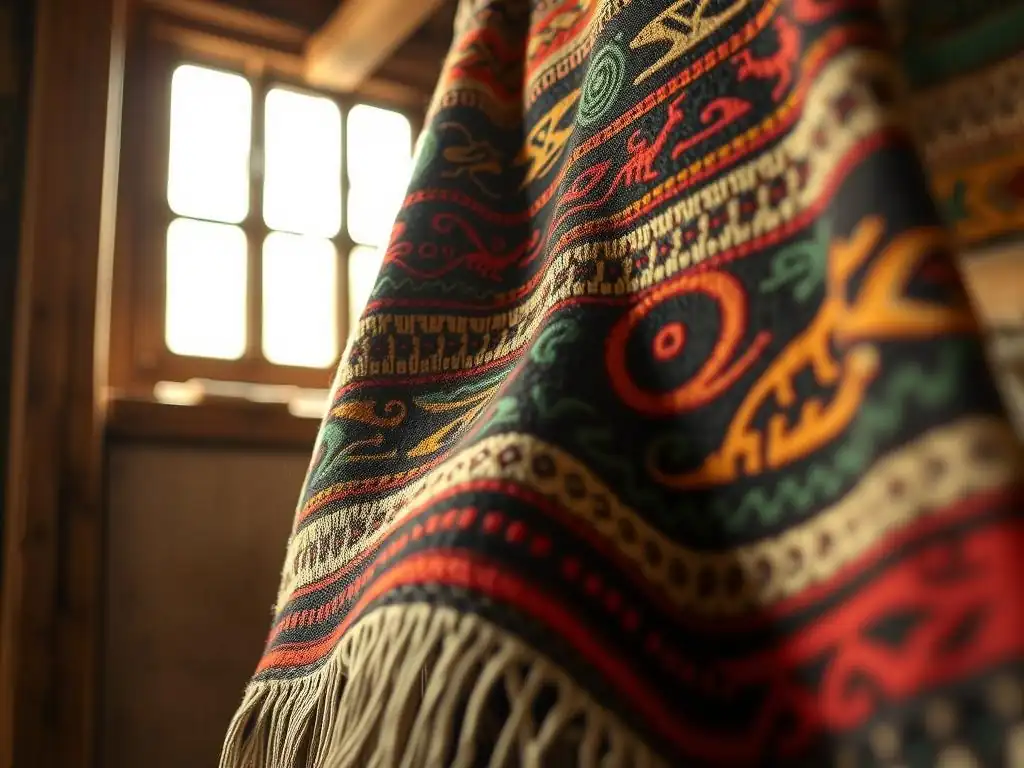
Textiles have long been more than mere functional items in indigenous cultures; they are vibrant canvases that communicate a multitude of meanings and narratives. Each pattern, color, and weave embodies cultural identities, beliefs, and stories passed down through generations. The symbolism embedded in indigenous textile patterns often reflects the environment, social structures, and cosmological views of the community, making them powerful tools for cultural expression.
For many indigenous groups, textiles serve as a language of their own. Various motifs can signify familial lineage, territorial claims, or spiritual connections. For instance, in the Andean cultures, the use of specific colors and patterns can denote different regions or social statuses. Thus, textiles are not only practical in their use but also serve as a crucial medium for preserving and sharing the cultural heritage of indigenous peoples.
Additionally, the process of weaving itself is steeped in cultural significance. The act of creating textiles is often seen as a communal or familial activity, fostering bonds and shared identities. Through weaving, indigenous people express their relationship with the land, their ancestors, and the spiritual world, making the textile not just a product but a continuation of their cultural narrative.
Weaving Stories: Narratives Embedded in Patterns
Indigenous textile patterns are rich with stories that convey the history and values of a community. Each design can tell a unique tale that connects the weaver to their ancestors, the land, and the cosmos. For example, the Navajo blankets often depict elements from their mythology, such as the spider woman who taught them the art of weaving, or the sacred symbols of lightning and rain, representing life and growth.
The narrative quality of textile patterns extends beyond individual stories to encompass collective memory. For many cultures, specific designs can evoke historical events or significant societal changes. The use of geometric patterns among the Huichol people in Mexico, for instance, is not merely decorative; it embodies their spiritual journeys and connections to the natural world, making the textile a reflection of their worldview.
Moreover, storytelling through textiles fosters intergenerational connections. Elders often pass down techniques and the meanings behind various patterns to younger generations, ensuring that these stories are not forgotten. This transmission of knowledge reinforces cultural identity and continuity, allowing communities to remain anchored to their histories.
The Role of Textiles in Rituals and Ceremonies
Textiles play a pivotal role in the rituals and ceremonies of indigenous cultures, serving as vital components in various rites of passage, spiritual practices, and communal gatherings. In many cases, textiles are imbued with spiritual significance, often used in ceremonies to invoke blessings, protection, or connection to the divine.
For example, in the Andes, textiles are often utilized in agricultural rituals, where specific patterns and colors are believed to attract favorable weather and ensure a bountiful harvest. Similarly, among the Navajo, ceremonial blankets are integral to important events such as weddings and blessings, symbolizing unity and protection for the couple.
The creation of these textiles can also be a ritualistic act in itself. Weaving is often accompanied by prayers, songs, or meditative practices that imbue the fabric with spiritual energy. The resulting textiles are then treated with reverence, acknowledged as living representations of the community's beliefs and values.
Furthermore, textiles can serve as a means of communal identity during ceremonies. When members of a community wear traditional garments adorned with specific patterns, they collectively express their cultural heritage and solidarity. This practice reinforces social bonds and a shared sense of belonging within the community.
The Impact of Colonization on Indigenous Textile Symbolism
The arrival of European colonizers profoundly affected indigenous textile patterns, leading to significant changes in both techniques and symbolism. As colonization progressed, many traditional practices faced suppression, while the introduction of new materials and influences resulted in a complex interplay between indigenous and European textile traditions.
Colonizers often imposed their values and aesthetics on indigenous communities, leading to the dilution or transformation of traditional textile practices. Indigenous artisans were sometimes forced to adopt foreign styles or materials, which could lead to a loss of original meanings embedded in their textile designs. This cultural disruption often resulted in the appropriation of indigenous textile patterns, where traditional motifs were commodified without understanding their significance.
Despite these challenges, many indigenous cultures adapted to the changing environment, blending new influences with their traditional practices. This adaptability showcases the resilience of indigenous peoples, as they maintained elements of their cultural identity even amidst colonization.
Changes in Techniques and Patterns Post-Colonization
Post-colonization, indigenous textile techniques underwent significant transformations. The introduction of synthetic dyes and mass-produced fabrics altered traditional dyeing methods and material choices. While these new materials offered convenience, they often lacked the cultural significance and connection to the land inherent in natural fibers and dyes.
Additionally, the colonizers' aesthetic preferences influenced indigenous textile patterns, leading to the incorporation of European motifs and techniques. For example, the introduction of quilting and embroidery techniques altered the traditional weaving practices of various indigenous communities. This blending of styles sometimes resulted in innovative designs that married indigenous and European elements, creating a new textile language.
However, the shift also led to the erosion of original meanings associated with certain patterns. Many indigenous artisans found themselves navigating a delicate balance between preserving their heritage and adapting to new market demands. In some cases, traditional patterns were altered or simplified to cater to the tastes of European consumers, which diluted the cultural narratives originally embedded in the designs.
Revitalization of Indigenous Textile Traditions Today
In recent years, there has been a resurgence of interest in indigenous textile traditions, driven largely by efforts to revitalize cultural heritage and reclaim lost narratives. Indigenous artisans and communities are increasingly embracing their textile practices, seeking to restore the symbolism and techniques that were suppressed during colonization.
This revitalization movement often involves a re-examination of traditional practices, with many artisans returning to ancestral techniques and natural materials. Workshops and educational programs focused on weaving, dyeing, and pattern-making are being established to pass down knowledge to younger generations, ensuring that these traditions endure.
Furthermore, there is a growing appreciation for indigenous textiles in contemporary markets, with consumers seeking authentic, ethically-produced items. This demand has empowered indigenous artisans to reclaim their narratives and share their cultural stories through textiles, allowing them to define their identities on their terms.
The revitalization of indigenous textile traditions not only strengthens cultural identity but also fosters economic opportunities within communities. By creating and selling traditional textiles, artisans can sustain their livelihoods while simultaneously preserving their heritage. This movement reflects a broader trend towards recognizing the value of indigenous knowledge systems and the importance of maintaining cultural practices in the face of globalization.
Modern Interpretations and Adaptations of Indigenous Textile Patterns
Indigenous textile patterns have evolved significantly over time, with modern interpretations and adaptations bringing fresh perspectives to traditional designs. Contemporary artisans often blend historical motifs with innovative techniques, creating textiles that resonate with both ancestral meanings and current aesthetics. This fusion allows for a dynamic dialogue between past and present, ensuring that indigenous stories continue to be told through fabric.
Many modern artists draw inspiration from the rich symbolism embedded in traditional patterns, infusing their works with a sense of identity and cultural pride. This adaptation process is not merely about replicating old designs; rather, it involves a thoughtful reinterpretation that honors the original meanings while making them relevant to contemporary audiences. This practice plays a crucial role in keeping indigenous narratives alive and accessible.
Contemporary Artists and Their Influence on Indigenous Symbolism
Contemporary artists are pivotal in reshaping the understanding of indigenous textile pattern symbolism. Figures such as Linda Lomahaftewa, a Hopi artist, and Ruth Cuthand, a Plains Cree artist, utilize their platforms to showcase the depth and diversity of indigenous stories through textiles. Their work often addresses themes of colonization, identity, and resilience, integrating modern art practices with traditional crafts.
By engaging with younger generations and utilizing social media, these artists amplify the visibility of indigenous symbolism in textiles. They inspire a new wave of creators to explore their cultural roots, encouraging them to experiment with traditional patterns while fostering a sense of community and belonging. Through workshops and exhibitions, contemporary artists not only preserve but also innovate indigenous textile arts, allowing for a continuous evolution of meaning and expression.
The Fusion of Traditional and Modern Techniques
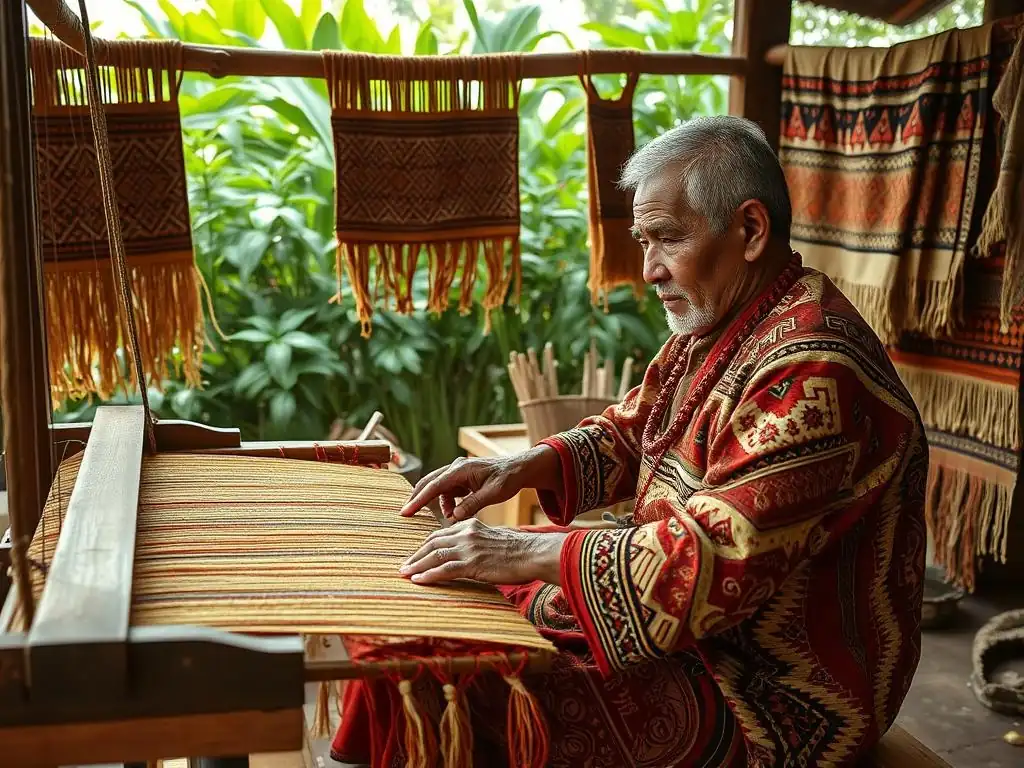
The fusion of traditional and modern techniques in indigenous textile practices has led to the emergence of unique styles that reflect both heritage and contemporary life. Artists are increasingly incorporating technology into their work, such as digital design tools and modern dyeing methods, while still honoring traditional weaving and embroidery techniques.
This blend of old and new can be seen in the use of traditional motifs within modern fashion contexts, where indigenous designs are featured in high-end collections. For instance, the incorporation of Navajo patterns in contemporary streetwear not only highlights the beauty of these designs but also raises awareness about their cultural significance.
The challenge lies in maintaining authenticity while adapting to modern markets. It is essential for artists to navigate this space carefully, ensuring that the cultural stories behind the patterns are not lost or misrepresented in the process.
Conclusion: Preserving Indigenous Textile Pattern Symbolism
The preservation of indigenous textile pattern symbolism is vital for maintaining the cultural heritage and identity of indigenous peoples. These textiles are not only artistic expressions but also historical records that convey stories, values, and beliefs passed down through generations. As the world becomes increasingly globalized, the importance of safeguarding these traditions cannot be overstated.
The Importance of Cultural Heritage in Textile Arts
Cultural heritage in textile arts serves as a bridge between past and present, allowing communities to connect with their ancestry and assert their identity in a rapidly changing world. Textiles often embody the history of a people, serving as a canvas for storytelling and a means of expressing collective experiences.
By prioritizing cultural heritage, indigenous communities can empower themselves and foster a sense of pride among younger generations. This emphasis on tradition encourages the transmission of knowledge, ensuring that skills and stories are preserved for the future. Moreover, it enhances the appreciation of indigenous artistry within broader societal contexts, promoting cultural understanding and respect.
Future Directions for Indigenous Textile Practices
Looking ahead, the future of indigenous textile practices is filled with potential for innovation and revitalization. Artists and craftspeople are increasingly exploring sustainable practices, using eco-friendly materials and methods that reflect a deep respect for the environment. This shift not only honors traditional values but also addresses contemporary concerns about sustainability.
Furthermore, collaborations between indigenous artists and global designers present opportunities for cross-cultural exchanges that can enrich both communities. Such partnerships can lead to new interpretations of indigenous textile patterns while ensuring that cultural integrity is upheld.
As awareness of indigenous issues grows, so too does the appreciation for the symbolism embedded in their textile arts. This momentum can drive initiatives aimed at preserving and promoting indigenous textile patterns, ensuring that these vital expressions of culture continue to thrive in the years to come.
References and Further Reading on Indigenous Textile Symbolism
Indigenous textile patterns are rich in meaning, history, and cultural significance. To dive deeper into the intricate symbolism embedded in these textiles, the following resources provide a wealth of information. From scholarly articles to engaging books, these references will enhance your understanding of how indigenous cultures use textile art to convey stories, beliefs, and social values.
Suggested Books and Articles
-
"Weaving the Past: A History of Latin American Textiles" by Patricia R. McAnany
This book explores the historical context of textiles in Latin America, shedding light on how indigenous communities used weaving as a means of expression and storytelling.
-
"Threads of Identity: The Symbolism of Textile Patterns in Native American Cultures" by Melissa T. McSweeney
McSweeney delves into the specific patterns and designs used by various Native American tribes, analyzing their meanings and the cultural narratives they convey.
-
"Textiles of the Americas: A Cultural Perspective" edited by Anne M. Smith
This collection of essays offers insights into the diverse textile traditions across the Americas, recognizing the important role of symbolism and cultural identity in weaving practices.
-
"The Art of Indigenous Weaving: Patterns, Techniques, and Symbolism" by Eva L. Martinez
Martinez provides a comprehensive examination of various weaving techniques while focusing on the meaning behind different patterns, emphasizing their cultural relevance.
-
"Cultural Threads: The Role of Textiles in Indigenous Societies" by Jorge A. Campos
This article discusses the broader societal implications of textiles in indigenous cultures, including how they are used in rituals and community gatherings.
Online Resources for Exploring Indigenous Textiles
-
The Smithsonian National Museum of the American Indian
The museum's website features extensive online exhibitions and articles related to indigenous textiles, including detailed descriptions of various patterns and their meanings.
-
The Textile Society of America
This organization provides access to a wealth of resources, including publications and conference proceedings that focus on textile symbolism and indigenous practices.
-
Native American Heritage Association
The website offers insights into various indigenous cultures, including their textile traditions, and highlights the ongoing efforts to preserve these art forms.
-
Cultural Survival
This organization advocates for indigenous rights and provides resources that include articles and reports on the significance of traditional textiles in indigenous communities.
-
YouTube Channels like "Indigenous History"
Various channels feature documentaries and educational videos that explore indigenous textiles, providing visual representations of patterns and their cultural contexts.
These resources serve as a guide for anyone interested in understanding the profound stories woven into indigenous textile patterns and the rich cultural heritage they represent.
- Introduction to Indigenous Textile Pattern Symbolism
- Historical Context of Indigenous Textiles
- The Meaning Behind Indigenous Textile Patterns
- Regional Variations in Textile Symbolism
- The Cultural Significance of Textile Symbols
- The Impact of Colonization on Indigenous Textile Symbolism
- Modern Interpretations and Adaptations of Indigenous Textile Patterns
- Contemporary Artists and Their Influence on Indigenous Symbolism
- The Fusion of Traditional and Modern Techniques
- Conclusion: Preserving Indigenous Textile Pattern Symbolism
- References and Further Reading on Indigenous Textile Symbolism
- What is the significance of indigenous textile pattern symbolism?
- How do indigenous textiles differ from one culture to another?
- What materials are typically used in indigenous textiles?
- How do contemporary indigenous artists incorporate traditional patterns?
- Why is it important to study indigenous textile patterns today?
Frequently Asked Questions
What is the significance of indigenous textile pattern symbolism?
Indigenous textile pattern symbolism reflects cultural narratives, spiritual beliefs, and social values of various indigenous communities, serving as a means of storytelling through art.
How do indigenous textiles differ from one culture to another?
Textile patterns vary widely among cultures, with each community incorporating unique symbols and colors that represent their own history, environment, and traditions.
What materials are typically used in indigenous textiles?
Indigenous textiles are often made from natural fibers such as cotton, wool, and silk, along with dyes derived from local plants and minerals, showcasing a deep connection to their environment.
How do contemporary indigenous artists incorporate traditional patterns?
Many contemporary indigenous artists blend traditional patterns with modern techniques, creating works that honor their heritage while addressing contemporary social issues and identity.
Why is it important to study indigenous textile patterns today?
Studying indigenous textile patterns fosters cultural appreciation, preserves heritage, and raises awareness about the impact of colonization, promoting a deeper understanding of diverse histories and cultures.
Final Reflection: The Enduring Legacy of Indigenous Textile Pattern Symbolism
In a world increasingly driven by fast fashion and fleeting trends, the symbolism embedded in Indigenous textile patterns serves as a powerful reminder of the rich cultural narratives that textiles can convey. These patterns are not merely decorative; they encapsulate histories, beliefs, and identities that have been passed down through generations. As we navigate contemporary society, it becomes imperative to recognize and honor these stories, for they are a testament to resilience and creativity in the face of adversity.
The influence of Indigenous textile pattern symbolism extends far beyond the realm of art; it shapes our cultural and social landscapes in profound ways. These textiles invite us to engage with the past while fostering a deeper understanding of the present. They challenge us to reflect on our own connections to heritage and identity. As the renowned Indigenous artist, Linda Tuhiwai Smith, once said, We are all part of a story that is larger than ourselves.
This sentiment resonates deeply as we explore how these patterns not only represent individual narratives but also contribute to a collective consciousness that celebrates diversity and interconnectedness.
As we conclude this exploration of Indigenous textile pattern symbolism, I invite you to reflect on the stories woven into the fabrics that surround us. Consider how you can incorporate this understanding into your own life, whether by supporting Indigenous artisans, sharing their stories, or simply taking a moment to appreciate the artistry and meaning behind these textiles. Let us carry forward the lessons learned from these patterns, weaving them into the fabric of our own lives and communities, ensuring that the rich legacies of Indigenous cultures continue to thrive and inspire future generations.
Unveil the Rich Tapestry of Indigenous Stories!
Thank you for diving into the vibrant world of Indigenous textile patterns with us! We hope you gained insight into the powerful symbolism and cultural significance woven into each design. Now, it's time to take that inspiration and carry it forward.
Here’s how you can connect with these stories and share their beauty:
- Explore local artisan markets or online platforms to discover authentic Indigenous textiles that reflect their rich heritage.
- Share your newfound knowledge on social media or with friends to raise awareness about the artistry and history behind these stunning patterns.
- Consider attending workshops or events that celebrate Indigenous crafts, allowing you to deepen your understanding and appreciation of their cultural narratives.
Which textile pattern resonates with you the most, and how does it inspire your own creative journey?