
Social Stratification in the Andes: Understanding Class and Power Relations

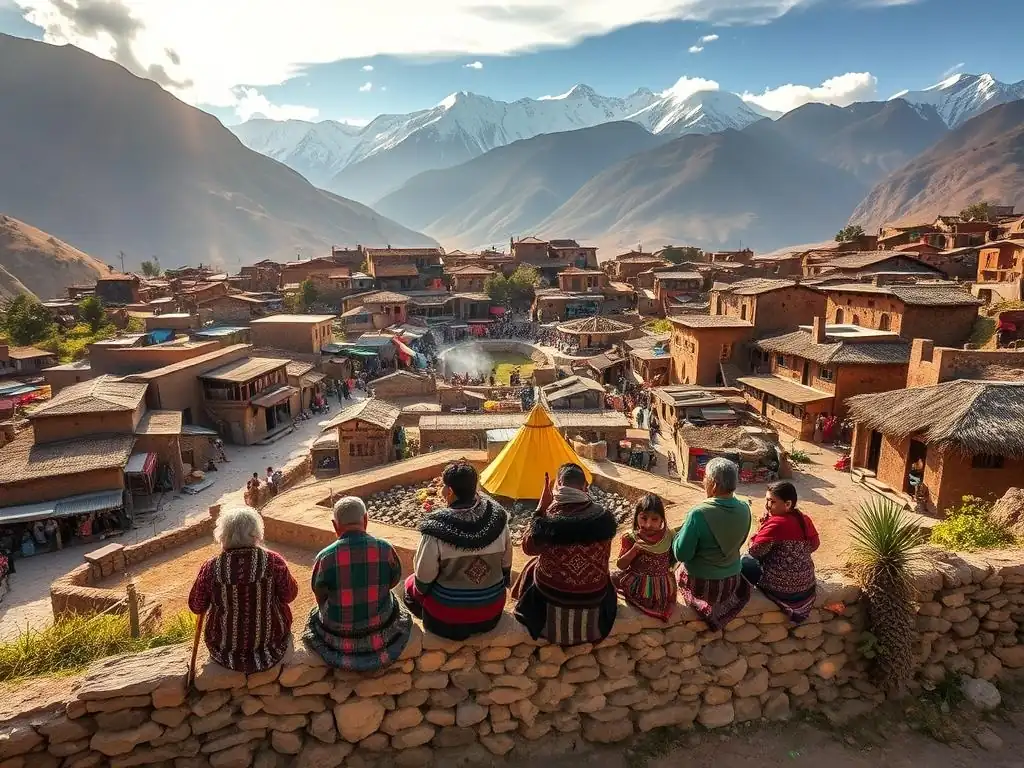
Welcome to Indigenous Civilizations of the Americas, where we invite you to embark on a captivating journey through the rich tapestry of pre-colonial indigenous cultures. In our featured article, “Social Stratification in the Andes: Understanding Class and Power Relations,” we delve into the intricate web of Andean indigenous social hierarchy, revealing how these societies organized themselves and the profound influences that shaped their lives. Join us as we uncover the achievements and legacies of these remarkable civilizations, and discover how their stories continue to resonate in today's world. Get ready to explore the depths of history that await you!
- Introduction to Andean Indigenous Social Hierarchy
- Historical Context of Andean Indigenous Social Hierarchy
- Key Components of Andean Indigenous Social Hierarchy
- Power Relations Among Social Classes in the Andes
- Case Studies of Social Stratification in Notable Andean Civilizations
- Contemporary Reflections on Andean Indigenous Social Hierarchy
- Conclusion: The Lasting Impact of Andean Indigenous Social Hierarchy
-
Frequently Asked Questions
- What is the main focus of the article on Andean indigenous social hierarchy?
- How did social stratification affect Andean societies?
- What were some key features of the Andean indigenous social hierarchy?
- How did European colonization impact the Andean social hierarchy?
- Why is understanding Andean indigenous social hierarchy important?
- Final Reflection: Understanding the Layers of Andean Indigenous Social Hierarchy
- Empower Yourself: Dive Deeper into Social Stratification!
The Andean region, home to some of the most sophisticated indigenous civilizations in the Americas, presents a fascinating study of social stratification. Understanding the Andean indigenous social hierarchy is pivotal for grasping how power and status were distributed among different groups before European colonization. These hierarchies were not merely reflections of wealth or land ownership; rather, they were deeply intertwined with cultural beliefs, religious practices, and communal identities.
The complex social structures in the Andes, particularly among civilizations such as the Inca, reveal how class distinctions influenced political authority, economic organization, and social interactions. This article aims to delve into the nuances of social stratification in the Andes, illuminating how these indigenous societies constructed their worlds and maintained their legacies.
Social stratification in the Andean civilizations was characterized by a well-defined hierarchy, typically comprising several distinct classes. At the apex of this structure sat the ruling elite, often referred to as the Inca or Sapa Inca, who wielded immense political and spiritual authority. Below them were the nobility, who played significant roles in governance and military leadership. The middle classes included skilled artisans and merchants, while the lower classes primarily consisted of farmers and laborers.
Key elements of this hierarchy included:
- Political Power: The Sapa Inca was regarded as a divine figure, believed to be a direct descendant of the sun god Inti.
- Economic Roles: Different social classes had specific economic responsibilities, with farmers providing sustenance and artisans creating goods for trade.
- Cultural Influences: Religion and mythology deeply impacted social standing, where ritualistic and ceremonial roles were often reserved for the elite.
The rigidity of this hierarchy was maintained through various means, including kinship ties, marriage alliances, and religious ceremonies, which reinforced the social order and legitimized the power of the elite.
Importance of Class and Power Relations in Andean Societies
The class and power relations within Andean societies were crucial for maintaining social cohesion and order. These structures facilitated the organization of labor and resources, essential for the sustainability of large populations in a challenging environment. Moreover, the complexities of these relationships shaped the cultural identity of Andean peoples, influencing everything from governance to daily life.
Understanding the importance of class and power relations reveals:
- Resource Allocation: The elite controlled land and resources, which were redistributed through a system of tribute and labor obligations, ensuring that the entire community's needs were met.
- Cultural Legitimacy: The divine status of rulers and nobles legitimized their authority, fostering loyalty among lower classes and justifying their roles within society.
- Social Mobility: While rigid, there were pathways for individuals to ascend through the social hierarchy, often through military accomplishments or exceptional service to the state.
The social stratification in the Andes was not merely a system of oppression but a complex web of relationships that fostered interdependencies among various classes. Understanding these dynamics is essential for appreciating the rich history and enduring legacy of Andean indigenous cultures.
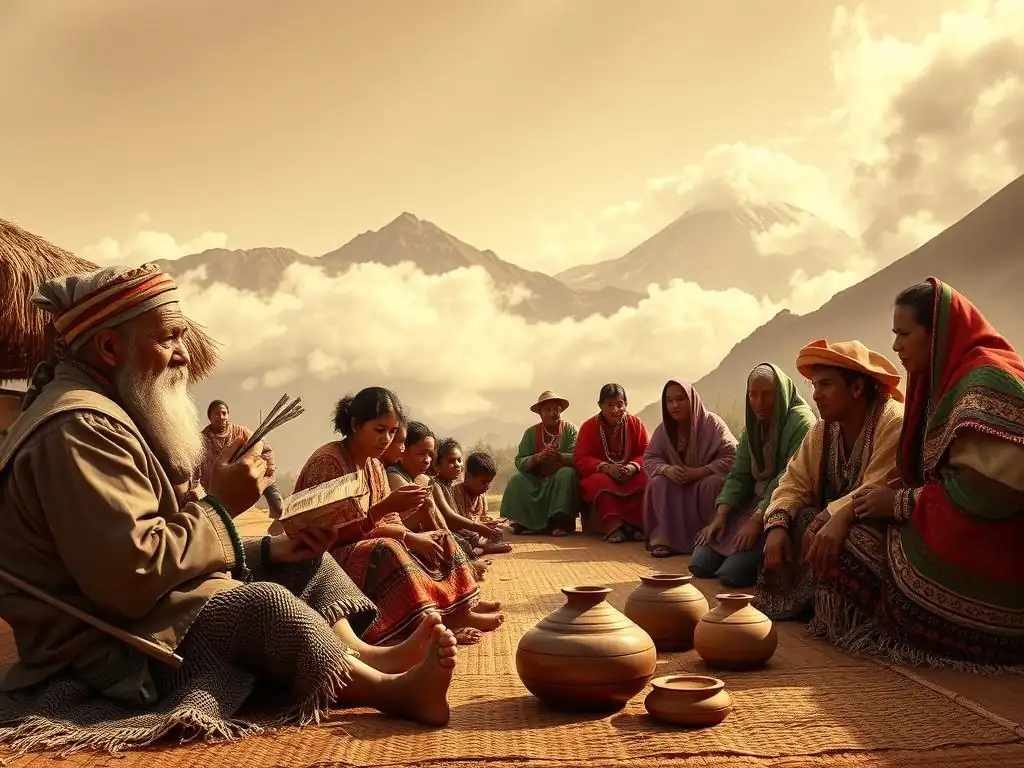
The Andean region was home to several prominent pre-Columbian civilizations, including the Moche, Nazca, Tiwanaku, and the Inca Empire. These societies developed complex social structures characterized by a distinctive social hierarchy that influenced their political, economic, and cultural practices.
In the Inca Empire, which is often regarded as the pinnacle of Andean civilization, the social hierarchy was distinctly stratified. At the top of this hierarchy was the Sapa Inca, regarded as a divine ruler believed to be descended from the sun god, Inti. Below the Sapa Inca were the nobility, comprising the Inca class and the curacas (local chiefs). This elite group was responsible for governance and administrative duties, ensuring the implementation of the state’s policies across various regions.
The next tier consisted of the ayllu, a kinship group that formed the foundation of Andean society. The ayllu was composed of families who worked collectively, sharing land and resources. This communal structure allowed for agricultural production and social cohesion, as members supported each other in times of need.
At the base of the hierarchy were the commoners, who comprised the bulk of the population. These individuals were primarily engaged in agricultural labor, herding, and artisanal crafts. Their roles were essential for sustaining the economy and providing the tributes necessary to support the elite. Notably, social mobility was limited, with individuals typically remaining in the class into which they were born, reinforcing the rigid structure of Andean society.
The diverse geography of the Andes played a crucial role in shaping the social hierarchy of Andean indigenous cultures. The region is characterized by its dramatic altitudes, varying climates, and distinct ecological zones, which created different opportunities and challenges for its inhabitants.
- Verticality and Ecological Diversity: The Andean environment is marked by a vertical geography, where different altitudinal zones offer varying resources. This ecological diversity allowed for a system of vertical archipelago, where communities engaged in trade and exchange across different altitudes. Highland communities specialized in agriculture, while lowland groups focused on fishing and gathering. This interdependence facilitated the emergence of a complex economic system, reinforcing social stratification as wealth and resources were concentrated among the elites who controlled trade routes.
- Access to Resources: Geographic factors influenced access to essential resources such as water, arable land, and minerals. Communities situated in fertile valleys often became centers of wealth, leading to a higher concentration of power among local leaders. In contrast, those in harsher environments faced greater challenges, which limited their social standing and economic potential.
- Defense and Warfare: The geographical layout of the Andes also affected political dynamics. Natural barriers, such as mountains and rivers, provided protection against invasions but also isolated certain communities. This isolation could reinforce local power structures, as leaders within fortified areas could establish stronger hierarchies, while those in less defensible positions might struggle to maintain authority.
The interplay between geography and social stratification highlights how environmental factors shaped the Andean indigenous social hierarchy, influencing the distribution of power, resources, and cultural practices across these remarkable civilizations.
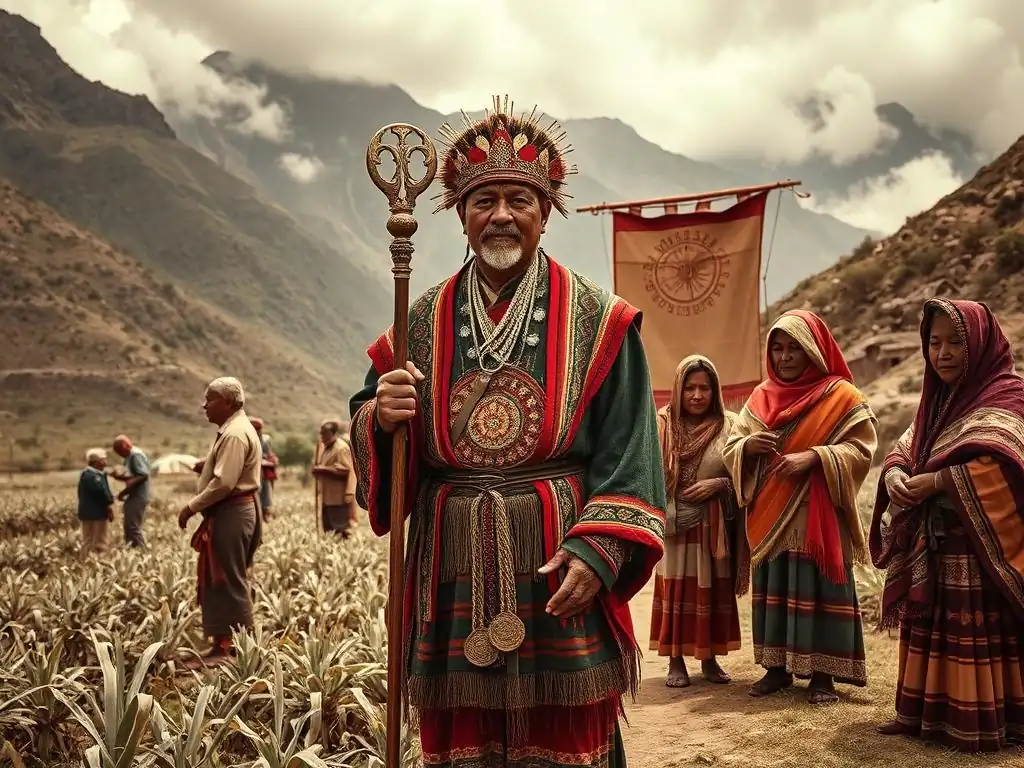
The Andean indigenous social hierarchy is characterized by a complex interplay of various social classes, each with distinct roles and responsibilities. This hierarchical structure was pivotal in shaping the socio-political landscape of Andean civilizations, such as the Inca Empire, where power dynamics influenced daily life, governance, and cultural practices. Understanding these components is essential for grasping how power relations operated within these societies.
The Role of Nobility in Andean Societies
The nobility, often referred to as the Inca elite, played a crucial role in the governance and social organization of Andean societies. This class was typically defined by its wealth, land ownership, and direct lineage to the ruling families. Nobles held significant power, not only in political decisions but also in religious practices. Their responsibilities included:
- Administrative Leadership: Nobility oversaw local governance, ensuring that the emperor's decrees were implemented. They managed provinces and acted as intermediaries between the emperor and the common populace.
- Religious Ceremonies: Nobles were often involved in major religious rituals and ceremonies, reinforcing their status as intermediaries between the gods and the people. Their participation legitimized their authority and solidified their social standing.
- Military Command: Many nobles were military leaders, responsible for organizing and leading armies in conquests and defense of the realm. Their martial prowess contributed to the expansion and security of the Andean empires.
This elite class not only maintained social order but also perpetuated their power through strategic marriages and alliances, further entrenching their status within society.
Peasants constituted the largest segment of the Andean social hierarchy and were essential to the economy and sustenance of Andean societies. Their role was multifaceted, encompassing agricultural production, labor, and community organization:
- Agricultural Production: Peasants cultivated a variety of crops, including potatoes, maize, and quinoa, utilizing advanced farming techniques such as terracing and irrigation. This agricultural output was critical for feeding the population and supporting the ruling classes.
- Labor and Tribute: In many Andean societies, peasants were required to provide labor as a form of tribute to the nobility. This system, known as mita, mandated that peasants contribute a portion of their labor to state projects, such as construction and mining, further intertwining their lives with the demands of the elite.
- Community Organization: Peasant communities were often organized into ayllus, or kinship groups, which provided social support and facilitated cooperative farming. These structures were vital for maintaining social cohesion and managing resources within the community.
The contributions of peasants to the economy and social framework of Andean societies cannot be overstated; they were the backbone that supported the entire hierarchy.
Artisans and Merchants: Economic Contributors to Class Dynamics
Artisans and merchants occupied a unique position within the Andean social hierarchy, bridging the gap between the nobility and the peasantry. Their roles contributed significantly to the economic and cultural vibrancy of Andean civilizations:
- Artisan Production: Skilled artisans created a wide range of goods, including textiles, pottery, and metalwork. Their craftsmanship not only served local needs but also contributed to trade networks, enhancing the wealth of the nobility.
- Trade Networks: Merchants facilitated trade between different regions, exchanging goods such as textiles, food, and luxury items. They played a crucial role in the economy, often accumulating wealth and status through successful trading ventures.
- Cultural Exchange: Through their interactions with other cultures and societies, artisans and merchants promoted the exchange of ideas, technologies, and artistic styles, enriching Andean culture and contributing to its evolution over time.
While artisans and merchants were not part of the elite, their economic contributions were essential for maintaining the stability and prosperity of Andean societies, highlighting the interconnectedness of all classes within the social hierarchy.
The Andean indigenous social hierarchy was a complex system that integrated various classes, each contributing to the overall functioning of society. Understanding these dynamics offers valuable insights into the rich tapestry of Andean culture and its historical significance.
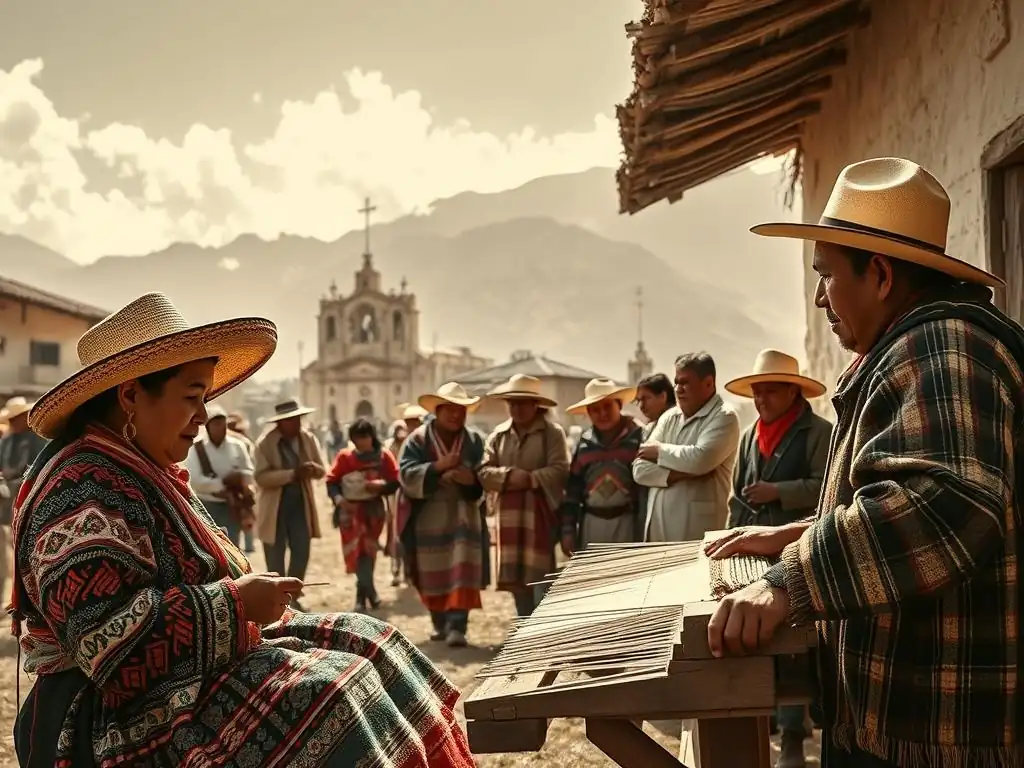
The social stratification of Andean indigenous societies was marked by a complex interplay of power relations among various classes. Central to this social hierarchy was the distribution of political authority, which shaped not only the governance of these societies but also the relationships and interactions among different social groups.
Political authority in the Andes was typically concentrated in the hands of a small elite, often comprising nobility or leaders from powerful lineages. This elite wielded significant influence over resources, land, and labor, which reinforced their dominant position in the Andean indigenous social hierarchy.
The Inca Empire, for example, exemplified this structure with its well-defined political hierarchy. The Sapa Inca, regarded as the divine ruler, was at the top, followed by nobles known as Inca and local leaders or curacas. The Sapa Inca's authority was legitimized through a combination of divine right and military power, and it was believed that he was a direct descendant of the sun god, Inti. This belief not only justified his rule but also solidified the social order by instilling a sense of duty among the subjects.
Key features of political authority impacting class relations:
- Resource Distribution: Access to land and agricultural production was controlled by the elite, which allowed them to maintain their status and power.
- Labor Organization: The mit'a system, a form of labor taxation, required commoners to provide labor for state projects, further entrenching the elite's control over the populace.
- Military Power: The elite maintained a standing army, which was crucial for both defense and the expansion of their territory, allowing them to exert influence over neighboring groups.
Religion played a pivotal role in reinforcing the social hierarchy within Andean societies. The intertwining of political and religious authority was a key characteristic of Andean civilization. Religious leaders, often from the elite class, held significant power and were instrumental in maintaining the social order.
The worship of deities such as Inti (the sun god) and Pachamama (the earth goddess) was central to Andean cosmology. The elite was seen as the intermediaries between the gods and the people, legitimizing their power through religious ceremonies and rituals. For instance, the capacocha ceremony, which involved the sacrifice of children to appease the gods, served to reinforce the authority of the elite while simultaneously emphasizing their role as protectors of the community.
Aspects of religion that reinforced social hierarchy:
- Divine Legitimacy: Religious beliefs justified the elite's rule, making dissent against them not just a political act but a spiritual transgression.
- Ceremonial Control: The elite organized and performed rituals that reinforced their status and the social order, often controlling the narrative around these events.
- Cultural Cohesion: Shared religious practices served to unify the populace under the elite’s authority, fostering a collective identity that marginalized lower classes.
In the context of Andean indigenous social hierarchy, social mobility was largely constrained by the rigid class structures established by political and religious systems. While there were occasional avenues for individuals to rise in status, these were limited and often contingent on specific circumstances.
Factors influencing social mobility:
- Marriage Alliances: Strategic marriages between elite families could enhance social standing, but such opportunities were rare for commoners.
- Military Achievement: Proven military leaders could sometimes gain favor with the elite, potentially leading to upward mobility, though this was not the norm.
- Economic Contributions: Successful agricultural practices or trade could afford some individuals a degree of wealth, but systemic barriers often prevented sustained upward mobility.
Despite these limited pathways, the prevailing structure of Andean society continued to favor the elite, maintaining the established social order and perpetuating the inequalities inherent in the system. As such, the Andean indigenous social hierarchy was characterized by a complex interplay of power, religion, and class relations that shaped the lives of its people long before European contact.
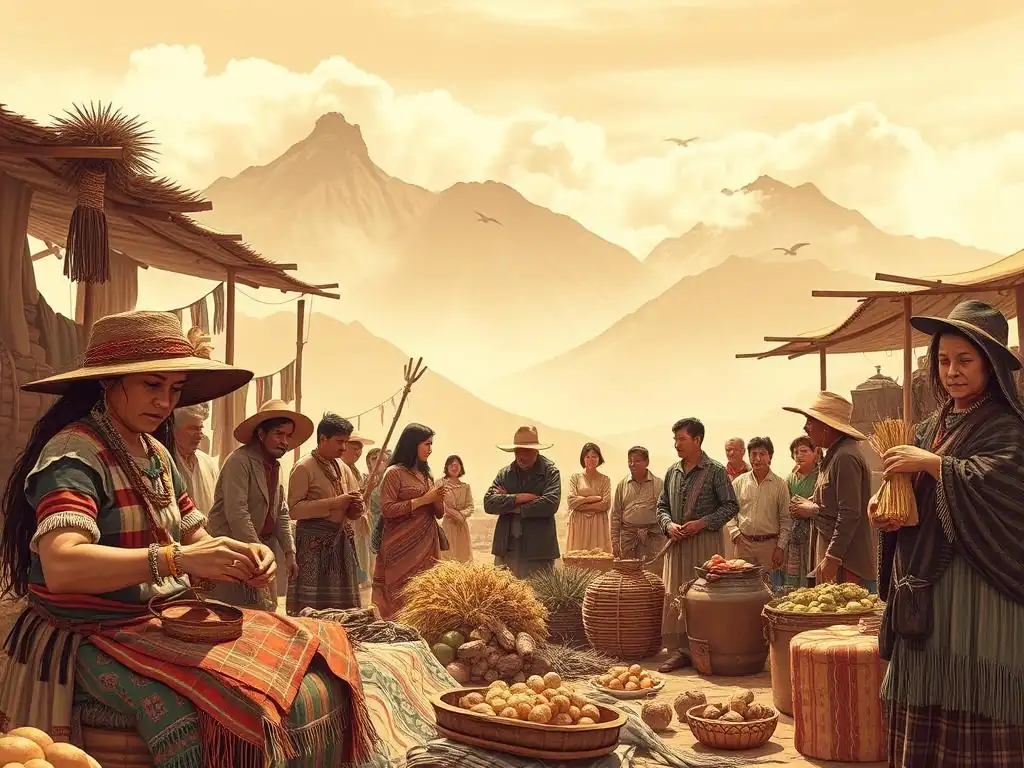
The Inca Empire, known for its sophisticated political organization and extensive territory, serves as a prime example of Andean indigenous social hierarchy. At the top of this hierarchy was the Sapa Inca, who was not only the ruler but also considered a divine figure. This position was supported by a complex bureaucracy that included nobles, priests, and various officials who managed the vast empire's affairs.
The social structure of the Inca Empire can be depicted as follows:
- Sapa Inca: The supreme leader, believed to be a descendant of the sun god.
- Nobility: Comprised of high-ranking officials and regional governors (the apus), who played critical roles in governance and military leadership.
- Commoners: Divided into different strata, including farmers, artisans, and laborers, who were essential for the economic sustainability of the empire.
- Slaves: Although not a predominant class, there were individuals who fell into slavery, often as a result of warfare.
The Inca society exemplified a vertical hierarchy, where resources and power flowed from the top down. The Mita system, a form of labor tax, ensured that commoners contributed to state projects, such as agriculture and infrastructure, thus reinforcing the power dynamics of the empire. Through these labor contributions, the Inca maintained control over their subjects while promoting a sense of community and shared responsibility.
The Role of Ayllus in Community and Class Structure
In the Andes, the ayllu was a fundamental social unit that played a crucial role in both community organization and the Andean indigenous social hierarchy. An ayllu typically consisted of a group of families who shared land, resources, and labor. This collective structure fostered cooperation and mutual support, forming the backbone of Andean social life.
Key features of the ayllu system include:
- Shared Resources: Members of an ayllu worked together on communal lands, which were often divided into plots for cultivation. This ensured food security and economic stability.
- Social Responsibility: Each member had specific duties, from farming to artisan work, contributing to the overall well-being of the group.
- Leadership Roles: Each ayllu had designated leaders, usually respected elders, who facilitated decision-making and conflict resolution within the community. This local governance structure allowed for a degree of autonomy while still recognizing the overarching authority of the Inca.
The ayllu system exemplifies how social stratification was not purely hierarchical but also included elements of communal cooperation. While the ayllu members recognized the authority of the Sapa Inca, their localized social structures allowed them to maintain cultural practices and social bonds, showcasing the complexity of Andean indigenous social hierarchy.
While the Inca Empire is often the focus of discussions on Andean indigenous social hierarchy, other cultures in the Andes exhibit unique social structures that reflect their specific historical contexts and cultural practices.
- Tiwanaku: This civilization, which flourished around 500 to 1000 CE near Lake Titicaca, had a hierarchical structure characterized by a centralized authority and a stratified society. The elite class, including priests and rulers, wielded significant power, while the common populace engaged in agriculture and craft production.
- Moche: The Moche civilization (100-800 CE) also demonstrated a clear social hierarchy, with a powerful ruling elite that controlled resources and labor. The existence of large ceremonial centers indicates a complex society with distinct classes, including artisan specialists and agricultural laborers.
- Nazca: Unlike the centralized empires, the Nazca culture (100 BCE - 800 CE) exhibited a more decentralized social structure. While there were leaders, the society was less stratified compared to the Incas, focusing on communal projects like the famous Nazca Lines, which required collective effort rather than rigid hierarchical control.
| Culture | Social Structure | Key Features |
|---|---|---|
| Inca | Hierarchical | Sapa Inca, nobles, commoners, mita |
| Tiwanaku | Centralized | Elite priests, agricultural labor |
| Moche | Stratified | Ruling elite, skilled artisans |
| Nazca | Decentralized | Communal projects, less stratified |
This comparative analysis highlights the diversity within Andean societies, illustrating that while social stratification was prevalent, the specific manifestations varied significantly across cultures. Each civilization approached class and power dynamics in ways that reflected their unique environmental conditions, economic systems, and cultural values, contributing to the rich tapestry of Andean indigenous social hierarchy.
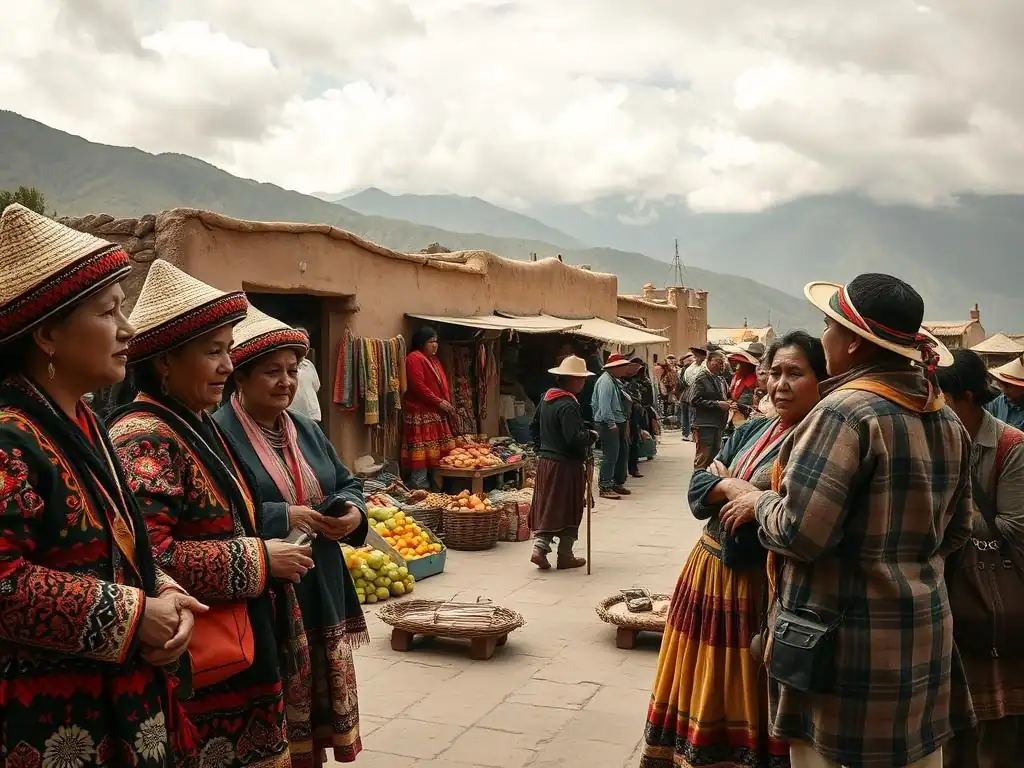
The Legacy of Pre-Columbian Stratification in Modern Andean Societies
The Andean indigenous social hierarchy has deep historical roots that continue to influence contemporary social structures in the Andes. Before European colonization, societies such as the Inca developed complex stratification systems characterized by distinct social classes. This legacy manifests in various ways today, shaping both cultural identity and social interactions.
- Cultural Continuity: Many Andean communities maintain traditions that reflect their historical hierarchies. Rituals, festivals, and agricultural practices often highlight the roles of different social strata, preserving a sense of identity tied to ancestral practices.
- Economic Disparities: The remnants of traditional social stratification are evident in economic inequalities. Wealth is often concentrated within a small elite, while marginalized groups, especially those in rural areas, face limited access to resources and opportunities. For instance, access to education and healthcare remains uneven, perpetuating cycles of poverty.
- Political Representation: The historical power dynamics still resonate in political spheres. Indigenous leaders often struggle for representation in government, reflecting the challenges of overcoming centuries of marginalization. Although there have been strides toward inclusion, the power structures established during the pre-Columbian era still influence political interactions today.
Challenges Faced by Indigenous Communities Today
Despite the rich cultural heritage and resilience of Andean indigenous communities, they face significant challenges that hinder their social and economic advancement.
- Discrimination and Racism: Indigenous peoples often confront systemic discrimination that affects their social standing and access to services. This prejudice can manifest in various forms, including employment discrimination and inadequate representation in media.
- Land Rights and Resource Exploitation: Many indigenous communities struggle to assert their land rights in the face of government policies that favor resource extraction. The fight to protect traditional territories from mining, logging, and agriculture has become a central issue for social justice movements.
- Cultural Erosion: Globalization and urbanization threaten the preservation of indigenous languages and customs. Younger generations may find themselves disconnected from their cultural roots due to the pressures of modern society, leading to a potential loss of identity.
In response to these challenges, various initiatives have emerged to promote social equality and recognize the rights of Andean indigenous peoples.
- Legal Frameworks: Many countries in the Andes have ratified international treaties, such as the ILO Convention 169, which recognizes the rights of indigenous peoples to their land, culture, and participation in decision-making processes. This legal recognition serves as a foundation for advocacy and empowerment.
- Grassroots Movements: Local organizations and grassroots movements have gained momentum in advocating for indigenous rights. These efforts often focus on land reclamation, cultural preservation, and political representation, working to amplify the voices of marginalized communities.
- Education and Awareness Campaigns: Education plays a crucial role in fostering understanding and respect for indigenous cultures. Many organizations are actively promoting educational programs that highlight the contributions of Andean indigenous peoples to society, helping to combat stereotypes and promote cultural pride.
The Andean indigenous social hierarchy remains a pivotal aspect of contemporary society, influencing various spheres of life. While challenges persist, ongoing efforts toward social equality and recognition of indigenous rights signify a hopeful trajectory toward a more inclusive future.
Summary of Class and Power Relations in Andean Cultures
The Andean indigenous social hierarchy was a complex system that shaped the lives of countless individuals and communities throughout history. At its core, this hierarchy was characterized by distinct classes, each with its own roles, responsibilities, and privileges. The upper echelons of society were typically occupied by elites, including nobles, priests, and high-ranking officials, who wielded significant political and religious power. These individuals controlled vast resources and land, dictating the socio-economic landscape of their communities.
In contrast, the lower classes primarily consisted of commoners, artisans, and laborers, who formed the backbone of the Andean economy. They produced goods, engaged in agriculture, and contributed to the maintenance of the social order. Below them were the marginalized groups, including those who were enslaved or otherwise disenfranchised. This stratification was not solely economic; it was deeply intertwined with cultural and spiritual beliefs that reinforced the power of the ruling classes.
The Inca Empire serves as a prime example of this social structure, where the Sapa Inca was considered a divine ruler, serving as a bridge between the gods and the people. The rigid social classes ensured that the populace adhered to the established order, with each group understanding its place within this intricate web of power relations. Rituals, ceremonies, and festivals often celebrated the ruling elite, further entrenching their status in the eyes of the common people.
As we look towards the future, the legacy of Andean indigenous social hierarchy continues to resonate within contemporary Andean societies. Many communities still grapple with the effects of historical stratification, as issues of inequality and social justice remain prevalent. Indigenous movements have emerged, advocating for the recognition of rights, land, and cultural heritage. These movements reflect a growing awareness of the importance of inclusivity and equity in addressing the repercussions of past hierarchies.
Moreover, the cultural significance of traditional practices and social structures persists. As Andean peoples reclaim their identities, there is a resurgence of interest in the customs, languages, and belief systems that were integral to their historical social organization. This revival fosters a sense of pride and unity, challenging the enduring stereotypes that have long defined indigenous populations.
In an era of globalization, the Andean indigenous social hierarchy offers valuable insights into the complexities of power, identity, and resistance. Understanding these dynamics not only enriches our knowledge of Andean cultures but also highlights the resilience of indigenous communities in navigating the challenges of modernity while preserving their rich heritage. As such, the study of Andean social stratification remains vital, providing a lens through which to examine the interplay of class, power, and cultural significance in shaping the future of the Andes.
Frequently Asked Questions
The article provides a comprehensive exploration of the social stratification in the Andes, detailing how class and power relations shaped indigenous societies before European colonization.
Social stratification created distinct classes within Andean societies, influencing access to resources, political power, and cultural practices, which in turn affected community dynamics and relationships.
Key features included a noble elite, a priestly class, and commoners, with each group having specific roles and responsibilities that contributed to the overall functioning of Andean civilization.
European colonization disrupted the traditional power structures, leading to significant changes in social relations and often resulting in the marginalization of indigenous populations and their cultures.
Understanding this hierarchy is crucial to grasping the cultural richness and historical significance of Andean civilizations, as it reveals how they organized their societies and responded to external challenges.
The exploration of social stratification in the Andes reveals profound insights into the intricate web of class and power relations that continue to shape contemporary society. As we delve into the historical and cultural contexts of Andean indigenous social hierarchy, it becomes evident that these dynamics are not merely relics of the past but are deeply embedded in the fabric of modern life. The ongoing struggles for recognition and equality among indigenous communities highlight the urgent need for awareness and action in addressing these disparities.
The influence of social stratification in the Andes extends beyond academic discourse; it resonates within the cultural and social landscape of the region. The legacy of colonialism and the persistence of inequality have fostered a rich tapestry of resistance and resilience among Andean indigenous peoples. As they navigate the complexities of modernity while holding onto their cultural identities, their stories remind us of the importance of understanding and respecting diverse social structures. In the heart of the Andes, the past and present intertwine, illuminating the path toward a more equitable future.
As we reflect on the lessons drawn from the Andean indigenous social hierarchy, I invite you to consider your role in this ongoing narrative. How can you contribute to fostering understanding and equity in your own community? By engaging with these themes and advocating for social justice, we can honor the rich heritage of the Andes while working towards a future where all voices are heard and valued. Let us take this opportunity to reflect on our connections to one another and commit to building a more inclusive world.
Thank you for taking the time to explore the intricate dynamics of social stratification in the Andes. Your curiosity not only enriches your knowledge but also reflects a commitment to understanding the diverse histories and cultures of Indigenous civilizations. Now, let's put this understanding into action!
- Engage with your community: Participate in local discussions or workshops about social class and power dynamics throughout history. This is a great way to deepen your insights and connect with others who share your passion for these important topics.
- Share what you’ve learned: Discuss your key takeaways from this article on social media or within community groups. Encouraging dialogue can lead to richer perspectives and broaden your understanding of social issues.
- Explore further: Investigate an Indigenous community in the Andes, focusing on their current class struggles and achievements. Your journey into knowledge can inspire others and foster greater awareness!
What insights or questions do you have about the role of class and power relations in shaping the lives of Indigenous peoples today? Let’s spark a conversation!