
The Future of Indigenous Sovereignty: Legal Systems and the Quest for Justice Today

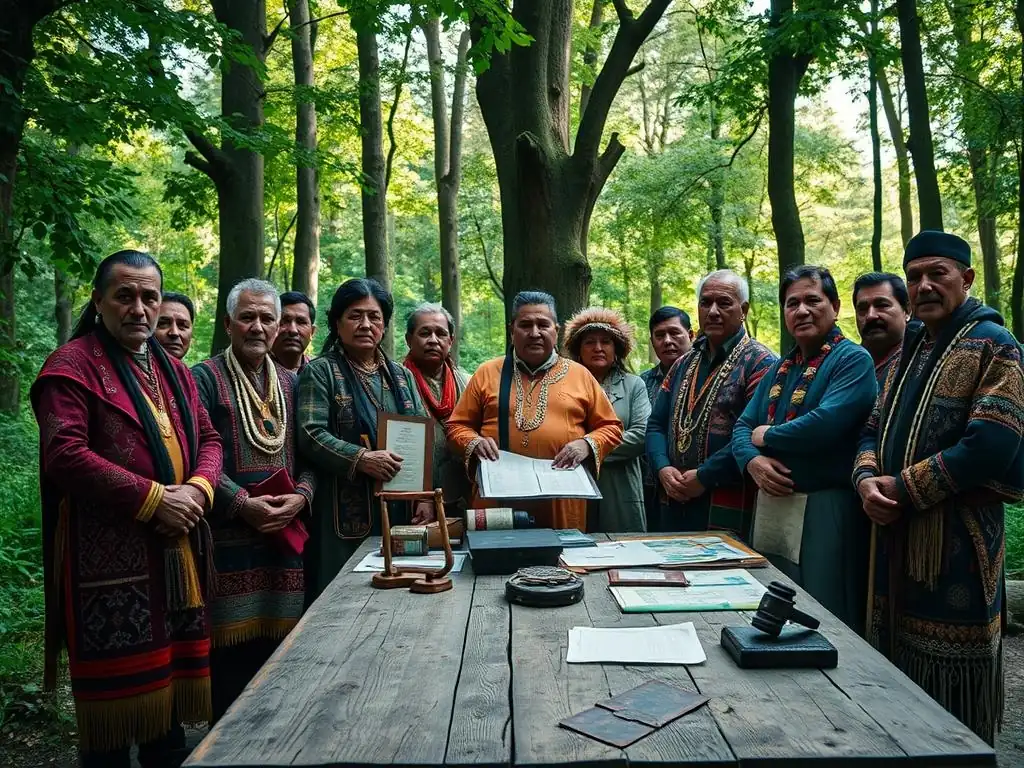
Welcome to "Indigenous Civilizations of the Americas"—a portal into the rich tapestry of cultures that flourished long before European eyes gazed upon these lands. Here, we delve into the profound legacies of indigenous peoples, showcasing their remarkable achievements and societal structures.
In our featured article, "The Future of Indigenous Sovereignty: Legal Systems and the Quest for Justice Today," we invite you to explore the vital connection between indigenous sovereignty and legal systems, uncovering how these ancient frameworks continue to influence the quest for justice in contemporary times. Join us on this enlightening journey as we unravel stories of resilience and innovation, and discover how the past shapes the present and future.
Introduction to Indigenous Sovereignty and Legal Systems
Indigenous sovereignty represents a profound and enduring concept rooted in the rights and inherent authority of Indigenous peoples to govern themselves and manage their own affairs. As we delve into the intricate relationship between Indigenous sovereignty and legal systems, it becomes evident that these elements are crucial to understanding the quest for justice that continues to resonate today.
Indigenous cultures across the Americas have long established their own legal frameworks, reflective of their unique traditions, values, and societal structures. However, the advent of European colonization drastically altered these systems, leading to a complex interplay between Indigenous rights and imposed legal structures.
In this article, we will explore how contemporary Indigenous communities navigate the challenges posed by historical injustices while striving to reclaim their sovereignty through legal systems. This exploration not only highlights the importance of recognizing and respecting Indigenous legal traditions but also emphasizes the ongoing efforts of these communities to achieve justice and self-determination in a modern context.
Understanding Indigenous Sovereignty
Indigenous sovereignty is a term that encapsulates the right of Indigenous nations to self-govern and maintain autonomy over their lands, resources, and institutions. This concept is grounded in a historical context that predates colonization, where Indigenous peoples exercised their rights to govern according to their own laws and customs.
- Key Aspects of Indigenous Sovereignty:
- Self-Determination: The ability for Indigenous communities to make decisions about their political, cultural, and economic futures.
- Cultural Integrity: Preserving and promoting Indigenous languages, traditions, and practices as fundamental components of sovereignty.
- Land Rights: Recognizing the connection to ancestral lands as a vital aspect of identity and governance.
Understanding Indigenous sovereignty is essential not only for historical comprehension but also for recognizing the contemporary struggles and aspirations of Indigenous peoples today.
The Importance of Legal Systems in Indigenous Contexts
Legal systems play a pivotal role in the assertion of Indigenous sovereignty, serving as mechanisms for maintaining order, resolving disputes, and protecting community rights. These systems, which can differ significantly from Western legal frameworks, are deeply intertwined with cultural practices and worldviews.
- Functions of Indigenous Legal Systems:
- Conflict Resolution: Indigenous legal systems often emphasize restorative justice, focusing on healing and community restoration rather than punishment.
- Cultural Preservation: Legal frameworks that incorporate traditional practices help sustain cultural identities and community cohesion.
- Advocacy for Rights: Legal systems empower Indigenous peoples to advocate for their rights, both within their communities and in broader national and international contexts.
The relationship between Indigenous sovereignty and legal systems is thus an essential area of study for anyone interested in the ongoing quest for justice and equity among Indigenous populations.
Historical Context of Indigenous Legal Systems
Understanding the historical context of Indigenous legal systems is crucial to grasping the complexities of their current status. Before European colonization, Indigenous societies across the Americas had well-established legal frameworks that governed their communities effectively.
Pre-Colonial Legal Frameworks in Indigenous Societies
Indigenous societies developed diverse legal systems tailored to their unique environmental, social, and cultural contexts. These systems often drew from oral traditions, community consensus, and established customs.
- Examples of Pre-Colonial Legal Practices:
- Consensus Decision-Making: Many Indigenous groups relied on collective agreement as a means of governance, ensuring that all voices were heard.
- Customary Laws: Informal laws based on tradition and community norms guided behavior and conflict resolution.
- Restorative Justice Models: Emphasizing healing and reconciliation rather than punitive measures, these practices fostered community ties.
These frameworks not only facilitated order within Indigenous communities but also reinforced their cultural identities and social structures.
Impact of Colonization on Indigenous Sovereignty and Legal Systems
The impact of colonization on Indigenous sovereignty and legal systems has been profound and often devastating. European powers imposed foreign legal systems that disregarded Indigenous governance and eroded traditional practices.
- Consequences of Colonization:
- Displacement: Land dispossession disrupted the connection to territory, which is fundamental to Indigenous identity and governance.
- Legal Marginalization: Indigenous legal systems were often deemed inferior or illegitimate, leading to the marginalization of Indigenous voices in legal matters.
- Cultural Suppression: Colonization frequently included efforts to erase Indigenous cultures, languages, and legal traditions.
Today, the legacy of colonization continues to influence the legal landscape that Indigenous peoples navigate, complicating their pursuit of justice and self-determination. Understanding this historical backdrop is vital for comprehending the ongoing struggles for sovereignty and legal recognition in contemporary society.
Current Legal Frameworks Affecting Indigenous Sovereignty
Indigenous sovereignty refers to the inherent authority of indigenous peoples to govern themselves and maintain their distinct cultural identities and practices. The current legal frameworks affecting indigenous sovereignty are complex and multifaceted, comprised of national laws, international treaties, and various legal precedents that shape the rights and recognition of indigenous communities. These frameworks often create a tension between the aspirations of indigenous nations for self-determination and the policies of governmental entities. Understanding this landscape is crucial for recognizing how indigenous peoples navigate their legal rights and the challenges they face.
National Laws and Their Impact on Indigenous Rights
National laws play a significant role in defining and regulating the rights of indigenous peoples in various countries. In the United States, for example, policies such as the Indian Self-Determination and Education Assistance Act of 1975 empower tribes to manage their own programs, although these laws can also impose limitations on sovereignty. Similarly, in Canada, the Constitution Act of 1982 recognizes the rights of indigenous peoples, yet the interpretation and implementation of these rights can vary widely, leading to disputes over land, resources, and governance.
In many cases, national laws fail to fully recognize the unique status of indigenous nations, often treating them as subordinate to federal or state authorities. This has resulted in a patchwork of rights that can differ dramatically between regions, prompting indigenous communities to pursue legal challenges and advocate for more robust recognition of their sovereignty. The efficacy of national laws in protecting indigenous rights often depends on political will, public awareness, and the capacity of indigenous nations to mobilize and assert their claims.
International Treaties and Indigenous Sovereignty
International treaties and agreements have historically been pivotal in affirming indigenous sovereignty on a global scale. Instruments such as the United Nations Declaration on the Rights of Indigenous Peoples (UNDRIP), adopted in 2007, provide a framework for recognizing the rights of indigenous peoples, including their right to self-determination and control over their lands and resources. UNDRIP emphasizes the need for free, prior, and informed consent from indigenous communities before any projects affecting their lands proceed.
However, the implementation of international treaties can be inconsistent. Many countries have endorsed these agreements but have yet to translate them into actionable policies. As a result, indigenous communities often find themselves advocating for their rights both at the national level and in international forums, seeking to hold governments accountable for their commitments. The interplay between international law and national legislation remains a critical area for advancing indigenous sovereignty and ensuring justice for indigenous peoples.
Case Studies in Indigenous Sovereignty and Legal Systems
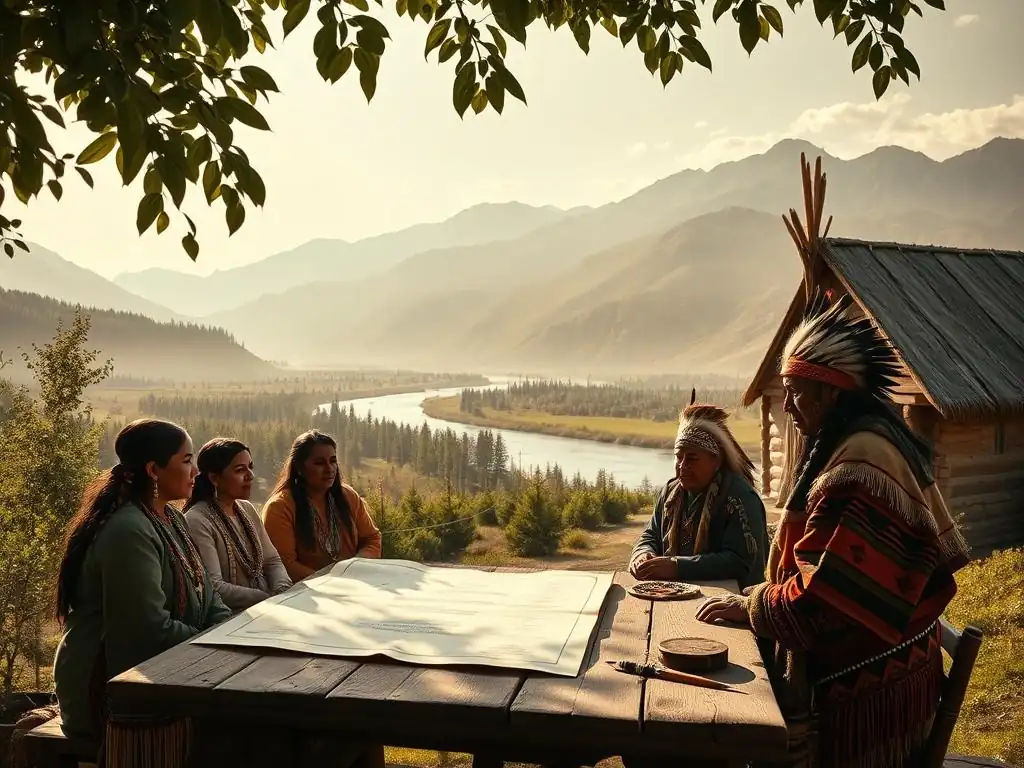
Examining specific case studies can illuminate the dynamics of indigenous sovereignty and legal systems, showcasing both the challenges faced and the successes achieved by indigenous communities in their quest for justice.
Successful Legal Challenges to Indigenous Rights
Legal challenges have emerged as powerful tools for indigenous nations seeking to assert their rights and sovereignty. One notable case is the landmark decision in Montana v. United States (1981), where the U.S. Supreme Court acknowledged tribal authority over non-members on reservations, reinforcing the principle of tribal sovereignty. Similarly, the Tsilhqot’in Nation v. British Columbia case in Canada (2014) marked a significant victory, as the Supreme Court recognized the Tsilhqot’in Nation's title to their traditional lands, setting a precedent for land rights claims across Canada.
These successful legal challenges serve not only to affirm the rights of specific indigenous groups but also to inspire broader movements for indigenous sovereignty. They highlight the potential for legal systems to evolve in recognition of indigenous rights when communities leverage the law effectively and work in solidarity.
Examples of Collaborative Legal Frameworks Between Indigenous Nations and Governments
Collaboration between indigenous nations and governments can lead to innovative legal frameworks that respect and uphold indigenous sovereignty while addressing shared interests. One successful model is found in New Zealand, where the Treaty of Waitangi serves as a foundational document for partnership between the Māori and the Crown. The Waitangi Tribunal provides a mechanism for resolving disputes related to treaty breaches, allowing for negotiation and restitution.
In the United States, the federal recognition of tribal sovereignty has led to cooperative agreements between tribes and state governments on issues such as environmental protection and resource management. These frameworks underscore the importance of dialogue and mutual respect in fostering sustainable relationships, enabling indigenous communities to exercise their rights while contributing to broader societal goals. Collaborations like these demonstrate the potential for positive outcomes when indigenous sovereignty is acknowledged and integrated into legal systems.
The Role of Indigenous Legal Traditions in Modern Justice
Indigenous legal traditions are increasingly recognized as vital components of contemporary justice systems. These traditions, rooted in the cultural practices and historical experiences of Indigenous peoples, offer unique perspectives on justice, conflict resolution, and community well-being. By integrating Indigenous legal frameworks into modern legal systems, societies can promote a more inclusive approach to justice that respects the rights and traditions of Indigenous communities. This integration not only honors the legacy of Indigenous legal systems but also enhances the overall effectiveness of justice by addressing the specific needs of diverse populations.
Indigenous legal traditions emphasize restorative justice, which focuses on healing and reconciliation rather than punitive measures. This approach fosters community involvement and seeks to repair relationships damaged by conflict. As modern legal systems grapple with issues of mass incarceration and systemic inequities, the adoption of restorative practices inspired by Indigenous traditions can provide valuable insights into creating more equitable and effective justice processes.
Revitalization of Traditional Legal Practices
The revitalization of traditional legal practices has gained momentum in recent years, as Indigenous communities work to reclaim their legal systems and assert their sovereignty. This movement often involves the re-establishment of customary laws, which reflect the unique values and beliefs of Indigenous cultures. Many communities are actively engaging in the documentation and teaching of these practices to younger generations, ensuring the transmission of knowledge and the continuation of their legal heritage.
Furthermore, Indigenous legal practitioners are increasingly engaging with modern legal frameworks to advocate for the recognition and integration of traditional practices. For example, some tribal courts in the United States and Canada are incorporating Indigenous laws into their legal proceedings, allowing for a hybrid model that respects both Indigenous and state legal systems. This approach not only strengthens Indigenous sovereignty but also contributes to a more pluralistic legal landscape that acknowledges the legitimacy of diverse legal traditions.
Integration of Indigenous Knowledge in Contemporary Legal Systems
Integrating Indigenous knowledge into contemporary legal systems involves a collaborative approach that respects and incorporates Indigenous perspectives. This can manifest in various ways, such as the inclusion of Indigenous elders and leaders in legal proceedings, the development of collaborative dispute resolution processes, and the recognition of land stewardship practices rooted in Indigenous knowledge.
For instance, some jurisdictions are beginning to recognize Indigenous land management practices in environmental law, acknowledging that Indigenous communities often have valuable insights into sustainable practices honed over centuries. By integrating Indigenous knowledge into legal frameworks, societies can not only enhance environmental stewardship but also promote the rights of Indigenous peoples to govern their lands according to their traditions.
Challenges Facing Indigenous Sovereignty Today
Despite the progress made in recognizing Indigenous legal traditions, numerous challenges continue to threaten Indigenous sovereignty. These challenges are often rooted in historical injustices, colonial legacies, and systemic barriers that undermine the rights of Indigenous communities to self-govern and exercise their legal systems.
Legal Barriers to Indigenous Self-Governance
Legal barriers remain a significant obstacle to Indigenous self-governance. Many Indigenous communities face limitations imposed by federal and state laws that restrict their ability to exercise their rights fully. For example, the Indian Act in Canada and similar frameworks in the United States often dictate the governance structures and processes that Indigenous communities must adhere to, thereby limiting their autonomy.
Additionally, the lack of recognition for Indigenous legal systems within mainstream legal frameworks can create confusion and conflict. When Indigenous laws are not acknowledged or respected, it undermines the authority of Indigenous governments and their ability to enact and enforce laws that reflect their cultural values and social norms. This legal dissonance perpetuates a cycle of marginalization and hinders efforts toward true self-determination.
Ongoing Conflicts and Legal Disputes
Ongoing conflicts and legal disputes further complicate the quest for Indigenous sovereignty. Land rights disputes, resource extraction conflicts, and challenges related to treaty obligations are prevalent issues that many Indigenous communities face. These disputes often involve lengthy legal battles that can drain resources and create divisions within communities.
Moreover, the historical context of colonization and the violation of treaties exacerbate these conflicts. Many Indigenous peoples are still fighting for recognition of their land rights and sovereignty, facing resistance from governmental and corporate entities. The legal processes involved in these disputes can be intimidating and complex, often favoring established legal frameworks that do not account for Indigenous perspectives, thereby perpetuating injustice.
The future of Indigenous sovereignty and legal systems is a dynamic interplay of revitalization, integration, and challenge. As Indigenous communities continue to assert their rights and reclaim their legal traditions, there is a growing recognition of the need for a more inclusive and equitable legal landscape that honors their sovereignty and promotes justice for all.
The Quest for Justice: Activism and Advocacy
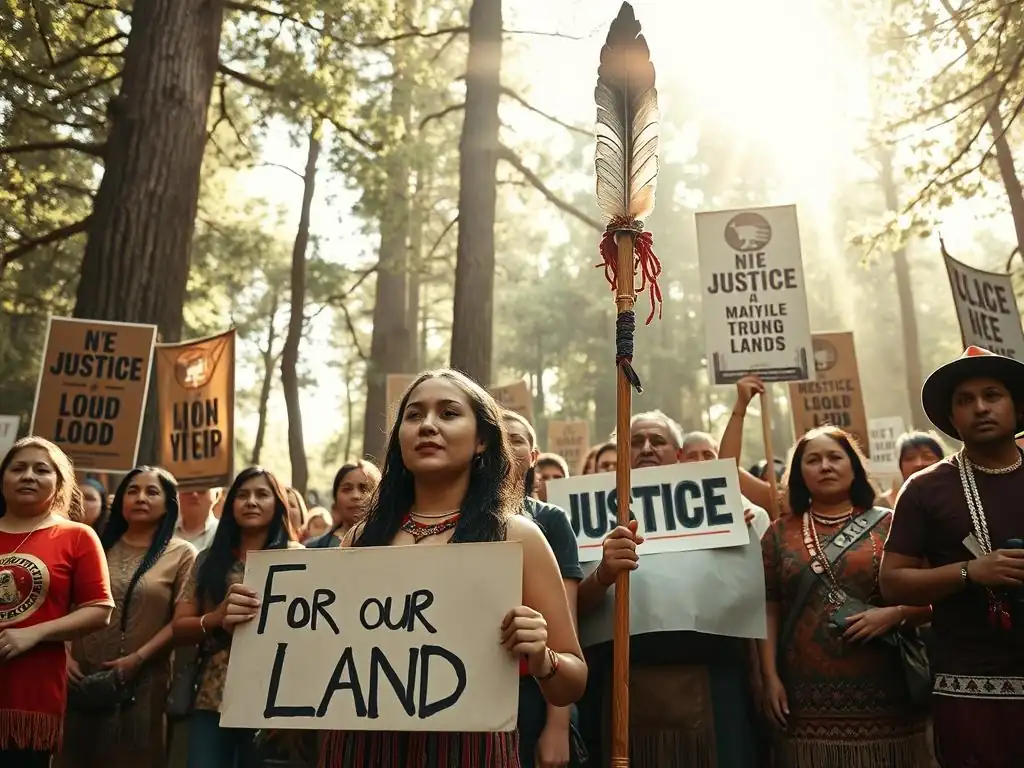
The quest for justice for Indigenous peoples is deeply intertwined with activism and advocacy, aiming to reclaim rights and recognition in the face of historical injustices. This movement encompasses a diverse range of voices, from grassroots organizations to formal legal entities, all striving toward the common goal of Indigenous sovereignty. Advocacy efforts have gained momentum in recent years, heavily focusing on legal reforms, land rights, and cultural preservation. Indigenous leaders and community members have increasingly mobilized to highlight their demands through various platforms, including social media, public demonstrations, and legal challenges.
One pivotal aspect of this activism is the emphasis on self-determination. Advocacy groups stress the importance of Indigenous governance structures and legal systems, underscoring the need for recognition within national and international frameworks. This push for self-determination reflects a broader understanding of justice that respects the unique cultural and historical contexts of Indigenous communities. Moreover, these movements often seek to educate the public and policymakers about the significance of Indigenous sovereignty in fostering social equity and environmental sustainability.
Grassroots Movements for Indigenous Sovereignty
Grassroots movements play a crucial role in advancing Indigenous sovereignty, as they are often founded and led by community members who are most affected by legal and social injustices. These movements typically focus on mobilizing local populations to advocate for their rights, utilizing strategies that resonate with their cultural values and historical experiences.
Key elements of grassroots movements include:
- Community Engagement: Local leaders organize workshops, discussions, and events that inform community members about their rights and legal options.
- Cultural Revitalization: Many movements incorporate cultural practices and teachings to reinforce identity and unity among Indigenous peoples.
- Legal Education: Grassroots organizations often provide training on Indigenous legal systems, empowering individuals to navigate complex legal frameworks effectively.
An exemplary case is the Standing Rock Sioux Tribe's protests against the Dakota Access Pipeline. This movement not only spotlighted issues of environmental justice but also underscored the importance of Indigenous sovereignty over ancestral lands.
The Role of Non-Governmental Organizations in Supporting Indigenous Legal Systems
Non-governmental organizations (NGOs) play a significant role in supporting Indigenous legal systems, often acting as allies in the broader struggle for justice. These organizations provide resources, funding, and expertise that empower Indigenous communities to assert their rights legally and politically.
NGOs typically focus on:
- Legal Advocacy: They assist in litigation efforts, providing legal counsel and representation for Indigenous groups facing injustices.
- Capacity Building: NGOs often conduct training programs aimed at enhancing the legal knowledge and skills of Indigenous leaders and advocates, helping them to navigate legal systems effectively.
- Policy Reform: Many NGOs engage in lobbying efforts to influence legislation that impacts Indigenous rights, working to ensure that policies reflect the principles of Indigenous sovereignty.
For instance, organizations like the Native American Rights Fund (NARF) have been instrumental in advancing legal cases that affirm Indigenous rights, highlighting the vital partnership between NGOs and Indigenous movements.
Future Directions for Indigenous Sovereignty and Legal Systems
The future of Indigenous sovereignty and legal systems is poised for significant transformation, driven by innovative practices and collaborative efforts. As Indigenous communities continue to assert their rights, the landscape of legal systems is evolving to recognize and integrate Indigenous laws and customs.
Innovations in Indigenous Legal Practices
Indigenous legal practices are experiencing a renaissance, with many communities developing innovative approaches that blend traditional laws with contemporary legal frameworks. These innovations are crucial for establishing systems that resonate with Indigenous values and community needs.
Key innovations include:
- Restorative Justice Models: Many Indigenous communities are increasingly adopting restorative justice practices that focus on healing and reconciliation rather than punitive measures. This approach aligns with Indigenous philosophies of community and harmony.
- Customary Law Integration: Some jurisdictions are beginning to integrate Indigenous customary laws into formal legal systems, recognizing their legitimacy and relevance in resolving disputes.
- Legal Pluralism: The concept of legal pluralism, which acknowledges the coexistence of multiple legal systems, is gaining traction. This framework allows Indigenous laws to operate alongside national laws, fostering respect for diverse legal traditions.
These innovations not only strengthen Indigenous legal systems but also promote greater understanding and respect between Indigenous and non-Indigenous legal frameworks.
Potential Collaborations for Strengthening Indigenous Rights
Collaboration between Indigenous communities, governments, and international organizations holds immense potential for strengthening Indigenous rights and legal systems. By fostering partnerships, these entities can work together to create more equitable legal frameworks that respect and uphold Indigenous sovereignty.
Potential collaborative efforts include:
- Joint Advocacy Initiatives: Collaborative campaigns can amplify Indigenous voices and influence public policy by presenting unified demands for rights recognition.
- Educational Partnerships: Collaborations between Indigenous communities and educational institutions can promote the study of Indigenous legal systems, ensuring future legal professionals are equipped with the knowledge needed to advocate effectively.
- International Support Networks: Engaging with international bodies, such as the United Nations, can provide Indigenous groups with platforms to voice their concerns and seek support for their rights.
By leveraging these collaborative opportunities, Indigenous peoples can advance their sovereignty and legal systems, paving the way for a more just and equitable future.
Conclusion: The Path Forward for Indigenous Sovereignty and Justice
The journey toward achieving Indigenous sovereignty and justice is complex and multifaceted. As Indigenous communities continue to advocate for their rights, it is essential to recognize the historical context of their struggles and the ongoing impact of colonialism on their legal systems. The future of Indigenous sovereignty lies in a collaborative effort that respects and incorporates traditional legal practices alongside contemporary legal frameworks.
Moving forward, it is crucial to engage in meaningful dialogue between Indigenous nations and governmental entities to build a legal landscape that honors Indigenous rights. This entails not only recognizing the validity of Indigenous laws but also ensuring that they are integrated into national legal systems. By fostering mutual respect and understanding, it is possible to create a more equitable society that acknowledges the unique position of Indigenous peoples within the broader context of justice and governance.
Summary of Key Points on Indigenous Sovereignty and Legal Systems
- Historical Context: Indigenous sovereignty has been shaped by centuries of colonial oppression, leading to the marginalization of Indigenous legal systems and cultures.
- Legal Recognition: Many nations are beginning to recognize Indigenous rights within their legal frameworks, yet inconsistencies and gaps remain that challenge the effective implementation of these rights.
- Cultural Revitalization: A resurgence of traditional practices and legal systems among Indigenous communities is crucial for the restoration of sovereignty and self-governance.
- Collaborative Approaches: Building partnerships between Indigenous nations and state governments can lead to the development of legal frameworks that respect and integrate Indigenous laws.
- Advocacy and Education: Ongoing efforts in advocacy, education, and awareness are vital to inform both Indigenous peoples and non-Indigenous populations about the importance of sovereignty and justice.
Call to Action for Support and Awareness
To truly support Indigenous sovereignty and justice, individuals and organizations must take active steps in promoting awareness and understanding of these critical issues. Here are some actions that can be taken:
- Educate Yourself and Others: Learn about the histories, cultures, and legal systems of Indigenous peoples. Share this knowledge within your community to foster understanding and respect.
- Support Indigenous Organizations: Contribute to or volunteer with organizations that advocate for Indigenous rights and sovereignty. Your support can help amplify their voices and efforts.
- Engage in Advocacy: Participate in campaigns or movements that aim to protect Indigenous rights. This can include signing petitions, attending rallies, or contacting policymakers to express support for Indigenous legal recognition.
- Promote Cultural Competency: Encourage educational institutions and workplaces to incorporate Indigenous perspectives and histories into their curricula and practices.
- Listen to Indigenous Voices: Prioritize the inclusion of Indigenous perspectives in discussions about policy and legal reforms. Creating spaces for Indigenous voices can lead to more effective and respectful solutions.
By taking these actions, we can contribute to a future where Indigenous sovereignty and justice are recognized, respected, and upheld. Together, we can move toward a more just society that honors the rights of Indigenous peoples.
- Introduction to Indigenous Sovereignty and Legal Systems
- Understanding Indigenous Sovereignty
- Historical Context of Indigenous Legal Systems
- Current Legal Frameworks Affecting Indigenous Sovereignty
- Case Studies in Indigenous Sovereignty and Legal Systems
- The Role of Indigenous Legal Traditions in Modern Justice
- Challenges Facing Indigenous Sovereignty Today
- The Quest for Justice: Activism and Advocacy
- Future Directions for Indigenous Sovereignty and Legal Systems
- Conclusion: The Path Forward for Indigenous Sovereignty and Justice
Frequently Asked Questions
What is indigenous sovereignty?
Indigenous sovereignty refers to the inherent rights and authority of indigenous peoples to govern themselves and maintain their cultural identity, independent of external control.
How do legal systems differ among indigenous cultures?
Legal systems among indigenous cultures are often based on traditional practices, oral histories, and community consensus, differing significantly from Western legal frameworks that prioritize codified laws.
What challenges do indigenous communities face regarding sovereignty today?
Many indigenous communities struggle against colonial legacies, ongoing legal battles, and systemic injustices that threaten their sovereignty and ability to self-govern.
How can understanding indigenous legal systems contribute to justice?
Understanding indigenous legal systems can promote respect for self-determination, encourage collaborative governance, and lead to more equitable solutions for indigenous rights and issues.
What role does education play in advancing indigenous sovereignty?
Education is crucial for raising awareness about indigenous sovereignty, empowering communities, and fostering dialogue between indigenous peoples and broader society to achieve social justice.
Final Reflection: Embracing Indigenous Sovereignty in Legal Systems for a Just Future
The quest for Indigenous sovereignty within contemporary legal systems remains a pressing issue that resonates deeply in today's society. As we navigate through a world increasingly aware of social justice and equity, the importance of recognizing and respecting Indigenous rights cannot be overstated. The ongoing struggles for sovereignty highlight a fundamental truth: justice is not merely a legal concept but a moral imperative that demands our collective attention and action.
The influence of Indigenous sovereignty on our cultural and social landscape is profound and far-reaching. It serves as a reminder of the resilience and strength of Indigenous communities in the face of systemic oppression. The fight for legal recognition and self-determination is not just a matter of policy; it is about restoring dignity and agency to those who have been historically marginalized. As we reflect on this journey, we are reminded of the words of Indigenous activist Winona LaDuke, who said, The future will be Indigenous or it will not be at all.
This statement encapsulates the urgency of embracing Indigenous perspectives in our legal frameworks and societal structures.
As we look to the future, I invite you to reflect on your role in this ongoing journey toward justice and equity. Consider how you can support Indigenous sovereignty in your own community, whether through education, advocacy, or allyship. Each of us has the power to contribute to a more just society that honors the rights and voices of Indigenous peoples. Let us commit to fostering a future where legal systems not only recognize but celebrate Indigenous sovereignty, ensuring that justice is truly served for all.
Unveil the Path to Justice and Empower Indigenous Voices!
Thank you for engaging in this enlightening discussion on Indigenous sovereignty and the pursuit of justice. Your awareness of these crucial issues is a powerful first step toward meaningful change. Now, let’s take action together!
Here are several ways you can contribute to this vital cause:
- Educate yourself and others: Explore the intricacies of Indigenous legal systems and their historical significance. Share your insights with friends and family to spark conversations about sovereignty.
- Support Indigenous communities: Connect with and engage in organizations that advocate for Indigenous rights. Your voice matters—amplify theirs by sharing their messages on social media.
- Participate in local events: Seek out workshops or community gatherings that focus on Indigenous issues. Your involvement can strengthen community ties and foster greater understanding.
How will you use your voice today to stand in solidarity with Indigenous peoples and advocate for their sovereignty?