
The Architectural Marvels of the Maya: A Journey Through Time

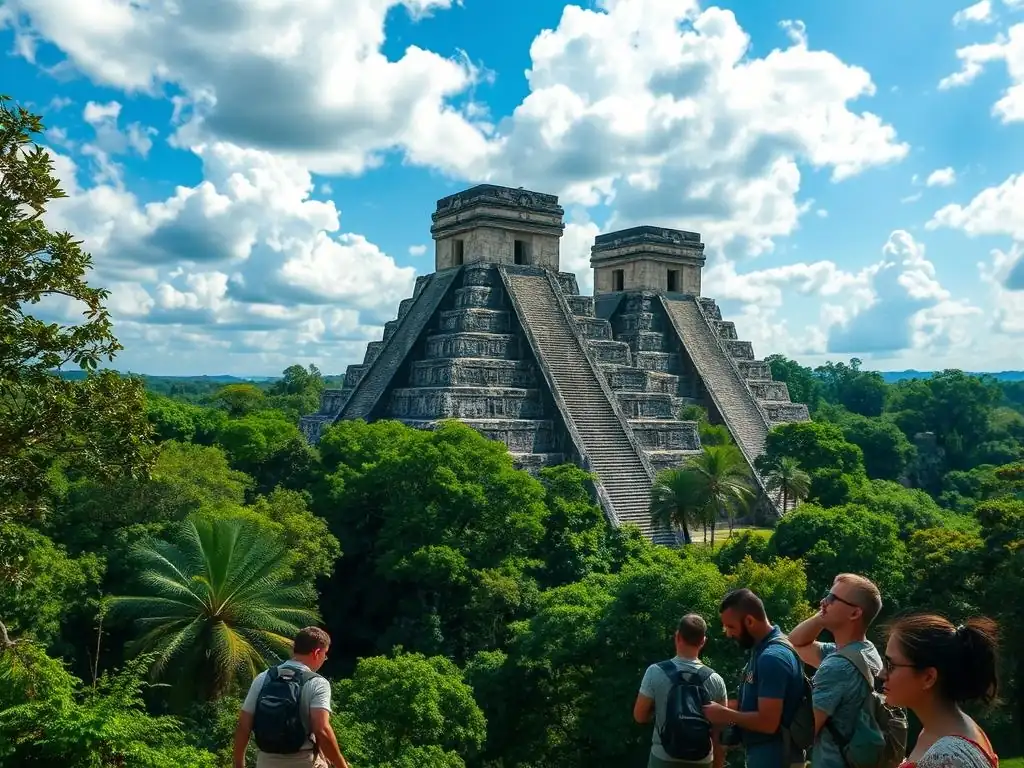
Welcome to Indigenous Civilizations of the Americas, where we embark on an enlightening journey through the rich tapestry of indigenous cultures that flourished long before European contact. Here, we delve into the Maya architectural achievements history, uncovering the breathtaking innovations and intricate designs that define their legacy. From grand pyramids to sophisticated urban planning, these architectural marvels tell stories of resilience, creativity, and cultural significance.
Join us as we explore the fascinating advancements and achievements of the Maya, igniting your curiosity about the profound impact these civilizations have left on the world. Continue reading to discover the secrets behind their timeless structures and the stories they hold.
Introduction to Maya Architectural Achievements
The Maya civilization, a remarkable society that flourished in Mesoamerica from around 2000 BCE to the arrival of Europeans in the 16th century, is renowned for its extraordinary architectural achievements. This article delves into the rich history of Maya architecture, examining not only the stunning structures they created but also the cultural significance and technological prowess behind these monumental works.
The Maya were more than just builders; they were skilled artisans, astronomers, and mathematicians whose architectural innovations reflected their sophisticated understanding of the world around them. Through a comprehensive exploration of their architectural marvels, we will uncover the intricate relationship between their society and the impressive edifices they constructed, highlighting their enduring legacy.
Overview of Maya Civilization and Its Historical Context
The Maya civilization encompassed a vast region that includes present-day Mexico, Guatemala, Belize, Honduras, and El Salvador. Spanning several centuries, the Maya experienced periods of significant growth and decline, with the Classic Period (250-900 CE) being particularly notable for its urban development and architectural achievements. During this time, the Maya built impressive city-states like Tikal, Palenque, and Copán, each characterized by grand temples, palaces, and ceremonial plazas.
The historical context of the Maya civilization is essential for understanding their architectural innovations. Influenced by their environment and cultural practices, the Maya adapted their construction techniques to suit the tropical climate and the materials available. Their architectural achievements not only served practical purposes but also embodied their cosmology and religious beliefs, making them an integral part of Maya society.
Significance of Architecture in Maya Society
In Maya society, architecture held profound significance beyond mere aesthetics. Structures were often constructed with specific astronomical alignments, reflecting the Maya's advanced understanding of celestial movements. Temples and pyramids served as ceremonial centers, where rituals and festivals celebrated their gods and reaffirmed social hierarchies. The architecture also functioned as a medium for political power, with rulers commissioning grand buildings to demonstrate their authority and divine right to lead.
Moreover, Maya architecture was a reflection of their social organization. Cities were designed with intricate layouts that included residential areas, marketplaces, and public spaces, emphasizing the importance of community and trade. This architectural planning facilitated social interactions and contributed to the flourishing of Maya culture.
Key Features of Maya Architecture
Distinctive Elements of Maya Architectural Design
Maya architecture is characterized by several distinctive elements that set it apart from other Mesoamerican cultures. Among these features are:
- Pyramids: Often serving as temples, these stepped structures were central to Maya cities, symbolizing the connection between the earth and the heavens.
- Carvings and Reliefs: Intricate stone carvings adorned many structures, depicting gods, rulers, and historical events, which not only beautified the architecture but also conveyed important cultural narratives.
- Corbel Arches: The Maya developed a unique corbel arch technique that allowed them to create expansive doorways and ceilings, showcasing their engineering ingenuity.
- Sacred Ceibas: The ceiba tree held spiritual significance for the Maya, and many architectural designs incorporated motifs inspired by its shape, symbolizing the connection between the underworld, earth, and sky.
Materials and Techniques Used in Maya Construction
The Maya utilized a variety of materials and techniques in their architectural endeavors, reflecting their resourcefulness and adaptability. Key aspects include:
- Limestone: Abundant in the region, limestone was the primary building material used for constructing temples, palaces, and other structures. Its availability allowed for extensive quarrying and carving.
- Stucco: Often applied to surfaces for both functional and decorative purposes, stucco provided a smooth finish that could be painted or carved, enhancing the aesthetic appeal of buildings.
- Construction Techniques: The Maya employed advanced techniques such as the use of concrete and mortar to create durable structures. Their understanding of structural integrity allowed them to build multi-story complexes that have withstood the test of time.
Through this exploration of their architectural achievements, we can appreciate the Maya's remarkable contributions to human civilization and their lasting impact on architectural practices in the Americas and beyond.
Major Maya Architectural Sites
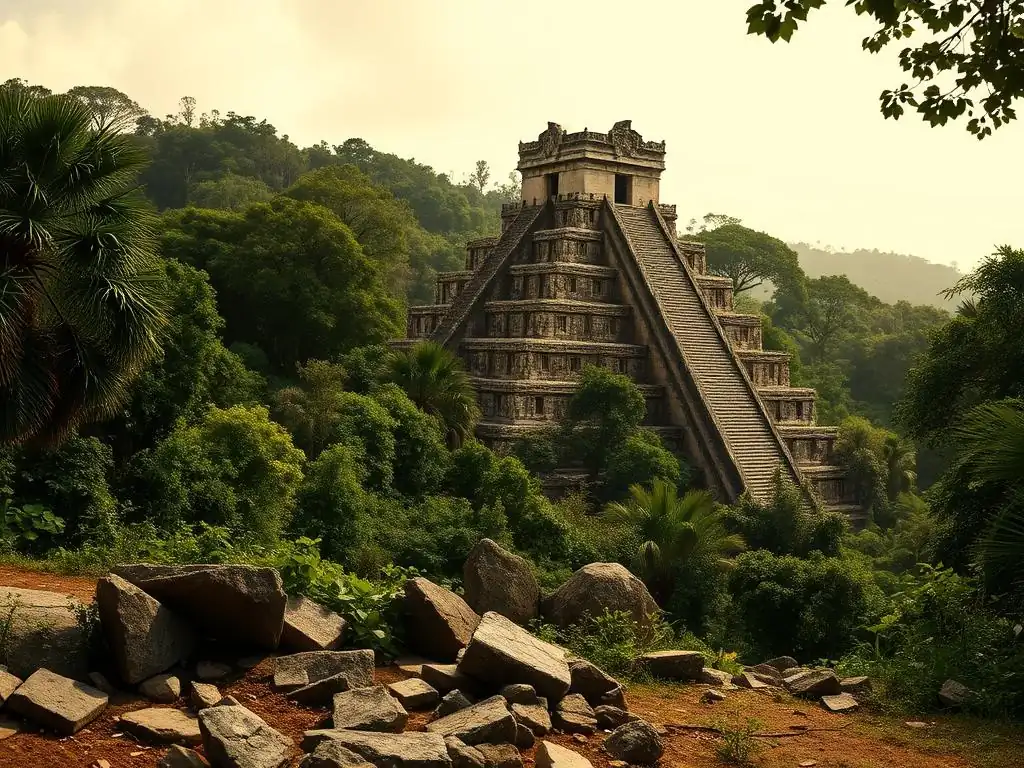
The Maya civilization is renowned for its impressive architectural sites, which reflect the culture's ingenuity, religious beliefs, and social organization. These monumental structures not only served practical purposes but also acted as symbols of power and spirituality. Here, we explore some of the most significant Maya architectural sites that stand as testaments to their extraordinary achievements.
Tikal: The City of Voices
Tikal, one of the largest and most influential Maya cities, is located in present-day Guatemala. It flourished from around 200 to 900 CE and is renowned for its towering temples, palaces, and plazas. The most iconic structure, Temple IV, reaches a height of 70 meters (230 feet) and offers breathtaking views of the surrounding rainforest. Tikal was not only an architectural marvel but also a political and economic powerhouse, serving as a major trade hub.
The layout of Tikal is characterized by its grand ceremonial plazas, surrounded by monumental buildings adorned with intricate carvings. The city’s architecture reflects a deep connection to the cosmos, with many structures aligned to celestial events. The abundance of stelae and altars throughout Tikal signifies its importance as a center for ritual and governance.
Chichen Itza: The Center of Astronomy
Chichen Itza, located in the Yucatan Peninsula of Mexico, is one of the most famous Maya archaeological sites. Flourishing from the late Classic to the early Postclassic period (approximately 800 to 1100 CE), Chichen Itza is renowned for its sophisticated understanding of astronomy, as evidenced by its architectural layout. The centerpiece, El Castillo (Temple of Kukulcan), is a step pyramid that serves as a solar calendar. During the equinox, shadows cast on the pyramid create the illusion of a serpent descending the stairs, a significant event that draws thousands of visitors each year.
In addition to El Castillo, Chichen Itza features the Great Ball Court, the largest of its kind in Mesoamerica, showcasing the importance of the Mesoamerican ballgame in Maya society. The site is a UNESCO World Heritage site and a symbol of Maya achievements in engineering and mathematics.
Palenque: The Jewel of the Maya
Palenque, located in the modern-day state of Chiapas, Mexico, is celebrated for its exquisite architecture and intricate bas-reliefs. Flourishing during the 7th century CE, Palenque is often referred to as the "Jewel of the Maya" due to its stunning aesthetic qualities. The Temple of the Inscriptions, which houses the tomb of the ruler Pakal the Great, is one of its most iconic buildings. This temple is adorned with elaborate carvings that depict the ruler's journey to the afterlife.
The site is characterized by its unique architectural style, which includes corbel arches and elaborate roof combs that create a sense of grandeur. Palenque is also known for its sophisticated hydraulic systems, which illustrate the Maya's advanced engineering capabilities. The lush jungle setting adds to the mystical allure of Palenque, making it a significant archaeological treasure.
The Evolution of Maya Architecture Through Time
The architectural achievements of the Maya evolved over centuries, influenced by environmental, political, and cultural changes. This evolution can be divided into three main phases: Early Structures, the Classic Period, and Postclassic Developments, each reflecting the advancements and adaptations of the Maya civilization.
Early Maya Structures and Their Characteristics
The earliest Maya structures date back to around 1000 BCE and are characterized by their use of local materials such as limestone. Early sites like Nakbé and El Mirador showcase large platform mounds and rudimentary buildings, often serving as ceremonial centers. These structures were typically simple in design, with thatched roofs and mud walls.
The architectural style of this period laid the groundwork for future developments. Features such as raised platforms and the use of corbel arches began to emerge, indicating a burgeoning complexity in construction techniques. The focus on ceremonial spaces highlights the importance of religion and community in early Maya society.
The Classic Period: Flourishing Architectural Achievements
The Classic Period (250 to 900 CE) marks the pinnacle of Maya architectural achievements. During this time, cities such as Tikal, Palenque, and Copán flourished, showcasing monumental structures with sophisticated designs. Temples, palaces, and plazas became central to Maya urban planning, reflecting a deep connection to religious and political life.
Architectural innovations during this period included the development of the corbel arch, allowing for larger and more intricate structures. The use of stucco for decorative reliefs became prevalent, with elaborate carvings depicting historical events, mythology, and royal lineage. This era saw the construction of iconic pyramids, observatories, and ball courts that remain significant in understanding Maya culture.
Postclassic Developments in Maya Architecture
The Postclassic period (900 to 1500 CE) witnessed changes in architectural styles and urban planning as the Maya adapted to shifting political landscapes and environmental challenges. Sites such as Chichen Itza and Mayapan emerged as important centers, showcasing a blend of traditional Maya elements with influences from other Mesoamerican cultures.
During this time, architecture became more utilitarian, with an emphasis on defensive structures and strategic layouts. The construction of large ball courts and the use of open plazas became common, reflecting the continued importance of community and ritual. While the grand monumental architecture of the Classic period was less prevalent, the Postclassic era still produced significant achievements, emphasizing resilience and adaptation in Maya architectural practices.
The Influence of Geographic Location on Maya Architectural Styles
The geographic location of the Maya civilization played a pivotal role in shaping their architectural styles and techniques. The Maya were primarily located in present-day Mexico, Guatemala, Belize, and parts of Honduras and El Salvador. This diverse landscape, characterized by tropical rainforests, mountains, and rivers, influenced their construction methods, materials used, and the overall design of their monumental architecture.
The varied climatic conditions across the Maya regions led to adaptations in building styles that reflected both environmental and cultural needs. For instance, the availability of different natural resources dictated the types of structures built, resulting in regional architectural variations. The integration of these geographic factors into their designs not only showcases the ingenuity of the Maya but also highlights their deep connection with the land.
Tropical Rainforests and Their Impact on Construction
The lush tropical rainforests of the Maya lowlands provided both challenges and opportunities for architectural development. The abundance of limestone in the Yucatán Peninsula facilitated the construction of grand buildings, as limestone was readily available and suitable for carving intricate designs. The Maya exploited this resource, resulting in stunning facades and elaborate relief carvings that adorned their temples and palaces.
However, the humid environment also posed challenges, such as the rapid deterioration of organic materials. To combat this, the Maya implemented construction techniques that emphasized durability, using stone and plaster to ensure longevity. Additionally, the design of buildings often incorporated features to mitigate the effects of heavy rainfall, such as sloped roofs to direct water away from structures.
The Role of Rivers and Mountains in Site Selection
Rivers and mountains were crucial in determining where the Maya established their cities. Rivers provided essential resources such as water for drinking, agriculture, and transportation. Cities like Tikal and Palenque were strategically located near rivers, which facilitated trade and communication between different regions.
Mountains, on the other hand, offered natural fortifications and were often considered sacred by the Maya. The positioning of cities on elevated terrain allowed for better defense against potential threats and provided stunning vistas that enhanced the spiritual significance of these locations. The interplay between rivers and mountains not only influenced the practical aspects of construction but also imbued these sites with cultural and religious importance.
Cultural Significance of Maya Architectural Achievements
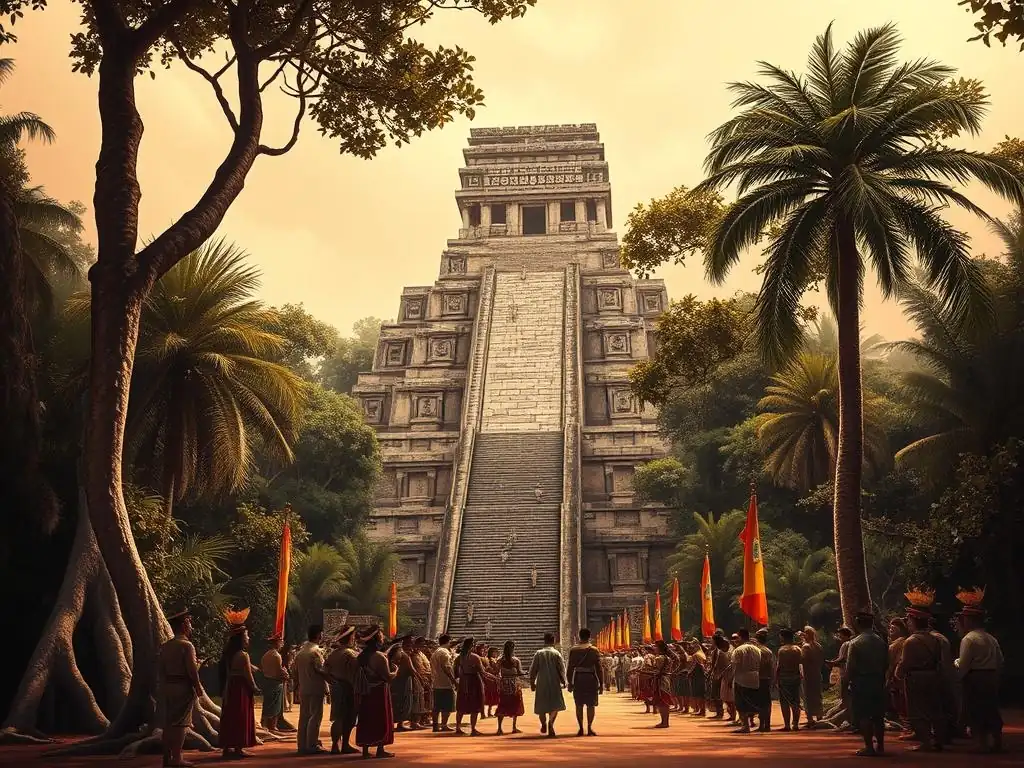
The architectural achievements of the Maya were not merely functional; they were deeply intertwined with the civilization's cultural and spiritual identity. Each structure, from grand temples to residential areas, served as a canvas for expressing the Maya worldview, societal hierarchy, and religious beliefs. The designs often encapsulated a narrative that reflected their understanding of the cosmos, time, and the divine.
Architecture as a Reflection of Maya Cosmology
Maya architecture is a vivid representation of their cosmological beliefs. The layout of cities and the orientation of buildings were meticulously planned to align with celestial events and cardinal directions, signifying the importance of astronomy in Maya culture. For instance, the famous El Caracol observatory at Chichén Itzá exemplifies this connection, as it was used to track celestial bodies and predict seasonal changes.
Temples and pyramids were often designed to symbolize the sacred mountains, which were believed to connect the earth and the heavens. The construction of these monumental structures served not only as places of worship but also as expressions of the Maya's place within the universe, showcasing their understanding of life, death, and rebirth.
The Role of Religious Structures in Maya Society
Religious structures were at the heart of Maya society, serving as focal points for communal gatherings, rituals, and ceremonies. The towering pyramids and intricate temples were not just architectural feats but also vital components of religious life. They housed altars for offerings and were sites for important events such as royal coronations and agricultural ceremonies.
These structures also reinforced the social hierarchy, as only the elite had access to the most sacred spaces within these complexes. The grandeur of the architecture symbolized the power of the ruling class and their connection to the divine, legitimizing their authority. In this way, Maya architectural achievements transcended mere construction; they encapsulated the civilization's values, beliefs, and social dynamics, leaving a lasting legacy that continues to fascinate scholars and visitors alike.
Preservation and Challenges of Maya Architectural Heritage
The preservation of Maya architectural heritage is crucial not only for the understanding of this ancient civilization but also for the cultural identity of the descendants of the Maya people today. The impressive structures and cities built by the Maya showcase their advanced engineering skills, artistic expressions, and deep understanding of astronomy and mathematics. However, these architectural marvels face numerous challenges that threaten their integrity and existence.
Current Efforts in Preserving Maya Sites
Various organizations, both governmental and non-governmental, are actively engaged in the preservation of Maya sites across Mesoamerica. For instance, UNESCO has designated several Maya sites, such as Tikal and Chichen Itza, as World Heritage Sites, which helps attract funding and international attention for conservation efforts.
Additionally, local governments and indigenous communities often collaborate on preservation projects, combining traditional knowledge with modern conservation techniques. This includes:
- Restoration Projects: Many sites undergo restoration to stabilize and maintain structures, using materials and methods that are historically accurate.
- Sustainable Tourism Initiatives: By promoting responsible tourism, efforts are made to minimize the environmental impact on these sites while generating revenue for their upkeep.
- Community Involvement: Engaging local populations in preservation efforts fosters a sense of ownership and pride, ensuring that cultural heritage is respected and maintained.
Threats to Maya Architectural Achievements Today
Despite these efforts, several threats continue to jeopardize Maya architectural heritage. These include:
- Urban Development: Encroaching urbanization often leads to the destruction of nearby archaeological sites as land is cleared for new construction.
- Climate Change: Rising temperatures and extreme weather events, such as hurricanes and droughts, can cause significant damage to ancient structures.
- Looting and Vandalism: The illegal excavation of artifacts and vandalism of ruins remain serious concerns, as they not only destroy physical structures but also erase historical context.
- Agricultural Expansion: The conversion of land for agriculture can result in the loss of significant archaeological sites, as forests are cleared and ancient structures are buried.
Conclusion: The Lasting Legacy of Maya Architectural Achievements
The architectural achievements of the Maya represent a cornerstone of Mesoamerican civilization, reflecting a profound understanding of the environment and a sophisticated societal organization. The legacy of these structures extends beyond their physical form; they embody the cultural, spiritual, and historical narratives of the Maya people.
The Importance of Understanding Maya Architecture in Modern Context
Understanding Maya architecture is essential for appreciating the technological and artistic innovations of the Maya civilization. It provides insights into their social structures, religious practices, and interaction with the environment. Additionally, this knowledge can inform contemporary architecture and urban planning, highlighting sustainable practices that respect cultural heritage.
Future Research Directions in Maya Architectural Studies
Future research in Maya architectural studies should focus on interdisciplinary approaches that combine archaeology, anthropology, and environmental science. Key areas for exploration include:
- Advanced Technologies: Utilizing LiDAR and other remote sensing technologies can help uncover previously lost structures and provide new data for analysis.
- Material Studies: Investigating the materials used in construction can reveal insights into trade networks and technological advancements.
- Cultural Significance: Understanding the symbolism and meaning behind architectural designs can deepen our appreciation of Maya culture and its relevance today.
By continuing to explore these avenues, researchers can ensure that the rich history of Maya architectural achievements is preserved and understood for generations to come.
- Introduction to Maya Architectural Achievements
- Overview of Maya Civilization and Its Historical Context
- Significance of Architecture in Maya Society
- Key Features of Maya Architecture
- Major Maya Architectural Sites
- The Evolution of Maya Architecture Through Time
- The Influence of Geographic Location on Maya Architectural Styles
- Cultural Significance of Maya Architectural Achievements
- Preservation and Challenges of Maya Architectural Heritage
- Conclusion: The Lasting Legacy of Maya Architectural Achievements
- What are some key architectural achievements of the Maya civilization?
- How did Maya architecture reflect their society and beliefs?
- What materials did the Maya use in their architectural constructions?
- How did the Maya's architectural techniques influence later civilizations?
- What can we learn about Maya civilization through their architectural achievements?
Frequently Asked Questions
What are some key architectural achievements of the Maya civilization?
The Maya are renowned for their complex pyramids, palaces, and temples. They also developed advanced urban planning and utilized astrological alignments in their structures.
How did Maya architecture reflect their society and beliefs?
Maya architecture often incorporated religious symbolism and astronomical significance, showcasing their cultural values and connection to the cosmos, which played a crucial role in their daily lives.
What materials did the Maya use in their architectural constructions?
The Maya primarily used limestone, which was abundant in their region, along with mortar, and stucco for finishing and decorative purposes, allowing for intricate designs.
How did the Maya's architectural techniques influence later civilizations?
The architectural techniques of the Maya, such as corbel arch construction and urban planning, laid the groundwork for subsequent Mesoamerican cultures, influencing their building styles and city layouts.
What can we learn about Maya civilization through their architectural achievements?
Studying Maya architecture provides insight into their social structure, technological advancements, and cultural practices, highlighting their innovative spirit and adaptability before European contact.
Final Reflection: The Enduring Legacy of Maya Architectural Achievements
The architectural achievements of the Maya civilization are not just relics of the past; they are a testament to human ingenuity and resilience that resonate with us today. As we navigate modern challenges, the intricate designs and sophisticated urban planning of the Maya remind us of the potential for innovation and creativity that exists within every culture. Their ability to harmonize their structures with the natural environment serves as a powerful reminder of the importance of sustainability in our own architectural endeavors.
The influence of Maya architecture extends far beyond its historical context; it continues to inspire contemporary architects and urban planners around the world. The principles of symmetry, functionality, and integration with nature found in Maya structures are increasingly relevant as we seek to create spaces that foster community and respect for the environment. Architecture is the learned game, correct and magnificent, of forms assembled in the light.
– Le Corbusier. This quote encapsulates the essence of how the Maya mastered their craft, creating spaces that not only served practical purposes but also celebrated the beauty of their surroundings.
As you reflect on the remarkable journey through the history of Maya architectural achievements, consider how these lessons can be applied in your own life and community. Let the ingenuity and vision of the Maya inspire you to think critically about the spaces you inhabit and the impact they have on your life and the environment. Embrace the challenge of creating a legacy that honors both innovation and sustainability, ensuring that the architectural marvels of the past continue to inform and inspire the future.
Unveil the Mysteries of Maya Architecture Today!
Thank you for embarking on this journey through the fascinating architectural wonders of the Maya civilization! We hope you’ve gained a deeper appreciation for their ingenuity and cultural significance. Now, it's time to take the next step in your exploration.
Here are some engaging actions you can take right now:
- Visit a local museum that showcases Indigenous artifacts and learn more about the Maya and their architectural brilliance.
- Share your favorite Maya architectural site with friends on social media to inspire others to discover this incredible history.
- Join an online community dedicated to Indigenous cultures and share your insights or questions about Maya architecture.
What aspect of Maya architecture captivates you the most, and how will you share this newfound passion with others?