
Exploring the Role of Andean Mathematics in Astronomical Predictions and Calendars


Welcome to Indigenous Civilizations of the Americas, where we invite you to embark on a fascinating journey through the vibrant tapestry of indigenous cultures that flourished long before European contact. In our featured article, “Exploring the Role of Andean Mathematics in Astronomical Predictions and Calendars,” we delve into the remarkable achievements of the Andean civilizations, uncovering how their sophisticated understanding of mathematics and astronomy shaped their world.
Prepare to be captivated by the ingenuity of these ancient peoples and discover the profound impact they have left on our understanding of the cosmos. Dive in and explore how their legacy continues to resonate today!
Introduction to Andean Mathematics and Astronomy
The Andean civilizations, renowned for their remarkable achievements in various fields, also made significant strides in mathematics and astronomy. These indigenous cultures, including the Incas, the Nazcas, and the Moche, developed sophisticated systems of knowledge that allowed them to navigate their environments, cultivate crops, and predict celestial events.
This article delves into the intricate relationship between Andean mathematics and astronomy, examining how mathematical principles were applied to astronomical predictions and the creation of calendars that guided the lives of these ancient peoples. By exploring the unique mathematical innovations that emerged in the Andes, we can gain insight into the profound impact of these cultures on our understanding of the cosmos and their enduring legacy.
Overview of Andean Civilizations and their Mathematical Innovations
The Andean region, stretching along the western coast of South America, was home to several advanced civilizations that flourished long before European contact. These societies developed complex social structures, agricultural techniques, and architectural marvels, all underpinned by a rich mathematical tradition. Notably, the Incas employed a base-10 counting system, which was essential for trade, administration, and resource management.
- Key Innovations:
- Quipu: A unique system of knotted strings used for record-keeping and communication, demonstrating an understanding of numerical concepts.
- Geometry: The use of geometric shapes in architecture and land surveying, showcasing advanced spatial reasoning.
These innovations not only reflect the mathematical prowess of the Andean civilizations but also their ability to utilize mathematics practically in various aspects of daily life.
Significance of Astronomy in Andean Cultures
Astronomy held a central place in the lives of Andean peoples, influencing agricultural practices, religious ceremonies, and social organization. The ability to predict seasonal changes and celestial events was vital for agricultural success, particularly in a region characterized by diverse climates and altitudes.
Key Aspects of Andean Astronomy:
- Calendar Systems: The Andean cultures developed intricate calendars based on astronomical observations, which were essential for planning agricultural activities and religious festivals.
- Cultural Practices: Celestial bodies were often associated with deities, and rituals were aligned with astronomical events, underscoring the spiritual importance of the cosmos.
By understanding the significance of astronomy in Andean cultures, we can appreciate how these societies harmonized their mathematical knowledge with their observations of the natural world.
The Intersection of Andean Mathematics and Astronomy
The interplay between Andean mathematics and astronomy is a fascinating aspect of their intellectual heritage. This intersection reveals how mathematical concepts were applied to understand and predict astronomical phenomena, leading to the development of advanced calendrical systems.
Mathematical Techniques Used in Astronomical Predictions
Andean astronomers utilized various mathematical techniques to make accurate predictions about celestial events. These methods included:
- Observation and Measurement: Careful tracking of celestial bodies over time allowed for the identification of patterns and cycles.
- Interpolation: Employing mathematical interpolation to estimate the positions of celestial bodies between observed points.
These techniques not only facilitated accurate predictions but also demonstrated a sophisticated understanding of mathematical principles.
The Role of Geometry in Andean Astronomical Calculations
Geometry played a crucial role in the astronomical calculations of Andean civilizations. The use of geometric shapes and figures allowed for precise mapping of the heavens and the creation of elaborate calendars.
- Geometric Alignments: Many Andean structures, such as temples and ceremonial sites, were aligned with celestial events, reflecting an integration of geometry and astronomy.
- Spatial Reasoning: The ability to visualize and manipulate geometric forms was essential for both astronomical observations and architectural designs.
The application of geometry in astronomical calculations illustrates the depth of mathematical knowledge possessed by Andean cultures, highlighting their contributions to the fields of astronomy and mathematics that continue to inspire scholars today.
Development of Calendars in Andean Societies
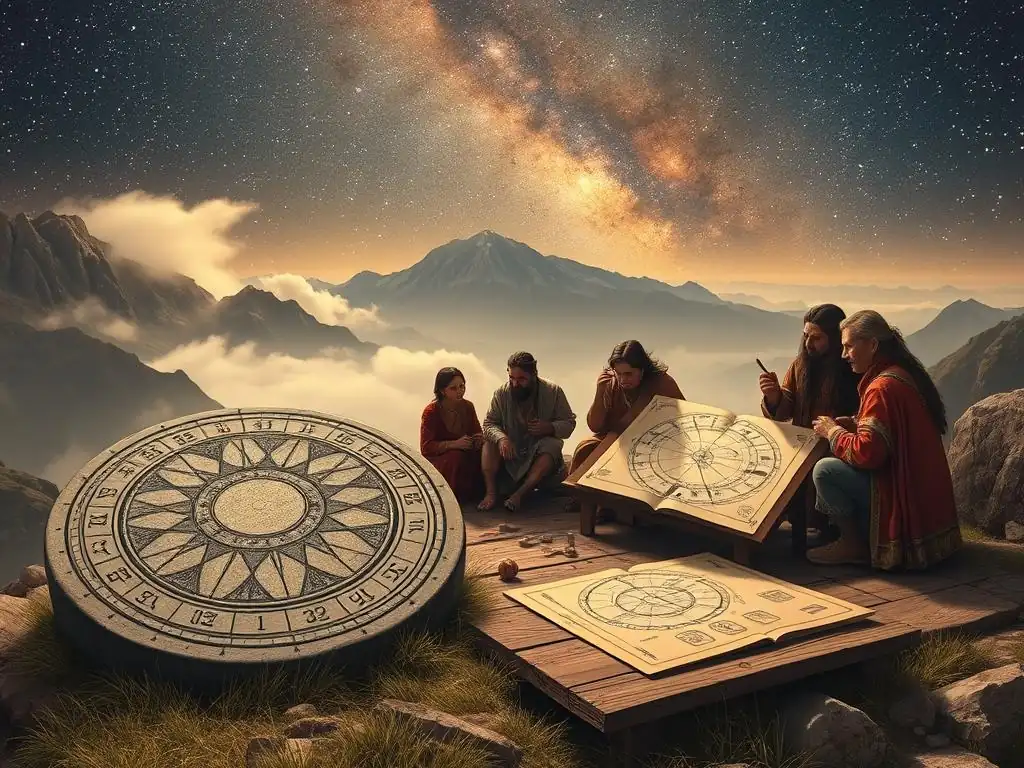
The development of calendars in Andean societies was a profound reflection of their understanding of celestial phenomena and their deep connection to the natural world. These calendars were not merely tools for tracking time; they were integral to the agricultural, religious, and social practices of various Andean cultures, such as the Incas, Nazcas, and Tiwanaku. The Andean calendar systems were sophisticated, often based on meticulous observations of celestial bodies, including the sun, moon, and stars.
The most notable calendar used by the Incas was the Inca calendar, which combined both solar and lunar cycles to create a comprehensive system that aligned with the agricultural seasons. This duality allowed them to optimize farming activities, religious ceremonies, and community events, ensuring that they were synchronized with the changing environment. The calendar was also divided into months, with specific festivals and rituals dedicated to agricultural cycles, showing how intertwined their lives were with the cosmos.
The Importance of Calendars for Agricultural Practices
Calendars were vital for agricultural practices in Andean societies, as they provided essential information about the timing of planting and harvesting. The Andean people relied heavily on seasonal patterns to maximize crop yields, and their calendars helped them anticipate weather changes and lunar phases.
For instance, the Inti Raymi (Festival of the Sun) celebrated during the winter solstice, marked a crucial time for the Andean agricultural calendar. It signified the return of the sun, which was essential for crop growth. The timing of this festival was carefully calculated based on astronomical observations, demonstrating the significance of Andean mathematics in agricultural success.
Moreover, calendars facilitated the organization of labor among communities. They allowed for coordinated activities such as irrigation management, communal farming, and harvest festivals, which were essential for sustaining large populations.
Key Features of Andean Calendrical Systems
Andean calendrical systems were characterized by several key features that highlighted their complexity and depth.
- Lunar and Solar Cycles: Most Andean calendars integrated both lunar and solar cycles, with the lunar calendar typically consisting of 12 months of 29 or 30 days, while the solar year was based on the sun's annual journey.
- Festivals and Rituals: Each month often included specific festivals and rituals tied to agricultural activities, reflecting the spiritual connection between the people and their environment.
- Intercalation Techniques: To align lunar and solar years, Andean societies developed intercalation techniques, adding extra days or months when necessary to ensure the calendar remained accurate.
- Regional Variations: Different Andean cultures had their unique interpretations of timekeeping, resulting in a variety of calendrical systems adapted to local environmental conditions and societal needs.
Tools and Instruments in Andean Astronomy
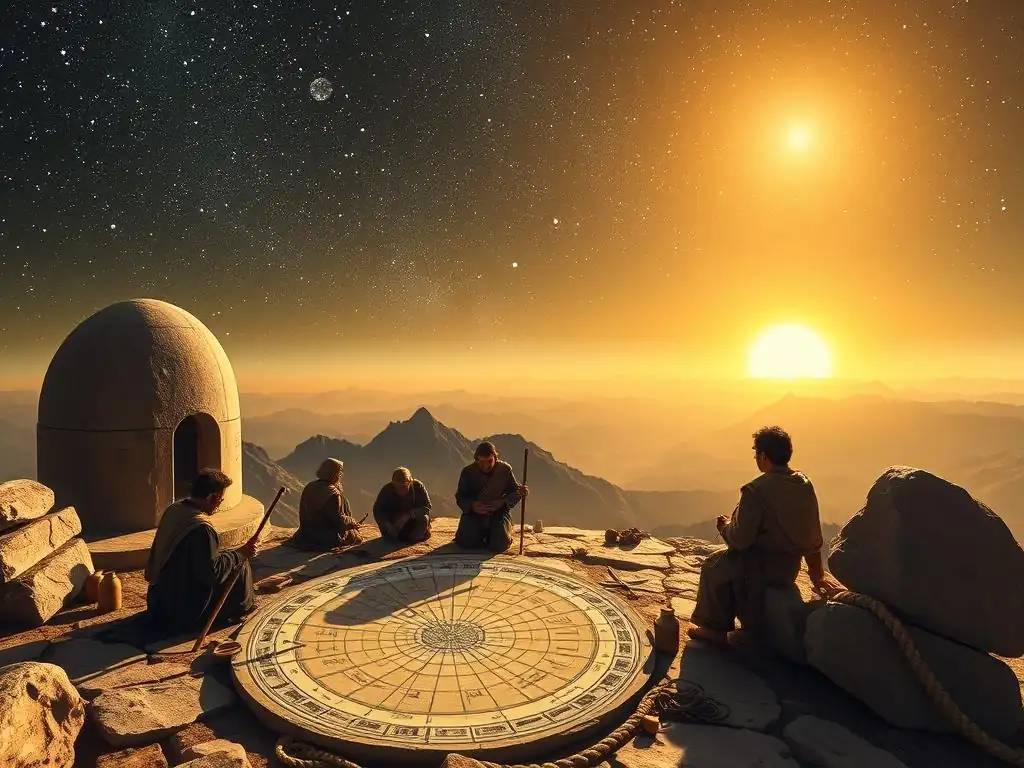
The Andean civilizations developed a range of tools and instruments for astronomical observations, reflecting their advanced understanding of mathematics and celestial mechanics. These instruments enabled them to make precise calculations and predictions regarding celestial events, which were critical for their calendrical systems and agricultural practices.
- Chakana: Often referred to as the Andean cross, the chakana was not only a symbol but also a tool used for astronomical calculations. Its design mirrored the constellations and helped in the alignment of structures and fields with celestial events.
- Gnomons: Simple yet effective, gnomons were vertical sticks used to cast shadows, allowing Andean astronomers to determine the position of the sun and track the time of day throughout the year.
Traditional Instruments Used for Astronomical Observations
Traditional instruments used for astronomical observations in Andean societies were often made from local materials and demonstrated a deep understanding of geometry and mathematics.
- Observatories: Structures like the Intihuatana or "hitching post of the sun" were used for celestial observations, believed to connect the earth with the cosmos. These stone structures were often positioned on hilltops to enhance visibility of celestial bodies.
- Astronomical Alignments: Sites like Nazca Lines and various ceremonial structures were aligned with specific celestial events, indicating a sophisticated knowledge of astronomy. The alignments were often used to mark solstices and equinoxes.
- Simple Measuring Tools: Objects such as ropes with knots were used for measuring angles and distances, facilitating accurate calculations for agricultural and ceremonial purposes.
The Influence of Geography on Astronomical Tools
The geography of the Andes played a significant role in shaping the astronomical tools and practices of its civilizations. The unique topography, which included high mountains and expansive valleys, affected how the Andean people observed and understood the cosmos.
- Altitude: The high altitudes of the Andes provided clearer skies for astronomical observations compared to lower regions. This clarity allowed for more precise measurements and observations of celestial bodies.
- Natural Landmarks: The Andean landscape was often used as a reference for celestial alignments. Mountains, valleys, and other geographic features served as natural observatories, helping to enhance the accuracy of astronomical calculations.
- Climate Variations: The diverse climate across different altitudes and regions influenced how communities developed their tools. For instance, areas with less cloud cover were preferred for astronomical observations, leading to the establishment of observatories in such regions.
Andean mathematics and astronomy were deeply intertwined, with calendars serving as practical tools for agricultural success and astronomical instruments reflecting the advanced understanding of celestial phenomena among these ancient civilizations. The geographical context of the Andes significantly influenced both the development of these tools and the precision of astronomical observations.
Case Studies of Andean Astronomical Predictions
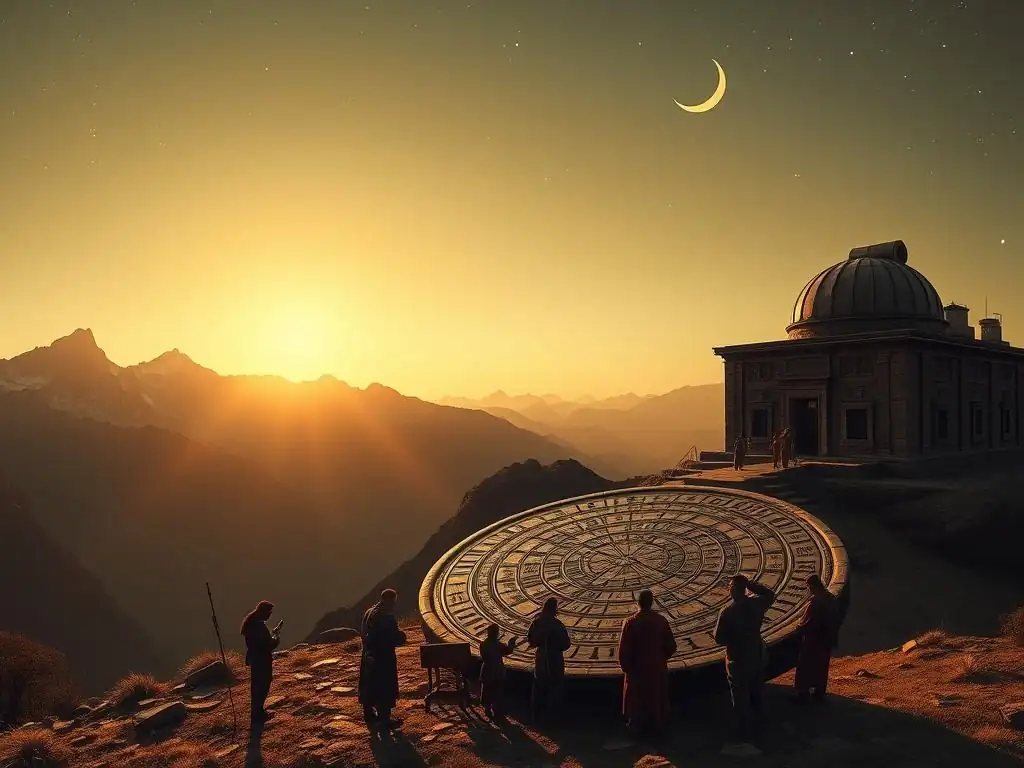
The Andean civilizations, particularly the Inca Empire, showcased an impressive understanding of astronomy, which was deeply interwoven with their agricultural practices, religious beliefs, and societal organization. Scholars have documented numerous case studies illustrating how Andean mathematicians and astronomers effectively predicted significant astronomical events. These predictions stemmed from extensive observations of celestial bodies, including the sun, moon, and stars, which were meticulously recorded over generations.
One prominent case study involves the annual solstices, particularly the winter solstice, which held immense significance for the Andean peoples. The Inca built impressive structures like the Intihuatana stone at Machu Picchu, which was strategically aligned with the sun's position. During this time, the sun's rays would illuminate specific parts of the stone, marking the day of the solstice. This alignment demonstrated their advanced knowledge of solar patterns and their ability to predict these events accurately.
Additionally, the Andean civilizations utilized a complex calendar system known as the "Calendar of the Sun," which was essential for determining the best planting and harvesting times. This calendar, based on extensive observations of lunar and solar cycles, enabled them to predict agricultural seasons, ensuring food security for their communities.
Notable Examples of Astronomical Events and Their Predictions
Several notable astronomical events exemplify the precision of Andean predictions. For instance, the Inca were adept at predicting eclipses, a phenomenon that held both practical and spiritual significance. Historical accounts suggest that they could forecast solar eclipses with remarkable accuracy, utilizing their knowledge of celestial mechanics.
An example of this can be found in the writings of chroniclers such as Pedro Cieza de León, who reported that the Incas would prepare for eclipses by conducting rituals to appease the sun god, Inti. These rituals were not only vital for spiritual purposes but also served as a testament to their understanding of celestial cycles.
Another significant example includes the observation of the Pleiades star cluster, known as "Las Siete Cabritas" in Quechua. The rising of this cluster marked important agricultural events, such as the time for planting crops. The Andean people celebrated this event with festivals, showcasing their connection between astronomy and agriculture.
The Accuracy of Andean Predictions Compared to Modern Astronomy
The accuracy of Andean astronomical predictions is particularly noteworthy when compared to modern astronomical techniques. Recent studies have shown that Andean predictions of solstices, equinoxes, and lunar phases were remarkably precise, often aligning closely with contemporary astronomical calculations.
For instance, researchers have found that the Inca calendar system, based on a 12-month lunar cycle, accurately reflected the seasonal changes and phenomena observed today. This sophistication indicates not only a deep understanding of celestial movements but also a mathematical prowess in calculating these cycles.
Moreover, when evaluating their eclipse predictions, modern astronomers have confirmed that the Incas could forecast solar and lunar eclipses within a few minutes of their actual occurrence. Such accuracy speaks volumes about their observational skills and the effective use of mathematics to model celestial events.
The Legacy of Andean Mathematics in Astronomy
The legacy of Andean mathematics in astronomy extends beyond their immediate cultural context, influencing later civilizations and the field of astronomy itself. The integration of mathematical principles with astronomical observations laid the groundwork for future developments in these areas.
Impact on Later Civilizations and Cultures
After the fall of the Inca Empire, the knowledge and practices pertaining to Andean astronomy were not lost; instead, they were assimilated by subsequent cultures and civilizations in the region. The Spanish chroniclers documented these practices, allowing for the preservation and dissemination of Andean astronomical knowledge.
For instance, the blending of Andean astronomical concepts with European practices led to a unique fusion that influenced agricultural planning and religious practices in the colonial period. This cross-cultural exchange ensured that the mathematical frameworks developed by the Andean civilizations continued to have an impact long after their political structures had diminished.
Furthermore, the way Andean mathematics approached celestial observations has inspired modern researchers in fields such as anthropology, archaeology, and astronomy. Their methods of using geometry and mathematical models to understand celestial patterns are still relevant today, offering insights into ancient cultures' methodologies.
Ongoing Research and Discoveries in Andean Astronomy
In recent years, there has been a surge of interest in Andean astronomy, leading to ongoing research and new discoveries that continue to illuminate this field. Archaeologists and astronomers are utilizing advanced technologies such as satellite imagery and astronomical software to uncover ancient structures and alignments that showcase Andean mathematical and astronomical capabilities.
Recent excavations have revealed new ceremonial sites and observatories that were previously hidden, further evidencing the sophistication of Andean astronomical practices. Researchers are also studying ancient texts and oral histories that detail the astronomical knowledge of these civilizations, linking them to contemporary astronomical phenomena.
Moreover, interdisciplinary collaborations are yielding exciting results. By combining traditional knowledge with modern scientific approaches, scholars are expanding the understanding of how Andean mathematics and astronomy influenced not only their society but also the broader field of astronomy.
The legacy of Andean mathematics in astronomy is a testament to the intellectual achievements of indigenous civilizations in the Americas. Their profound understanding of celestial phenomena and the mathematical principles that underpin them continue to inspire and inform modern research, ensuring their contributions are recognized and celebrated.
Conclusion
The exploration of Andean mathematics reveals a rich tapestry of knowledge that significantly influenced astronomical predictions and calendar systems in pre-Columbian societies. This mathematical framework was not merely a tool for navigation or agriculture; it was deeply woven into the cultural and spiritual fabric of Andean civilizations. The precision with which these societies tracked celestial bodies demonstrates their sophisticated understanding of mathematics and astronomy, allowing them to create calendars that were essential for agricultural cycles, religious ceremonies, and social organization.
Summary of the Role of Andean Mathematics in Astronomy
Andean mathematics played a crucial role in astronomical predictions, showcasing the advanced capabilities of indigenous cultures in the Andes. The use of geometric principles, numerical systems, and innovative methods for observing celestial phenomena enabled these civilizations to accurately predict solar and lunar cycles, eclipses, and other astronomical events.
- Calendrical Systems: The Andean cultures developed highly intricate calendrical systems, such as the Inca calendar, which integrated solar and lunar cycles to optimize agricultural practices.
- Astronomical Observations: Structures like the Intihuatana stones acted as astronomical observatories that facilitated the alignment of rituals with celestial events, indicating a profound connection between their mathematics and spirituality.
- Cultural Impact: The mathematical techniques used for astronomy were not isolated; they influenced various aspects of Andean life, including architecture, agriculture, and religious practices, demonstrating the holistic nature of their knowledge.
The Importance of Preserving Indigenous Knowledge in Modern Times
In today's rapidly changing world, preserving indigenous knowledge, particularly in fields like Andean mathematics and astronomy, is more critical than ever. The insights gained from these ancient systems provide valuable perspectives on sustainable practices and ecological balance. Moreover, understanding these indigenous methodologies can enrich contemporary scientific and mathematical discourse.
- Cultural Heritage: Protecting this knowledge is essential for honoring the cultural heritage of indigenous peoples, ensuring that their contributions to mathematics and astronomy are recognized and celebrated.
- Sustainable Practices: Indigenous approaches to astronomy and agriculture offer modern societies alternative methods that emphasize sustainability and harmony with nature.
- Educational Value: Integrating indigenous knowledge into educational curricula can foster respect for cultural diversity and encourage interdisciplinary studies, bridging the gap between traditional wisdom and modern scientific inquiry.
The legacy of Andean mathematics in astronomy is not just a historical curiosity; it is a living testament to the ingenuity of indigenous cultures and a source of wisdom that can inform our present and future.
- Introduction to Andean Mathematics and Astronomy
- Overview of Andean Civilizations and their Mathematical Innovations
- Significance of Astronomy in Andean Cultures
- The Intersection of Andean Mathematics and Astronomy
- Development of Calendars in Andean Societies
- The Importance of Calendars for Agricultural Practices
- Key Features of Andean Calendrical Systems
- Tools and Instruments in Andean Astronomy
- Traditional Instruments Used for Astronomical Observations
- The Influence of Geography on Astronomical Tools
- Case Studies of Andean Astronomical Predictions
- The Legacy of Andean Mathematics in Astronomy
- Conclusion
- What role did Andean mathematics play in astronomy?
- How did Andean cultures develop their mathematical systems?
- What astronomical phenomena did the Andean civilizations observe?
- How did Andean mathematics and astronomy influence daily life?
- What is the legacy of Andean mathematics in modern science?
Frequently Asked Questions
What role did Andean mathematics play in astronomy?
Andean mathematics was crucial in making astronomical predictions and creating calendars. Indigenous cultures effectively utilized mathematical principles to track celestial movements.
How did Andean cultures develop their mathematical systems?
Andean cultures developed their mathematical systems through practical needs such as agriculture and astronomy. Their understanding of geometry and counting was advanced for their time.
What astronomical phenomena did the Andean civilizations observe?
The Andean civilizations observed various celestial phenomena, including solstices, equinoxes, and the movements of planets. This knowledge was essential for agricultural planning and religious ceremonies.
How did Andean mathematics and astronomy influence daily life?
Andean mathematics and astronomy directly influenced agricultural cycles and seasonal festivals. These calculations ensured proper planting and harvesting times, impacting their economy and culture.
What is the legacy of Andean mathematics in modern science?
The legacy of Andean mathematics can be seen in contemporary astronomy and mathematical practices. Their sophisticated techniques laid foundational knowledge that continues to inspire modern scientific approaches.
Final Reflection: The Enduring Legacy of Andean Mathematics in Astronomy
The intricate relationship between Andean mathematics and astronomy is not just a relic of the past; it is a testament to the profound understanding that ancient civilizations had of the cosmos. Today, as we navigate an era defined by technological advancements and scientific exploration, the wisdom embedded in Andean mathematical practices continues to resonate, reminding us of the importance of cultural heritage in shaping our understanding of the universe. The precision with which Andean cultures predicted celestial events serves as a powerful reminder of the ingenuity and sophistication that existed long before modern science.
The influence of Andean mathematics extends far beyond historical significance; it shapes our contemporary cultural and social landscapes by fostering a deeper appreciation for indigenous knowledge systems. The revival of interest in these ancient practices encourages a dialogue between modern science and traditional wisdom, enriching our collective understanding of the cosmos. As the renowned astronomer Carl Sagan once said, "> We are made of star-stuff.
We are a way for the universe to know itself." This connection between humanity and the universe is beautifully illustrated through the lens of Andean astronomy, which invites us to reflect on our place within the cosmos.
As we conclude this exploration of Andean mathematics and its astronomical applications, I invite you to reflect on the lessons these ancient practices offer. Consider how the integration of diverse knowledge systems can enhance our understanding of the world around us. Let the legacy of Andean mathematics inspire you to seek out connections between different cultures and their interpretations of the universe. By embracing this rich tapestry of knowledge, we can cultivate a more holistic perspective that honors the past while guiding us toward a brighter, more inclusive future.
Unveil the Secrets of Andean Astronomy Today!
Thank you for taking the time to explore the fascinating intersection of Andean mathematics and astronomy with us! We hope you've gained valuable insights into how ancient cultures harnessed these principles to predict astronomical events and establish their calendars. Now, it’s time to take action and deepen your understanding.
Here’s how you can continue your journey:
- Dive Deeper: Research specific Andean astronomical practices. Look for documentaries or articles that discuss the relationship between astronomy and agriculture in these cultures.
- Share Your Learnings: Discuss your newfound knowledge with friends or family. Start a conversation about how ancient civilizations viewed the stars and inspire them to explore related topics!
- Join a Community: Connect with groups or online forums that focus on indigenous mathematics or astronomy. Engaging with others can provide fresh perspectives and enhance your learning experience.
Now, we’d love to hear from you! What aspect of Andean astronomy surprised you the most, and how do you think it influenced their daily lives? Share your thoughts in the comments below!