
Unraveling the Mysteries of Toltec Pyramids: Purpose and Design

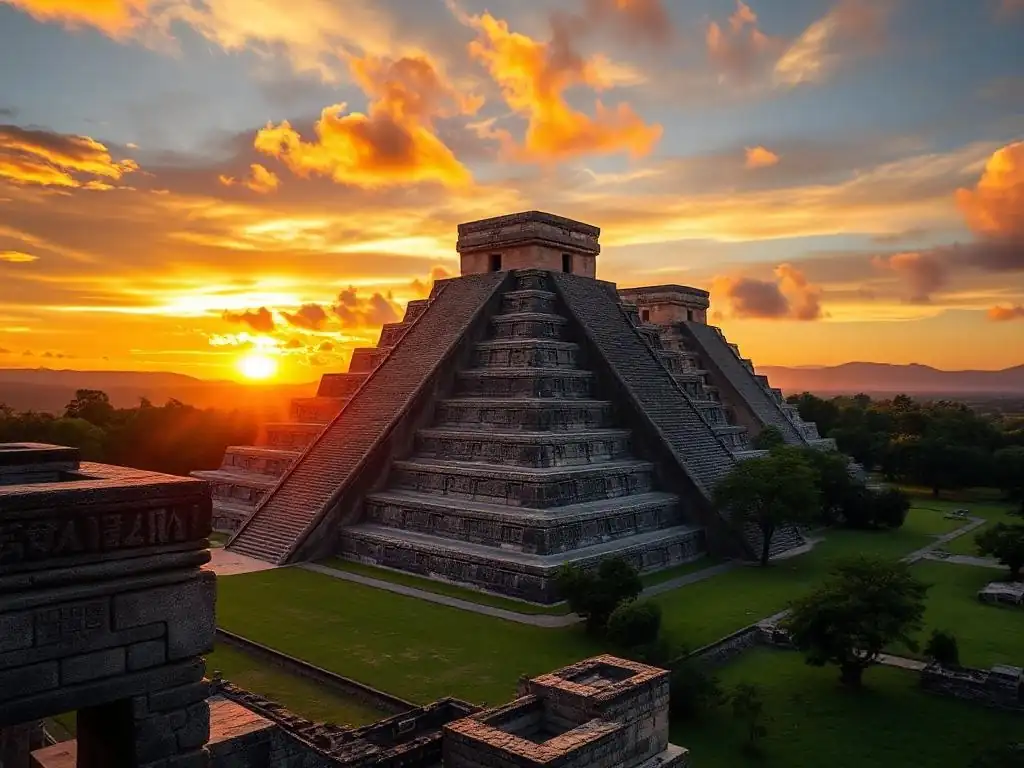
Welcome to Indigenous Civilizations of the Americas, where we embark on an enlightening journey through the rich tapestry of pre-colonial cultures that shaped the continent. In our featured article, “Unraveling the Mysteries of Toltec Pyramids: Purpose and Design,” we delve into the cultural significance of the Toltec pyramids, exploring their architectural marvels and the profound meanings they held for this remarkable civilization.
As we peel back the layers of history, prepare to discover the stories, achievements, and enduring legacies of the indigenous peoples who once thrived here. Join us as we uncover the past and ignite your curiosity about the vibrant cultures that laid the foundations for future generations.
The Toltec civilization, one of the prominent indigenous cultures of Mesoamerica, is renowned for its impressive architectural feats, particularly the enigmatic pyramids that dotted their landscape. These structures, often shrouded in mystery, serve as a testament to the cultural significance and advanced engineering skills of the Toltec people. This article delves deep into the Toltec pyramids, exploring their purpose, design, and the broader context of their cultural impact before European colonization.
From their alignment with celestial bodies to their role in religious practices, the pyramids are not merely relics of the past; they embody the rich tapestry of beliefs, societal structures, and technological advancements that defined the Toltec civilization. As we uncover the layers of history and meaning behind these monumental structures, we gain insight into a society that greatly influenced the cultural landscape of the Americas.
The Architectural Marvels of the Toltec Pyramids
The Toltec pyramids are remarkable examples of Mesoamerican architecture that reflect the sophisticated engineering capabilities of their builders. Predominantly found in the ancient city of Tula, these pyramids were constructed using a unique combination of local materials and innovative techniques. The two most significant pyramids in Tula are the Pyramid of Quetzalcoatl and the Pyramid of the Sun, both serving essential functions in the socio-religious life of the Toltec people.
- Construction Techniques:
- Use of adobe bricks
- Sturdy foundations to withstand seismic activity
- Intricate carvings and reliefs depicting deities and mythological scenes
- Design Features:
- Stepped platforms allowing for ceremonial access
- Central plazas positioned for gatherings and rituals
- Orientation that aligns with astronomical events, indicating a complex understanding of celestial movements
Cultural Significance of the Toltec Pyramids
The cultural significance of the Toltec pyramids extends beyond their architectural prowess; they were pivotal in shaping religious beliefs and social hierarchies within Toltec society. These monumental structures were not merely places of worship; they were central to the community's identity and spiritual life.
- Religious Functions:
- Sites for ceremonies and sacrifices, honoring deities such as Quetzalcoatl
- Locations for pilgrimages, attracting worshippers from surrounding regions
- Societal Impact:
- Reflects the stratification of Toltec society, with elites using these spaces to maintain power
- Served as a unifying force for the diverse groups within the Toltec domain, fostering a shared cultural identity
Legacy and Influence
The legacy of the Toltec pyramids persists in contemporary understandings of Mesoamerican history. Their architectural innovations and cultural practices laid the groundwork for subsequent civilizations, including the Aztecs, who revered the Toltecs as a foundational culture. The exploration of these pyramids not only sheds light on the achievements of the Toltec civilization but also highlights the enduring influence of indigenous cultures in shaping the history of the Americas.
As we unravel the mysteries surrounding the Toltec pyramids, we gain a deeper appreciation for their cultural significance, architectural genius, and the profound impact they had on the societies that followed.
- The Architectural Marvels of the Toltec Pyramids
- Cultural Significance of the Toltec Pyramids
- Legacy and Influence
- What were the Toltec pyramids primarily used for?
- How do the Toltec pyramids reflect the culture of the Toltecs?
- What is the cultural significance of the Toltec pyramids today?
- How do the Toltec pyramids compare to other pyramids in Mesoamerica?
- What impact did the Toltec civilization have on later cultures?
Introduction to Toltec Pyramids
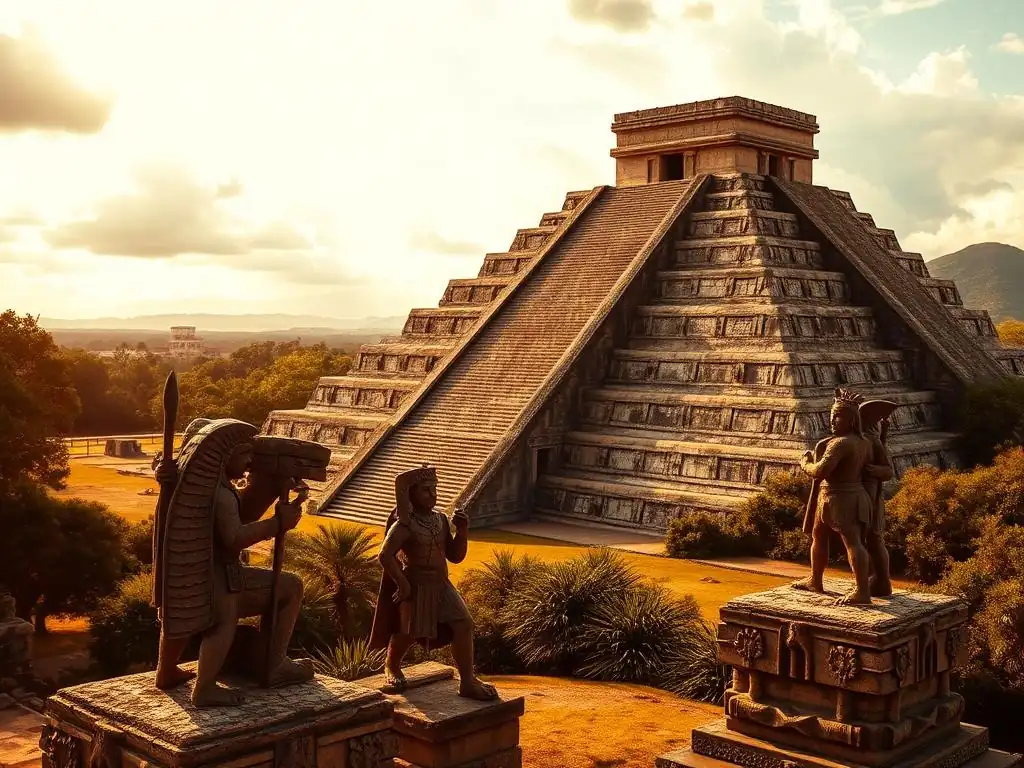
The Toltec pyramids, primarily located in the ancient city of Tula, Mexico, are monumental structures that offer invaluable insights into the cultural significance of the Toltec civilization. These pyramids, with their intricate designs and purposeful layouts, reflect not only architectural prowess but also the spiritual and social values of the Toltec people. Understanding these structures requires a multifaceted approach that considers their historical context, architectural features, and cultural implications.
Overview of Toltec Civilization
The Toltec civilization flourished in central Mexico from approximately the 10th to the 12th centuries CE. Renowned for their achievements in art, architecture, and military prowess, the Toltecs are often credited with influencing subsequent civilizations, including the Aztecs.
Key Features of the Toltec Civilization:
- Capital City: Tula was the heart of Toltec civilization, characterized by its impressive pyramids and palaces.
- Cultural Influence: The Toltecs are often viewed as a precursor to the Aztecs, who adopted many of their religious and cultural practices.
- Artistic Expression: Toltec art is known for its distinctive style, including the iconic warrior sculptures that adorn their pyramids.
The Toltec society was stratified, with a ruling elite that engaged in extensive trade networks across Mesoamerica. This interconnectedness allowed for the exchange of ideas, leading to a rich tapestry of cultural development that is still studied today.
Importance of Architecture in Toltec Society
Architecture played a crucial role in the Toltec civilization, serving as a reflection of their societal priorities, spiritual beliefs, and technological advancements. The pyramids, in particular, were not just functional structures but were imbued with deep cultural significance.
Functions of Toltec Pyramids:
- Religious Centers:
- The pyramids were often dedicated to deities, with rituals conducted atop their summits. This elevated positioning emphasized their importance in Toltec spirituality.
- Political Power:
- The scale and grandeur of the pyramids symbolized the power of the ruling elite, serving as a physical manifestation of their authority over the populace.
- Social Cohesion:
- Architectural spaces facilitated communal gatherings, reinforcing social bonds and cultural identity among the Toltec people.
- Astronomical Alignment:
- Many Toltec pyramids exhibit precise alignments with celestial bodies, reflecting the civilization's sophisticated understanding of astronomy and its importance in agricultural and religious practices.
| Architectural Features | Cultural Significance |
|---|---|
| Large stepped structures | Symbol of divine connection |
| Sculpted stone reliefs | Representation of mythology |
| Complex urban planning | Demonstration of societal organization |
The architectural legacy of the Toltecs, particularly their pyramids, continues to captivate scholars and enthusiasts alike. These structures are not merely remnants of a bygone era; they are enduring symbols of a civilization that valued complexity in design and depth in cultural expression. The ongoing study of Toltec pyramids enriches our understanding of their cultural significance and their lasting impact on the indigenous civilizations that followed.
The Cultural Significance of Toltec Pyramids
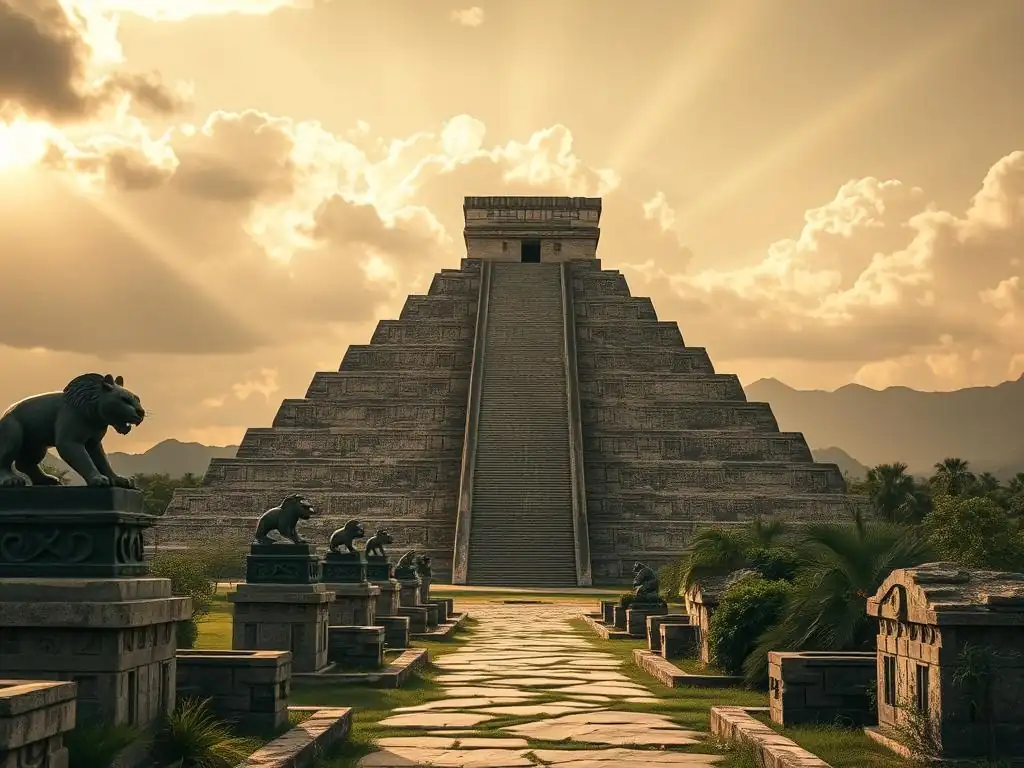
The Toltec pyramids, primarily located in the archaeological site of Tula, are not merely architectural feats but are deeply intertwined with the cultural identity and spiritual beliefs of the Toltec civilization. Their significance extends beyond their physical presence, embodying the socio-political and spiritual frameworks that guided Toltec life. Understanding the cultural significance of these pyramids provides insight into the broader context of pre-Columbian civilizations in the Americas.
Spiritual and Religious Functions of Toltec Pyramids
The Toltec pyramids served essential spiritual and religious functions within their culture. The most notable among these is the Pyramid of Quetzalcoatl, which was dedicated to the feathered serpent deity, Quetzalcoatl, a central figure in Mesoamerican mythology.
- Ritual Practices: The pyramids were venues for various rituals, including offerings, ceremonies, and festivals aimed at appeasing the gods and ensuring harmony with the cosmos. These rituals often involved the use of incense, music, and elaborate costumes, reflecting the Toltecs' rich spiritual life.
- Astronomical Alignments: Many Toltec pyramids were strategically oriented to align with celestial events, such as solstices and equinoxes. This astronomical alignment underscored the Toltecs' deep understanding of astronomy and its integration into their religious practices. For instance, certain pyramids would align perfectly with the rising sun during specific times of the year, symbolizing rebirth and renewal.
Quote: "The pyramids not only served as monumental architecture but also as cosmic calendars reflecting the Toltecs' intricate relationship with the universe."
Toltec Pyramids as Centers of Community and Governance
In addition to their spiritual significance, Toltec pyramids functioned as pivotal centers for community and governance. Their design and location within urban areas reveal much about the social structure of the Toltec civilization.
- Political Significance: The pyramids were often the sites of governance where leaders would convene to make decisions that affected the community. Their elevated positions symbolized authority and power, reinforcing the hierarchy within Toltec society.
- Community Gatherings: Pyramids served as gathering places for communal events, fostering a sense of unity and identity among the Toltecs. Festivals celebrating agricultural cycles, victories in warfare, or religious observances would take place at these sites, highlighting their role as communal hubs.
- Architectural Layout: The surrounding architecture often included palaces and plazas, which were integral to governance and community activities. The pyramids were strategically placed to create a focal point for social interaction and governance, bringing the community together in shared spaces.
Symbolism in Toltec Pyramid Design
The design of Toltec pyramids is rich with symbolism, reflecting the broader cultural beliefs and values of the Toltec civilization. Each element of the architecture was imbued with meaning that transcended mere aesthetics.
- Shape and Structure: The stepped design of the pyramids symbolizes the ascent to the divine, with each level representing a stage in spiritual evolution. This design mirrors the beliefs in ascending to a higher state of being, reflecting a journey towards enlightenment.
- Decorative Elements: Many pyramids feature intricate carvings and sculptures, often depicting deities, animals, and mythological scenes. These artworks served not only decorative purposes but also conveyed stories and teachings central to Toltec culture, emphasizing the importance of mythology in their daily lives.
- Use of Materials: The choice of materials, such as volcanic stone and clay, was significant. Not only did these materials provide durability, but they also had cultural implications, connecting the Toltecs to their environment and reinforcing their identity as stewards of the land.
The cultural significance of Toltec pyramids is multifaceted, encompassing spiritual, social, and symbolic dimensions that reflect the complexities of the Toltec civilization. These structures stand as enduring testaments to the rich heritage and achievements of indigenous cultures in the Americas.
Architectural Features of Toltec Pyramids
The architectural design of Toltec pyramids serves as a testament to the engineering prowess and cultural sophistication of the Toltec civilization. These monumental structures were not merely religious sites; they were integral to the social, political, and ceremonial life of the Toltecs. The following sections delve into the key characteristics, materials used, and comparative aspects of Toltec pyramids, shedding light on their cultural significance.
Key Characteristics of Toltec Pyramid Construction
Toltec pyramids are distinguished by several notable features that reflect the civilization's unique architectural style:
- Stepped Design: Most Toltec pyramids exhibit a stepped structure, which was a common feature in Mesoamerican architecture. This design not only provided a monumental appearance but also allowed for the construction of temples atop the pyramids, emphasizing their religious importance.
- Orientation: The pyramids were often aligned with astronomical events, such as solstices and equinoxes. This alignment played a crucial role in the ceremonial practices of the Toltecs, linking their architecture to celestial phenomena.
- Terraces: Many pyramids included terraces that provided additional platforms for rituals and gatherings. These terraces often featured altars, stone carvings, and other ceremonial elements, indicating their use in public and religious events.
- Symbolic Decoration: The use of intricate carvings and sculptures is a hallmark of Toltec pyramid architecture. Common motifs include serpents, eagles, and other symbols that held deep religious significance, reflecting the Toltec's beliefs and mythology.
- Use of Adobe and Stone: The combination of adobe bricks and stone construction enhanced the durability and aesthetic appeal of the pyramids, allowing them to withstand the test of time and environmental factors.
Materials Used in Toltec Pyramid Architecture
Understanding the materials used in the construction of Toltec pyramids provides insight into their architectural techniques and cultural practices:
- Adobe: This locally sourced material was favored for its insulating properties and ease of use. Adobe bricks were often employed in the pyramid's core and lower levels, providing stability and structural integrity.
- Volcanic Stone: The Toltecs utilized volcanic rock, particularly tezontle, which is lightweight and porous. This stone was favored for its availability and ability to be carved easily, allowing for detailed ornamental work.
- Lime Mortar: Lime, derived from calcined limestone, was used as a binding agent in the construction process. This material provided strength and longevity to the structures, aiding in the stability of the pyramids.
- Decorative Elements: Various types of stone, such as basalt and jade, were used for decorative carvings and sculptures. These materials were often sourced from distant locations, indicating the extensive trade networks the Toltecs engaged in.
Comparison of Toltec Pyramids with Other Mesoamerican Pyramids
The Toltec pyramids exhibit both similarities and differences when compared to other Mesoamerican pyramids:
| Feature | Toltec Pyramids | Other Mesoamerican Pyramids |
|---|---|---|
| Design | Stepped, with terraces and temples | Often larger bases, some with smooth sides |
| Orientation | Astronomically aligned | Varies by culture; some also aligned |
| Materials | Adobe, volcanic stone, lime mortar | Varied; often used local stone and clay |
| Symbolism | Rich in religious motifs and carvings | Symbolism varies widely by culture |
| Cultural Purpose | Center of Toltec religion and governance | Varied; usually religious and ceremonial |
Conclusion
The architectural features of Toltec pyramids encapsulate the civilization's cultural significance, showcasing their advanced engineering and deep-rooted religious beliefs. These structures not only served as physical landmarks but also as symbols of the Toltec identity, reflecting their societal values and interaction with the environment. Understanding these aspects enriches our appreciation for the remarkable achievements of indigenous civilizations in the Americas.
Notable Toltec Pyramids
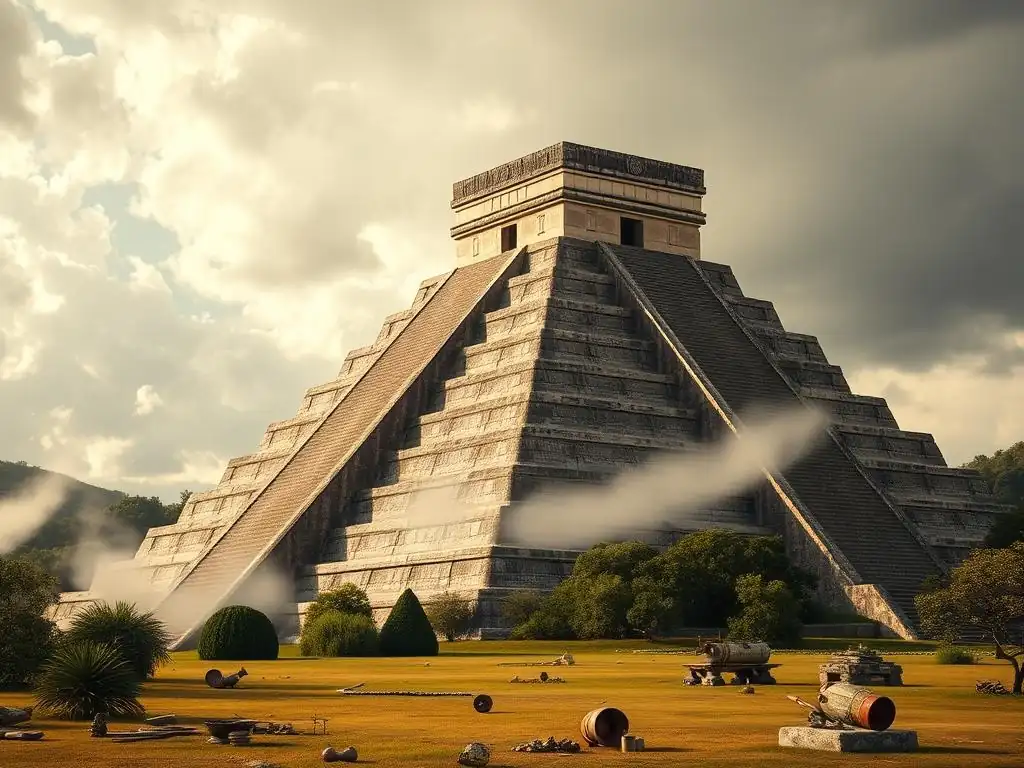
The Toltec civilization, which flourished in central Mexico from the 10th to the 12th centuries, is renowned for its impressive architectural achievements, particularly its pyramids. These monumental structures not only served religious and ceremonial purposes but also acted as symbols of power and cultural identity. Among the most significant Toltec pyramids are the Pyramid of Quetzalcoatl and the Pyramid of Tula, each reflecting the intricate beliefs and societal structures of the Toltec people.
The Pyramid of Quetzalcoatl: A Case Study
The Pyramid of Quetzalcoatl, also known as the Temple of the Feathered Serpent, is a central feature of the ancient Toltec city of Teotihuacan. This pyramid stands out due to its unique architectural style and rich iconography.
- Design and Architecture: The pyramid is characterized by its stepped design, which is adorned with intricate stone carvings of the feathered serpent deity, Quetzalcoatl. The use of talud-tablero architectural technique—where a sloped base meets a vertical panel—demonstrates advanced engineering skills.
- Cultural Significance: This pyramid served as a central place for rituals dedicated to Quetzalcoatl, symbolizing duality and the connection between the earth and the heavens. It is believed that ceremonies held here were vital for agricultural fertility, reflecting the importance of maize in Toltec society.
- Archaeological Findings: Excavations around the Pyramid of Quetzalcoatl unearthed numerous artifacts, including pottery, sculptures, and offerings that provide insights into the religious practices and daily life of the Toltecs. The presence of a massive serpent sculpture at the entrance highlights the significance of this deity in Toltec cosmology.
The Pyramid of Tula: Historical and Cultural Insights
The Pyramid of Tula, located in the ancient city of Tula, is another notable structure that encapsulates the essence of Toltec architecture and spirituality.
- Structure and Layout: This pyramid is not only larger than many of its contemporaries but is also designed with an impressive series of terraces and staircases, leading to a temple at the summit. The layout is indicative of the Toltec's architectural ingenuity, emphasizing their understanding of space and form.
- Cultural Role: The Pyramid of Tula served as a ceremonial center, where rituals and celebrations were conducted to honor various deities, including Tlaloc, the rain god. These rituals were integral to maintaining the social order and ensuring agricultural success.
- Symbolism and Art: The pyramid is adorned with Atlantean figures—massive stone sculptures of warriors that flanked the temple. These figures symbolize the military prowess and divine protection of the Toltec civilization, reinforcing their identity as a dominant force in Mesoamerica.
Other Significant Toltec Pyramids and Their Roles
In addition to the Pyramid of Quetzalcoatl and the Pyramid of Tula, several other pyramids played important roles in Toltec society.
- The Pyramid of the Sun: Located in the ancient city of Teotihuacan, this pyramid is one of the largest structures in Mesoamerica. While primarily associated with the earlier Teotihuacan civilization, its influence extended into the Toltec period, showcasing the cultural continuity between these civilizations.
- The Pyramid of the Moon: Also situated in Teotihuacan, this pyramid served as a site of major rituals, possibly linked to lunar cycles. Its construction reflects the Toltec's reverence for celestial bodies and their influence on agricultural practices.
- Local Variants: Various local pyramids across Toltec territories, such as those found in Cholula and Xochicalco, exhibit regional adaptations of the Toltec architectural style. These structures often emphasize communal gatherings and local deities, highlighting the diverse expressions of Toltec cultural significance.
The Toltec pyramids are not merely architectural feats; they are monumental expressions of the cultural significance of the Toltec civilization. Each pyramid encapsulates the intricate relationship between religion, society, and the natural world, leaving a lasting legacy that continues to influence modern understandings of indigenous cultures in the Americas.
The Role of Toltec Pyramids in Cultural Identity
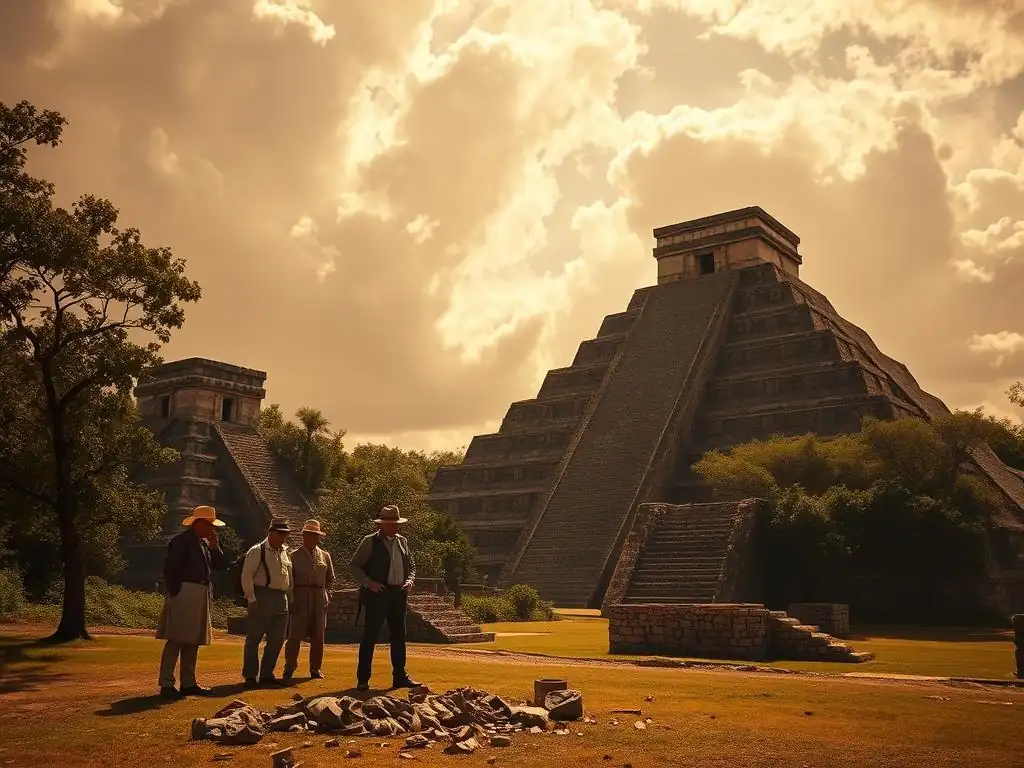
The Toltec pyramids are monumental structures that served as crucial cultural symbols for the Toltec civilization, reflecting their identity and values. These architectural feats were not merely religious sites; they were integral to the social fabric of Toltec society. The pyramids, especially those found in Tula, were centers for rituals, governance, and community gatherings, embodying the essence of Toltec life.
The construction of pyramids was a way for the Toltecs to express their beliefs and societal structure. They were often dedicated to specific deities, reinforcing the connection between religion and daily life. The pyramids acted as a bridge between the earthly realm and the divine, illustrating the importance of spirituality in Toltec culture. For instance, the Pyramid of Quetzalcoatl stands as a testament to the reverence the Toltecs had for their gods, showcasing intricate carvings and sculptures that narrate their mythology.
In addition to their spiritual significance, the pyramids played a role in political identity. They served as administrative hubs where leaders gathered to convene and make decisions for the community. This reinforces the idea that the pyramids were not just religious monuments but also physical manifestations of Toltec governance and social hierarchy.
How Toltec Pyramids Reflect Toltec Cosmology
The design and orientation of Toltec pyramids are deeply rooted in their cosmological beliefs. The layout of these structures often aligned with celestial bodies, demonstrating the Toltecs' understanding of astronomy and its significance in their culture. The direction of the pyramids, particularly in Tula, is aligned with cardinal points, which were believed to be essential in maintaining harmony with the universe.
The Pyramid of Quetzalcoatl exemplifies this relationship between architecture and cosmology. It is adorned with intricate carvings that depict various deities and mythological narratives, illustrating the connection between the physical and spiritual worlds. The symbolism present in these carvings reveals insights into the Toltec worldview, emphasizing themes such as duality, creation, and the cyclical nature of time.
Moreover, rituals performed at these pyramids often coincided with astronomical events, such as solstices and equinoxes. These events were vital for agricultural cycles and social calendars, indicating that the pyramids served as more than just religious centers—they were pivotal in guiding the agricultural practices and seasonal activities of the Toltec people.
The Influence of Toltec Pyramids on Later Civilizations
The architectural innovations and cultural significance of Toltec pyramids left a lasting legacy that influenced subsequent civilizations in the Mesoamerican region. The design principles and construction techniques developed by the Toltecs were adopted and adapted by later cultures, including the Aztecs. For example, the Aztecs revered the Toltecs as a source of cultural and religious inspiration, often emulating their architectural styles in their own pyramids.
One notable example is the Pyramid of the Sun and the Pyramid of the Moon at Teotihuacan, which reflect the spatial organization and ceremonial significance found in Toltec designs. These structures not only served religious purposes but also acted as symbols of power and authority for the Aztec rulers, echoing the role of pyramids in Toltec society.
Furthermore, the artistic motifs and iconography originating from Toltec pyramids can be seen in post-Toltec cultures. The use of feathered serpent imagery, for instance, became a recurring theme in Aztec art, symbolizing the continuity of cultural narratives that originated with the Toltecs. This blending of traditions underscores the importance of Toltec pyramids in shaping the cultural landscape of Mesoamerica, illustrating their enduring impact on architecture, religion, and societal organization long after the decline of the Toltec civilization.
The Toltec pyramids' cultural significance is multifaceted, encompassing aspects of identity, cosmology, and influence on later civilizations. These monumental structures continue to be a subject of study and admiration, providing valuable insights into the complexities of Toltec life and its lasting legacy in the Americas.
Preservation and Study of Toltec Pyramids
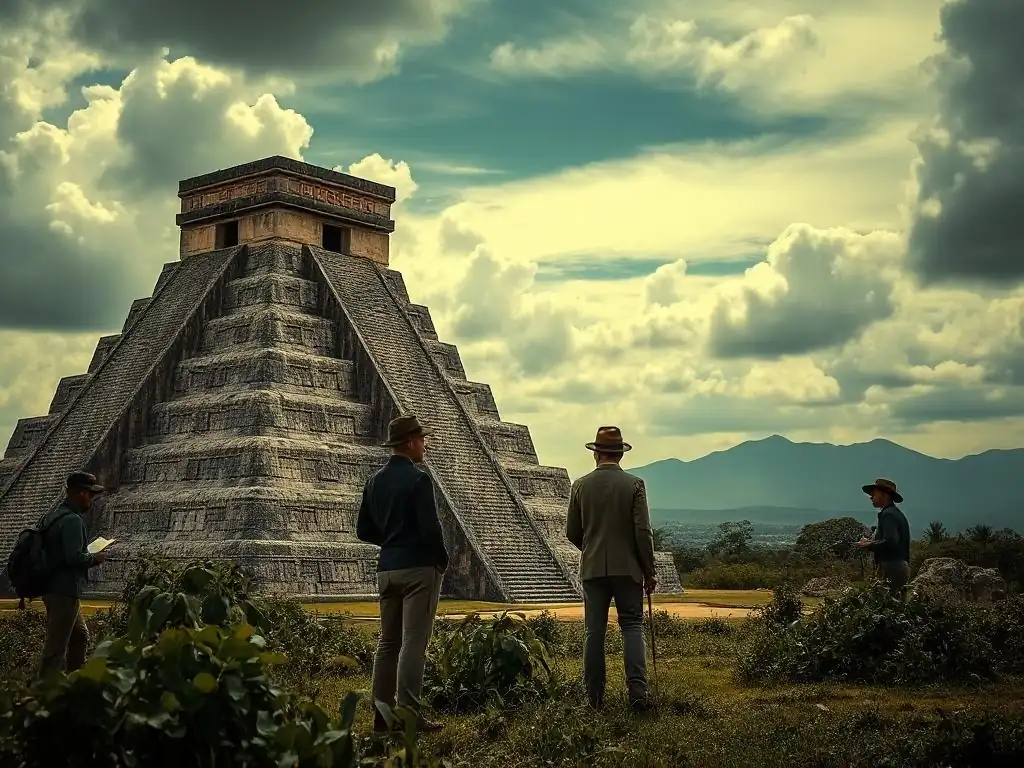
Current State of Toltec Pyramid Archaeology
The current state of Toltec pyramid archaeology reflects both a rich legacy and the challenges that come with uncovering the past. The most notable of these structures is the Pyramid of the Sun and the Pyramid of the Moon, located in the ancient city of Tula, which served as the Toltec capital around 900 to 1168 CE. Recent archaeological efforts have focused on employing advanced technologies such as ground-penetrating radar and 3D modeling, which have revealed significant details about their construction and alignment.
- Key Findings:
- Excavations have uncovered ceremonial artifacts, indicating that these pyramids were not merely architectural feats but also played vital roles in the spiritual life of the Toltec civilization.
- Studies have suggested that the pyramids were aligned with celestial events, demonstrating the Toltecs' sophisticated understanding of astronomy.
Understanding the cultural significance of these pyramids has prompted scholars to investigate the socio-political structure of the Toltecs, as well as their interactions with neighboring cultures. These findings have not only enriched our comprehension of Toltec civilization but have also opened discussions on the broader Mesoamerican architectural and cultural practices.
Challenges in Preserving Toltec Heritage
Preserving the Toltec pyramids poses several challenges, primarily due to environmental factors and human activities. The sites are subject to erosion, vegetation overgrowth, and the impacts of climate change, which threaten the structural integrity of these ancient monuments. Additionally, urban development in surrounding areas can lead to encroachment on archaeological sites.
- Key Challenges:
- Climate Change: Increasing rainfall and temperature fluctuations can accelerate erosion and damage stone structures.
- Urbanization: Nearby construction projects risk damaging archaeological sites and disrupting ongoing research efforts.
Efforts to mitigate these challenges involve collaboration between archaeologists, conservationists, and local communities. Innovative preservation techniques, such as the use of biodegradable materials for site stabilization and public awareness campaigns, are being explored to protect these invaluable cultural heritage sites.
Importance of Ongoing Research and Discoveries
Ongoing research and discoveries related to the Toltec pyramids play a crucial role in enhancing our understanding of Mesoamerican civilizations. As new techniques and technologies evolve, archaeologists are uncovering more about the Toltec way of life, their architectural prowess, and their cultural significance in pre-Columbian history.
- Research Impacts:
- Reevaluation of Historical Narratives: New findings challenge existing theories about the Toltecs, prompting historians to reconsider their influence on subsequent cultures, especially the Aztecs.
- Cultural Revitalization: Research encourages the involvement of local indigenous communities in heritage preservation, fostering a sense of identity and continuity.
The continued study of Toltec pyramids not only enriches our historical knowledge but also emphasizes the importance of preserving these sites for future generations. As researchers continue to unveil the mysteries surrounding these monumental structures, the cultural significance of the Toltec pyramids remains a vital area of interest within the broader context of indigenous civilizations of the Americas.
Conclusion
Summary of Toltec Pyramids' Cultural Significance
The Toltec pyramids represent a vital facet of Mesoamerican architecture and cultural heritage. Primarily located in Tula, these structures reflect the sophisticated engineering and architectural prowess of the Toltec civilization. The pyramids served multifunctional roles—religious, political, and social—highlighting their profound significance in the lives of the Toltec people.
- Religious Aspects: The pyramids were often constructed as temples dedicated to deities, such as Quetzalcoatl, emphasizing the religious beliefs and practices prevalent among the Toltecs. Rituals conducted at these sacred sites aimed to appease gods and secure societal prosperity.
- Political Center: The pyramid complexes also acted as political hubs, symbolizing the power and authority of the Toltec rulers. Their impressive size and design communicated the might of the empire, reinforcing the social hierarchy.
- Cultural Identity: The architectural style of the Toltec pyramids, characterized by their unique design and intricate carvings, contributed to a shared cultural identity among the Mesoamerican peoples. The influence of Toltec architecture can be seen in later civilizations, such as the Aztecs, who adopted and adapted these elements.
The Lasting Legacy of Toltec Architecture in Mesoamerican History
Toltec architecture, particularly the pyramids, has had a lasting impact on subsequent Mesoamerican civilizations, shaping architectural practices and cultural expressions long after the decline of the Toltec state.
- Architectural Influence: The construction techniques and styles developed by the Toltecs were emulated by later societies. For instance, the Great Pyramid of Cholula, a massive structure built by the Puebla civilization, bears similarities to the design principles established by the Toltecs.
- Cultural Exchange: The Toltec pyramids served as a focal point for cultural exchange among neighboring civilizations. As trade networks expanded, the architectural knowledge and religious practices of the Toltecs permeated other societies, fostering a rich tapestry of Mesoamerican culture.
- Modern Recognition: Today, the Toltec pyramids are recognized as a UNESCO World Heritage Site, attracting scholars and tourists alike. Their preservation allows for ongoing research and appreciation of the advanced societal structures and artistry of the Toltec civilization.
The cultural significance of Toltec pyramids lies not only in their impressive architectural achievements but also in their role in shaping the spiritual and political landscape of Mesoamerica, leaving an indelible mark on history that continues to be studied and celebrated.
Frequently Asked Questions
What were the Toltec pyramids primarily used for?
The Toltec pyramids served various functions, including religious ceremonies, astronomical observations, and as political centers for the Toltec civilization.
How do the Toltec pyramids reflect the culture of the Toltecs?
The design and layout of the Toltec pyramids showcase their architectural skill and reflect their religious beliefs, with intricate carvings that symbolize their deities and cosmology.
What is the cultural significance of the Toltec pyramids today?
Today, the Toltec pyramids are recognized as a vital aspect of Mesoamerican heritage, offering insights into the complex societies that existed before European contact and influencing later cultures.
How do the Toltec pyramids compare to other pyramids in Mesoamerica?
While many Mesoamerican pyramids served similar purposes, the Toltec pyramids are unique due to their specific architectural styles and the cultural practices of the Toltec civilization that distinguish them from other civilizations like the Maya.
What impact did the Toltec civilization have on later cultures?
The Toltec civilization significantly influenced later societies, particularly the Aztecs, who adopted many Toltec religious practices and architectural styles, thereby cementing the Toltec pyramids' cultural significance in Mesoamerican history.
Final Reflection: The Enduring Legacy of Toltec Pyramids
The cultural significance of the Toltec pyramids resonates profoundly in today's world, reminding us of the intricate connections between ancient civilizations and contemporary society. As we explore the architectural marvels and spiritual meanings behind these structures, we uncover not just remnants of a bygone era, but also a rich tapestry of cultural identity that continues to inspire and inform our understanding of human history. The Toltec pyramids stand as a testament to the ingenuity and creativity of their builders, urging us to recognize the importance of preserving and honoring our shared heritage.
The influence of the Toltec pyramids extends far beyond their physical presence; they are a symbol of resilience and continuity in the face of change. The stories and rituals associated with these pyramids have shaped cultural narratives and fostered a sense of belonging among communities.
As we reflect on their significance, we are reminded of the words of the renowned historian, “The past is not dead; it is not even past.” > This quote encapsulates the idea that the lessons and legacies of the Toltec civilization continue to inform our cultural landscape, inviting us to engage with history in meaningful ways.
As we conclude this exploration of the Toltec pyramids, I invite you to reflect on your own connection to history and culture. Consider how the stories of ancient civilizations can inspire your actions and choices today. Whether through learning, preservation, or simply sharing knowledge, we each have a role to play in honoring the past while shaping the future. Embrace the opportunity to delve deeper into the mysteries of our shared heritage, and let the legacy of the Toltec pyramids guide you on your journey of discovery and growth.
Unveil the Secrets of the Toltec Pyramids!
Thank you for diving into the rich tapestry of Toltec history with us! You’ve gained insights into the purpose and design of these amazing structures. Now, let’s take that knowledge and put it into action as you explore further!
Here’s how you can deepen your connection with the Toltec legacy:
- Plan a visit to a local museum featuring artifacts from Toltec culture or attend a lecture on ancient Mesoamerican civilizations.
- Join an online community or forum dedicated to indigenous studies to share your thoughts and learn from others who are passionate about this captivating subject.
- Explore further by reading books or watching documentaries about other indigenous civilizations, such as the Maya or Aztec, to broaden your understanding of their interconnectedness.
What aspect of the Toltec pyramids intrigues you the most, and how do you plan to delve deeper into this ancient wisdom?