
The Legacy of Indigenous Military Practices in Modern Military Strategies

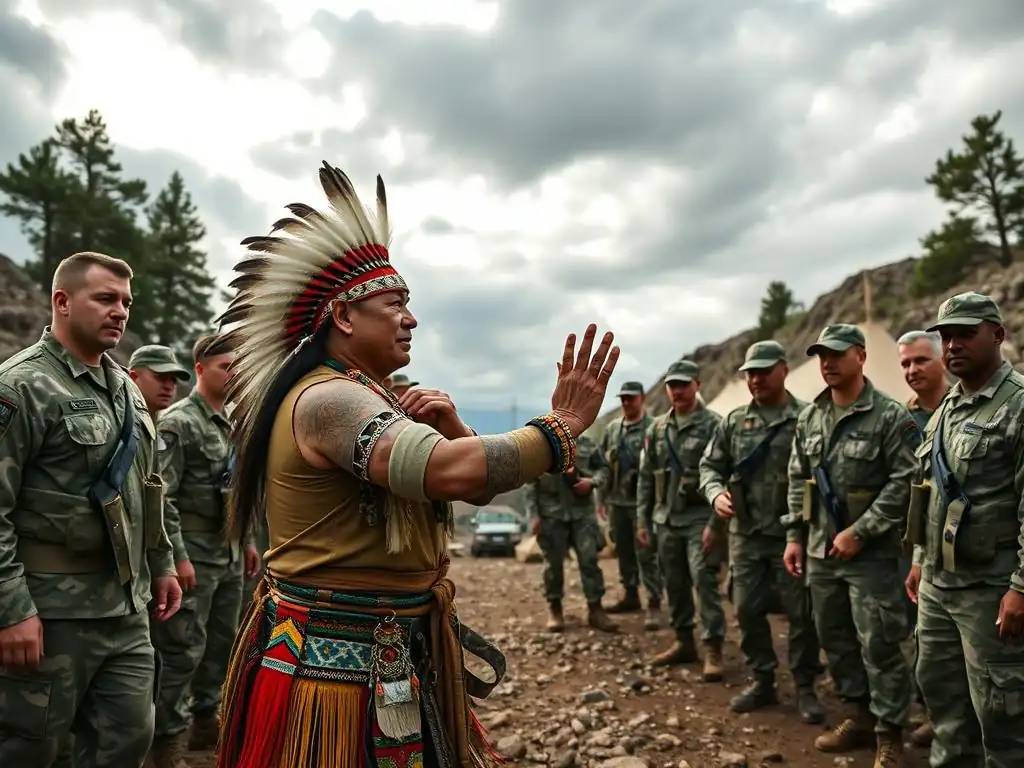
Welcome to Indigenous Civilizations of the Americas, where we embark on a captivating journey through the rich tapestry of indigenous cultures that flourished long before European contact. Here, we delve into the profound legacy of indigenous military practices, uncovering how these ancient strategies continue to influence modern military tactics.
Prepare to be intrigued as we explore the remarkable achievements and societal structures that shaped these vibrant civilizations. Join us as we illuminate the past and its enduring impact on today's world, inviting you to read further and discover the hidden narratives of resilience and ingenuity that define the legacy of indigenous warriors.
Introduction to Indigenous Military Practices Legacy
The legacy of indigenous military practices is a profound and intricate aspect of the history of the Americas, offering insight into the strategies, tactics, and societal values of diverse indigenous cultures prior to European colonization. These military practices were not merely about warfare; they were deeply intertwined with the social, spiritual, and ecological frameworks of indigenous societies.
As we explore the rich tapestry of these practices, it becomes evident that they have influenced modern military strategies in various ways, from guerrilla tactics to community defense systems. Understanding this legacy is crucial for recognizing the resilience and adaptability of indigenous peoples and their enduring impact on contemporary military thought and action.
Understanding Indigenous Military Traditions
Indigenous military traditions varied widely across the Americas, reflecting the distinct environments, resources, and cultural values of different tribes and nations.
- Tactics and Strategies: Many indigenous groups relied on guerrilla warfare, utilizing their knowledge of the terrain to launch surprise attacks and ambushes. This adaptability was crucial in their encounters with European powers who often employed linear tactics.
- Community Involvement: Military practices were often communal, with entire societies participating in defense efforts. This collective approach fostered a sense of unity and shared purpose, reinforcing cultural identity.
- Spiritual Components: Warfare was frequently imbued with spiritual significance. Rituals and ceremonies were integral to preparing for battles, invoking protection and guidance from ancestral spirits.
By understanding these traditions, we can appreciate the complexity of indigenous military practices and their relevance in modern contexts.
Importance of Military Practices in Indigenous Societies
The military practices of indigenous societies were essential not only for defense but also for the maintenance of social order and cultural identity.
- Resource Protection: Indigenous warfare often centered on protecting vital resources such as land, water, and food sources. This was crucial for survival and sustainability within their environments.
- Cultural Preservation: Military engagements were sometimes driven by the need to preserve cultural practices and autonomy against external threats. The fight for sovereignty remains relevant today.
- Political Organization: Military practices influenced the political structures of indigenous societies. Leadership roles were often associated with military prowess, impacting governance and social hierarchy.
Historical Overview of Indigenous Military Practices
Key Indigenous Cultures and Their Military Strategies
Various indigenous cultures developed unique military strategies that reflected their environmental conditions and social structures. Notable examples include:
- The Aztec Empire: Known for their organized military campaigns and the use of conscription, the Aztecs employed a mix of psychological warfare and direct conflict, emphasizing the importance of capturing enemies for ritual sacrifice.
- The Plains Indians: Tribes such as the Lakota and Cheyenne utilized horseback warfare, employing mobility and agility to outmaneuver opponents, which became a hallmark of their military engagements.
- The Iroquois Confederacy: Their sophisticated political alliance allowed for coordinated military responses, utilizing strategic diplomacy alongside conventional warfare tactics.
Significant Wars and Conflicts Involving Indigenous Forces
The history of indigenous military practices includes numerous significant conflicts that shaped the landscape of the Americas. These engagements often involved complex interactions with European powers and each other.
- The Pueblo Revolt (1680): Indigenous groups in New Mexico united against Spanish colonizers in a successful revolt, showcasing the power of coordinated military action.
- King Philip's War (1675-1676): This conflict involved a coalition of tribes fighting against English settlers in New England, highlighting the fierce resistance indigenous peoples mounted against colonial expansion.
Evolution of Indigenous Warfare Techniques Over Time
The evolution of indigenous warfare techniques reflects adaptability and resilience in the face of changing circumstances.
- Response to European Colonization: As European powers imposed new forms of warfare, indigenous groups adapted by integrating European technologies and tactics into their own military practices.
- Continuity and Change: While some traditional practices persisted, others evolved to meet the challenges of modern warfare, illustrating a dynamic interplay between tradition and innovation.
The legacy of indigenous military practices continues to resonate today, informing contemporary military strategies and frameworks through their rich history. This exploration not only honors the achievements of indigenous cultures but also highlights the enduring relevance of their military traditions in our understanding of warfare and strategy.
Core Elements of Indigenous Military Practices
Indigenous military practices were deeply rooted in the unique cultural contexts and environments of the various tribes and nations across the Americas. These practices varied widely but shared core elements that defined their approach to warfare. Central to indigenous military practices was the concept of community engagement, where warfare was often seen not just as a conflict but as a collective response to threats against the community.
Additionally, spiritual beliefs played a crucial role, with many indigenous groups incorporating rituals and ceremonies to seek protection or favor from the spirits. These spiritual elements influenced decision-making and morale during conflicts. Another critical aspect was the emphasis on strategic intelligence. Indigenous warriors relied on detailed knowledge of their opponents and the terrain, utilizing scouts to gather information, which allowed them to plan ambushes or surprise attacks effectively.
The use of mobility was also paramount. Indigenous forces often utilized hit-and-run tactics, leveraging their knowledge of the land to outmaneuver larger and more conventional forces. This adaptability made them formidable opponents even against technologically superior armies.
Tactical Approaches in Indigenous Warfare
Indigenous warfare tactics were diverse and varied significantly among different cultures. For example, the Iroquois Confederacy utilized a combination of guerrilla tactics and formal warfare, often employing ambushes and surprise attacks to exploit their enemies' weaknesses. Their strategic alliances played a crucial role in enhancing their military capabilities.
In contrast, the Mayan civilization had more structured military campaigns, where warriors would engage in organized battles, often marked by the use of fortified positions and siege tactics. The Aztecs also exemplified a complex tactical approach, employing both psychological warfare and ritualistic aspects to intimidate opponents before engaging in combat.
Overall, indigenous military tactics often emphasized adaptability, mobility, and psychological strategy, allowing them to respond effectively to a variety of combat situations and enemy tactics.
Role of Environment in Shaping Military Strategies
The environment played a pivotal role in shaping indigenous military strategies, as different regions offered distinct challenges and opportunities. For instance, tribes in the Great Plains, such as the Lakota, adapted their warfare tactics to the vast open landscapes, utilizing horseback riding to conduct raids and ambushes. They relied on their understanding of the terrain to gain a tactical advantage over their enemies.
Conversely, in forested regions, such as those inhabited by the Algonquin, warfare strategies were often characterized by stealth and ambush tactics, utilizing dense foliage for cover. The Navajo Nation in the Southwestern United States also exemplified how arid environments influenced military strategies, where they conducted guerrilla warfare and formed alliances to counteract larger forces.
Indigenous peoples were adept at using their knowledge of seasonal changes and weather patterns to plan military campaigns, demonstrating a deep connection between environment and warfare.
Use of Natural Resources in Indigenous Military Techniques
Indigenous military practices were closely intertwined with the natural resources available in their environments. Weapons were primarily crafted from local materials; for example, obsidian was commonly used by the Aztecs for its sharpness, while the Plains tribes utilized bone and stone tools for hunting and combat.
Moreover, natural resources were utilized for creating tactical advantages. For example, smoke signals were employed for communication during battles, enabling coordination among dispersed units. Additionally, indigenous groups often employed camouflage techniques using local vegetation to conceal themselves from enemies.
The strategic use of terrain features, like rivers and mountains, was also a hallmark of indigenous military techniques, allowing them to leverage their environment for defensive or offensive operations.
Influence of Indigenous Military Practices on Modern Military Strategies
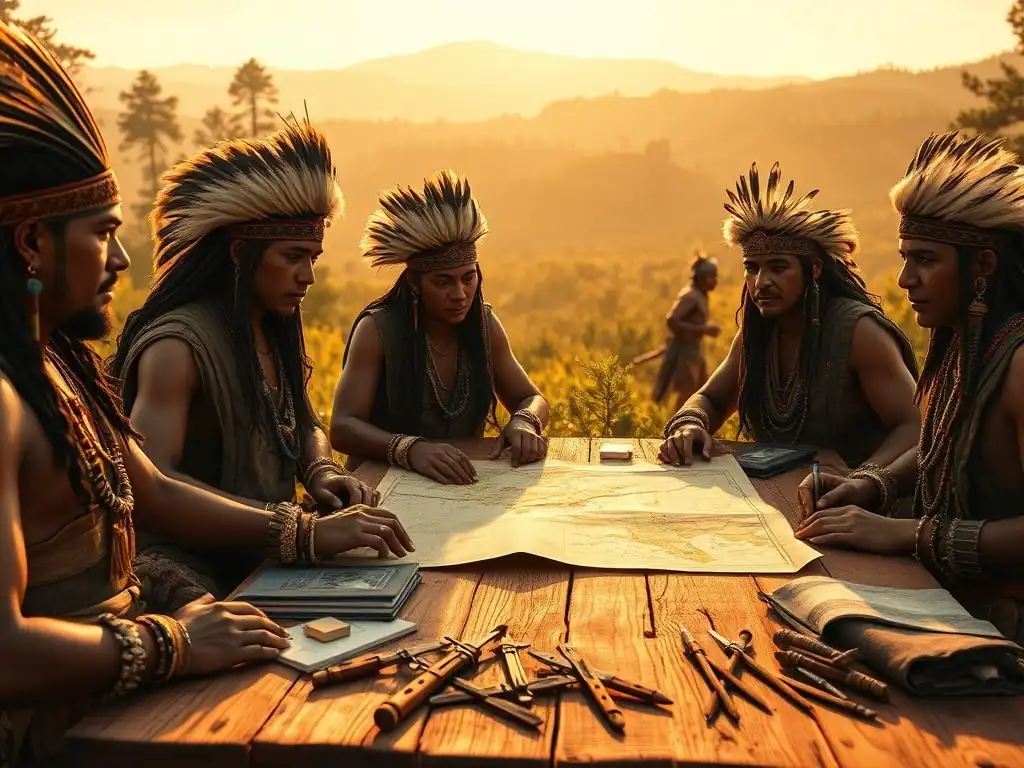
Indigenous military practices have left a lasting legacy that continues to influence modern military strategies. Many contemporary military forces are increasingly recognizing the value of indigenous tactics, particularly those centered around mobility, adaptability, and guerrilla warfare techniques.
The emphasis on strategic intelligence and the integration of local knowledge are now seen as critical components in modern military operations, particularly in asymmetric warfare situations where conventional forces face irregular adversaries.
Integration of Indigenous Tactical Knowledge in Contemporary Warfare
Modern military organizations are increasingly integrating indigenous tactical knowledge into their training and operational strategies. This integration often involves studying historical indigenous warfare practices to understand unconventional strategies.
For example, the U.S. military has been known to incorporate lessons learned from indigenous groups in conflict zones, focusing on community-based engagements and the importance of understanding local cultures and environments. This approach not only enhances operational effectiveness but also fosters better relationships with local populations, which is crucial for success in counterinsurgency operations.
Case Studies of Modern Military Forces Adopting Indigenous Techniques
Several modern military forces have adopted indigenous techniques, showcasing their effectiveness in contemporary warfare. One notable example is the Canadian Armed Forces, which has studied and integrated indigenous knowledge, particularly in wilderness survival and reconnaissance tactics.
The Australian Army has also drawn inspiration from the indigenous practices of Aboriginal Australians, particularly in land navigation and understanding ecological systems during military operations. These case studies highlight the practical application of indigenous military practices in modern contexts, demonstrating their relevance and adaptability.
Comparison of Indigenous and Modern Military Strategies
When comparing indigenous and modern military strategies, several key differences and similarities emerge. Indigenous strategies often prioritize community involvement, spiritual beliefs, and adaptive tactics, while modern military strategies tend to emphasize technology, logistics, and formal command structures.
However, both paradigms share a common understanding of the importance of intelligence gathering and adaptability. Modern militaries increasingly recognize the value of unconventional tactics, learning from indigenous practices to enhance their operational effectiveness against asymmetric threats.
The legacy of indigenous military practices is evident in the evolving nature of modern military strategies, with many contemporary forces drawing from these rich traditions to inform their approaches to warfare.
Legacy of Indigenous Military Practices in Military Training
The legacy of indigenous military practices has significantly influenced modern military training, offering valuable insights into unconventional warfare and strategies. These practices, rooted in centuries of experience and adaptation to diverse environments, emphasize agility, resourcefulness, and a deep understanding of the terrain. Indigenous warriors often excelled in guerrilla tactics, which have become increasingly relevant in contemporary military contexts, where asymmetrical warfare is common. The lessons learned from indigenous military histories underscore the importance of cultural awareness and adaptability within military operations.
Incorporating the principles and techniques used by indigenous peoples allows modern militaries to enhance their training programs. This integration can foster a more holistic approach to combat readiness, emphasizing not just physical training but also mental resilience and strategic thinking. As military forces recognize the effectiveness of these historical practices, they begin to blend them with modern technology and tactics, creating a more versatile and effective fighting force.
Incorporating Indigenous Warfare Techniques into Modern Training Programs
Modern military training programs are increasingly incorporating indigenous warfare techniques to enhance their effectiveness. Strategies such as stealth movements, ambush tactics, and the use of natural landscapes for concealment have proven to be effective in various operational contexts. For instance, the emphasis on teamwork and community cohesion seen in indigenous military units can be mirrored in contemporary training exercises, fostering stronger bonds among soldiers.
Moreover, indigenous knowledge of local ecosystems plays a crucial role in modern military operations, especially in unfamiliar territories. Training programs that include survival skills and navigation techniques rooted in indigenous practices prepare soldiers to operate effectively in diverse environments. By blending these traditional methods with current military doctrine, armed forces can develop more adaptive and capable personnel.
Benefits of Understanding Indigenous Military Practices for Today's Soldiers
Understanding indigenous military practices offers numerous benefits for today's soldiers. First, it equips them with a broader range of tactical options. By studying historical indigenous strategies, soldiers can learn how to approach situations creatively, often finding solutions that may not be evident through conventional military training.
Additionally, this understanding fosters cultural sensitivity and respect, which are essential in modern multi-national operations. Soldiers who appreciate the historical context and significance of indigenous practices are more likely to build trust and rapport with local populations during peacekeeping and humanitarian missions. Furthermore, this cultural awareness can enhance mission success by facilitating better communication and cooperation.
Myths and Realities of Indigenous Military Practices
Indigenous military practices are often shrouded in myths that can obscure their true significance and effectiveness. Many misconceptions arise from a lack of understanding of the diverse cultures and strategies employed by indigenous peoples across the Americas. These myths not only misrepresent historical practices but also diminish the contributions of indigenous warriors in shaping military strategies throughout history.
Common Misconceptions About Indigenous Warfare
One common misconception is that indigenous warfare was purely primitive and lacked sophistication. In reality, many indigenous societies developed complex military strategies and organizational structures. For example, the Iroquois Confederacy had a formalized military council that coordinated efforts among member nations. Additionally, the idea that indigenous warriors fought solely for personal glory overlooks the communal aspect of their warfare, where battles were often fought to protect territory, resources, and cultural identity.
Another myth is that indigenous military practices were static and unchanging. In truth, these practices evolved over time in response to new challenges and the changing dynamics of warfare, especially with the arrival of European powers. Indigenous groups adapted their techniques, incorporating new technologies and strategies while retaining their core philosophies of warfare.
Clarifying the Reality of Indigenous Military Strategies
The reality of indigenous military strategies is much more nuanced and sophisticated than commonly portrayed. Many tribes employed a wide range of tactics tailored to their specific environments and adversaries. For instance, the Plains tribes utilized horseback riding and mobility to outmaneuver enemies, while the Aztecs developed extensive fortifications and siege techniques to defend their cities.
Additionally, indigenous military strategies often emphasize the importance of intelligence and reconnaissance. Many groups relied on scouts and spies to gather information about enemy movements and intentions, allowing them to plan effective counter-strategies. This complex interplay of tactics, strategy, and intelligence underscores the depth and sophistication of indigenous military practices, demonstrating their lasting impact on modern military thought and operations.
Conclusion: The Enduring Impact of Indigenous Military Practices
The legacy of indigenous military practices continues to shape modern military strategies in profound ways. The tactical ingenuity, knowledge of terrain, and understanding of psychological warfare that many indigenous cultures developed in their conflicts are often reflected in contemporary military training and operational planning. The adaptability and resilience shown by indigenous warriors in the face of colonial challenges serve as a testament to their strategic acumen. This enduring impact can be observed in various military doctrines that prioritize guerrilla tactics, community engagement, and the use of local knowledge in warfare.
As modern militaries increasingly recognize the value of unconventional warfare and hybrid strategies, the principles derived from indigenous military practices are gaining renewed interest. The integration of these practices into military curricula and the acknowledgment of indigenous contributions to warfare not only honors their legacy but also enriches the collective understanding of military history and strategy.
Reflection on the Importance of Preserving Indigenous Military Heritage
Preserving the military heritage of indigenous cultures is essential for several reasons. Firstly, it serves to honor the sacrifices and strategies of those who fought to defend their homelands, cultures, and ways of life. This acknowledgment fosters a deeper respect for the complexities of indigenous history and the nuanced realities of their military engagements.
Secondly, understanding indigenous military practices provides valuable lessons that can inform modern conflict resolution and peacebuilding efforts. The emphasis on community involvement, diplomacy, and sustainable practices within many indigenous cultures offers alternative approaches to contemporary military strategies that often rely on conventional force.
Moreover, preserving this heritage is crucial for the revitalization of indigenous identities and knowledge systems. By documenting and sharing these practices, indigenous communities can reclaim their narratives, ensuring that their contributions to military history are recognized and respected. This preservation effort also promotes cultural continuity and resilience among indigenous peoples, allowing future generations to draw upon the wisdom of their ancestors.
Future Directions for Studying Indigenous Military Practices Legacy
The study of indigenous military practices legacy should continue to evolve, focusing on interdisciplinary approaches that combine anthropology, history, and military studies. Future research could benefit from:
- Collaboration with Indigenous Scholars: Engaging indigenous scholars and practitioners in the study of their military heritage ensures that research is respectful, accurate, and reflective of their perspectives.
- Fieldwork and Oral Histories: Conducting thorough fieldwork and collecting oral histories from indigenous communities can provide invaluable insights into their military practices, strategies, and cultural significance.
- Comparative Studies: Investigating the similarities and differences between indigenous military practices across various cultures can illuminate broader themes and strategies that transcend individual societies.
- Integration into Military Education: The incorporation of indigenous military practices into military academies' curricula can offer future leaders a more diverse understanding of warfare and strategy.
By pursuing these directions, researchers can ensure that the legacy of indigenous military practices is not only preserved but also celebrated, fostering a more inclusive narrative of military history that recognizes the contributions of all cultures. This approach will enrich contemporary military strategies and promote a more equitable understanding of the past.
- Introduction to Indigenous Military Practices Legacy
- Understanding Indigenous Military Traditions
- Historical Overview of Indigenous Military Practices
- Core Elements of Indigenous Military Practices
- Influence of Indigenous Military Practices on Modern Military Strategies
- Legacy of Indigenous Military Practices in Military Training
- Myths and Realities of Indigenous Military Practices
- Conclusion: The Enduring Impact of Indigenous Military Practices
- What are the key features of indigenous military practices?
- How did indigenous military practices influence modern military strategies?
- What is the significance of the legacy of indigenous military practices today?
- How did indigenous cultures approach conflict resolution before European contact?
- Are there any contemporary military organizations that honor indigenous practices?
Frequently Asked Questions
What are the key features of indigenous military practices?
Indigenous military practices often included strategic warfare, guerrilla tactics, and a deep understanding of the terrain. These features were tailored to their unique environments and cultural contexts.
How did indigenous military practices influence modern military strategies?
Many modern military strategies incorporate elements such as asymmetrical warfare and intelligence gathering, which are rooted in the legacy of indigenous military practices that emphasized adaptability and resourcefulness.
What is the significance of the legacy of indigenous military practices today?
The legacy of indigenous military practices is significant as it showcases the innovation and resilience of indigenous cultures, influencing contemporary military operations and strategies around the world.
How did indigenous cultures approach conflict resolution before European contact?
Indigenous cultures often employed methods of negotiation, alliance-building, and ritualistic practices to resolve conflicts, prioritizing communal harmony over outright warfare.
Are there any contemporary military organizations that honor indigenous practices?
Yes, many contemporary military organizations study and integrate indigenous military practices into their training programs, recognizing the value of cultural knowledge in modern warfare and strategy development.
Final Reflection: Embracing the Legacy of Indigenous Military Practices
The legacy of indigenous military practices is not just a historical footnote; it is a living testament to the resilience and ingenuity of cultures that have shaped modern military strategies. Today, as we navigate complex global conflicts and seek innovative solutions, the wisdom embedded in these ancient practices offers invaluable insights that can enhance our understanding of warfare, strategy, and collaboration. The lessons learned from indigenous peoples remind us that adaptability and respect for the environment are crucial in any military endeavor.
Cultural narratives and strategies rooted in indigenous practices continue to influence the social landscape of military operations. As we witness a growing acknowledgment of these contributions, it’s essential to recognize how they inform contemporary tactics and foster a deeper appreciation for diverse perspectives. The strength of a warrior is not just in their might, but in their understanding of the land and the people.
This quote encapsulates the essence of indigenous military wisdom, highlighting the importance of connection to place and community in shaping effective strategies.
As we reflect on the profound impact of indigenous military practices, I invite you to consider how these lessons can be applied in your own life. How can you incorporate the values of adaptability, respect, and community into your personal or professional endeavors?
By embracing the legacy of indigenous military practices, we not only honor those who came before us but also pave the way for a more inclusive and effective approach to challenges we face today. Let us carry this legacy forward, ensuring that the wisdom of the past informs our actions in the present and shapes a better future.
Uncover the Impact of Indigenous Military Wisdom!
Thank you for taking the time to explore the profound legacy of Indigenous military practices and their influence on modern strategies. You've uncovered valuable insights that highlight the ingenuity and resilience of Indigenous cultures. Now, it's time to put that knowledge into action!
Here’s how you can engage further with this vital topic:
- Dive Deeper: Research and read additional resources on Indigenous military strategies to gain a broader understanding of their principles and applications in contemporary contexts.
- Share Knowledge: Discuss your findings with friends and family—spread the wisdom of Indigenous practices and encourage meaningful conversations about their lasting impact.
- Connect with Community: Join local or online groups dedicated to exploring Indigenous histories and military practices. This will allow you to exchange ideas and learn from others who share your passion for this important subject.
Which aspect of Indigenous military practices resonates most with you, and how do you envision incorporating these insights into current discussions on military strategy?