
The Role of Public Spaces in Toltec Society: Gathering and Governance

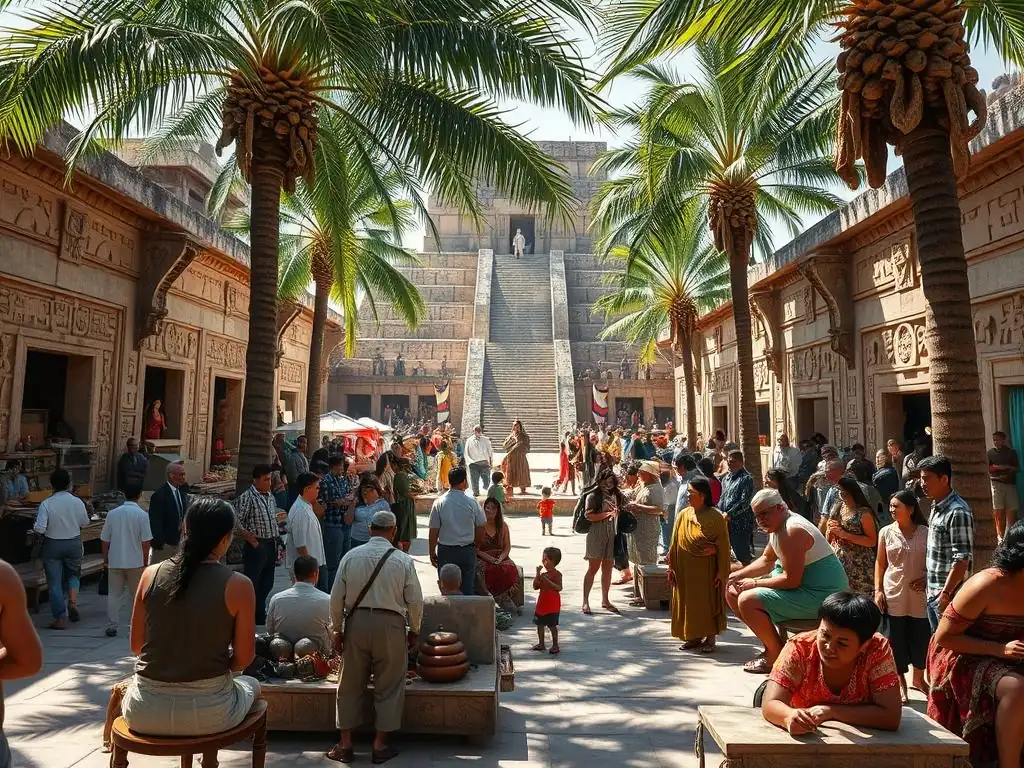
Welcome to Indigenous Civilizations of the Americas, where we invite you to embark on a fascinating journey through the rich tapestry of indigenous cultures that flourished long before European colonization. Here, you'll uncover the remarkable achievements and vibrant societies that shaped the continent's history. In our featured article, “The Role of Public Spaces in Toltec Society: Gathering and Governance,” we delve into the significance of communal areas in the Toltec civilization—discover how these spaces served as vital hubs for social interaction and governance.
Prepare to be captivated as we unveil the enduring legacy of the Toltecs and their innovative contributions to communal life. Your exploration of these ancient cultures begins now!
Introduction to Toltec Society and Public Spaces
The Toltec society, known for its rich cultural and architectural heritage, played a pivotal role in the development of urban spaces in Mesoamerica. Public spaces within Toltec cities were not merely physical locations; they were vibrant centers for social interaction, governance, and ceremonial activities. These areas reflected the values and priorities of the Toltec civilization, showcasing their achievements in architecture, urban planning, and community organization. Understanding the role of public spaces in Toltec society provides valuable insights into how these indigenous cultures shaped their environments and fostered community ties before the onset of European colonization.
Overview of Toltec Civilization
The Toltec civilization thrived roughly between the 10th and 12th centuries CE, primarily in central Mexico. Renowned for their artistic and architectural innovations, the Toltecs established significant urban centers that became cultural hubs. Their society was characterized by a stratified social structure, rich mythology, and advanced agricultural practices. Notable archaeological sites, such as Tula, reveal the intricate designs of their public spaces, including plazas, temples, and ball courts, which served as focal points for both governance and community gatherings. The Toltecs left a profound legacy that influenced subsequent civilizations, including the Aztecs, who revered them as cultural ancestors.
Importance of Public Spaces in Indigenous Cultures
Public spaces hold significant importance across indigenous cultures, serving as arenas for community engagement, governance, and cultural expression. In the context of the Toltec society, these spaces were essential for:
- Social Interaction: Public areas facilitated gatherings for various community activities, from markets to festivals.
- Governance: Leaders often convened in these spaces to discuss governance, law, and order, reinforcing the social hierarchy.
- Cultural Expression: Public spaces were adorned with sculptures and murals that depicted myths and historical events, reflecting the society's values and beliefs.
The multifunctional nature of these spaces underscores their role in maintaining the social fabric and cultural continuity within Toltec society.
The Design and Functionality of Public Spaces in Toltec Society
The design and functionality of public spaces in Toltec society were intricately linked to their cultural and social practices. These areas were carefully planned to fulfill multiple roles, from ceremonial functions to political gatherings.
Characteristics of Toltec Architecture
Toltec architecture is characterized by its monumental scale and intricate stonework. Key features include:
- Pyramids and Temples: Structures such as the Pyramid of Quetzalcoatl reflect the society's religious beliefs and were often the focal points of public spaces.
- Plazas: Open areas designed for gatherings, markets, and ceremonies, serving as the heart of Toltec cities.
- Ball Courts: These were essential for both recreation and ritual, symbolizing the duality of life and death in Toltec cosmology.
The architectural choices made by the Toltecs not only served functional purposes but also conveyed their cosmological views and societal values.
Key Public Spaces in Toltec Cities
Several key public spaces in Toltec cities highlight the civilization's sophisticated urban planning:
- The Great Plaza of Tula: This expansive area was the center for various activities, including markets, ceremonies, and public meetings.
- Templo de Tlahuizcalpantecuhtli: A temple dedicated to the morning star, which served both religious and public functions, embodying the spiritual life of the Toltecs.
- The Ball Court: Integral to social life, these courts were venues for the Mesoamerican ballgame, which held significant cultural importance.
Through these public spaces, the Toltecs fostered a sense of community and established a complex societal structure that would influence generations to come.
Governance and Decision-Making in Toltec Public Spaces
In the Toltec society, public spaces served as vital venues for governance and decision-making processes. These areas were not merely physical locations; they embodied the political and social ethos of the community. The plazas and ceremonial centers, often characterized by monumental architecture, were strategically designed to facilitate gatherings where leaders and citizens could converge to discuss matters of communal importance.
Key Features of Toltec Governance in Public Spaces:
- Centralized Locations: Public spaces were typically located at the heart of major Toltec cities, such as Tula, where the presence of temples and ball courts symbolized the intertwining of governance and spiritual life.
- Accessibility: The design of these spaces ensured that they were accessible to all community members, promoting inclusivity in governance. This accessibility allowed for open forums where citizens could express their opinions and concerns.
- Symbolic Architecture: Structures within public spaces, adorned with intricate carvings and sculptures, often depicted historical narratives or significant events, reinforcing the legitimacy of leadership while educating the populace about their shared history.
In this context, public spaces acted as platforms for dialogue, where decisions affecting the community were debated and ratified by consensus, reflecting the democratic aspects of Toltec governance.
Role of Public Spaces in Toltec Governance
The role of public spaces in Toltec governance extended beyond mere meetings; they were integral to the political and social infrastructure of the society. Leaders utilized these areas for both administrative functions and ceremonial activities, thereby enhancing their authority and promoting civic unity.
- Ceremonial Functions: Rituals conducted in public spaces reinforced the connection between governance and the divine, with leaders often performing ceremonies to invoke favor from the gods. This not only solidified their power but also engaged the community in collective spiritual experiences.
- Judicial Activities: Public spaces served as venues for legal proceedings, where disputes were settled in view of the community, promoting transparency and communal involvement in justice.
- Public Announcements: Leaders would often use these spaces to disseminate important news or decisions, ensuring that information flowed freely among the populace, fostering a well-informed community.
Thus, public spaces in Toltec society were multifaceted, playing a critical role in both governance and the maintenance of social order.
Public spaces in Toltec society were crucial for fostering social cohesion and community engagement. These areas acted as communal hubs where individuals could gather, interact, and participate in the cultural and political life of their society.
- Shared Experiences: The design and function of public spaces encouraged shared experiences among community members, thereby strengthening social bonds. These interactions were not just limited to political discourse but extended to everyday life, fostering a sense of belonging.
The Role of Public Spaces in Fostering Social Ties
Public spaces were instrumental in fostering social ties within the Toltec community. They provided a venue for various social interactions, from casual encounters to organized gatherings, which were essential for building relationships among residents.
- Community Meetings: Regular gatherings in public spaces allowed citizens to connect with one another, share news, and discuss local issues, thereby promoting unity and collective identity.
- Cultural Exchange: These areas facilitated cultural exchange, where artisans, traders, and performers showcased their crafts and talents, enriching the community's cultural fabric and promoting mutual understanding.
Through these interactions, public spaces became the heart of social life, reinforcing the community's collective identity and cohesion.
Events and Festivals in Public Areas
Events and festivals held in public spaces were pivotal in reinforcing social bonds and cultural identity among the Toltecs. These occasions provided an opportunity for celebration and communal participation, drawing individuals together for shared experiences.
- Religious Festivals: Major religious festivals took place in public spaces, often coinciding with agricultural cycles or significant historical events. These festivals involved elaborate rituals, music, dance, and feasting, fostering a sense of unity and shared purpose.
- Sporting Events: The ball game, a significant aspect of Toltec culture, was often played in public arenas. These events drew large crowds, allowing for community engagement and the celebration of athletic prowess.
- Civic Celebrations: Public spaces were also used for civic celebrations that marked important milestones in the community, such as the installation of new leaders or the completion of major construction projects, further solidifying social ties.
Public spaces were vital for the cultural, social, and political life of Toltec society, serving as arenas for gathering, governance, and community engagement.
Comparison of Toltec Public Spaces with Other Indigenous Societies
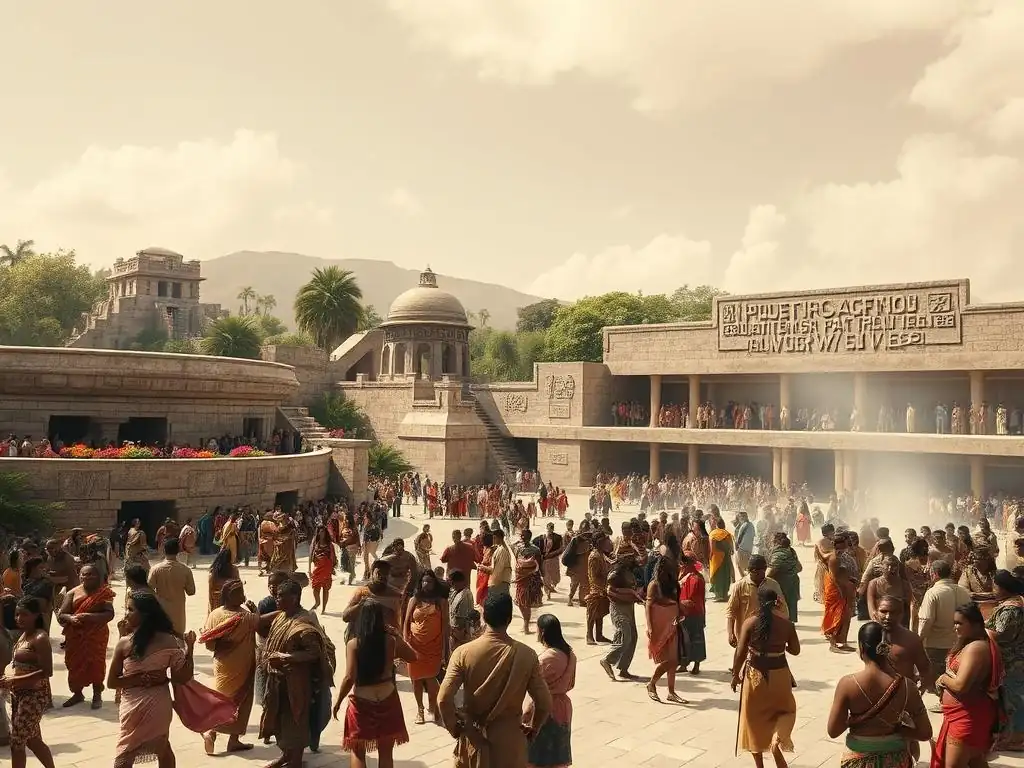
The public spaces within Toltec society exhibit both similarities and distinct characteristics when compared to the public spaces of other indigenous cultures across the Americas. In Mesoamerica, many societies, such as the Maya and Aztec, also utilized public spaces for social, political, and religious activities. However, the Toltec approach to these spaces emphasizes a unique blend of urban planning, architecture, and cultural significance.
For instance, while both the Maya and Aztec civilizations featured large plazas surrounded by temples and administrative buildings, the Toltec public spaces often showcased monumental sculptures and elaborate carvings that reflected their militaristic and religious ideologies. The presence of the Atlantean figures at Tula, for example, serves as a distinctive feature that symbolizes both power and divine protection.
Furthermore, the role of public spaces in governance may differ. In Toltec society, these areas were not merely sites for gatherings but also critical venues for decision-making, conflict resolution, and community solidarity. This contrasts with other indigenous societies where public spaces might have served more ceremonial or ritualistic functions. The interplay between governance and gathering in Toltec public spaces illustrates their multifaceted purpose in fostering societal cohesion and political order.
Public Spaces in Mesoamerican Cultures
Mesoamerican cultures broadly relied on public spaces as vital centers for social interaction and governance. Common features of these spaces included large plazas, temples, and ball courts, which were often strategically located at the heart of urban centers. These shared areas served as venues for religious ceremonies, markets, and civic events, reinforcing community bonds and cultural identity.
In the Maya civilization, for instance, the central plazas were flanked by grand ceremonial buildings, where rituals and public gatherings took place. Similarly, the Aztecs utilized the Templo Mayor in Tenochtitlan as a focal point for public life, integrating religious and political elements within the same spatial framework. The consistency of these features across various Mesoamerican cultures underscores the importance of public spaces as foundational elements of urban life.
In contrast to the Toltecs, who emphasized sculptural expression and artistic representation in their public spaces, other cultures like the Mixtecs focused on the functional aspects of these areas. The diversity in public space design across Mesoamerican societies reflects the unique cultural values and societal structures that each civilization prioritized.
Unique Features of Toltec Public Spaces
Toltec public spaces are characterized by several unique features that distinguish them from those of other indigenous societies. One of the most notable aspects is the emphasis on monumental architecture, particularly the use of large stone sculptures and colonnades that adorned public areas. The Atlantean figures at Tula, towering stone warriors, exemplify the Toltec's dedication to showcasing their military prowess and spiritual beliefs.
Additionally, the layout of Toltec cities often included a central plaza that served as both a gathering place and a political hub. This plaza was typically surrounded by significant structures, such as temples dedicated to their deities and administrative buildings where leaders convened. The integration of artistic elements, such as intricate carvings and wall reliefs depicting mythological narratives, further enhanced the cultural significance of these spaces.
Another unique feature of Toltec public spaces is their connection to cosmology and astronomy. Many public structures were aligned with celestial events, indicating a deep understanding of the natural world and its influence on societal life. This aspect of Toltec urban planning not only served practical purposes but also reinforced the spiritual connection between the people and the cosmos.
Challenges and Changes in Toltec Public Spaces
Toltec public spaces faced several challenges and changes throughout their history, reflecting broader societal shifts and external pressures. As the Toltec civilization flourished, their public spaces became increasingly important for governance and social cohesion. However, external influences, particularly from neighboring cultures, began to reshape these spaces and their functions.
Impact of External Influences on Toltec Society
The expansion of the Toltec Empire brought them into contact with other cultures, including the Maya and the Aztecs. These interactions introduced new architectural styles, religious practices, and social dynamics that influenced Toltec public spaces. For instance, the adoption of new building techniques and materials may have altered the design and construction of temples and plazas, leading to a hybridization of architectural styles.
Moreover, increasing trade and cultural exchange resulted in a diversification of public life. Festivals and ceremonies began to incorporate elements from other cultures, reflecting a blend of practices that enriched Toltec society. However, this influx of external influences also posed challenges, as it sometimes led to tensions within the community over the preservation of traditional customs versus the adoption of new ones.
Decline of Public Spaces and Its Implications
The decline of Toltec public spaces signals a significant transformation in their society. As political instability and external invasions intensified, many public areas that once served as vibrant centers for gatherings and governance fell into disrepair. The erosion of communal spaces contributed to the fragmentation of societal cohesion, leading to a decline in civic engagement and participation.
The abandonment of these public spaces also had broader implications for the Toltec civilization. It marked a shift away from centralized governance and cultural identity, as the once-thriving plazas and temples became relics of a bygone era. The societal changes that followed the decline of public spaces reflect the vulnerability of indigenous cultures to external pressures and the lasting impact of such transformations on their identity and legacy.
The role of public spaces in Toltec society was multifaceted, serving as vital centers for governance and community engagement. The unique features of these spaces, coupled with the challenges they faced, paint a complex picture of the Toltec civilization and its enduring impact on the cultural landscape of Mesoamerica.
Conclusion: The Lasting Legacy of Public Spaces in Toltec Society
The public spaces of Toltec society were more than mere architectural features; they were vital components of their cultural identity and communal life. These areas served as the heart of social interaction, governance, and spiritual expression, facilitating the gathering of people for various purposes, from political discussions to religious ceremonies. The design and organization of these spaces reflect the Toltecs' complex social structures and their understanding of community dynamics. Today, the legacy of these public spaces persists, influencing how contemporary societies perceive and utilize communal areas for gathering and governance.
Reflection on the Importance of Public Spaces
Public spaces in Toltec society exemplified the intersection of architecture and social function. They were designed to accommodate large groups, fostering communication and collaboration among community members. Key locations such as plazas and temples were strategically placed to create a sense of unity and shared purpose.
- Social Cohesion: These spaces were critical for building relationships, allowing people to engage in discussions, celebrate festivals, and participate in rituals, thus reinforcing social bonds.
- Political Engagement: Public areas also served as venues for political gatherings, where leaders could address the populace, share information, and make collective decisions, emphasizing the democratic aspects of Toltec governance.
- Cultural Expression: The artistic elements integrated into these spaces, including carvings and murals, played a significant role in cultural storytelling, preserving the history and beliefs of the Toltec people.
This multifaceted use of public spaces highlights their importance in fostering a vibrant community life, reflecting the Toltec commitment to collective well-being.
The Influence of Toltec Public Spaces on Modern Indigenous Communities
The impact of Toltec public spaces extends beyond their immediate historical context, influencing contemporary indigenous communities throughout the Americas. Many modern indigenous groups recognize the value of communal spaces for fostering identity and cultural continuity.
- Cultural Revitalization: In many areas, indigenous peoples are reclaiming and revitalizing traditional public spaces, using them for community gatherings, cultural events, and educational purposes. This revival strengthens cultural heritage and promotes intergenerational knowledge transfer.
- Political Advocacy: Modern indigenous movements often utilize public spaces to gather community members for political advocacy, rallies, and discussions, echoing the governance practices of the Toltecs. These gatherings serve as platforms for voicing concerns and asserting rights, drawing inspiration from Toltec traditions of collective decision-making.
- Social Integration: Public spaces in contemporary indigenous communities are also designed to promote inclusivity, allowing for diverse community members to come together, share experiences, and engage in cultural exchange, much like their Toltec predecessors.
In essence, the public spaces of Toltec society not only shaped their own civilization but continue to resonate within modern indigenous communities, serving as vital arenas for cultural expression, governance, and social cohesion.
- Introduction to Toltec Society and Public Spaces
- The Design and Functionality of Public Spaces in Toltec Society
- Governance and Decision-Making in Toltec Public Spaces
- Social Cohesion and Community Engagement through Public Spaces
- Comparison of Toltec Public Spaces with Other Indigenous Societies
- Challenges and Changes in Toltec Public Spaces
- Conclusion: The Lasting Legacy of Public Spaces in Toltec Society
- What were the main public spaces in Toltec society?
- How did public spaces influence governance in Toltec society?
- What cultural activities took place in Toltec public spaces?
- How did the design of public spaces reflect Toltec values?
- What is the lasting impact of Toltec public spaces on modern culture?
Frequently Asked Questions
What were the main public spaces in Toltec society?
Toltec society featured public spaces such as plazas, temples, and markets, which served as central locations for gatherings, trade, and ceremonial activities.
How did public spaces influence governance in Toltec society?
Public spaces played a crucial role in governance by facilitating community meetings, decision-making processes, and public discussions, allowing leaders to engage with their people effectively.
What cultural activities took place in Toltec public spaces?
In Toltec public spaces, various cultural activities occurred, including festivals, rituals, and performances, which helped reinforce community bonds and cultural identity.
How did the design of public spaces reflect Toltec values?
The design of Toltec public spaces was often aligned with their spiritual beliefs and social hierarchy, showcasing the importance of religion and authority in everyday life.
What is the lasting impact of Toltec public spaces on modern culture?
The legacy of Toltec public spaces can still be seen today in the way modern communities incorporate public areas for social interaction, reflecting their historical significance in fostering community life.
Final Reflection: The Enduring Legacy of Public Spaces in Toltec Society
The role of public spaces in Toltec society remains profoundly relevant today, as these communal areas were not merely physical locations but vital centers for gathering and governance. In our modern world, where social interaction often takes place behind screens, the essence of these shared spaces reminds us of the importance of community engagement and collective decision-making. The Toltecs understood that public spaces were essential for fostering relationships and facilitating dialogue, a lesson that resonates deeply in our increasingly fragmented society.
Culture and governance are inextricably linked, and the influence of public spaces in Toltec society continues to echo in contemporary discussions about civic life. These areas served as platforms for social cohesion, where individuals could come together to share ideas and participate in governance. As we navigate the complexities of modern civic engagement, we can draw inspiration from the Toltecs' commitment to community. The greatness of a society is measured by how it treats its most vulnerable members.
This quote encapsulates the enduring significance of public spaces as places where all voices can be heard and valued.
As we reflect on the lessons from Toltec society, let us consider how we can create and nurture our own public spaces today. I invite you to think about the role you play in your community—how can you contribute to fostering environments that encourage gathering, dialogue, and governance? By actively participating in our public spaces, we honor the legacy of the Toltecs and ensure that these vital centers of social life continue to thrive for future generations.
Rediscover the Power of Public Spaces in Toltec Culture!
Thank you for taking the time to explore the vital role that public spaces played in Toltec society! Understanding these gathering places is essential to appreciating their governance and community life. Now that you’re armed with this knowledge, it's time to take meaningful action.
Here are a few steps you can take to dive deeper and engage further:
- Visit a local museum or cultural center to discover exhibits on indigenous civilizations and their unique governance structures.
- Share this article with friends and family to ignite discussions about the importance of public spaces in fostering community and democracy.
- Consider volunteering for local initiatives that promote public spaces—your involvement can help create the same sense of community that the Toltecs cherished!
What role do you believe public spaces play in shaping our communities today? Let's hear your thoughts!