
From Pottery to Pyramids: Diverse Artistic Techniques in Cahokia Culture

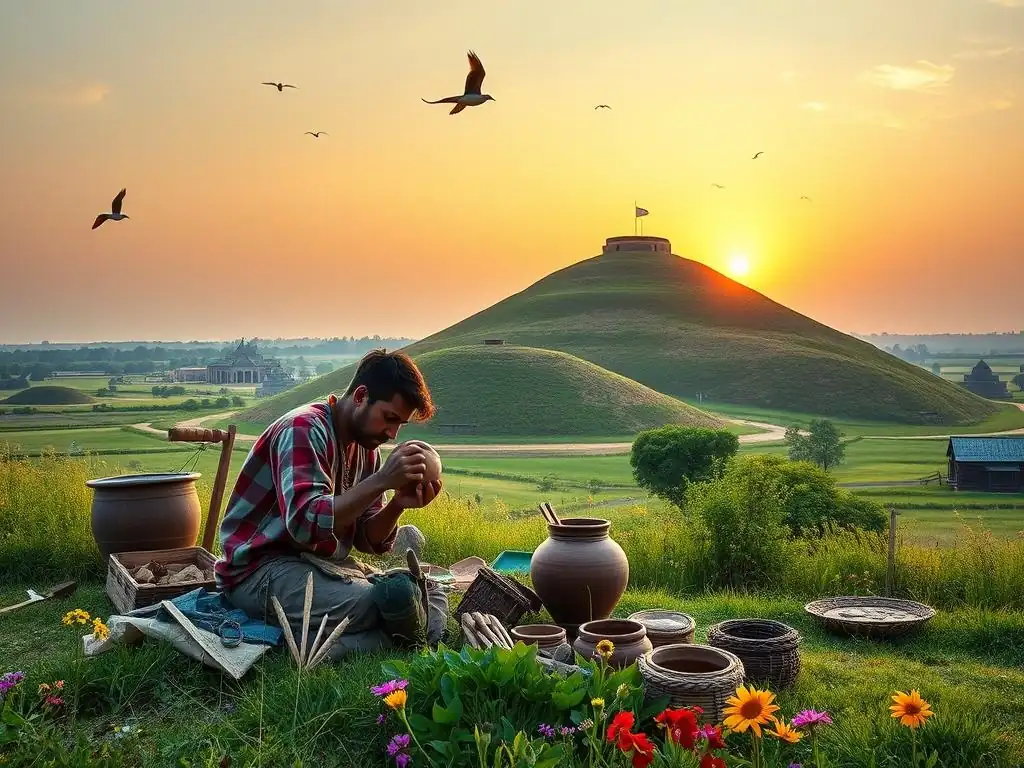
Welcome to Indigenous Civilizations of the Americas, where we embark on a captivating journey through the rich tapestry of indigenous cultures that flourished long before European colonization. Here, we delve into the Cahokia artistic techniques history—a fascinating exploration of the remarkable achievements and innovative artistic expressions of the Cahokia civilization.
From intricate pottery to monumental pyramids, the artistry of Cahokia not only reflects the creativity of its people but also tells a story of their complex society and enduring legacy. Prepare to uncover the secrets of this extraordinary culture that shaped the landscape of the Americas, and let your curiosity guide you deeper into their world!
- Introduction to Cahokia Artistic Techniques History
- Pottery Techniques in Cahokia Culture
- Sculpture and Carving in Cahokia
- Architectural Innovations: From Mounds to Pyramids
- Textile Arts and Weaving Techniques
- Painting and Drawing Techniques in Cahokia
- The Role of Art in Cahokia Spirituality and Trade
- Conclusion: The Lasting Impact of Cahokia Artistic Techniques
- Frequently Asked Questions
- Final Reflection: Embracing the Legacy of Cahokia's Artistic Techniques
- Unveil the Richness of Cahokia Culture Today!
Introduction to Cahokia Artistic Techniques History
The Cahokia culture, which flourished in the Mississippi River Valley from approximately 600 CE to 1400 CE, represents one of the most sophisticated and complex indigenous civilizations in North America. Known primarily for its monumental mounds and vibrant trade networks, Cahokia was a hub of cultural exchange and innovation. Among its many contributions, the artistic techniques employed by its artisans reveal a rich tapestry of creativity and cultural expression that continues to captivate scholars and enthusiasts alike.
This article delves into the diverse artistic practices of the Cahokia civilization, highlighting the intricate pottery, elaborate shell ornaments, and monumental earthworks that define this remarkable society. Through a detailed exploration of Cahokia's artistic techniques, we aim to uncover the historical significance and lasting impact of these practices on both indigenous cultures and the broader narrative of American history.
Overview of Cahokia Culture and Its Significance
Cahokia was not only a center of trade but also a vibrant urban center with a population that may have reached upwards of 20,000 at its peak. The civilization is characterized by its complex societal structures, which included a chiefdom led by an elite class, as well as various social hierarchies that contributed to its robust cultural landscape. The city's most famous feature, Monk's Mound, stands as a testament to the engineering prowess and organizational skills of the Cahokians.
The significance of Cahokia extends beyond its impressive architecture and population size. It served as a melting pot of diverse indigenous groups, facilitating the exchange of ideas, goods, and artistic techniques. This cultural intermingling led to the development of distinctive art forms that were integral to the community's identity and spiritual beliefs. For instance, Cahokian pottery, with its unique designs and methods, reflects not only aesthetic values but also social and ceremonial functions within the society.
Importance of Artistic Techniques in Indigenous Civilizations
Artistic techniques in indigenous civilizations serve as vital expressions of identity, spirituality, and community cohesion. In the context of Cahokia, these techniques were not merely for decorative purposes; they played a crucial role in ritual practices and daily life. The artisans of Cahokia utilized a variety of materials, including clay, shell, and stone, to create functional and ceremonial objects that communicated cultural narratives and values.
The study of Cahokia's artistic techniques provides insight into the technological advancements of the time. For example, the intricate craftsmanship seen in Cahokian pottery and the elaborate carvings on ceremonial objects showcase a deep understanding of material properties and artistic expression. Furthermore, these techniques offer a glimpse into the cultural significance tied to the objects themselves—each piece often embodied stories, beliefs, and the interconnectedness of the community.
The artistic techniques of Cahokia not only illustrate the civilization's creativity but also underscore the importance of art in the broader context of indigenous cultures. By examining these practices, we can better appreciate the rich history and legacy of the Cahokian people and their enduring contributions to the art and culture of the Americas.
Pottery Techniques in Cahokia Culture
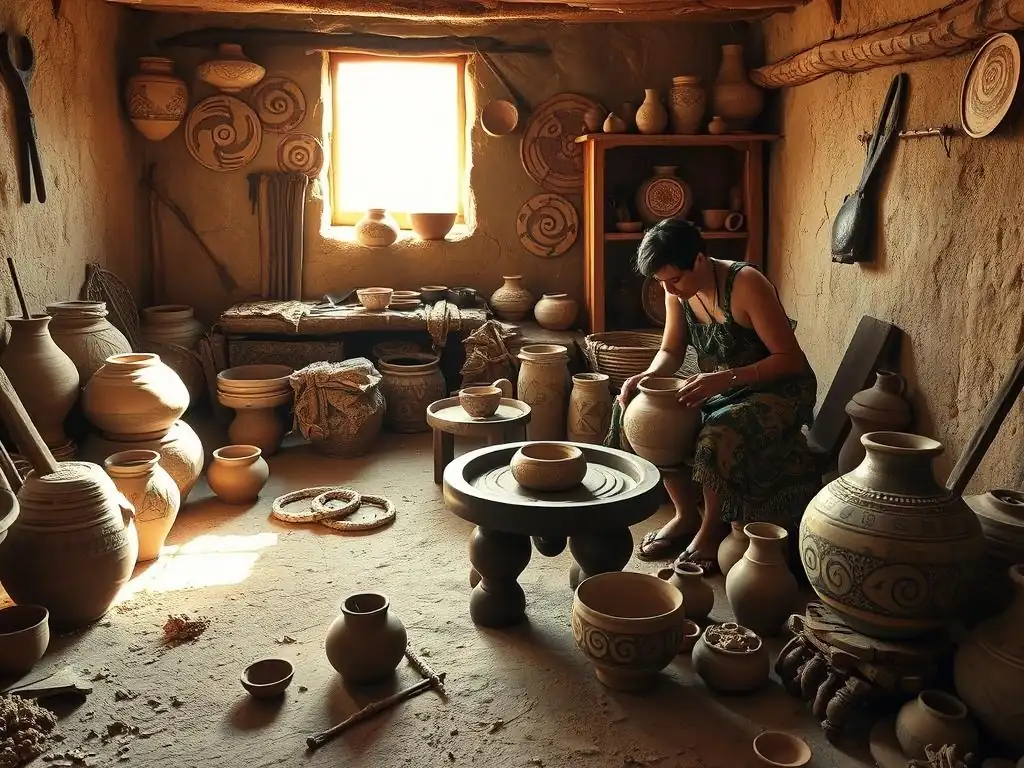
Cahokia, one of the largest pre-Columbian cities in North America, was renowned for its sophisticated pottery techniques, which played a crucial role in both daily life and ceremonial practices. The artistic techniques employed by Cahokians were not merely functional; they reflected their social structures, religious beliefs, and environmental adaptations. This section delves into the various aspects of pottery techniques that defined Cahokia's rich artistic heritage.
Types of Pottery: Functional and Decorative
Cahokian pottery can be broadly categorized into two types: functional and decorative.
- Functional Pottery: This type encompassed utilitarian vessels such as cooking pots, storage jars, and serving dishes. They were designed for everyday tasks, like cooking and food preservation, and were often sturdy and practical.
- Decorative Pottery: In contrast, decorative pottery served more ceremonial or aesthetic purposes. These included elaborately designed bowls and effigy vessels that displayed intricate artistry.
Examples of functional pottery often feature thick, robust walls and simple designs, while decorative pieces might showcase elaborate motifs and forms, including animal shapes and human figures.
Clay Sources and Preparation Methods
The production of pottery in Cahokia relied heavily on local resources, particularly clay. The primary sources of clay were riverbanks and floodplains, where the soil was rich and suitable for pottery-making.
- Clay Extraction: Artisans would dig up clay from these sources, ensuring to select high-quality material that would withstand firing.
- Preparation Techniques: Once extracted, the clay underwent several preparation steps:
- Drying and Grinding: The clay was dried and ground into a fine powder to remove impurities.
- Mixing with Temper: To enhance durability, artisans mixed the clay with tempering materials, such as crushed shell, sand, or grass. This process prevented cracking during firing.
- Forming and Shaping: After preparation, the clay was shaped into desired forms, either by hand or using rudimentary tools.
Unique Decoration Styles and Patterns
The decoration of Cahokian pottery was a reflection of cultural identity and artistic expression. Various techniques and styles were employed to create visually striking pieces, which included:
- Incised Designs: Artisans would carve intricate patterns into the clay surface before firing, allowing for a textured finish that added depth to the design.
- Painted Patterns: After firing, many pots were adorned with natural pigments, often featuring geometric shapes, spirals, and symbolic motifs that held cultural significance.
- Effigy Pottery: Unique to Cahokia, effigy pottery represented various animals and human figures, showcasing the civilization's spiritual connections to the natural world. These pieces were often used in ceremonial contexts and served as important cultural symbols.
The artistry of Cahokian pottery not only served practical purposes but also conveyed intricate narratives and cultural beliefs, illustrating the profound relationship between art and society in this ancient civilization.
By examining the Cahokia artistic techniques history, we can appreciate how these practices contributed to the overall cultural richness of the Cahokian society, showcasing their innovation and adaptability in the face of environmental challenges.
Sculpture and Carving in Cahokia
Materials Used for Sculptural Art
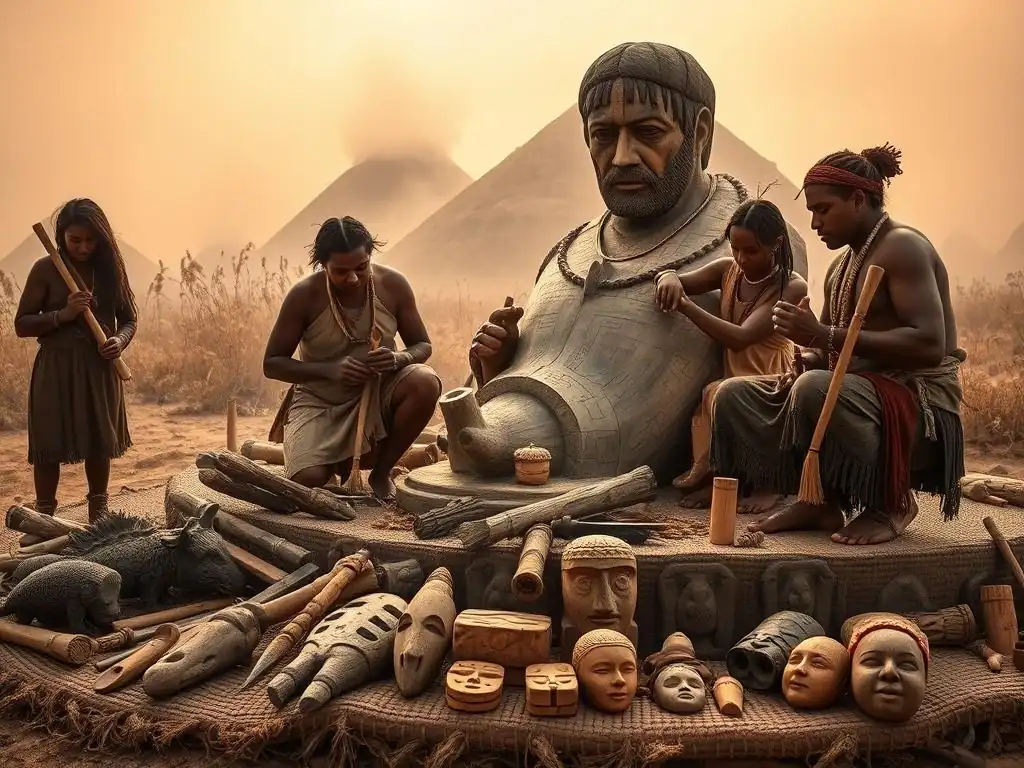
The Cahokia culture, flourishing from approximately 600 to 1400 CE, showcased a remarkable talent for sculpture and carving, utilizing a variety of materials to create their art. The primary materials included:
- Wood: Cedar and other local woods were frequently used due to their accessibility. Craftsmen carved intricate totems and figures, which often held spiritual significance.
- Stone: Limestone and sandstone were prominent in more permanent structures and sculptures. These stones were quarried from nearby riverbeds and shaped into effigies and ceremonial items.
- Clay: The availability of clay in the region allowed for the creation of figurines and decorative pottery. These clay artworks often represented animals, deities, or human figures, intricately molded and sometimes painted.
- Bone and Shell: For smaller items, artisans often used bone and shell, crafting delicate ornaments and tools that reflected both aesthetic qualities and functional purposes.
The choice of materials not only demonstrated the artistic capabilities of Cahokia's artisans but also showcased their deep connection to the natural resources surrounding them. This relationship between material and artistry played a significant role in the cultural and spiritual expressions found in Cahokia’s sculptures.
Notable Sculptures: Religious and Cultural Significance
Cahokia's sculptural works were deeply intertwined with its religious and cultural practices. Some notable sculptures include:
- The Great Serpent Mound: This effigy mound, resembling a serpent, is believed to be a significant ritual site. It reflects the Cahokian reverence for serpents, which symbolized fertility and renewal.
- Wooden Figures: Carved wooden figures, often depicting ancestors or spiritual beings, played a crucial role in ceremonies. They served as conduits between the spiritual and physical worlds, embodying the essence of revered individuals.
- Effigy Mounds: Various effigy mounds found in Cahokia, such as those shaped like birds or bears, were not only artistic expressions but also served as burial sites, linking the dead with the living through ritualistic practices.
The artistic techniques used to create these sculptures often involved complex methods such as carving, polishing, and painting, which enhanced their visual appeal and spiritual significance. These works were not merely decorative; they communicated the beliefs, values, and identity of the Cahokian people, forming a critical part of their historical narrative.
The Role of Sculpture in Cahokia Society
Sculpture in Cahokia society served multiple purposes, reflecting the civilization's social, political, and religious dynamics. Key roles included:
- Religious Practices: Sculptures were integral to rituals and ceremonies, acting as focal points for worship and offerings. They often represented deities or ancestral figures, reinforcing the community’s spiritual beliefs.
- Cultural Identity: The unique artistic styles and materials used in Cahokian sculptures contributed to a shared cultural identity among its people. These works were a manifestation of their collective memory, reinforcing social cohesion.
- Political Power: Elite members of Cahokia society often commissioned significant sculptures to display their power and influence. Large effigy mounds and grand sculptures served as symbols of status, prestige, and territorial claims.
- Historical Record: Many sculptures acted as historical markers, preserving stories and traditions for future generations. They provided a narrative of the people's history, beliefs, and achievements, contributing to the broader understanding of Cahokia's legacy.
Sculpture was not just an artistic endeavor in Cahokia; it was a vital part of the civilization's fabric, influencing social structure, political dynamics, and spiritual life. The Cahokian artistic techniques, characterized by their material diversity and cultural significance, played a pivotal role in shaping the identity and legacy of this remarkable civilization.
Architectural Innovations: From Mounds to Pyramids
Cahokia, one of the most significant indigenous urban centers in pre-Columbian North America, is renowned for its remarkable architectural innovations. The construction of massive earthen mounds, which served various purposes—from ceremonial sites to elite residences—showcases the advanced engineering skills and societal organization of the Cahokian people. These mounds not only served practical functions but also reflected the community’s cultural values, beliefs, and complex social structure. As we delve into the construction techniques, the most prominent mound, and the symbolic significance of these structures, we gain insight into the rich history of Cahokia artistic techniques.
Construction Techniques of Cahokia Mounds
The construction of Cahokia's mounds involved a meticulous process that required significant labor and coordination. The methods employed revealed a deep understanding of the local environment and engineering principles.
- Materials and Tools:
- Earth and Clay: The primary materials used were soil and clay, sourced from surrounding areas. The choice of materials was crucial for ensuring the stability and longevity of the mounds.
- Hand Tools: Simple hand tools, such as wooden shovels and baskets, were essential for transporting and shaping the earth.
- Labor Organization:
- The construction of mounds likely involved large groups of workers organized into teams, suggesting a well-structured society.
- Evidence indicates that labor was not only a communal effort but also involved specialized roles, with some individuals responsible for specific tasks, such as design and construction.
- Techniques:
- Layering Method: Mounds were built using a layering technique, where soil was added in successive layers to form a stable structure. This method allowed for precise control over the shape and height of the mounds.
- Sculpting and Shaping: Workers sculpted the mounds to achieve specific forms, often conical or flat-topped, which were essential for their intended ceremonial or residential purposes.
The combination of these techniques not only highlights the engineering prowess of the Cahokians but also their ability to mobilize and manage a workforce effectively, showcasing a complex societal framework.
The Great Mound: Cahokia's Architectural Marvel
Among the numerous mounds within Cahokia, the Great Mound, also known as Monks Mound, stands out as a monumental achievement in pre-Columbian architecture.
- Dimensions and Structure:
- Monks Mound is the largest earthen structure in the Americas, measuring approximately 100 feet in height and covering over 14 acres at its base. Its sheer size indicates the monumental ambition of Cahokia’s builders.
- Construction Phases:
- The mound was constructed in several phases, with extensive labor over decades, showcasing the community's enduring commitment to this architectural feat.
- Purpose and Function:
- It is widely believed that the Great Mound served as a platform for a temple or a residence for elite leaders. The strategic elevation would have provided visibility across the surrounding landscape, reinforcing the power and status of its inhabitants.
The Great Mound encapsulates the artistic techniques and engineering capabilities of the Cahokian civilization, symbolizing not only their architectural achievements but also their societal hierarchy and religious practices.
Symbolism of Mounds and Their Cultural Importance
The mounds of Cahokia were not merely architectural structures; they held profound symbolic significance and cultural importance for the people.
- Ceremonial Roles:
- Many mounds were used for ceremonial purposes, serving as sites for rituals and gatherings that reinforced community bonds. They acted as focal points for religious activities, reflecting the spiritual life of the Cahokians.
- Social Hierarchy:
- The size and location of a mound often indicated the social status of its owner or the function it served within the community. Larger mounds were associated with higher status individuals, highlighting the complex social stratification present in Cahokia.
- Connection to the Cosmos:
- The orientation and alignment of certain mounds suggest a deep connection to celestial events, indicating that the Cahokians likely integrated their architectural practices with astronomical observations. This demonstrates an advanced understanding of their environment and its cycles.
The mounds of Cahokia represent a fusion of artistic technique, engineering skill, and cultural expression. Their construction and use underscore the significance of these structures in the social, spiritual, and political life of the Cahokian people, leaving a lasting legacy that continues to inspire awe and scholarly interest today.
Textile Arts and Weaving Techniques
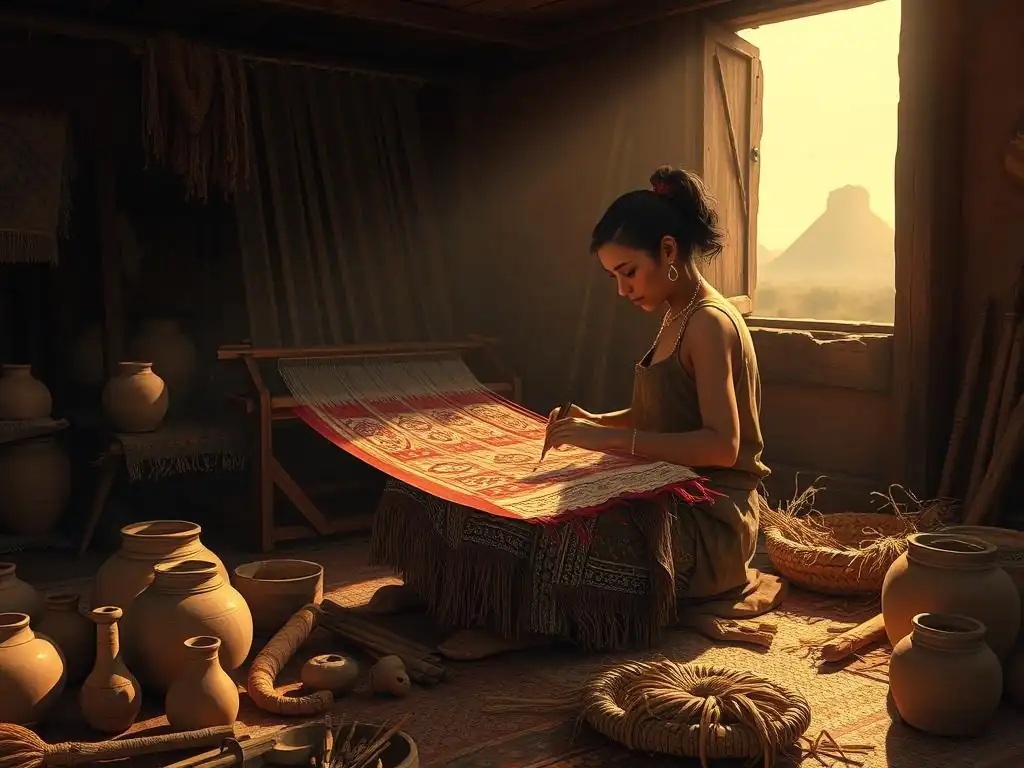
The textile arts in Cahokia culture represent a significant aspect of their artistic techniques, showcasing the ingenuity and creativity of the indigenous peoples who inhabited this vibrant civilization. Weaving was not merely a functional activity; it was also an expression of cultural identity, reflecting the values, beliefs, and social structures of Cahokian society.
Materials and Tools Used in Cahokia Weaving
In Cahokia, the fibers used for weaving came from a variety of natural sources, each chosen for its unique properties and availability. The primary materials included:
- Plant Fibers:
- Cotton: Although not native to the region, cotton was cultivated in some areas and became a vital resource for textiles.
- Wild Hemp: This durable fiber was commonly used for making ropes and coarse textiles.
- Rushes and Grasses: Local plants provided softer fibers suitable for weaving light textiles.
- Animal Products:
- Animal Hides: Used for heavier textiles, hides were often decorated with intricate designs.
- Feathers: Decorated textiles with feathers were a symbol of status and were often used in ceremonial contexts.
The tools essential for these weaving techniques included:
- Looms: Cahokians utilized simple frame looms, which allowed for the creation of intricate patterns.
- Spindles: Used for spinning fibers into yarn, spindles were often crafted from wood or bone, highlighting the craftsmanship of the artisans.
- Weaving Needles: Typically made from bone or wood, these needles allowed for precise stitching and embellishments.
Patterns and Symbolism in Cahokian Textiles
Cahokian textiles were renowned for their vibrant patterns and deep symbolism. The designs often carried meanings that connected to the spiritual beliefs and social hierarchies of the culture. Some key elements included:
- Geometric Patterns:
- Triangles and Diamonds: These shapes often represented aspects of nature, such as mountains and rivers.
- Spirals and Curves: Symbolizing cyclical concepts and the interconnectedness of life.
- Color Usage:
- Natural dyes from plants and minerals were employed to create a palette that conveyed specific meanings. For instance, red might signify strength or vitality, while blue could represent water and life.
- Symbolic Representations:
- Textiles frequently depicted animals, plants, and celestial bodies, each carrying its own significance within Cahokian mythology.
The intricate patterns not only served aesthetic purposes but also functioned as a means of storytelling, conveying the history and beliefs of the Cahokian people.
The Role of Textiles in Daily Life and Rituals
Textiles played a multifaceted role in Cahokian daily life and rituals. They were not only functional but also integral to the cultural identity of the community. Some of the key roles included:
- Daily Wear:
- Clothing made from woven textiles provided protection and comfort, with specific garments indicating social status or community belonging.
- Ritualistic Significance:
- Textiles were often used in ceremonies, serving as offerings or as part of ceremonial attire. The use of specific patterns and colors could invoke blessings or honor deities.
- Trade and Economy:
- Textiles were valuable trade items, facilitating exchange between different groups. This trade not only strengthened economic ties but also cultural connections among various indigenous communities.
- Artistic Expression:
- The act of weaving itself was a form of artistic expression, allowing artisans to showcase their skills and creativity.
The textile arts and weaving techniques of Cahokia culture were deeply intertwined with their social, spiritual, and economic lives, making it a rich field of study within the broader context of their artistic techniques history. The legacy of these practices continues to be a testament to the artistic and cultural achievements of this remarkable civilization.
Painting and Drawing Techniques in Cahokia
Natural Pigments and Their Sources
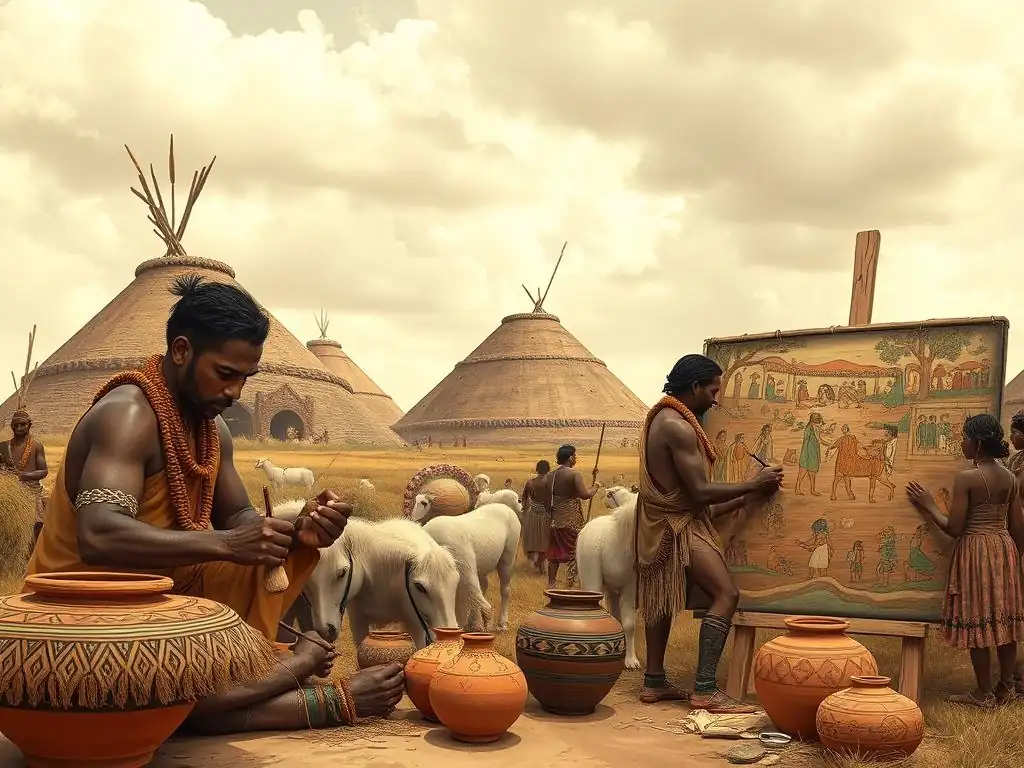
Cahokian artists exhibited a remarkable understanding of their environment, using natural pigments derived from local materials to create vibrant artworks that reflected their culture. The primary sources of these pigments included:
- Minerals: Iron oxides, for example, were commonly used to produce red and orange hues. Cinnabar, a mercury sulfide mineral, provided brilliant red tones, while ochres offered a range of yellows and browns.
- Plants: Many plant materials served as sources for dyes. For instance, berries from certain native plants were crushed to yield purples and blues, while roots and leaves could be processed to create greens.
- Charcoal: This was often used to produce blacks, derived from the burning of organic materials, which added depth and contrast to various artistic works.
The use of these natural pigments not only showcased the Cahokians' artistic skills but also their deep connection to the land and its resources. The ability to extract and manipulate these materials was a testament to their knowledge of the environment, which was crucial for creating durable and expressive art.
Iconography and Themes in Cahokian Art
Cahokian art is rich with iconographic elements that reflect the society's beliefs, values, and social hierarchy. Common themes include:
- Mythological Figures: Many artworks feature deities and mythological beings, which played a central role in Cahokian spirituality. These figures often symbolize natural forces or ancestral spirits.
- Animal Imagery: Animals such as birds, turtles, and deer are prevalent in Cahokian art, often symbolizing various aspects of life and the natural world. For example, the bird motif is frequently associated with transcendence and spiritual journeys.
- Geometric Patterns: The use of intricate geometric designs is a hallmark of Cahokian artistry. These patterns not only serve decorative purposes but also convey deeper meanings related to the cosmos and the organization of society.
The richness of the iconography in Cahokian art provides insights into the cultural identity of the Cahokians, illustrating how they interpreted the world around them and communicated their beliefs through visual means.
The Influence of Nature on Cahokian Artistic Expression
Nature played a pivotal role in shaping the artistic expression of the Cahokian culture. The environment provided both inspiration and materials, leading to a unique artistic style characterized by:
- Environmental Reflection: Cahokian artists often drew inspiration from the landscapes, flora, and fauna surrounding them. This connection to nature is evident in the choice of subjects and themes, as well as the colors and materials used.
- Seasonal Changes: The cyclical nature of seasons influenced artistic themes, with works often reflecting the changes in the environment, such as planting and harvest times or the migration of animals.
- Spiritual Connection: Nature was not merely a backdrop but a vital component of Cahokian spirituality. Artistic representations often sought to capture the essence of natural elements, symbolizing their importance in both daily life and religious practices.
The artistic techniques of Cahokia, from the pigments sourced from the environment to the themes that resonate with their cultural identity, illustrate a civilization deeply intertwined with nature. Understanding these elements of Cahokian art enriches our appreciation of the Cahokia artistic techniques history, showcasing a legacy of creativity and connection with the world around them.
The Role of Art in Cahokia Spirituality and Trade
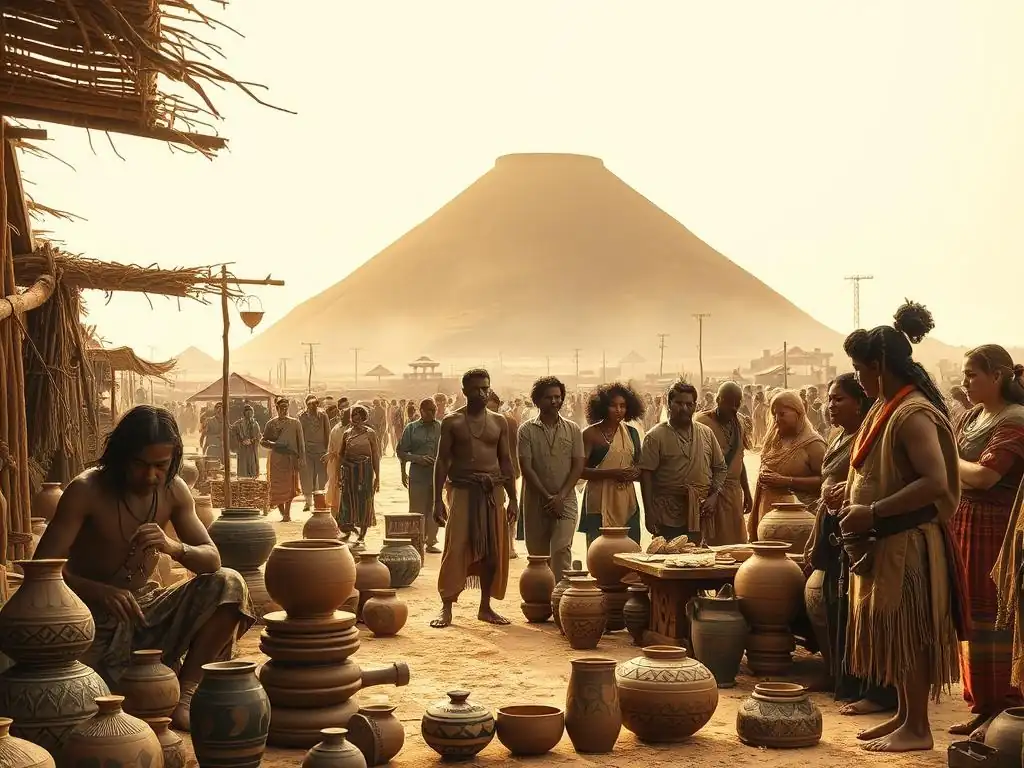
The Cahokia culture, flourishing in the Mississippi River valley from around 600 to 1400 CE, is renowned for its complex society that intertwined art, spirituality, and trade. The role of art in Cahokia was not merely aesthetic; it served as a critical medium for expressing spiritual beliefs and facilitating trade within and beyond their community. The artistic techniques employed by Cahokia artisans reveal deep connections to their worldview and practical economic needs.
Artistic Techniques as Spiritual Expression
Cahokia artists utilized a variety of techniques that embodied spiritual significance in their work. Pottery, sculpture, and mound construction were among the most prominent forms of artistic expression, each serving a purpose that transcended mere decoration.
- Pottery:
- Cahokian pottery often featured intricate designs and motifs, such as spirals and geometric patterns, believed to represent elements of the natural world. These designs were not random; they were imbued with spiritual meaning, reflecting the society's connection to fertility, agriculture, and the cosmos.
- Various ceremonial vessels were created for use in rituals, showcasing techniques like coiling and paddling that added to their aesthetic appeal while serving a functional purpose in spiritual practices.
- Sculpture:
- Stone carvings and wooden effigies were significant in Cahokia's spiritual life. These artworks often depicted animals or human figures, symbolizing various deities or ancestral spirits. The technique of carving, whether in stone or wood, required precision and skill that reflected the artist's devotion to their beliefs.
- Mound construction, a hallmark of Cahokia, involved the meticulous layering of earth to create large burial mounds. These mounds were often adorned with artifacts, including pottery and tools, which were believed to accompany the deceased in the afterlife.
Trade Networks and the Exchange of Artistic Goods
The Cahokia culture was integral to a vast trade network that extended across the continent, facilitating the exchange of not only material goods but also artistic techniques and cultural practices.
- Trade Routes:
- Cahokia's strategic location allowed it to become a hub for trade. Items such as shell beads, copper tools, and obsidian were commonly traded, showcasing the community's artistic skills. The craftsmanship involved in creating these items reflected the high level of artistry present in everyday objects.
- The presence of exotic materials in Cahokian artifacts indicates long-distance trade interactions. For instance, the use of marine shell from the Gulf Coast and copper from the Great Lakes demonstrates the extensive reach of their trade networks.
- Cultural Exchange:
- Through trade, Cahokia not only exchanged goods but also shared artistic techniques with neighboring cultures. This interaction led to a fusion of styles and practices, enriching Cahokian art and allowing for the incorporation of new motifs and methods.
- Artistic goods exchanged through these networks often had spiritual significance, reinforcing the idea that art was a vehicle for cultural and spiritual exchange between different indigenous groups.
The Legacy of Cahokia Art in Contemporary Indigenous Cultures
The artistic techniques and cultural practices of Cahokia have left a lasting legacy that continues to influence contemporary indigenous cultures.
- Revival of Traditional Arts:
- Many modern indigenous artists draw inspiration from Cahokia's artistic traditions, reviving ancient techniques in pottery, weaving, and sculpture. This revival is not only an homage to their ancestors but also a means of cultural identity and resistance against colonial narratives.
- Contemporary art forms, such as beadwork and basketry, often reflect the intricate designs and themes found in Cahokian art, bridging the past with the present.
- Cultural Significance:
- Modern indigenous communities are increasingly recognizing the importance of Cahokia's artistic legacy in their cultural practices. Art workshops and educational programs are being established to teach traditional techniques, ensuring that these practices are passed down through generations.
- The emphasis on art as a spiritual and cultural expression continues to resonate within indigenous communities, reinforcing the notion that art is a vital link to heritage and identity.
The Cahokia artistic techniques history encapsulates a rich tapestry of spirituality, trade, and cultural legacy that remains vibrant in contemporary indigenous cultures. By understanding the intricate relationships between these elements, we gain insight into the profound impact of Cahokia art on both historical and modern societies.
Conclusion: The Lasting Impact of Cahokia Artistic Techniques
Cahokia, a pre-Columbian Native American city located near present-day St. Louis, Missouri, represents a pinnacle of artistic and cultural achievement among indigenous civilizations in North America. The artistic techniques developed and refined by the Cahokians left an indelible mark on the history of indigenous art, showcasing their creativity, spiritual beliefs, and social organization. As we conclude our exploration, it is vital to consider both the specific techniques employed and the broader implications of these contributions to indigenous culture.
Summary of Key Artistic Techniques in Cahokia History
The Cahokian civilization is renowned for a variety of distinctive artistic techniques that reflect their complex society and environment. Here are some of the key techniques:
- Ceramics: Cahokian pottery, characterized by its intricate designs and functional forms, was often decorated with unique motifs and colors. The use of tempering agents, such as crushed shells and grit, enhanced the durability of the vessels, allowing for both practical use and artistic expression.
- Woodworking and Sculpture: The Cahokians were skilled woodworkers, creating not only functional items but also elaborate carvings. The use of totemic figures and ceremonial objects reveals their spiritual beliefs and social hierarchies.
- Mound Construction: The construction of earthen mounds is perhaps the most iconic aspect of Cahokian artistry. These mounds served various purposes, including burial, ceremonial, and residential, and often featured elaborate parapets and terraces that required sophisticated engineering and artistic planning.
- Textiles: Although less is known about Cahokian textiles, archaeological evidence suggests they produced intricate woven goods, likely using materials such as plant fibers and animal hides. The artistry in textile patterns likely held significant cultural meaning.
- Engraving and Painting: The use of engraving on shell and stone, along with the application of natural pigments for painting, demonstrates the Cahokians' innovative approaches to visual expression. These techniques often conveyed narratives or spiritual themes, deepening their cultural significance.
Reflection on Cahokia's Contributions to Indigenous Art and Culture
Cahokia's artistic techniques not only represent individual achievements but also reflect the broader cultural dynamics of indigenous societies in the Americas. The ability to create and innovate in various artistic mediums showcases the Cahokians' deep connection to their environment, their community, and their beliefs.
- Cultural Identity: The artistic expressions found in Cahokia serve as a testament to the community's identity and values. The intricate designs in pottery and the monumental mounds are symbols of a sophisticated cultural narrative that transcends time.
- Influence on Neighboring Cultures: Cahokia's artistic techniques likely influenced neighboring indigenous groups, fostering a shared artistic language and cultural exchange. This interaction contributed to the rich tapestry of indigenous art that spans the continent.
- Legacy in Contemporary Indigenous Art: The legacy of Cahokian artistic techniques can still be seen today in the works of contemporary indigenous artists. The revival and reinterpretation of these historic techniques serve not only as a form of cultural preservation but also as a means to assert identity and resilience in the face of historical challenges.
The artistic techniques developed by the Cahokians have left a lasting impact on the history of indigenous art and culture. Their innovative approaches to pottery, woodworking, mound construction, textiles, and engraving continue to inspire and resonate within contemporary indigenous communities, ensuring that the legacy of Cahokia endures through time.
Frequently Asked Questions
What is the significance of Cahokia in indigenous history?
Cahokia was one of the largest urban settlements in pre-Columbian America, showcasing advanced societal organization and cultural achievements before European contact.
What artistic techniques were prevalent in Cahokia culture?
Cahokian artists were known for their intricate pottery, mound-building, and textile production, reflecting a rich tradition of aesthetic expression and functionality.
How did Cahokia influence neighboring cultures?
Cahokia served as a cultural hub, impacting surrounding tribes through trade, art, and technological advancements, leading to a shared artistic heritage across the region.
What materials were commonly used in Cahokian art?
Artists in Cahokia primarily utilized clay for pottery, stone for tools, and natural dyes for textiles, demonstrating resourcefulness in using available materials.
What remains of Cahokia's artistic legacy today?
Modern researchers study Cahokia's artifacts and mounds, highlighting the enduring influence of its artistic techniques on contemporary understanding of indigenous cultures in North America.
Final Reflection: Embracing the Legacy of Cahokia's Artistic Techniques
The artistic techniques of Cahokia are not merely relics of the past; they are a vibrant testament to the ingenuity and creativity of a culture that thrived long before modern civilization. Today, as we navigate a world increasingly defined by rapid technological advancement and cultural homogenization, the intricate pottery, monumental earthworks, and diverse artistic expressions of Cahokia remind us of the importance of preserving our unique cultural identities. The legacy of Cahokia's artistry is a striking reminder that creativity can flourish in diverse forms, and it is our responsibility to honor and celebrate these expressions.
The influence of Cahokia's artistic techniques extends beyond historical appreciation; it resonates deeply within our contemporary cultural landscape. As we witness a resurgence of interest in indigenous art and practices, the techniques developed by the Cahokians serve as a source of inspiration for modern artists and cultural practitioners alike. Art is the most beautiful of all lies.
This quote encapsulates the idea that art transcends time, allowing us to connect with the past while shaping our present and future. The Cahokian artistic legacy encourages us to explore our own creativity and to recognize the value of diverse artistic expressions in fostering community and understanding.
As you reflect on the rich history of Cahokia's artistic techniques, I invite you to consider how you can incorporate the lessons of this remarkable culture into your own life. What unique forms of expression can you cultivate, and how can you celebrate the diversity of artistic techniques in your community?
By embracing the spirit of creativity and honoring the artistic traditions of those who came before us, we can contribute to a more vibrant and inclusive cultural tapestry that honors our shared human experience. Let the legacy of Cahokia inspire you to create, connect, and celebrate the beauty of diversity in art.
Unveil the Richness of Cahokia Culture Today!
Thank you for exploring the fascinating artistic landscape of Cahokia culture with us! You've gained valuable insights into their diverse techniques and remarkable creativity. Now, it’s time to bring this vibrant history to life through your own actions.
Here are some ways you can engage further:
- Create your own pottery piece inspired by Cahokia techniques—let your creativity flow and connect with these ancient traditions.
- Join a local or online art class to learn about Native American artistic practices, expanding your knowledge and skills in this rich cultural heritage.
- Share this article with friends or on social media to spark conversations about the incredible contributions of Indigenous cultures.
What aspect of Cahokia's artistry inspired you the most, and how do you plan to incorporate that into your own creative pursuits?