
Unveiling the Stories: The Meaning Behind Indigenous Cultural Gifts

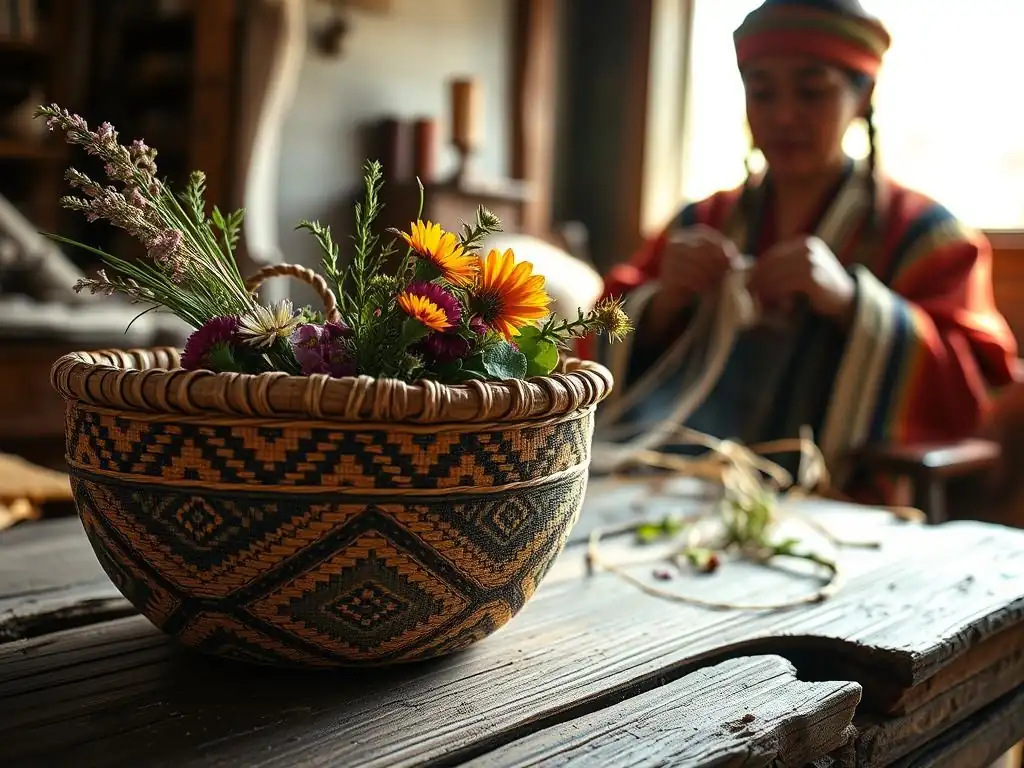
Welcome to Indigenous Civilizations of the Americas, where we invite you to embark on a captivating journey through the rich tapestry of indigenous cultures that flourished long before European influence. Here, we delve into the significance of indigenous cultural gifts, exploring the profound stories and meanings behind these remarkable artifacts. Each piece is not just art; it is a testament to resilience, creativity, and the deep connections these societies had with their environment and each other.
Join us as we unveil the narratives that lie within these cultural treasures, igniting your curiosity and inspiring a deeper appreciation for the legacy of indigenous craftsmanship. Dive in and discover the artistry that shaped civilizations!
Introduction to Indigenous Cultural Gifts Significance
Indigenous cultural gifts are not merely objects; they embody a rich tapestry of history, spirituality, and artistry that reflects the profound connection between Indigenous peoples and their environment. These gifts, often steeped in tradition, serve as a means of storytelling, preserving the values, beliefs, and social structures of Indigenous societies that flourished across the Americas long before European colonization. Each item carries its own narrative, representing the intricate knowledge systems and cultural practices unique to various Indigenous communities.
The significance of these cultural gifts lies in their multifaceted roles within Indigenous cultures. They are utilized in ceremonial practices, signify social status, or serve as tools for daily living. As we delve into the meaning behind these gifts, we uncover the layers of symbolism and purpose that have been passed down through generations. This exploration not only honors the creativity and craftsmanship inherent in these items but also highlights the resilience and enduring legacy of Indigenous cultures.
In this article, we will explore the diverse dimensions of indigenous cultural gifts, examining their impact on the communities that create them, their role in contemporary society, and the importance of preserving these traditions for future generations. By understanding the significance of these gifts, we can appreciate the profound wisdom and artistry that Indigenous peoples continue to share with the world.
- What are indigenous cultural gifts?
- Why is the significance of indigenous cultural gifts important?
- How do indigenous cultural gifts impact contemporary society?
- What role do storytelling and oral traditions play in indigenous cultures?
- How can individuals support the preservation of indigenous cultural gifts?
The Historical Context of Indigenous Cultural Gifts
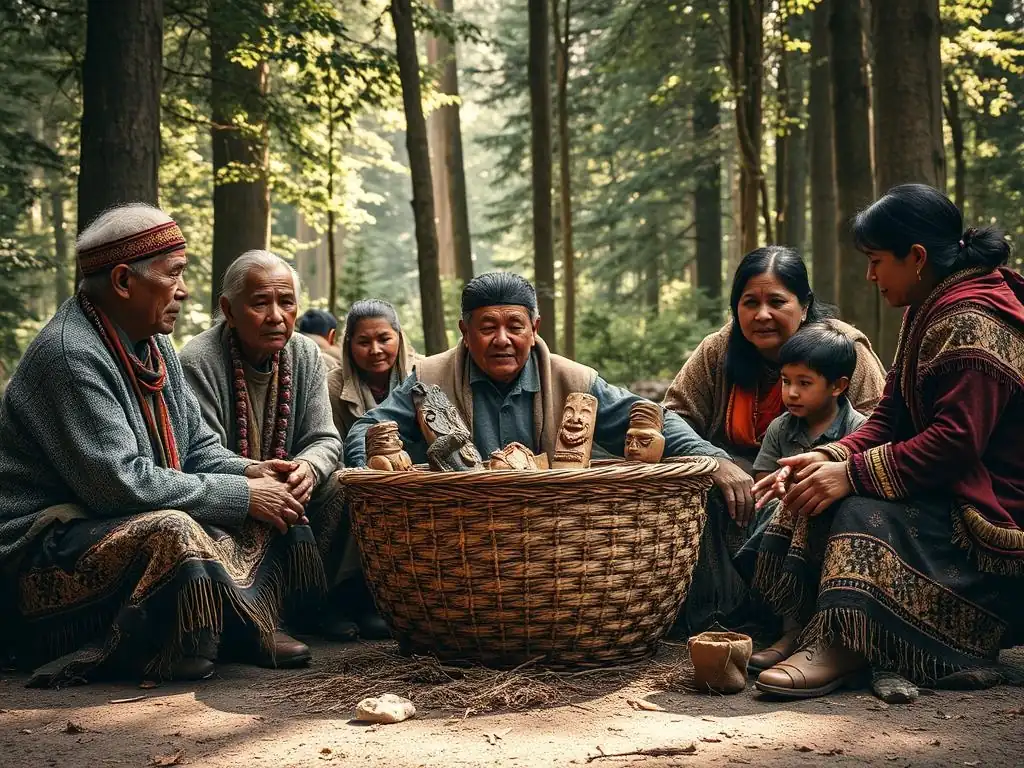
Indigenous cultural gifts have deep historical roots, reflecting the values, beliefs, and practices of various tribes and communities across the Americas. These gifts often symbolize respect, gratitude, and relationships, serving as tangible expressions of cultural identity. Understanding the significance of these gifts requires an exploration of their historical context, particularly how they were intertwined with social structures, spiritual beliefs, and inter-tribal relations.
Historically, indigenous peoples engaged in extensive trade networks, where cultural gifts played a pivotal role. Gifts were exchanged during ceremonies, marriage rites, and diplomatic negotiations, reinforcing social bonds and affirming alliances. For example, among the Lakota, gifting a beautifully crafted pipe was not merely a trade; it represented a covenant of peace and friendship. Such acts of gifting transcended material value, emphasizing the spiritual and relational significance inherent in the exchange.
Additionally, indigenous cultural gifts often carried stories and teachings that conveyed moral lessons and historical narratives. Items such as woven baskets or intricately carved totems were not only functional but also served as storytelling mediums, preserving the heritage and traditions of the community. The act of giving these gifts was, therefore, a means of cultural transmission, ensuring that knowledge and values were passed down through generations.
The Role of Indigenous Gifts in Ancient Societies
Indigenous gifts were central to ancient societal dynamics, serving multiple functions within various cultures. They were not just objects; they held profound meanings and were integrated into the very fabric of community life. Here are some key roles that these gifts played:
- Ceremonial Functions: Many indigenous cultures used gifts during rituals and ceremonies. For instance, the use of ceremonial masks in the Pacific Northwest symbolizes spiritual connections and ancestral lineage, often gifted during important tribal events.
- Social Status and Identity: Gifts often indicated social status within tribes. Elaborate items, such as feathered headdresses among the Plains tribes, signified the wearer’s achievements and rank within the community.
- Conflict Resolution and Diplomacy: Gifting was a strategy for peacekeeping and conflict resolution. In many cases, tribes would exchange gifts to signify truce and foster goodwill, which was essential for maintaining inter-tribal relations.
- Cultural Preservation: The act of gifting was a method of preserving cultural knowledge. For example, the creation of pottery in Pueblo cultures was often accompanied by stories shared during the gifting process, thus ensuring the art and its significance were celebrated and remembered.
These roles underscore the multifaceted nature of indigenous cultural gifts, revealing their importance beyond mere objects. They were essential to the continuity of cultural practices and communal relationships.
Common Materials Used in Indigenous Cultural Gifts
The creation of indigenous cultural gifts involved a wide array of materials, each chosen for its symbolic and practical significance. Understanding these materials offers insights into the craftsmanship and cultural values of indigenous peoples. Here are some commonly used materials:
- Natural Fibers: Many indigenous communities utilized plant fibers such as yucca, cotton, and hemp for weaving baskets, textiles, and mats. These items not only served practical purposes but also highlighted the connection to the earth and the importance of sustainable practices.
- Wood: Carved wooden gifts, including masks, totems, and utensils, were predominant in many cultures. The choice of wood often reflected the spiritual beliefs surrounding certain trees, making the gift a representation of both craftsmanship and sacredness.
- Stone: Stone tools and ornaments, such as those crafted from obsidian or jade, were highly valued. These materials were often associated with strength and durability, symbolizing the longevity of relationships forged through gifting.
- Metals: In some cultures, metals such as silver and copper were intricately worked into jewelry and ceremonial objects. These items often held significant social value and were used to express identity and status.
- Animal Products: Many gifts included materials derived from animals, such as feathers, bones, and hides. These items not only showcased the skills of indigenous artisans but also reflected the deep respect for the animals and nature within their cultural narratives.
By examining the materials used in indigenous cultural gifts, we gain a deeper appreciation for the artistry involved and the underlying messages conveyed through these meaningful objects. Each material choice carries a story, reinforcing the significance of the gift within the cultural context.
Exploring Various Indigenous Cultures and Their Gifts
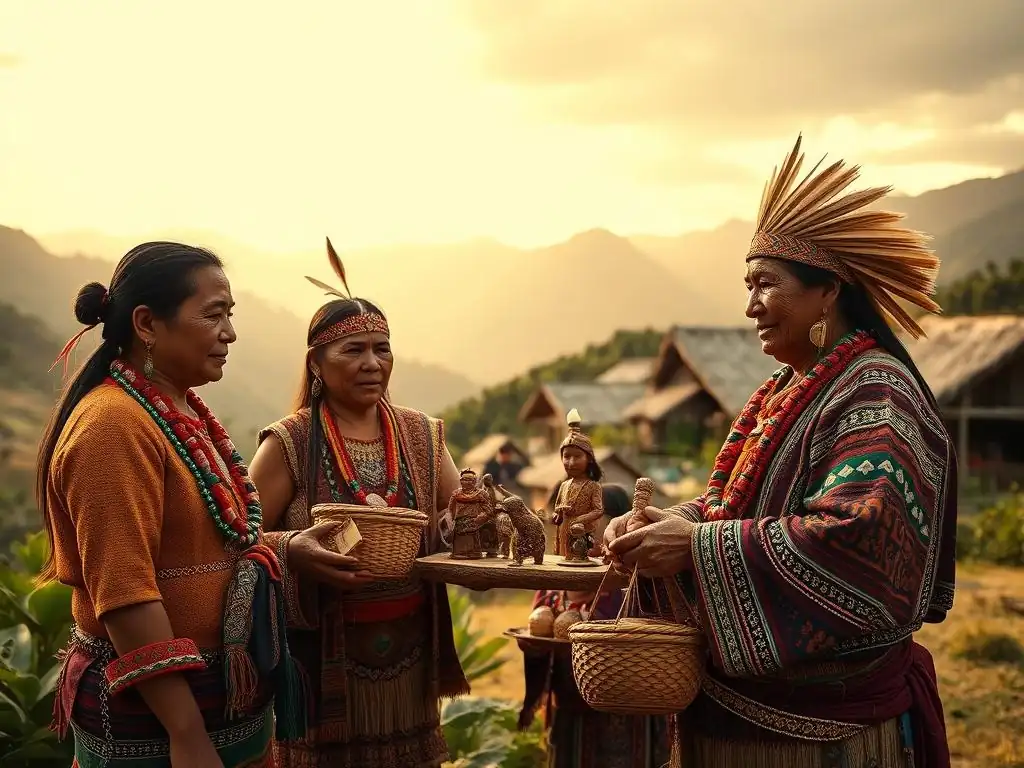
Native American Cultural Gifts: Stories and Symbolism
Native American cultures are rich in symbolism, and their cultural gifts often carry profound meanings. From intricate beadwork to ceremonial masks, each piece tells a story that reflects the values, beliefs, and history of the tribes.
- Beadwork:
- Beadwork is more than just decoration; it represents social status, tribal affiliation, and personal identity. For instance, the colors and patterns used can signify different spiritual meanings or tribal stories.
- Example: The Lakota Sioux often use blue and yellow beads to represent the sky and the sun, crucial elements in their cosmology.
- Ceremonial Masks:
- Masks are used in various rituals and ceremonies, embodying the spirits of ancestors or depicting animals important to the tribe's mythology.
- Example: The masks of the Kwakwaka'wakw people are known for their vibrant colors and detailed carvings, each telling the story of a specific spirit or ancestral being.
- Dreamcatchers:
- Originally made by the Ojibwe people, dreamcatchers are believed to filter out negative dreams and allow only positive ones to pass through. They symbolize protection and hope.
- Symbolism: The circular shape represents the circle of life, while the web is meant to catch bad dreams.
Mesoamerican Cultural Gifts: A Legacy of Artistry
Mesoamerican cultures, including the Maya and Aztec civilizations, have left an indelible mark on the world through their artistic expressions. The significance of their cultural gifts is seen in the intricate craftsmanship and the deep spiritual connections they embody.
- Pottery:
- Mesoamerican pottery is renowned for its complexity and beauty, often adorned with symbolic imagery that tells stories of gods, rituals, and daily life.
- Example: The Mayan pottery, with its elaborate designs and vibrant colors, often depicts scenes from mythology and daily activities.
- Textiles:
- Textiles from this region are not just functional items; they are woven with cultural narratives. Each pattern and color tells a story of the weaver's heritage.
- Example: The backstrap looms used by the Zapotec and Mixtec people produce garments that are rich in symbolism, reflecting the weaver's identity and local traditions.
- Jewelry:
- Jewelry crafted from jade, gold, and silver holds both aesthetic and cultural significance. It often represents status and is used in rituals.
- Example: The Aztecs valued jade for its connection to life and fertility, often crafting intricate jewelry pieces that were worn during important ceremonies.
Andean Cultural Gifts: Crafting Identity through Art
The Andean civilizations, particularly the Inca, have a rich tradition of craftsmanship that reflects their unique identity and connection to the environment. Their cultural gifts are deeply intertwined with their beliefs and the natural world.
- Textiles:
- Andean textiles are among the finest in the world, known for their elaborate patterns and vibrant colors. They often depict animals, plants, and geometric designs, each with specific meanings.
- Example: The Quechua people create textiles that tell stories of their ancestors and the natural world around them, often using natural dyes from local plants.
- Pottery:
- Similar to Mesoamerican traditions, Andean pottery is characterized by its functionality and artistic expression. Pottery is often decorated with motifs that reflect the community's beliefs and surroundings.
- Example: The Nazca culture is known for its polychrome pottery, which features intricate designs depicting local fauna and flora, embodying their connection to the earth.
- Metalwork:
- The Andean civilizations were skilled in metallurgy, producing exquisite gold and silver objects that held significant cultural value. These items were often used in religious ceremonies.
- Example: The intricate gold ornaments of the Inca are not only artistic masterpieces but also symbols of power and divine connection, often crafted for the elite and used in rituals.
The significance of indigenous cultural gifts lies not only in their aesthetic value but also in the stories and meanings they convey. Each piece serves as a testament to the rich heritage and enduring legacy of the cultures from which they originate, highlighting the importance of preserving these traditions for future generations.
Modern Interpretations of Indigenous Cultural Gifts
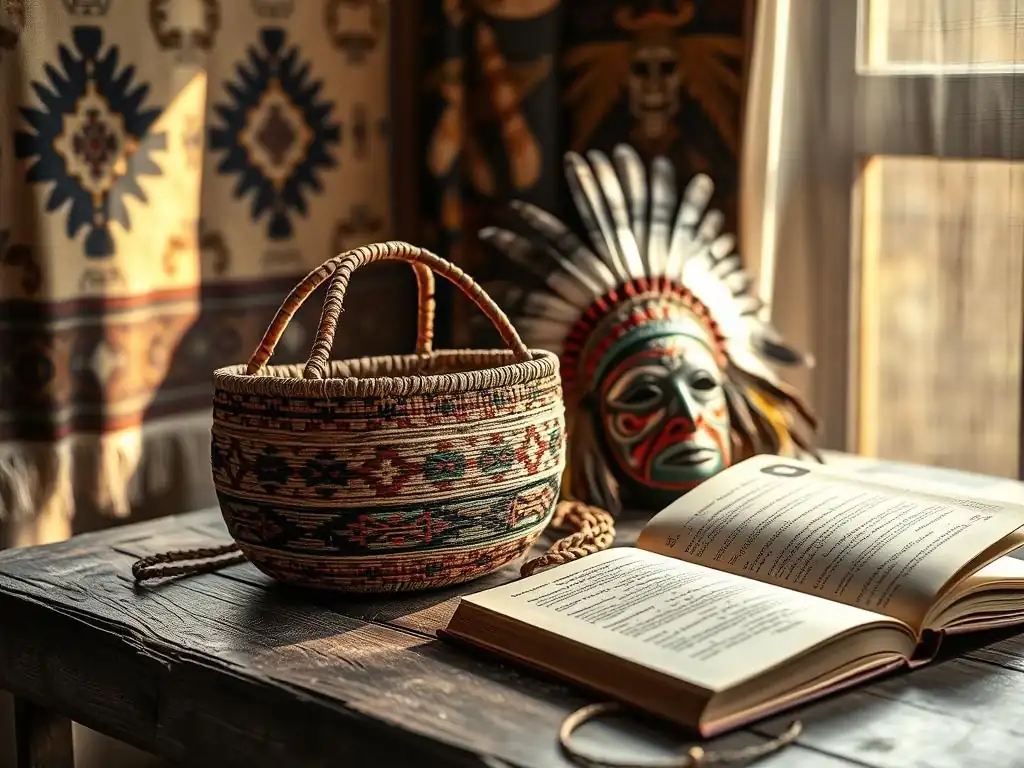
Indigenous cultural gifts hold profound significance, representing not only artistic expression but also the values, beliefs, and practices of the communities that create them. In the modern context, the interpretation and presentation of these gifts have evolved, often blending traditional techniques with contemporary aesthetics. This evolution reflects a broader movement toward celebrating and preserving indigenous heritage while making it accessible and relevant to today's audiences.
One of the most striking aspects of modern interpretations of indigenous cultural gifts is the emphasis on storytelling. Each piece often carries a narrative that connects the viewer to the cultural roots of the artisans. This storytelling aspect is increasingly important as it fosters a deeper understanding of the traditions and histories that inform the art. For example, contemporary beadwork may not only serve as decoration but also incorporate motifs and symbols that convey ancestral stories, spiritual beliefs, or significant events.
Contemporary Artists Reviving Indigenous Gift Traditions
Contemporary artists play a crucial role in reviving and reinterpreting indigenous gift traditions. Many of these artists draw inspiration from their cultural heritage, using traditional methods while incorporating contemporary themes and materials. This fusion of old and new allows them to create works that resonate with a diverse audience while remaining rooted in their cultural identity.
- Innovative Techniques: Artists such as Nikita Kadan and Lily Hope have embraced traditional techniques, like weaving and carving, and reimagined them in modern contexts. For instance, Kadan's installations often include elements that critique societal issues, using traditional forms to challenge contemporary viewpoints.
- Cultural Resurgence: The resurgence of interest in indigenous cultural gifts is often linked to movements advocating for indigenous rights and recognition. Artists like Ruth Cuthand use their platforms to address historical injustices while celebrating their heritage through vibrant pieces.
- Collaborative Projects: Collaborative initiatives, such as The Indigenous Design Collective, bring together artists from various tribes to create unique pieces that reflect collective experiences and cultural narratives. These collaborations highlight the communal aspect of indigenous traditions, where gift-giving is a means of fostering relationships and solidarity.
By emphasizing these aspects, contemporary artists not only preserve traditional practices but also infuse them with new life, ensuring their relevance in today's society.
Purchasing Indigenous Cultural Gifts: What to Look For
When considering the purchase of indigenous cultural gifts, it's essential to approach the process with respect and understanding. Here are key factors to keep in mind:
- Authenticity: Ensure that the gift is created by an indigenous artisan or community. Authentic pieces often come with certifications or provenance that detail the artist's background and the cultural significance of the work.
- Look for Labels: Authentic items may have labels or tags indicating the tribe, artist, or cultural significance.
- Cultural Significance: Understand the meaning behind the gift. Many indigenous gifts carry specific cultural or spiritual meanings, which can enhance the gift's value and importance.
- Ask Questions: If purchasing from a gallery or market, inquire about the story behind the piece. Knowledgeable sellers can provide insights into the cultural relevance and techniques used.
- Materials Used: Pay attention to the materials. Many indigenous artisans use locally sourced and natural materials, which not only reflect sustainability but also connect the piece to the land and culture.
- Support Ethical Practices: Purchasing directly from indigenous artists or cooperatives ensures that the artisans receive fair compensation for their work. This practice supports economic sustainability within indigenous communities.
- Respect Cultural Traditions: Be mindful of how the gifts are used and shared. Some items may have sacred meanings or rituals associated with them, and it’s important to honor these traditions.
By considering these aspects, buyers can appreciate the depth and significance of indigenous cultural gifts while supporting the artisans and communities behind them. Each gift is not just an object; it is a piece of history, culture, and identity that deserves recognition and respect.
The Impact of Indigenous Cultural Gifts on Society
Indigenous cultural gifts serve as vital conduits of history, tradition, and identity. The significance of these gifts extends beyond mere artifacts; they embody the rich narratives and communal values of indigenous peoples. By understanding the impact of these gifts, we can appreciate their role in fostering cultural continuity and societal enrichment.
Cultural Appreciation vs. Cultural Appropriation
In the discourse surrounding indigenous cultural gifts, it is crucial to differentiate between cultural appreciation and cultural appropriation.
- Cultural Appreciation involves a respectful understanding and recognition of another culture's practices and artifacts. It is characterized by:
- Respectful Engagement: Individuals seek to learn about the cultural significance of the gift.
- Support for Indigenous Communities: Purchasing gifts from indigenous artisans ensures that the artists are compensated fairly and that funds support their communities.
- Promotion of Authentic Narratives: Appreciators often amplify indigenous voices, sharing the stories behind the gifts.
- Cultural Appropriation, on the other hand, is a problematic practice that exploits elements of a culture without permission or understanding. It may manifest through:
- Misrepresentation: Using indigenous symbols or designs without acknowledgment of their meanings.
- Commercialization: Selling indigenous-inspired products without benefiting the original creators.
- Stereotyping: Reducing a rich cultural identity to mere aesthetic elements, stripping away their significance.
To foster genuine appreciation, it is essential that individuals engage with indigenous cultures in ways that honor their histories and contributions. Recognizing the indigenous cultural gifts significance allows for a more meaningful dialogue about heritage and identity.
How Indigenous Cultural Gifts Foster Community and Connection
Indigenous cultural gifts are not merely objects; they are vital expressions of community and connection. These gifts often embody shared traditions, narratives, and values that strengthen bonds within indigenous societies.
- Symbol of Identity:
- Many indigenous gifts, such as traditional clothing, jewelry, or crafts, symbolize personal and communal identity. They serve as reminders of heritage, instilling pride among community members.
- Shared Experiences:
- Gifts are often exchanged during significant cultural events and ceremonies. This practice fosters a sense of belonging and shared experience, enhancing social cohesion.
- Intergenerational Learning:
- The creation and gifting of cultural artifacts promote the transmission of knowledge from elders to younger generations. This exchange is crucial for preserving traditions and instilling values related to cultural identity.
- Strengthening Relationships:
- Engaging in the practice of gifting builds and reinforces relationships both within and outside the community. When individuals choose to gift indigenous crafts, they express solidarity and respect for indigenous culture.
- Cultural Resilience:
- By sharing and celebrating their cultural gifts, indigenous groups assert their identity and resilience in the face of historical challenges. This act of sharing fosters awareness and appreciation among broader audiences, contributing to a more inclusive society.
The significance of indigenous cultural gifts transcends their physical presence. They encapsulate the essence of community connection, resilience, and cultural identity, enriching both indigenous and non-indigenous societies alike. Understanding and respecting this significance is crucial for fostering genuine appreciation and support for indigenous cultures.
Frequently Asked Questions
What are indigenous cultural gifts?
Indigenous cultural gifts are artifacts, traditions, and practices that embody the values and histories of various indigenous cultures. These gifts often reflect a deep connection to nature, community, and spirituality.
Why is the significance of indigenous cultural gifts important?
The significance of these gifts lies in their ability to convey important cultural narratives and promote understanding of indigenous peoples' contributions to the world. They help in preserving heritage and fostering respect for diversity.
How do indigenous cultural gifts impact contemporary society?
Indigenous cultural gifts play a crucial role in promoting cultural awareness and education about indigenous histories. They contribute to dialogue between cultures and can inspire social justice movements.
What role do storytelling and oral traditions play in indigenous cultures?
Storytelling and oral traditions are essential for preserving knowledge, values, and history within indigenous communities. They serve as a means to pass down wisdom and maintain a connection to ancestors.
How can individuals support the preservation of indigenous cultural gifts?
Individuals can support preservation efforts by educating themselves about indigenous cultures, purchasing authentic goods, and advocating for the rights of indigenous peoples. Engaging with these communities respectfully fosters sustainability and appreciation.
Final Reflection: The Enduring Significance of Indigenous Cultural Gifts
The exploration of indigenous cultural gifts reveals their profound significance in today’s world, reminding us that these gifts are not merely objects, but vessels of history, identity, and resilience. In an era where globalization often overshadows local traditions, understanding the depth of these cultural artifacts is crucial for fostering respect and appreciation for indigenous communities. The stories woven into these gifts challenge us to recognize the importance of cultural heritage in shaping our collective identity and social fabric.
The impact of indigenous cultural gifts extends far beyond their physical presence; they serve as a bridge connecting generations and promoting dialogue among diverse cultures. These gifts encourage us to reflect on our own cultural narratives and the ways in which we honor and share them. As the renowned author and activist, Vine Deloria Jr., once said, The past is not dead; it is not even past.
This sentiment resonates deeply as we acknowledge that the stories behind these gifts continue to influence contemporary society, urging us to engage with and learn from the wisdom of indigenous peoples.
As we conclude this exploration, I invite you to reflect on the significance of indigenous cultural gifts in your own life. Consider how you can honor these stories and the communities they represent, whether through advocacy, education, or personal connection. By embracing the lessons embedded in these gifts, we can contribute to a more inclusive and respectful understanding of cultural diversity, ensuring that the voices of indigenous peoples are heard and celebrated in our shared narrative.
Embrace and Celebrate Indigenous Stories Today!
Thank you for taking the time to explore the rich meanings behind Indigenous cultural gifts. Your interest brings these vibrant stories to life and honors the heritage they represent. Now, let’s take action to celebrate and share these narratives in our communities!
Here are some meaningful ways you can connect further with Indigenous cultures:
- Join a local workshop to create or learn about Indigenous crafts, fostering a deeper appreciation for their storytelling traditions.
- Share your favorite cultural story on social media to inspire others and create a dialogue around Indigenous narratives.
- Support Indigenous artists and organizations by purchasing their crafts or donating to initiatives that promote and preserve their cultural heritage.
How will you contribute to preserving and promoting Indigenous stories in your community?