
EcoFriendly and Ethical: Sustainable Gift Ideas Rooted in Indigenous Traditions

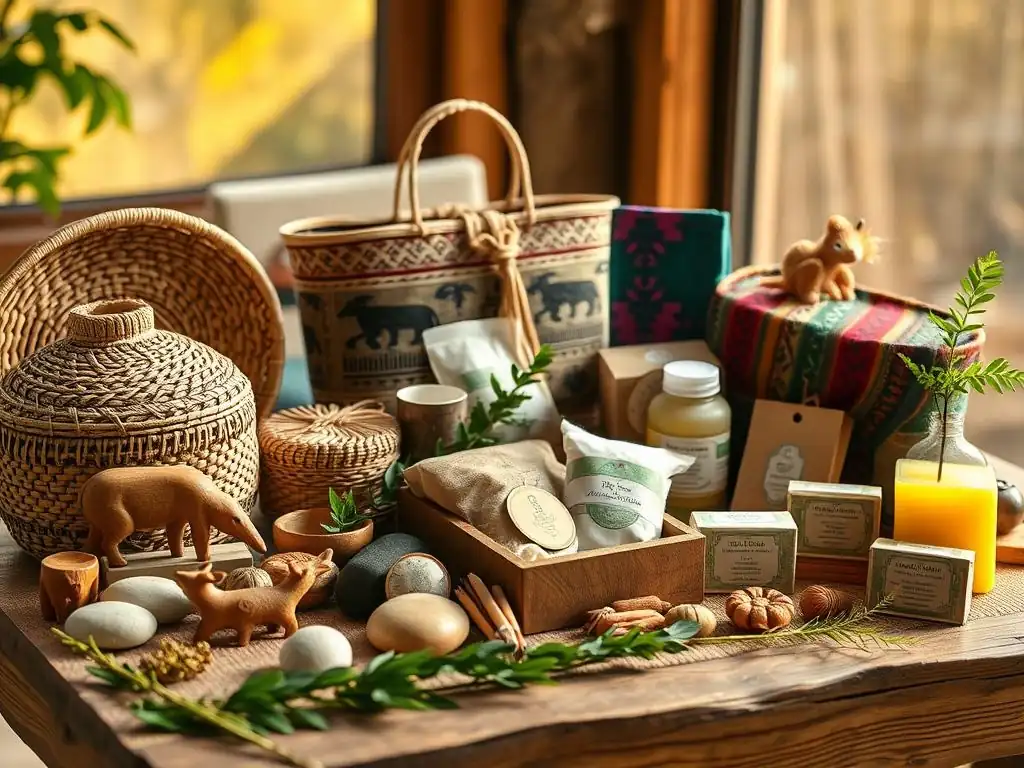
Welcome to Indigenous Civilizations of the Americas, where we invite you to embark on a journey through the rich tapestry of indigenous cultures that flourished long before European footsteps touched these lands. Here, you will uncover the beauty and significance of sustainable Indigenous gift ideas, a testament to the creativity and wisdom embedded in these traditions.
As you explore our latest article, "EcoFriendly and Ethical: Sustainable Gift Ideas Rooted in Indigenous Traditions," prepare to be inspired by the artistry and ethical craftsmanship that not only honors the past but also nurtures our present and future. Dive deeper and discover how these meaningful gifts can connect you to a legacy that transcends time.
- Introduction to Sustainable Indigenous Gift Ideas
- The Significance of Sustainable Indigenous Gift Ideas
- Top Sustainable Indigenous Gift Ideas
- How to Choose the Right Sustainable Indigenous Gifts
- Supporting Indigenous Communities through Your Purchases
- Conclusion: Embracing Sustainable Indigenous Gift Ideas
-
Frequently Asked Questions
- What are some sustainable gift ideas inspired by Indigenous traditions?
- How do Indigenous practices promote sustainability?
- Why is it important to choose ethical gifts from Indigenous cultures?
- How can I ensure that my gift is truly sustainable and not just a trend?
- Where can I find more information about Indigenous gift ideas and their cultural significance?
- Final Reflection: Embracing Sustainability Through Indigenous Wisdom
- Unleash the Spirit of Giving Responsibly!
Introduction to Sustainable Indigenous Gift Ideas
In a world increasingly concerned with environmental sustainability and ethical consumerism, the search for sustainable gift ideas has gained significant momentum. This article delves into sustainable Indigenous gift ideas, highlighting how these gifts not only celebrate the rich traditions of Indigenous cultures but also embody principles of ecological mindfulness and ethical craftsmanship. By embracing the artistry and wisdom of Indigenous peoples, we can honor their heritage while promoting a more sustainable future.
Indigenous civilizations across the Americas have long practiced resource stewardship and sustainable living, weaving these principles into their cultural expressions. As we explore various gift options inspired by these traditions, it is essential to understand their cultural significance and the ethical implications of choosing such gifts. This understanding enriches our appreciation for the craftsmanship involved and fosters a deeper connection to the values that underpin these unique offerings.
Understanding the Importance of Eco-Friendly and Ethical Gifts
The movement towards eco-friendly and ethical gifting is rooted in a desire to reduce environmental impact and promote social justice. As consumers become more conscious of the origins of their purchases, the demand for gifts that are both sustainable and ethically made has surged. Here are some key reasons why selecting eco-friendly gifts is essential:
- Environmental Conservation: Sustainable gifts are often made from natural, biodegradable materials, reducing waste and pollution. This is particularly important as we face the challenges of climate change and habitat destruction.
- Support for Indigenous Communities: Purchasing gifts inspired by Indigenous traditions often means supporting local artisans and communities. This practice helps to preserve cultural heritage and provides economic opportunities for Indigenous peoples.
- Mindful Consumption: Choosing ethical gifts encourages a shift away from mass-produced items that contribute to environmental degradation. Instead, consumers can opt for unique, handcrafted items that tell a story and have a meaningful impact.
- Promotion of Traditional Knowledge: Many Indigenous cultures possess extensive knowledge about sustainable practices and natural resources. By embracing their traditions, we not only learn from their wisdom but also help to keep their cultures alive.
The Role of Indigenous Traditions in Sustainable Gift-Making
Indigenous traditions are deeply intertwined with the natural world, emphasizing a harmonious relationship with the environment. This outlook is reflected in their craftsmanship, where materials are sourced responsibly, and cultural significance is placed on every item created. Here are some ways Indigenous traditions influence sustainable gift-making:
- Use of Natural Materials: Indigenous artisans often utilize materials that are locally sourced and renewable, such as wood, clay, and fibers. This practice minimizes ecological footprints and encourages sustainable harvesting methods.
- Cultural Significance: Many gifts carry profound meanings, representing stories, teachings, or ceremonies. By choosing these items, consumers engage with the cultural narrative and significance behind them.
- Handcrafted Quality: Unlike mass-produced items, Indigenous gifts are typically handcrafted, ensuring quality and uniqueness. Each piece reflects the skill and artistry of the maker, making it a cherished gift.
- Preservation of Techniques: Engaging with Indigenous craftsmanship helps to preserve traditional techniques that may be at risk of disappearing. Supporting these artisans ensures that their knowledge and skills are passed down through generations.
By exploring sustainable Indigenous gift ideas, we not only find unique and thoughtful presents but also contribute to a larger movement of respect for cultural heritage and environmental stewardship. As we navigate through this guide, let us appreciate the remarkable diversity and richness of Indigenous traditions that continue to inspire sustainable practices today.
The Significance of Sustainable Indigenous Gift Ideas

Sustainable Indigenous gift ideas hold immense significance as they not only promote environmental responsibility but also celebrate the rich cultural heritage of indigenous communities. By choosing gifts that are rooted in indigenous traditions, consumers support the preservation of ancient practices, ensuring they are passed down through generations. These gifts often reflect a deep connection to nature, embodying principles of sustainability and respect for the earth that many indigenous cultures have upheld for centuries.
Moreover, sustainable gifts often utilize locally sourced materials, minimizing the ecological footprint associated with production and transportation. This approach resonates with the growing demand for eco-conscious products and aligns with the values of those who prioritize ethical consumption. By opting for sustainable indigenous gifts, consumers contribute to the revival and maintenance of traditional crafts, which can be a source of pride and identity for indigenous artisans.
Celebrating Cultural Heritage through Eco-Friendly Gifts
Eco-friendly gifts inspired by indigenous traditions serve as a powerful medium to celebrate cultural heritage. These gifts often encapsulate the history, values, and artistry of the communities from which they originate. For instance, handcrafted items made from natural materials like clay, wood, or plant fibers are not only sustainable but also tell a story about the skills and traditions of the artisans.
Here are some examples of eco-friendly indigenous gifts:
- Handwoven Baskets: Traditionally crafted by indigenous artisans, these baskets are often made from natural fibers. Each basket tells a unique story, reflecting the techniques and patterns of the specific culture.
- Organic Herbal Remedies: Many indigenous cultures have a rich knowledge of plant-based healing. Gifting organic herbal products not only supports traditional practices but also promotes wellness.
- Artisan Pottery: Pottery made from local clay, decorated with traditional designs, can be a beautiful and functional gift that honors indigenous craftsmanship.
Such gifts not only bring beauty and utility into the home but also educate the recipient about the values and traditions of indigenous cultures, fostering greater appreciation and respect.
The Impact of Ethical Gift-Giving on Indigenous Communities
The practice of ethical gift-giving has profound implications for indigenous communities. When consumers choose sustainable indigenous gift ideas, they directly contribute to the economic stability of these communities. Artisans and craftsmen are often able to earn a fair wage for their work, which helps sustain their families and communities.
Furthermore, ethical gift-giving encourages the revival of traditional crafts that may otherwise be lost to modernization. This resurgence helps maintain cultural identity and pride among indigenous peoples.
- Economic Empowerment: By purchasing directly from indigenous artisans, consumers help create a sustainable economic model that supports local communities.
- Cultural Preservation: Ethical gift-giving fosters an environment where traditional skills can be passed down to younger generations, ensuring that cultural practices remain vibrant.
- Awareness and Education: Gifting items rooted in indigenous traditions raises awareness about the cultures and histories behind the products, promoting greater understanding and respect among broader audiences.
Embracing sustainable indigenous gift ideas not only enriches our lives with unique cultural items but also plays a vital role in supporting and uplifting indigenous communities. By making thoughtful purchasing decisions, we can contribute to a more equitable and sustainable world.
Top Sustainable Indigenous Gift Ideas
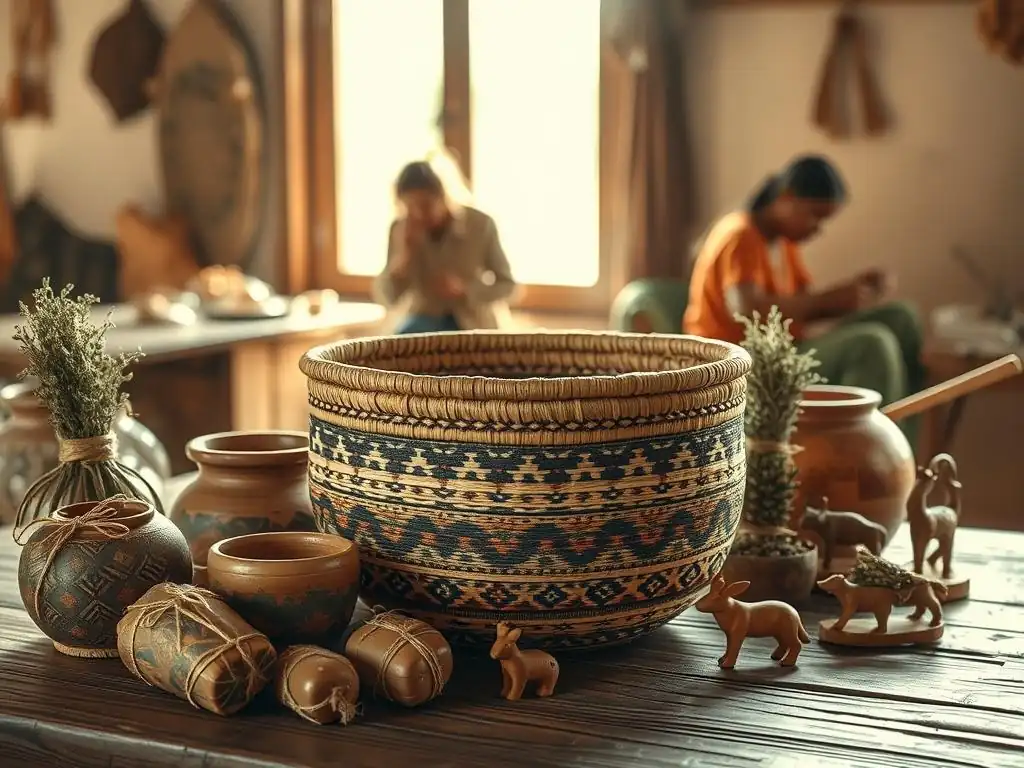
When looking for sustainable Indigenous gift ideas, it's essential to appreciate the rich cultural heritage and craftsmanship that defines the various Indigenous communities in the Americas. These gifts not only support artisans but also promote eco-friendly practices and cultural preservation. Below are some top choices that embody these values.
Handcrafted Native American Jewelry
Jewelry has always played a significant role in Indigenous cultures, serving not only as adornment but also as a symbol of identity and tradition. Handcrafted Native American jewelry is often made from ethically sourced materials, reflecting the natural beauty and cultural significance of the designs.
Features and Unique Benefits
- Cultural Significance: Each piece often tells a story, incorporating symbols and motifs that are deeply rooted in Indigenous history and beliefs.
- Sustainability: Many artisans use reclaimed materials and natural stones, minimizing environmental impact.
- Unique Craftsmanship: Handcrafted pieces are one-of-a-kind, ensuring that your gift is truly special and not mass-produced.
Here’s a brief overview of some popular materials used in Native American jewelry:
| Material | Description |
|---|---|
| Silver | Often used for its durability and beauty; symbolizes wealth and status. |
| Turquoise | A sacred stone, believed to bring protection and good fortune. |
| Coral | Used for its vibrant color; represents life and fertility. |
Recommended Artisans and Brands
- Navajo Arts and Crafts Enterprise: Known for authentic Navajo jewelry, this organization supports local artisans.
- Santa Fe Indian Market: An annual event showcasing a variety of Native American artists and their unique jewelry pieces.
- Yellowstone Art Museum: Features various Indigenous artists and offers a selection of handcrafted jewelry.
Organic and Fair-Trade Textiles
Textiles are another fantastic option for sustainable Indigenous gifts, showcasing the intricate weaving and dyeing techniques that have been passed down through generations. Organic and fair-trade textiles not only represent the artistic expression of Indigenous peoples but also provide economic support to these communities.
Types of Textiles
- Handwoven Rugs: Crafted using traditional methods, these rugs often feature vibrant patterns and colors that narrate cultural stories.
- Embroidered Fabrics: These textiles often include intricate designs that represent specific cultural symbols and are used in clothing and home decor.
- Natural Dye Fabrics: Made using plants and minerals, these fabrics emphasize sustainability and a connection to the land.
Where to Buy Sustainable Textiles
- The Indian Pueblo Cultural Center: Offers a variety of textiles created by Pueblo artisans.
- Ten Thousand Villages: This fair-trade retailer carries a selection of textiles made by Indigenous artisans throughout the Americas.
- Cultural Survival: A nonprofit organization that supports Indigenous communities by selling their handmade textiles and crafts.
Incorporating these sustainable Indigenous gift ideas into your shopping list not only supports the artisans but also honors the rich heritage and traditions they represent. By choosing gifts that are ethically sourced and culturally significant, you are contributing to the preservation of Indigenous cultures while providing meaningful presents to your loved ones.
Traditional Craft Kits Inspired by Indigenous Techniques
Traditional craft kits inspired by Indigenous techniques offer a unique way for individuals to connect with the rich cultural heritage of Indigenous peoples. These kits typically include materials and instructions to create items using time-honored practices, such as weaving, pottery, or beadwork. By engaging in these crafts, individuals not only learn valuable skills but also gain insights into the cultural significance behind each technique.
The creation process often emphasizes the use of natural materials, which fosters an appreciation for the environment and Indigenous stewardship practices. Crafting with traditional methods can be a meditative experience, encouraging mindfulness and creativity. Furthermore, many of these kits are produced by Indigenous artisans, ensuring that the profits support local communities and help preserve traditional knowledge.
Participating in these craft activities can also serve as a meaningful way to honor Indigenous cultures, making the experience both educational and respectful. By choosing such kits as gifts, you are sharing the beauty of Indigenous art while promoting sustainable practices and cultural understanding.
Benefits of Crafting with Nature
Crafting with nature has a multitude of benefits that extend beyond the immediate creation of art. Here are some key advantages:
- Promotes Environmental Awareness: Engaging with natural materials helps individuals recognize the importance of sustainability and environmental conservation.
- Enhances Creativity: Crafting stimulates creative thinking and problem-solving skills, allowing individuals to express themselves artistically.
- Encourages Mindfulness: The hands-on process of crafting can serve as a form of meditation, reducing stress and promoting mental well-being.
- Fosters Community: Crafting can be a communal activity, bringing together individuals to share stories, techniques, and cultural knowledge.
By embracing these benefits, crafting with nature becomes not just a hobby, but a way to connect with heritage and community.
Suggested Kits
Here are some suggested kits that embody sustainable Indigenous gift ideas:
- Beadwork Kits: These often include natural beads and threads, allowing recipients to create beautiful jewelry while learning about the significance of beadwork in various Indigenous cultures.
- Weaving Kits: Featuring traditional looms and natural fibers, these kits provide the materials necessary to create intricate woven items, reflecting the weaving traditions of Indigenous peoples.
- Pottery Kits: With clay sourced from local environments, these kits allow individuals to craft pottery using ancient techniques that honor the traditions of Indigenous pottery makers.
- Nature Journal Kits: These kits encourage outdoor exploration and creativity, featuring eco-friendly paper and natural dyes for making personalized journals.
Organic Herbal Remedies and Natural Products
Organic herbal remedies and natural products rooted in Indigenous traditions provide a sustainable gift option that promotes health and well-being. These products often incorporate native plants and herbs, which have been used for centuries by Indigenous communities for their medicinal properties. By choosing organic and ethically harvested items, consumers support sustainable practices and respect for traditional knowledge.
Indigenous wisdom in health and wellness emphasizes a holistic approach, integrating physical, emotional, and spiritual well-being. This perspective recognizes the interconnectedness of all living things and the importance of maintaining balance with nature. Products derived from this wisdom not only offer health benefits but also serve as a reminder of the rich cultural heritage from which they originate.
Indigenous Wisdom in Health and Wellness
Indigenous wellness practices are deeply connected to the natural world, emphasizing the use of plants and natural remedies for healing. Some key principles include:
- Holistic Healing: Indigenous approaches consider the whole person—body, mind, and spirit—when addressing health concerns.
- Cultural Significance: Many herbal remedies have specific cultural meanings and uses, which are passed down through generations, preserving important ancestral knowledge.
- Sustainable Practices: Ethical harvesting of plants ensures that these natural resources are available for future generations, promoting biodiversity and ecosystem health.
By incorporating Indigenous wisdom into modern health practices, individuals can gain insights into alternative healing methods that are both effective and respectful of traditional practices.
Recommended Products
Here are some recommended organic herbal remedies and natural products:
- Wildcrafted Herbal Teas: These teas are made from plants that are sustainably harvested from their natural habitats, offering a flavorful way to experience the benefits of traditional herbs.
- Native Plant Salves: Formulated using Indigenous plant knowledge, these salves offer natural solutions for skin care, utilizing ingredients like beeswax and infused oils.
- Essential Oils: Derived from native plants, these oils can be used for aromatherapy, promoting relaxation and wellness through natural scents.
- Herbal Bath Soaks: Combining various herbs known for their soothing properties, these bath products offer a luxurious way to experience Indigenous herbal traditions.
These products not only make thoughtful gifts but also serve as a bridge to understanding the rich tapestry of Indigenous health practices.
How to Choose the Right Sustainable Indigenous Gifts
Factors to Consider When Selecting Eco-Friendly Gifts
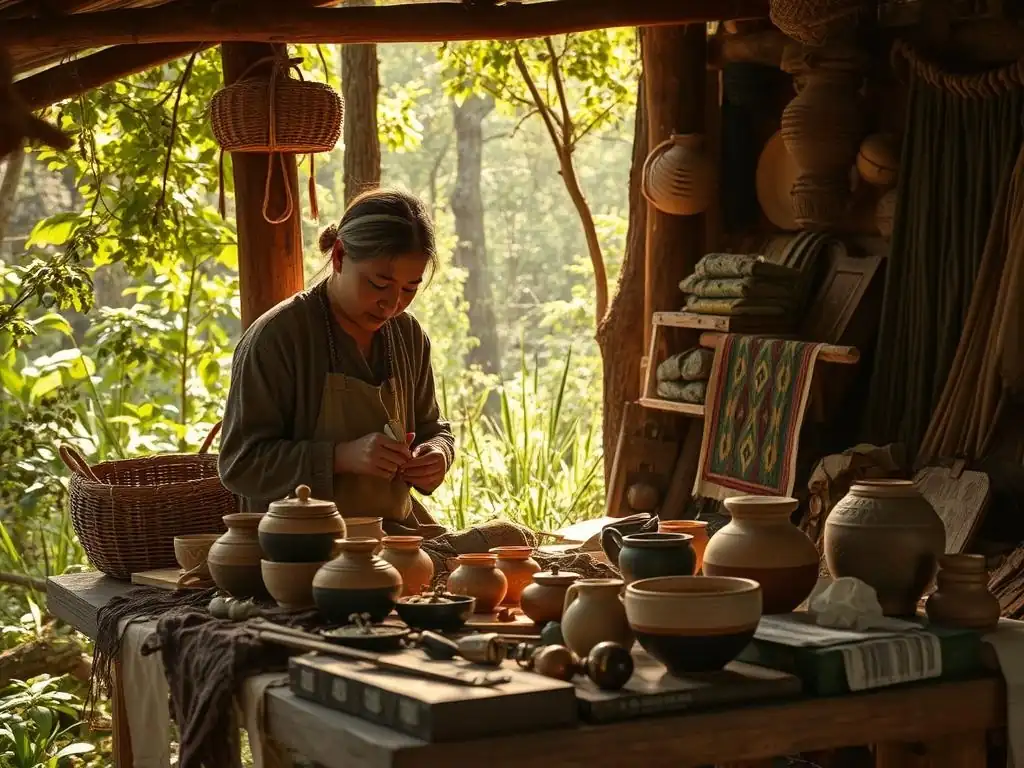
Choosing sustainable Indigenous gifts requires careful consideration to ensure that the gifts not only reflect the rich cultural heritage of Indigenous peoples but also align with ethical and sustainable practices. Here are key factors to keep in mind:
Cultural Significance and Authenticity
When selecting a gift, it is essential to understand its cultural significance. Many Indigenous gifts are imbued with meaning and traditions that reflect the values and beliefs of the community. Here are some points to consider:
- Research the Origin: Learn about the specific Indigenous group that produced the item. Each community has unique traditions, materials, and techniques that contribute to the authenticity of their crafts.
- Engage with Artisans: Whenever possible, purchase directly from Indigenous artisans or cooperatives. This not only ensures that the gift is authentic but also supports the artists and their communities.
- Ask Questions: Don’t hesitate to inquire about the story behind the item. Understanding its significance can enhance the gift's value and meaning for the recipient.
Quality and Sustainability of Materials
The materials used in Indigenous crafts are often natural and sustainably sourced. Here are some aspects to consider:
- Material Sourcing: Look for gifts made from locally sourced materials, such as wood, stone, textiles, or natural dyes. This reduces environmental impact and supports local ecosystems.
- Durability: Choose items that are not only beautiful but also durable. High-quality craftsmanship typically results in gifts that last and can be cherished for generations.
- Eco-Friendly Practices: Ensure that the artisans adhere to sustainable practices in their production processes. This includes minimizing waste, using renewable resources, and employing eco-friendly techniques.
Gift Ideas for Different Occasions
Indigenous gift ideas can be tailored to suit various occasions, providing meaningful and unique options for loved ones. Here are some suggestions:
Birthdays, Holidays, and Special Celebrations
For special occasions, consider gifts that celebrate the uniqueness of your relationship with the recipient while honoring Indigenous traditions. Here are some ideas:
- Handcrafted Jewelry: Look for pieces that incorporate traditional designs or materials, such as silver or semi-precious stones, which often carry cultural significance.
- Artisan Textiles: Select blankets, bags, or clothing made from natural fibers that showcase Indigenous patterns and techniques. These items not only serve practical purposes but also tell a story.
- Ceremonial Items: For those who appreciate spirituality or cultural practices, consider gifting items like dream catchers, prayer feathers, or drums, each symbolizing different aspects of Indigenous beliefs.
- Home Décor: Unique carvings, pottery, or woven baskets can serve as beautiful decorative pieces that reflect Indigenous artistry. These gifts can add cultural depth to any living space.
By choosing sustainable Indigenous gifts that are both meaningful and ethically sourced, you not only honor the traditions of Indigenous cultures but also contribute to a more sustainable and respectful world.
Supporting Indigenous Communities through Your Purchases

The Importance of Ethical Sourcing
Ethical sourcing is a crucial aspect when seeking sustainable Indigenous gift ideas. It involves procuring goods in a manner that respects the rights and traditions of Indigenous peoples while also ensuring that they receive fair compensation for their craftsmanship. This practice is essential not only for the economic empowerment of these communities but also for the preservation of their cultural heritage.
When gifts are sourced ethically, they often come directly from Indigenous artisans and creators, allowing for a direct flow of income to these communities. This connection fosters a deeper understanding and appreciation of the cultural significance behind each item. By choosing ethically sourced products, consumers play a pivotal role in supporting traditional practices and empowering Indigenous artists.
Moreover, ethical sourcing promotes sustainable practices that are vital for the environment. Many Indigenous cultures have a profound understanding of their ecosystems, and their artisanal methods often reflect a commitment to sustainability. This means that gifts made through these practices are often eco-friendly, using natural materials and traditional techniques that minimize environmental impact.
Key Benefits of Ethical Sourcing:
- Economic Empowerment: Direct financial support to Indigenous communities.
- Cultural Preservation: Encouragement of traditional craftsmanship and cultural practices.
- Environmental Sustainability: Use of eco-friendly materials and methods.
As consumers become more conscious of the impact of their purchases, the demand for ethically sourced Indigenous products continues to rise. This trend not only benefits Indigenous communities but also educates a broader audience about their rich cultural heritage.
Examples of Brands Committed to Indigenous Empowerment
Several brands stand out for their commitment to Indigenous empowerment through sustainable practices. Here are a few noteworthy examples:
-
Native American Heritage Association (NAHA)
NAHA provides a platform for Indigenous artisans to sell their crafts, ensuring that proceeds directly benefit the creators. Their offerings range from traditional beadwork to handmade clothing, all rooted in cultural significance.
-
Sundance Catalog
This brand collaborates with Indigenous artists to create unique pieces that reflect their heritage. By purchasing from Sundance, consumers are directly contributing to the preservation of Indigenous art forms while ensuring fair wages for the artists.
-
Indigenous Design
Focused on promoting Indigenous fashion and design, this brand partners with artists to create modern pieces that honor traditional aesthetics. They prioritize sustainable materials and ethical labor practices, making their products both stylish and responsible.
-
Kanuu
An eco-conscious brand that works directly with Indigenous communities to produce sustainable clothing and accessories. Kanuu emphasizes the importance of cultural representation in their designs and supports community-based initiatives.
-
The Red Handshake
Specializing in handmade crafts from various Indigenous cultures, The Red Handshake ensures that artisans receive a fair share of the profits. Their products include jewelry, textiles, and home décor items that celebrate Indigenous heritage.
Conclusion
Supporting Indigenous communities through ethical sourcing not only enriches the lives of artisans but also enhances the cultural landscape for consumers. By choosing sustainable Indigenous gift ideas, individuals can contribute to a more equitable and respectful marketplace while celebrating the diverse traditions of Indigenous peoples. Embracing these practices fosters a deeper connection to the rich tapestry of history and culture that Indigenous communities represent.
Conclusion: Embracing Sustainable Indigenous Gift Ideas
In today's world, where environmental consciousness and cultural appreciation are paramount, embracing sustainable indigenous gift ideas serves as a meaningful way to honor both the planet and the rich heritage of indigenous peoples. These gifts not only reflect a deep respect for nature but also celebrate the unique artistry and traditions that have been passed down through generations. By choosing gifts that are rooted in indigenous practices, we contribute to the preservation of these cultures and support their communities.
Sustainable indigenous gift ideas often include handcrafted items that utilize local materials, embody traditional techniques, and carry significant cultural narratives. These gifts are not just material objects; they represent stories, histories, and connections to the land that are integral to indigenous identities. By opting for such gifts, we acknowledge the value of these traditions and the importance of sustainability in their creation.
The Lasting Impact of Thoughtful and Cultural Gift Choices
Choosing sustainable indigenous gifts creates ripples of positive impact, both environmentally and socially. Here are some reasons why thoughtful gift choices matter:
- Support for Indigenous Artisans: Purchasing gifts from indigenous artisans helps sustain their livelihoods and promotes economic self-sufficiency within their communities.
- Preservation of Cultural Heritage: Many indigenous crafts carry deep cultural significance and are often at risk of being lost. By choosing these items, we play a role in their preservation for future generations.
- Environmental Sustainability: Many indigenous practices emphasize harmony with nature. Gifts made from natural, non-toxic materials promote eco-friendliness and responsible consumption.
- Cultural Exchange: Gifting indigenous items fosters dialogue and understanding, allowing the recipient to learn about the culture and traditions behind the gift.
| Impact | Description |
|---|---|
| Economic Support | Helps sustain indigenous artisans and their communities. |
| Cultural Preservation | Aids in maintaining traditional crafts and practices. |
| Environmental Responsibility | Encourages the use of sustainable materials and practices. |
| Educational Value | Provides an opportunity to educate others about indigenous cultures. |
By consciously selecting gifts that embody these values, we not only enrich the lives of those we gift but also contribute to a more sustainable and culturally aware society.
Encouraging Others to Celebrate Indigenous Traditions
To further the appreciation of indigenous cultures, it is essential to encourage friends, family, and the broader community to explore and embrace sustainable indigenous gift ideas. Here are some practical ways to promote this celebration:
- Share Your Knowledge: Engage in conversations about the importance of indigenous cultures and the significance of sustainable practices. Share resources, stories, and personal experiences that highlight their contributions.
- Host Workshops or Events: Organize gatherings that focus on indigenous arts and crafts. Invite local artisans to demonstrate their techniques and explain the cultural relevance of their work. This hands-on experience can inspire others to appreciate and support these traditions.
- Create a Gift Guide: Develop a guide featuring local indigenous artisans and their sustainable products. Distributing this guide can help raise awareness and direct people to ethical purchasing options.
- Social Media Advocacy: Utilize social media platforms to showcase indigenous crafts and the artisans behind them. Share images, stories, and links to where these gifts can be purchased sustainably.
- Lead by Example: Make a commitment to give sustainable indigenous gifts for special occasions. Your choices can influence others to consider similar gift options, creating a cascading effect of appreciation and support.
By fostering a culture of respect and admiration for indigenous traditions and sustainable practices, we can collectively contribute to a more equitable and environmentally conscious world. Embracing sustainable indigenous gift ideas not only honors the rich heritage of these communities but also strengthens our connection to the environment and each other.
Frequently Asked Questions
What are some sustainable gift ideas inspired by Indigenous traditions?
Some great sustainable gift ideas include handmade artisan crafts, natural herbal remedies, and eco-friendly textiles that reflect Indigenous craftsmanship and values.
How do Indigenous practices promote sustainability?
Indigenous practices often emphasize a deep connection to nature, using resources in a way that respects the environment and maintains ecological balance, ensuring sustainability for future generations.
Why is it important to choose ethical gifts from Indigenous cultures?
Choosing ethical gifts supports Indigenous communities, promotes their cultural heritage, and encourages the preservation of their traditions, all while fostering economic empowerment.
How can I ensure that my gift is truly sustainable and not just a trend?
To ensure your gift is truly sustainable, research the origins of the product, verify the ethical practices of the maker, and look for certifications that indicate environmental responsibility.
Where can I find more information about Indigenous gift ideas and their cultural significance?
You can explore resources on websites dedicated to Indigenous cultures, such as the "Indigenous Civilizations of the Americas," which provide insights into the achievements and traditions of these communities.
Final Reflection: Embracing Sustainability Through Indigenous Wisdom
In a world increasingly aware of the environmental crisis, the importance of sustainable Indigenous gift ideas resonates more than ever. As we navigate the complexities of consumerism, it becomes crucial to recognize the value of gifts that not only honor our loved ones but also respect the earth and its original stewards. The intersection of sustainability and Indigenous traditions offers a profound way to celebrate our connections while fostering a deeper appreciation for the cultural heritage that has long prioritized harmony with nature.
Cultural practices rooted in Indigenous traditions are not just relics of the past; they are living legacies that continue to shape our social landscape today. The sustainable gift ideas we explored serve as a bridge between generations, reminding us of the wisdom embedded in these practices. As we choose gifts that reflect this ethos, we participate in a larger movement towards ethical consumption and environmental stewardship. We do not inherit the earth from our ancestors; we borrow it from our children.
This quote encapsulates the responsibility we hold to ensure that our choices today contribute to a healthier planet for future generations.
As you reflect on the insights shared in this article, I invite you to consider how you can incorporate these sustainable Indigenous gift ideas into your own life. Let each gift you give be a testament to your commitment to the environment and a celebration of Indigenous cultures. By choosing thoughtfully, we can transform our gifting practices into acts of love that honor both our relationships and the planet. Together, let’s embrace this journey towards sustainability, ensuring that our choices today pave the way for a brighter, more equitable tomorrow.
Unleash the Spirit of Giving Responsibly!
Thank you for exploring our article on sustainable gift ideas rooted in Indigenous traditions. We hope you found inspiration to give gifts that not only bring joy but also honor the environment and Indigenous cultures. Now, it’s time to take meaningful action and make a positive impact with your gifting choices!
Here’s how you can get started:
- Embrace Indigenous Artistry: Consider purchasing gifts directly from Indigenous artisans. This not only supports their craft but also helps preserve unique cultural traditions.
- Share the Love: Spread awareness by sharing this article with friends and family. Inspire them to choose ethical gifts that make a difference.
- Explore Local Markets: Visit Indigenous markets or events in your area to discover wonderful, sustainable gifts while connecting with your community.
What’s one ethical gift you plan to give this season that reflects your commitment to sustainability?