
The Impact of Disease on Cultural Knowledge and Heritage Preservation

Welcome to Indigenous Civilizations of the Americas, where we delve into the rich tapestry of cultures that flourished long before European colonization. In our featured article, “The Impact of Disease on Cultural Knowledge and Heritage Preservation,” we unravel the profound effects that disease had on indigenous communities and their invaluable contributions to society. As we explore this pivotal chapter in history, you’ll discover how these challenges shaped cultural legacies that continue to resonate today. Join us on this enlightening journey to uncover the resilience and enduring spirit of indigenous civilizations—there's much more to learn beyond the surface!
- Introduction to the Impact of Disease on Indigenous Cultures
- Historical Context of Disease Among Indigenous Cultures
- Mechanisms of Cultural Knowledge Loss Due to Disease
- Case Studies of Disease Impact on Specific Indigenous Cultures
- The Role of Cultural Heritage Preservation in the Face of Disease
- Modern Implications of Disease on Indigenous Cultures
- Conclusion: The Lasting Impact of Disease on Indigenous Cultures
-
Frequently Asked Questions
- What role did disease play in the decline of indigenous populations?
- How did disease affect the cultural knowledge of indigenous peoples?
- What were some specific diseases that impacted indigenous communities?
- How did indigenous cultures adapt in the face of disease?
- What is the lasting impact of disease on indigenous cultures today?
- Final Reflection: The Enduring Legacy of Disease on Indigenous Cultures
- Unleash the Power of Cultural Resilience!
Introduction to the Impact of Disease on Indigenous Cultures
The arrival of Europeans in the Americas marked a significant turning point in the history of indigenous cultures, a moment that was not only characterized by conquest and colonization but also by the devastating effects of disease. As European settlers brought with them unfamiliar pathogens, indigenous populations faced catastrophic health crises that resulted in dramatic declines in population and profound disruptions to their cultural practices.
Understanding the impact of disease on indigenous cultures is essential for comprehending the broader context of cultural knowledge and heritage preservation during this tumultuous period. Through exploring how disease influenced these societies, we gain insights into the resilience of indigenous peoples and the ongoing efforts to safeguard their cultural identities in the face of historical adversities.
Overview of Cultural Knowledge and Heritage Preservation
Cultural knowledge among indigenous peoples encompasses a rich tapestry of traditions, languages, rituals, and practices that have been passed down through generations. This knowledge is not merely a collection of historical facts; it represents a way of life, a connection to the land, and a framework for understanding the world. However, the spread of disease significantly compromised this heritage.
- Key Aspects of Cultural Knowledge:
- Languages: Many indigenous languages faced extinction as populations dwindled.
- Traditions: Rituals and practices struggled to be maintained without the community structures to support them.
- Environmental Knowledge: Understanding of local ecosystems became fragmented as communities were decimated.
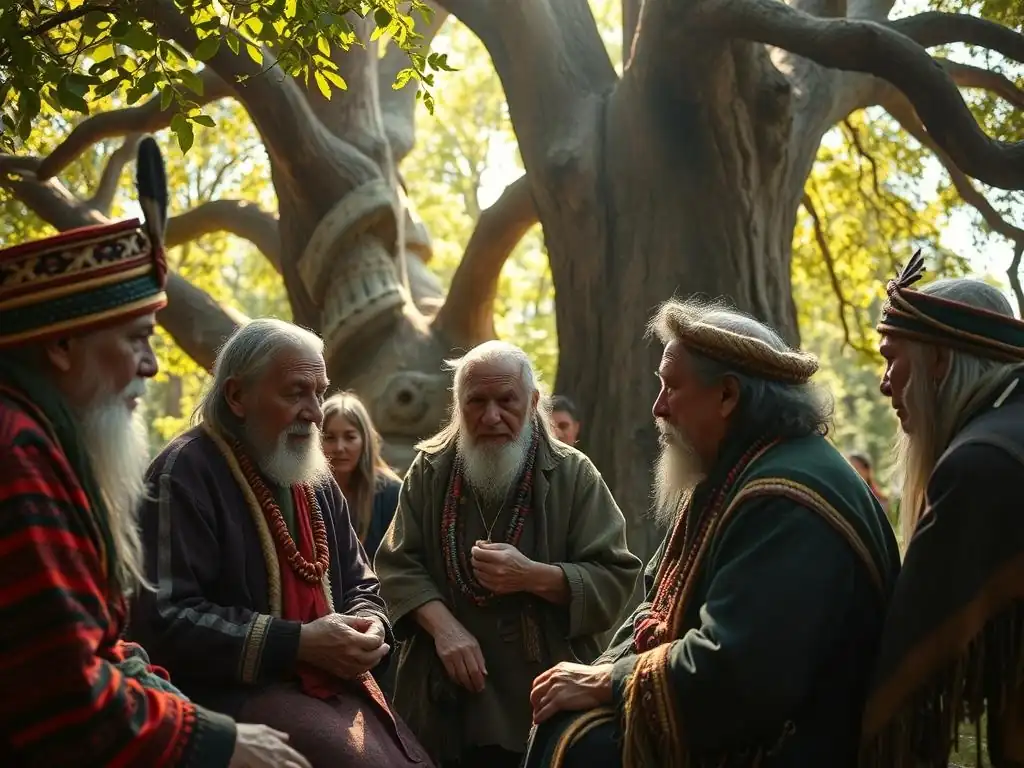
The loss of life due to disease not only resulted in the disappearance of individuals but also the erasure of collective cultural memory. As the elders—who traditionally served as the bearers of knowledge—passed away, vital cultural teachings and practices were often lost, leading to a significant gap in cultural continuity.
Significance of Studying Disease Effects on Indigenous Societies
The examination of how disease impacted indigenous societies is crucial for several reasons. First, it highlights the interconnectedness of health and culture, revealing how external factors can disrupt the very fabric of a society. Understanding these effects allows modern scholars and indigenous leaders to address ongoing challenges related to cultural preservation.
- Implications for Contemporary Indigenous Communities:
- Cultural Revitalization: Recognizing the historical losses can inform current efforts to revive languages and traditions.
- Health Disparities: Analyzing past experiences with disease sheds light on current health disparities within indigenous communities.
- Policy Development: Insights gained can influence policies aimed at supporting indigenous rights and heritage preservation.
By studying the impact of disease on indigenous cultures, we not only honor those who suffered but also empower contemporary communities to reclaim and preserve their cultural identity in an ever-changing world. This critical examination serves as a reminder of the resilience of indigenous peoples and the importance of safeguarding their cultural heritage for future generations.
Historical Context of Disease Among Indigenous Cultures
Pre-Columbian Health and Disease Landscape
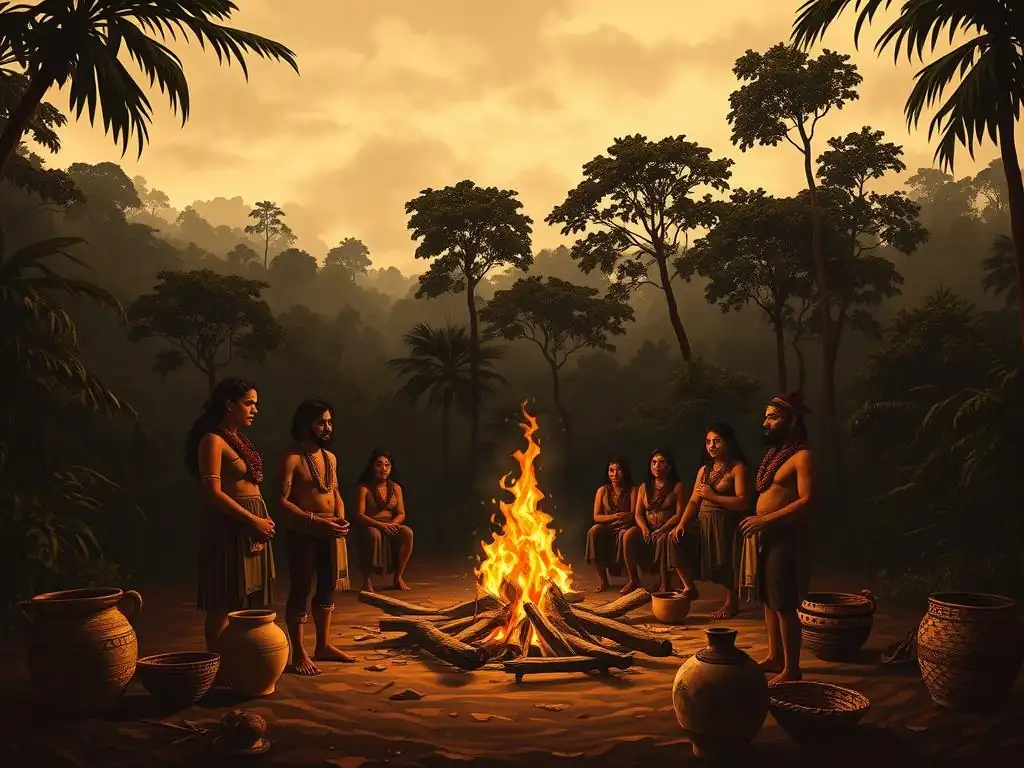
Before the arrival of Europeans, indigenous cultures across the Americas had their own distinct health practices and disease landscapes. The pre-Columbian era saw a variety of health conditions that were influenced by environmental factors, cultural practices, and social structures.
- Natural Immunity: Indigenous populations had developed natural immunity to many local pathogens, which were endemic to their regions. Diseases such as tuberculosis, syphilis, and various respiratory infections existed, yet their impact was often mitigated by traditional healing practices and community support systems.
- Medicinal Practices: The use of herbal remedies and holistic health approaches were prevalent. Indigenous healers utilized a vast knowledge of local flora and fauna to treat ailments, enabling communities to manage illnesses effectively. For instance, the use of willow bark for pain relief and sage for respiratory issues exemplifies this deep-rooted medicinal knowledge.
- Population Dynamics: Various indigenous groups lived in organized societies with defined roles and social structures, which influenced health outcomes. For example, the Inca had an extensive system of roads that facilitated trade and communication, promoting healthier lifestyles through the exchange of goods and information.
Despite these adaptations, the indigenous populations were not without their challenges in health management, as environmental stresses and localized epidemics occasionally disrupted communities.
Introduction of European Diseases: A Turning Point
The arrival of Europeans in the late 15th century marked a catastrophic turning point in the health landscape of indigenous cultures. European explorers and settlers brought with them a host of diseases to which indigenous peoples had no immunity, resulting in devastating consequences.
- Major Epidemics: Diseases such as smallpox, measles, and influenza swept through indigenous populations, often with mortality rates exceeding 90% in some communities. For example, the smallpox epidemic of the 16th century decimated populations in areas like Mexico and Peru, leading to significant demographic shifts and societal collapse.
- Cultural Disruption: The loss of life was not merely a demographic crisis; it also resulted in the erosion of cultural knowledge and practices. With the death of elders and healers, essential traditional knowledge about medicine, rituals, and social structures faced extinction, severely impairing the community's ability to recover and adapt.
- Legacy of Trauma: The psychological impact of these diseases extended beyond physical health. Indigenous cultures experienced profound trauma, with many communities grappling with the loss of language, traditions, and social cohesion. This loss is often reflected in oral histories and cultural narratives, which speak to the devastation wrought by disease.
The Role of Trade and Interaction in Disease Spread
Trade and interaction among indigenous cultures were pivotal in shaping the dynamics of disease spread prior to European contact. However, these networks took on new significance following the arrival of Europeans.
- Trade Networks: Indigenous groups engaged in extensive trade that connected distant societies. This interaction facilitated the exchange of goods, ideas, and, unfortunately, pathogens. For instance, trade routes allowed for the spread of localized diseases, as seen with the transmission of syphilis and other infections among various tribes before European contact.
- European Influence: The introduction of European trade goods, including livestock, further complicated the disease landscape. Animals such as pigs and cattle not only transformed indigenous agriculture but also served as vectors for diseases like anthrax and tuberculosis, further infecting human populations.
- Cultural Exchange: The initial exchange between indigenous peoples and Europeans led to complex interactions that often blurred the lines between trade and disease transmission. While trade initially provided opportunities for cultural enrichment, it ultimately contributed to the catastrophic spread of European diseases, which disrupted established social and cultural frameworks.
The impact of disease on indigenous cultures cannot be understated. The intersections of health, trade, and cultural knowledge were profoundly altered, leading to long-lasting effects that shaped the trajectory of indigenous societies in the Americas.
Mechanisms of Cultural Knowledge Loss Due to Disease
The impact of disease on indigenous cultures is profound and multifaceted, leading to significant losses in cultural knowledge and heritage. The mechanisms through which this occurs are varied, often intertwining with social, spiritual, and practical aspects of life within these communities. Understanding these mechanisms is crucial to grasp the extent of the cultural devastation that accompanied the spread of diseases following European contact.
Population Decline and Its Effects on Cultural Transmission
The most immediate and devastating effect of disease on indigenous cultures was the drastic decline in population. Epidemics such as smallpox, measles, and influenza swept through communities that had no prior exposure or immunity, leading to mortality rates that could exceed 90% in some areas. This catastrophic loss of life had several critical implications for cultural transmission:
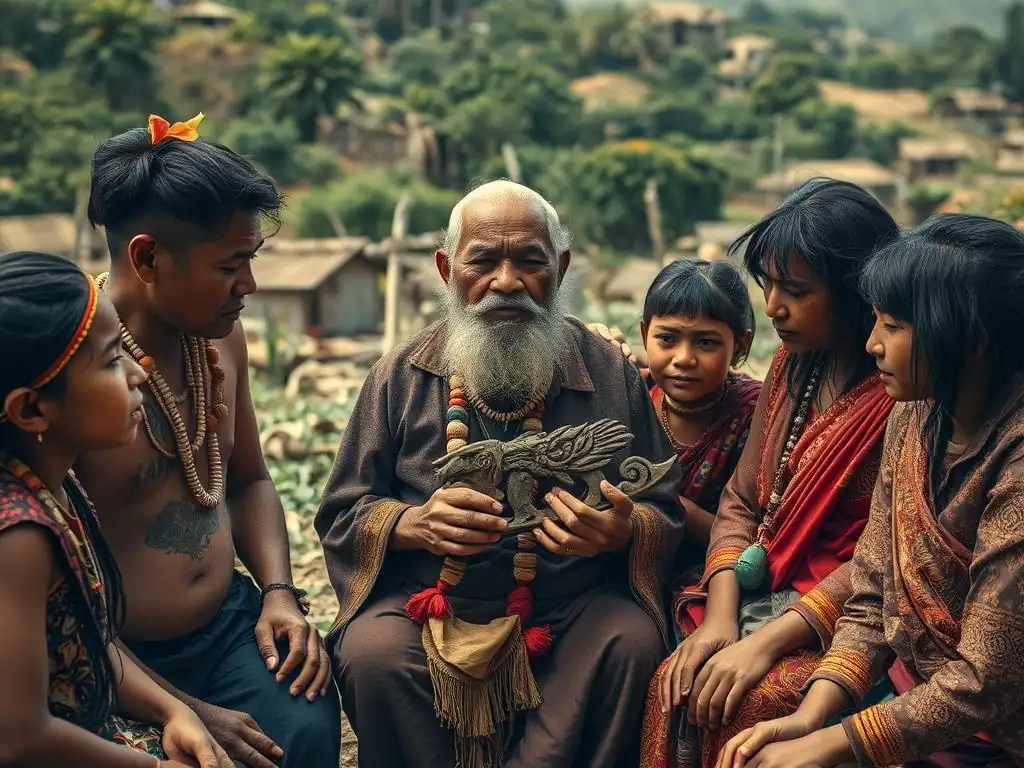
- Elderly and Knowledge Bearers: Many elders, who served as the custodians of traditional knowledge, were among the first to succumb to these diseases. The loss of these individuals meant the disappearance of essential teachings, rituals, and practices that were passed down through generations.
- Youth and Future Generations: With a significant reduction in the population, the youth were often left without mentors to guide them in their cultural practices. As a result, traditional knowledge systems faced severe disruptions, with little opportunity for younger generations to learn from those who had survived.
- Community Cohesion: The social fabric of indigenous communities was severely affected. As families were torn apart and communities fragmented due to disease, the communal practices that supported cultural knowledge and heritage preservation weakened.
This decline in population not only diminished the number of individuals capable of transmitting cultural practices but also eroded the very structures that supported cultural continuity.
Disruption of Traditional Practices and Knowledge Systems
With the onset of diseases, the disruption of traditional practices became evident. The following aspects highlight how disease impacted these systems:
- Rituals and Ceremonies: Many indigenous cultures rely on ritualistic ceremonies that mark important life events, agricultural cycles, and spiritual observances. The deaths and absences of key individuals who led these ceremonies resulted in incomplete or entirely lost practices. For example, in some tribes, funerary rituals that were essential for honoring the deceased could not be performed, leading to a spiritual disconnection and loss of cultural significance.
- Hunting and Gathering: Traditional subsistence practices were also affected as disease incapacitated whole communities. A diminished workforce meant that hunting, fishing, and gathering could not be sustained, disrupting the passing of knowledge related to these essential skills. This led to food shortages and further cultural destabilization as reliance on external sources increased.
- Artistic Expression: Cultural expressions, such as weaving, pottery, and music, are often taught through direct participation and communal involvement. The loss of participants capable of teaching these arts led to a decline in their practice, resulting in the erosion of distinctive cultural identities.
The disruption of these traditional practices not only impacted the immediate functionality of communities but also created a ripple effect that altered cultural landscapes for generations.
Loss of Language and Oral Histories
Language is a critical vessel for cultural knowledge, serving as a medium for storytelling, oral histories, and the transmission of traditions. The impact of disease severely threatened this linguistic heritage:
- Decline in Speakers: As populations dwindled, the number of fluent speakers of indigenous languages decreased. Many languages, particularly those with fewer speakers, faced extinction. The loss of language directly correlates with the loss of unique worldviews, traditions, and knowledge systems embedded within those languages.
- Oral Traditions and Knowledge: Indigenous peoples often rely on oral histories to convey their cultural narratives, teachings, and histories. With the passing of elders and knowledgeable individuals due to disease, many of these oral traditions were lost forever. For instance, creation stories, historical accounts, and life lessons that shaped community identities were not recorded in written form, leading to irrevocable gaps in cultural knowledge.
- Intergenerational Transmission: Language loss also impacts the ability of future generations to connect with their heritage. Without a robust framework for passing down language and stories, younger members of the community may struggle to identify with their cultural roots.
The impact of disease on indigenous cultures manifested in the loss of language and oral histories, further contributing to the erosion of cultural knowledge and identity within affected communities. The interplay of population decline, disruption of traditional practices, and language loss illustrates the complex mechanisms through which disease altered the cultural landscape of indigenous societies in the Americas.
Case Studies of Disease Impact on Specific Indigenous Cultures
The Aztecs: Smallpox and the Collapse of a Civilization
The arrival of the Spanish in the early 16th century marked a catastrophic turning point for the Aztec civilization, primarily due to the introduction of smallpox. This disease, previously unknown to the indigenous populations of the Americas, had devastating effects on their society. The first recorded outbreak occurred in 1519, coinciding with the Spanish conquest led by Hernán Cortés.
- Population Decline: Estimates suggest that smallpox reduced the Aztec population by as much as 90% within just a few years. This dramatic decline weakened their societal structure, as the loss of leadership, skilled artisans, and warriors created a vacuum that was exploited by the Spanish forces.
- Cultural Disruption: The disease not only decimated the population but also disrupted the transmission of cultural knowledge and practices. Elders, who were the keepers of history and traditions, perished, leading to a significant loss of oral traditions and rituals that were integral to Aztec identity.
- Religious Consequences: The Aztecs had a complex belief system centered around their gods. The epidemic was often interpreted as a sign of divine disfavor, causing further social unrest. The disruption of religious ceremonies diminished the cultural cohesion that had previously bound the community together.
The Incas: Disease and the Fall of an Empire
The Inca Empire, the largest empire in pre-Columbian America, faced a similar fate with the introduction of diseases like smallpox and measles. These diseases spread rapidly through the empire, which extended along the western coast of South America.
- Smallpox Outbreaks: Prior to the arrival of the Spanish, a smallpox epidemic struck the Inca Empire in the early 1530s. This outbreak decimated the population, including the Inca emperor Huayna Capac, leading to a power struggle among his heirs.
- Civil War and Fragmentation: The weakened state of the Inca Empire due to disease contributed to internal conflicts, particularly the civil war between Atahualpa and Huáscar. This fragmentation made it easier for Spanish conquistadors to conquer the region.
- Loss of Knowledge: The Inca civilization was known for its sophisticated knowledge of agriculture, architecture, and engineering. The death of many skilled laborers and leaders resulted in the abandonment of crucial agricultural techniques and the decline of architectural projects, leading to a loss of cultural identity.
North American Tribes: Effects of Epidemics on Cultural Practices
In North America, various tribes experienced the devastating effects of European diseases, resulting in profound changes to their cultural practices and social structures.
- Widespread Epidemics: Tribes such as the Powhatan, Pequot, and Iroquois faced epidemics of smallpox, influenza, and tuberculosis. These diseases spread through trade routes and during interactions with European settlers, leading to significant population declines.
- Cultural Practices Altered: The loss of large segments of the population meant that traditional practices, such as communal gatherings, rituals, and storytelling, were severely impacted. With fewer participants, many cultural ceremonies could not be performed as they had been in the past.
- Adaptation and Resilience: Despite the overwhelming challenges, many tribes adapted by reshaping their social structures and cultural practices. For instance, some tribal groups incorporated aspects of European culture into their own, leading to a unique blend of traditions that continue to influence their identities today.
The impact of disease on indigenous cultures was profound and multifaceted. The loss of life, disruption of cultural practices, and alteration of societal structures contributed to significant changes in the cultural heritage of the Aztecs, Incas, and various North American tribes. These case studies illustrate the broader consequences of disease as a tool of colonial destruction, reshaping the very foundations of indigenous societies across the Americas.
The Role of Cultural Heritage Preservation in the Face of Disease
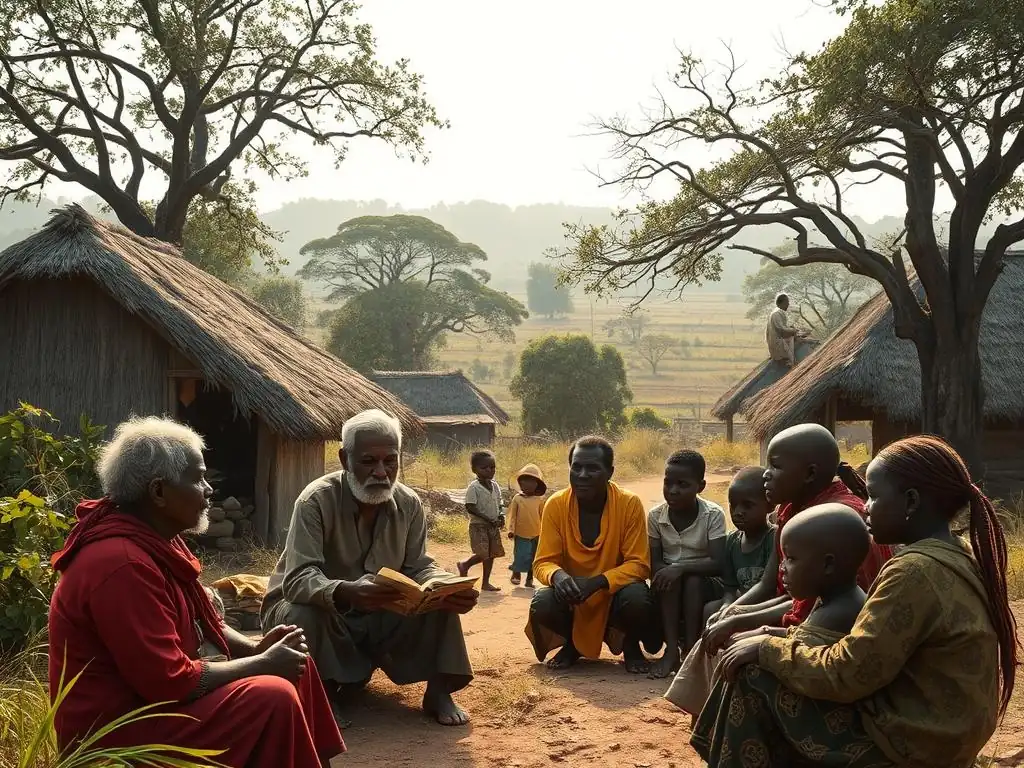
The impact of disease on indigenous cultures has had profound implications, particularly in relation to the preservation of cultural heritage. As epidemics swept through native populations, they not only decimated communities but also threatened the very fabric of cultural knowledge and heritage. The importance of cultural heritage preservation becomes evident in this context, as it serves as a means to safeguard the identity, traditions, and collective memory of indigenous peoples against the eroding effects of disease and colonization.
The preservation of cultural heritage involves recognizing and protecting the tangible and intangible elements of indigenous cultures, which include languages, rituals, art forms, and historical narratives. These elements are often passed down through generations and are crucial for maintaining a sense of community and identity. In the face of disease, which often led to a loss of elders and cultural bearers, the urgency to document and preserve this heritage became paramount.
Strategies for Protecting Cultural Knowledge
To effectively mitigate the impact of disease on indigenous cultures, various strategies have been developed to protect cultural knowledge. These strategies can be categorized into three main areas:
- Oral Traditions and Storytelling
- Emphasizing the importance of oral traditions ensures that stories, teachings, and cultural practices are passed down even when the primary bearers of knowledge are lost.
- Community gatherings and storytelling events serve as platforms for sharing and preserving these narratives.
- Use of Technology
- Digital archiving and recording of cultural practices, languages, and ceremonies can help safeguard knowledge from being lost due to disease.
- Online platforms and social media can facilitate the sharing of cultural resources across distances, allowing for broader community engagement.
- Collaborative Efforts with Researchers
- Partnerships between indigenous communities and academic institutions can lead to the documentation of cultural knowledge in a respectful and meaningful manner.
- Ensuring that indigenous voices are central in these collaborations helps in authentically representing their heritage.
Importance of Documentation and Archiving Practices
Documentation and archiving practices are crucial for preserving cultural heritage, especially in light of the devastating effects of disease on indigenous populations. The following points highlight their significance:
- Creating a Written Record
- The documentation of languages, myths, and traditional practices provides a written account that can survive beyond the lifetimes of cultural bearers.
- This written record serves as a resource for future generations to access and learn from their cultural history.
- Establishing Cultural Resource Centers
- Establishing centers dedicated to archiving cultural materials, such as photographs, recordings, and artifacts, ensures that these resources are preserved in a controlled environment.
- These centers can also serve as educational hubs for community members and visitors interested in learning about indigenous cultures.
- Engaging Youth in Preservation Efforts
- Involving younger generations in documentation efforts fosters a sense of responsibility and connection to their heritage.
- Educational programs that teach archiving skills can empower youth to take an active role in preserving their cultural knowledge.
Community-led Initiatives in Heritage Preservation
Community-led initiatives play a pivotal role in the preservation of cultural heritage in the wake of disease. These initiatives are characterized by the active participation of indigenous peoples in safeguarding their own cultural legacies. Some notable aspects include:
- Grassroots Movements
- Community members often spearhead grassroots movements to revive and sustain traditional practices that may be at risk of fading away due to the impact of disease.
- These movements can encompass language revitalization programs, traditional crafts, and cultural performances.
- Cultural Festivals and Events
- Organizing cultural festivals allows communities to celebrate their heritage, bringing together members to share and practice their traditions.
- Such events also raise awareness and appreciation among non-indigenous audiences, fostering intercultural understanding.
- Intergenerational Knowledge Exchange
- Facilitating opportunities for elders to share their knowledge with younger members of the community is vital for cultural continuity.
- Workshops, mentorship programs, and community dialogues can enhance this exchange, ensuring that cultural knowledge remains vibrant.
The impact of disease on indigenous cultures highlights the urgent need for effective strategies in cultural heritage preservation. By implementing documentation practices, utilizing technology, and fostering community-led initiatives, indigenous peoples can work to safeguard their cultural knowledge and ensure its transmission to future generations.
Modern Implications of Disease on Indigenous Cultures
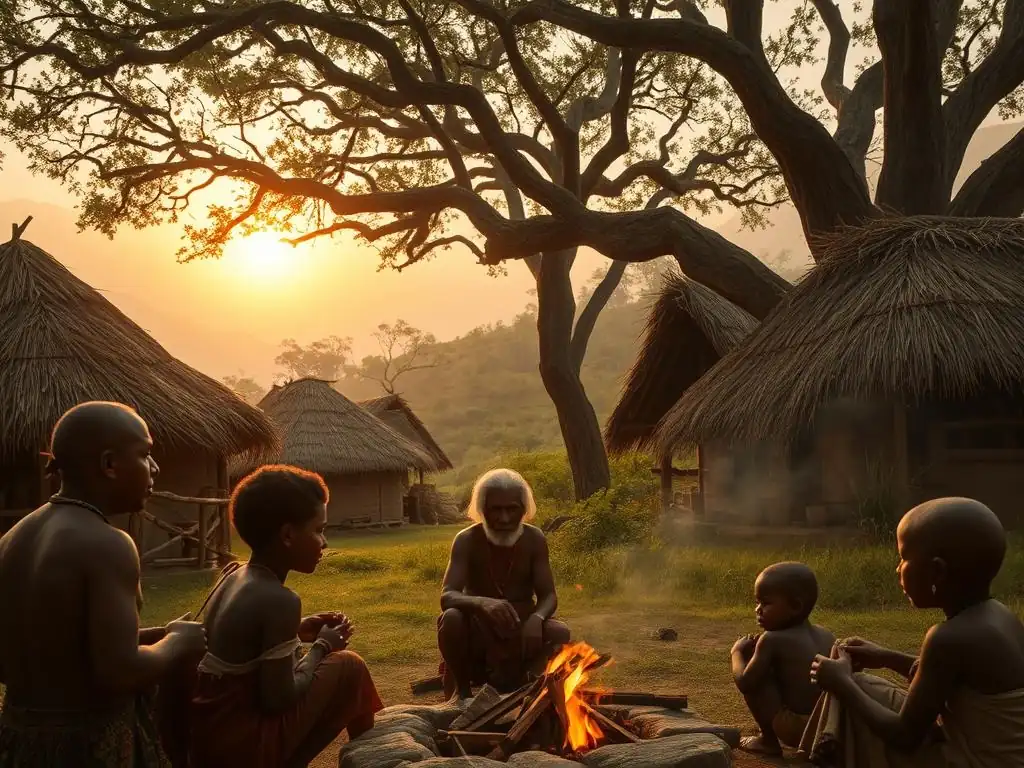
The impact of disease on indigenous cultures extends far beyond the historical events of the past; it continues to shape the realities of indigenous communities today. Understanding these modern implications is essential for appreciating the resilience of these cultures and the ongoing efforts to preserve their heritage. As contemporary societies grapple with the consequences of historical pandemics and the emergence of new diseases, indigenous cultures are faced with unique challenges and opportunities for revitalization.
Revitalization of Cultural Knowledge Post-Disease
In the aftermath of devastating epidemics, many indigenous communities have embarked on a journey of cultural revitalization. This process often involves reclaiming and preserving traditional knowledge, practices, and languages that were threatened by disease-induced population declines.
- Cultural Resilience: Indigenous groups have shown remarkable resilience in their efforts to revive cultural practices. For instance, the Maya people of Central America have engaged in traditional agricultural methods and rituals that predate European contact. This revitalization not only serves to strengthen their identity but also fosters community cohesion.
- Language Preservation: Language is a crucial component of cultural identity. Many communities have initiated language revitalization programs aimed at teaching younger generations their ancestral languages, which were often diminished due to historical diseases. Programs such as K'iche' Maya language classes in Guatemala illustrate these efforts.
- Intergenerational Knowledge Transfer: Elders play a vital role in passing down cultural knowledge, especially in the context of healing practices and traditional medicine. The revival of these practices is often linked to a deeper understanding of the relationship between health, spirituality, and the environment.
The Impact of Contemporary Diseases on Indigenous Communities
While historical diseases have significantly altered indigenous cultures, contemporary diseases also pose a serious threat to these communities. The impact of diseases, such as diabetes and COVID-19, has highlighted existing vulnerabilities and has far-reaching consequences for cultural heritage.
- Health Disparities: Indigenous populations often face higher rates of chronic diseases due to systemic inequalities and limited access to healthcare. This situation undermines cultural practices that rely on physical well-being, such as traditional dances or communal gatherings.
- Cultural Practices During Pandemics: The COVID-19 pandemic forced many indigenous communities to adapt their cultural practices to comply with health guidelines. For example, traditional ceremonies were modified or postponed, impacting the transmission of cultural knowledge.
- Mental Health and Cultural Identity: The stress of contemporary diseases can lead to mental health challenges, which in turn affect cultural identity. The loss of traditional practices during health crises can create a sense of disconnection from one’s heritage and community.
Lessons Learned for Future Preservation Efforts
The historical and modern impacts of disease on indigenous cultures offer valuable lessons for future preservation efforts.
- Community Engagement: Successful preservation initiatives must be rooted in community participation and leadership. Empowering indigenous voices ensures that preservation strategies align with cultural values and needs.
- Holistic Approaches: Preservation efforts should adopt a holistic approach that integrates health, cultural practices, and environmental stewardship. Recognizing the interconnectedness of these aspects can enhance the resilience of indigenous cultures.
- Policy Support: Advocacy for policies that support indigenous health and cultural preservation is crucial. Governments and organizations must recognize the unique challenges faced by indigenous communities and provide resources for sustainable development and cultural revitalization.
The impact of disease on indigenous cultures is a multifaceted issue that encompasses historical legacies and contemporary challenges. By understanding these dynamics, we can foster more effective strategies for preserving and revitalizing the rich cultural heritage of indigenous peoples across the Americas.
Conclusion: The Lasting Impact of Disease on Indigenous Cultures
The arrival of Europeans in the Americas brought with it a wave of diseases that had a catastrophic impact on indigenous populations. This phenomenon not only decimated populations but also disrupted the transmission of cultural knowledge and practices, leading to substantial changes in social structures, belief systems, and heritage preservation efforts. Understanding the impact of disease on indigenous cultures requires a multifaceted approach, acknowledging both the immediate consequences and the longer-term ramifications on cultural identity and continuity.
Reflection on Cultural Resilience and Adaptation
Despite the overwhelming challenges posed by disease, many indigenous cultures demonstrated remarkable resilience and adaptability. Communities often turned to cultural practices that fostered healing and collective memory, preserving their identities even in the face of adversity.
- Cultural Revitalization: Following periods of significant loss, many indigenous groups sought to revitalize their traditions. This process often involved:
- Oral Histories: Elders played a crucial role in recounting stories and lessons from the past, ensuring that younger generations remained connected to their heritage.
- Traditional Practices: Reviving ceremonies, rituals, and crafts became a means of asserting cultural identity and continuity. For instance, the re-emergence of indigenous languages has been pivotal in education and cultural expression.
- Adaptation Strategies: Indigenous communities employed various strategies to cope with the loss of population and cultural knowledge. These included:
- Intercommunity Alliances: Collaborations with neighboring tribes facilitated the sharing of knowledge, resources, and cultural practices.
- Integration of New Elements: While some indigenous groups resisted change, others incorporated European technologies and practices into their cultural frameworks, creating a dynamic blend of old and new.
Call to Action for Supporting Indigenous Heritage Preservation
In light of the profound impact of disease on indigenous cultures, there is an urgent need to support initiatives aimed at preserving and revitalizing cultural heritage. Here are some actionable steps individuals and organizations can take:
- Promote Indigenous Languages: Support programs that teach and encourage the use of indigenous languages. Language revitalization is critical for cultural preservation and identity.
- Invest in Cultural Education: Organizations can fund educational programs that focus on indigenous histories, traditions, and contributions to society. This can help foster a greater understanding and respect for indigenous cultures.
- Support Indigenous Artists and Craftspeople: Purchasing art and crafts from indigenous creators not only helps sustain their economies but also promotes the continuation of traditional practices.
- Advocate for Land Rights: Supporting the sovereignty and land rights of indigenous peoples is essential for their cultural survival. Land is often a cornerstone of cultural identity and heritage.
- Engage in Cultural Exchange: Encourage dialogues and partnerships between indigenous cultures and broader society. This can foster mutual understanding and preserve cultural practices.
By actively participating in these efforts, we can help mitigate the impact of disease on indigenous cultures and contribute to a more equitable representation of their heritage in contemporary society. The preservation of indigenous cultural knowledge and practices is not only a matter of justice but also enriches the tapestry of human history and understanding.
Frequently Asked Questions
What role did disease play in the decline of indigenous populations?
Disease significantly contributed to the decline of indigenous populations by introducing illnesses to which they had no immunity, leading to devastating mortality rates.
How did disease affect the cultural knowledge of indigenous peoples?
The loss of population due to disease led to a decline in the transmission of cultural knowledge, as elders and knowledgeable individuals were among the most affected, disrupting traditional practices.
What were some specific diseases that impacted indigenous communities?
Diseases such as smallpox, measles, and influenza were particularly devastating, resulting in high death tolls and contributing to the collapse of social structures.
How did indigenous cultures adapt in the face of disease?
Many indigenous cultures sought to adapt by changing their social structures, reinforcing community bonds, and finding ways to preserve their heritage despite the challenges posed by disease.
What is the lasting impact of disease on indigenous cultures today?
The lasting impact includes ongoing challenges in cultural preservation and identity, as well as a recognition of the resilience of these communities in maintaining their heritage despite historical adversities.
Final Reflection: The Enduring Legacy of Disease on Indigenous Cultures
The impact of disease on indigenous cultures is not merely a historical footnote; it is a profound narrative that continues to shape our understanding of cultural resilience and heritage preservation today. The devastating effects of diseases brought by colonization have irrevocably altered the fabric of indigenous societies, yet these communities have demonstrated remarkable strength in preserving their identities and traditions amidst adversity. As we reflect on this theme, it becomes clear that the lessons learned from the past are not just echoes of history but vital insights for our present and future.
The ongoing influence of disease on cultural knowledge and heritage preservation is evident in the ways indigenous communities strive to reclaim and revitalize their traditions. The scars left by historical pandemics serve as reminders of the fragility of cultural identity, yet they also highlight the resilience and adaptability of these cultures. As author Vine Deloria Jr. poignantly stated, We are not just a people of the past; we are a people of the future.
This perspective invites us to recognize that the impact of disease extends beyond mere loss; it is also a catalyst for cultural revival and innovation, as indigenous peoples work tirelessly to safeguard their heritage for generations to come.
As we conclude this exploration, I invite you to reflect on your own connection to cultural heritage and the lessons that can be drawn from the resilience of indigenous communities. Consider how you can contribute to the preservation of cultural knowledge in your own life, whether through advocacy, education, or simply by honoring the diverse narratives that shape our world.
The story of disease and its impact on indigenous cultures is not just a tale of loss; it is a call to action for all of us to engage with and support the rich tapestry of human heritage that continues to thrive against all odds.
Unleash the Power of Cultural Resilience!
Thank you for taking the time to delve into the profound connection between disease and our cultural heritage. Your interest in understanding this critical issue contributes to a deeper appreciation of indigenous knowledge and the importance of preservation. Now, let’s take tangible steps to honor and protect these vital cultures!
Here are some impactful actions you can take today:
- Engage with Local Indigenous Communities: Attend workshops or cultural events to learn about their historical knowledge and share your enthusiasm for preservation.
- Start a Conversation: Share this article with friends and family to raise awareness about the impact of disease on cultural heritage and encourage them to explore indigenous perspectives.
- Document and Share: Create a blog or social media post highlighting your insights and promote content that raises awareness about the significance of cultural heritage.
What unique aspect of indigenous culture do you feel most compelled to explore and share with others?