
The Global Influence of Indigenous Textiles: How They Resonate Beyond the Americas

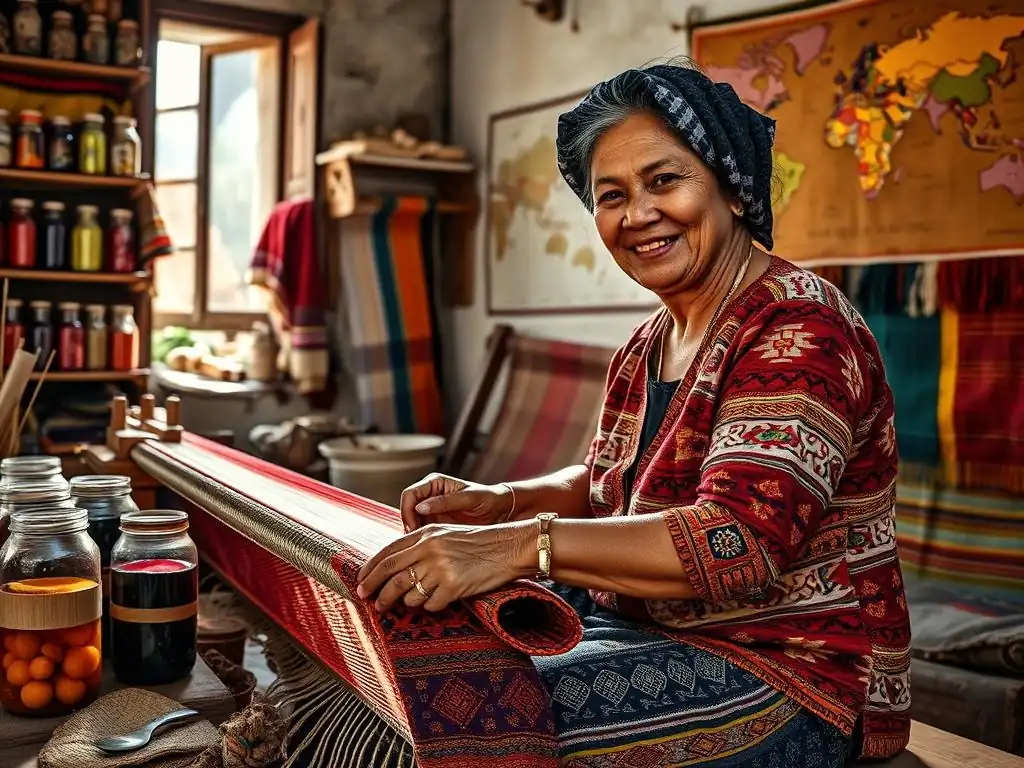
Welcome to Indigenous Civilizations of the Americas, where we invite you to embark on a fascinating journey through the rich tapestry of indigenous cultures that flourished long before European contact. In our featured article, “The Global Influence of Indigenous Textiles: How They Resonate Beyond the Americas,” we delve into the intricate artistry and profound cultural significance of indigenous textiles and their lasting impact on societies around the world. Discover how these vibrant creations not only tell stories of identity and tradition but also weave connections across continents.
Join us as we explore the depth of these cultures and their remarkable legacies that continue to inspire and resonate today. Curious to learn more? Let’s dive in!
Introduction to Indigenous Textiles Cultural Influence
Indigenous textiles represent a rich tapestry of cultural expression, artistry, and tradition that transcends geographical boundaries. From the intricate patterns of Andean weavings to the vibrant colors of Navajo rugs, these textiles are not merely functional items but hold profound significance in the social and spiritual realms of indigenous communities.
This article delves into the cultural influence of indigenous textiles, exploring their historical roots, the craftsmanship involved, and their impact on global fashion and art movements. By examining the diverse textile traditions of indigenous peoples across the Americas and beyond, we uncover the deep connections these works have to identity, heritage, and the ongoing dialogue between cultures.
Overview of Indigenous Textiles
Indigenous textiles across the Americas are characterized by their unique designs and techniques, which often reflect the natural environment, spiritual beliefs, and social structures of the communities that produce them. Textiles serve various purposes, from clothing and ceremonial items to functional goods and art pieces. Each piece is imbued with stories and meanings, often passed down through generations, making these textiles a vital part of cultural heritage.
- Materials Used: Indigenous textiles are made from a variety of materials, including cotton, wool, and plant fibers. These materials are often sourced locally, showcasing the sustainable practices of indigenous peoples.
- Techniques: Techniques such as weaving, embroidery, and dyeing play a significant role in the creation of these textiles. Many communities use traditional methods that have been refined over centuries, emphasizing the skill and artistry involved.
Importance of Textiles in Indigenous Cultures
Textiles hold a central place in indigenous cultures, serving not only as everyday attire but also as symbols of identity and continuity. They are often used in important life events, such as births, marriages, and funerals, reinforcing their cultural significance.
- Cultural Identity: Indigenous textiles are a means of expressing cultural identity and pride. They often incorporate symbols and motifs that resonate with the community’s history and values.
- Economic Impact: Beyond their cultural importance, textiles can also be a source of income for indigenous artisans, contributing to economic sustainability while allowing them to maintain their cultural practices.
Historical Context of Indigenous Textiles
Understanding the historical context of indigenous textiles is crucial to appreciating their cultural influence. The evolution of textile production has been shaped by various factors, including colonization, trade, and globalization.
Evolution of Textile Techniques in the Americas
The techniques used in indigenous textiles have evolved over time, influenced by both environmental factors and interactions with other cultures. The introduction of new materials and technologies through trade and colonization altered traditional practices, leading to a fusion of styles.
- Pre-Columbian Techniques: Many indigenous groups in the Americas developed sophisticated textile techniques long before European contact, utilizing natural dyes and intricate weaving methods.
- Colonial Influences: The arrival of Europeans brought new materials and tools, which, while initially disruptive, also led to the adaptation and innovation of existing textile practices.
Key Indigenous Groups and Their Textile Traditions
Various indigenous groups across the Americas have made significant contributions to the textile landscape, each with their own distinct styles and techniques.
- Navajo: Renowned for their weaving, Navajo rugs feature geometric patterns and vibrant colors, often telling stories through their designs.
- Andean Cultures: The Quechua and Aymara peoples of the Andes are famous for their intricate textiles, often made from alpaca wool and characterized by bold colors and complex patterns.
- Maya: The Maya civilization has a rich textile tradition that includes intricate backstrap weaving and the use of symbolic motifs in their clothing.
In examining these groups and their textile practices, we gain insight into the broader cultural influence of indigenous textiles, which resonate not only within their communities but also on a global scale.
Cultural Significance of Indigenous Textiles
Indigenous textiles are more than mere fabric; they are vibrant expressions of culture, history, and identity. These textiles often reflect the beliefs, values, and traditions of the communities that create them. Handwoven and dyed using techniques passed down through generations, each piece tells a story that encapsulates the essence of the community's heritage.
For many indigenous societies, textiles serve as a vital medium for storytelling, where colors, patterns, and materials hold significant meanings. The intricate designs can represent everything from spiritual beliefs to the natural environment, ensuring that the cultural narratives of these communities are preserved and conveyed through their craftsmanship.
Moreover, indigenous textiles play a crucial role in community cohesion. The process of creating textiles often involves collective efforts—families and communities come together for weaving, dyeing, and crafting, reinforcing social bonds and shared identities. This collaborative nature of textile production not only fosters a sense of belonging but also reinforces the transmission of knowledge and skills across generations, ensuring that indigenous traditions continue to thrive in a rapidly changing world.
Symbolism and Meaning in Textile Designs
The designs found in indigenous textiles are rich with symbolism and meaning. Different patterns and colors can signify various cultural elements, such as social status, gender roles, and spiritual beliefs. For instance, in many Andean cultures, the use of specific colors is often tied to the natural world, with each hue representing different elements like water, earth, and sky. This deep connection to nature is not only an aesthetic choice but also a reflection of the community's worldview and their relationship with the environment.
Additionally, geometric patterns are prevalent in many indigenous textiles, serving as a form of communication that transcends language. These designs may represent ancestral stories, mythological figures, or significant life events, allowing artisans to convey complex narratives through visual means. As such, indigenous textiles become a living archive of cultural history, providing insights into the values and traditions of the people who create them.
Role of Textiles in Indigenous Identity and Heritage
Textiles are fundamental to the expression of indigenous identity and heritage. They serve as a tangible connection to ancestral roots and cultural practices, reinforcing a sense of pride among community members. For many indigenous peoples, wearing traditional garments is not just a matter of choice but a declaration of identity. These textiles embody the spirit of their ancestors and are often worn during significant ceremonies, festivals, and rituals, thereby maintaining the continuity of cultural practices.
Furthermore, the revival and preservation of traditional textile-making techniques are vital in contemporary indigenous movements. As younger generations seek to reconnect with their cultural heritage, the art of weaving and textile production becomes a powerful tool for empowerment and self-expression. By embracing and promoting these practices, indigenous communities can assert their identity in a globalized world, challenging stereotypes and advocating for their rights and recognition.
Indigenous Textiles and Global Influence
Indigenous textiles have transcended geographical boundaries, influencing global fashion and design in various ways. The intricate artistry and unique techniques employed by indigenous artisans have garnered international interest, leading to a greater appreciation for these cultural treasures. As the world becomes increasingly interconnected, the impact of indigenous textiles can be seen in various sectors, from fashion to home décor, as designers draw inspiration from these rich traditions.
The Spread of Indigenous Textile Techniques Worldwide
The techniques used in indigenous textile production have found their way into global markets, often inspiring contemporary designers and artists. Many traditional practices, such as intricate weaving methods and natural dyeing processes, have been adopted and adapted by artisans around the world. This exchange of knowledge has led to a fusion of styles, creating new forms of expression that honor indigenous roots while appealing to modern aesthetics.
However, it is essential to approach this global influence with respect and integrity. The appropriation of indigenous designs without proper acknowledgment can lead to the commodification of cultural heritage. As such, many indigenous communities are advocating for ethical collaborations that honor their traditions while allowing them to benefit economically from their craftsmanship.
Collaborations Between Indigenous Artisans and Global Designers
Collaborative efforts between indigenous artisans and global designers have become increasingly prominent, highlighting the value of cultural exchange. These partnerships often focus on creating sustainable fashion that respects indigenous knowledge and craftsmanship. For instance, designers may work with indigenous artisans to develop collections that blend contemporary styles with traditional techniques, resulting in unique pieces that celebrate both heritage and innovation.
Such collaborations also provide indigenous communities with opportunities to access wider markets, allowing them to share their art and culture on a global stage. By engaging in these partnerships, global designers can promote fair trade practices and ensure that indigenous artisans receive recognition and compensation for their work. This not only supports the economic sustainability of indigenous communities but also fosters a greater appreciation for the cultural significance embedded in their textiles.
The global influence of indigenous textiles is a testament to their cultural richness and the enduring legacy of the communities that create them. By recognizing and respecting the significance of these textiles, we can appreciate their role in shaping both local and global narratives.
Contemporary Relevance of Indigenous Textiles
Indigenous textiles hold a significant place in contemporary culture, transcending their original geographic and cultural boundaries to resonate with a global audience. These textiles are not merely artifacts of the past; they embody living traditions and stories that continue to inspire modern design and artistic expression. From intricate weavings to vibrant patterns, indigenous textiles reflect the rich histories and cultural identities of the peoples who created them, ensuring their relevance in today's world.
The revival and appreciation of indigenous textiles are increasingly evident in the fashion and art industries. Designers and artists are incorporating traditional motifs, techniques, and materials into their work, thereby honoring the ancestral knowledge embedded in these creations. This fusion of old and new not only elevates the status of indigenous textiles but also enriches the cultural dialogue surrounding them, making them a dynamic part of contemporary aesthetics.
Moreover, indigenous textiles have become a powerful medium for storytelling and cultural expression. Exhibitions, fairs, and online platforms dedicated to indigenous artisans allow for a broader audience to engage with these textiles, fostering greater awareness of the histories and challenges faced by indigenous communities. As the world grapples with issues of identity and representation, indigenous textiles serve as a vital link to the past while simultaneously pushing towards a more inclusive future.
Reviving Traditional Techniques in Modern Fashion
The resurgence of traditional textile techniques within modern fashion is a testament to the enduring allure of indigenous craftsmanship. Designers are increasingly seeking to integrate traditional weaving, dyeing, and embroidery methods into contemporary apparel, thereby reviving and preserving these time-honored practices. Techniques such as the backstrap loom weaving of the Guatemalan Maya or the intricate beadwork of the Ojibwe are becoming popular in high-fashion collections, showcasing the skill and artistry of indigenous artisans.
This revival is not merely a trend; it fosters a deeper appreciation for the cultural significance behind these techniques. By collaborating with indigenous artisans, designers can create pieces that are not only visually stunning but also rich in cultural narratives. These partnerships can provide artisans with a platform to share their stories while gaining recognition for their craft in a global marketplace.
Furthermore, such collaborations often emphasize ethical practices, ensuring that artisans receive fair compensation for their work and that their cultural heritage is respected. This movement toward sustainable fashion aligns with a growing consumer demand for authenticity and transparency, encouraging a shift away from mass-produced garments towards more thoughtful, handcrafted alternatives.
The Impact of Indigenous Textiles on Sustainable Fashion Movements
Indigenous textiles are increasingly recognized as an integral part of the sustainable fashion movement. Their production often relies on natural materials, traditional techniques, and local resources, creating a minimal environmental footprint compared to industrial textile production. The use of organic dyes, for example, not only reflects a commitment to sustainability but also celebrates local biodiversity and craftsmanship.
Moreover, indigenous textile practices promote slow fashion principles, valuing quality over quantity. Items are often made to last, with an emphasis on durability and timeless design rather than fleeting trends. This approach challenges the fast fashion model, which is notorious for its environmental degradation and labor exploitation.
By showcasing the cultural significance and ecological mindfulness of indigenous textiles, advocates for sustainable fashion can draw attention to the importance of preserving these traditions. This not only benefits the artisans themselves but also contributes to a broader understanding of how fashion can be a force for social and environmental justice. In this way, indigenous textiles serve as a beacon of hope and inspiration for a more sustainable future in the fashion industry.
Challenges Facing Indigenous Textile Traditions
Despite their increasing visibility, indigenous textile traditions face numerous challenges that threaten their survival and cultural integrity. These challenges range from economic pressures to cultural appropriation, impacting the livelihoods of artisans and the authenticity of their craft. Addressing these issues is essential to ensure that indigenous textiles continue to thrive in a rapidly changing world.
Cultural Appropriation and Misrepresentation
Cultural appropriation remains a significant concern for indigenous communities as their textile designs often face misappropriation by mainstream fashion brands. Many companies have co-opted traditional patterns and techniques without proper acknowledgment or compensation to the originating communities. This not only undermines the cultural significance of the textiles but also perpetuates stereotypes and misrepresentations of indigenous peoples.
The commodification of indigenous designs often results in a loss of context and meaning, reducing rich cultural symbols to mere aesthetic trends. This can lead to widespread misunderstanding and devaluation of the traditions and histories behind the textiles. Additionally, the lack of recognition and respect for the original creators can create tensions between indigenous artisans and those who profit from their work.
To combat cultural appropriation, it is vital for consumers and designers to engage in ethical practices that honor the origins of these textiles. This includes advocating for fair trade, supporting indigenous artisans directly, and fostering dialogues that center indigenous voices in discussions about their cultural heritage.
Economic Challenges for Indigenous Artisans
Economic challenges pose another significant threat to indigenous textile traditions. Many artisans operate in marginal economies, often struggling to find markets for their goods or facing competition from cheaper, mass-produced alternatives. This economic strain can lead to the decline of traditional practices as younger generations may seek employment opportunities outside their communities, prioritizing financial stability over cultural preservation.
Furthermore, access to resources, such as materials needed for textile production and training in traditional techniques, can be limited. Many artisans lack the necessary infrastructure to market their products effectively, leading to underrepresentation in the global marketplace. This lack of visibility can result in a diminished appreciation for their craft and the cultural narratives they embody.
To address these economic challenges, initiatives that empower indigenous artisans and promote their work are essential. This can include the establishment of cooperatives, online platforms for sales, and partnerships with ethical brands that value cultural authenticity. By fostering economic sustainability, communities can ensure the continued vitality of their textile traditions for future generations.
Case Studies of Indigenous Textile Impact
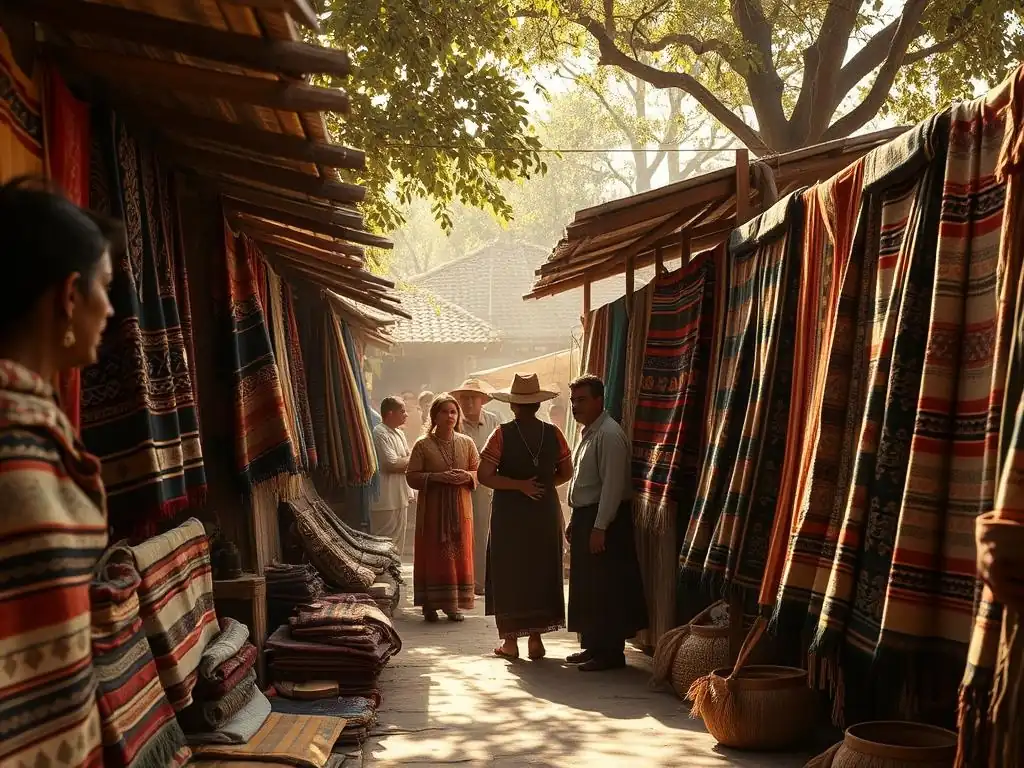
Indigenous textiles have transcended their cultural origins to influence global design, fashion, and art. Through various case studies, we can observe how these textiles have inspired contemporary practices and fostered collaborations that celebrate indigenous heritage while creating new avenues for expression.
Case Study 1: The Influence of Navajo Weaving on Contemporary Design
Navajo weaving is a quintessential example of how indigenous textiles have shaped modern aesthetics. Renowned for their intricate patterns and vibrant colors, Navajo rugs and blankets have gained appreciation beyond their cultural context. Contemporary designers often draw inspiration from these textiles, integrating Navajo motifs into high-end fashion collections, home decor, and contemporary art pieces.
For instance, the use of geometric patterns and natural dyes in Navajo textiles has inspired fashion designers like Ralph Lauren and Calvin Klein. Their collections often feature elements reminiscent of traditional Navajo designs, demonstrating a blend of indigenous craftsmanship with modern sensibilities. This influence has not only elevated the status of Navajo textiles but has also encouraged a deeper understanding of the cultural narratives embedded within these pieces.
Moreover, exhibitions showcasing Navajo weaving techniques and history have increased visibility for these artisans. Workshops and collaborations between indigenous weavers and contemporary artists have further enriched this dialogue, allowing for innovation while respecting the traditions that inform these textiles.
Case Study 2: Collaboration Between Oaxacan Artisans and Global Fashion Brands
In Oaxaca, Mexico, the vibrant textile traditions of the Zapotec and Mixtec peoples have garnered international attention, particularly through collaborations with global fashion brands. Artisans from this region produce beautifully handwoven textiles, often characterized by bright colors and intricate patterns that tell stories of their cultural heritage.
Notable collaborations include partnerships with brands like Anthropologie and Stella McCartney, where indigenous artisans create exclusive lines of clothing and accessories. These collaborations not only provide a platform for Oaxacan artisans to showcase their skills but also help preserve traditional weaving techniques that might otherwise fade in a rapidly changing world.
Through these partnerships, artisans receive fair compensation and gain access to larger markets, thus sustaining their communities economically. The exposure to global fashion circles has also brought a renewed interest in traditional Oaxacan textiles, inspiring younger generations to engage with their cultural heritage and continue these age-old practices.
Conclusion: The Lasting Legacy of Indigenous Textiles
The impact of indigenous textiles extends far beyond their origins, shaping global culture in profound ways. As we explore their influence, it becomes clear that these textiles are not merely artifacts of the past; they are dynamic elements that continue to evolve and inspire.
Summary of Cultural Influence Beyond the Americas
Indigenous textiles have sparked interest and admiration worldwide, influencing art, fashion, and design across continents. From the geometric patterns of Navajo weavings to the vibrant colors of Oaxacan textiles, the aesthetic qualities and cultural significance of these materials resonate with diverse audiences. This cross-cultural appreciation encourages a dialogue around sustainability, craftsmanship, and the importance of preserving indigenous knowledge systems.
Future Prospects for Indigenous Textiles in Global Culture
Looking ahead, the future of indigenous textiles in global culture appears promising. As awareness of environmental sustainability grows, the appreciation for handmade, culturally significant textiles will likely increase. Initiatives that support fair trade and ethical collaborations between indigenous artisans and designers can foster a sustainable model for cultural exchange.
Furthermore, digital platforms and social media provide new avenues for indigenous artisans to reach global audiences, ensuring that their stories and craftsmanship are celebrated. By embracing these opportunities, indigenous textiles can continue to thrive, influencing future generations and enriching the global cultural tapestry.
Call to Action
Indigenous textiles represent not only a craft but a profound cultural heritage that has shaped identities and communities across the Americas and beyond. To truly honor and support this legacy, it is essential for us, as global citizens, to take action in various ways. Whether through purchasing, advocacy, or education, every effort counts in preserving and promoting the rich tapestry of indigenous textile traditions.
Encouraging Support for Indigenous Textile Artisans
Supporting indigenous textile artisans is crucial for both cultural preservation and economic sustainability. By choosing to purchase handwoven garments, accessories, and home decor from indigenous communities, consumers can contribute directly to the livelihood of these artisans.
- Shop Ethically: Seek out artisan markets, cooperatives, and online platforms that feature authentic indigenous textiles. This ensures that profits go directly to the artisans, empowering them to continue their craft.
- Share Knowledge: Educate others about the stories and techniques behind indigenous textiles. By raising awareness, we foster appreciation and demand for these unique products.
- Participate in Workshops: Engaging in workshops where artisans share their skills not only supports their work but also fosters a deeper understanding of their cultural significance.
Taking these steps not only aids artisans financially but also helps sustain traditional practices and knowledge that are at risk of being lost.
Promoting Awareness of Indigenous Textile Cultural Influence
The cultural influence of indigenous textiles extends far beyond their immediate geographical regions. By promoting awareness of these textiles, we can help highlight their significance in global history and contemporary fashion.
- Highlighting Cultural Narratives: Indigenous textiles often carry rich narratives that reflect the history, beliefs, and values of their creators. By sharing these stories through social media, blogs, and community events, we can amplify their voices and perspectives.
- Collaborating with Designers: Encourage contemporary fashion designers to collaborate with indigenous artisans. Such partnerships can lead to innovative designs that respect traditional techniques while reaching broader audiences.
- Educational Programs: Advocate for the inclusion of indigenous textile history and techniques in educational curricula. This fosters an understanding of their importance and promotes respect for cultural heritage among future generations.
By actively promoting awareness of indigenous textiles and their cultural influence, we can help ensure that these vibrant traditions continue to thrive and inspire people around the world.
- Introduction to Indigenous Textiles Cultural Influence
- Historical Context of Indigenous Textiles
- Cultural Significance of Indigenous Textiles
- Indigenous Textiles and Global Influence
- Contemporary Relevance of Indigenous Textiles
- Challenges Facing Indigenous Textile Traditions
- Case Studies of Indigenous Textile Impact
- Conclusion: The Lasting Legacy of Indigenous Textiles
- Call to Action
Frequently Asked Questions
What are indigenous textiles?
Indigenous textiles refer to the traditional fabrics and weaving techniques created by indigenous peoples, showcasing their unique cultural significance and artistic expression.
How did indigenous textiles influence global fashion?
Indigenous textiles have had a profound impact on global fashion, inspiring designers with their vibrant colors, intricate patterns, and sustainable practices, leading to a growing appreciation for cultural heritage.
What materials are commonly used in indigenous textiles?
Common materials include natural fibers such as cotton, wool, and silk. Many indigenous cultures also incorporate local resources, like plant dyes, to create their distinctive textiles.
How do indigenous textiles reflect cultural identity?
Indigenous textiles often serve as a visual representation of a community's heritage, beliefs, and stories, making them an essential part of their cultural identity and continuity.
What is the significance of indigenous textiles in today's society?
Today, indigenous textiles promote cultural awareness and sustainability, encouraging a deeper understanding of indigenous practices and fostering respect for their contributions to global culture.
Final Reflection: The Enduring Legacy of Indigenous Textiles
The cultural influence of indigenous textiles transcends geographical boundaries, weaving a rich tapestry of heritage, identity, and resilience that is more relevant today than ever. As we navigate an increasingly globalized world, the artistry and stories embedded in these textiles remind us of the importance of preserving cultural diversity and honoring the voices of indigenous communities. The vibrant patterns and techniques of indigenous textiles not only serve as a form of artistic expression but also as a powerful medium for social change and cultural dialogue.
The impact of indigenous textiles on the cultural landscape is profound and ongoing, shaping our understanding of identity and heritage in contemporary society. The revival and appreciation of these textiles foster a deeper connection to the past and encourage us to reflect on our own cultural narratives. As noted by textile scholar Dr. Anna T. Johnson, Textiles are not just fabric; they are the stories of our ancestors, woven into every thread.
This perspective invites us to recognize the significance of indigenous textiles as a bridge between generations, fostering respect and understanding across cultures.
As we conclude this exploration of indigenous textiles and their cultural influence, I invite you to reflect on your own relationship with art and culture. Consider how you can engage with and support indigenous artisans and their communities, ensuring that their stories and traditions continue to thrive. By embracing the lessons of resilience and creativity found in indigenous textiles, we can contribute to a more inclusive and respectful world, where every thread tells a story worth sharing.
Unleash the Beauty of Indigenous Textiles!
Thank you for diving deep into the captivating world of indigenous textiles and their global resonance! Your interest highlights the rich traditions and artistry that transcend borders. Now, let's take that inspiration and transform it into meaningful action!
- Explore local artisans: Visit craft fairs or galleries showcasing indigenous textiles in your area. Engage with artisans and learn about their stories and techniques.
- Share the story: Post about your favorite textile pieces on social media, and tag us! Use the hashtag #IndigenousTextiles to spread awareness and appreciation.
- Educate others: Host a small gathering or workshop to discuss the significance of these textiles and their cultural impact.
What unique piece of indigenous textile has touched your heart, and how would you share its story with others?