
Vanished Voices: The Loss of Indigenous Languages in the Face of Colonization

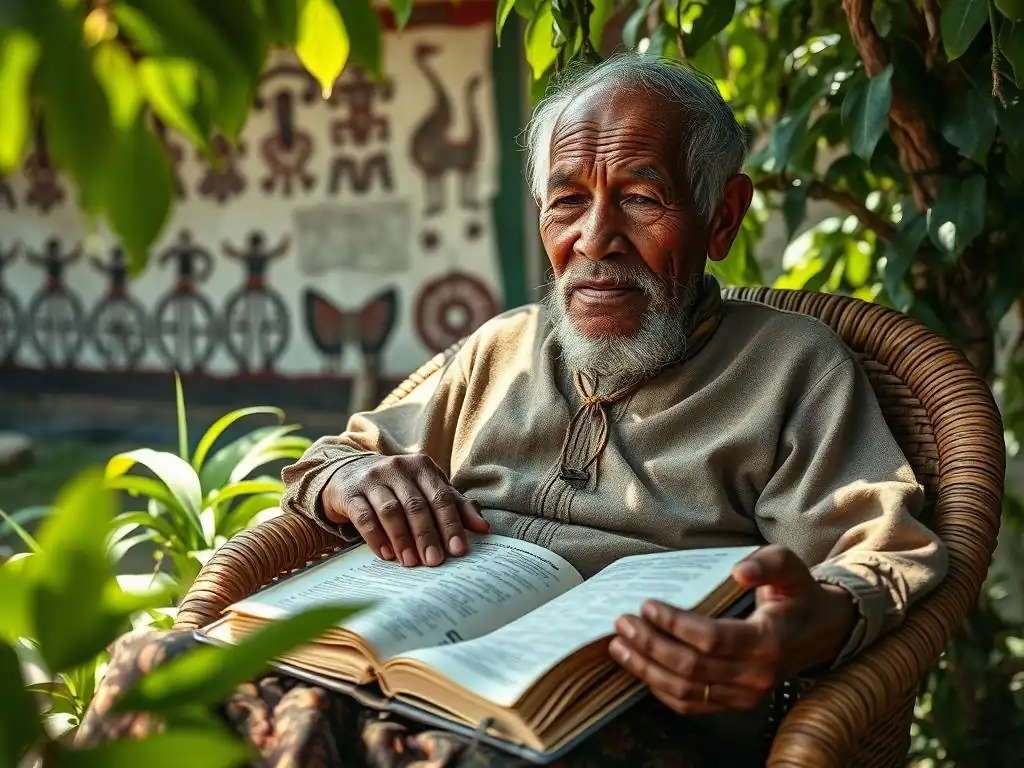
Welcome to Indigenous Civilizations of the Americas, where we invite you on a journey through the rich tapestry of indigenous cultures that flourished across the continent long before European eyes gazed upon them. In our featured article, "Vanished Voices: The Loss of Indigenous Languages in the Face of Colonization," we delve into a profound and often overlooked aspect of this history—the impact of colonization on indigenous languages. Discover how the echoes of these vibrant tongues have faded and what this means for the legacy of their speakers.
Join us as we uncover the stories, achievements, and resilience of these cultures, and spark your curiosity about the world that was. Your exploration begins here!
- Introduction to Indigenous Languages and Colonization
- Historical Context of Indigenous Languages
- The Impact of Colonization on Indigenous Languages
- Mechanisms of Language Loss
- Cultural Heritage and Identity: The Role of Language
- Current Status of Indigenous Languages
- Conclusion: Reflecting on the Impact of Colonization
-
Frequently Asked Questions
- What is the main focus of the article "Vanished Voices: The Loss of Indigenous Languages in the Face of Colonization"?
- Why are indigenous languages important to their cultures?
- How did colonization affect the transmission of indigenous languages?
- What are some examples of languages that have disappeared due to colonization?
- How can we help preserve endangered indigenous languages today?
- Final Reflection: The Enduring Echoes of Vanished Voices
- Revive and Celebrate Indigenous Languages Today!
Introduction to Indigenous Languages and Colonization
The history of the Americas is rich and diverse, marked by the vibrant cultures of indigenous peoples who thrived long before European colonization. One of the most profound aspects of these cultures is their languages, which served as the vessels of knowledge, tradition, and identity.
However, the arrival of European powers initiated a tragic and often violent process that led to the erosion and, in many cases, the complete disappearance of these languages. This article, titled "Vanished Voices: The Loss of Indigenous Languages in the Face of Colonization," explores the impact of colonization on indigenous languages, shedding light on the cultural, social, and emotional ramifications of this loss.
Overview of Indigenous Languages in the Americas
Indigenous languages in the Americas are incredibly diverse, encompassing thousands of distinct languages and dialects. Before European contact, it is estimated that there were over 300 languages spoken in North America alone, with many more in South America. These languages belong to several major language families, including:
- Algic: Encompassing languages like Ojibwe and Blackfoot.
- Uto-Aztecan: Including languages such as Nahuatl and Hopi.
- Mayan: Comprising languages like Yucatec and K'iche'.
Each language is not merely a means of communication but a crucial component of cultural heritage, embodying unique worldviews and traditions. For example, the Inuktitut language of the Inuit people has over 100 words for snow, reflecting their intimate relationship with the Arctic environment.
Significance of Language in Indigenous Cultures
Language is often regarded as the backbone of any culture. In indigenous societies, it serves multiple essential functions:
- Cultural Transmission: Language carries stories, legends, and traditional knowledge from one generation to the next.
- Identity and Community: It fosters a sense of belonging and identity among community members, reinforcing social bonds.
- Worldview and Philosophy: Languages encapsulate unique ways of understanding and interpreting the world, including concepts of time, nature, and spirituality.
The loss of language, therefore, is not merely a linguistic issue; it represents the erosion of identity, history, and cultural continuity. The impacts of colonization have led to the decline of many indigenous languages, often through coercive measures like forced assimilation and the imposition of colonial languages.
Purpose of the Article: Examining the Impact of Colonization
This article aims to provide a comprehensive examination of how colonization has affected indigenous languages across the Americas. By analyzing historical events, cultural shifts, and the ongoing struggles of indigenous communities, we seek to highlight the following aspects:
- The mechanisms of language loss during and after colonization, including policies and practices that suppressed indigenous languages.
- The resilience of indigenous communities in preserving their languages and cultures in the face of adversity.
- The importance of revitalization efforts and the current movements aimed at reclaiming and revitalizing indigenous languages.
Through this exploration, we hope to foster a deeper understanding of the complexities surrounding the impact of colonization on indigenous languages and the enduring legacy of these vanished voices.
Historical Context of Indigenous Languages

Indigenous languages of the Americas have a rich and diverse history that predates European contact by thousands of years. This historical context is crucial to understanding the profound impact of colonization on indigenous languages, as these languages were not only means of communication but also carriers of cultural identity, traditions, and worldviews.
Prior to European colonization, it is estimated that there were over 300 distinct languages spoken across North America alone, with many of these languages subdivided into numerous dialects. These languages belonged to various linguistic families, such as Algonquian, Siouan, Uto-Aztecan, and Iroquoian, showcasing the cultural diversity and complexity of indigenous societies. The richness of these languages reflects the unique histories, beliefs, and practices of the communities that spoke them.
Diversity and Richness of Indigenous Languages
The linguistic diversity among indigenous groups in the Americas is staggering. For instance, the Maya civilization had multiple languages, including Yucatec and Q'eqchi', each with its own distinct grammatical structure and vocabulary. Similarly, the Andean region was home to languages such as Quechua and Aymara, which are still spoken today by millions of people.
| Language Family | Notable Languages | Regions Found |
|---|---|---|
| Algonquian | Ojibwe, Cree | Northeastern and Central Canada |
| Siouan | Lakota, Dakota | Great Plains |
| Uto-Aztecan | Nahuatl, Hopi | Southwestern United States, Mexico |
| Iroquoian | Mohawk, Seneca | Northeastern US |
| Mayan | Yucatec, K'iche' | Southern Mexico, Guatemala |
| Quechuan | Quechua, Aymara | Andes region, Peru, Bolivia |
Pre-Colonial Language Use and Cultural Identity
Before the arrival of Europeans, indigenous languages played a central role in the expression of cultural identity. Language was deeply intertwined with the practice of rituals, storytelling, and the transmission of knowledge. For many indigenous peoples, their language was a vessel for their history, cosmology, and connection to the land.
The oral tradition was paramount, with narratives passed down through generations, encapsulating the collective memory and values of the community. For example, the Pueblo peoples of the Southwest used their languages in ceremonial contexts, preserving their agricultural practices, spiritual beliefs, and relationships with the environment through songs and prayers.
The loss of these languages due to colonization not only eroded the means of communication but also severed ties to cultural heritage, as many traditional practices and knowledge systems were embedded within indigenous languages.
The Arrival of Europeans: Initial Impacts on Language
The arrival of Europeans in the late 15th century marked a turning point with devastating consequences for indigenous languages. Initial encounters often led to the imposition of European languages, primarily Spanish, English, and Portuguese, as colonizers sought to establish control over the lands and peoples.
As European powers expanded their territories, they implemented policies that marginalized indigenous languages. The missionary efforts aimed at converting indigenous peoples to Christianity frequently involved the suppression of native languages in favor of the colonizers' tongues. For instance, in many regions, indigenous children were prohibited from speaking their languages in mission schools, leading to a gradual decline in fluent speakers.
The impact of colonization on indigenous languages can be summarized as follows:
- Language Suppression: Established policies that prohibited the use of indigenous languages in public and private life.
- Language Shift: Many indigenous communities began to adopt the dominant European languages for trade and social interaction, leading to a loss of fluency in their native tongues.
- Cultural Dislocation: The disruption of traditional practices and ways of life resulted in the erosion of linguistic diversity, as languages became less relevant in a rapidly changing societal context.
The consequences of these initial impacts continue to resonate today, with many indigenous languages at risk of extinction, further highlighting the ongoing impact of colonization on indigenous languages and the need for revitalization efforts to preserve these vital components of cultural heritage.
The Impact of Colonization on Indigenous Languages
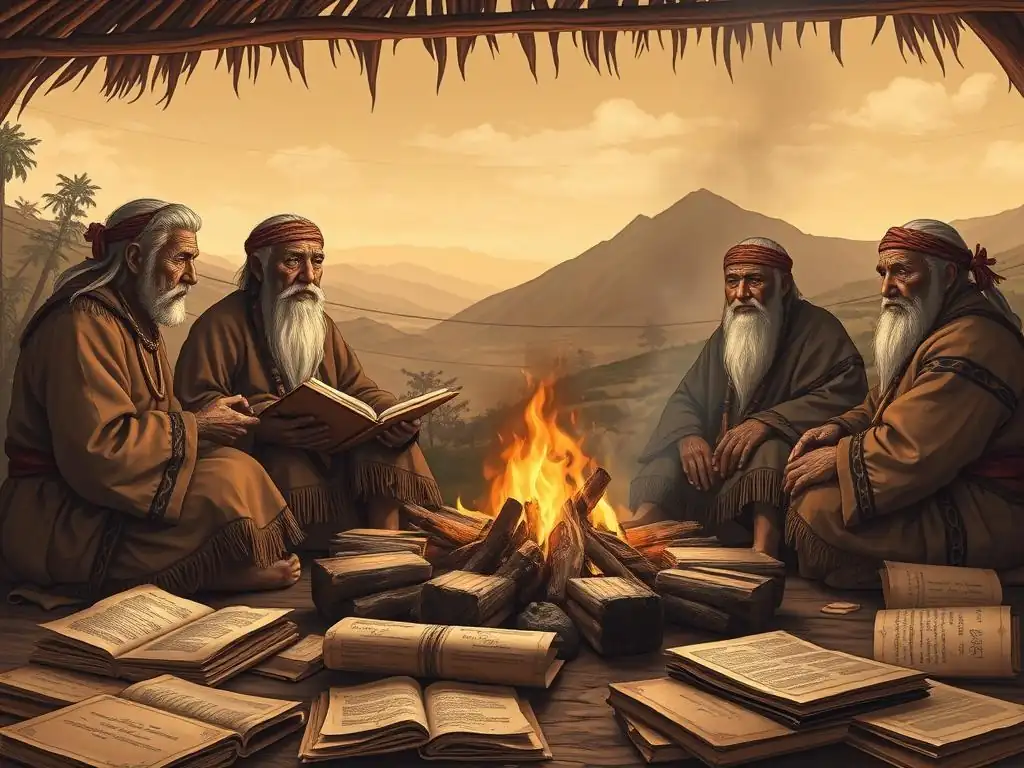
The impact of colonization on indigenous languages is a profound and often tragic aspect of the history of the Americas. Colonization brought with it a range of policies and practices that systematically undermined the use and transmission of indigenous languages. The consequences of these actions have been far-reaching, contributing not only to the loss of linguistic diversity but also to the erosion of cultural identity among indigenous peoples.
Language Suppression and Policy Changes
Colonial powers implemented various policies aimed at suppressing indigenous languages. These policies often stemmed from a belief in cultural superiority and a desire to impose the colonizers' language as a means of control. Some key aspects include:
- Official Language Policies: Many colonial governments declared European languages as the official means of communication, marginalizing indigenous languages. For instance, the Spanish and Portuguese crowns enforced the use of their languages in administration and education, rendering indigenous languages almost invisible in public life.
- Education Systems: Colonial education systems frequently prioritized European languages while actively discouraging the use of indigenous languages. Schools often punished children for speaking their native tongues, leading to a generation of speakers who were either too ashamed or fearful to use their languages.
- Legislation: Laws were enacted that prohibited the use of indigenous languages in public spaces. For example, in the United States, the Indian Removal Act of 1830 facilitated the displacement of tribes and the imposition of English, further eroding indigenous linguistic practices.
Language is not just a means of communication; it is a vessel of culture and identity.
— Unknown Indigenous Scholar
The Role of Missionaries in Language Loss
Missionaries played a significant role in the loss of indigenous languages, often viewing language as a barrier to conversion. Their actions included:
- Translation and Interpretation: While some missionaries attempted to translate religious texts into indigenous languages, this was often done with the intent of facilitating conversion rather than preserving the language. In many cases, these translations led to the simplification or alteration of indigenous languages.
- Cultural Imposition: Missionaries frequently imposed European cultural practices alongside their religious beliefs, promoting the idea that indigenous languages were inferior. This cultural imperialism contributed to a decline in the status of indigenous languages and their speakers.
- Language Shift: As indigenous peoples converted to Christianity, many began to adopt the language of their missionaries, leading to a shift away from their native tongues. This transition was often accompanied by a loss of cultural practices and knowledge that were intimately tied to language.
Forced Assimilation and Its Linguistic Consequences
Forced assimilation policies had devastating effects on indigenous languages, manifesting in various ways:
- Residential Schools: In countries like Canada and the United States, residential schools were established with the goal of assimilating indigenous children. These institutions enforced English or French as the primary language of instruction, often leading to the abandonment of children's native languages.
- Cultural Erasure: The push for assimilation was not merely about language; it encompassed a broader agenda of cultural erasure. As indigenous peoples were encouraged to abandon their languages, they also lost traditional stories, songs, and histories that were passed down orally.
- Intergenerational Trauma: The impact of forced assimilation continues to resonate today. Many indigenous communities are now grappling with the effects of historical trauma, where the loss of language has contributed to a disconnection from cultural identity and heritage.
Overall, the impact of colonization on indigenous languages is a critical aspect of understanding the broader consequences of European conquest. The suppression, loss, and transformation of these languages have not only affected communication but have also irrevocably altered cultural landscapes across the Americas.
Case Studies: Specific Indigenous Languages Affected
The impact of colonization on indigenous languages is profound and multifaceted, manifesting in various ways across different regions and cultures. Here, we explore specific case studies of indigenous languages that have faced significant decline or extinction due to the forces of colonization.
1. The Cherokee Language
The Cherokee language, part of the Iroquoian family, is native to the Cherokee people in the southeastern United States. Before European contact, the Cherokee had a rich oral tradition and a complex system of governance. However, following colonization, particularly during the forced removal known as the Trail of Tears in the 1830s, the language faced devastating challenges.
The imposition of English as the dominant language in schools and public life led to a rapid decline in Cherokee speakers. Today, revitalization efforts are underway, including language immersion programs, yet the language remains endangered, with only a few thousand fluent speakers left.
2. The Quechua Language
Quechua, spoken primarily in the Andean regions of Peru, Bolivia, and Ecuador, was once the lingua franca of a vast empire. The Spanish conquest in the 16th century, however, initiated a process of language suppression. The colonial authorities promoted Spanish, leading to a decline in Quechua speakers. Despite this, Quechua has survived and evolved, with millions of speakers today. Nonetheless, the impact of colonization has left its mark, as many Quechua speakers are bilingual and often face discrimination for speaking their indigenous language.
3. The Nahuatl Language
Nahuatl is the language of the Aztecs and remains spoken by around 1.5 million people in Mexico today. The arrival of Spanish colonizers resulted in a significant loss of speakers and the erosion of the language's prestige. Colonial policies devalued indigenous languages and cultures, prompting many Nahuatl speakers to adopt Spanish for social mobility. Despite this, Nahuatl has shown remarkable resilience and is experiencing a revival through cultural initiatives, though the impact of colonization still lingers in the form of language variation and dialect loss.
4. The Mapudungun Language
Mapudungun, the language of the Mapuche people in Chile and Argentina, faced considerable challenges after Spanish colonization. The imposition of Spanish and the marginalization of indigenous populations led to a decline in native speakers. Despite this, Mapudungun has been the focus of revitalization efforts, and there has been a resurgence of interest among younger generations. However, the language struggles against the dominance of Spanish and the ongoing impact of socio-political marginalization.
5. The Lakota Language
Lakota, a Siouan language spoken by the Lakota Sioux in the United States, has experienced significant decline after European colonization. The U.S. government's policies of assimilation in the 19th and 20th centuries severely impacted language transmission, as Native American children were often prohibited from speaking their native languages in boarding schools. Despite these challenges, there are ongoing revitalization efforts, including language classes and cultural programs, but Lakota remains classified as endangered.
Conclusion
These case studies illustrate the diverse experiences of indigenous languages affected by colonization. Each language's story is a testament to the resilience of its speakers and the efforts to preserve their cultural heritage against the backdrop of historical oppression and ongoing challenges. The impact of colonization on indigenous languages is not only a loss of words but a profound loss of identity, history, and cultural richness that continues to resonate today.
Mechanisms of Language Loss
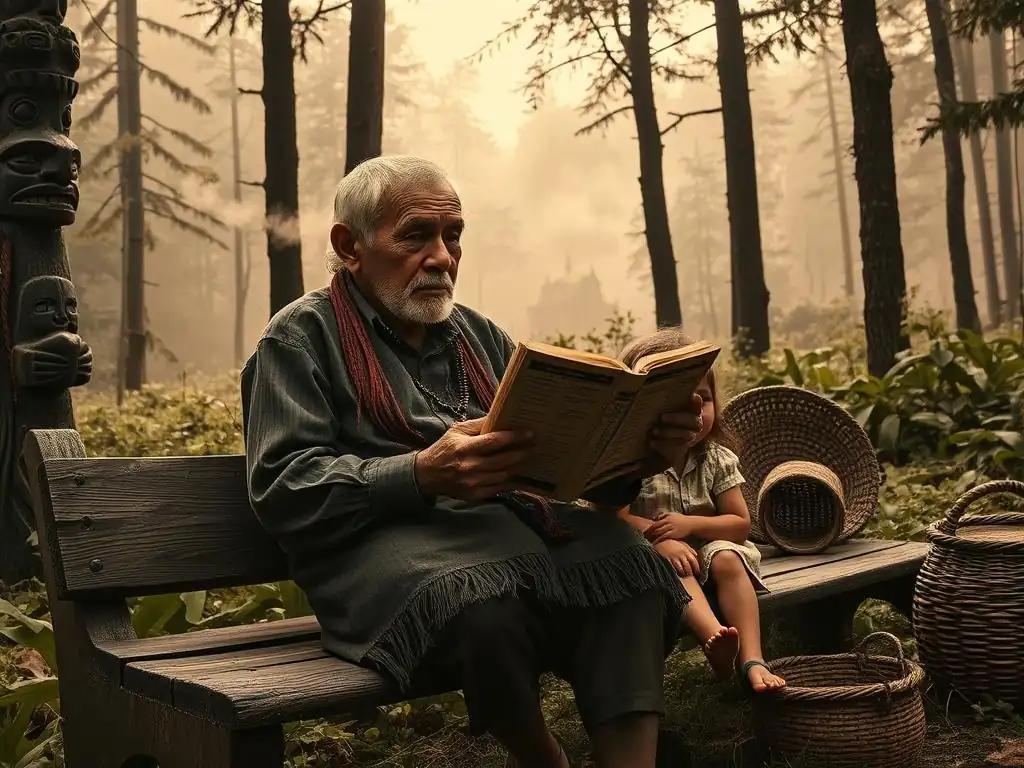
The loss of indigenous languages in the Americas due to colonization can be attributed to a variety of mechanisms that operated in tandem, leading to a significant decline in linguistic diversity. These mechanisms are often interrelated, creating a complex web that has severely impacted indigenous communities. Understanding these factors is crucial to comprehending the broader context of cultural erosion and the lasting effects of colonization on indigenous languages.
Socioeconomic Factors Leading to Language Decline
Socioeconomic changes brought about by colonization have played a pivotal role in the decline of indigenous languages. As European powers established control over vast territories, they introduced new economic systems that marginalized indigenous populations.
- Land Dispossession: The appropriation of indigenous lands for agriculture, mining, and settlements forced many communities to abandon their traditional lifestyles. This shift often resulted in the loss of cultural practices linked to language, as these practices were typically transmitted orally within communities.
- Economic Inequality: The introduction of new economic hierarchies and labor systems often relegated indigenous peoples to low-paying, menial jobs, further distancing them from their languages and cultures. As economic pressures mounted, many individuals felt compelled to adopt the dominant language for better opportunities, leading to a gradual erosion of their native tongues.
- Cultural Stigmatization: With colonization came the perception that indigenous languages were inferior. This stigmatization discouraged speakers from using their languages, especially in professional settings, thereby accelerating language decline.
The Role of Education in Language Erosion
The education system established by colonizers contributed significantly to the erosion of indigenous languages.
- Assimilation Policies: Many European powers implemented educational systems aimed at assimilating indigenous peoples into colonial cultures. Schools often taught only in the colonizers' languages, effectively marginalizing indigenous languages and cultures.
- Curriculum Design: The curriculum frequently excluded indigenous knowledge and languages, focusing instead on the language and culture of the colonizers. This not only undermined the status of indigenous languages but also deprived younger generations of their linguistic heritage.
- Punitive Measures: In many cases, speaking indigenous languages in schools was explicitly prohibited, with punishments for those who disobeyed. Such measures created an environment of fear and shame surrounding native languages, leading to their decline within younger populations.
Urbanization and Migration: Changing Language Dynamics
Urbanization and migration have introduced new dynamics that have further complicated the survival of indigenous languages.
- Rural to Urban Migration: As indigenous populations migrated to urban areas in search of better economic opportunities, they often found themselves in environments where their languages were not spoken. This geographical shift led to decreased use of indigenous languages and increased reliance on the dominant language for daily communication.
- Community Fragmentation: Urbanization can lead to the fragmentation of tight-knit communities where indigenous languages are typically spoken. As families disperse and traditional community structures weaken, the opportunities for intergenerational language transmission diminish.
- Cultural Assimilation in Urban Settings: In urban environments, the pressure to assimilate into the dominant culture can be overwhelming. This results in younger generations prioritizing the language of the majority, further accelerating the decline of indigenous languages and contributing to a loss of cultural identity.
The impact of colonization on indigenous languages is multi-faceted, involving socioeconomic changes, educational policies, and urban migration. Each of these mechanisms plays a critical role in understanding the complex landscape of language loss among indigenous communities.
Cultural Heritage and Identity: The Role of Language

Language serves as a fundamental component of cultural heritage and identity among indigenous peoples of the Americas. It is not merely a means of communication but a vessel that carries the collective knowledge, values, traditions, and beliefs of a community. The myriad languages spoken by indigenous groups encapsulate unique worldviews and ways of life, reflecting the deep connections these communities have with their history, the environment, and one another.
As colonization progressed, many indigenous languages faced severe threats to their survival. The imposition of European languages often led to the marginalization of native tongues, severing the links between individuals and their cultural roots. This loss has had profound implications, as language loss often translates to a diminished sense of identity and belonging within indigenous communities.
Language as a Vessel of Cultural Knowledge
Indigenous languages are rich repositories of traditional knowledge, encompassing ecological wisdom, medicinal practices, and spiritual beliefs. For example, the vocabulary of plants and animals in many indigenous languages is extensive, reflecting a deep understanding of the natural world that has been passed down through generations. This intricate knowledge is often embedded in the language itself, where specific terms and phrases convey meanings that are not easily translatable into European languages.
Additionally, storytelling—an essential cultural practice—relies heavily on the nuances of language to convey moral lessons, historical accounts, and cultural values. Many indigenous narratives, such as those from the Navajo or Inuit cultures, are intricately tied to their languages, with unique linguistic structures that enhance the storytelling experience. The loss of these languages leads to the erosion of these narratives, effectively silencing the voices of the past.
Loss of Language and Its Effect on Cultural Practices
The impact of colonization on indigenous languages has led to significant cultural disruptions. As communities transitioned to European languages, essential cultural practices began to fade. For instance, rituals, songs, and dances that were traditionally performed in indigenous languages often lost their significance when translated or performed in another language. This shift not only affects the vibrancy of cultural expressions but also reduces the community's ability to pass down important cultural knowledge to future generations.
Furthermore, the decline in language fluency has contributed to the loss of traditional governance systems, environmental stewardship practices, and community cohesion. Language is often the medium through which values and social norms are communicated, and its erosion can lead to a breakdown in the social fabric of indigenous communities. The intergenerational transmission of culture is jeopardized, leading to a risk of cultural extinction.
Revitalization Efforts and Language Preservation
In response to the challenges posed by colonization, many indigenous communities have initiated revitalization efforts aimed at preserving their languages and, by extension, their cultures. These efforts often involve community-driven programs that focus on language education, intergenerational teaching, and the creation of resources such as dictionaries, apps, and educational materials in indigenous languages.
For example, the revitalization of the Cherokee language has seen significant progress through immersion schools and community classes, where both young and old are encouraged to learn and use the language in daily life. Similar initiatives can be observed with the Ojibwe, Lakota, and Quechua languages, among others. These programs not only aim to increase fluency but also to cultivate a sense of pride and identity among speakers.
The incorporation of technology in language preservation is also noteworthy. Digital platforms and social media are being harnessed to create vibrant online communities that foster language use and cultural exchange. This modern approach helps to engage younger generations who may be more inclined to use technology in their everyday lives, creating a bridge between tradition and modernity.
While the impact of colonization on indigenous languages has led to significant challenges, the ongoing revitalization efforts provide a pathway for healing and cultural continuity. By recognizing the intrinsic link between language and cultural identity, these initiatives play a crucial role in preserving the rich heritage of indigenous peoples across the Americas.
Current Status of Indigenous Languages
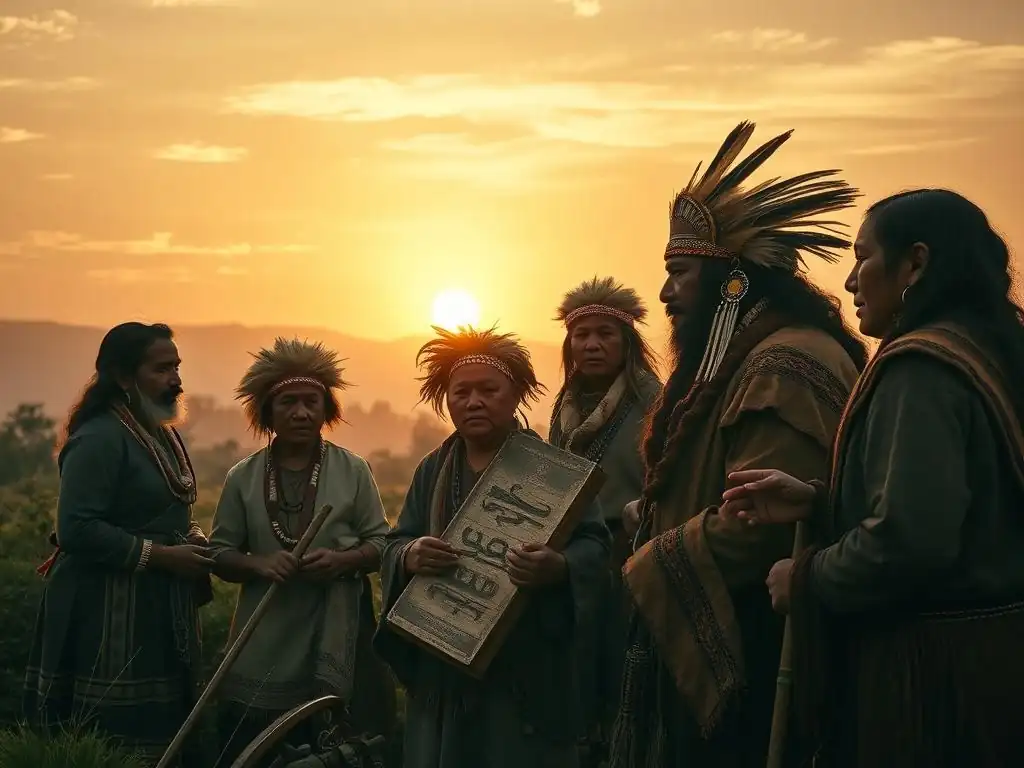
The current status of indigenous languages across the Americas reflects a complex tapestry of resilience and vulnerability. As of recent estimates, it is believed that over 300 indigenous languages are critically endangered, with many on the brink of extinction. The impact of colonization on indigenous languages has led to a significant decline in the number of speakers and the transmission of these languages to younger generations.
Statistics on Language Endangerment Today
Understanding the severity of language endangerment is crucial to grasping the broader impact of colonization. According to a report by the United Nations Educational, Scientific and Cultural Organization (UNESCO), approximately 40% of the world’s languages are endangered, with indigenous languages being disproportionately affected. Here are some key statistics:
- Languages at Risk: Out of the 6,700 languages spoken worldwide, about 2,500 are classified as endangered.
- Speakers Decline: Many indigenous languages have fewer than 100 speakers, some of them are elderly, indicating that the transmission to future generations is severely compromised.
- Language Families: In the Americas, language families such as Algonquian, Uto-Aztecan, and Mayan are experiencing substantial declines, with languages like Cree and Nahuatl seeing reductions in fluent speakers.
The loss of these languages represents not just the disappearance of ways of communication, but the erosion of cultural identity, traditional knowledge, and community ties.
Efforts Toward Revitalization of Indigenous Languages
In recent years, various initiatives have emerged to combat the decline of indigenous languages. Communities, organizations, and governments are recognizing the importance of language preservation and revitalization. Some notable efforts include:
- Educational Programs: Many indigenous groups are establishing language immersion programs in schools, which aim to teach children their native languages from an early age. For example, the K-12 Immersion Program among the Ojibwe community focuses on integrating the language into everyday learning.
- Community Workshops: Language revitalization workshops are being held in various communities, where elders teach younger members about their languages, oral traditions, and cultural practices.
- Government Support: Countries like Canada have introduced Indigenous Languages Act, which provides funding and support for language preservation initiatives.
The resurgence of interest in indigenous languages showcases a remarkable resilience against the backdrop of colonization and its long-lasting effects.
The Role of Technology in Language Preservation
Technology is playing an increasingly vital role in the preservation and revitalization of indigenous languages. Here are some ways technology is being harnessed:
- Digital Dictionaries and Apps: Many communities are developing digital dictionaries and mobile applications that allow users to learn and practice their languages. For instance, the Navajo Language App provides resources for learners, including vocabulary, grammar, and pronunciation guides.
- Online Courses and Resources: Platforms like YouTube and social media are being utilized to share language lessons and cultural content, making language learning accessible to a broader audience.
- Recording and Archiving: Linguists and community members are using audio and video recording technology to document native speakers. These recordings are then preserved in digital archives, safeguarding the languages for future generations.
- Collaborative Projects: Initiatives such as the Indigenous Language Digital Archive promote collaboration among various tribes and organizations, creating a collective resource for learning and preserving languages.
While the impact of colonization on indigenous languages has been profound and damaging, the current efforts toward revitalization and the innovative use of technology offer hope for the survival of these vital cultural resources. The journey of preserving indigenous languages is not only about saving words but ensuring the continuity of rich cultural heritages.
Conclusion: Reflecting on the Impact of Colonization
The impact of colonization on indigenous languages is profound and multifaceted. As European powers expanded their territories into the Americas, they imposed their languages and cultures upon indigenous populations, often leading to the systematic suppression of native tongues. This not only resulted in the loss of linguistic diversity but also had significant repercussions on the social structures, identities, and cultural practices of indigenous peoples.
The Importance of Language for Indigenous Identity
Language is not merely a means of communication; it is the very essence of cultural identity for indigenous communities. Each language carries unique worldviews, traditions, and histories that are embedded within its vocabulary and grammatical structures. For instance, many indigenous languages include words that describe local ecological knowledge, social relationships, and spiritual beliefs that are not easily translatable into European languages.
- Cultural Transmission: Language serves as a vessel for passing down traditions, stories, and cultural knowledge from one generation to the next. The loss of a language often equates to the loss of cultural identity, as seen in communities where elders are unable to teach the younger generations their native tongue.
- Connection to Land: Indigenous languages are often intricately linked to the land and environment. For example, the multiple terms used in the Navajo language to describe different types of mountains or rivers reflect a deep connection to their geography. This disconnection caused by language loss can lead to a diminished understanding of the land and its significance.
- Social Cohesion: Language fosters community bonds and a sense of belonging. When a language is lost, it can fracture the social fabric of a community, leading to isolation and a weakened collective identity.
Call to Action: Supporting Indigenous Language Revitalization
Revitalizing indigenous languages is crucial for restoring cultural heritage and identity. Several initiatives and programs are currently in place to support this cause:
- Educational Programs: Schools and community organizations are developing curricula that incorporate indigenous languages, aiming to engage young learners in their cultural heritage.
- Community Workshops: Many indigenous communities organize workshops that bring together fluent speakers and learners to practice and share their languages. These gatherings foster intergenerational learning, allowing elders to pass on their knowledge.
- Digital Resources: Technology can play a pivotal role in language revitalization. Online platforms, apps, and social media are being utilized to create resources for language learning and to connect speakers globally.
- Policy Advocacy: Advocating for policies that protect and promote indigenous languages is vital. Governments can implement language preservation laws, funding for language programs, and recognition of indigenous languages in official contexts.
By actively supporting these initiatives, individuals and organizations can contribute to the revival of indigenous languages and help ensure their survival for future generations.
Final Thoughts on the Legacy of Colonization and Language Loss
The legacy of colonization has left indelible scars on indigenous languages, resulting in the disappearance of countless languages and dialects across the Americas. The impact of colonization on indigenous languages is not just a historical concern; it continues to affect the identity, culture, and social cohesion of indigenous communities today.
However, the resurgence of interest in indigenous languages, coupled with concerted efforts for revitalization, offers a glimmer of hope. By acknowledging the historical injustices and actively participating in language preservation, we can honor the rich linguistic heritage of indigenous peoples and work toward a future where their voices are heard and celebrated.
Embracing and supporting the revitalization of indigenous languages is a crucial step in addressing the broader impacts of colonization. It is a path toward healing, resilience, and the reaffirmation of indigenous identities and cultures.
Frequently Asked Questions
What is the main focus of the article "Vanished Voices: The Loss of Indigenous Languages in the Face of Colonization"?
The article primarily explores the impact of colonization on indigenous languages, detailing how European settlement led to the decline and extinction of many native tongues.
Why are indigenous languages important to their cultures?
Indigenous languages are vital as they carry cultural knowledge, traditions, and worldviews unique to each community, contributing to their identity and heritage.
How did colonization affect the transmission of indigenous languages?
Colonization often resulted in the suppression of indigenous languages through policies that favored European languages, leading to a loss of fluent speakers and cultural disconnection.
What are some examples of languages that have disappeared due to colonization?
Several languages, such as Taino and Maya dialects, have vanished or are critically endangered, illustrating the devastating effects of colonization on linguistic diversity.
How can we help preserve endangered indigenous languages today?
Efforts to preserve these languages include community education programs, revitalization initiatives, and the use of technology to document and teach them to future generations.
Final Reflection: The Enduring Echoes of Vanished Voices
The impact of colonization on indigenous languages is not merely a historical footnote; it is a living reality that continues to shape the identities and cultures of indigenous peoples today. As we navigate a world increasingly dominated by a few global languages, we must confront the stark truth that the loss of these languages represents not just a loss of words, but a profound erasure of history, culture, and identity.
The struggle to preserve these languages is a testament to resilience and a call to action for all of us to recognize and honor the rich tapestry of human expression that colonization has sought to unravel.
The ongoing influence of this topic is evident in the revitalization movements that are emerging worldwide, as communities strive to reclaim their linguistic heritage. The fight to save indigenous languages is not just about communication; it is about restoring dignity and pride in cultural identity. As the linguist K. David Harrison poignantly stated, Languages are not just a means of communication; they are the very essence of a people’s culture and identity.
This underscores the critical need for awareness and advocacy in preserving these languages, as they hold the keys to understanding unique worldviews and ways of life that have existed for millennia.
As we reflect on the lessons of this article, let us commit to being allies in the fight against linguistic erasure. I invite you to explore the languages and cultures around you, to listen to the stories they tell, and to support initiatives that promote their survival. Each of us has a role to play in ensuring that these voices are not lost to time, but rather celebrated and integrated into the rich mosaic of our shared humanity. Together, we can help to ensure that the echoes of these vanished voices continue to resonate for generations to come.
Revive and Celebrate Indigenous Languages Today!
Thank you for taking the time to explore the vital topic of Indigenous languages and their significance in our world. Your engagement is essential in preserving these unique cultural identities and understanding the power of language in shaping civilizations. Now, let's take meaningful action together!
- Join a local or online language class for an Indigenous language you are interested in to foster connection and understanding.
- Share this article with your community on social media to raise awareness about the importance of Indigenous languages and support initiatives aimed at their revitalization.
- Explore partnerships with local Indigenous groups to volunteer or participate in cultural exchange programs that celebrate and promote these languages.
What will you do today to honor and amplify the voices of Indigenous cultures in your life?