
The Spiritual Dimension of Warfare in Indigenous Cultures

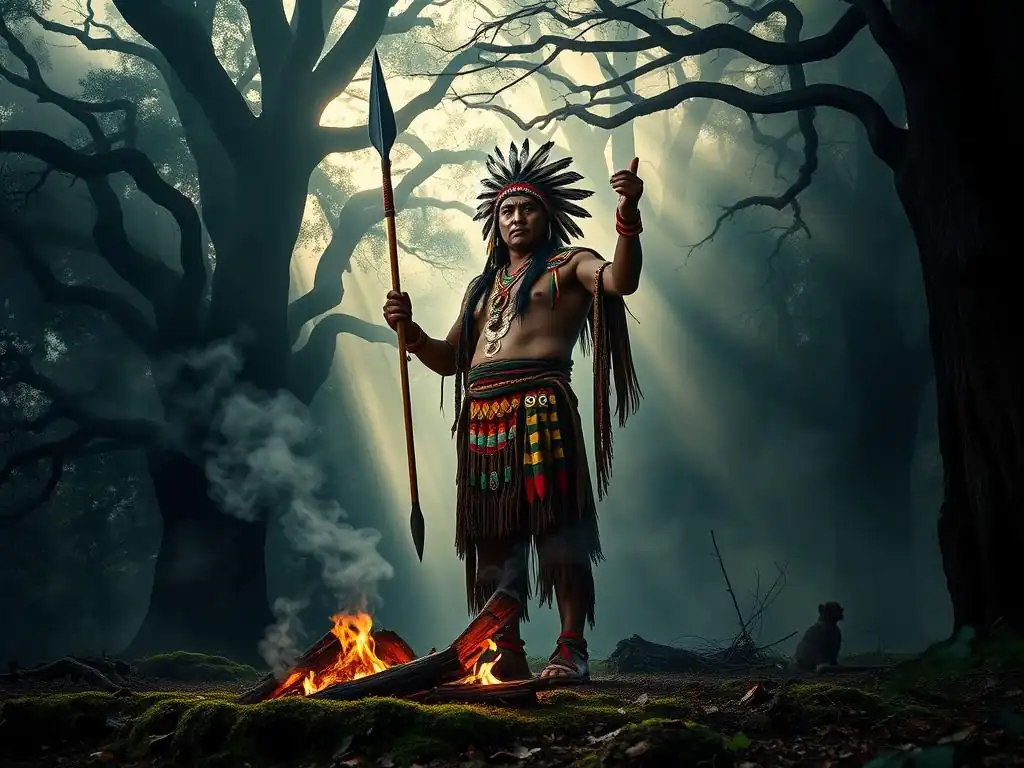
Welcome to Indigenous Civilizations of the Americas, where we embark on a journey through the rich tapestry of indigenous cultures that flourished long before European contact. In our featured article, "The Spiritual Dimension of Warfare in Indigenous Cultures," we delve into the fascinating interplay between spirituality and conflict, uncovering how these societies approached warfare not just as a physical struggle, but as a profound spiritual undertaking.
Discover the intricate beliefs and rituals that shaped their understanding of battle, and prepare to be captivated by the depth of knowledge and resilience that defines these remarkable civilizations. Join us as we illuminate the past and inspire a deeper appreciation for the enduring legacy of indigenous peoples across the Americas.
The exploration of indigenous cultures in the Americas reveals a profound connection between spirituality and warfare, an aspect often overlooked in mainstream discussions of military practices. For many indigenous societies, the act of war was not merely a physical confrontation but a complex interplay of spiritual beliefs, rituals, and communal identity.
Understanding this spiritual dimension is crucial to comprehending how indigenous peoples approached conflict, the motivations behind their actions, and the enduring impact of these practices on their cultures. This article delves into the concept of spiritual warfare within indigenous cultures, examining how spirituality informed their warfare practices and the historical context that shaped these beliefs.
Understanding Spiritual Warfare in Indigenous Cultures
Definition of Spiritual Warfare
Spiritual warfare in indigenous cultures refers to the belief that conflicts are not solely physical but also involve spiritual forces. This perspective encompasses the idea that combatants engage not just with their enemies but also with spiritual entities, invoking powers that could influence the outcomes of battles. Rituals, prayers, and offerings were often integral components of preparing for warfare, reflecting a deep-seated belief in the intersection of the physical and spiritual realms.
Importance of Spirituality in Indigenous Beliefs
Spirituality played a central role in the daily lives of indigenous peoples, guiding their understanding of the world and their place within it. Many tribes believed in a multitude of spirits, ancestors, and deities that interacted with the living. This spiritual framework provided not only a moral compass but also a means of interpreting events, including warfare. The belief that spiritual favor could dictate the success of military endeavors reinforced the significance of maintaining harmony with the spiritual world.
Relationship Between Spirituality and Warfare Practices
The relationship between spirituality and warfare practices is characterized by a cyclical interaction. Spiritual rituals were performed to seek guidance and strength before battles, while the outcomes of conflicts were often viewed through a spiritual lens. Victories could be seen as divine approval, while defeats might indicate a need to appease offended spirits. This intertwining of the spiritual and martial underscored the holistic worldview of indigenous cultures, where every aspect of life was influenced by spiritual beliefs.
Historical Context of Warfare Among Indigenous Cultures
Overview of Indigenous Warfare Practices
Indigenous warfare practices varied significantly across the Americas, shaped by environmental factors, social structures, and cultural beliefs. Some tribes engaged in structured warfare with codified rules, while others participated in raids or skirmishes. The motivations for warfare could include resource acquisition, territorial disputes, and revenge, but spiritual factors were often at play, further complicating the landscape of conflict.
Spiritual Motivations Behind Warfare
Warfare among indigenous cultures was frequently driven by spiritual motivations. For many, engaging in conflict was a means to restore balance or seek justice for perceived wrongs. Spiritual leaders often played crucial roles in sanctioning warfare, emphasizing that the cause was just and aligned with the community’s spiritual beliefs. Additionally, the quest for honor and prestige in the spiritual realm could motivate warriors to engage in battle.
Case Studies of Indigenous Cultures Engaged in Warfare
To illustrate the spiritual dimension of warfare, we can examine various indigenous cultures, such as the Lakota Sioux, known for their spiritual rituals before battles, including the Sun Dance. Similarly, the Aztecs incorporated elaborate religious ceremonies to honor their gods prior to warfare, believing that their success depended on divine favor. Each case study highlights the unique ways in which spiritual beliefs shaped the nature and conduct of warfare within different indigenous cultures, revealing a rich tapestry of practices interwoven with their spiritual lives.
Spiritual Rituals and Their Role in Warfare
In many indigenous cultures, warfare was not merely a physical confrontation but a profound spiritual undertaking. Spiritual rituals played a crucial role in preparing warriors and communities for battle, reinforcing the idea that success in conflict was intertwined with spiritual beliefs and practices. These rituals served to invoke the favor of deities, ancestors, and spirits, ensuring that warriors embarked on their quests with both physical readiness and spiritual fortitude. The intertwining of spirituality and warfare highlights the holistic approach indigenous cultures took toward conflict, viewing it as a part of the broader cosmic order.
Ceremonies and Rituals Preceding Battles
Before engaging in battle, various indigenous cultures would conduct elaborate ceremonies and rituals designed to invoke spiritual protection and guidance. These ceremonies often included offerings, prayers, and dances that were believed to strengthen the bond between the warriors and their spiritual guides.
For example, the Plains tribes, such as the Lakota, would hold a Sun Dance, a ritual that involved physical endurance and spiritual purification, aimed at preparing the community for any forthcoming conflicts. Similarly, the Aztecs performed the Toxcatl ceremony, which honored their god of war, Huitzilopochtli, and involved the sacrifice of a captive to ensure victory in battle.
The Use of Symbols and Totems in Warfare
Symbols and totems held immense significance in the context of warfare among indigenous cultures. They were seen as embodiments of spiritual power and protection. Warriors often adorned themselves with symbols that represented their tribe, achievements, or spiritual beliefs, which were believed to grant them strength and courage in battle.
For instance, the use of animal motifs—such as bears, wolves, or eagles—was common, as these animals symbolized various qualities like bravery, cunning, or freedom. The ritualistic painting of these symbols on warriors' bodies served not only as a form of identification but also as a spiritual armor, enhancing their connection to the spirit world.
Role of Shamans and Spiritual Leaders in Conflict
Shamans and spiritual leaders played a pivotal role in the spiritual dimension of warfare. They were often consulted for guidance before battles, interpreting dreams and visions that were believed to forecast the outcome of conflicts. The shaman's ability to communicate with the spirit world allowed them to provide crucial insights into the spiritual health of the community and the warriors.
In many cases, shamans would accompany warriors into battle, performing rituals to invoke protection and blessings. Their presence reassured the warriors that they were not alone, fostering a deep sense of collective spirituality and purpose in the face of conflict.
Spiritual Warfare Strategies in Indigenous Cultures
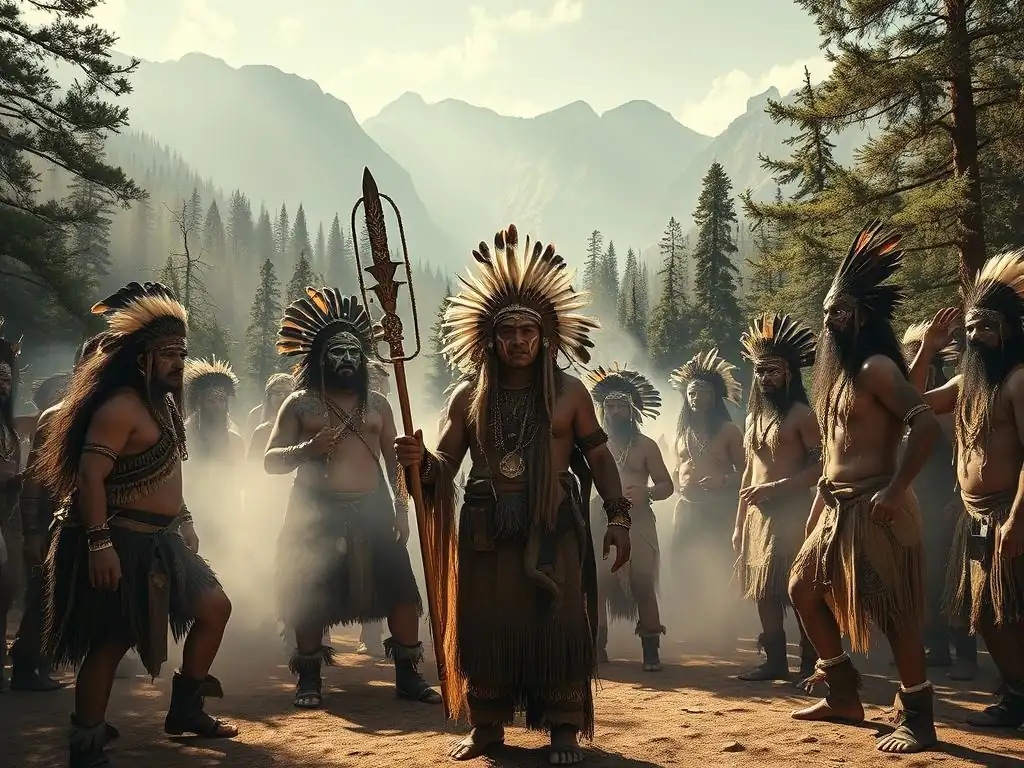
Indigenous cultures employed various spiritual warfare strategies that reflected their beliefs and values. These strategies not only aimed to defeat the enemy but also sought to undermine their morale and spiritual resolve. Understanding the psychological aspects of warfare was crucial in these indigenous contexts, where belief systems significantly influenced the outcome of conflicts.
Psychological Warfare and Spiritual Beliefs
Psychological warfare was intricately linked to spiritual beliefs in many indigenous cultures. The very act of instilling fear and uncertainty in the enemy often involved supernatural elements. Rituals were often designed to create an aura of invincibility around the warriors, while simultaneously projecting a sense of doom onto their adversaries. For example, the Iroquois would use war cries and symbolic gestures to convey their might and spiritual power, aiming to intimidate enemies and disrupt their focus. The belief that one’s spiritual strength could influence the physical realm led to tactics that sought to demoralize the opposition through supernatural insinuations.
The Role of Prophecy and Divination in Warfare Decisions
Prophecy and divination were integral to decision-making in warfare among indigenous cultures. Leaders often relied on spiritual insights to determine the best times to engage in battle or retreat. Various methods of divination, including scrying, reading animal behavior, or interpreting natural phenomena, were employed to seek guidance. The results of these spiritual practices could dictate a community’s approach to conflict, emphasizing the importance of aligning with spiritual forces. The decisions made through these prophetic insights were deeply respected, reinforcing the idea that warfare was not just a human endeavor but a cosmic event influenced by divine will.
Community Involvement and Collective Spirituality in Conflict
The involvement of the entire community in spiritual practices surrounding warfare underscored the collective nature of indigenous cultures. Communities would gather to participate in rituals, reinforcing bonds and shared spiritual beliefs. This collective spirituality not only prepared warriors for battle but also ensured that the entire community felt a part of the conflict, whether through direct participation or through spiritual support. The belief that the community’s well-being was interconnected with the success of its warriors created a sense of shared responsibility and purpose, further solidifying the spiritual dimension of warfare in indigenous cultures.
Comparative Analysis of Spiritual Warfare Across Indigenous Cultures
The concept of spiritual warfare in indigenous cultures reveals a rich tapestry of beliefs and practices that vary widely across different groups. While each culture has its unique interpretations and rituals, there are significant themes that resonate throughout many indigenous societies. Understanding these similarities and differences provides insight into how spiritual dimensions shape their military practices and societal structures.
Similarities in Spiritual Warfare Practices
Across various indigenous cultures, spiritual warfare is often interwoven with their cosmologies and worldviews. Many societies believe that the spiritual realm is intimately connected to the physical world, and thus, military conflicts cannot be separated from spiritual implications. Common similarities include:
- Ritualistic Preparations: Many indigenous groups engage in rituals to invoke protection or favor from spiritual entities before entering battle. These can include offerings, prayers, or ceremonies to ensure divine support.
- Use of Symbols and Totems: Various cultures utilize symbols, such as animal totems or clan insignias, which they believe carry spiritual significance and power, influencing the outcome of conflicts.
- Shamanic Roles: Shamans or spiritual leaders often play crucial roles in mediating between warriors and the spiritual world, guiding their actions through divination practices and spiritual insights.
Differences in Approaches to Spiritual Warfare
While similarities exist, the approaches to spiritual warfare can differ vastly among cultures. These differences often reflect unique historical contexts, environmental factors, and social structures. Key distinctions include:
- Nature of Spiritual Entities: Some cultures may focus on ancestral spirits, while others might invoke nature spirits or deities associated with specific elements, reflecting their worldview and environment.
- Ritual Complexity: The complexity of rituals can vary, with some cultures employing elaborate ceremonies involving music, dance, and offerings, while others may have more straightforward practices emphasizing personal connection to the spiritual realm.
- Integration with Daily Life: In some indigenous societies, spiritual warfare is integrated into daily life and not limited to times of conflict, highlighting a continuous engagement with the spiritual realm rather than isolated rituals.
Notable Examples from Various Indigenous Groups
Examining specific indigenous groups illustrates the diversity of spiritual warfare practices:
- The Lakota Sioux: The Lakota engage in the "Vision Quest," a spiritual journey undertaken before battle to seek guidance and strength from the spirit world.
- The Aztecs: In contrast, the Aztecs performed extensive human sacrifices as a means of appeasing their gods and ensuring victory in warfare, reflecting a belief in the necessity of blood offerings for spiritual favor.
- The Iroquois Confederacy: The Iroquois used rituals such as the "Condolence Ceremony" to maintain harmony and balance, addressing any grievances before engaging in warfare, emphasizing the importance of community and spiritual alignment.
The Impact of Spiritual Warfare on Indigenous Identity
The spiritual dimension of warfare significantly impacts indigenous identity, shaping how communities perceive themselves and their place in the world. This connection between spirituality and warfare fosters a sense of belonging and continuity within indigenous societies.
Spiritual Warfare and Cultural Resilience
Spiritual warfare practices contribute to cultural resilience by reinforcing collective identity and shared values. The belief in spiritual support during conflicts helps communities endure challenges, fostering unity and strength. This resilience is often manifested through:
- Cultural Narratives: Stories and myths surrounding spiritual warriors or legendary battles serve to inspire current and future generations, instilling pride and a sense of purpose.
- Community Cohesion: Engaging in shared spiritual practices during times of warfare enhances community bonds, as members unite to seek protection and guidance from their ancestors or spiritual beings.
The Legacy of Spiritual Warfare in Contemporary Indigenous Societies
The legacy of spiritual warfare continues to influence contemporary indigenous societies, as they navigate challenges posed by modernity and historical trauma. Many indigenous groups are revitalizing traditional spiritual practices, integrating them into their current contexts to maintain cultural identity and resilience.
- Cultural Revitalization Movements: Many indigenous communities are actively reclaiming and revitalizing their spiritual practices, often in response to historical oppression and cultural loss.
- Advocacy for Indigenous Rights: Spiritual beliefs linked to warfare are sometimes invoked in contemporary struggles for land rights and sovereignty, as indigenous groups assert their cultural heritage and spiritual connection to the land.
Preservation of Spiritual Practices in Modern Warfare Contexts
In modern warfare contexts, the preservation of spiritual practices remains vital for many indigenous groups. These practices serve not only as a means of coping with the ravages of conflict but also as a way to assert cultural identity. Examples include:
- Integration into Military Service: Indigenous veterans often incorporate their spiritual practices into military service, seeking guidance and protection from their cultural beliefs while navigating modern combat situations.
- Healing from Trauma: Spiritual practices are increasingly recognized as essential for healing post-conflict trauma, helping individuals reconnect with their cultural roots and find solace in their spiritual traditions.
Through these evolving practices, spiritual warfare remains an essential aspect of indigenous identity, contributing to ongoing cultural resilience and adaptation in the face of contemporary challenges.
Conclusion: The Lasting Influence of Spiritual Warfare in Indigenous Cultures
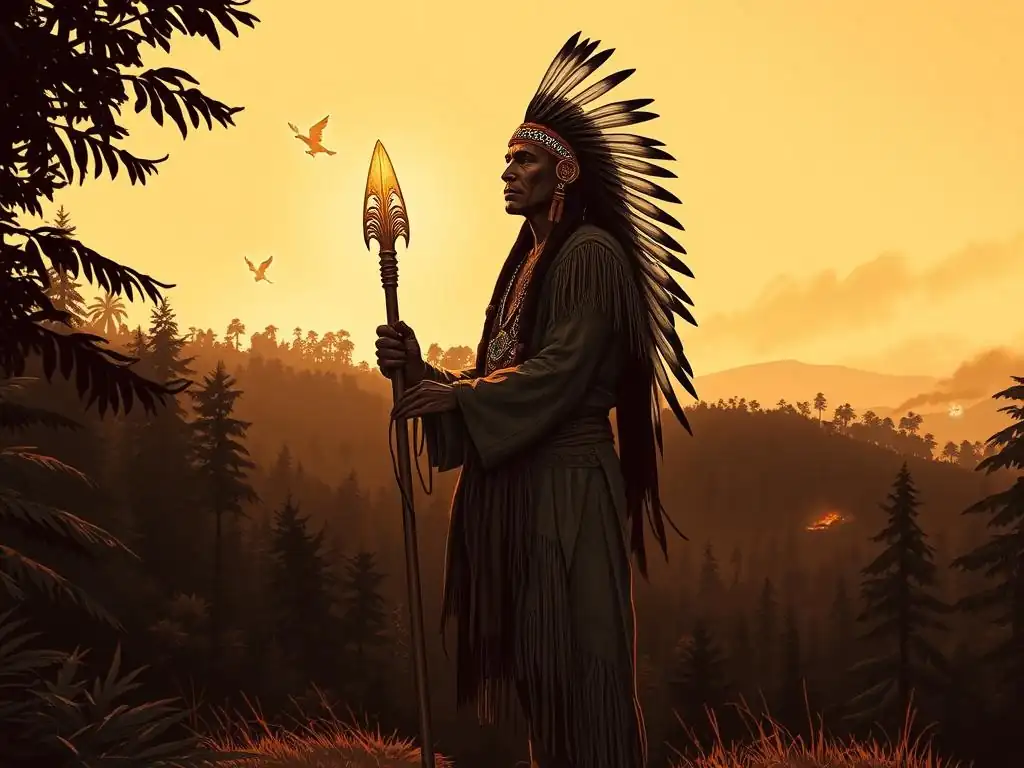
The concept of spiritual warfare in indigenous cultures has left an indelible mark on the historical and contemporary practices of these communities. Throughout their histories, many indigenous groups have intertwined their spiritual beliefs with their approaches to conflict, creating a unique framework that shaped not only their military strategies but also their communal identities. This spiritual dimension often served as a source of strength, resilience, and unity among tribes, enabling them to navigate the tumultuous landscape of intertribal conflicts as well as encounters with European colonizers.
Moreover, the legacy of spiritual warfare continues to resonate in modern indigenous societies, where traditional beliefs and practices are increasingly being revitalized. Ceremonies that invoke spiritual protection and blessings are still performed, illustrating a deep-rooted connection to ancestral practices. The acknowledgment of spiritual warfare as a vital aspect of indigenous cultures contributes to a broader understanding of their histories, allowing for a more nuanced appreciation of their social structures and worldviews.
Reflection on the Spiritual Dimension of Warfare
Reflecting on the spiritual dimension of warfare in indigenous cultures reveals profound insights into the ways these societies conceptualize conflict. For many tribes, warfare was not merely a physical struggle but rather an extension of their spiritual beliefs and a reflection of their relationship with the natural and supernatural worlds. This perspective emphasizes the importance of rituals, prayers, and offerings, which were integral to ensuring success in battles and safeguarding the community.
The spiritual practices surrounding warfare often included the invocation of deities or spirits believed to influence outcomes. Such practices fostered a sense of purpose and morality in conflicts, as warriors were seen not just as fighters but as protectors of sacred traditions and values. This intertwining of spirituality and warfare often resulted in a profound respect for life and a preference for negotiation and diplomacy whenever possible, highlighting a sophisticated understanding of conflict resolution.
Future Research Directions on Indigenous Spirituality and Warfare
As scholars continue to explore the intricacies of indigenous spirituality and warfare, several promising avenues for future research emerge. One potential direction includes a comparative analysis of spiritual warfare practices across different indigenous cultures, uncovering similarities and diversities that may enrich our understanding of their military traditions.
Additionally, interdisciplinary studies could enhance insights into how indigenous spiritual beliefs influence contemporary military practices and community resilience in the face of modern challenges. Investigating the role of spiritual warfare in current movements for indigenous rights and sovereignty could reveal how these ancestral beliefs provide frameworks for contemporary activism.
Finally, there is a need for more ethnographic studies that engage with indigenous voices, ensuring that their perspectives on spirituality and warfare are prominently featured in academic discourse. By centering indigenous narratives, researchers can contribute to a more comprehensive understanding of how these cultures view warfare not only as a historical phenomenon but also as an ongoing element of their identity and survival.
- Understanding Spiritual Warfare in Indigenous Cultures
- Historical Context of Warfare Among Indigenous Cultures
- Spiritual Rituals and Their Role in Warfare
- Spiritual Warfare Strategies in Indigenous Cultures
- Comparative Analysis of Spiritual Warfare Across Indigenous Cultures
- The Impact of Spiritual Warfare on Indigenous Identity
- Conclusion: The Lasting Influence of Spiritual Warfare in Indigenous Cultures
- Reflection on the Spiritual Dimension of Warfare
- Future Research Directions on Indigenous Spirituality and Warfare
- What is the significance of spiritual warfare in indigenous cultures?
- How did indigenous civilizations perceive the concept of warfare?
- What role did rituals play in indigenous warfare?
- How did indigenous cultures' understanding of spirituality influence their approach to conflict?
- Are there lasting impacts of spiritual warfare practices in contemporary indigenous communities?
Frequently Asked Questions
What is the significance of spiritual warfare in indigenous cultures?
Spiritual warfare in indigenous cultures often involves the use of rituals and beliefs to invoke protection, gain strength, or combat adversaries. It reflects the intrinsic connection between their spiritual beliefs and daily life.
How did indigenous civilizations perceive the concept of warfare?
Indigenous civilizations viewed warfare not merely as physical conflict but also as a means to uphold honor, protect territory, and engage in spiritual practices that were integral to their culture.
What role did rituals play in indigenous warfare?
Rituals were crucial in preparing warriors for battle, invoking the support of spiritual entities, and ensuring that the actions taken were in alignment with their cultural values and beliefs.
How did indigenous cultures' understanding of spirituality influence their approach to conflict?
The understanding of spirituality shaped their approach to conflict by emphasizing the importance of balance and harmony, often seeking to resolve disputes through negotiation and spiritual means rather than outright violence.
Are there lasting impacts of spiritual warfare practices in contemporary indigenous communities?
Yes, many contemporary indigenous communities still incorporate elements of spiritual warfare in their practices, using traditional beliefs to foster community resilience and address ongoing challenges related to cultural survival.
Final Reflection: The Enduring Legacy of Spiritual Warfare in Indigenous Cultures
The exploration of spiritual warfare in indigenous cultures reveals a profound connection between belief systems and the realities of conflict. Today, as we navigate a world rife with division and strife, understanding the spiritual dimensions of warfare offers us critical insights into how communities have historically coped with and resisted oppression. The resilience of these cultures serves as a powerful reminder that spirituality can be both a source of strength and a means of survival.
The influence of spiritual warfare on indigenous cultures extends beyond historical contexts, shaping contemporary social movements and cultural identities. As these communities reclaim their narratives, the spiritual practices that once guided their ancestors are being revitalized, fostering unity and resilience in the face of modern challenges. In the midst of chaos, there is also opportunity.
This quote resonates deeply, as it encapsulates the transformative potential of embracing spiritual beliefs in the fight for justice and recognition.
As you reflect on the themes presented in this article, consider how the lessons of spiritual warfare can inform your own life and actions. Engage with the spiritual dimensions of your own experiences, and recognize the power of belief in overcoming personal and collective struggles. Let the stories of indigenous cultures inspire you to cultivate resilience and seek harmony in your own journey, fostering a deeper understanding of the interconnectedness of all beings.
Embrace the Spiritual Legacy of Indigenous Warfare
Thank you for exploring the profound relationship between spirituality and warfare in Indigenous cultures. Your interest contributes to a deeper understanding of these rich traditions and their significance. Now, it's time to take meaningful steps to honor and engage with this important subject.
- Dive Deeper: Consider reading literature or viewing documentaries that focus on the spiritual practices of Indigenous warriors. This will provide you with greater insights into their philosophies and beliefs.
- Share Your Insights: Engage in discussions about this topic with friends or on social media platforms, encouraging others to recognize the vital role that spirituality plays in understanding Indigenous cultures.
- Engage with the Community: Participate in local workshops or events organized by Indigenous groups to learn firsthand about their traditions and values.
Which aspects of spirituality in Indigenous warfare resonate most with you? How might this newfound knowledge influence your perspective on contemporary conflicts?