
Hieroglyphs and Codices: The Written Art of the Mayan Civilization

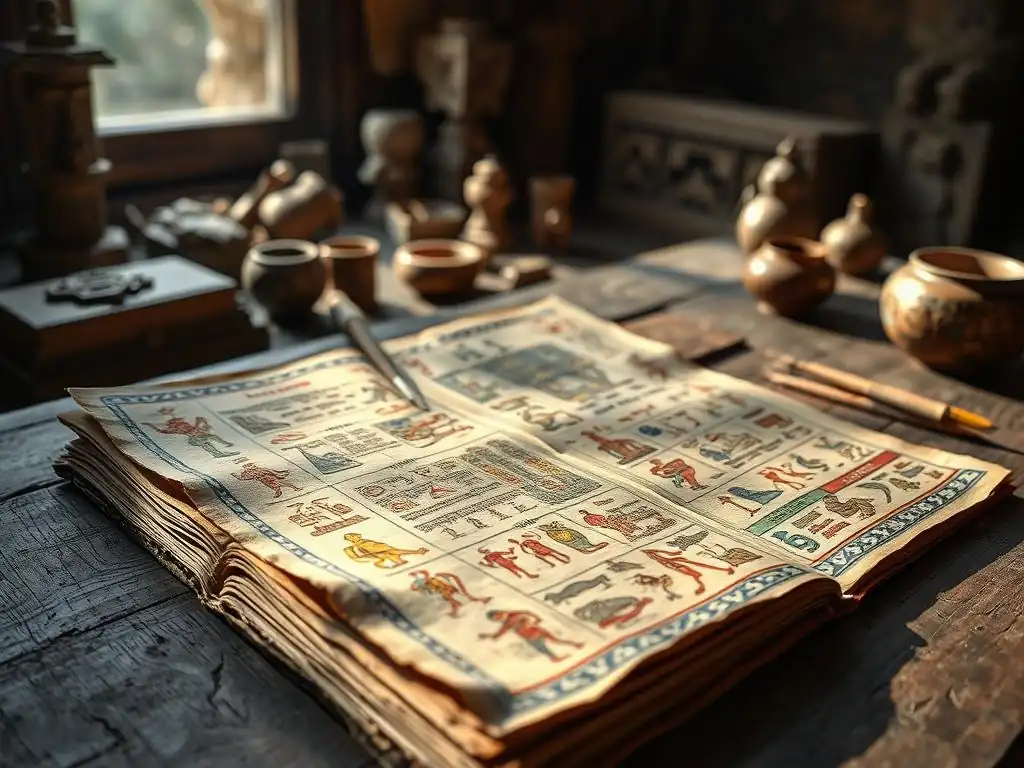
Welcome to Indigenous Civilizations of the Americas, where we embark on an enlightening journey through the rich tapestry of indigenous cultures that flourished long before European contact. Today, we delve into the fascinating world of the Mayan civilization written language, exploring the intricate hieroglyphs and beautifully crafted codices that reveal the depth of Mayan thought and artistry. What secrets do these ancient symbols hold, and how did they shape the society that created them?
Join us as we uncover the stories, achievements, and enduring legacy of the Mayans, and discover how their written language continues to captivate and inspire. Your adventure into the past begins here!
- Introduction to Mayan Civilization Written Language
- The Origins of Mayan Hieroglyphs
- Structure and Features of Mayan Hieroglyphs
- The Role of Codices in Mayan Civilization
- Deciphering the Mayan Written Language
- The Cultural Significance of Mayan Written Language
- Conclusion: The Enduring Impact of Mayan Written Language
- Frequently Asked Questions
- Final Reflection: The Enduring Legacy of the Mayan Civilization's Written Language
- Unveil the Secrets of Mayan Writing Today!
Introduction to Mayan Civilization Written Language
The Mayan civilization, one of the most sophisticated and influential cultures in pre-Columbian America, is renowned for its remarkable achievements in various fields, particularly in art, architecture, mathematics, and astronomy. Among their most intriguing contributions is their written language, a complex system of hieroglyphs and codices that serves as a testament to their advanced cognitive and cultural development.
This article will delve into the intricacies of the Mayan civilization's written language, exploring its significance in preserving their history and identity. By examining the nuances of Mayan hieroglyphs and codices, we aim to unravel the profound impact these written forms had on the Mayans and their enduring legacy in the Americas.
Overview of the Mayan Civilization
The Mayan civilization flourished in Mesoamerica from approximately 2000 BCE to the arrival of Spanish colonizers in the 16th century. Spanning present-day Mexico, Guatemala, Belize, and parts of Honduras and El Salvador, the Mayans developed a rich tapestry of city-states, each with its own political and social structure. Their society was characterized by impressive urban centers like Tikal, Palenque, and Copán, which showcased monumental architecture, intricate carvings, and vibrant murals.
The Mayans were not only skilled architects and artists but also advanced astronomers and mathematicians. They created a sophisticated calendar system that accurately tracked celestial events, showcasing their deep understanding of astronomy. Additionally, the Mayan civilization is known for its agricultural innovations, including advanced irrigation techniques and the cultivation of staple crops like maize, beans, and squash.
Their social structure was hierarchical, consisting of nobles, priests, merchants, and farmers. Religion played a central role in Mayan life, with a pantheon of gods and elaborate rituals that sought to maintain cosmic balance and ensure agricultural prosperity. The written language of the Mayans, primarily used by the elite class, was integral to documenting historical events, religious texts, and astronomical observations, thereby solidifying their cultural identity.
Importance of Written Language in Ancient Cultures
Written language is a fundamental aspect of human civilization, serving as a means of communication, record-keeping, and cultural expression. In ancient cultures, particularly the Mayans, written language was essential for several reasons:
- Preservation of History: Written records allowed the Mayans to document their history, including significant events, dynastic changes, and achievements. This preservation was crucial for maintaining cultural continuity and identity.
- Religious Significance: Hieroglyphs often conveyed religious beliefs and rituals, providing insights into the spiritual life of the Mayans. Sacred texts and codices served as guides for religious practices and the understanding of the cosmos.
- Cultural Expression: The artistry of Mayan hieroglyphs and codices reflects the civilization's aesthetic values and creativity. Their intricate designs and symbols are not only forms of communication but also works of art that express their worldview.
- Political Power: Control over written language was often limited to the elite, granting them authority and prestige. The ability to record and interpret information was a powerful tool in governance and diplomacy.
The written language of the Mayan civilization was a vital component of their culture, facilitating communication, preserving knowledge, and expressing their unique identity in the historical landscape of the Americas.
The Origins of Mayan Hieroglyphs
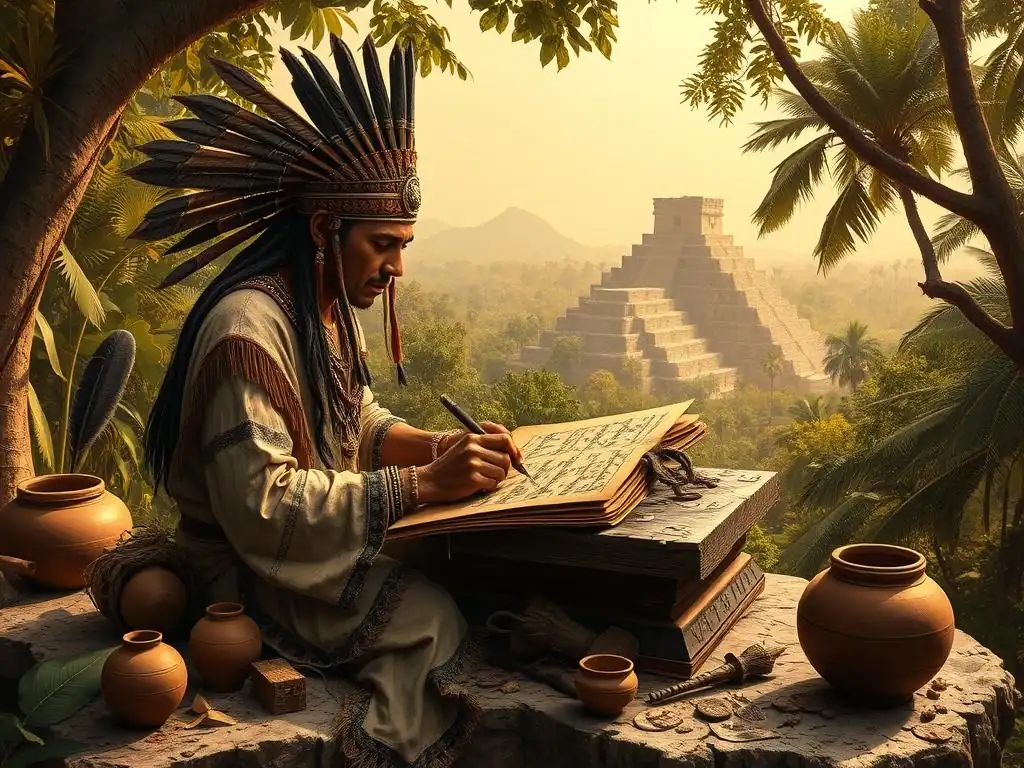
The origins of Mayan hieroglyphs are deeply rooted in the cultural and historical context of the Mesoamerican region. This intricate writing system emerged among the Maya civilization, which flourished in present-day Mexico, Guatemala, Belize, Honduras, and El Salvador. The development of their written language is a testament to their complex society, rich history, and advanced intellectual pursuits.
Historical Context of Mayan Writing
Mayan writing can be traced back to around 300 BCE during the Preclassic period of the Maya civilization. Initially, this writing system was used primarily for monumental inscriptions and religious texts. The hierarchical structure of Mayan society necessitated a means of communication that could convey political power and religious significance. As the civilization evolved, so did their written language, which became an essential tool for documenting historical events, genealogies, and rituals.
The earliest examples of Mayan hieroglyphs were found on pottery and stone carvings, suggesting that the written language played a crucial role in both ceremonial and practical aspects of daily life. By the Classic period (250-900 CE), hieroglyphs had become more sophisticated and widespread, appearing in codices, murals, and inscriptions on monuments.
Development of Hieroglyphic Symbols
Mayan hieroglyphs consist of around 800 distinct symbols, representing both syllabic sounds and logograms (symbols representing words or concepts). This dual nature of their writing system allows for a rich and flexible means of communication. The symbols often convey complex ideas and narratives through a combination of phonetic and ideographic elements.
The development of hieroglyphic symbols was influenced by several factors, including:
- Cultural Exchange: Contact with other Mesoamerican cultures, such as the Olmecs and Zapotecs, contributed to the evolution of the Mayan written language.
- Religious Significance: Many hieroglyphs have deep spiritual meanings, often relating to deities, rituals, and cosmology, which reflects the Maya's connection to their beliefs and practices.
- Artistic Expression: The visual nature of the hieroglyphs allowed for artistic interpretation, with intricate carvings and vibrant colors enhancing their appeal.
The combination of these factors led to a dynamic writing system that not only served practical purposes but also celebrated the artistic achievements of the Maya civilization.
Influence of Other Mesoamerican Cultures
While the Mayan civilization developed its unique system of writing, it did not exist in isolation. The influence of other Mesoamerican cultures played a significant role in shaping Mayan hieroglyphs. For example:
- Olmec Influence: As one of the earliest Mesoamerican civilizations, the Olmecs laid the groundwork for subsequent cultures. Their iconography and symbolic representations can be seen echoed in early Mayan writing.
- Zapotec Contributions: The Zapotecs, who inhabited the Oaxaca Valley, developed one of the earliest known writing systems in Mesoamerica. Their use of symbols and writing on monuments may have provided inspiration for the Maya.
- Cultural Interactions: Trade and warfare facilitated cultural exchanges, allowing the Maya to adopt and adapt elements from neighboring civilizations. This interaction enriched their writing system and contributed to its complexity.
The origins of Mayan hieroglyphs are intertwined with the historical, cultural, and artistic developments of the Maya civilization and its interactions with other Mesoamerican cultures. This rich tapestry of influences resulted in a sophisticated written language that is a hallmark of the Mayan civilization and a vital aspect of their legacy.
Structure and Features of Mayan Hieroglyphs
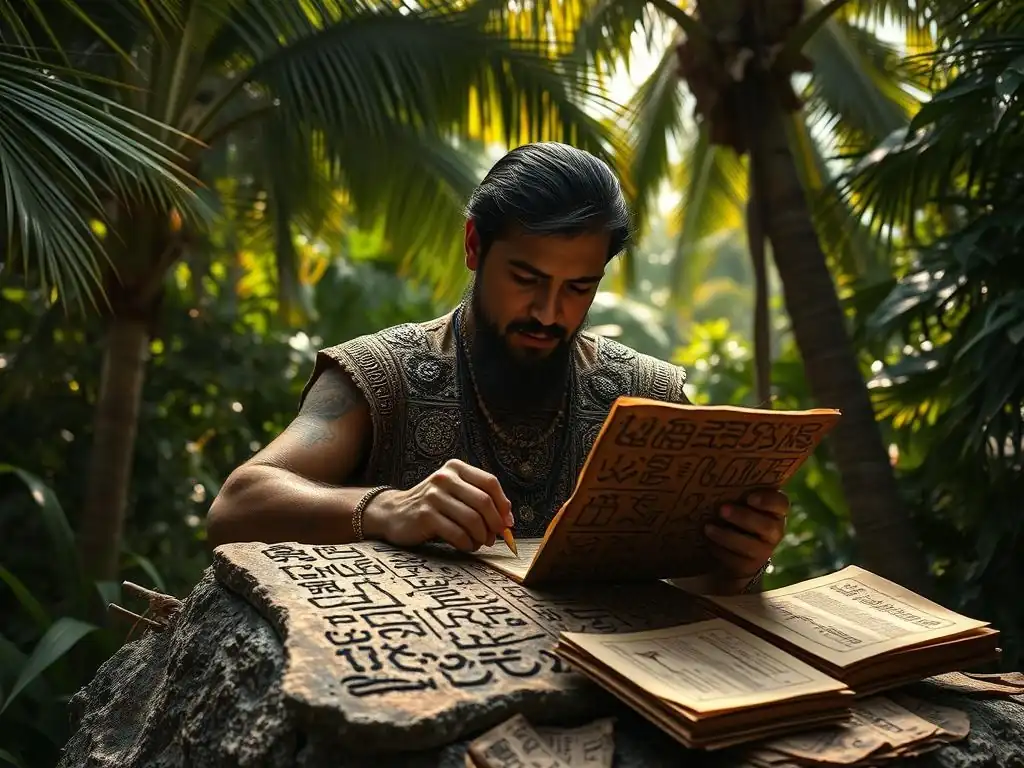
Mayan hieroglyphs represent one of the most sophisticated writing systems in the pre-Columbian Americas. This intricate script combines elements of both ideographic and phonetic symbols, allowing the Mayans to convey a rich tapestry of meanings, stories, and knowledge.
The structure of Mayan hieroglyphs consists of three main components:
- Glyphs: Individual symbols that represent sounds, words, or concepts.
- Blocks: Groups of glyphs that come together to form a coherent message, often organized in a rectangular format.
- Panels and Codices: Hieroglyphs are found in various formats, including carved stone monuments, pottery, and paper codices made from bark.
This diverse representation showcases the versatility and artistry of the Mayan civilization's written language, revealing their complex social, political, and religious structures.
Types of Symbols in Mayan Writing
Mayan writing includes a variety of symbols, each serving distinct purposes. There are primarily two types of symbols in this writing system:
- Logograms: These symbols represent entire words or concepts. For instance, the glyph for "water" might be used in various contexts without needing to spell it out phonetically. Logograms convey meaning in a more immediate and visual way.
- Phonetic Symbols: These represent sounds or syllables and are used to spell out words phonetically. The Mayan language is agglutinative, meaning multiple phonetic symbols can combine to create complex words.
Here’s a brief overview of common symbols:
| Symbol Type | Description | Example |
|---|---|---|
| Logograms | Represent words or ideas | Glyph for "sun" |
| Phonetic Symbols | Represent sounds or syllables | Glyphs for "ka" or "ta" |
The combination of these two types of symbols allows for a rich and nuanced communication style, enabling the Mayans to document their history, mythology, and daily life.
Phonetic vs. Logographic Elements
Understanding the distinction between phonetic and logographic elements is crucial in studying the Mayan civilization's written language.
- Phonetic Elements: These are used to convey sounds and are essential for spelling words. The Mayan script has about 75 phonetic signs, which can represent consonants, vowels, or syllables. For instance, the combination of glyphs can create various word forms based on pronunciation.
- Logographic Elements: In contrast, logograms provide a more immediate understanding of concepts, allowing for a more visual representation of ideas. These symbols often enrich the text by adding context or emphasizing key themes.
The interplay between phonetic and logographic elements demonstrates the complexity and richness of the Mayan hieroglyphic system, showcasing their advanced understanding of language and communication.
Common Themes Represented in Hieroglyphs
Mayan hieroglyphs often depict themes central to the civilization's culture, religion, and daily life. Some of the most common themes include:
- Mythology and Cosmology: Many hieroglyphs illustrate myths, deities, and cosmological beliefs, emphasizing the importance of religion in Mayan society. These glyphs often depict creation stories and the roles of gods.
- Royalty and Power: Hieroglyphs frequently commemorate rulers and their achievements. They serve as historical records of dynasties, battles, and significant events, showcasing the political landscape of the time.
- Agriculture and Nature: Symbols representing crops, animals, and natural phenomena reflect the Mayans' deep connection to their environment. Agriculture was vital for survival and prosperity, and many glyphs celebrate this aspect of their culture.
- Ceremony and Rituals: Hieroglyphs also document rituals and ceremonies, illustrating the significance of various cultural practices and their roles in community life.
This thematic diversity not only enriches our understanding of the Mayan civilization written language but also highlights the intricate relationship between their art, culture, and daily existence. The enduring legacy of these hieroglyphs continues to captivate scholars and enthusiasts alike, providing a window into the past of one of the most remarkable civilizations in history.
The Role of Codices in Mayan Civilization
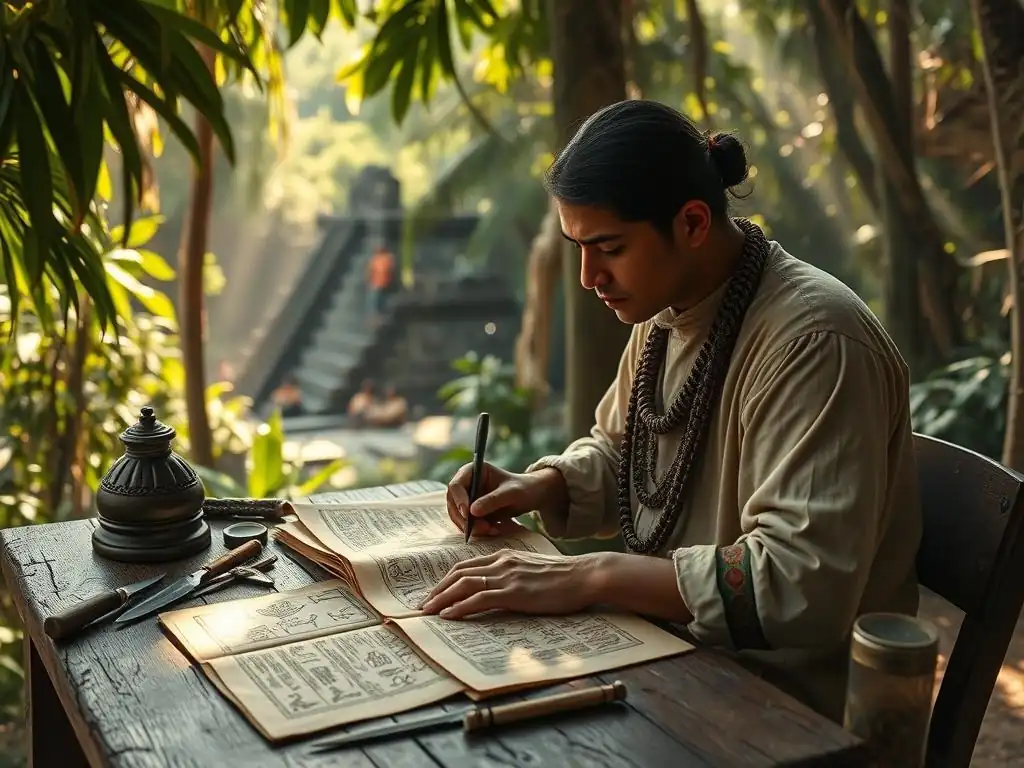
The codices of the Mayan civilization serve as a crucial link between their vibrant culture and the modern understanding of their history and achievements. These ancient books, crafted from bark paper or animal skins, were essential for recording various aspects of Mayan life, including religious rituals, astronomical observations, and historical events. The preservation of these codices allows contemporary scholars to gain insights into the complexities of Mayan society, its governance, and its rich tradition of written language.
Definition and Purpose of Mayan Codices
Mayan codices are essentially manuscripts that encapsulate the knowledge and beliefs of the Mayan people. Unlike other forms of written language, the codices were not just tools for communication; they were artistic representations of Mayan thought and spirituality.
- Definition: A codex is a book-like format, often composed of multiple sheets folded together, that was used to record information.
- Purpose:
- Religious Texts: Many codices contained texts related to Mayan mythology and religious ceremonies, serving as guides for rituals and spiritual practices.
- Historical Records: They documented significant events, such as dynastic histories and the achievements of rulers, preserving the lineage and legacy of the Mayan civilization.
- Astronomical Knowledge: Codices also included complex astronomical tables, highlighting the Mayans' advanced understanding of celestial movements and timekeeping.
The multifaceted use of codices underscores their importance in maintaining the cultural identity of the Mayans and their sophisticated systems of thought.
Major Surviving Codices and Their Content
Despite the destruction of many Mayan codices during the Spanish conquest, a few significant texts have survived, offering a glimpse into the rich literary tradition of the Mayan civilization.
| Codex Name | Content Description | Significance |
|---|---|---|
| Dresden Codex | Contains astronomical tables, calendars, and rituals. | One of the oldest and most important codices, vital for understanding Mayan astronomy. |
| Madrid Codex | Focuses on rituals, divination, and mythology. | Offers insights into the religious practices and cosmology of the Mayans. |
| Paris Codex | Historical records, including the reigns of rulers. | A crucial resource for reconstructing Mayan history and governance. |
| Grolier Codex | Contains a mix of astrology and ritual texts. | One of the few surviving codices that illustrate the connection between astronomy and Mayan spirituality. |
These surviving codices are invaluable for historians and anthropologists, as they illuminate the intricate belief systems and cultural practices of the Mayans.
The Artistic Techniques Used in Codices
The creation of codices was not merely a literary endeavor; it was also a highly artistic one, showcasing a range of techniques that reflected the Mayan civilization's aesthetics and values.
- Material Choices: Codices were primarily made from amatl (bark paper) or animal skins, which were selected for their durability and ability to hold paint and ink.
- Illustrative Techniques:
- Color Usage: The Mayans employed vibrant colors derived from natural pigments, creating visually striking images that complemented the text.
- Iconography: Symbols and motifs were intricately illustrated, providing a visual language that conveyed deeper meanings beyond the written word.
- Layout and Composition: Codices were carefully designed, with a balance of text and imagery that facilitated understanding and aesthetic appeal.
The artistry of Mayan codices reflects the civilization's sophisticated approach to communication, blending practical information with rich visual narratives that have endured through centuries.
The codices of the Mayan civilization are a testament to their advanced written language and cultural richness, offering modern scholars and enthusiasts a profound connection to this remarkable society.
Deciphering the Mayan Written Language
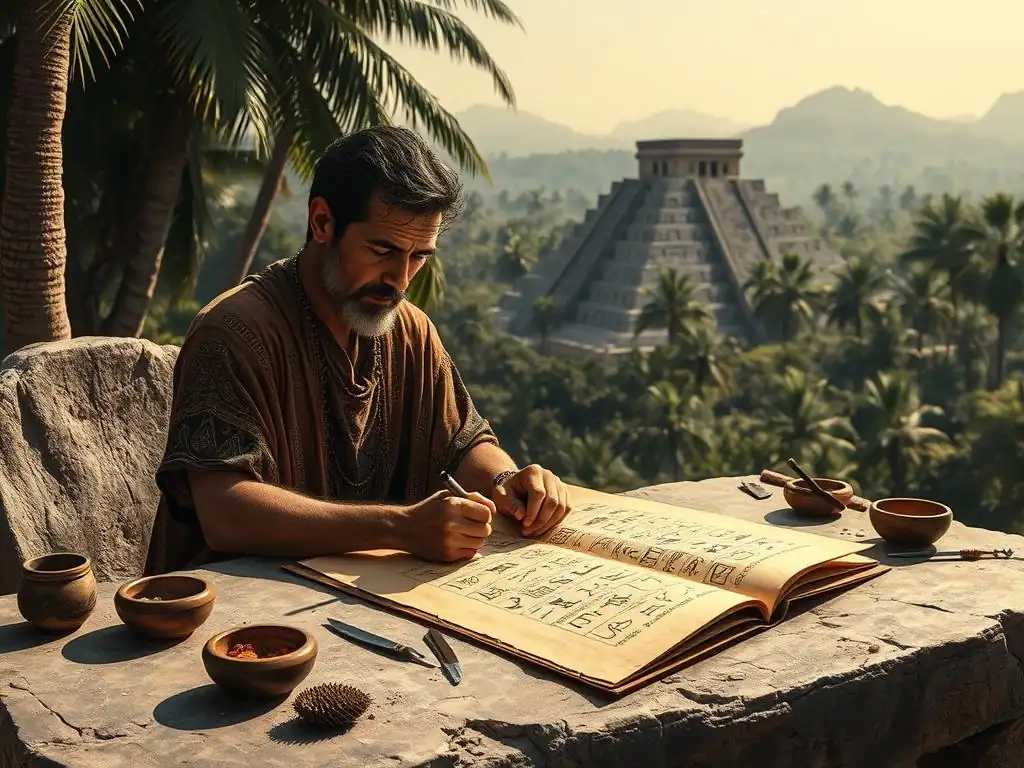
The Mayan civilization written language is one of the most sophisticated and complex writing systems developed in the Americas. Comprising over 800 distinct glyphs, this script was primarily used in stone inscriptions, ceramics, and codices. The decipherment of this written language has been a monumental task that has shaped our understanding of Mayan history, culture, and society. Through a combination of linguistics, anthropology, and archaeology, researchers have made significant strides in unlocking the meanings behind these ancient symbols.
Key Figures in Decipherment
The journey to deciphering the Mayan script has been marked by several key figures whose contributions have been pivotal in understanding this complex writing system.
- Yuri Knorosov: Often regarded as the father of Mayan glyphs decipherment, Knorosov's groundbreaking work in the 1950s demonstrated that the glyphs were not just pictograms, but a syllabic system capable of representing sounds. His analysis laid the foundation for further research.
- David Stuart: A contemporary scholar known for his innovative approaches, Stuart has contributed significantly to the understanding of Mayan inscriptions. His work has focused on the connection between glyphs and the spoken language, enhancing our comprehension of the Mayan civilization written language.
- Linda Schele: An influential figure in Mayan studies, Schele's work on the iconography and context of glyphs was crucial. She emphasized the importance of understanding the cultural and historical context in which these glyphs were used, opening new avenues for interpretation.
These scholars, among others, have collaborated and built upon each other's findings, leading to a more nuanced understanding of the Mayan script.
Major Breakthroughs in Understanding Hieroglyphs
The decipherment of Mayan hieroglyphs has involved several major breakthroughs that have transformed our understanding of this ancient writing system:
- Phonetic Elements: The recognition that many glyphs functioned phonetically was a pivotal breakthrough. This understanding allowed researchers to begin piecing together the sounds of the Mayan language, aligning them with the symbols used in inscriptions.
- Syllabary Development: The establishment of a syllabary comprised of consonant-vowel combinations provided a structured approach to reading the glyphs. This system was instrumental in translating longer texts and understanding historical narratives.
- Historical Context: The integration of historical context into the interpretation of glyphs has been vital. By analyzing the context of inscriptions—such as their placement on monuments or within codices—scholars have been able to connect glyphs to specific events, rulers, and cultural practices.
- Digital Technology: Recent advancements in digital technology have facilitated the analysis of glyphs. High-resolution imaging and software tools allow researchers to examine inscriptions in unprecedented detail, revealing nuances that were previously overlooked.
These breakthroughs have collectively enriched our understanding of the Mayan civilization written language and its role in the cultural tapestry of Mesoamerica.
Current Challenges in Mayan Script Translation
Despite the progress made in deciphering Mayan hieroglyphs, several challenges remain that hinder the full translation of the script:
- Incomplete Corpus: Many Mayan glyphs are still not fully understood due to the incompleteness of the corpus. Numerous inscriptions remain undiscovered, and existing texts are often fragmented, making it difficult to establish a comprehensive understanding.
- Regional Variations: The Mayan civilization was not monolithic; different city-states had their own dialects and writing styles. This regional variation poses a significant challenge to scholars trying to create a standardized translation approach.
- Symbol Complexity: The complexity and multiplicity of meanings behind certain glyphs can lead to ambiguity. Some symbols may represent multiple sounds or meanings depending on the context, complicating translations.
- Cultural Nuances: Understanding the cultural context behind the glyphs is essential for accurate translation. Many glyphs are embedded in ritualistic or political significance that may not be immediately apparent to modern scholars.
While significant advancements have been made in deciphering the Mayan civilization written language, ongoing research and collaboration are essential to overcoming the challenges that remain in this fascinating area of study.
The Cultural Significance of Mayan Written Language
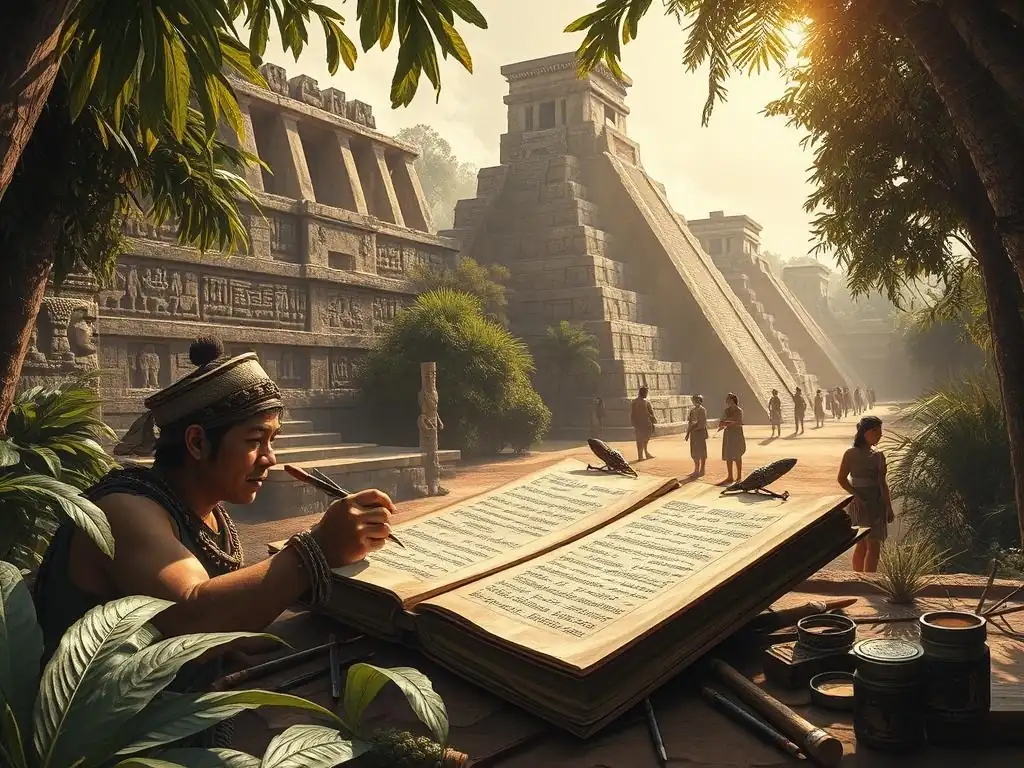
The written language of the Mayan civilization serves as a profound reflection of their cultural identity, societal structure, and intellectual achievements. Composed of hieroglyphs, this intricate system of writing not only recorded historical events, religious beliefs, and daily life but also symbolized the deep connection the Maya had to their environment and their ancestors.
Written Language as a Reflection of Mayan Society
Mayan hieroglyphs are more than mere symbols; they are a window into the complexity of Mayan society. Each glyph carries meaning, often representing sounds, words, or entire concepts. This multifaceted approach to writing indicates a society that valued communication and record-keeping. The ability to document events and knowledge allowed the Maya to maintain a sense of continuity and cultural heritage across generations.
- Social Hierarchy: The use of written language was often monopolized by the elite class, including priests and nobles. This exclusive access to literacy highlights the social stratification within Mayan culture. It served not only administrative purposes but also reinforced the power dynamics by documenting royal lineage and achievements.
- Religious Significance: Many hieroglyphs are imbued with religious meaning, often associating specific deities with particular events or rituals. This intertwining of writing and spirituality underscores the importance of religion in daily life and governance.
- Calendrical Systems: The Maya developed sophisticated calendrical systems, extensively documented through their written language. This intricate understanding of time influenced agricultural practices, religious ceremonies, and societal organization, showcasing the Mayan civilization's deep connection to cycles of nature.
Contributions to Literature and Knowledge Preservation
The Mayan civilization's written language played a crucial role in the preservation and dissemination of knowledge. Their codices, such as the Dresden Codex and the Madrid Codex, are among the few surviving examples of pre-Columbian literature, providing insights into mathematics, astronomy, and mythology.
- Mathematics and Astronomy: The Maya possessed advanced mathematical knowledge, including the concept of zero, which was reflected in their written records. Hieroglyphs documenting astronomical events illustrate their sophisticated understanding of celestial movements, which was integral to their agricultural cycles.
- Mythology and Historical Narratives: The written language served as a vessel for storytelling, preserving myths, legends, and historical accounts. These narratives not only entertained but also educated future generations about their cultural heritage and moral values.
- Codex Creation: Codices were meticulously crafted books made of bark paper, allowing for extensive documentation. Their preservation requires an understanding of the materials used and the techniques developed by the Maya, which were instrumental in safeguarding their knowledge against time.
The Legacy of Mayan Writing in Contemporary Culture
The impact of the Mayan written language extends far beyond its historical context, influencing contemporary culture in various ways. The revival of interest in Mayan hieroglyphs and codices has sparked a renaissance in cultural pride and identity among modern Maya.
- Cultural Revitalization: Efforts to decipher and teach Mayan hieroglyphs contribute to cultural revitalization movements. Organizations and educational programs are emerging to promote the study of this ancient writing system, fostering a sense of pride and connection to ancestry.
- Artistic Inspiration: Contemporary artists often draw inspiration from Mayan glyphs and motifs, integrating them into modern art forms. This interplay between ancient and contemporary art reflects a dynamic cultural dialogue that honors the past while looking toward the future.
- Scholarly Research: Ongoing research into Mayan writing continues to uncover new insights, contributing to our understanding of this fascinating civilization. Scholars are increasingly recognizing the importance of these texts in understanding historical contexts, social structures, and Maya worldview.
The written language of the Mayan civilization is not only a testament to their intellectual achievements but also a vital part of their cultural legacy. Understanding its significance enriches our appreciation of this ancient society and its enduring influence on modern culture.
Conclusion: The Enduring Impact of Mayan Written Language
Summary of Key Points
The exploration of the Mayan civilization written language reveals a rich tapestry of cultural expression and historical documentation. Key points include:
- Complexity of Hieroglyphs: The Mayan written language, characterized by its intricate hieroglyphs, served not only as a means of communication but also as an art form. Approximately 800 distinct symbols were used, combining logograms and syllabic signs.
- Codices as Historical Records: The surviving codices, such as the Dresden, Madrid, and Paris Codices, provide invaluable insights into Mayan society, including mythology, astronomy, and rituals. These texts highlight the sophistication of Mayan thought and their understanding of the cosmos.
- Preservation and Decipherment: The efforts to decipher Mayan hieroglyphs have transformed our understanding of this ancient civilization. Scholars like Tatiana Proskouriakoff and David Stuart have made significant contributions, revealing the historical narratives encoded within these texts.
- Cultural Resilience: The ongoing study and revival of Mayan written language underscore the resilience of indigenous cultures. By engaging with and revitalizing their writing systems, contemporary Mayan communities assert their identity and heritage.
Future Research Directions on Mayan Civilization Written Language
Future research on the Mayan civilization written language can take several promising directions:
- Digital Archiving: The creation of digital archives for Mayan codices and inscriptions can facilitate global access to these texts, encouraging collaborative analysis and preservation efforts.
- Linguistic Studies: Detailed linguistic studies examining the syntax and semantics of the hieroglyphs could provide further insights into the cognitive structures of the Mayan language.
- Interdisciplinary Approaches: Collaborations between archaeologists, linguists, and anthropologists can lead to a more holistic understanding of the context in which the Mayan written language developed and functioned.
- Community Involvement: Engaging with contemporary Mayan speakers and cultural practitioners in research can empower indigenous voices and ensure that the interpretations of their written heritage reflect their perspectives.
Final Thoughts on the Importance of Preserving Indigenous Writing Systems
The preservation of indigenous writing systems, such as the Mayan civilization written language, is crucial for several reasons:
- Cultural Heritage: These writing systems are integral to the identity and heritage of indigenous peoples. They encapsulate unique worldviews, histories, and philosophies that contribute to the diversity of human culture.
- Educational Value: Understanding the complexities of Mayan hieroglyphs promotes a broader appreciation for the achievements of ancient civilizations. It highlights the importance of literacy and written expression in human development.
- Modern Relevance: The revival of interest in indigenous writing systems can inspire contemporary movements for cultural preservation and revitalization. By valuing these systems, we acknowledge the resilience of indigenous communities and their contributions to global history.
The study of the Mayan civilization written language not only enriches our understanding of the past but also fosters a greater respect for the ongoing legacy of indigenous cultures in the present day.
Frequently Asked Questions
What is the significance of Mayan civilization written language?
The Mayan civilization written language is crucial as it represents one of the most sophisticated systems of writing in the ancient Americas, allowing for the documentation of their history, religion, and societal norms.
How did the Mayan written language evolve over time?
The Mayan written language evolved through various stages, starting with hieroglyphs that depicted sounds and meanings, later developing into more complex codices for recording information across different contexts.
What are codices and their role in Mayan culture?
Codices are ancient books made from bark paper that contain illustrations and glyphs, serving as vital records of the Mayan civilization's rituals, astronomy, and calendars, reflecting their advanced understanding of the world.
How did European colonization affect the Mayan written language?
European colonization led to the suppression of the Mayan written language, with many codices destroyed and the use of hieroglyphs discouraged, resulting in a significant loss of knowledge and cultural heritage.
Are there modern efforts to revive Mayan written language?
Yes, there are ongoing efforts to revive and preserve the Mayan written language, including educational programs and research initiatives aimed at teaching younger generations about their heritage and scripts.
Final Reflection: The Enduring Legacy of the Mayan Civilization's Written Language
The exploration of the Mayan civilization's written language reveals a profound connection between the past and the present, illustrating how ancient scripts continue to resonate in our modern world. The intricate hieroglyphs and codices not only served as a means of communication but also as a vessel for cultural identity, history, and spirituality. Today, as we strive to understand our own narratives and identities, the significance of these ancient texts becomes increasingly apparent. The written art of the Mayans is not merely a relic of history; it is a testament to the enduring power of language and storytelling.
The influence of the Mayan written language extends far beyond its historical context, shaping our cultural and social landscapes in ways we often overlook. As we delve into the complexities of their scripts, we uncover the rich tapestry of their civilization, which continues to inspire scholars, artists, and enthusiasts alike. The ongoing efforts to decode and preserve these ancient texts remind us of the importance of heritage and the stories that define us. The past is never dead. It's not even past.
— William Faulkner. This quote encapsulates the essence of our relationship with the Mayan civilization, urging us to recognize the relevance of their contributions to our understanding of humanity.
As we reflect on the lessons from the Mayan civilization's written language, let us embrace the call to honor our own stories and those of others. Consider how you can engage with your heritage and the narratives that shape your identity. Whether through writing, art, or community storytelling, each of us has the power to contribute to the ongoing dialogue of our shared human experience. In doing so, we not only celebrate the legacy of the Mayans but also ensure that our voices resonate through time, just as theirs have.
Unveil the Secrets of Mayan Writing Today!
Thank you for immersing yourself in the fascinating world of Mayan hieroglyphs and codices! By exploring the intricacies of this ancient writing system, you’ve taken a significant step in appreciating the rich cultural heritage of the Mayan civilization. Now, why not take your newfound knowledge a step further?
Here are some engaging actions you can take right now:
- Dive deeper into the captivating world of Mayan code by visiting a local museum or exhibit featuring Mayan artifacts. Engage with history in person!
- Share your insights! Discuss what you learned with friends or in community forums, and spark a conversation about the importance of preserving indigenous cultures.
- Explore digital resources or platforms that offer free online courses on Mayan language and symbols. Who knows what hidden meanings you might uncover?
What aspect of Mayan writing intrigues you the most, and how do you plan to explore it further? Share your thoughts with us!