
The Story of Cahokia's Mounds: Architectural Marvels as Cultural Symbols

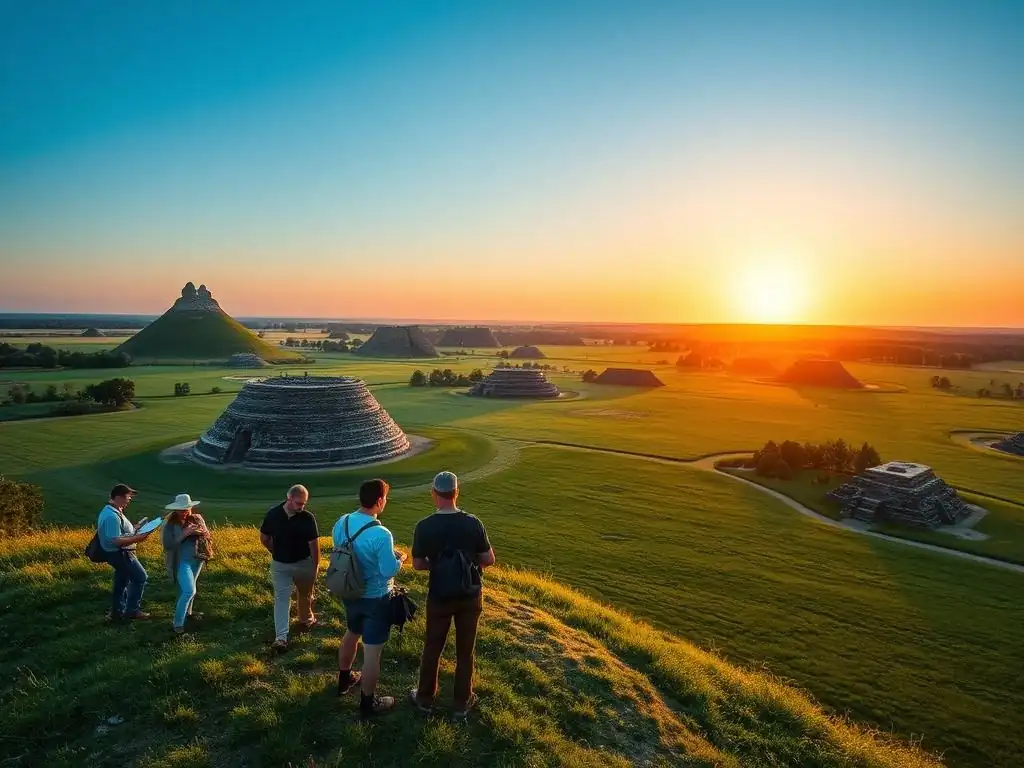
Welcome to Indigenous Civilizations of the Americas, where we invite you to journey through the rich tapestry of cultures that flourished long before European contact. Delve into the intriguing story of Cahokia's mounds, architectural marvels that stand as powerful symbols of the sophisticated societies that once thrived in this region. What secrets do these monumental structures hold about the beliefs, achievements, and social dynamics of the Cahokia people? Join us as we uncover the cultural significance of these remarkable sites and explore the enduring legacy they leave behind. Your adventure into the vibrant history of indigenous civilizations begins here!
Introduction to Cahokia Mounds Cultural Significance
The Cahokia Mounds, a series of monumental earthworks located near present-day Collinsville, Illinois, stand as a testament to the ingenuity and cultural richness of the Mississippian civilization that flourished in this region from approximately 600 to 1400 CE. Recognized as a UNESCO World Heritage Site, these mounds are not merely impressive architectural feats; they embody complex social structures, spiritual beliefs, and the sophisticated societal organization of Cahokia—a city that once rivaled the largest cities of the ancient world.
The cultural significance of the Cahokia Mounds extends beyond their physical presence; they serve as symbols of identity, heritage, and resilience for contemporary Indigenous peoples, reminding us of the profound legacies left by pre-colonial societies in the Americas.
Overview of Cahokia as a Major Indigenous Civilization
Cahokia was the largest urban center in pre-Columbian North America, with an estimated population of 20,000 at its peak. This vibrant city was characterized by its extensive trade networks, agricultural innovations, and intricate social hierarchies. The city sprawled across approximately 6 square miles and included over 120 mounds, each with distinct purposes, from ceremonial sites to elite residences.
- Urban Planning: Cahokia's layout featured a central plaza bordered by mounds, demonstrating advanced urban planning.
- Agriculture: The Mississippian people thrived on maize agriculture, which supported their dense population and facilitated trade.
- Trade Networks: Cahokia served as a hub for trade, connecting various Indigenous cultures across the continent.
Importance of Mounds in Indigenous Cultural Heritage
The mounds of Cahokia are crucial to understanding the spiritual and cultural practices of its inhabitants. They were not only monumental structures but also served as platforms for important rituals and ceremonies.
- Ceremonial Use: Many mounds were used for religious purposes, including the burial of elite individuals and the hosting of significant communal gatherings.
- Symbol of Power: The tallest mound, Monk's Mound, symbolizes the political and religious authority of Cahokia's leaders, standing as a reminder of their sophisticated governance.
- Cultural Identity: Today, these mounds continue to hold cultural significance for many Indigenous groups, representing their ancestral heritage and connection to the land.
The Historical Context of Cahokia Mounds
To fully appreciate the cultural significance of the Cahokia Mounds, it's essential to explore their historical context, including the timeline of Cahokia's development and the key figures who shaped its history.
Timeline of Cahokia's Development
- 600 CE: The first mounds began to be constructed, marking the rise of Cahokia as a major urban center.
- 1000 CE: Cahokia reaches its zenith, becoming a bustling metropolis with extensive trade networks and complex societal structures.
- 1300 CE: The population begins to decline, likely due to a combination of environmental changes, resource depletion, and social strife.
- 1400 CE: Cahokia experiences a significant decline, leading to its eventual abandonment.
Key Figures and Leaders of Cahokia
Several influential leaders played pivotal roles in shaping Cahokia’s development, guiding its growth and influencing its cultural practices. While specific names may be less documented due to the oral traditions of Indigenous cultures, the societal roles they held were crucial:
- The Great Sun: The title given to the chief priest and political leader, who oversaw religious ceremonies and maintained social order.
- Elite Classes: A class of leaders who managed trade, agriculture, and construction efforts, facilitating the city's prosperity.
These leaders and their contributions are integral to understanding the dynamic society that thrived at Cahokia, leaving an indelible mark on the cultural landscape of the Americas.
Architectural Features of Cahokia Mounds
The Cahokia mounds are a remarkable testament to the architectural ingenuity of the Mississippian culture, showcasing a variety of distinctive features that underline their significance as cultural symbols. These mounds, constructed primarily between 600 and 1400 CE, served multiple purposes, from ceremonial centers to residential areas, and their design reflects a sophisticated understanding of engineering and landscape.
The most prominent mound, Monks Mound, stands at a towering height of approximately 100 feet, making it the largest earthen structure in the Americas north of Mesoamerica. The construction of these mounds involved the careful layering of soil and clay, often requiring thousands of laborers to transport materials. The mounds were meticulously shaped into various forms, indicating a high level of planning and communal effort.
Additionally, the Cahokia mounds were strategically placed in relation to each other and the surrounding landscape, emphasizing their role in the social and spiritual life of the Cahokian people. The alignment of certain mounds with celestial events, such as solstices and equinoxes, suggests that they were not only architectural feats but also held astronomical significance. This interplay between architecture and the natural world highlights the deep cultural values embedded in the design and purpose of the Cahokia mounds.
Types of Mounds: Platform, Burial, and Effigy
Cahokia features several types of mounds, each serving a unique function within the community. The three primary categories are platform mounds, burial mounds, and effigy mounds, each contributing to the rich tapestry of Cahokian cultural practices.
-
Platform Mounds:
These mounds were typically flat-topped and served as the foundations for important structures, such as temples or residences of the elite. Their elevated platforms allowed for visibility and accessibility, reinforcing the social hierarchy within Cahokia. Platform mounds often acted as focal points for ceremonial activities and gatherings.
-
Burial Mounds:
These mounds served as final resting places for individuals, often those of high status. The burial practices associated with these mounds included elaborate grave goods, such as pottery, tools, and personal items, indicating the deceased's importance. The presence of burial mounds also reflects the spiritual beliefs surrounding life, death, and the afterlife in Cahokian society.
-
Effigy Mounds:
Although less common, effigy mounds were constructed in the shape of animals or symbols significant to the culture. These mounds often served ceremonial purposes or acted as markers of territory and identity. The creation of effigy mounds illustrates the artistic and symbolic expressions of the Cahokian people, connecting their physical environment to their spiritual beliefs.
Construction Techniques and Materials Used
The construction of the Cahokia mounds involved sophisticated techniques and a thorough understanding of the materials available in the region. Primarily composed of earth, clay, and sometimes sand, these mounds were built using a method called “basket-loading,” where workers transported soil in woven baskets to the site.
The process began with the selection of sites, often in fertile areas near the Mississippi River, where the soil was abundant. Laborers would then create a framework to define the shape and size of the mound, followed by the careful placement of earth in layers to achieve the desired height and contours. This method allowed for the gradual shaping of the mounds, which were often finished with a smooth outer layer for aesthetic appeal.
The size of the mounds required extensive community involvement, indicating a well-organized society capable of mobilizing large groups for such monumental projects. The alignment of laborers with specific roles, whether in gathering materials or constructing the mounds, showcases the collaborative spirit inherent in Cahokian culture.
Cultural Symbols Embedded in Cahokia Mounds
The mounds of Cahokia are rich with cultural symbolism, serving as vital markers of identity and belief systems among the indigenous peoples. These structures encapsulate the spiritual, social, and political dimensions of Cahokian life, acting as enduring symbols that resonate with their cultural heritage even today.
Spiritual Significance of the Mounds in Indigenous Beliefs
For the Cahokians, the mounds were deeply intertwined with their spiritual beliefs and practices. They were viewed not merely as physical structures but as sacred spaces that connected the earthly realm with the spiritual world. Many indigenous peoples believed that the mounds served as sites for communication with ancestors and deities, thereby reinforcing the community's connection to their heritage.
The orientation and shape of the mounds often held specific meanings in relation to cosmology and the natural environment. For instance, certain mounds were aligned with celestial bodies, emphasizing their role in agricultural cycles and seasonal changes. The spiritual significance of the mounds was further reflected in the rituals and ceremonies performed atop them, which often involved offerings and prayers aimed at ensuring the community’s well-being.
Mounds as Centers for Ceremonial Activities
Beyond their spiritual significance, the Cahokia mounds functioned as vital centers for ceremonial activities. These gatherings fostered community cohesion and reinforced social ties among the Cahokians. Major events, including seasonal festivals, religious ceremonies, and political gatherings, often took place on these elevated platforms, underlining their importance in the cultural life of the society.
The presence of large gatherings at the mounds facilitated the exchange of ideas, goods, and cultural practices among different groups. Such interactions contributed to the dynamic nature of Cahokian society, allowing for the sharing of innovations and fostering a sense of collective identity. As a result, the mounds not only represented physical spaces but also embodied the very essence of Cahokian culture, serving as lasting symbols of their rich heritage and enduring legacy.
The Societal Role of Cahokia Mounds
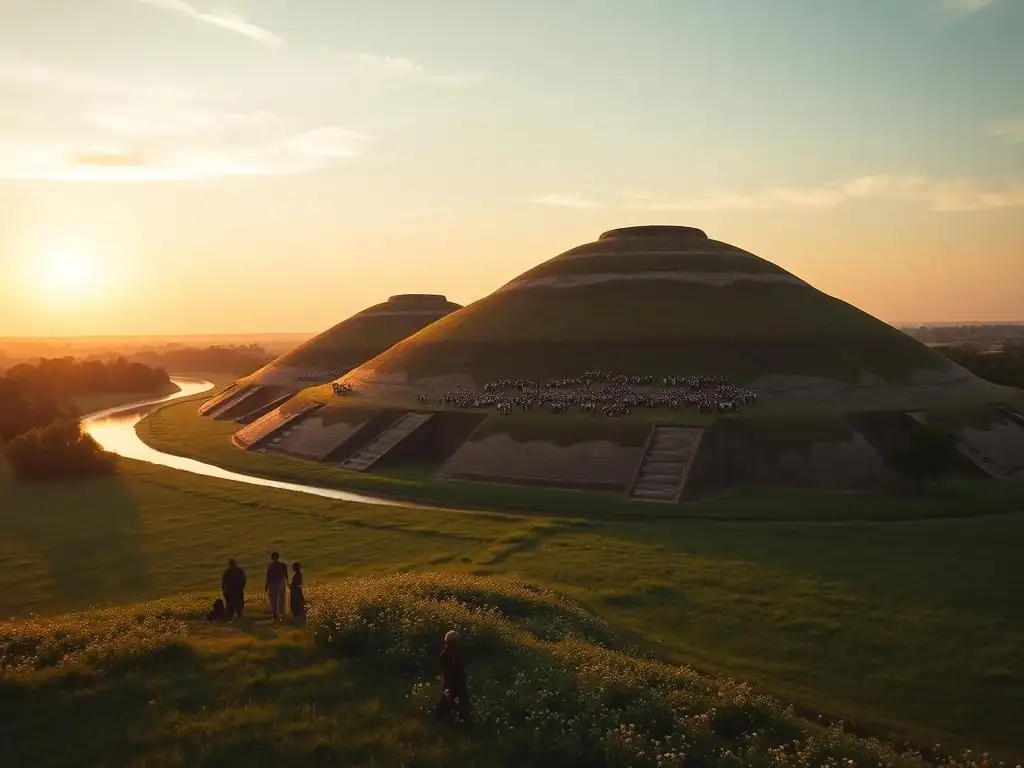
The Cahokia mounds, a remarkable feature of the Cahokia culture, played a multifaceted role within their society. These earthen structures were not merely architectural feats; they were deeply intertwined with the social, political, and religious fabric of the Cahokian people. The mounds served as platforms for important buildings, including temples and residences of elite leaders, thus reinforcing the social hierarchy within the civilization. Their construction required significant labor and resources, which indicates the level of organization and cooperation among the Cahokians.
Mounds were also central to ceremonial activities and public events, serving as focal points for gatherings, rituals, and decision-making. This made them not only physical landmarks but also cultural symbols that represented the identity and cohesion of the Cahokian society. The arrangement and prominence of these mounds reflect the community's values, beliefs, and their understanding of the cosmos, further emphasizing their cultural significance.
Mounds and Social Hierarchy in Cahokia Society
In Cahokia society, the mounds played a pivotal role in establishing and displaying social stratification. The larger mounds, such as Monks Mound, were associated with the ruling class and elite members of society. These structures often housed important figures, such as chiefs or religious leaders, and were strategically located to oversee the surrounding areas, symbolizing their power and authority.
The placement of mounds also reflected the interconnectedness of social status and geography. Commoners typically lived in lower-lying areas, while the elite resided on or near the mounds, creating a clear visual representation of the social hierarchy. This hierarchy was further reinforced by the construction practices surrounding the mounds, which required a collective effort from the community, showcasing the labor division and social roles within Cahokian society.
Economic Activities Associated with the Mounds
The economic activities linked to the Cahokia mounds were diverse and significant. The mounds were often situated near agricultural fields, which facilitated the cultivation of crops such as maize, beans, and squash. This agricultural productivity was essential for sustaining the large populations that gathered in Cahokia, indicating the mounds' role in supporting economic stability.
Additionally, the mounds served as trade hubs, where goods and resources were exchanged among different groups. The proximity to rivers and trade routes enabled Cahokians to engage in commerce with neighboring cultures, further enhancing their economic influence. Artifacts found at mound sites, including pottery, tools, and trade items, provide evidence of the vibrant economic exchanges that were integral to Cahokia's prosperity.
Archaeological Discoveries and Research on Cahokia Mounds
Archaeological research on the Cahokia mounds has yielded a wealth of information, illuminating the complexities of this ancient civilization. Excavations have uncovered artifacts, structural remnants, and even evidence of ceremonial practices that help to piece together the lifestyle and cultural significance of the Cahokians. The ongoing research continues to challenge and refine our understanding of their societal structures and achievements.
Notable Excavations and Findings
Several notable excavations at Cahokia have revealed crucial insights into the culture and daily life of its inhabitants. One of the most significant sites is Monks Mound, the largest earthwork in North America, where researchers have uncovered evidence of a sophisticated urban center. Excavations have revealed remnants of buildings, burial sites, and artifacts that illustrate the architectural ingenuity and social organization of the Cahokians.
In addition to Monks Mound, other smaller mounds have yielded important findings, such as ceremonial objects and tools that suggest a rich spiritual life and complex social rituals. The discoveries made at these sites contribute to a greater understanding of how the mounds functioned within the broader context of Cahokian society and their role as cultural symbols.
Contributions of Modern Archaeology to Understanding Mound Significance
Modern archaeology has significantly advanced our comprehension of the Cahokia mounds and their cultural significance. Through the use of advanced technologies such as ground-penetrating radar and aerial surveys, archaeologists can map and analyze the mounds in ways that were previously impossible. These techniques allow for a better understanding of the mounds' construction methods, layout, and the extensive urban planning involved in Cahokia.
Moreover, interdisciplinary approaches that incorporate insights from anthropology, history, and indigenous studies have enriched the research surrounding Cahokia. This holistic perspective helps to contextualize the mounds not just as physical structures but as integral components of a complex cultural landscape that reflects the beliefs, practices, and innovations of the Cahokian people. By continuously uncovering and interpreting the significance of these mounds, modern archaeology plays a vital role in preserving and honoring the legacy of Cahokia's rich heritage.
Preservation and Legacy of Cahokia Mounds Today
The Cahokia Mounds, a UNESCO World Heritage Site located near Collinsville, Illinois, stand as a testament to the sophisticated society that once thrived in the region. These monumental earthworks, primarily constructed between 600 and 1400 CE, are not only remarkable engineering feats but also serve as vital cultural symbols for contemporary Indigenous peoples. The preservation of these mounds is crucial, not only for historical scholarship but also for maintaining the cultural heritage of the descendants of those who built them. Today, efforts to safeguard these mounds are multifaceted, involving archaeology, education, and community engagement.
Current Efforts to Preserve Cahokia Mounds
Preservation initiatives at Cahokia Mounds have evolved significantly over the years. The Cahokia Mounds State Historic Site, managed by the Illinois Historic Preservation Agency, plays a pivotal role in protecting these structures. Key efforts include:
- Archaeological Research: Ongoing excavations and studies provide insights into the construction techniques and societal organization of the Cahokian people. This research helps inform preservation strategies.
- Public Education Programs: The site offers educational programs that engage the public, emphasizing the importance of the mounds and the culture that created them. Workshops, guided tours, and interpretive signage help visitors understand the historical context and cultural significance of the mounds.
- Community Involvement: Collaborations with local Indigenous groups ensure that the cultural perspectives of descendant communities are integrated into preservation efforts. This includes consultations and participation in events that highlight the mounds' significance.
- Environmental Conservation: Efforts to manage the surrounding landscape also play a role in preservation. Implementing sustainable practices helps protect the mounds from erosion and other environmental threats.
The Impact of Cahokia Mounds on Contemporary Indigenous Culture
The Cahokia Mounds hold profound significance for many contemporary Indigenous cultures in the Americas. They serve as:
- Cultural Symbols: The mounds are a powerful reminder of the achievements of Indigenous ancestors and their enduring legacy. They are often referenced in cultural expressions, from art to storytelling, reflecting a deep connection to the past.
- Sites of Ceremony and Gathering: For some Indigenous groups, the mounds continue to be places for spiritual practices, ceremonies, and community gatherings, reaffirming cultural continuity and identity.
- Educational Resources: The mounds are utilized as teaching tools, helping younger generations connect with their heritage and understand the sophisticated societies that existed before European contact.
Conclusion: The Enduring Cultural Significance of Cahokia Mounds
The Cahokia Mounds are not only remnants of an ancient civilization but also vibrant symbols of Indigenous culture and resilience. Their preservation is vital for understanding the social, political, and spiritual dimensions of the Cahokian society that thrived for centuries.
Reflection on the Importance of Mounds in Indigenous Identity
The mounds represent more than historical artifacts; they embody the identity and heritage of Indigenous peoples. As cultural landmarks, they serve as focal points for remembering ancestral practices, connecting contemporary communities to their history. The presence of these mounds in the landscape reinforces a collective identity that transcends time and fosters a sense of belonging among Indigenous peoples.
Future Directions for Research and Education on Cahokia Mounds
Looking ahead, there are several key areas for future research and educational initiatives regarding the Cahokia Mounds:
- Interdisciplinary Studies: Encouraging collaboration between archaeologists, historians, and Indigenous scholars can deepen the understanding of the mounds' significance and promote culturally sensitive research methodologies.
- Enhanced Educational Programs: Developing more comprehensive educational resources that incorporate Indigenous perspectives will enrich the learning experience for visitors and students alike.
- Community Engagement Initiatives: Strengthening partnerships with Indigenous communities can help ensure that the mounds are represented accurately and respectfully in educational narratives.
Through these efforts, the Cahokia Mounds will continue to serve as a vital link between the past and present, fostering appreciation for Indigenous cultures and their contributions to history.
- Introduction to Cahokia Mounds Cultural Significance
- The Historical Context of Cahokia Mounds
- Architectural Features of Cahokia Mounds
- Cultural Symbols Embedded in Cahokia Mounds
- The Societal Role of Cahokia Mounds
- Archaeological Discoveries and Research on Cahokia Mounds
- Preservation and Legacy of Cahokia Mounds Today
- Conclusion: The Enduring Cultural Significance of Cahokia Mounds
Frequently Asked Questions
What are the Cahokia mounds?
The Cahokia mounds are a series of large earthen mounds located in Illinois, representing the remains of a sophisticated indigenous civilization that thrived around 600-1400 CE.
Why are the Cahokia mounds considered cultural symbols?
The mounds served as ceremonial sites, burial grounds, and platforms for significant structures, reflecting the spiritual and social values of the Cahokian people.
What is the cultural significance of the Cahokia mounds today?
The cultural significance lies in their representation of indigenous ingenuity, societal complexity, and the lasting legacy of prehistoric cultures in North America.
How did the Cahokia civilization influence other indigenous cultures?
The Cahokia civilization influenced other tribes through the sharing of agricultural techniques, trade practices, and architectural styles, impacting the broader Mississippi region.
What can visitors learn about the Cahokia mounds?
Visitors can learn about the historical, architectural, and cultural aspects of the mounds, as well as the lifestyle and beliefs of the Cahokian people through guided tours and exhibits.
Final Reflection: The Enduring Legacy of Cahokia's Mounds
The story of Cahokia's mounds is not just a tale of ancient architecture; it is a profound reminder of the cultural significance that these monumental structures hold in today’s world. As we navigate an era marked by rapid change and cultural shifts, understanding the historical context and the rich narratives behind the Cahokia mounds becomes increasingly vital. These mounds symbolize not only the ingenuity of a past civilization but also the resilience and continuity of cultural identity that resonates with us even now.
The influence of Cahokia's mounds extends far beyond their physical presence; they serve as a testament to the complex societies that once thrived in North America and continue to inspire contemporary discussions about heritage and identity. The past is never dead. It's not even past.
— William Faulkner. This quote encapsulates the ongoing dialogue surrounding the mounds, as they invite us to reflect on our shared history and the lessons it imparts. The Cahokia mounds remind us of the importance of preserving cultural symbols that connect us to our ancestors and foster a sense of belonging in an ever-evolving society.
As we conclude our exploration of the Cahokia mounds, I invite you to reflect on the significance of cultural symbols in your own life. Consider how the stories of our past shape our present and influence our future. Let the legacy of Cahokia inspire you to seek out and honor the cultural narratives that define your community. Embrace the opportunity to learn from history, and carry forward the lessons of resilience, creativity, and connection that these architectural marvels represent.
Unveil the Legacy of Cahokia: Take Action Today!
Thank you for diving into the fascinating story behind Cahokia's mounds! We hope you’ve discovered the profound significance of these architectural marvels and how they serve as a testament to the ingenuity of Indigenous cultures. Now, it's time to channel that knowledge into meaningful action!
Here’s how you can deepen your connection to Cahokia and Indigenous heritage:
- Visit a local museum or historical site that features exhibits on Indigenous architecture or cultures. Experience immersive learning firsthand!
- Join or organize a community discussion about the impact of Indigenous civilizations on today's society. Sharing insights can inspire transformative local initiatives.
- Explore other ancient sites across North America to draw parallels and gain a deeper appreciation of Indigenous histories and contributions.
What unique insights will you share about the influence of Cahokia on your understanding of Indigenous cultures? Let’s spark a conversation!