
Maya Farming Practices: Innovations That Sustained a Thriving Civilization

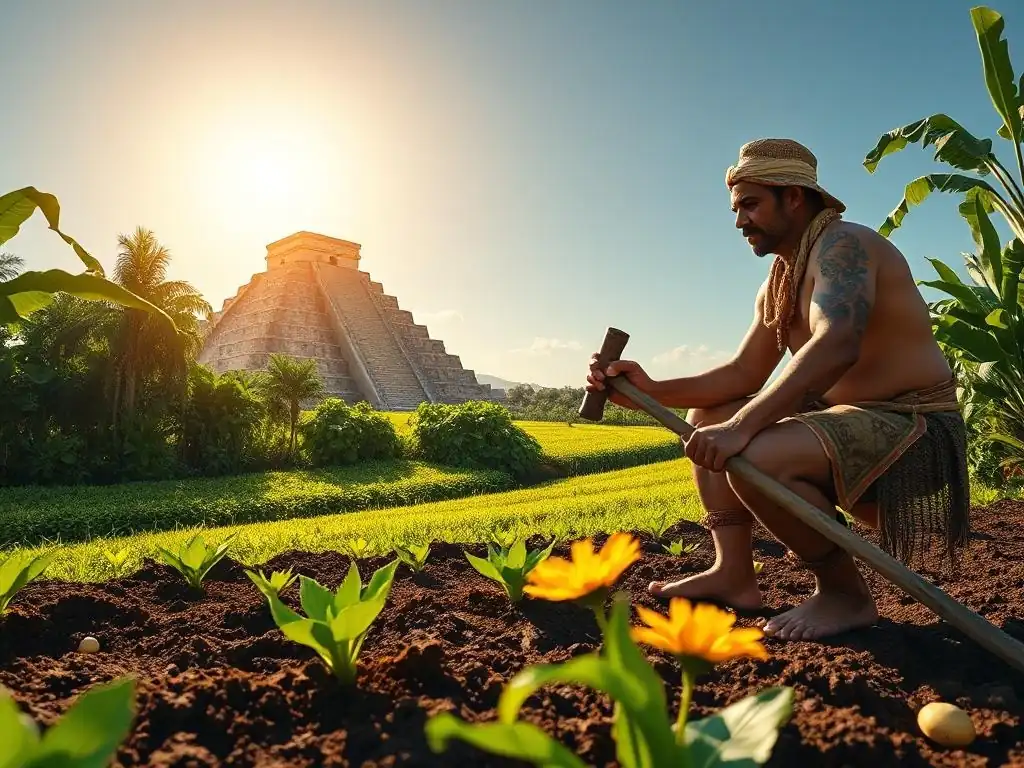
Welcome to Indigenous Civilizations of the Americas, where the rich tapestry of pre-colonial cultures unfolds before you. Dive deep into the remarkable achievements and societal structures of the indigenous peoples who once flourished across this vast land. In our featured article, "Maya Farming Practices: Innovations That Sustained a Thriving Civilization," we explore how the Maya ingeniously cultivated their environment, transforming agriculture into an art form that not only fed their people but also shaped their civilization.
Curious about the techniques that allowed the Maya to thrive in challenging landscapes? Join us as we uncover the innovations that defined a culture and continue to inspire generations.
- Introduction to Maya Farming Practices and Innovations
- Historical Context of Maya Farming Practices
- Traditional Maya Farming Techniques
- Innovations in Maya Agriculture
- The Role of Agriculture in Maya Society
- Challenges Faced by Maya Farmers
- Legacy of Maya Farming Innovations
- Conclusion: The Enduring Impact of Maya Farming Practices and Innovations
-
Frequently Asked Questions
- What were the key farming practices of the Maya civilization?
- How did Maya innovations contribute to their agriculture?
- What role did religion play in Maya farming?
- How did the Maya civilization adapt to environmental challenges?
- What is the lasting impact of Maya farming practices on modern agriculture?
- Final Reflection: The Enduring Legacy of Maya Farming Innovations
- Embrace the Wisdom of Maya Farming: Take Action Today!
Introduction to Maya Farming Practices and Innovations
The Maya civilization, which flourished in Mesoamerica from approximately 2000 BCE until the arrival of Europeans in the 16th century, is renowned for its remarkable achievements in various fields, including mathematics, astronomy, and architecture. However, one of the most critical aspects of their success was their sophisticated farming practices and innovations. These agricultural techniques not only supported their large population but also enabled the growth of complex societies and vibrant cultures.
This article delves into the intricacies of Maya farming practices, exploring how innovative methods such as terrace farming, slash-and-burn agriculture, and irrigation systems played a pivotal role in sustaining this thriving civilization. By understanding these practices, we can appreciate the ingenuity of the Maya people and the lasting impact of their agricultural innovations on future generations.
Overview of Maya Civilization and Agriculture
The Maya civilization was a diverse and intricate society composed of several city-states across present-day Mexico, Belize, Guatemala, and Honduras. At its peak during the Classic Period (250-900 CE), the Maya developed advanced urban centers with monumental architecture and a rich cultural life. Agriculture was at the heart of this civilization, providing the necessary food resources to support their large populations and complex societal structures.
Maya agriculture relied heavily on a variety of methods, which were tailored to the unique environmental conditions of the region. Key crops such as maize (corn), beans, and squash—often referred to as the "Maya triad"—formed the cornerstone of their diet. The Maya cultivated these staples using several innovative farming techniques, including:
- Slash-and-Burn Agriculture: A method where forests are cleared and burned to create fertile land for planting crops.
- Terrace Farming: Constructing stepped fields on hilly terrain to maximize arable land and manage water runoff.
- Raised Fields: Building elevated plots in swampy areas to prevent waterlogging and enhance drainage.
These diverse agricultural strategies allowed the Maya to adapt to varying landscapes and climate conditions, ultimately leading to the success and longevity of their civilization.
Importance of Farming Innovations in Sustaining the Maya
The innovations in farming practices were crucial not only for food production but also for the overall sustainability of Maya society. The ability to cultivate food efficiently enabled the Maya to support dense populations and urban centers. This, in turn, facilitated the development of trade networks, social hierarchy, and cultural advancements.
Key reasons why these innovations were significant include:
- Resource Management: Efficient farming techniques helped the Maya manage land and water resources effectively, minimizing the impact of droughts and other environmental challenges.
- Economic Stability: The surplus production of crops allowed for trade with neighboring regions, fostering economic growth and cultural exchange.
- Social Structure: A reliable food supply led to specialization in various fields, allowing for the development of artisans, priests, and rulers within Maya society.
The Maya's innovative farming practices were not just a means of survival but a foundation for their civilization's cultural, social, and economic achievements. Understanding these practices illuminates the remarkable adaptability and ingenuity of the Maya people, whose legacy continues to influence agricultural practices today.
Historical Context of Maya Farming Practices
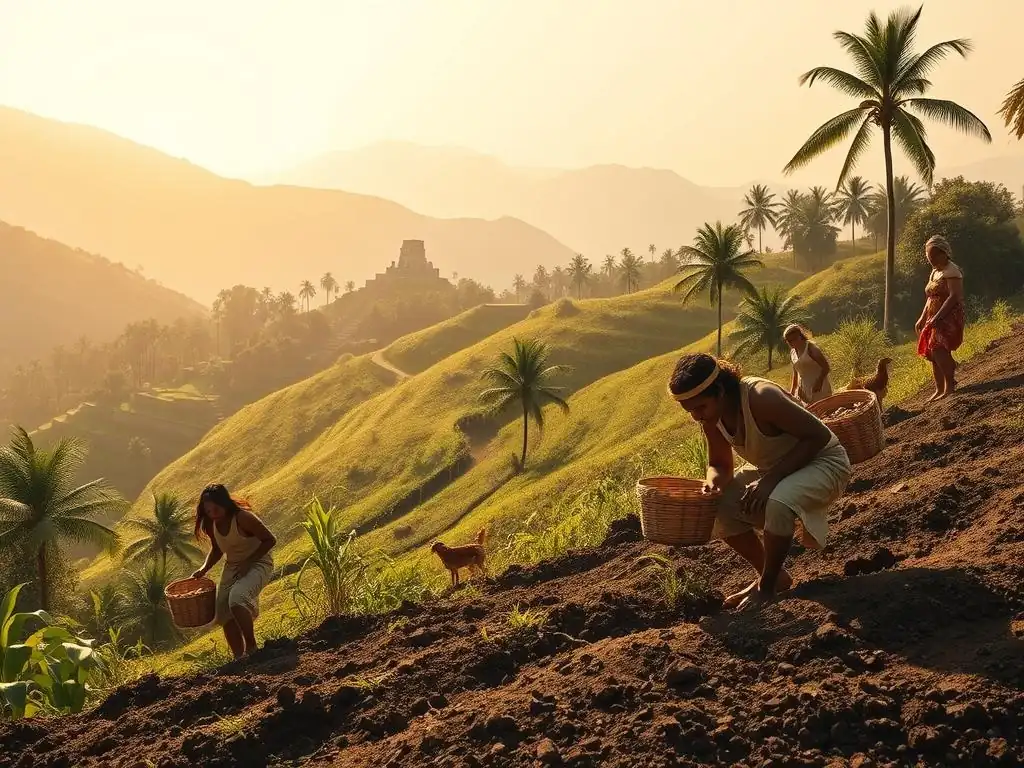
The Maya civilization, which flourished in Mesoamerica from approximately 2000 BCE to the arrival of Europeans in the 1500s CE, developed a complex and sophisticated agricultural system that was crucial to their survival and cultural prosperity. Understanding the historical context of Maya farming practices requires an exploration of the geographical and climatic factors that shaped their agricultural innovations.
The Evolution of Agriculture in the Maya Civilization
The evolution of agriculture among the Maya can be traced back to their early hunter-gatherer societies. As populations grew, the need for a more reliable food source became evident. This led to the domestication of plants and the development of farming techniques.
- Transition from Foraging to Farming:
- Around 1500 BCE, the Maya began cultivating wild maize, which eventually became their staple crop.
- The shift to an agrarian lifestyle allowed for the establishment of permanent settlements, leading to the rise of city-states.
- Innovative Techniques:
- The Maya practiced slash-and-burn agriculture, also known as swidden agriculture. This method involved clearing land by cutting and burning vegetation, which enriched the soil with nutrients.
- They also developed raised-bed agriculture, creating raised fields in swampy areas to improve drainage and prevent flooding.
- The construction of terraces on hillsides allowed for more efficient land use, preventing soil erosion and maximizing sunlight exposure.
- Impact of Geography:
- The diverse landscapes of the Maya region, which included jungles, mountains, and coastal areas, influenced the agricultural practices adopted by different communities.
- The availability of water sources played a crucial role, leading to the construction of intricate irrigation systems in some areas.
Key Crops Cultivated by the Maya
The Maya cultivated a variety of crops, each playing a vital role in their diet and economy. Understanding these key crops provides insight into the agricultural practices that sustained their civilization.
- Maize (Zea mays):
- The cornerstone of the Maya diet, maize was used in various forms, including tortillas, tamales, and beverages like atole.
- The cultivation of maize was deeply intertwined with Maya cosmology, often linked to the creation myths and rituals.
- Beans (Phaseolus spp.):
- Beans complemented maize, providing essential proteins. Varieties such as black beans and red beans were commonly grown.
- The practice of intercropping beans with maize enhanced soil fertility, as beans fixed nitrogen in the soil.
- Squash (Cucurbita spp.):
- Squash was another staple crop, often planted alongside maize and beans in a system known as the Three Sisters.
- The sprawling vines of squash helped suppress weeds and retain moisture in the soil.
- Chili Peppers (Capsicum spp.):
- Chili peppers were a popular spice and played a significant role in Maya cuisine.
- They were also used for medicinal purposes, showcasing the dual role of agriculture in sustaining health.
- Cacao (Theobroma cacao):
- Cacao was not only a food source but also a vital economic commodity, used to make the famous chocolate drink.
- It held ceremonial significance and was often associated with wealth and status within Maya society.
The innovations in farming practices and the cultivation of these key crops allowed the Maya to thrive in a challenging environment, leading to the development of one of the most advanced civilizations in the Americas. The integration of sustainable practices and respect for natural resources ensured that their agricultural systems could support large populations over centuries.
Traditional Maya Farming Techniques
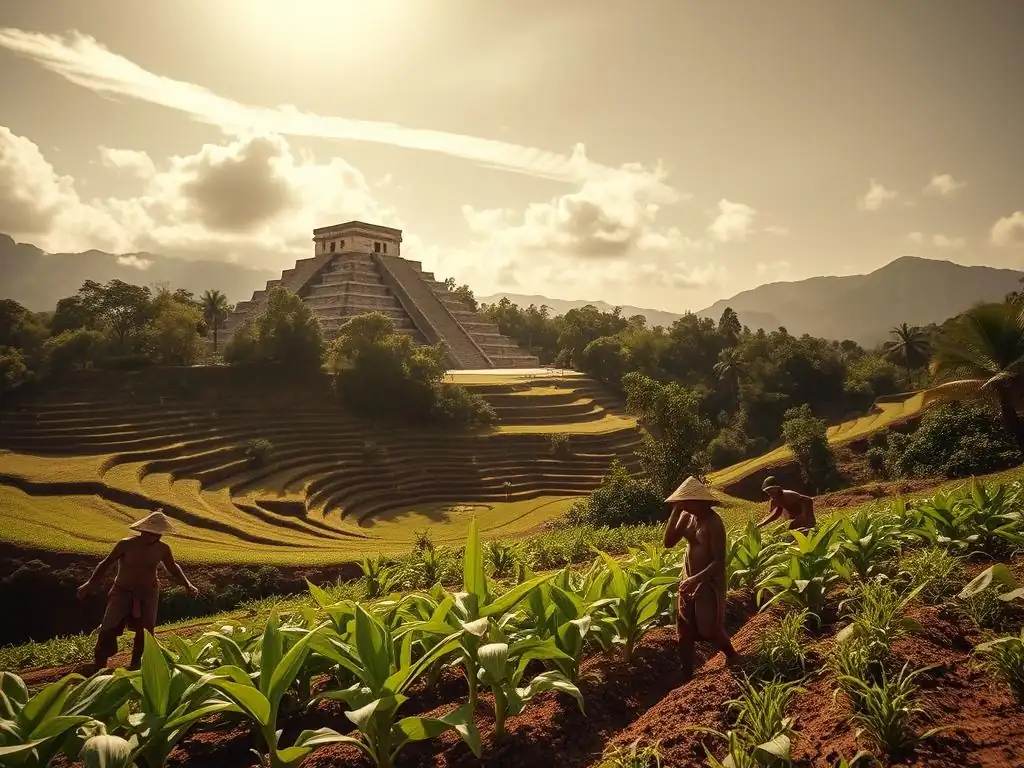
The Maya civilization developed a variety of innovative farming practices that enabled them to thrive in the diverse and often challenging environments of Mesoamerica. These methods were not only efficient but also sustainable, allowing for the cultivation of staple crops such as maize, beans, and squash. Understanding these traditional Maya farming techniques provides insight into how they successfully managed their agricultural systems while preserving the ecological balance.
Slash-and-Burn Agriculture: A Sustainable Practice
One of the most notable farming techniques employed by the Maya was slash-and-burn agriculture, also known as swidden agriculture. This method involved cutting down vegetation and burning it to clear fields for farming. The ashes enriched the soil with nutrients, providing an excellent foundation for crop growth.
- Process:
- Clearing: Farmers would select an area of land, often in forested regions, and clear it of vegetation.
- Burning: The cleared vegetation was then burned, which not only fertilized the soil but also helped control pests.
- Cultivation: Crops were planted shortly after the burning, taking advantage of the nutrient-rich soil.
- Fallow Period: After a few growing seasons, the land was left fallow to regenerate, allowing the forest to reclaim the area.
This practice was sustainable as it allowed the land to recover and ensured that the agricultural activities did not degrade the environment over time. The Maya were keen observers of their ecosystem, adjusting their techniques based on the specific conditions of each region they farmed.
Terracing and Its Role in Erosion Control
Terracing was another innovative practice utilized by the Maya, particularly in hilly or mountainous areas. By constructing terraces, the Maya were able to create flat areas for farming while significantly reducing soil erosion.
- Benefits of Terracing:
- Erosion Prevention: The stepped design of terraces slows down water runoff, reducing the risk of soil erosion during heavy rains.
- Water Conservation: Terraces help retain moisture in the soil, making it available for crops during dry periods.
- Microclimates: Different terrace levels can create varied microclimates, allowing for the cultivation of diverse crops tailored to specific conditions.
Terracing not only maximized arable land but also demonstrated the Maya's advanced understanding of their environment and their ability to manipulate it to their advantage.
Raised Beds and Their Benefits for Crop Growth
Raised beds, or chinampas, were another significant agricultural innovation of the Maya. This technique involved creating mounds of soil that were elevated above the surrounding landscape, which provided several advantages for crop production.
- Advantages of Raised Beds:
- Improved Drainage: The elevation of the beds allowed excess water to drain away, preventing waterlogging and root rot.
- Soil Warmer: Raised beds warmed more quickly in the sun, extending the growing season and promoting faster plant growth.
- Pest Management: The elevation made it more challenging for pests to reach the crops, reducing the need for chemical pest control.
The use of raised beds exemplifies the Maya's ingenuity and adaptability in agricultural practices, allowing them to optimize conditions for crop growth while minimizing risks associated with flooding and pests.
These traditional Maya farming practices and innovations were pivotal in supporting a thriving civilization, showcasing their deep connection to the land and their innovative approaches to agricultural challenges. Through these methods, the Maya were able to sustain their communities, contributing to the rich tapestry of indigenous cultures in the Americas.
Innovations in Maya Agriculture
Use of Irrigation Systems in Maya Farming
The Maya civilization demonstrated remarkable ingenuity in their agricultural practices, particularly in the development and use of irrigation systems. These systems were crucial in managing water resources, especially in the often-dry regions of Mesoamerica. By harnessing natural water sources, the Maya were able to optimize their farming output and support their large populations.
One of the most notable innovations was the construction of terraced fields. These terraces not only prevented soil erosion but also captured and retained moisture, allowing crops to thrive in sloped terrains. The Maya also built canals and reservoirs to direct water to their fields. These structures enabled them to irrigate their crops during the dry season, ensuring a more consistent food supply.
Moreover, archaeological evidence indicates that the Maya implemented drainage systems to manage excess water during heavy rains. This ability to control water flow was crucial in maintaining soil health and preventing crop loss, showcasing their advanced understanding of environmental management.
Crop Rotation and Its Impact on Soil Fertility
Crop rotation was a fundamental practice within Maya farming, significantly enhancing soil fertility and sustainability. By rotating different crops, the Maya could maintain soil nutrients and reduce pests and diseases associated with monoculture farming.
For example, the Maya often alternated between staple crops like maize, beans, and squash. This trio, commonly referred to as the "Maya triad," worked synergistically; maize provided a structure for beans to climb, beans enriched the soil with nitrogen, and squash spread across the ground, suppressing weeds and retaining moisture. This rotation not only maximized land use but also ensured a diverse diet for the population.
The benefits of crop rotation were evident in the long-term productivity of Maya fields. Fields could remain fertile for extended periods, allowing the Maya to sustain their civilization without depleting natural resources. This practice illustrates their advanced understanding of ecological balance and agricultural sustainability.
Integration of Companion Planting Techniques
Companion planting was another innovative aspect of Maya farming practices. This technique involved strategically planting different crops in proximity to one another to enhance growth, deter pests, and maximize space on the limited arable land.
A prime example is the combination of maize and beans. While maize provided a tall structure for beans to grow, the beans improved soil fertility. Additionally, the Maya incorporated chili peppers and tomatoes into their planting schemes, not only for culinary purposes but also to repel pests and attract beneficial insects.
The use of companion planting contributed to the overall health of the crops, resulting in higher yields and reduced reliance on chemical fertilizers or pesticides. This sustainable approach reflects the Maya's deep knowledge of their environment, allowing them to cultivate diverse crops that supported their economy and sustained their civilization for centuries.
Maya farming practices and innovations, such as their sophisticated irrigation systems, effective crop rotation strategies, and the integration of companion planting techniques, were instrumental in sustaining their civilization. These practices not only highlight the advanced agricultural skills of the Maya but also their profound understanding of ecological principles, which allowed them to thrive in a challenging environment.
The Role of Agriculture in Maya Society
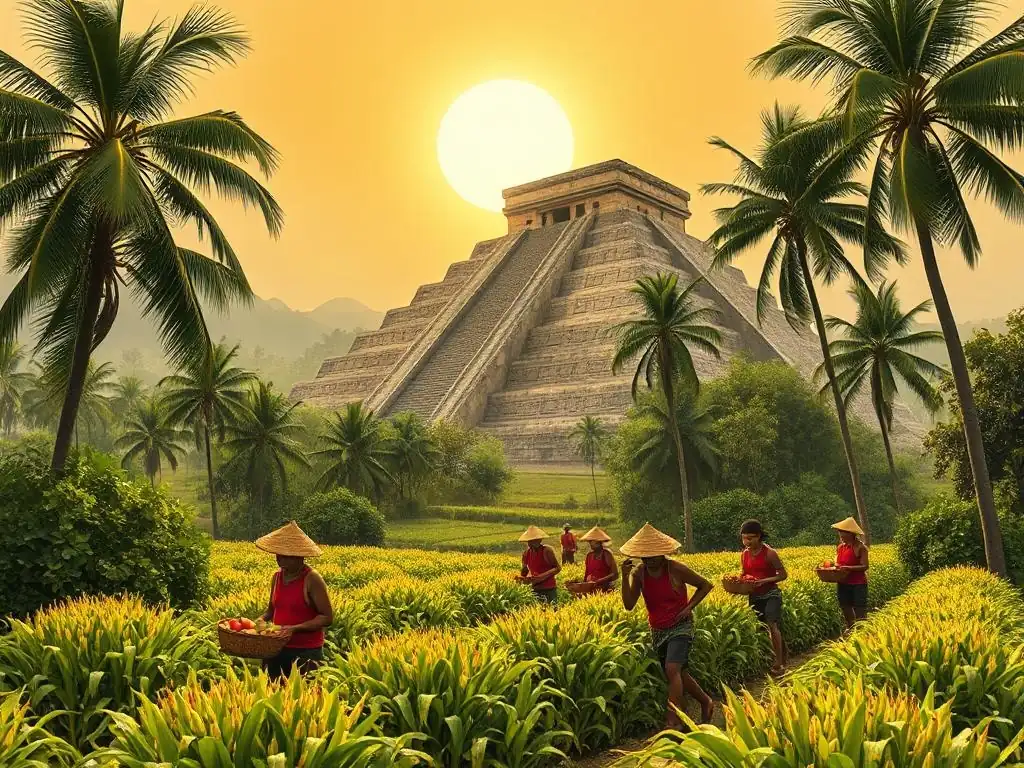
Agriculture was the backbone of Maya society, enabling the civilization to flourish in the challenging environments of Mesoamerica. The Maya developed sophisticated farming practices that not only maximized their agricultural output but also shaped their social, economic, and religious frameworks.
The primary crops cultivated by the Maya included maize (corn), beans, squash, and chili peppers. Maize, in particular, held immense cultural and economic significance, often referred to as the "staff of life." The cultivation of these staple crops allowed the Maya to sustain large populations and develop complex societies characterized by advanced urban centers, trade networks, and rich cultural traditions.
Economic Impact of Farming on Maya Communities
The economic structure of Maya civilization was heavily reliant on agriculture. The surplus generated from farming practices allowed for the development of trade, as communities could exchange excess produce for goods and resources not locally available. Some key points regarding the economic impact include:
- Trade Networks: Agricultural surplus facilitated the establishment of extensive trade networks across Mesoamerica. The Maya traded not only crops but also goods like textiles, pottery, and obsidian, promoting economic interdependence among various regions.
- Specialization of Labor: With a reliable food source, not all members of Maya society needed to engage in farming. This led to the specialization of labor, allowing individuals to pursue roles such as artisans, traders, and priests, which contributed to the overall complexity and richness of Maya culture.
- Marketplaces: Urban centers, such as Tikal and Calakmul, developed bustling marketplaces where agricultural products were exchanged. These marketplaces became social hubs, fostering community interactions and cultural exchange.
Maya farming practices were deeply intertwined with their social structures, reflecting a division of labor and a hierarchy within their communities. The organization of agricultural production influenced social dynamics in the following ways:
- Community Cooperation: Agriculture required significant collaboration among community members. Techniques such as slash-and-burn agriculture (swidden) involved communal efforts in clearing land, planting, and harvesting crops. This cooperation strengthened social bonds and established a sense of collective identity.
- Land Ownership: Land was often communally owned or managed by elite families and rulers, reflecting the hierarchical nature of Maya society. The ruling class maintained control over agricultural production, which translated into political power and influence.
- Gender Roles: In many Maya communities, women played a crucial role in agriculture, managing household gardens and participating in subsistence farming. This division of labor was integral to social structures, with men often engaging in larger-scale farming and trade.
Religious Significance of Crops in Maya Culture
Crops were not only vital for sustenance but also held profound religious significance in Maya culture. The Maya viewed agriculture as a sacred act, intertwining their spiritual beliefs with farming practices:
- Rituals and Offerings: The Maya performed various rituals to honor agricultural deities, seeking blessings for a bountiful harvest. Offerings often included food, incense, and even blood sacrifices, reflecting the importance of reciprocity with the divine.
- Calendar and Agriculture: The Maya developed a sophisticated calendar system that dictated agricultural cycles. Religious ceremonies were timed according to planting and harvesting seasons, celebrating the connection between agricultural practices and their cosmological beliefs.
- Symbolism of Crops: Maize, in particular, was central to Maya mythology, symbolizing life and sustenance. The Popol Vuh, a sacred Maya text, recounts the creation of humanity from maize, further emphasizing the crop's significance in their culture.
Maya farming practices and innovations were not just technical advancements; they formed the very foundation of Maya society, shaping its economy, social structures, and spirituality. Through their agricultural expertise, the Maya established a thriving civilization that left a lasting legacy in the Americas.
Challenges Faced by Maya Farmers
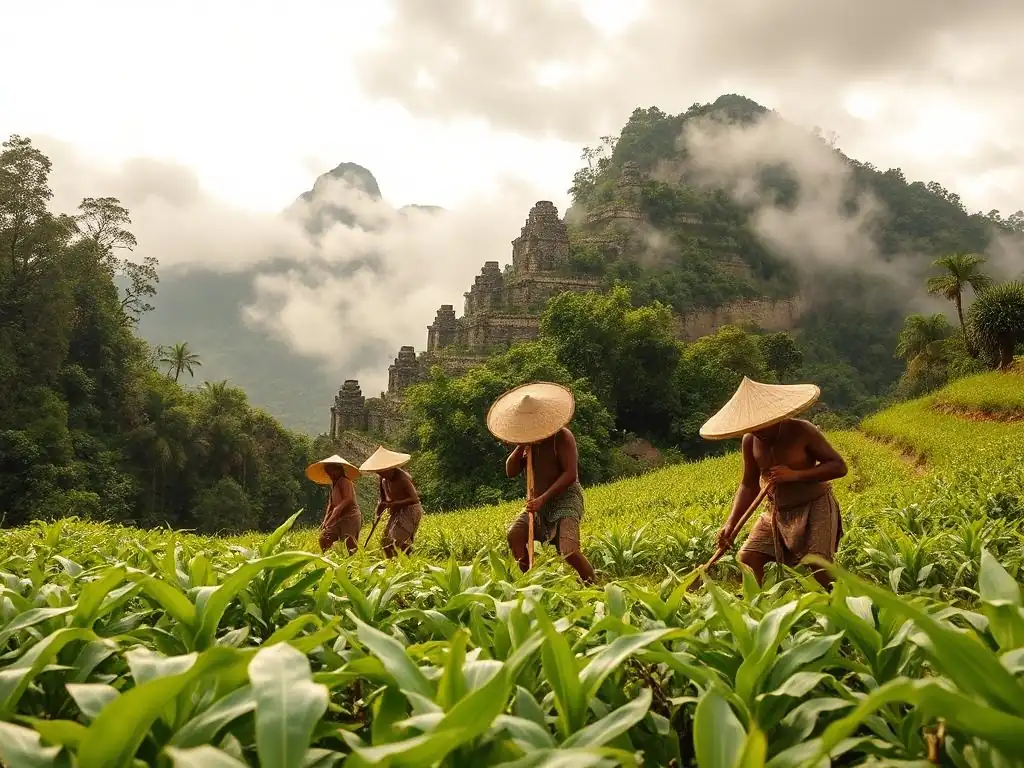
The Maya civilization, flourishing in Mesoamerica for over a thousand years, faced numerous challenges that impacted their farming practices and innovations. Understanding these challenges is essential to appreciate the resilience and adaptability of Maya farmers in sustaining their society.
Environmental Factors Affecting Maya Agriculture
The Maya operated within a diverse range of environmental conditions, which presented both opportunities and challenges for agricultural production. Key environmental factors included:
- Climate Variability: The Maya region experienced significant climatic variations, including prolonged wet and dry seasons. These fluctuations affected crop yields and necessitated adaptive farming strategies.
- Soil Fertility: While the fertile volcanic soils of regions like the highlands supported robust agriculture, areas with poor soil required more intensive management. Farmers often engaged in practices such as slash-and-burn agriculture to improve soil fertility temporarily. However, this method could lead to soil degradation if overused.
- Water Management: Water availability was critical in Maya agriculture. During dry seasons, farmers faced water scarcity, prompting the development of advanced irrigation systems. For instance, the Maya constructed terraces and cisterns to capture and store rainwater effectively. These innovations allowed them to maintain agricultural productivity throughout the year.
- Natural Disasters: The Maya were also vulnerable to natural disasters, such as hurricanes and droughts. These events could devastate crops and disrupt food supply chains, forcing communities to adapt quickly to ensure survival.
The interplay of these environmental factors necessitated innovative farming practices, ensuring that the Maya could cultivate staple crops like maize, beans, and squash, which formed the backbone of their diet.
Societal Changes and Their Impact on Farming Practices
The socio-political landscape of the Maya civilization was dynamic, with societal changes significantly impacting farming practices. Some critical influences included:
- Population Growth: As the population increased, the demand for food intensified. This led to the intensification of farming practices, including the expansion of agricultural land through deforestation and the use of more efficient farming techniques.
- Political Structures: The rise of city-states and centralized authority influenced agricultural practices. Rulers often mandated specific crops to be grown to support urban centers, leading to a more organized agricultural system. This centralization also allowed for the redistribution of food during times of scarcity, fostering social stability.
- Cultural Practices: Agriculture was deeply intertwined with Maya religion and culture. Rituals and ceremonies were often linked to farming cycles, affecting when and how crops were planted and harvested. For example, the timing of maize planting was often aligned with religious calendars, ensuring that agricultural activities resonated with cultural beliefs.
- Trade and Economy: The emergence of trade networks allowed for the exchange of agricultural products, which encouraged diversity in crops grown. Farmers began cultivating cash crops such as cacao and cotton, which were economically significant and integrated into the broader trade economy.
These societal changes demanded constant adaptation from Maya farmers, ultimately leading to a rich tapestry of agricultural practices that sustained their civilization for centuries. By navigating the challenges posed by environmental factors and societal shifts, the Maya developed innovative farming practices that not only met their needs but also contributed to their enduring legacy.
Legacy of Maya Farming Innovations
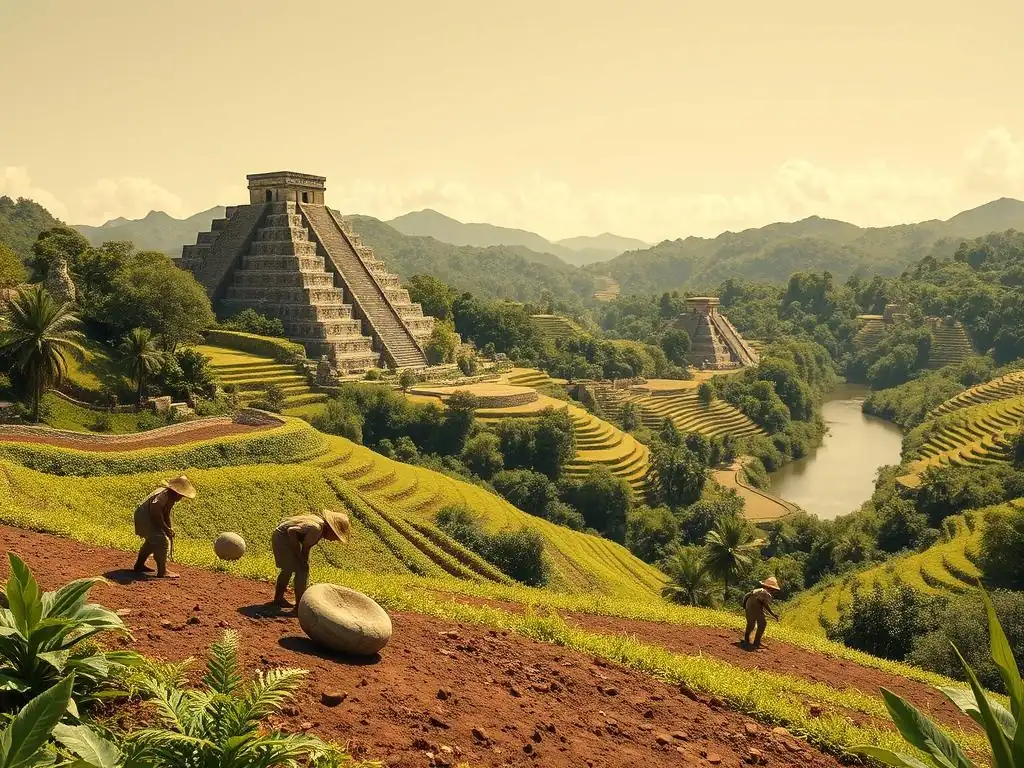
The legacy of Maya farming innovations is a testament to the ingenuity and adaptability of the Maya civilization. For over a thousand years, the Maya developed sophisticated agricultural systems that allowed them to thrive in the diverse environments of Mesoamerica. Their practices not only ensured food security but also supported complex societies and enabled significant cultural advancements.
The Maya utilized a variety of farming techniques, adapting to the varying climates and geographical conditions across the Yucatán Peninsula, Guatemala, and beyond. Key innovations included:
- Slash-and-Burn Agriculture: This method involved clearing forests by cutting and burning vegetation, enriching the soil with ash and allowing for the cultivation of diverse crops.
- Terracing: In hilly regions, the Maya constructed terraces to minimize soil erosion and maximize arable land. This technique allowed them to grow crops on steep slopes, significantly increasing agricultural output.
- Raised Fields: In swampy areas, the Maya created raised fields (chinampas) that improved drainage and prevented flooding while enhancing soil fertility. These fields were often surrounded by canals that provided irrigation and supported fish farming.
The impact of these practices extended beyond mere sustenance; they fostered social organization, trade networks, and cultural development. The Maya’s ability to produce surplus crops supported large urban centers, which became hubs of commerce, art, and religion.
Influence of Maya Agricultural Techniques on Future Civilizations
The agricultural innovations of the Maya had profound implications for subsequent civilizations in the Americas and beyond. Their techniques influenced neighboring cultures, fostering the exchange of knowledge that would shape agricultural practices for centuries.
- Crop Diversity: The Maya were pioneers in cultivating a wide variety of crops, including maize, beans, and squash—often referred to as the "Mesoamerican triad." This polyculture approach not only maximized yields but also created a balanced diet, which was adopted by later civilizations.
- Sustainable Agriculture: The principles of sustainability embedded in Maya farming practices have inspired modern agricultural techniques. Their methods of maintaining soil fertility and biodiversity continue to be relevant today, emphasizing the importance of environmental stewardship.
- Cultural Exchange: As the Maya engaged in trade with neighboring civilizations, they shared agricultural knowledge and practices. This exchange led to the integration of Maya techniques into the farming systems of other Mesoamerican cultures, such as the Aztecs and later Spanish colonizers, who adapted these practices to their own agricultural needs.
- Legacy in Modern Agriculture: Contemporary agricultural movements focused on organic and sustainable farming often draw inspiration from ancient Maya practices. Techniques like crop rotation, companion planting, and agroforestry are grounded in principles established by the Maya, demonstrating the long-lasting influence of their innovations.
Modern Applications of Ancient Maya Farming Practices
Today, the relevance of ancient Maya farming practices is being rediscovered as communities and researchers seek sustainable solutions to modern agricultural challenges. The following applications illustrate how these time-tested techniques are being utilized in contemporary farming:
- Agroecology: Many farmers are adopting agroecological principles that echo Maya practices, such as intercropping and polyculture, to enhance biodiversity and resilience. This approach not only increases yields but also reduces the reliance on chemical fertilizers and pesticides.
- Restoration of Traditional Methods: Various initiatives aim to restore traditional farming methods among indigenous communities, drawing directly from the practices of the Maya. Programs that promote the use of raised fields and terracing are helping to revive these ancient techniques, fostering food sovereignty and cultural heritage.
- Research and Education: Scholars and agricultural experts are studying Maya farming systems to adapt their techniques for modern agriculture. Research on sustainable practices, water management, and soil conservation based on Maya innovations is being integrated into agricultural education programs worldwide.
- Climate Resilience: As climate change poses new challenges to agriculture, ancient Maya practices provide valuable insights into adaptive strategies. The use of diverse cropping systems and resilient farming techniques can help mitigate the impacts of climate variability, ensuring food security for future generations.
The legacy of Maya farming innovations is not only a reflection of their historical achievements but also serves as a guiding light for contemporary agricultural practices. By embracing the wisdom of the past, we can cultivate a more sustainable and resilient future.
Conclusion: The Enduring Impact of Maya Farming Practices and Innovations
The farming practices and innovations of the Maya civilization have left an indelible mark on the agricultural landscape of the Americas. Their complex systems of land management, crop rotation, and sustainable farming techniques not only supported a thriving society but also contributed to the longevity of their culture. As we reflect on the advancements made by the Maya, it is evident that their agricultural methods were not merely a means of subsistence but a sophisticated approach to environmental stewardship.
The Maya effectively utilized various farming techniques such as slash-and-burn agriculture, terracing, and raised-field systems to adapt to their diverse and often challenging environments. These practices enabled them to cultivate a wide variety of crops, including maize, beans, squash, and cacao, which were integral to their diet and economy. Furthermore, the Maya's understanding of their surrounding ecosystems allowed them to implement strategies that minimized soil erosion and maximized productivity over time.
Reflection on the Sustainability of Maya Agriculture
Maya farming practices were intrinsically linked to their sustainable approach to agriculture, demonstrating a profound respect for nature. The use of agroforestry—integrating trees and shrubs with crops—provided multiple benefits, such as improved soil fertility and habitat for wildlife. This method not only ensured the availability of resources but also fostered biodiversity within their agricultural systems.
The Maya’s practice of crop rotation further exemplified their commitment to sustainability. By alternating different crops in the same field, they minimized pest populations and enhanced soil nutrients. This cyclical approach to farming allowed for continuous cultivation without depleting the land's resources, showcasing a deep understanding of ecological balance that remains relevant today.
Additionally, the construction of terraces on hilly terrains prevented soil erosion and facilitated water management, demonstrating ingenuity in harnessing the landscape for agricultural productivity. These techniques have modern implications, encouraging contemporary farmers to adopt similar methods to combat climate change and promote sustainable land use.
Lessons Learned from the Maya for Modern Farming Practices
The lessons learned from the Maya's innovative farming practices hold significant value for contemporary agriculture. As the world grapples with challenges such as food security, climate change, and loss of biodiversity, the principles of Maya agriculture can guide modern practices toward more sustainable outcomes.
- Embrace Biodiversity: The Maya cultivated a variety of crops, which enhanced resilience against pests and diseases. Modern farming can benefit from polyculture and intercropping systems to create more robust agricultural ecosystems.
- Sustainable Land Management: Techniques such as terracing and agroforestry, as practiced by the Maya, can help mitigate soil erosion and improve water retention. Implementing these strategies can lead to healthier soils and more efficient water use.
- Cultural Knowledge and Practices: Engaging with indigenous knowledge and practices can provide insights into sustainable agriculture. Recognizing the value of traditional ecological knowledge can inform contemporary farming methods, leading to innovative solutions tailored to local environments.
- Community and Cooperation: The collaborative nature of Maya agriculture, where communities worked together in farming activities, highlights the importance of cooperation in achieving agricultural goals. Modern farming can benefit from community-driven initiatives that foster collective action and resource sharing.
The innovations and practices of Maya farming represent a remarkable achievement in the history of agriculture. Their legacy serves as a powerful reminder that sustainable practices rooted in a deep understanding of the environment are essential for the future of agriculture. By reflecting on their methods, we can draw inspiration and guidance for building resilient and sustainable farming systems today.
Frequently Asked Questions
What were the key farming practices of the Maya civilization?
The Maya civilization utilized sophisticated agricultural techniques such as slash-and-burn, terracing, and raised fields to cultivate crops like maize, beans, and squash, which were essential for their sustenance.
How did Maya innovations contribute to their agriculture?
The innovations in irrigation systems and crop rotation allowed the Maya to maximize yields and sustain large populations, showcasing their deep understanding of the environment.
What role did religion play in Maya farming?
Religious beliefs were intertwined with agricultural practices; the Maya held ceremonies and rituals to honor their gods and ensure a successful harvest, reflecting their respect for nature.
How did the Maya civilization adapt to environmental challenges?
The Maya developed adaptive farming methods to cope with challenges like droughts and soil degradation, demonstrating their resilience and ingenuity in maintaining agricultural productivity.
What is the lasting impact of Maya farming practices on modern agriculture?
Many modern agricultural practices in Central America trace their roots to Maya innovations, highlighting the civilization's influence on contemporary farming methods and sustainable agriculture.
Final Reflection: The Enduring Legacy of Maya Farming Innovations
Maya farming practices and innovations are not just relics of a bygone civilization; they are vital lessons for our contemporary world grappling with food security and environmental sustainability. The ingenuity of the Maya in adapting to their environment through techniques such as raised-field agriculture and agroforestry showcases a profound understanding of ecological balance. As we face the pressing challenges of climate change and population growth, the wisdom embedded in these ancient practices is more relevant than ever.
The influence of Maya farming practices extends beyond historical significance; it resonates deeply within our cultural and social fabric today. These practices remind us of the intricate relationship between humanity and nature. The sustainable methods employed by the Maya serve as a blueprint for modern agricultural innovations that prioritize ecological health. We do not inherit the earth from our ancestors; we borrow it from our children.
This quote encapsulates the urgency of adopting sustainable practices that honor the legacy of civilizations like the Maya while ensuring a viable future for generations to come.
As we reflect on the lessons from Maya farming innovations, I invite you to consider how these principles can be integrated into your own life and community. Embrace the spirit of innovation and sustainability in your daily choices, whether it’s through supporting local agriculture, practicing conservation, or educating others about the importance of ecological stewardship. Let the legacy of the Maya inspire you to cultivate a thriving future, one rooted in respect for the earth and its resources.
Embrace the Wisdom of Maya Farming: Take Action Today!
Thank you for exploring the remarkable innovations of Maya farming practices with us! You've uncovered the intricate methods that once sustained a thriving civilization, and now it’s time to apply this knowledge in meaningful ways.
Here are some actions you can take:
- Implement sustainable gardening techniques inspired by ancient practices in your own backyard. Start small by creating a traditional garden bed using natural fertilizers and companion plants!
- Share this article with friends or on social media to spark discussions about sustainable practices from the past and their relevance today.
- Explore local community workshops on sustainable agriculture to learn hands-on techniques and connect with individuals who are passionate about preserving and sharing indigenous wisdom.
What innovations will you adopt from these farming practices to enhance your relationship with the land?