
The Role of Ancestors in Tiahuanaco Religion: Connecting Past and Present

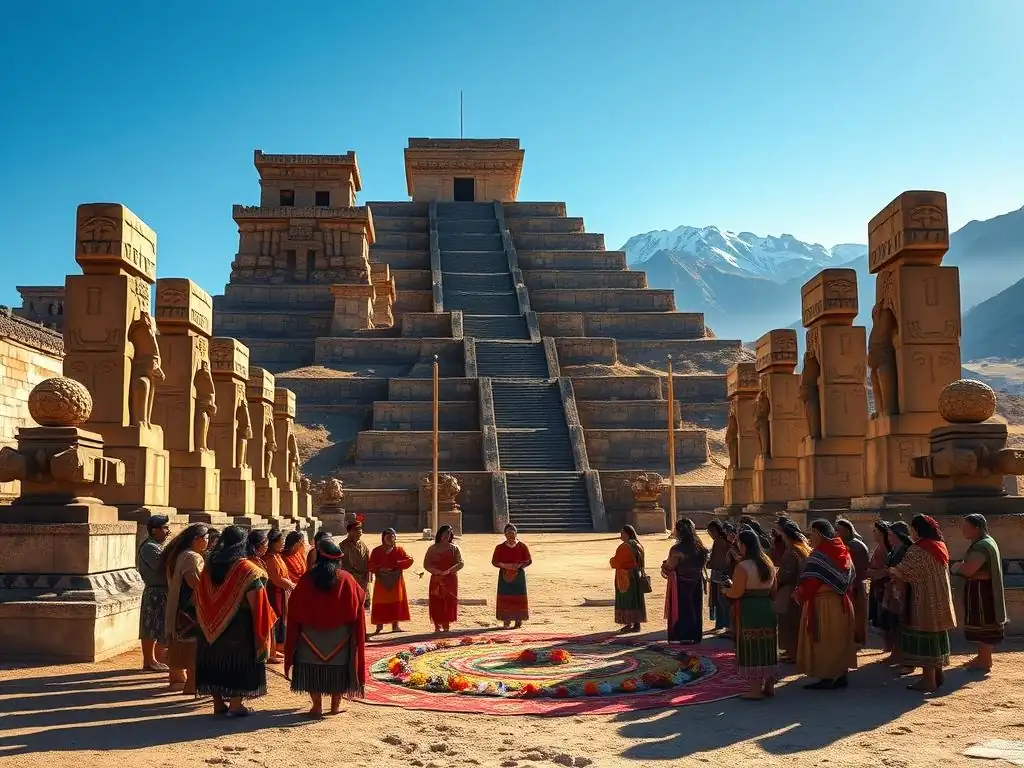
Welcome to Indigenous Civilizations of the Americas, where we invite you to embark on a journey through the rich tapestry of indigenous cultures that flourished long before European contact. Here, we delve into the profound achievements and societal structures that shaped these vibrant communities.
In our featured article, “The Role of Ancestors in Tiahuanaco Religion: Connecting Past and Present,” we explore the intricate Tiahuanaco ancestral religious beliefs that link the past with the present, unveiling the spiritual connections that continue to resonate today. Prepare to be captivated as we uncover the legacies of these civilizations, sparking your curiosity to learn more about their enduring impact on the world.
- Introduction to Tiahuanaco Religion and Ancestral Beliefs
- Tiahuanaco Ancestral Religious Beliefs: An Overview
- Connection Between Ancestors and the Tiahuanaco Spiritual World
- The Role of Ancestors in Tiahuanaco Society
- Practices and Rituals Related to Ancestors
- Ancestral Worship and Its Impact on Modern Tiahuanaco Descendants
- Conclusion: The Lasting Legacy of Tiahuanaco Ancestral Religious Beliefs
- Frequently Asked Questions
- Final Reflection: Bridging the Past and Present through Tiahuanaco Ancestral Beliefs
- Embrace Your Ancestral Connection Today!
Introduction to Tiahuanaco Religion and Ancestral Beliefs
The religious beliefs of the Tiahuanaco civilization offer profound insights into the intricate connections between their ancestors and the spiritual practices that shaped their society. Nestled in the highlands of present-day Bolivia, Tiahuanaco was an influential center of culture and spirituality long before European colonization. This article delves into the Tiahuanaco ancestral religious beliefs, emphasizing the role of ancestors as vital links between the past and present. By exploring the rich tapestry of Tiahuanaco's religious framework, we aim to uncover how ancestral reverence not only influenced their daily lives but also continues to resonate within contemporary indigenous practices.
Overview of Tiahuanaco Culture
Tiahuanaco, flourishing between 300 AD and 1000 AD, stands as a cornerstone of Andean civilization, renowned for its architectural marvels, agricultural innovations, and complex social structures. The civilization's heart lies in its capital, also named Tiahuanaco, characterized by impressive stone constructions such as the Puma Punku and the Akapana Pyramid.
- Key Features of Tiahuanaco Culture:
- Architecture: Mastery in stonework with large monolithic blocks.
- Agriculture: Advanced terracing and irrigation techniques that supported a diverse diet.
- Trade Networks: Extensive interactions with neighboring cultures, facilitating the exchange of goods and ideas.
- Art and Symbolism: Rich iconography reflecting their worldview, often depicting deities and ancestral figures.
The Tiahuanaco people had a profound connection with their environment, believing that the mountains and lakes were imbued with spiritual significance. This relationship was reflected in their rituals and offerings, which often honored the ancestors and sought their guidance.
Importance of Ancestors in Indigenous Religions
In many indigenous cultures, including Tiahuanaco, ancestors play a pivotal role in shaping religious beliefs and practices. The reverence for ancestors is not merely a form of remembrance; rather, it is a fundamental aspect of their cosmology and daily existence.
- Key Aspects of Ancestral Importance:
- Spiritual Guidance: Ancestors are believed to provide wisdom and protection, serving as intermediaries between the living and the divine.
- Cultural Identity: Ancestral connections reinforce community bonds and cultural continuity, ensuring that traditions and teachings are passed down through generations.
- Ritual Practices: Regular ceremonies and offerings are conducted to honor ancestors, often involving prayers, music, and the sharing of food, creating a communal space for reflection and gratitude.
Through these practices, the Tiahuanaco people maintained a dynamic relationship with their ancestors, who were woven into the fabric of their identity and spirituality. Understanding these beliefs provides a deeper appreciation of how Tiahuanaco culture not only thrived in its historical context but also laid the groundwork for contemporary indigenous spiritual practices.
Tiahuanaco Ancestral Religious Beliefs: An Overview
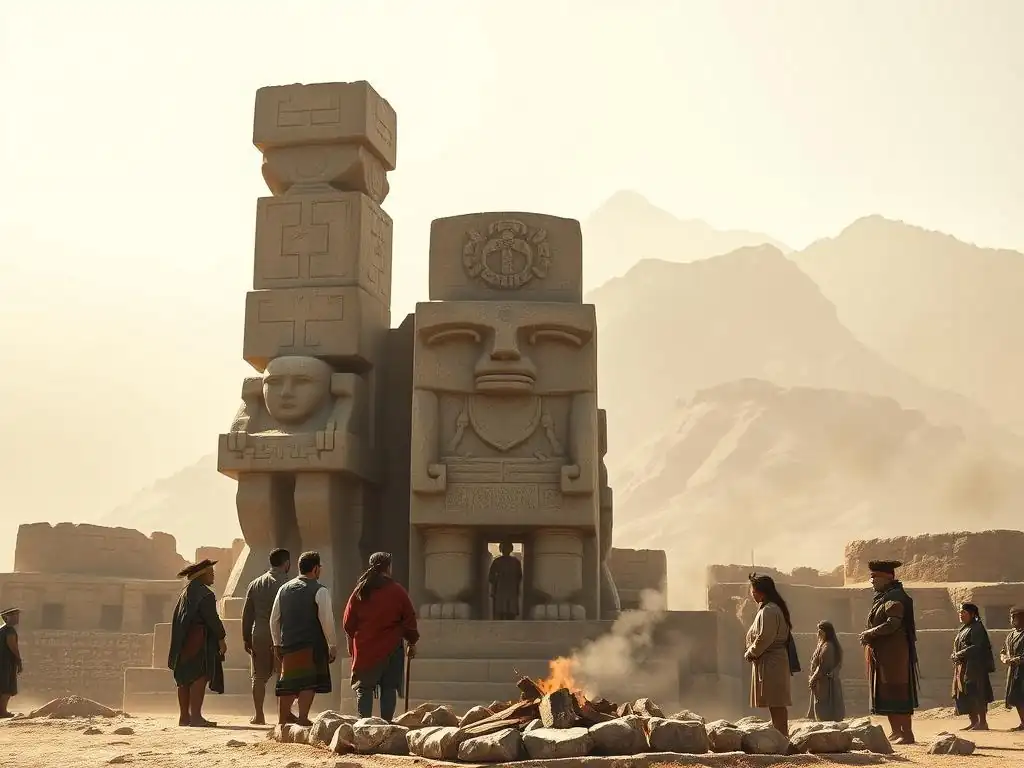
Tiahuanaco, an ancient civilization located near Lake Titicaca in present-day Bolivia, is renowned for its rich cultural heritage and complex religious beliefs. Central to Tiahuanaco culture are the ancestral religious beliefs, which form a vital link between the past and present for the descendants of this civilization. These beliefs encapsulate the reverence for ancestors and nature, shaping social structures and rituals that continue to resonate in contemporary indigenous practices.
Definition of Tiahuanaco Ancestral Beliefs
Tiahuanaco ancestral beliefs can be defined as the spiritual frameworks and practices that honor the ancestors of the Tiahuanaco civilization and their connections to the natural world. These beliefs revolve around several core tenets:
- Dualism: The understanding of the world as comprising complementary forces, such as life and death, male and female, and the physical and spiritual realms.
- Ancestral Reverence: A profound respect for ancestors, believed to influence the living through their spirits and actions.
- Nature as Sacred: The environment, including mountains, rivers, and animals, is seen as imbued with spiritual significance, serving as a bridge between the ancestors and the living.
These beliefs are expressed in various forms, including rituals, offerings, and the construction of ceremonial sites that reflect the Tiahuanaco worldview. The religion was not merely a set of beliefs but a comprehensive way of life that dictated social norms, political structure, and community identity.
Key Concepts in Tiahuanaco Religion
The Tiahuanaco religion is characterized by several key concepts that highlight its complexity and depth:
- The Cosmic Order: Tiahuanaco society believed in a structured universe governed by cosmic laws. This order was reflected in their architecture, with temples and monuments aligned with celestial events, emphasizing the importance of astronomy.
- Pachamama and Pachacuti:
- Pachamama: The Earth Mother, a central figure in Tiahuanaco spirituality, symbolizing fertility, sustenance, and the nurturing aspects of nature. Rituals dedicated to Pachamama often involved offerings of food, textiles, and other goods to ensure agricultural abundance.
- Pachacuti: Referring to the concept of the world turning or transforming, it signifies the cyclical nature of life and the importance of balance within the cosmos.
- The Role of Rituals: Rituals played a pivotal role in Tiahuanaco religion, serving as a medium to communicate with the ancestors. These rituals often involved:
- Ceremonial Offerings: Presenting food, drink, and symbolic objects to honor the ancestors and seek their guidance.
- Festivals: Celebrations that marked seasonal changes, agricultural cycles, and significant events in the community.
- Iconography and Symbolism: Tiahuanaco art and architecture are rich with symbols that represent their religious beliefs. Common motifs include:
- The Staff God: A deity often depicted holding staff-like objects, symbolizing authority and connection to the divine.
- Monoliths and Altars: Stone structures that served as focal points for worship and offerings, often intricately carved with figures representing deities and ancestors.
- Connection to the Living: The Tiahuanaco people believed in a continuous relationship with their ancestors. This connection was maintained through:
- Ancestral Spirit Worship: Engaging with the spirits through prayers, offerings, and communal gatherings to ensure the wellbeing of both the living and the deceased.
- Cultural Transmission: The passing down of knowledge, traditions, and values from ancestors to descendants, reinforcing community identity and continuity.
The Tiahuanaco ancestral religious beliefs not only shaped the spiritual landscape of the civilization but also laid the foundation for contemporary indigenous practices in the region, illustrating the enduring legacy of this remarkable culture.
Connection Between Ancestors and the Tiahuanaco Spiritual World
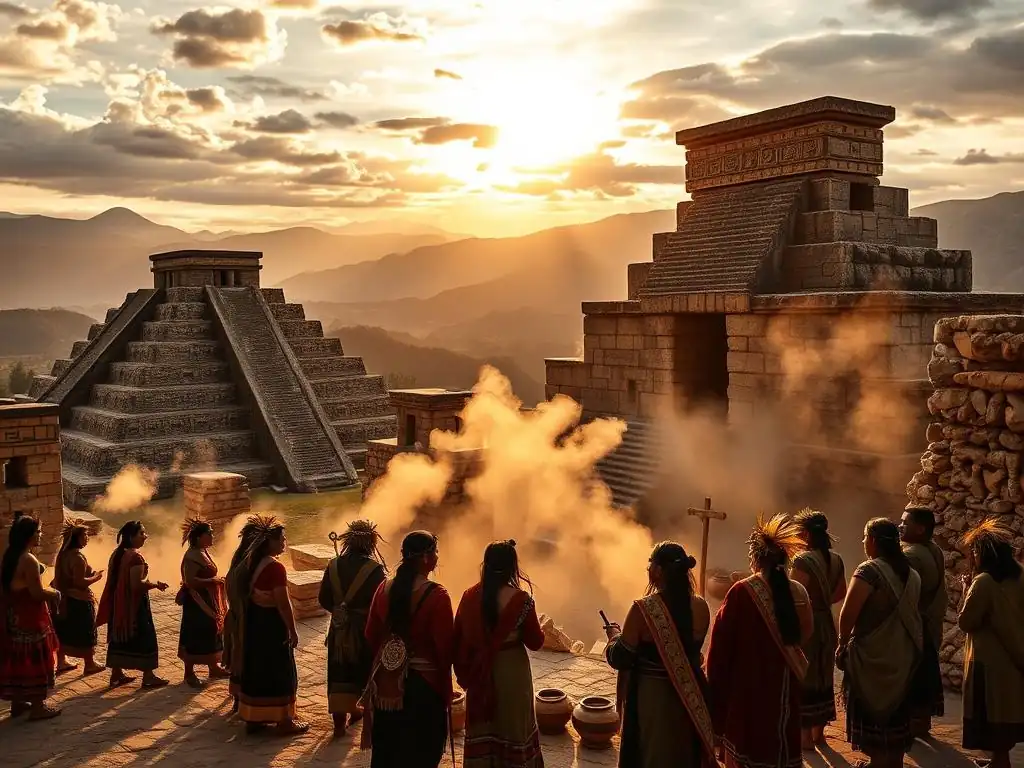
The Tiahuanaco civilization, which flourished around Lake Titicaca in present-day Bolivia, held a profound reverence for their ancestors, viewing them as integral to their spiritual practices and everyday lives. This connection was not merely familial but deeply spiritual, as the Tiahuanaco people believed that their ancestors played a vital role in the maintenance of harmony within the cosmos. Their ancestral religious beliefs were interwoven with their understanding of the world, influencing their rituals, social structures, and cultural identity.
Ancestors as Spiritual Guides
In Tiahuanaco religious beliefs, ancestors were perceived as spiritual guides who transcended the physical realm. They were thought to possess wisdom and power that could influence the living. The Tiahuanaco people believed that the spirits of their ancestors could intervene in their lives, offering protection, guidance, and blessings. This belief system fostered a profound sense of continuity between the past and present, as ancestors were seen as active participants in the community's spiritual life.
The concept of ayni, or reciprocity, was central to Tiahuanaco society. It underscored the importance of maintaining a reciprocal relationship with the ancestors, whereby the living would honor them through rituals and offerings in exchange for their guidance and support. This relationship was not one-sided; it required ongoing devotion and respect, ensuring that the ancestors remained present and influential in the lives of their descendants.
Moreover, the Tiahuanaco believed that the ancestors could provide insight into the natural world, helping to navigate agricultural cycles and environmental challenges. For instance, agricultural practices were often aligned with rituals that honored ancestral spirits, reinforcing their role as custodians of the land.
Rituals Honoring Ancestors in Tiahuanaco Religion
Rituals played a pivotal role in honoring ancestors within Tiahuanaco religion, serving as a means to maintain the connection between the living and the spiritual world. These ceremonies were elaborate and varied, incorporating offerings, music, and communal gatherings. Some key aspects of these rituals included:
- Offerings and Sacrifices: The Tiahuanaco would present offerings of food, textiles, and crafted goods at sacred sites, such as the famous Tiwanaku temple complex. These offerings were believed to nourish the spirits of the ancestors, ensuring their continued support and blessing.
- Ceremonial Feasts: Community feasts were organized to celebrate the ancestors, fostering social cohesion and collective memory. During these gatherings, stories of the ancestors were shared, reinforcing their significance and the values they embodied.
- Rituals at Sacred Sites: The Tiahuanaco civilization constructed monumental architecture, such as the Akapana pyramid and the Gateway of the Sun, which served as focal points for ancestor worship. These sites were often the locations for rituals that marked seasonal changes or significant life events, such as births, marriages, and funerals.
- The Role of Priests and Shamans: Priests and shamans acted as intermediaries between the living and the ancestral spirits. They were responsible for conducting rituals, interpreting signs from the ancestors, and ensuring that the community adhered to the spiritual practices that honored their lineage.
The Tiahuanaco ancestral religious beliefs were deeply rooted in a complex web of rituals and practices that honored the role of ancestors as spiritual guides. This spiritual relationship not only shaped individual lives but also reinforced the cultural identity and social fabric of the Tiahuanaco civilization, illustrating the enduring legacy of their ancestral connections.
The Role of Ancestors in Tiahuanaco Society
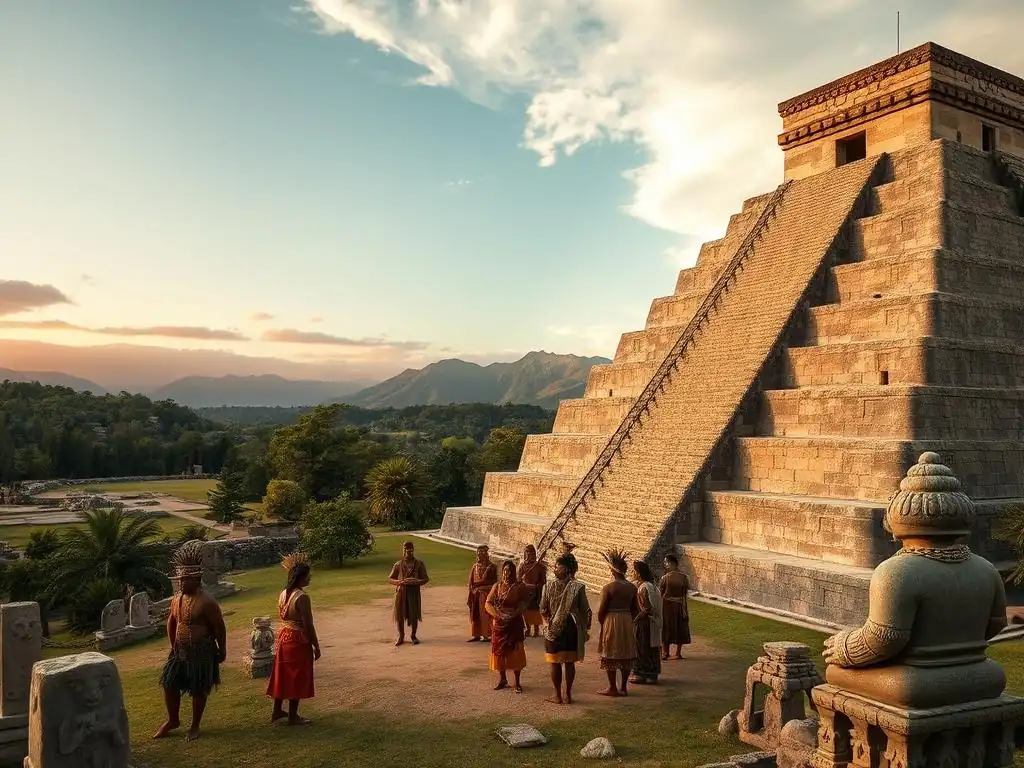
In Tiahuanaco society, ancestral religious beliefs played a pivotal role in shaping the social hierarchy and community organization. The reverence for ancestors was not merely a spiritual practice; it was intricately woven into the fabric of everyday life, influencing social norms, governance, and familial relationships.
The Tiahuanaco people believed that ancestors maintained a continuous presence in the lives of their descendants, guiding and protecting them. This belief fostered a strong sense of identity and continuity, leading to a social structure characterized by respect for lineage and heritage. The elite class, often composed of priests and leaders, derived their authority from their ancestral connections. They were seen as intermediaries between the living and the dead, tasked with upholding traditions and performing rituals to honor their forebears.
Key Aspects of the Social Structure:
- Lineage and Descent: Families traced their lineage back to significant ancestors, often establishing claims to land and resources based on these connections.
- Ritual Responsibility: Individuals held specific roles in rituals, often based on their familial ties to ancestors. This ensured that ancestral connections were honored through communal participation.
- Ancestral Worship: The veneration of ancestors was central to Tiahuanaco spirituality, with elaborate ceremonies conducted to seek guidance and blessings from those who had passed.
The focus on ancestry not only reinforced social stratification but also fostered a collective identity among the Tiahuanaco people, binding communities together through shared heritage and traditions.
Ancestors in Tiahuanaco Mythology
The mythology of Tiahuanaco is rich with narratives that highlight the significance of ancestors, blending history with spiritual beliefs. These myths served to educate and reinforce the community's values, ensuring that ancestral legacies were preserved and celebrated.
One of the prominent themes in Tiahuanaco mythology is the concept of dualism, where ancestors are often depicted as both protectors and challengers. This duality reflects the complexities of life and the belief that ancestors continue to influence the living world. Myths often featured gods who were thought to be ancestral figures, embodying the qualities and wisdom of the ancestors.
Notable Mythological Elements:
- Creation Myths: Many Tiahuanaco creation stories involve ancestral beings who shaped the world and introduced agriculture, weaving the importance of ancestors into the fabric of their existence.
- Heroic Ancestors: Legends of ancient heroes who overcame great challenges often served as moral lessons, reinforcing the values of bravery, wisdom, and resilience that descendants were encouraged to emulate.
- Ritual Narratives: Specific rituals commemorated these myths, with ceremonies designed to invoke the spirits of the ancestors during significant agricultural or seasonal events.
These mythological frameworks not only provided a sense of purpose but also reinforced the connection between the past and present, ensuring that the teachings and values of the ancestors continued to resonate within Tiahuanaco society. The enduring legacy of Tiahuanaco ancestral religious beliefs is evident in the cultural practices that persist even today, highlighting the profound impact of ancestors on the spiritual and social landscape of the region.
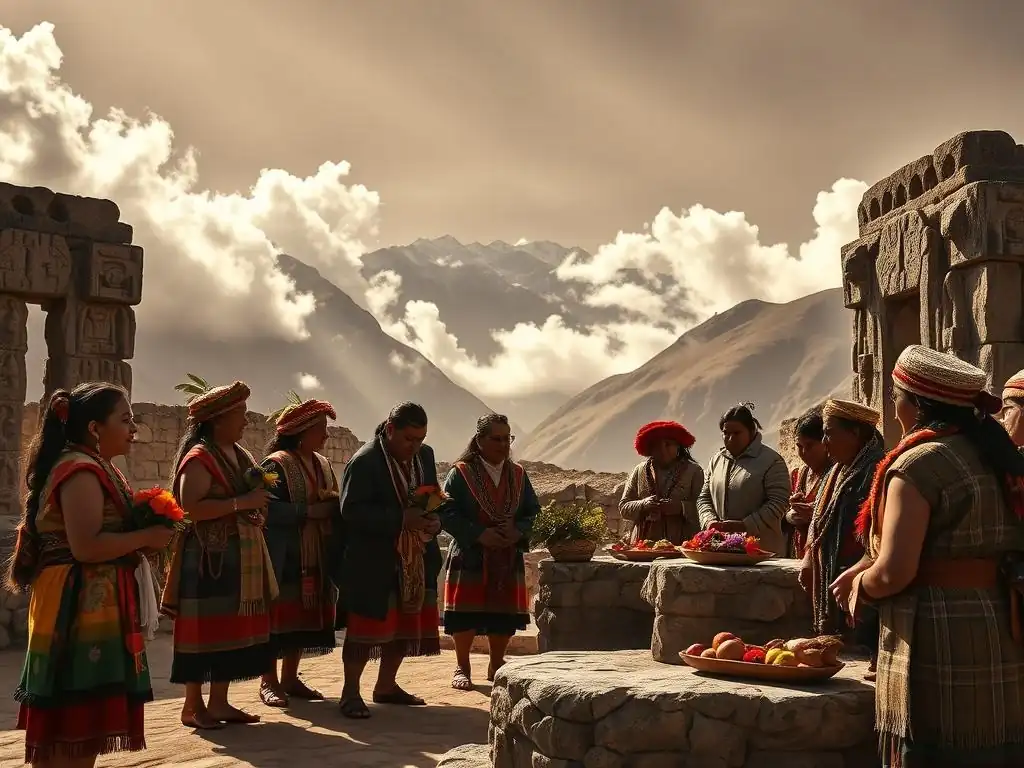
The Tiahuanaco civilization, which flourished in the Andean region of present-day Bolivia from approximately 300 to 1000 AD, held a complex view of their ancestors, deeply interwoven with their religious beliefs and everyday practices. Ancestors were considered vital to the community's spiritual and material well-being, influencing various cultural practices and rituals that honored their memory and sought their guidance.
Offerings and Ceremonies in Tiahuanaco Culture
In Tiahuanaco culture, offerings and ceremonies played a crucial role in connecting the living with their ancestors. These rituals were often conducted in sacred spaces, such as temples and altars, which were believed to be imbued with spiritual significance. The following key practices highlight the importance of offerings and ceremonies:
- Offerings to Ancestors: The Tiahuanaco people made regular offerings of food, textiles, and other valuable items to honor their ancestors. These offerings were believed to nourish the spirits and ensure their continued favor and protection over the living.
- Ceremonial Festivals: Major festivals were held to commemorate ancestral spirits, often coinciding with agricultural cycles or seasonal changes. These events included communal gatherings, music, dance, and feasting, reinforcing social bonds and collective identity.
- Ritual Sacrifices: Though less common, some evidence suggests that sacrificial practices were also part of ancestor veneration. These rituals aimed to appease powerful ancestral spirits, ensuring their goodwill toward the community.
- Burial Practices: The Tiahuanaco people practiced complex burial rituals, which included the placement of offerings within tombs. The deceased were often interred with items that would be useful in the afterlife, reflecting a belief in the continuity of existence beyond death.
- Use of Symbols: Symbols such as the puma and condor frequently appeared in Tiahuanaco art and architecture, representing strength and connectivity to the spiritual world. These animals were often associated with the ancestors, embodying their protective qualities.
These practices not only served to honor the ancestors but also reinforced the social and cultural fabric of Tiahuanaco society, creating a shared sense of identity and purpose among its members.
The Role of Ancestors in Agricultural Practices
Agriculture was the backbone of Tiahuanaco society, and ancestral beliefs significantly influenced agricultural practices. The connection between the land, the ancestors, and the agricultural cycle was deeply ingrained in the community's understanding of survival and prosperity. Key aspects of this relationship include:
- Ancestral Spirits as Guardians: Tiahuanaco people believed that ancestral spirits influenced agricultural fertility and the success of crops. They often sought the guidance and blessing of these spirits before planting, ensuring that the land was favorable for cultivation.
- Calendar and Ritual Timing: Agricultural activities were closely tied to a ceremonial calendar, which dictated when to plant and harvest crops. Rituals coinciding with solstices and equinoxes were performed to honor ancestors, asking for their support in ensuring bountiful yields.
- Terracing and Irrigation Techniques: The Tiahuanaco civilization was known for its advanced agricultural techniques, including intricate terracing and irrigation systems. These innovations were often attributed to ancestral knowledge and practices passed down through generations, emphasizing the importance of ancestral wisdom in agricultural success.
- Communal Work and Ancestral Legacy: Farming was generally a communal effort, with families working together on shared plots. This collective approach not only fostered cooperation but also reinforced the idea that working the land was a way to honor ancestors, ensuring their legacy continued through the sustenance provided by the earth.
- Rituals for Crop Abundance: Specific rituals, such as the Chacra ceremony, were conducted to invoke the ancestors' blessings for crop abundance. During these ceremonies, offerings were made, and prayers were recited to connect with the spirits of the land and honor the ancestors who had cultivated it before.
The integral role of ancestors in Tiahuanaco agricultural practices exemplifies a broader cultural belief system that linked the past with the present. Through rituals and offerings, the Tiahuanaco people maintained a living connection with their ancestors, ensuring the continuity of their agricultural traditions and the health of their communities.
Ancestral Worship and Its Impact on Modern Tiahuanaco Descendants
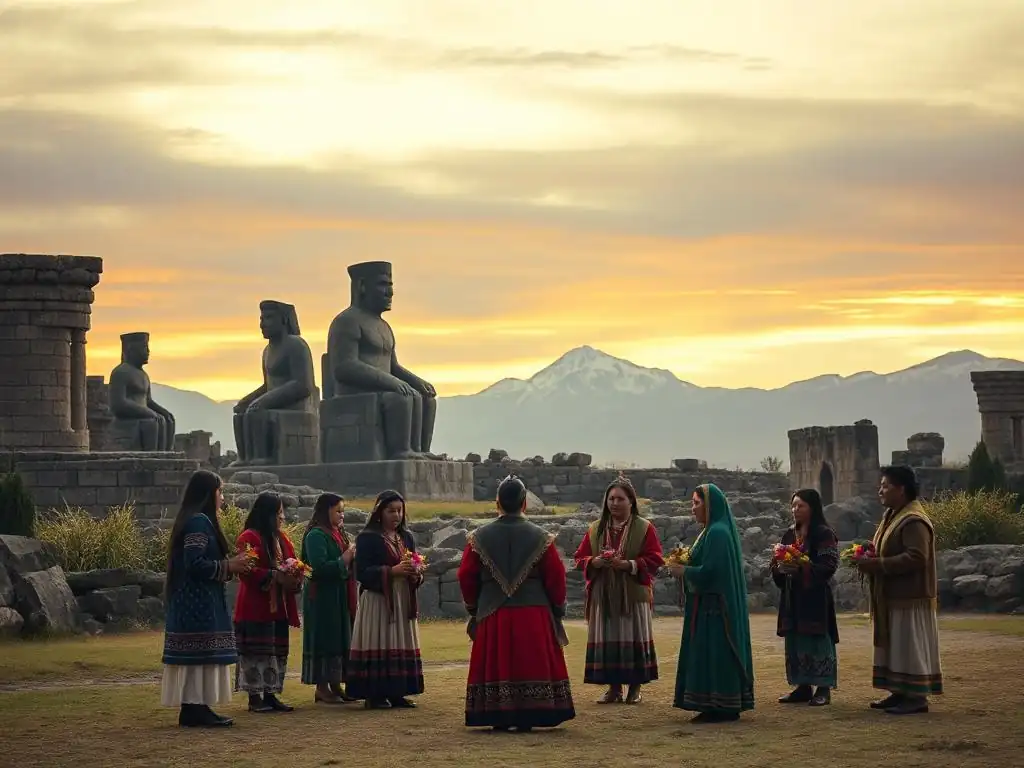
Continuation of Ancestral Traditions in Contemporary Society
The reverence for ancestors remains a cornerstone of Tiahuanaco ancestral religious beliefs, significantly influencing the cultural practices of contemporary descendants. This connection to the past is evident in various aspects of life, including rituals, community gatherings, and personal identity.
Many modern Tiahuanaco descendants engage in ceremonial activities that honor their ancestors, drawing from ancient customs that have been preserved over generations. These activities often occur during specific times of the year, such as equinoxes and solstices, aligning with agricultural cycles that were vital to Tiahuanaco society. During these ceremonies, offerings are made to ancestral spirits, including food, coca leaves, and flowers, symbolizing respect and gratitude.
Social gatherings also serve as a platform for storytelling, where elders share tales of their ancestors, fostering a sense of identity and continuity within the community. This oral tradition not only strengthens familial and communal bonds but also educates younger generations about their heritage, ensuring that the wisdom and lessons of the past are not lost.
Revitalization of Tiahuanaco Ancestor Worship
In recent years, there has been a notable revitalization of Tiahuanaco ancestor worship, driven by a growing interest in indigenous identity and cultural heritage. This movement is characterized by a resurgence of traditional practices that had waned under external pressures, including colonial influences and globalization.
One of the most significant aspects of this revitalization is the establishment of cultural organizations and events that promote Tiahuanaco heritage. These organizations often focus on recreating traditional ceremonies, workshops on ancestral knowledge, and discussions about the importance of maintaining a connection to the past. For instance, festivals celebrating the Pachamama (Earth Mother) and ancestral spirits attract participants from various communities, reinforcing collective identity and shared values.
Moreover, contemporary artists and musicians are incorporating themes of ancestral worship into their works, further bridging the gap between the past and present. This creative expression not only honors Tiahuanaco cultural legacies but also serves as a medium for educating wider audiences about these ancestral beliefs.
The enduring influence of Tiahuanaco ancestral religious beliefs is evident in the ongoing practices of modern descendants. The commitment to preserving and revitalizing these traditions underscores the importance of ancestry in shaping cultural identity, community cohesion, and spiritual life among Tiahuanaco people today.
Conclusion: The Lasting Legacy of Tiahuanaco Ancestral Religious Beliefs
Summary of Key Points
The Tiahuanaco civilization, which flourished between approximately 300 AD and 1000 AD in the Andean region of present-day Bolivia, held a profound belief in the significance of ancestors within its religious framework. Central to Tiahuanaco ancestral religious beliefs was the veneration of ancestors who were seen not only as spiritual guides but also as integral to the community’s identity and continuity. This reverence was expressed through various rituals, ceremonies, and monumental architecture, such as the famous Gateway of the Sun and the Akapana Pyramid, which served as focal points for ancestral worship.
Key aspects of Tiahuanaco ancestral religious beliefs include:
- Ancestral Worship: Ancestors were believed to have a direct influence on the living, providing guidance, protection, and blessings. This relationship was maintained through offerings and rituals conducted at sacred sites.
- Mythological Narratives: The creation myths and stories surrounding the ancestors shaped the cultural landscape of Tiahuanaco, reinforcing the community's values and social structures.
- Ceremonial Practices: Rituals often involved communal gatherings, music, and dance, which were essential for honoring ancestors and ensuring their continued presence in the lives of the people.
The enduring impact of these beliefs is evident not only in archaeological findings but also in the cultural practices of contemporary indigenous communities in the Andes, who continue to honor their ancestors in various forms.
The Relevance of Ancestors in Today's Indigenous Practices
In modern indigenous cultures throughout the Andes, the influence of Tiahuanaco ancestral religious beliefs is remarkably evident. Many communities maintain traditions that echo the reverence shown to ancestors in Tiahuanaco times. For instance, ancestral veneration remains a central theme in ceremonies, such as Día de los Muertos (Day of the Dead), where families honor their deceased relatives with offerings and altars.
Key aspects of contemporary practices include:
- Ritual Offerings: Just as the Tiahuanaco people made offerings at sacred sites, today's indigenous groups often prepare altars with food, flowers, and other items to invite the spirits of ancestors to join in celebrations.
- Cultural Narratives: Oral traditions that recount the stories of ancestors help reinforce community identity, maintaining a connection to historical events and teachings that shape modern values and ethics.
- Community Gatherings: Similar to the communal rituals of Tiahuanaco, contemporary indigenous practices often involve gatherings that strengthen community bonds and ensure the transmission of cultural knowledge across generations.
Tiahuanaco ancestral religious beliefs not only shaped the civilization's past but continue to resonate in the cultural practices of present-day indigenous communities. This connection highlights the importance of ancestors in fostering a sense of identity, continuity, and spiritual guidance, ensuring that the legacies of Tiahuanaco endure through time.
Frequently Asked Questions
What were the ancestral religious beliefs in Tiahuanaco?
The ancestral religious beliefs in Tiahuanaco emphasized the importance of ancestors as intermediaries between the living and the divine, deeply influencing their rituals and social structure.
How did Tiahuanaco’s religion connect the past and present?
Tiahuanaco’s religion intertwined the past and present by honoring ancestors through ceremonial practices, reinforcing community identity and continuity across generations.
What role did rituals play in Tiahuanaco society?
Rituals were central to Tiahuanaco society, serving as a means to communicate with ancestors and ensure their favor, which was vital for agricultural success and social cohesion.
How did Tiahuanaco's beliefs influence their architecture?
The architecture of Tiahuanaco reflects their religious beliefs, with structures like the Puma Punku and Akapana pyramid designed to align with celestial events, symbolizing their connection to the spiritual world.
What is the lasting impact of Tiahuanaco's religious beliefs today?
The lasting impact of Tiahuanaco's religious beliefs can be seen in contemporary Andean cultures, where many rituals and practices continue to honor ancestral connections and sacred landscapes.
Final Reflection: Bridging the Past and Present through Tiahuanaco Ancestral Beliefs
The exploration of Tiahuanaco ancestral religious beliefs reveals a profound connection between ancient practices and contemporary spiritual understandings. Today, as we navigate a world increasingly defined by rapid change and cultural dislocation, the importance of these ancestral ties becomes ever more significant. The reverence for ancestors in Tiahuanaco religion serves as a powerful reminder of the enduring legacy of our forebears and the wisdom they impart, urging us to recognize that our roots shape our identity and values.
Cultural landscapes are continually influenced by the echoes of our ancestors, and the Tiahuanaco example illustrates this beautifully. The rituals and beliefs that honor those who came before us are not merely relics of the past; they are living practices that inform our present and future. As we engage with these traditions, we find a sense of belonging and purpose that transcends time. To know where you are going, you must know where you came from.
This quote encapsulates the essence of understanding Tiahuanaco's spiritual heritage, as it invites us to reflect on our own lineage and the lessons it holds.
As we conclude this exploration, I invite you to reflect on your own ancestral connections and the role they play in your life. Consider how the values and beliefs passed down through generations influence your actions and choices today. Embrace the opportunity to honor your ancestors by integrating their wisdom into your daily life, fostering a deeper sense of identity and community. Let the teachings of Tiahuanaco inspire you to cultivate a richer understanding of your own heritage, bridging the past and present in meaningful ways.
Embrace Your Ancestral Connection Today!
Thank you for diving into the fascinating world of Tiahuanaco religion and the deep connections it reveals between our past and present. By exploring these rich traditions, you’ve unlocked insights into how our ancestors shape our identities and communities today. Now, let’s take the next steps together in honoring these legacies!
- Engage with your roots: Start by researching and documenting your family history; consider creating a family tree to visualize your ancestors and their journeys.
- Join a local cultural group: Connect with others who share your interests in indigenous traditions. This could be a community organization or an online forum dedicated to cultural heritage.
- Share your newfound knowledge: Discuss your learnings with friends or on social media to spark conversations about the importance of understanding our ancestral histories.
How will you carry forward the stories of your ancestors into your daily life?