
Cultural Exchanges: What the Inca Gained and Lost from European Contact

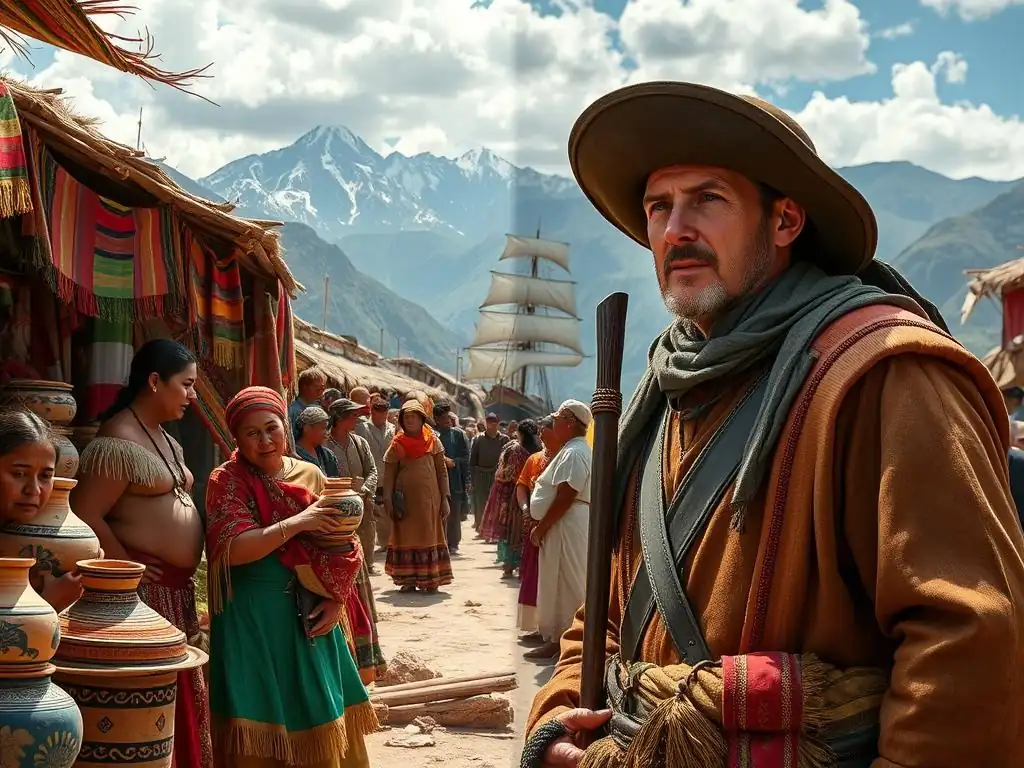
Welcome to Indigenous Civilizations of the Americas, where we invite you to journey through the rich tapestry of indigenous cultures that flourished long before European colonization. Here, you'll uncover the profound achievements and vibrant societies that shaped the Americas.
In our featured article, “Cultural Exchanges: What the Inca Gained and Lost from European Contact,” we delve into the intricate dynamics of Inca culture and European contact, revealing the transformative impacts of these encounters. Prepare to be captivated as you explore the legacies that continue to resonate today, igniting your curiosity to learn more about the remarkable histories of the Inca and beyond.
- Introduction to Inca Culture and European Contact
- The Inca Empire Before European Contact
- Initial Encounters: The First Contact with Europeans
- Gains for Inca Culture from European Contact
- Losses Experienced by the Inca Following European Contact
- The Complex Legacy of Inca and European Interactions
- Conclusion: Reassessing Inca Culture and European Contact
- Further Reading and Resources on Inca Civilization and European Contact
- Frequently Asked Questions
- Final Reflection: The Complex Legacy of Inca Culture and European Contact
- Embrace the Journey of Cultural Exchange!
Introduction to Inca Culture and European Contact
The Inca civilization, one of the most remarkable cultures in pre-Columbian America, flourished in the Andean region of South America before the arrival of Europeans. Known for their advanced agricultural techniques, intricate social structures, and impressive architectural feats, the Incas left a lasting legacy that still resonates today. However, the contact with European explorers and conquerors marked a pivotal turning point in their history, leading to profound exchanges that transformed both Inca culture and the European perspective on the Americas.
This article aims to delve into the complexities of these cultural exchanges, highlighting what the Inca gained and lost from their encounters with European powers. By exploring Inca culture and European contact, we gain insight into the resilience and adaptability of Indigenous societies in the face of monumental change.
Overview of Inca Civilization
The Inca Empire, known as Tawantinsuyu, spanned a vast territory along the western coast of South America, encompassing parts of modern-day Peru, Ecuador, Bolivia, and Chile. At its height in the early 16th century, it was the largest empire in pre-Columbian America, boasting a population of over 10 million people. The Incas excelled in various fields, including:
- Agriculture: They developed advanced farming techniques, such as terrace farming and irrigation systems, which allowed them to cultivate diverse crops in the challenging Andean terrain. Key crops included potatoes, maize, and quinoa.
- Architecture: The Incas are renowned for their impressive stonework and architectural achievements, with iconic structures like Machu Picchu and Sacsayhuamán demonstrating their engineering prowess.
- Society and Governance: The Incas had a centralized government led by the Sapa Inca, who was considered a divine ruler. Their society was organized into ayllus (clans), which facilitated communal living and resource sharing.
Despite their achievements, the Inca civilization faced significant challenges upon contact with Europeans, which would ultimately reshape their society.
Significance of European Contact for Indigenous Cultures
The arrival of Spanish conquistadors in the early 16th century had profound implications for the Inca civilization and other Indigenous cultures in the Americas. European contact led to both exchanges and conflicts that altered the course of history. Some significant aspects include:
- Cultural Exchange:
- The introduction of new crops, animals, and technologies from Europe significantly impacted Inca agriculture and daily life. For instance, the arrival of horses transformed the way the Incas traveled and waged war.
- Conversely, the Incas shared their agricultural knowledge, particularly their sophisticated farming techniques and crop varieties, which were of interest to the Europeans.
- Loss of Life and Culture:
- The most tragic consequence of European contact was the spread of diseases such as smallpox, which decimated the Inca population, leading to significant social and economic disruptions.
- The imposition of European religious beliefs and governance structures led to the erosion of traditional Inca practices and societal norms.
- Resistance and Adaptation:
- Despite the adversities faced, many Indigenous groups, including the Incas, demonstrated resilience by adapting to new realities and sometimes incorporating elements of European culture into their own.
Through this exploration of Inca culture and European contact, we can better understand the complex dynamics of these exchanges and their lasting impact on Indigenous civilizations in the Americas.
The Inca Empire Before European Contact
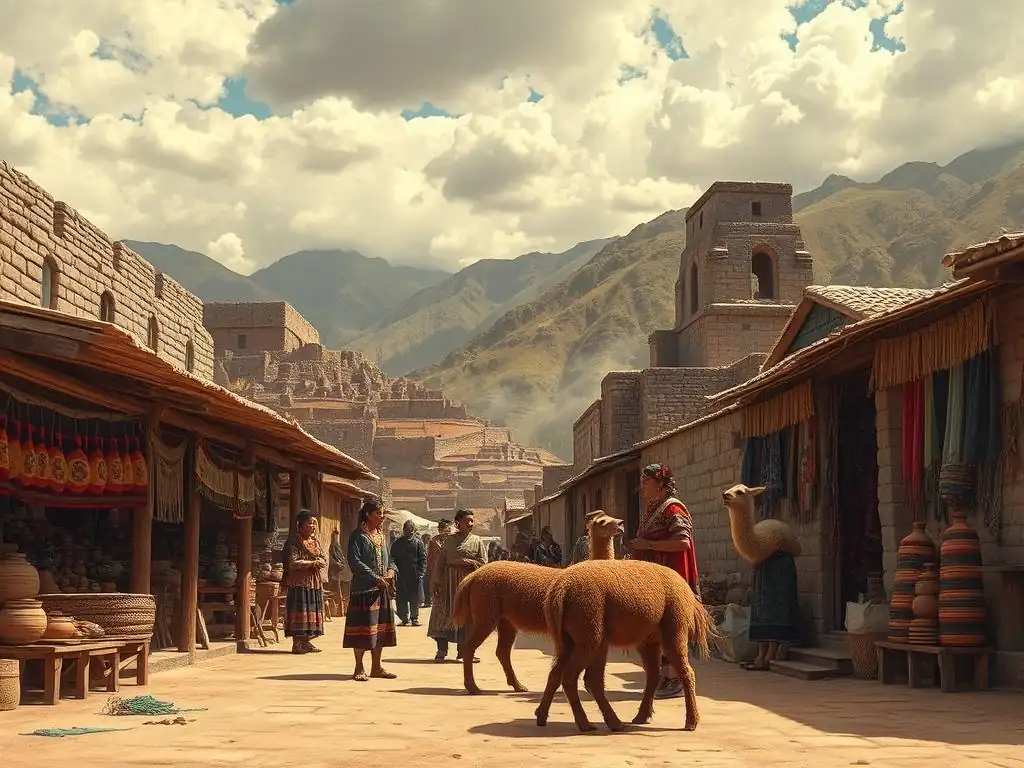
The Inca Empire, known as Tawantinsuyu, was the largest empire in pre-Columbian America, encompassing a vast territory that stretched from present-day southern Colombia to central Chile. This empire was characterized by its sophisticated social, economic, and cultural systems, which were intricately woven together to support a thriving civilization before European contact.
The social structure of the Inca society was highly hierarchical and complex, organized into various classes that played distinct roles within the empire. At the top of this structure was the Sapa Inca, the emperor, who was considered a divine figure and believed to be a descendant of the sun god, Inti. Below the Sapa Inca were the nobility, known as the Inca elite, which included provincial governors, priests, and military leaders.
- Commoners: The majority of the population consisted of commoners, who were primarily farmers, artisans, and laborers. They lived in ayllus, or kinship groups, which formed the basis of Inca society. Each ayllu was responsible for agricultural production and communal labor projects.
- Role of Women: Women had important roles in society, participating in agricultural work and domestic responsibilities. While they were generally subordinate to men, some women held positions of power, particularly in religious contexts.
This rigid social structure ensured stability and order, allowing the Inca to manage their vast territories effectively. Each class had specific duties and responsibilities, contributing to the overall functionality of the empire.
Economic Systems and Trade Networks
The Inca economy was primarily based on agriculture, supported by advanced farming techniques such as terrace farming and irrigation systems. The empire's diverse geography allowed for the cultivation of various crops, including potatoes, maize, and quinoa, which were staples of the Inca diet.
- Mit'a System: A unique aspect of Inca economic organization was the mit'a system, a form of labor taxation that required citizens to work on state projects, such as building roads and agricultural terraces, for a set period each year. This system enabled the Inca to mobilize resources efficiently.
- Trade: The Inca established extensive trade networks that connected different regions of the empire. They traded goods such as textiles, ceramics, and foodstuffs, which facilitated economic interdependence among diverse communities. The Inca also utilized quipus, a sophisticated recording system using knotted strings, to manage trade and inventory.
These economic systems fostered a sense of unity and cooperation among the Inca people, allowing them to thrive in a challenging environment while maintaining their cultural identity.
Cultural Achievements of the Inca People
The Inca civilization is celebrated for its remarkable cultural achievements, which had a lasting impact on the Americas. Their contributions spanned various domains, including architecture, engineering, agriculture, and textiles.
- Architecture: The Incas are known for their impressive stone architecture, exemplified by structures like Machu Picchu and Sacsayhuamán. Their ability to construct durable buildings without the use of mortar is a testament to their advanced engineering skills.
- Agricultural Innovations: The Inca developed advanced agricultural techniques, including the use of terraces and the cultivation of diverse crops suited to different altitudes. They also practiced freeze-drying to preserve food, ensuring food security throughout the empire.
- Textiles: The Inca were master weavers, creating intricate textiles that were not only functional but also served as symbols of status and identity. Their use of vibrant colors and intricate patterns reflected their cultural values and artistic sensibilities.
These cultural achievements not only underscore the sophistication of Inca civilization but also highlight their ability to adapt and innovate in response to their environment. The impact of these accomplishments would resonate long after European contact, shaping the historical narrative of the Americas.
Initial Encounters: The First Contact with Europeans
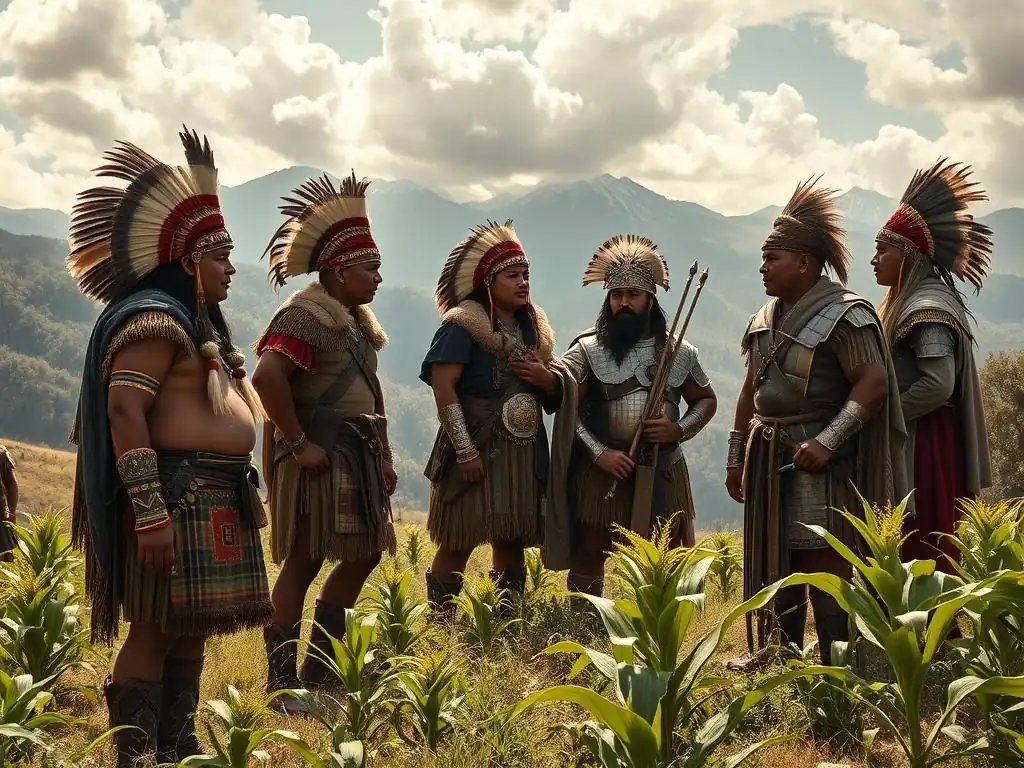
The initial encounters between the Inca civilization and European explorers marked a pivotal moment in the history of the Americas. These encounters were characterized by a complex interplay of admiration, misunderstanding, and eventual conflict, significantly impacting Inca culture and society. The arrival of Europeans introduced new technologies, ideas, and diseases, which would alter the course of Inca history forever.
Key Figures in European Exploration of the Americas
Several key figures played instrumental roles in the initial contact between the Inca and Europeans. Among them, Francisco Pizarro stands out as the most prominent.
- Francisco Pizarro: As a Spanish conquistador, Pizarro led the expedition that ultimately resulted in the fall of the Inca Empire. His strategic military tactics and alliances with rival groups enabled him to capture the Inca emperor, Atahualpa, in 1532.
- Hernán Cortés: Although primarily known for his conquest of the Aztec Empire, Cortés' exploits in Mexico inspired Pizarro and other conquistadors. His success in the Americas demonstrated the potential for wealth and power, motivating further Spanish expeditions.
- Diego de Almagro: A partner of Pizarro, Almagro played a crucial role in the conquest of Peru. His ambitions and subsequent conflicts with Pizarro highlight the competitive nature of Spanish exploration.
These figures not only initiated contact with the Inca but also set the stage for the subsequent European colonization of South America.
Overview of the First Contact Events
The first recorded contact between the Inca and Europeans occurred in the early 16th century. A series of events unfolded during this period:
- Arrival of Spanish Explorers: In 1526, the first Spanish expedition led by Sebastián Cabot reached the coasts of South America, although they did not make significant contact with the Inca at that time.
- Pizarro's Expedition: In 1532, Pizarro returned to Peru after a previous failed attempt, this time with a well-armed force. His expedition was marked by the strategic capture of Atahualpa during a meeting arranged under false pretenses.
- The Ransom and Execution: After capturing Atahualpa, the Spanish demanded a substantial ransom in gold and silver. Despite fulfilling the demands, Pizarro executed Atahualpa in 1533, leading to chaos within the Inca leadership.
- Conquest of Cusco: Following Atahualpa's death, Pizarro and his men advanced to the Inca capital, Cusco, seizing control and establishing Spanish dominance over the region.
These events not only illustrate the brutality of the conquest but also underscore the profound cultural and political shifts occurring within Inca society.
Immediate Reactions from Inca Leaders
The responses of Inca leaders to initial European contact were varied and complex, reflecting the empire's intricate social and political structures.
- Atahualpa's Strategy: Initially, Atahualpa attempted to negotiate with the Spanish, viewing them as potential allies against rival factions. His approach was rooted in understanding the significance of diplomacy within Inca culture. However, his underestimation of Pizarro's intentions proved catastrophic.
- Internal Division: The Inca Empire was experiencing internal strife due to a civil war between Atahualpa and his brother Huascar. This division weakened the Inca response to the Spanish threat, as factions within the empire were more focused on internal power struggles than on confronting the Europeans.
- Cultural Misunderstandings: The Inca's initial perception of the Spanish as divine or semi-divine beings, coupled with their advanced weaponry and horses, created an environment of confusion and fear. This misunderstanding significantly influenced the Inca's reactions and strategies during the early encounters.
The first contact between the Inca civilization and European explorers, particularly the Spanish, was marked by a mix of strategic negotiation, cultural misinterpretation, and significant internal divisions within the Inca Empire. These factors set the stage for the dramatic changes that would follow in the wake of European colonization.
Gains for Inca Culture from European Contact
Introduction of New Technologies and Goods
The arrival of Europeans in the Americas marked a significant turning point for Inca culture, particularly in terms of technological advancements and new goods that were introduced. The Spanish conquistadors brought with them various tools and technologies that had the potential to enhance Inca daily life and agricultural practices.
- Metal Tools: One of the most notable introductions was that of metal tools, such as iron plows and sickles. These tools were more durable and efficient than the traditional stone implements used by the Incas. The increased efficiency in farming allowed for higher yields, contributing to the prosperity of the Inca economy.
- Livestock: The introduction of European livestock, including horses, cattle, and sheep, transformed Inca agriculture and transport systems. Horses, for instance, not only served as a mode of transportation but also enhanced military capabilities—allowing the Incas to engage in more dynamic warfare and communication across their vast empire.
- New Crops: The Columbian Exchange brought numerous crops to the Americas, including wheat, barley, and sugarcane. The incorporation of these crops into Inca agriculture diversified their diets and economic activities. Although the Incas initially relied heavily on native crops like potatoes and quinoa, the integration of European crops expanded their agricultural landscape.
Impact on Inca Agriculture and Food Production
The contact with Europeans had a profound impact on Inca agriculture and food production systems, leading to both short-term adjustments and long-term transformations.
- Agricultural Techniques: The Spanish introduced new farming techniques, such as crop rotation and irrigation methods, which improved soil health and increased crop productivity. These practices complemented traditional Inca methods and contributed to a more resilient agricultural system.
- Expansion of Agricultural Land: The newfound interest in European-style agriculture led to the expansion of arable land as the Incas began to adopt new farming practices. This expansion was not without its challenges; it often required the clearing of forests and alteration of landscapes, which had lasting environmental impacts.
- Culinary Fusion: The fusion of European and Inca culinary practices led to a rich and diverse diet. The integration of ingredients such as wheat and dairy into traditional Inca foods created unique dishes that reflected this cultural exchange. This not only enriched Inca cuisine but also laid the groundwork for future culinary traditions in the region.
Influence of European Art and Religion on Inca Practices
The encounter with European cultures also brought significant changes to Inca artistic expressions and spiritual practices, leading to a complex interplay of traditions.
- Artistic Techniques: European artistic styles, including oil painting and perspective techniques, began to influence Inca art. This merging of styles resulted in unique artworks that reflected both Inca and European aesthetics. For instance, Inca artisans started incorporating European themes into their textiles and pottery, blending vibrant native designs with European motifs.
- Religious Syncretism: The introduction of Christianity led to a fusion of religious beliefs and practices. While many Incas initially resisted conversion, over time, elements of Catholicism were integrated into traditional Inca beliefs. This syncretism is evident in the construction of churches atop Inca temples and the incorporation of indigenous deities into Christian narratives.
- Cultural Exchange Through Education: European missionaries established schools and institutions that taught European languages, arts, and sciences. While this was often a tool of colonial dominance, it also provided opportunities for Inca individuals to gain knowledge and skills that enriched their cultural landscape.
While the contact with Europeans brought about significant challenges and disruptions to Inca culture, it also provided avenues for gains that influenced agricultural practices, artistic expression, and religious beliefs. The resulting cultural exchanges shaped the legacy of Inca civilization in profound ways.
Losses Experienced by the Inca Following European Contact
Spread of Diseases and Its Impact on Population
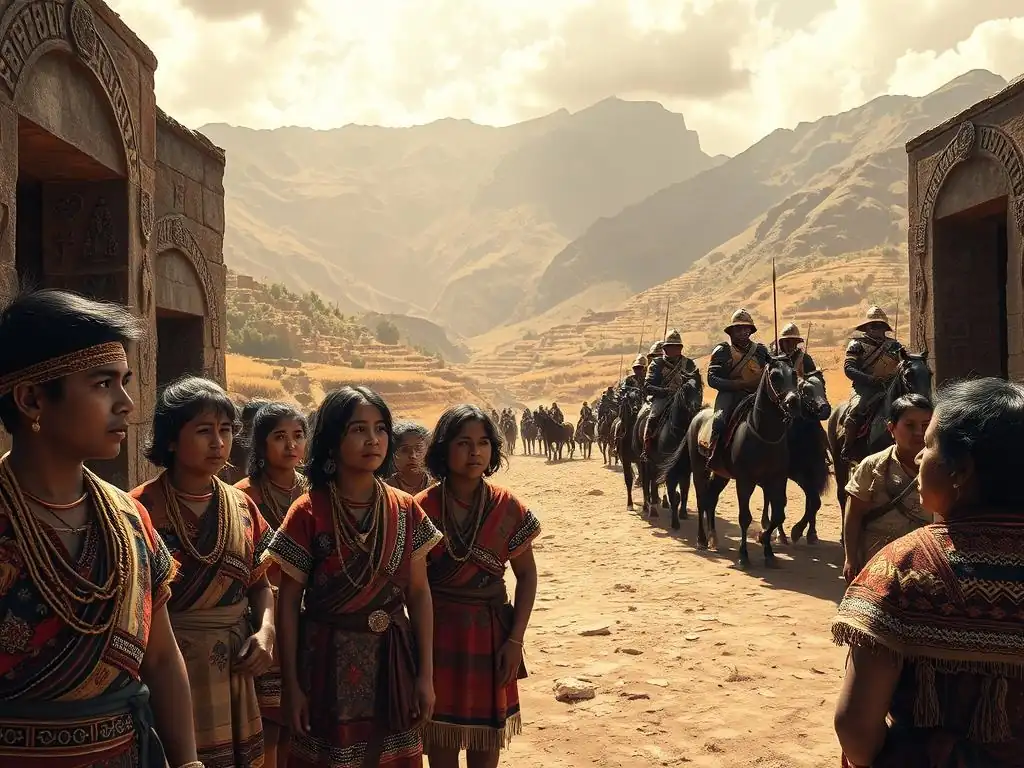
One of the most devastating consequences of European contact for the Inca civilization was the introduction of diseases. The Inca had no prior exposure to many of the illnesses brought by Europeans, such as smallpox, influenza, and measles. These diseases spread rapidly through Inca society, leading to catastrophic mortality rates.
- Mortality Rate: Estimates suggest that smallpox alone may have killed up to 90% of the Inca population in some regions. This drastic decline not only diminished the population but also disrupted social structures and community cohesion.
- Demographic Shift: The loss of life extended beyond individual deaths; entire communities were devastated. With the death of many leaders and skilled individuals, the Inca's organizational capacity weakened significantly.
The impact of these diseases was profound, as the Inca were unable to effectively respond to the health crisis, leading to a gradual decline of their civilization and a vulnerability that European conquerors exploited.
Cultural Erosion and the Loss of Traditional Practices
The contact with Europeans initiated a process of cultural erosion within the Inca civilization. This erosion manifested in several ways:
- Religious Transformation: European missionaries aimed to convert the indigenous population to Christianity, resulting in the suppression of traditional Inca beliefs and practices. Temples were destroyed, and rituals that had been central to the Inca worldview were either banned or altered.
- Language Decline: The imposition of Spanish as the dominant language led to a decline in the use of Quechua, the traditional language of the Inca. This language shift hindered the transmission of cultural knowledge and oral traditions.
- Art and Craftsmanship: As European goods flooded the market, traditional Inca crafts began to decline. Many artisans shifted their focus from producing culturally significant items to creating goods that appealed to European tastes, leading to a loss of unique styles and techniques.
The cumulative effect of these changes resulted in a significant alteration of Inca identity and culture, making it increasingly difficult for the Inca people to maintain their traditions in the face of European influence.
Political Disintegration and Loss of Sovereignty
The arrival of Europeans marked the beginning of political disintegration for the Inca Empire. Several factors contributed to this loss of sovereignty:
- Conquest and Colonization: The Spanish conquest, led by Francisco Pizarro, capitalized on existing divisions within the Inca Empire, particularly following a civil war between rival factions. This internal strife weakened the Inca's ability to mount a unified defense against the Spanish.
- Loss of Leadership: The capture and eventual execution of the last Inca emperor, Atahualpa, symbolized the collapse of centralized authority. With the death of key leaders, the Inca were left without effective governance, leading to chaos and fragmentation.
- Imposition of Spanish Rule: Following conquest, the Spaniards established colonial rule, dismantling traditional governance structures. The Inca were subjected to Spanish laws and taxes, which stripped them of their autonomy and relegated them to a subordinate status.
The result was a profound transformation of the political landscape, with the Inca losing their sovereignty and becoming subjects of colonial powers, fundamentally altering their societal structure and way of life.
The Complex Legacy of Inca and European Interactions
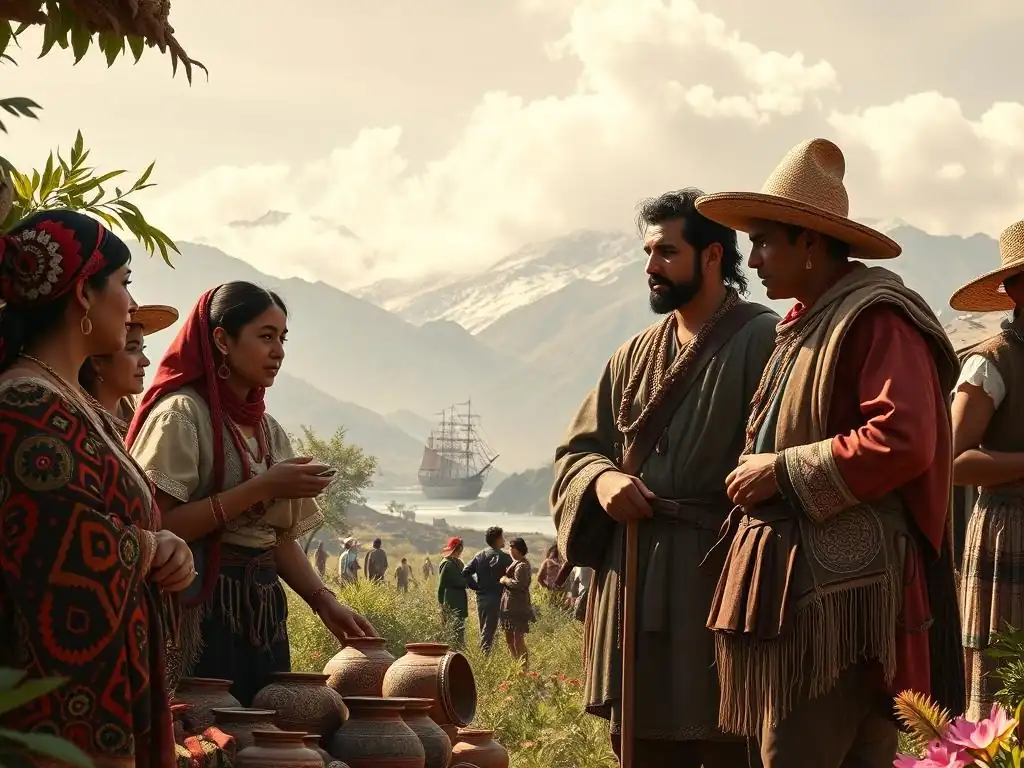
Long-term Cultural Changes in Inca Society
The arrival of Europeans in the Andes fundamentally altered the fabric of Inca society, leading to both profound transformations and enduring legacies. One of the most significant changes was the introduction of European agricultural practices and livestock. The Spanish brought with them new crops such as wheat, barley, and sugarcane, which were eventually integrated into the Andean agricultural system. This diversification of crops not only changed dietary habits but also influenced social structures, as farming became more complex and varied.
Conversely, the introduction of European diseases, such as smallpox and influenza, had devastating effects on the Inca population. It is estimated that these diseases decimated up to 90% of the indigenous population. This loss of life created a vacuum in social structures and leadership, leading to shifts in power dynamics within Andean communities. The disruption caused by disease also forced survivors to adapt, often blending their traditional practices with European customs to cope with the new realities.
Moreover, the Inca’s sophisticated systems of communication and trade were altered. The Spanish imposed new trade routes and economic policies that prioritized European interests. Traditional practices were often suppressed or transformed to fit colonial needs, leading to a gradual erosion of indigenous economic autonomy.
The Evolution of Inca Identity Post-Contact
The contact with Europeans prompted a significant evolution in Inca identity, characterized by a blending of cultural elements. Initially, many Inca viewed Europeans with curiosity and sometimes admiration, adopting certain aspects of their technology and material culture. However, as colonization progressed, a sense of resistance emerged among the Inca and other indigenous groups. This resistance manifested in various forms, from small-scale revolts to larger movements aimed at preserving indigenous identity.
One notable example is the emergence of syncretic religious practices, where traditional Andean beliefs were merged with Catholicism. Religious festivals began to incorporate elements of both cultures, demonstrating a layered identity that retained indigenous roots while adapting to colonial pressures. This blending is still observable in modern Andean societies, where festivals often reflect a fusion of Inca and Spanish traditions.
Furthermore, the concept of "Inca" evolved from being a designation for rulers to a broader identity encompassing all people of the Andes. This transformation was crucial in redefining what it meant to be indigenous in a post-contact world, allowing for a collective identity that unified various groups against colonial oppression.
Reflection on the Inca's Contributions to Modern Culture
The Inca civilization's contributions to modern culture are profound, influencing not only the Andes but also the wider world. Their architectural innovations, particularly in stone construction, remain a source of admiration. The famous ruins of Machu Picchu and Sacsayhuamán exemplify advanced engineering techniques that continue to inspire architects and historians today.
In addition to architecture, the Inca impact on agriculture is noteworthy. They developed advanced terracing and irrigation techniques that allowed for the cultivation of diverse crops in challenging environments. This knowledge has been foundational in sustainable farming practices and continues to inform agricultural methodologies in the Andean region.
Moreover, the Incas' rich textile traditions, characterized by intricate weaving techniques and vibrant colors, have influenced contemporary fashion and art. These textiles not only serve as functional items but are also celebrated as works of art, reflecting the skills and cultural narratives of the Andean people.
The legacy of Inca culture and its interactions with European colonizers is complex, marked by both losses and significant contributions. The adaptations and transformations that occurred in response to European contact have shaped modern Andean identity and continue to resonate in various aspects of contemporary culture. The interplay of resilience and adaptation is a testament to the enduring spirit of the Inca civilization.
Conclusion: Reassessing Inca Culture and European Contact
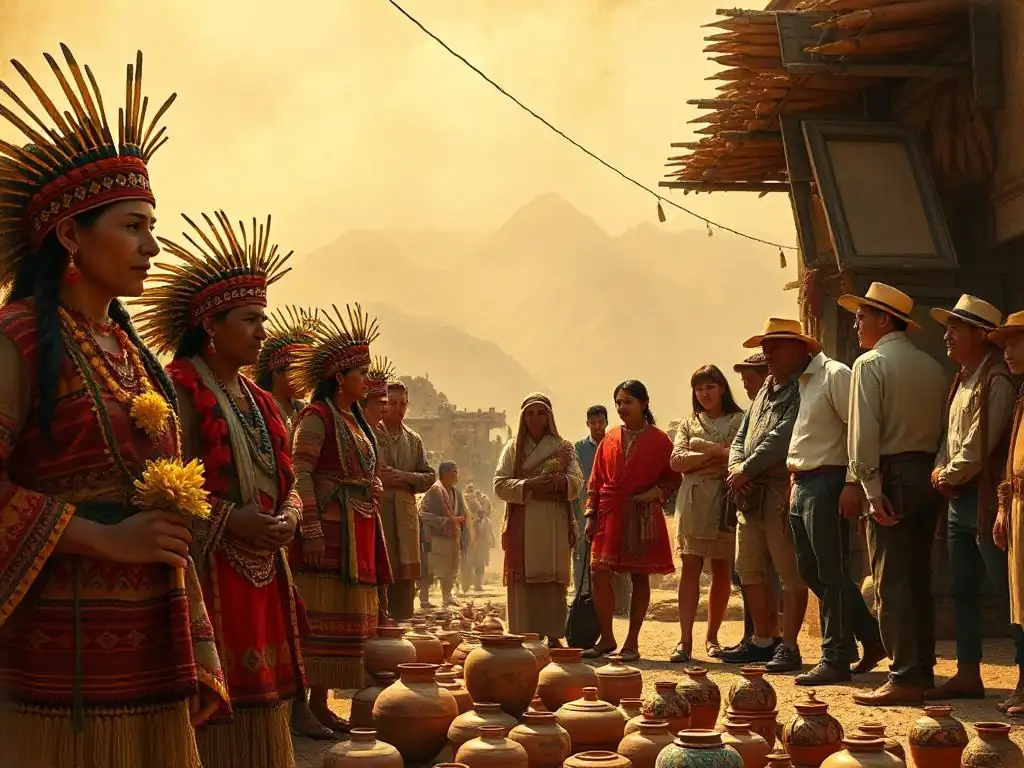
Summary of Gains and Losses
The contact between the Inca civilization and European colonizers brought about significant transformations that reshaped Inca culture. On one hand, the arrival of the Spanish introduced new technologies, agricultural practices, and livestock, which had lasting effects on the Inca way of life. For instance, the introduction of horses revolutionized transportation and warfare, enhancing the mobility of the Inca elite and military forces. Additionally, new crops such as wheat and sugarcane became integrated into local diets, diversifying their agricultural practices.
However, these gains came at a profound cost. The Inca faced immense loss of life due to diseases such as smallpox, which decimated their population and weakened societal structures. This demographic collapse led to a breakdown in traditional governance and social cohesion, drastically altering the fabric of Inca society. Moreover, the introduction of European religious beliefs and customs resulted in the suppression of indigenous spiritual practices, leading to a significant cultural erosion.
The European contact brought both innovations and devastations to Inca culture, marking a period of profound change that would redefine the civilization.
The Importance of Understanding Historical Context
Understanding the historical context of Inca culture and European contact is crucial for several reasons. Firstly, it allows for a nuanced appreciation of the complexities involved in cultural exchanges. The Inca were not mere victims of colonization; they engaged with European powers in various ways, including trade and diplomacy, which demonstrates their agency in navigating these encounters.
Secondly, it highlights the resilience of indigenous cultures. Despite the overwhelming challenges posed by European colonization, many aspects of Inca culture persisted and adapted over time. The blending of European and indigenous practices can still be observed in contemporary Andean society, showcasing a dynamic cultural legacy that continues to evolve.
Lastly, recognizing the impact of European contact on Inca civilization emphasizes the importance of preserving indigenous histories and voices. This understanding fosters a deeper respect for the contributions of indigenous peoples to the broader narrative of world history and encourages further exploration into their rich cultural heritages.
Reassessing Inca culture in light of European contact reveals a complex interplay of gains and losses, underscoring the need to appreciate the historical context that shaped these exchanges. By doing so, we not only honor the legacy of the Inca but also contribute to a more comprehensive understanding of indigenous civilizations in the Americas.
Further Reading and Resources on Inca Civilization and European Contact
Recommended Books and Articles
For those interested in delving deeper into the intricate dynamics between Inca culture and European contact, a variety of scholarly works provide extensive insights and analysis. Here are some notable recommendations:
-
"The Last Days of the Incas" by Kim MacQuarrie
This compelling narrative chronicles the fall of the Inca Empire, detailing the encounters between the Incas and Spanish conquistadors. MacQuarrie’s storytelling brings to life the cultural exchanges, conflicts, and transformations that occurred during this pivotal period.
-
"The Inca: A Very Short Introduction" by David M. Jones
This concise volume offers a broad overview of Inca civilization, including their social structures, religious beliefs, and the profound changes brought about by European contact. It serves as an excellent starting point for readers new to the topic.
-
"Conquerors: How Portugal Forged the First Global Empire" by Michael P. D. M. P. De Almeida
While this book primarily focuses on Portugal, it provides context for understanding the broader European exploration era, including the Spanish conquest of the Incas. It highlights the interconnectedness of various colonial enterprises.
-
"The Conquest of the Incas" by John Hemming
Hemming's work is a detailed account of the Spanish conquest of the Inca Empire, offering insights into the cultural exchanges and the devastating effects of colonization on Inca society. It is particularly valuable for its extensive research and primary source documentation.
-
"Inca Culture at the Time of the Spanish Conquest" by John V. Murra
This scholarly article discusses the complexities of Inca society before European intervention, emphasizing their achievements and how these were impacted by contact with the Spanish.
Educational Websites and Documentaries
To further enrich your understanding of Inca culture and European contact, the following educational resources offer valuable information:
-
The Metropolitan Museum of Art - Inca Civilization
A comprehensive online resource that features artifacts, historical narratives, and articles about the Inca Empire and its art. The website includes multimedia presentations that illustrate Inca life and the impact of European contact.
-
PBS - The Lost Civilizations of the Inca
This documentary series explores the history of the Inca Empire and its interactions with Europeans. It includes interviews with historians and archaeologists who discuss the cultural exchanges initiated by contact with the Spanish.
-
National Geographic - The Inca Empire
National Geographic's website offers articles, interactive maps, and videos related to the Inca Empire, its cultural innovations, and the consequences of European colonization. This resource is ideal for visual learners and those seeking engaging content.
-
Khan Academy - The Inca and European Contact
Khan Academy provides educational videos and articles that summarize key events in Inca history, particularly focusing on the impact of European arrival. The platform allows for self-paced learning, making it accessible for a wide audience.
-
YouTube - "Inca Civilization and the Spanish Conquest"
Various channels feature documentaries and lectures on the Inca civilization and their encounters with European powers. These visual resources can offer a dynamic perspective on historical events and cultural exchanges.
These resources are designed to provide a well-rounded understanding of the Inca civilization, their rich culture, and the profound changes they experienced as a result of European contact. Whether you prefer reading, watching, or exploring interactive content, there is something here for everyone interested in the topic of Inca culture and European contact.
Frequently Asked Questions
What were the main achievements of the Inca culture before European contact?
The Inca culture was renowned for its advanced engineering, including impressive road systems and agricultural terraces. They also developed a complex societal structure and skilled artisanship in textiles and metalwork.
How did European contact affect Inca society?
European contact led to significant changes in Inca society, including the introduction of new diseases, which devastated the population. The disruption of their social structures and loss of land were also prominent consequences.
What cultural exchanges occurred between the Inca and Europeans?
The cultural exchanges included the sharing of agricultural practices, livestock, and resources. The Inca adopted some European technologies, while also influencing European knowledge of Andean crops like potatoes and maize.
How did the Inca adapt to European influences?
Despite the challenges, the Inca adapted by incorporating certain European elements into their society, such as new agricultural techniques and trade practices. This blending of cultures led to a unique fusion of traditions in the Andean region.
What is the lasting impact of the Inca culture today?
The lasting impact of the Inca culture is seen in the Andean communities that continue to preserve their traditions, languages, and agricultural practices. Their rich heritage remains influential in modern Peruvian identity and culture.
Final Reflection: The Complex Legacy of Inca Culture and European Contact
The encounter between the Inca civilization and European explorers was not merely a meeting of two worlds; it was a profound exchange that reshaped the cultural landscape of both. Today, as we navigate a globalized world, understanding the intricacies of these historical interactions is crucial. The legacies of such exchanges remind us that cultural encounters can lead to both enrichment and loss, a duality that continues to resonate in our contemporary society.
The impact of European contact on Inca culture is a testament to the resilience and adaptability of civilizations. The blending of traditions, languages, and beliefs has created a rich tapestry that still influences modern cultures in South America. As we reflect on this historical moment, we recognize that the consequences of these exchanges are not confined to the past; they echo in our current social dynamics. In every encounter, there lies the potential for both destruction and creation.
This quote encapsulates the dual nature of cultural exchanges, urging us to acknowledge the complexities involved.
As we move forward, let us take a moment to reflect on our own interactions with different cultures. How can we honor the lessons learned from the Inca's experience while fostering a more inclusive and respectful dialogue in our own lives? Embracing diversity and understanding the historical contexts of our cultural exchanges can empower us to build bridges rather than walls. I invite you to engage with the world around you, to learn from the past, and to contribute to a future where cultural exchanges enrich rather than diminish the unique identities we all hold dear.
Embrace the Journey of Cultural Exchange!
Thank you for diving into the fascinating world of the Inca and their interactions with European cultures. You’ve explored the profound gains and losses that shaped this indigenous civilization’s legacy. Now, let’s harness that knowledge and take actionable steps to further appreciate and engage with the beauty of cultural exchange.
- Join a local cultural event or workshop to experience indigenous arts and practices firsthand.
- Share your insights from this article on social media to inspire discussions about the beauty of cultural influences.
- Explore literature or documentaries that highlight indigenous perspectives to deepen your understanding.
What unique aspects of your own heritage do you believe could inspire or enrich others?