
The Quipu as a Symbol of Inca Identity: Cultural Heritage and Continuity

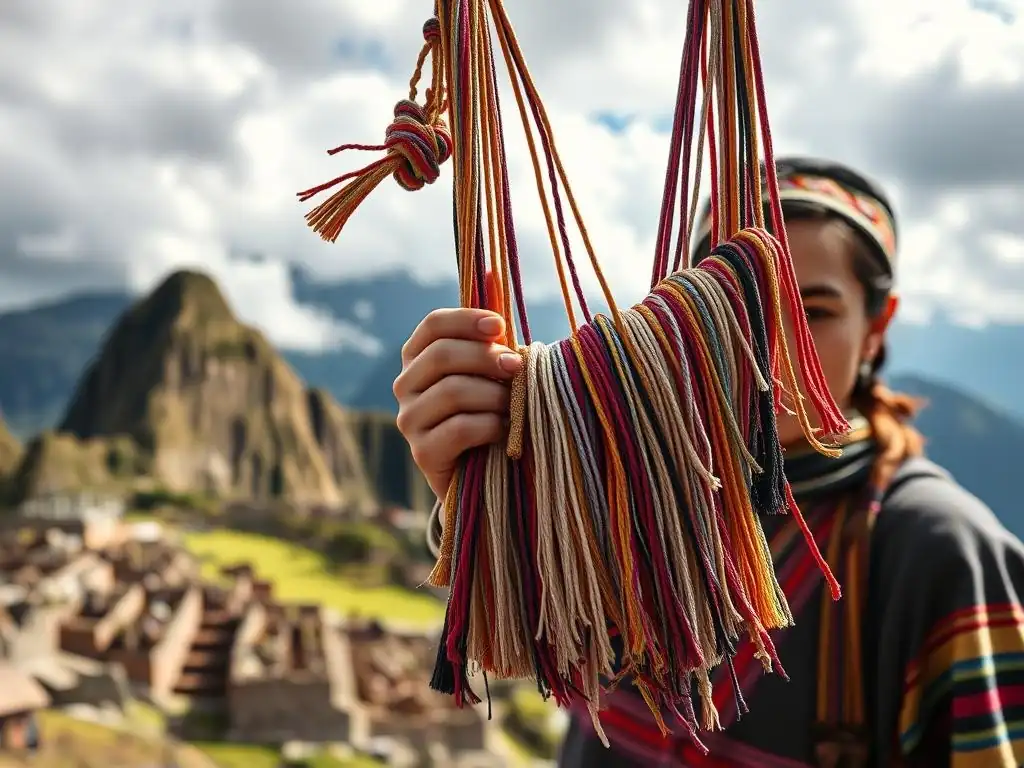
Welcome to Indigenous Civilizations of the Americas, where we delve into the rich tapestry of cultures that flourished long before European contact. In this exploration, we invite you to uncover the fascinating world of the Inca identity and cultural heritage. Our featured article, "The Quipu as a Symbol of Inca Identity: Cultural Heritage and Continuity," reveals how this intricate system of knotted cords not only served as a means of communication but also as a profound testament to the enduring legacy of the Inca civilization.
Join us on this journey to discover the achievements and societal structures of indigenous peoples, and see how their stories continue to resonate in our world today. Are you ready to dive deeper into the past?
Introduction to Inca Identity and Cultural Heritage
The Inca civilization, one of the most prominent indigenous cultures of the Americas, is often celebrated for its remarkable achievements in architecture, agriculture, and governance. Central to the understanding of Inca identity and cultural heritage is the intricate system of quipus, a unique form of record-keeping that transcended mere counting to encompass a rich tapestry of cultural significance.
The quipu serves not only as a tool for administration but also as a profound representation of the Inca worldview, social structure, and collective memory. This article delves into the multifaceted relationship between the quipu and Inca identity, exploring how this remarkable system embodies the cultural heritage and continuity of the Inca people, both in history and in contemporary discussions of indigenous identity.
Understanding the Importance of Inca Identity
Inca identity is deeply intertwined with the civilization's historical narrative, social structure, and expansive territory. The Incas viewed themselves as the children of the sun, which instilled a sense of divine purpose and unity among the diverse peoples they governed. This identity was not solely based on ethnicity but encompassed a shared language (Quechua), customs, and a belief system that reinforced their connection to the land and each other.
- Key Aspects of Inca Identity:
- Religion: The worship of Inti (the sun god) and Pachamama (the earth goddess) shaped daily life and governance.
- Language: Quechua served as a unifying factor among various ethnic groups within the Inca Empire.
- Social Structure: The ayllu, a community-based organizational system, promoted a sense of belonging and collaboration.
Understanding Inca identity is vital for recognizing the enduring legacy of this civilization and its contributions to the cultural heritage of the Americas.
Overview of Cultural Heritage in the Inca Civilization
Cultural heritage in the Inca civilization encompasses a wide array of practices, beliefs, and artifacts that have persisted through centuries. The Incas were master builders, known for their sophisticated engineering techniques that allowed them to construct vast road networks, impressive agricultural terraces, and monumental structures like Machu Picchu.
- Elements of Inca Cultural Heritage:
- Architecture: The use of precise stone-cutting techniques and the integration of structures with natural landscapes.
- Agricultural Innovations: Techniques such as terrace farming and irrigation systems that maximized productivity.
- Art and Craftsmanship: Textiles, pottery, and metalwork that reflected the Inca's aesthetic values and social status.
The cultural heritage of the Incas is not merely a relic of the past; it continues to influence contemporary indigenous identities and practices throughout the Andean region.
The Quipu: A Unique Inca Communication System
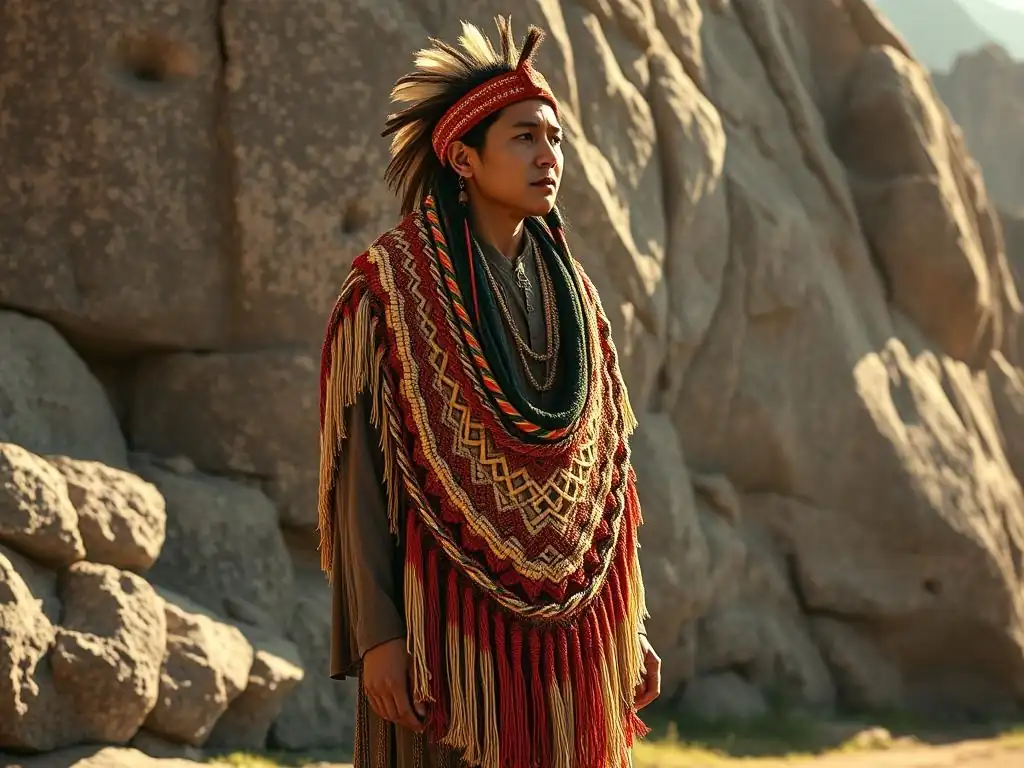
The quipu, often referred to as a "talking knot," was an indispensable tool for the Incas, serving as a sophisticated means of communication and record-keeping. This intricate system of colored strings and knots provided a way to convey complex information, encompassing everything from census data to agricultural yields.
Definition and Purpose of Quipus
Quipus were primarily composed of a main cord with multiple subsidiary strings attached, each featuring knots tied in various configurations. The colors and placements of these knots conveyed specific meanings, allowing the Incas to document and recall vast amounts of information without a written language.
- Key Purposes of Quipus:
- Record-Keeping: Used for census data, tax records, and accounting.
- Communication: Facilitated the transmission of important messages across the empire.
- Cultural Significance: Represented the intellectual achievements of the Inca civilization.
The quipu was not just a practical tool; it was emblematic of the Inca worldview, highlighting their innovative spirit and deep understanding of complex systems.
Historical Context of Quipu Usage in Inca Society
The quipu system thrived during the height of the Inca Empire (approximately 1438-1533 CE), a period marked by rapid expansion and administrative sophistication. Quipus were managed by specially trained individuals known as "quipucamayocs," who were responsible for creating, interpreting, and maintaining these records.
- Historical Highlights:
- Administrative Tool: Quipus enabled the Inca government to maintain order across a vast and diverse empire.
- Survival of Knowledge: With the arrival of European colonizers, many quipus were destroyed, but some knowledge and practices survived through oral traditions and the resilience of indigenous populations.
- Modern Significance: Today, scholars continue to study quipus, recognizing their importance as a symbol of Inca identity and a testament to the civilization's advanced understanding of information management.
The quipu is more than just a tool; it is a profound symbol of Inca identity and cultural heritage, reflecting the ingenuity and resilience of a civilization that continues to inspire and inform contemporary discussions on indigenous cultures.
The Role of Quipu in Inca Identity
The quipu, a sophisticated knotted cord system used by the Inca civilization, served not only as a tool for record-keeping but also as a vital element of Inca identity. Beyond its practical applications, the quipu encapsulated the values, beliefs, and social structure of the Inca people. It was a means of communication that transcended spoken language, thereby reinforcing cultural continuity and collective identity within the vast Inca Empire. The intricate patterns and colors of the quipus held significance, conveying messages that were crucial for the administration and daily life of the society.
Quipu as a Symbol of Administrative Control
The quipu was instrumental in the administration of the Inca Empire, which spanned a vast and diverse territory. By utilizing this system, the Incas could maintain meticulous records of agricultural production, tribute obligations, and census data. Each knot and cord represented specific information, allowing administrators to efficiently manage resources and populations. This level of organization not only exemplified the Inca's sophisticated governance but also reinforced their identity as a powerful, centralized state.
The reliance on the quipu for administrative purposes solidified its association with authority. It became a symbol of control, as those who could read and interpret quipus held significant power within society. Thus, the quipu was not merely a practical tool; it embodied the principles of governance and order that were central to Inca identity.
Quipu in Ritual and Religious Practices
In addition to administrative functions, quipus played a significant role in the spiritual and ritualistic aspects of Inca life. They were often used during religious ceremonies to record offerings, sacrifices, and the outcomes of rituals. The quipus served as a tangible representation of the Inca's relationship with their deities and the natural world.
Different colors and types of cords were likely chosen for specific rituals, suggesting that the quipu was deeply intertwined with Inca spirituality. By integrating quipu into religious practices, the Incas reinforced their cultural identity and continuity, as these practices were passed down through generations. The quipu thus became a sacred object, bridging the gap between the material and spiritual realms.
Cultural Heritage Embedded in Quipu
The quipu is a profound representation of Inca cultural heritage, encapsulating the society's values, knowledge, and historical narratives. It is not merely a record-keeping device but a cultural artifact that embodies the unique identity of the Inca civilization. The skill involved in creating and interpreting quipus showcases the intellectual achievements of the Incas, reflecting their rich cultural heritage.
Representation of Knowledge and Information
Quipus were essential for the transmission of knowledge within Inca society. They facilitated the preservation of historical events, agricultural practices, and societal norms. The ability to record and share information through these intricate knots allowed for the continuity of Inca culture across generations, ensuring that vital knowledge was not lost.
The complexity of the quipu system suggests a highly developed understanding of mathematics and information management, which was crucial for the Inca's economic and social organization. This knowledge was passed down through specialized groups of individuals, underscoring the importance of education and expertise in maintaining Inca identity.
Quipu as a Reflection of Social Hierarchy and Organization
The use of quipus also reflects the social hierarchy and organization prevalent in Inca society. Different types of quipus may have been used by various social classes, with elite members possessing the knowledge to create and interpret the most complex forms. This stratification illustrates the interconnectedness of knowledge, power, and identity within the Inca civilization.
Furthermore, the quipu system was integral to the bureaucratic structure of the Inca Empire, showcasing how information was used to maintain order and control. The ability to read quipus became a marker of status, reinforcing social hierarchies and the distinct roles individuals played within the larger societal framework. Thus, the quipu stands as a powerful symbol of Inca identity, representing both the complexity and continuity of their cultural heritage.
Continuity of Quipu and Inca Identity in Modern Times
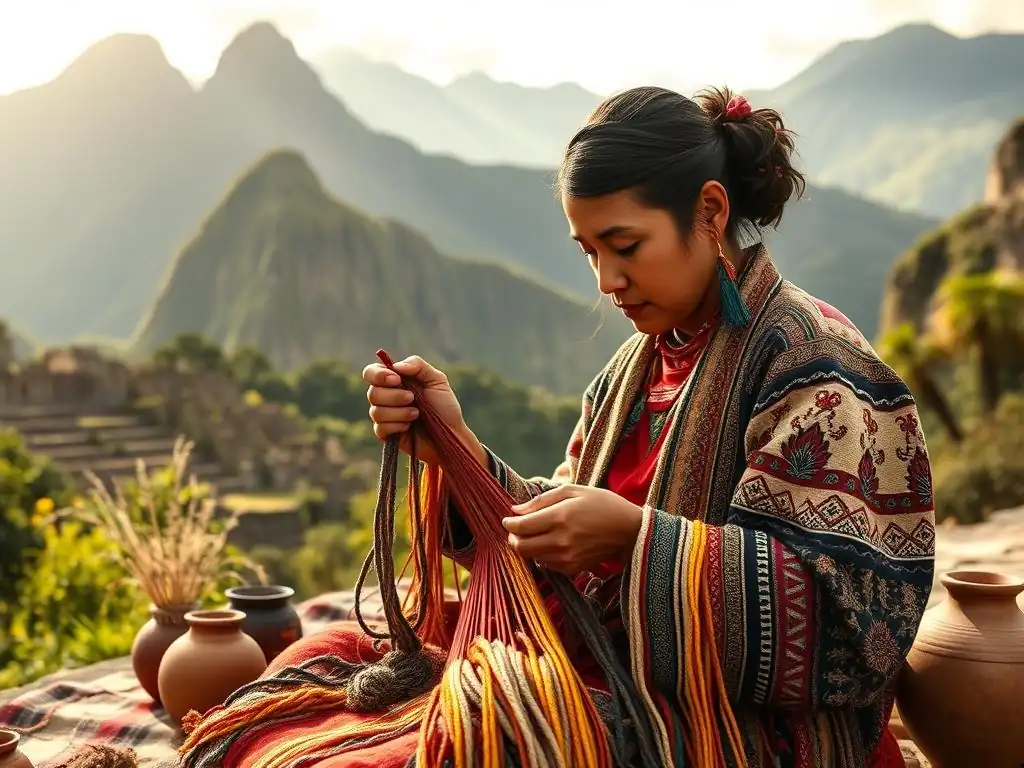
The Quipu, an intricate system of knotted cords used by the Inca civilization for record-keeping and communication, stands as a powerful symbol of Inca identity and cultural heritage that persists in contemporary society. Even after the fall of the Inca Empire, the legacy of the Quipu continues to resonate among modern Indigenous communities, signifying a connection to their ancestral past. In recent years, there has been a growing recognition of the Quipu's importance, leading to initiatives aimed at preserving and revitalizing this unique aspect of Inca culture.
The continuity of the Quipu in modern times reflects a broader narrative of resilience among Indigenous peoples. While many traditional practices faced extinction due to colonization and cultural assimilation, efforts to reclaim and celebrate these practices have emerged. This resurgence is not merely an act of nostalgia; it embodies a vital part of Indigenous identity, reinforcing cultural pride and communal bonds.
As descendants of the Inca continue to explore their heritage, the Quipu serves not only as a historical artifact but also as a living tradition that fosters dialogue about identity, spirituality, and the importance of cultural continuity. Through educational programs and community workshops, contemporary Indigenous groups are engaging with the Quipu in various ways, ensuring that its significance is understood and appreciated by future generations.
Reviving Quipu Knowledge in Contemporary Indigenous Cultures
In recent years, there has been a concerted effort among various Indigenous communities in Peru and beyond to revive the knowledge surrounding the Quipu. This revival is crucial for re-establishing connections to their cultural roots and fostering a sense of pride in their heritage. Workshops and educational initiatives have been organized, where community members, especially the youth, learn about the history and use of Quipu, including the techniques for knotting and interpreting its messages.
One notable example is the collaboration between academics and Indigenous leaders, which has led to the creation of educational programs that integrate Quipu studies into school curricula. This approach not only promotes awareness of Inca history but also empowers the younger generation to embrace their cultural identity. Furthermore, the revival of Quipu knowledge extends beyond educational settings; it has inspired art, music, and literature that reflect the rich tapestry of Inca civilization.
The process of reviving Quipu knowledge also involves intergenerational dialogues, where elders share their expertise with younger community members. This transmission of knowledge is vital for maintaining cultural continuity and ensuring that the significance of the Quipu is not lost over time. Through these efforts, the Quipu has transformed from a relic of the past into a dynamic element of contemporary Indigenous identity.
Impact of Quipu on Modern Perceptions of Inca Heritage
The Quipu has significantly influenced modern perceptions of Inca heritage, reshaping how both Indigenous and non-Indigenous people view this ancient civilization. As an emblem of Inca identity, the Quipu challenges stereotypical narratives that often reduce Indigenous cultures to mere historical footnotes. Instead, it highlights the sophistication of Inca society, particularly in terms of its communication and administrative capabilities.
In academic circles, the Quipu has become a focal point for research, prompting scholars to delve deeper into its complexities and implications. This increased interest has led to a broader understanding of Inca civilization's achievements, contributing to a more nuanced portrayal of their cultural heritage. Moreover, the Quipu serves as a reminder of the rich intellectual traditions that existed prior to European contact, which continues to inspire contemporary Indigenous movements advocating for cultural recognition and rights.
Public exhibitions and museums have also played a role in shaping perceptions of the Quipu and Inca heritage. By showcasing Quipu artifacts and providing context about their use and significance, these institutions help foster appreciation and respect for Indigenous cultures. As more people become aware of the Quipu's role in Inca society, it contributes to a larger discourse about the importance of preserving Indigenous histories and promoting cultural diversity.
Challenges to the Preservation of Inca Cultural Heritage
Despite the efforts to revive and celebrate the Quipu and Inca heritage, there are significant challenges to their preservation. Rapid globalization, urbanization, and the influence of modern technology pose threats to traditional practices and knowledge systems. Many young people are drawn to contemporary lifestyles, which can lead to a diminishing interest in traditional cultural expressions, including the art of Quipu-making and its interpretation.
Additionally, the physical preservation of Quipu artifacts is at risk due to environmental factors and inadequate conservation measures. Many historical Quipus are housed in museums or private collections, where they may not receive the proper care necessary to ensure their longevity. Without systematic preservation efforts, the knowledge embedded in these artifacts could be lost forever.
Threats to the Quipu as a Historical Artifact
The Quipu faces several threats as a historical artifact, including environmental degradation, climate change, and neglect in conservation practices. Many original Quipus, crafted from natural fibers, are susceptible to deterioration over time. Factors such as humidity, temperature fluctuations, and exposure to light can significantly damage these delicate objects, leading to the loss of their historical and cultural significance.
Moreover, the lack of comprehensive research and documentation surrounding the Quipu contributes to its vulnerability. Many artifacts remain poorly understood, and without ongoing scholarly inquiry, the cultural narratives they embody risk being overshadowed or misrepresented. This situation is further exacerbated by the commodification of Indigenous heritage, where artifacts may be sold or traded without due consideration for their cultural context and meaning.
Additionally, rising tourism can pose a threat to the preservation of Quipu artifacts. While tourism can generate interest in Indigenous cultures, it often leads to overexploitation of resources and commercialization that undermine the authenticity of cultural practices. Striking a balance between promoting cultural heritage and ensuring its preservation requires careful planning and community involvement.
Efforts in Cultural Preservation and Education
In response to the challenges facing Inca cultural heritage, various initiatives have emerged aimed at preserving the Quipu and educating the public about its significance. Local communities, NGOs, and academic institutions are collaborating to develop programs that promote awareness and understanding of the Quipu's role in Inca society. These efforts include workshops, exhibitions, and cultural festivals that highlight the importance of the Quipu as a symbol of identity.
Furthermore, digital technology has been employed to aid in the preservation and dissemination of knowledge about the Quipu. Online resources, virtual exhibitions, and interactive platforms allow a broader audience to engage with Inca heritage, fostering a sense of connection and appreciation. By leveraging technology, cultural preservation efforts can reach beyond geographical boundaries, inviting people from around the world to learn about the intricacies of the Quipu system.
Community-led initiatives also play a crucial role in safeguarding cultural heritage. Engaging local populations in the preservation process ensures that traditions are maintained in a manner that respects their cultural significance. By involving Indigenous voices in decision-making, efforts to protect the Quipu and Inca heritage become more inclusive and effective.
While challenges persist, the dedication to preserving the Quipu as a vital component of Inca identity and cultural heritage is evident. Through education, community involvement, and innovative approaches, the legacy of the Quipu is poised to endure, continuing to inspire future generations and affirming the resilience of Indigenous cultures in the Americas.
Conclusion: The Quipu's Enduring Legacy in Inca Identity
The quipu, an intricate system of knotted strings, stands as a profound symbol of Inca identity and cultural heritage. Its significance extends beyond mere record-keeping; it embodies the values, beliefs, and social structures of the Inca civilization. The artistry involved in quipu-making reflects the creativity and ingenuity of the Inca people, showcasing their ability to communicate complex information through a tactile medium. As a historical artifact, the quipu serves as a bridge connecting present and past, reminding contemporary society of the rich tapestry of indigenous cultures that once flourished in the Americas.
The enduring legacy of the quipu is deeply rooted in the collective memory of the Inca descendants, who continue to honor and preserve their heritage. By maintaining traditional practices and reviving interest in quipu studies, the Inca legacy is kept alive, fostering a sense of identity and belonging among indigenous communities. The quipu’s role in cultural expression and identity formation is crucial, as it encapsulates the resilience of the Inca people in the face of historical challenges.
Summary of Quipu's Importance to Inca Cultural Heritage
The quipu was more than a tool for recording numerical data; it was an essential component of the Inca administrative and social framework. Each knot, color, and string length held specific meanings, allowing the Inca civilization to maintain complex records of agricultural production, census data, and tribute obligations. This method of information storage was critical in managing the vast empire and exemplified the sophisticated understanding of mathematics and organization that the Incas possessed.
In addition to its practical uses, the quipu also played a significant role in the cultural and spiritual life of the Inca people. It was intertwined with their mythology and social rituals, reinforcing the connection between the material and spiritual worlds. This multifaceted importance highlights how the quipu is not only a historical artifact but also a living representation of Inca identity and cultural continuity.
Future Prospects for the Recognition of Inca Identity through Quipu
Looking ahead, there is a growing interest in the quipu as a means to foster greater recognition and appreciation of Inca identity within both academic and public spheres. Ongoing research and archaeological discoveries continue to shed light on the complexities of the quipu system, revealing new insights into its significance and applications in Inca society. This scholarly attention not only enhances our understanding of the Inca civilization but also contributes to the broader discourse surrounding indigenous rights and cultural heritage.
As educational institutions and cultural organizations increasingly incorporate discussions of the quipu into their curricula and exhibitions, there is potential for a renewed awareness of Inca heritage. This recognition can empower indigenous communities to reclaim their narratives and celebrate their ancestry, reinforcing a sense of pride in their cultural identity. The quipu, therefore, holds promise as a symbol of resilience and continuity, serving as a catalyst for dialogue about indigenous heritage in contemporary society. Through such initiatives, the quipu can continue to inspire future generations, ensuring that the legacy of the Inca civilization remains vibrant and relevant.
- Introduction to Inca Identity and Cultural Heritage
- Understanding the Importance of Inca Identity
- Overview of Cultural Heritage in the Inca Civilization
- The Quipu: A Unique Inca Communication System
- The Role of Quipu in Inca Identity
- Cultural Heritage Embedded in Quipu
- Continuity of Quipu and Inca Identity in Modern Times
- Challenges to the Preservation of Inca Cultural Heritage
- Conclusion: The Quipu's Enduring Legacy in Inca Identity
- What is a Quipu and its significance in Inca culture?
- How did the Quipu contribute to Inca societal organization?
- What are some key features of Inca identity reflected in their cultural heritage?
- How do modern descendants of the Inca preserve their cultural heritage?
- What impact did European colonization have on Inca cultural heritage?
Frequently Asked Questions
What is a Quipu and its significance in Inca culture?
A Quipu is a knot-based recording system used by the Inca to store and transmit information. It symbolizes Inca identity and reflects their cultural heritage and organizational sophistication.
How did the Quipu contribute to Inca societal organization?
The Quipu played a crucial role in administration and communication, allowing the Inca to manage resources and maintain control over their vast empire, thus reinforcing their cultural continuity.
What are some key features of Inca identity reflected in their cultural heritage?
Key features include a strong sense of community, intricate artistic expressions, and advanced agricultural practices, all of which are essential components of their cultural heritage.
How do modern descendants of the Inca preserve their cultural heritage?
Modern descendants engage in reviving traditional practices, including the use of Quipus, storytelling, and rituals, ensuring the continuity of Inca identity through education and community efforts.
What impact did European colonization have on Inca cultural heritage?
European colonization led to significant disruption and loss of Inca traditions and practices. However, many elements of Inca identity have persisted, influencing contemporary indigenous cultures in the region.
Final Reflection: Embracing Inca Identity Through Cultural Heritage
The exploration of the Quipu as a symbol of Inca identity underscores the profound connection between cultural heritage and contemporary society. In a world increasingly driven by globalization, the significance of understanding and preserving unique cultural identities has never been more crucial. The Quipu, with its intricate knots and vibrant threads, serves as a powerful reminder of the rich tapestry of history that shapes our present and future. It is not merely a relic of the past; it is a living testament to the resilience and continuity of Inca identity.
Cultural heritage is not static; it evolves and influences the social landscape in myriad ways. The Quipu, once a tool for record-keeping and communication, now stands as a symbol of pride and identity for the descendants of the Inca civilization. Its revival in contemporary discussions about cultural heritage highlights the importance of recognizing and valuing diverse histories. As the historian John H. Elliott once said, "> History is not just what happened; it is also how we remember it." This sentiment resonates deeply as we navigate the complexities of identity in today's multicultural world.
As we reflect on the lessons of the Quipu and its embodiment of Inca identity, I invite you to consider your own cultural heritage. What stories, symbols, or traditions define who you are? Embrace the richness of your background and share it with others, fostering a deeper understanding of the diverse narratives that shape our collective identity. Let us honor the past while actively participating in the continuity of our cultural legacies, ensuring that they thrive for generations to come.
Unveil the Power of Inca Heritage Today!
Thank you for diving into the fascinating world of the Quipu and its significance to Inca identity! By exploring this intricate cultural artifact, you've gained valuable insights into the rich tapestry of human history and the importance of preserving our heritage. Now, let’s take that knowledge and transform it into action!
- Embrace Your Heritage: Initiate a project to explore your cultural background and understand how it shapes who you are.
- Share the Knowledge: Engage in discussions about this article with friends or participate in community groups to educate others about the significance of the Inca civilization and its enduring symbols.
- Explore Further: Visit a nearby museum or search for online exhibitions that highlight Andean culture, ensuring the spirit of the Quipu continues to inspire your learning journey!
What does cultural identity mean to you, and how can we honor and share the stories of our ancestors in today’s world?