
The Power of Myth: Indigenous Legends Reimagined in Film and Literature

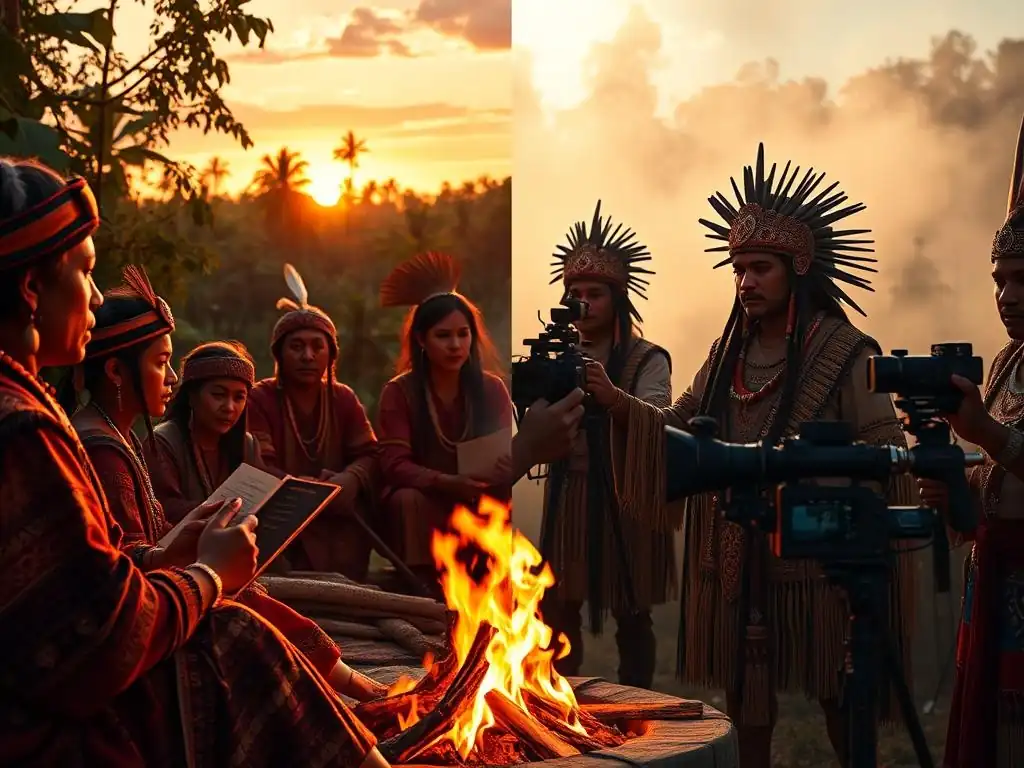
Welcome to Indigenous Civilizations of the Americas, where we invite you to embark on a remarkable journey through time and culture. Here, we delve into the rich tapestry of indigenous legends in film, exploring how these powerful narratives have been reimagined in contemporary storytelling. Discover the profound achievements and vibrant societies that shaped the Americas long before European influence, and see how their legacies continue to inspire modern creators. Prepare to be captivated by the intersection of myth and cinema, and let the stories unfold as you delve deeper into the cultural influences that resonate through generations.
Introduction to Indigenous Legends in Film
The rich tapestry of Indigenous legends serves as a vital component of the cultural heritage across the Americas, encapsulating the values, beliefs, and histories of diverse communities. With the advent of film and literature, these age-old narratives have found new life, resonating with contemporary audiences while preserving their essence.
This article delves into the profound impact of Indigenous legends in film, exploring how filmmakers and writers reimagine these tales to bridge the gap between past and present. By examining the significance of these stories, we can appreciate their enduring relevance and the ways they continue to shape cultural dialogue today.
Overview of Indigenous Myths and Their Significance
Indigenous myths are not mere stories; they are foundational narratives that convey the worldviews of various tribes and nations. These tales often encompass themes of creation, morality, nature, and humanity's relationship with the cosmos. Some key elements include:
- Creation Stories: Many Indigenous cultures have unique creation myths explaining the origins of the earth, its inhabitants, and the cosmos.
- Heroic Legends: These legends frequently feature heroes who embark on quests, facing trials that reveal moral truths and cultural values.
- Animal Tales: Animals are often personified, serving as vehicles for teaching lessons about human behavior and ethics.
The significance of these myths lies in their ability to transmit cultural knowledge and foster a sense of identity among Indigenous peoples. As filmmakers and authors draw inspiration from these narratives, they contribute to a broader understanding of Indigenous cultures and challenge stereotypes that have persisted through colonial narratives.
The Role of Storytelling in Indigenous Cultures
Storytelling is a cornerstone of Indigenous cultures, serving both as a means of entertainment and a method of imparting wisdom. In many communities, oral traditions have been the primary means of passing down knowledge through generations. This practice is characterized by:
- Community Engagement: Storytelling often occurs in communal settings, reinforcing social bonds and collective identity.
- Cultural Preservation: Through stories, cultural practices, languages, and histories are preserved, ensuring their survival in the face of external pressures.
- Educational Function: Legends are utilized to teach moral lessons and instill values in younger generations, shaping their understanding of the world.
By reimagining Indigenous legends in film and literature, modern creators not only preserve these stories but also reinterpret them for new audiences, fostering a deeper appreciation for the complexities and richness of Indigenous cultures.
Historical Context of Indigenous Legends in Literature
Pre-Colonial Storytelling Traditions
Before European contact, Indigenous peoples across the Americas had well-established storytelling traditions. These narratives were integral to their spiritual and social lives, often intertwined with rituals and ceremonies. Some notable aspects include:
- Diverse Formats: Stories were conveyed through various forms, including spoken word, song, dance, and visual art.
- Regional Variations: Each tribe or nation had its own unique legends, reflecting local landscapes, flora, fauna, and social structures.
- Interconnectedness: Myths often shared common themes and motifs, fostering a sense of interconnectedness among different cultures.
This rich pre-colonial storytelling landscape laid the groundwork for the narratives that would later be adapted into literature and film, allowing for a continuous thread of cultural expression.
The Impact of European Colonization on Indigenous Narratives
The arrival of Europeans marked a significant turning point for Indigenous storytelling traditions. The effects of colonization were profound and multifaceted, leading to:
- Disruption of Oral Traditions: The imposition of foreign languages and cultures disrupted the transmission of Indigenous myths, as many stories were not recorded until after European contact.
- Cultural Appropriation: As Indigenous legends began to be adapted by non-Indigenous creators, issues of representation and authenticity emerged, often leading to misinterpretations.
- Revitalization Movements: In response to colonization, many Indigenous communities have sought to reclaim and revitalize their storytelling traditions, utilizing contemporary mediums to share their narratives authentically.
Understanding this historical context is crucial for appreciating how Indigenous legends have been reimagined in modern film and literature, highlighting the resilience and creativity of Indigenous peoples in preserving their cultural heritage.
The Evolution of Indigenous Legends in Film
The representation of Indigenous legends in film has undergone significant transformations over the decades. Initially, early cinema often portrayed Indigenous peoples through a lens of stereotypes and misconceptions, focusing on sensationalized narratives that emphasized conflict and savagery. These portrayals not only misrepresented Indigenous cultures but also reinforced harmful stereotypes that persisted in popular culture.
As the film industry evolved, so did the storytelling techniques employed to portray Indigenous legends. The late 20th century marked a turning point, with filmmakers beginning to explore authenticity and representation. Indigenous voices started to gain prominence, leading to narratives that were not only more accurate but also richer in cultural context. This shift allowed for a deeper exploration of Indigenous mythologies, spirituality, and community values, moving beyond the simplistic hero-villain dichotomy to showcase nuanced characters and stories.
Today, the evolution continues as Indigenous filmmakers and writers take center stage, creating works that reflect their cultures' complexities and the impact of colonization. The integration of traditional storytelling methods with modern cinematic techniques has led to a renaissance in the representation of Indigenous legends, allowing these stories to resonate with broader audiences while preserving their cultural significance.
Milestones in the Representation of Indigenous Stories
Several milestones highlight the changing representation of Indigenous stories in film:
- "Broken Arrow" (1950): This film was one of the first to portray Native Americans sympathetically, challenging the prevailing stereotypes of the time.
- "The Last of the Mohicans" (1992): While not entirely free from critique, this adaptation brought attention to Indigenous history and showcased a more complex narrative surrounding Native American characters.
- "Smoke Signals" (1998): As one of the first feature films written, directed, and produced by Native Americans, it provided an authentic perspective on contemporary Indigenous life and legends.
- "Rhymes for Young Ghouls" (2013): This film blends horror and Indigenous folklore, addressing themes of trauma and resilience. It showcases the power of traditional legends in confronting contemporary issues faced by Indigenous communities.
- "N. Scott Momaday's The Way to Rainy Mountain" (2019): This adaptation of Momaday's work demonstrates how Indigenous legends can be interwoven with personal and historical narratives, reinforcing the importance of storytelling in cultural identity.
These milestones reflect a broader trend toward authenticity and representation in the film industry, paving the way for future filmmakers to explore and reimagine Indigenous legends.
Key Films that Feature Indigenous Legends
Numerous films prominently feature Indigenous legends, capturing the richness of these narratives while engaging with contemporary issues. Here are some key examples:
- "A River Runs Through It" (1992) - This film incorporates Native American folklore alongside a poignant family story, highlighting the interconnectedness of nature and culture.
- "The New World" (2005) - A retelling of the story of Pocahontas, it explores the collision of Indigenous and European cultures, weaving in traditional Powhatan legends.
- "The Fourth World" (2019) - This film presents a unique interpretation of Indigenous legends through a science fiction lens, exploring themes of identity and survival.
- "Song of the Sea" (2014) - An animated film rooted in Irish folklore, it uses elements from Indigenous stories to explore themes of loss and connection to the natural world.
- "The Wind & The Reckoning" (2022) - This film portrays the Hawaiian perspective on colonization through the lens of traditional legends, emphasizing the impact of historical events on Indigenous identity.
These films serve as powerful vehicles for exploring Indigenous legends, offering audiences insights into the cultural significance of these stories while fostering a greater understanding of Indigenous perspectives.
Analysis of Indigenous Themes in Contemporary Literature
Contemporary literature has increasingly embraced Indigenous themes, utilizing legends as foundational elements in storytelling. Authors explore complex narratives that address historical trauma, identity, and the interplay between tradition and modernity. Indigenous legends often serve as metaphors for resilience, community, and the deep connections between people and the land.
The resurgence of Indigenous storytelling in literature also reflects a broader movement to reclaim narratives that have been historically marginalized. By integrating legends into their writing, authors not only preserve cultural heritage but also challenge dominant narratives, inviting readers to engage with diverse perspectives and experiences.
Influential Indigenous Authors and Their Works
Several contemporary Indigenous authors have made significant contributions to literature, weaving Indigenous legends into their narratives:
- Sherman Alexie: His works, including "The Lone Ranger and Tonto Fistfight in Heaven," often draw upon Native American legends and contemporary experiences, blending humor and tragedy.
- Louise Erdrich: In novels like "Tracks," Erdrich explores the intersection of Indigenous legends and personal histories, highlighting the importance of storytelling in cultural identity.
- Tommy Orange: His debut novel, "There There," features interconnected stories that reflect the complexities of urban Native American life, incorporating elements of traditional legends.
- N. Scott Momaday: Renowned for "House Made of Dawn," Momaday's work often reflects on the significance of Indigenous legends and their role in shaping individual and collective identities.
- Joy Harjo: The first Native American Poet Laureate, Harjo's poetry often draws on Indigenous myths and legends, celebrating the interconnectedness of life and the power of storytelling.
These authors not only enrich the literary landscape but also ensure that Indigenous legends remain relevant and accessible to contemporary audiences.
The Role of Indigenous Legends in Shaping Narrative Structures
Indigenous legends play a crucial role in shaping narrative structures within contemporary literature and film. These stories often follow unique storytelling traditions that differ from Western narrative forms.
- Cyclical Narratives: Many Indigenous legends emphasize cyclical time, where stories connect past, present, and future, creating a sense of continuity and intergenerational wisdom. This contrasts with linear storytelling, allowing for a deeper exploration of themes such as identity and belonging.
- Community-Centric Stories: Indigenous legends frequently focus on communal experiences rather than individual heroics. This collective approach fosters a sense of unity and shared identity, reinforcing the importance of community in Indigenous cultures.
- Integration of Nature: Nature often plays a pivotal role in Indigenous legends, shaping characters and events. This reflects the deep connection between Indigenous peoples and their environment, emphasizing the interdependence of all living things.
- Moral Lessons: Indigenous legends often convey moral lessons that are woven into the fabric of the narrative. These lessons serve as a means of imparting cultural values and teachings, guiding individuals and communities in their actions and decisions.
By incorporating these narrative structures, contemporary literature and film not only honor Indigenous traditions but also enrich the storytelling landscape, offering audiences diverse and profound insights into the human experience.
The Cultural Impact of Indigenous Legends in Media
Indigenous legends have served as a rich source of inspiration for filmmakers and authors, profoundly influencing the narrative landscape of modern media. These stories, steeped in cultural significance, resonate deeply with audiences, allowing them to connect with the values, beliefs, and traditions of Indigenous peoples. The retelling of these myths often highlights themes such as the relationship between humans and nature, the importance of community, and the resilience of the human spirit.
In many cases, Indigenous legends have transitioned from oral traditions to visual storytelling, allowing for broader dissemination and appreciation of these narratives. This cultural impact can be seen in various genres, from animation to live-action films, where the adaptation of legends has created new avenues for exploring identity and heritage. The incorporation of traditional stories into contemporary media not only entertains but also educates audiences about the complexities and richness of Indigenous cultures.
How Indigenous Legends Influence Modern Storytelling
Indigenous legends play a crucial role in shaping modern storytelling by providing frameworks that challenge conventional narratives. By integrating Indigenous worldviews, filmmakers and authors can present alternative perspectives that counter dominant cultural narratives. For instance, many contemporary stories draw from the themes of balance and harmony found in Indigenous myths, emphasizing interconnectedness rather than individualism.
Moreover, these legends often come with moral lessons that resonate with current societal issues, such as environmental stewardship and social justice. The resurgence of interest in Indigenous narratives has encouraged creators to explore these themes, leading to stories that not only entertain but also provoke thought and inspire change. As audiences seek authenticity and representation, the influence of Indigenous legends can be seen as a bridge that connects the past with contemporary societal values.
Representation and Misrepresentation of Indigenous Cultures in Film
The representation of Indigenous cultures in film has been a contentious issue, with many films historically misrepresenting or simplifying these complex societies. Early Hollywood often perpetuated stereotypes, portraying Indigenous peoples as either noble savages or violent antagonists. Such portrayals have contributed to a skewed understanding of Indigenous cultures, often ignoring their diversity and depth.
However, there is a growing movement towards more accurate and respectful representations. Filmmakers of Indigenous descent are increasingly taking the reins, creating narratives that authentically reflect their cultures and experiences. This shift not only challenges stereotypes but also empowers Indigenous communities to tell their own stories. Despite this progress, the ongoing struggle against misrepresentation highlights the need for continued vigilance and advocacy for authentic Indigenous voices in the media landscape.
The Future of Indigenous Legends in Film and Literature
As the demand for diverse narratives continues to rise, the future of Indigenous legends in film and literature appears promising. With a growing recognition of the importance of representation, more creators are interested in exploring Indigenous themes and stories. This interest is not only limited to Indigenous filmmakers but also extends to non-Indigenous creators who seek to collaborate with Indigenous communities to ensure authenticity in their portrayals.
Additionally, advancements in technology are providing new platforms for storytelling, allowing Indigenous legends to reach wider audiences. Streaming services, in particular, have opened doors for diverse narratives to be showcased, paving the way for Indigenous stories to gain visibility and appreciation on a global scale.
Trends in the Adaptation of Indigenous Myths
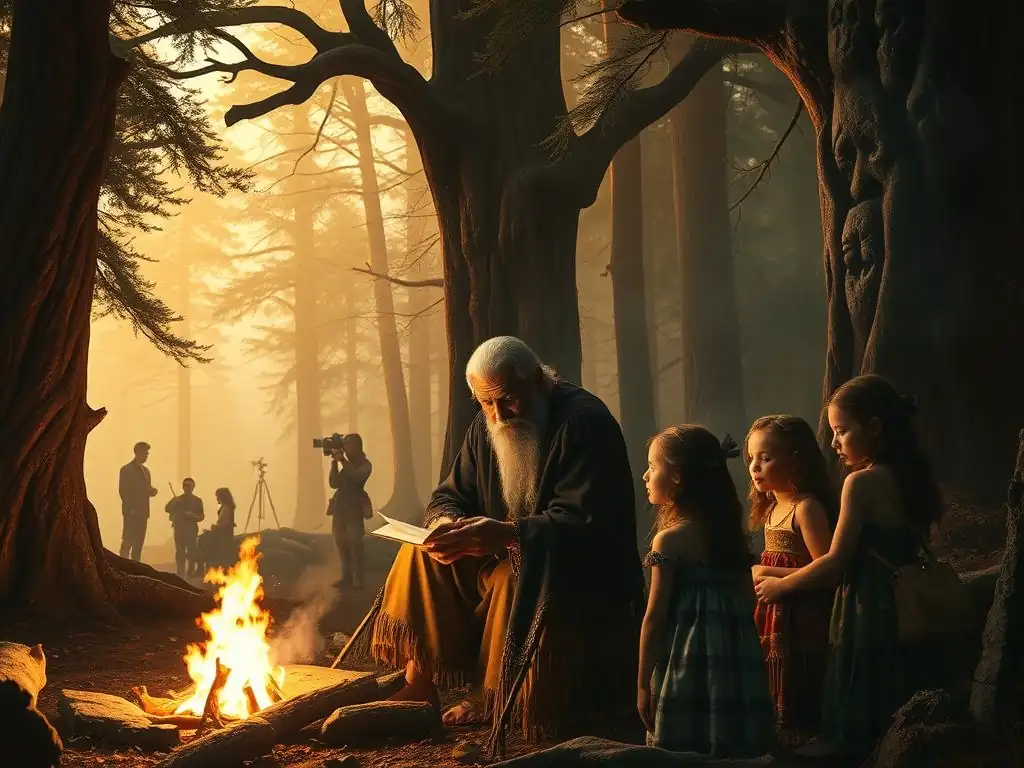
The adaptation of Indigenous myths into modern media has seen several noteworthy trends. One prominent trend is the blending of traditional narratives with contemporary storytelling techniques, such as the incorporation of animation, virtual reality, and interactive storytelling. This fusion not only makes the legends more accessible to a younger audience but also revitalizes interest in these ancient stories.
Another trend is the emphasis on collaborative storytelling, where Indigenous creators work alongside non-Indigenous filmmakers and writers. This partnership ensures that the adaptations are rooted in authenticity and cultural sensitivity, allowing for a richer representation of Indigenous legends. As audiences become more discerning, the demand for such collaborations is likely to grow, fostering an environment where Indigenous voices are prioritized and celebrated in the storytelling process.
The Importance of Indigenous Voices in Storytelling
Indigenous voices are crucial in the storytelling landscape, as they offer insights that are often overlooked in mainstream narratives. The inclusion of Indigenous perspectives ensures that the complexities of their cultures, histories, and experiences are accurately represented. This is particularly vital in the adaptation of legends, where the nuances of the stories can easily be lost if told from an outside viewpoint.
Furthermore, Indigenous storytellers bring a wealth of knowledge and understanding to their narratives, often infusing them with personal experiences and cultural wisdom. By prioritizing these voices, filmmakers and authors can create more meaningful and impactful stories that resonate with audiences on multiple levels. Ultimately, the elevation of Indigenous voices in storytelling not only enriches the media landscape but also contributes to the ongoing process of cultural healing and reconciliation.
Conclusion: The Lasting Power of Indigenous Legends
The power of indigenous legends transcends time, serving as a vital connection to cultural identity and heritage. These narratives, rich with symbolism and meaning, not only reflect the historical experiences of indigenous peoples but also embody their values, beliefs, and worldviews. Through their reimagining in film and literature, these legends gain renewed significance, providing contemporary audiences with insights into the wisdom and resilience of indigenous cultures. The stories encourage reflection on the relationship between humanity and nature, community, and the spiritual dimensions of life, thus fostering a deeper appreciation for the complexities of indigenous identities.
Moreover, the impact of indigenous legends in film and literature underscores their adaptability and relevance in modern discourse. As artists and storytellers continue to draw from these traditions, they not only preserve the narratives but also invite dialogue about cultural appropriation, representation, and the ongoing struggles faced by indigenous communities. This dialogue is crucial in fostering understanding and respect, making the legends not just relics of the past but active components in the cultural landscape of the present.
The Role of Indigenous Legends in Cultural Preservation
Indigenous legends play a crucial role in the preservation of culture, serving as vessels that carry the histories, languages, and teachings of indigenous peoples across generations. These stories often encapsulate important moral lessons and cultural practices, ensuring that traditional knowledge is not lost. Through oral traditions, rituals, and the arts, indigenous legends are maintained and celebrated within communities, reinforcing a sense of belonging and identity.
In recent years, the resurgence of interest in indigenous narratives has led to a renewed focus on cultural preservation. By reinterpreting these legends in accessible formats such as films and literature, a broader audience can engage with indigenous stories, promoting awareness and appreciation. This cultural exchange is vital for educating others about the richness of indigenous histories and the ongoing relevance of their narratives in contemporary society.
Encouraging Respect and Understanding Through Storytelling
Storytelling has long been a means of fostering understanding and empathy among diverse cultures. Indigenous legends, with their rich tapestries of characters and moral dilemmas, provide powerful insights into the values and experiences of indigenous peoples. By presenting these stories in film and literature, creators can bridge cultural gaps, encouraging audiences to reflect on their own beliefs and behaviors.
Films and books that portray indigenous legends often highlight themes of resilience, respect for nature, and community, encouraging viewers and readers to appreciate the interconnectedness of all life. This storytelling approach not only humanizes indigenous experiences but also challenges stereotypes and misconceptions, fostering a more nuanced understanding of indigenous cultures. As audiences engage with these narratives, they are invited to participate in a broader conversation about respect, recognition, and reconciliation.
Call to Action: Exploring Indigenous Legends Further
To fully appreciate the richness and depth of indigenous legends, it is essential for individuals to actively seek out and engage with these narratives. Whether through reading literature, watching films, or participating in cultural events, there are numerous avenues for learning about and celebrating the diversity of indigenous stories. By doing so, we can contribute to the ongoing preservation and revitalization of these important cultural treasures.
Recommended Readings on Indigenous Legends
- "The Woman Who Spun Gold" by Virginia Hamilton: A collection of tales that celebrate the strength of women in indigenous cultures.
- "Mythology of the Americas" by David Adams Leeming: An exploration of various indigenous myths and their meanings.
- "The Sacred Hoop: Recovering the Feminine in American Indian Traditions": by Paula Gunn Allen: This book delves into the role of women in indigenous stories and their significance.
Must-Watch Films Featuring Indigenous Narratives
- "Smoke Signals" (1998): A groundbreaking film that explores the lives of Native American characters and their struggles.
- "The Black Stallion" (1979): While primarily a children’s film, it incorporates elements of indigenous culture through its characters and settings.
- "Atanarjuat: The Fast Runner" (2001): This film is based on an Inuit legend and showcases the rich storytelling traditions of the Inuit people.
By exploring these readings and films, individuals can deepen their understanding of indigenous legends and appreciate their enduring power in contemporary culture.
- Introduction to Indigenous Legends in Film
- Historical Context of Indigenous Legends in Literature
- The Evolution of Indigenous Legends in Film
- Analysis of Indigenous Themes in Contemporary Literature
- The Cultural Impact of Indigenous Legends in Media
- How Indigenous Legends Influence Modern Storytelling
- Representation and Misrepresentation of Indigenous Cultures in Film
- The Future of Indigenous Legends in Film and Literature
- Trends in the Adaptation of Indigenous Myths
- The Importance of Indigenous Voices in Storytelling
- Conclusion: The Lasting Power of Indigenous Legends
- Call to Action: Exploring Indigenous Legends Further
Frequently Asked Questions
What are indigenous legends in film and literature?
Indigenous legends in film and literature refer to stories and myths from native cultures that are adapted for modern storytelling, showcasing the rich traditions and belief systems of these communities.
Why is it important to explore indigenous cultures in media?
Exploring indigenous cultures in media is crucial as it promotes understanding, respect, and representation of these communities, highlighting their contributions and challenges throughout history.
How do filmmakers accurately represent indigenous stories?
Filmmakers can accurately represent indigenous stories by collaborating with indigenous creators, conducting thorough research, and being mindful of the cultural significance and nuances of the narratives.
What impact do indigenous legends have on contemporary audiences?
Indigenous legends resonate with contemporary audiences by offering universal themes of identity, connection to nature, and spirituality, fostering a deeper appreciation for cultural diversity.
Are there any notable films that feature indigenous legends?
Yes, films like "Smoke Signals" and "The New World" prominently feature indigenous legends, showcasing how these stories can be reimagined to connect with modern audiences while preserving their cultural essence.
Final Reflection: The Enduring Legacy of Indigenous Legends in Film
The relevance of Indigenous legends in film today cannot be overstated; they serve as a bridge between cultures, fostering understanding and appreciation for the rich narratives that have shaped Indigenous identities for centuries. As filmmakers and writers continue to draw inspiration from these timeless stories, we witness a resurgence of interest that not only entertains but also educates audiences about the complexities of Indigenous experiences. The power of myth is not just a relic of the past; it is a vibrant force that shapes our present and future.
The influence of Indigenous legends in contemporary storytelling is profound, as they challenge stereotypes and offer authentic representations of Indigenous peoples. These narratives remind us of the importance of connection to land, community, and spirituality. As we see these stories reimagined on screen and in literature, they invite us to reflect on our own cultural narratives and the ways in which they intersect with those of others. Stories are the fabric of our existence; they weave together our past, present, and future.
This quote encapsulates the essence of how Indigenous legends continue to resonate within our cultural landscape, inspiring a new generation of storytellers and audiences alike.
As we move forward, I invite you to reflect on the lessons embedded within these Indigenous legends and consider how they can enrich your own life. Take a moment to explore the stories that resonate with you, whether through film, literature, or personal experience.
Engage with these narratives not just as passive consumers, but as active participants in a dialogue that honors the voices of Indigenous peoples. By doing so, we can contribute to a more inclusive and respectful understanding of the diverse tapestry of human experience, ensuring that these powerful myths continue to inspire and enlighten for generations to come.
Unleash Your Imagination: Explore Indigenous Legends Today!
Thank you for diving into the fascinating world of Indigenous myths and their vibrant reimagining in film and literature. You've uncovered the rich narratives that empower cultures and tell unique stories of resilience and wisdom. Now, it's time to take the next step and engage with these timeless tales!
Here are some exciting actions you can take right now:
- Dive deeper into a specific legend: Choose an Indigenous story that resonates with you and explore its origins, themes, and variations in different forms of media—consider reading a novel, watching a documentary, or listening to a podcast that features it.
- Share your favorite myth: Discuss it with friends or post about it on social media to encourage others to discover the beauty and lessons hidden within these narratives.
- Join a community: Participate in a local or online group focused on Indigenous literature and culture. Engaging in discussions or book clubs can greatly enhance your understanding and appreciation of these rich stories.
As you embark on this journey, consider this question: How can the timeless lessons of Indigenous legends shape the stories we tell in our own lives today? We invite you to share your thoughts below!