
The Echoes of Ancestors: Indigenous Melodies in Contemporary Pop Culture

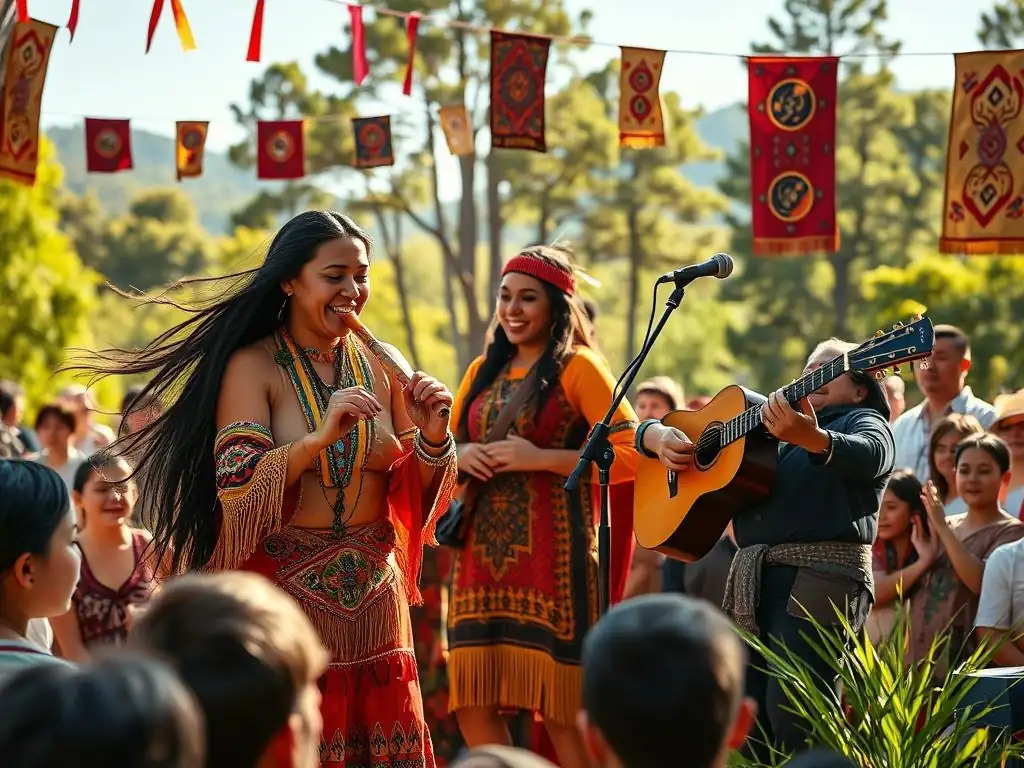
Welcome to Indigenous Civilizations of the Americas, where we invite you to journey through the rich tapestry of indigenous cultures that flourished long before European contact. Our latest article, "The Echoes of Ancestors: Indigenous Melodies in Contemporary Pop Culture," unveils the profound influence of indigenous music today, revealing how these ancient sounds continue to resonate within modern rhythms. Prepare to be captivated as we explore the vibrant legacies of these civilizations and their enduring contributions to contemporary society. Dive in and discover how the echoes of the past shape the melodies of the present!
Introduction to Indigenous Music Influence Today
Indigenous music serves as a powerful thread connecting the past to the present, weaving together stories, traditions, and cultural identities that have persisted through centuries. This article delves into the vibrant world of indigenous music influence today, exploring how the melodies and rhythms that originated with the ancestors continue to resonate within contemporary pop culture.
From chart-topping hits to underground movements, the influence of indigenous sounds is evident across various musical genres, enriching the global soundscape while maintaining a deep connection to cultural heritage. As we investigate this fascinating intersection, we will uncover the ways in which indigenous music not only survives but thrives, offering a platform for expression, resistance, and celebration of identity in modern society.
The Rich Heritage of Indigenous Music
Indigenous music is a treasure trove of diverse sounds, styles, and traditions that reflect the varied experiences of countless tribes and communities across the Americas. This section will explore the historical roots, traditional instruments, and the storytelling aspects that characterize indigenous musical heritage.
Historical Roots of Indigenous Music
The origins of indigenous music can be traced back thousands of years, deeply intertwined with the spiritual and communal practices of Native American tribes. Each community developed unique musical expressions influenced by their environment, social structures, and belief systems.
- Ceremonial Significance: Music has played a crucial role in ceremonies, rituals, and gatherings, often serving as a medium for communication with the spiritual world.
- Cultural Transmission: Through oral traditions, songs have been passed down generations, preserving languages, histories, and cultural values.
- Fusion and Adaptation: Over time, indigenous music has evolved, incorporating elements from European and African musical traditions, leading to the creation of hybrid forms that further enrich its legacy.
Traditional Instruments and Their Significance
Indigenous peoples of the Americas have crafted a variety of instruments that are not only functional but also deeply symbolic. These instruments often carry stories and meanings that reflect the values and beliefs of the communities.
| Instrument | Description | Cultural Significance |
|---|---|---|
| Drums | Central to many indigenous music traditions, drums are often used in ceremonies and celebrations. | Symbol of unity and community spirit. |
| Flutes | Crafted from wood or bone, flutes create haunting melodies that evoke the natural world. | Used in storytelling and spiritual practices. |
| Rattles | Made from gourds or shells, rattles provide rhythm and are often used in healing ceremonies. | Representation of ancestral spirits. |
Storytelling Through Song: The Role of Indigenous Melodies
At the heart of indigenous music is the art of storytelling. Songs serve as a powerful medium for conveying history, morals, and lessons, often encapsulating the essence of a community's experiences.
- Cultural Narratives: Through lyrics and melodies, indigenous musicians share stories of creation, struggle, and resilience, fostering a sense of belonging and identity.
- Social Commentary: Contemporary indigenous musicians often use their songs to address social issues, drawing attention to injustices faced by their communities and advocating for change.
- Emotional Connection: The emotive power of indigenous melodies resonates with audiences, inviting them to engage with the narratives and experiences of indigenous peoples, thus fostering empathy and understanding.
As we continue to explore the contemporary manifestations of indigenous music, we will uncover how these ancient traditions are influencing today's pop culture and the broader musical landscape.
Indigenous Music Influence in Contemporary Pop Culture
Indigenous music has permeated contemporary pop culture, acting as a vital conduit for expressing identity, history, and resilience. The influence of this music is increasingly evident in various genres, from hip-hop to pop, as artists draw inspiration from traditional sounds and rhythms. This fusion creates a rich tapestry that not only honors ancestral legacies but also introduces Indigenous narratives to a broader audience, thus fostering appreciation and understanding of diverse cultural heritages.
The Resurgence of Indigenous Sounds in Modern Music
In recent years, there has been a noticeable resurgence of Indigenous sounds in modern music, as artists seek to reconnect with their roots while simultaneously appealing to contemporary tastes. This movement has seen traditional instruments, such as drums, flutes, and rattles, being incorporated into popular music, creating a unique blend that resonates with both Indigenous and non-Indigenous audiences. Moreover, the use of Indigenous languages in lyrics serves to revitalize and preserve these languages, making them relevant in today’s cultural landscape.
Artists Blending Indigenous Music with Popular Genres
A growing number of artists are successfully blending Indigenous music with popular genres, creating innovative sounds that bridge cultural gaps. For instance:
- A Tribe Called Red: This Canadian electronic music group combines traditional powwow music with hip-hop and electronic beats, effectively bringing Indigenous culture to the forefront of the music scene.
- Buffy Sainte-Marie: A prolific singer-songwriter, Sainte-Marie integrates folk, rock, and electronic elements into her work, often addressing social justice issues while celebrating Indigenous heritage.
- Naatani Means: A rising star in the hip-hop genre, Means incorporates Navajo language and themes into his lyrics, showcasing Indigenous perspectives through a modern lens.
These artists exemplify how Indigenous music can seamlessly merge with contemporary styles, attracting diverse audiences and fostering cultural awareness.
Case Studies of Influential Indigenous Musicians
- Shawn Mendes and the Indigenous influence: Mendes has acknowledged the impact of Indigenous music in his work, particularly in his arrangement choices, which echo traditional melodies and rhythms.
- Snotty Nose Rez Kids: This hip-hop duo from Canada is known for their poignant lyrics addressing Indigenous issues and their vibrant sound that fuses traditional elements with contemporary beats. Their music serves not only as entertainment but also as a platform for activism.
These case studies highlight the diverse approaches Indigenous musicians take to influence contemporary music while remaining rooted in their cultural identities.
The Cultural Impact of Indigenous Melodies
The cultural impact of Indigenous melodies extends beyond music, influencing social narratives and community identity. These melodies play a crucial role in fostering a sense of belonging among Indigenous peoples and are instrumental in storytelling, often conveying deep spiritual and historical significance.
Reviving Traditional Songs in Modern Settings
Reviving traditional songs in modern settings has become a key focus for many Indigenous artists. This revival not only preserves ancient melodies but also adapts them for contemporary audiences. Community gatherings, educational programs, and digital platforms have become venues for sharing these songs, ensuring that the next generation remains connected to their cultural heritage.
The Role of Indigenous Music in Social Movements
Indigenous music has historically played a pivotal role in social movements, serving as a powerful tool for activism and cultural resilience. Songs have been used to raise awareness about Indigenous rights, environmental issues, and social justice, creating a unified voice for change.
For example, during the Standing Rock protests against the Dakota Access Pipeline, music became a rallying point for solidarity and resistance, with artists performing to inspire and mobilize supporters. This demonstrates how Indigenous melodies not only enrich contemporary pop culture but also serve as a catalyst for social change.
Celebrating Diversity: Indigenous Music Festivals and Events
Indigenous music festivals and events celebrate the rich diversity of Indigenous cultures and their musical expressions. These gatherings provide platforms for artists to showcase their work, share traditional practices, and foster intercultural dialogue. Some notable festivals include:
- The Gathering of Nations: Held annually in Albuquerque, New Mexico, this festival is one of the largest powwows in North America, featuring Indigenous music, dance, and art.
- Indigenous Music Awards: Celebrating Indigenous musical talent, these awards recognize the contributions of artists across various genres, helping to elevate Indigenous voices in the broader music industry.
Such events not only highlight the significance of Indigenous music but also create opportunities for cultural exchange and appreciation among diverse communities.
Challenges and Opportunities for Indigenous Artists Today
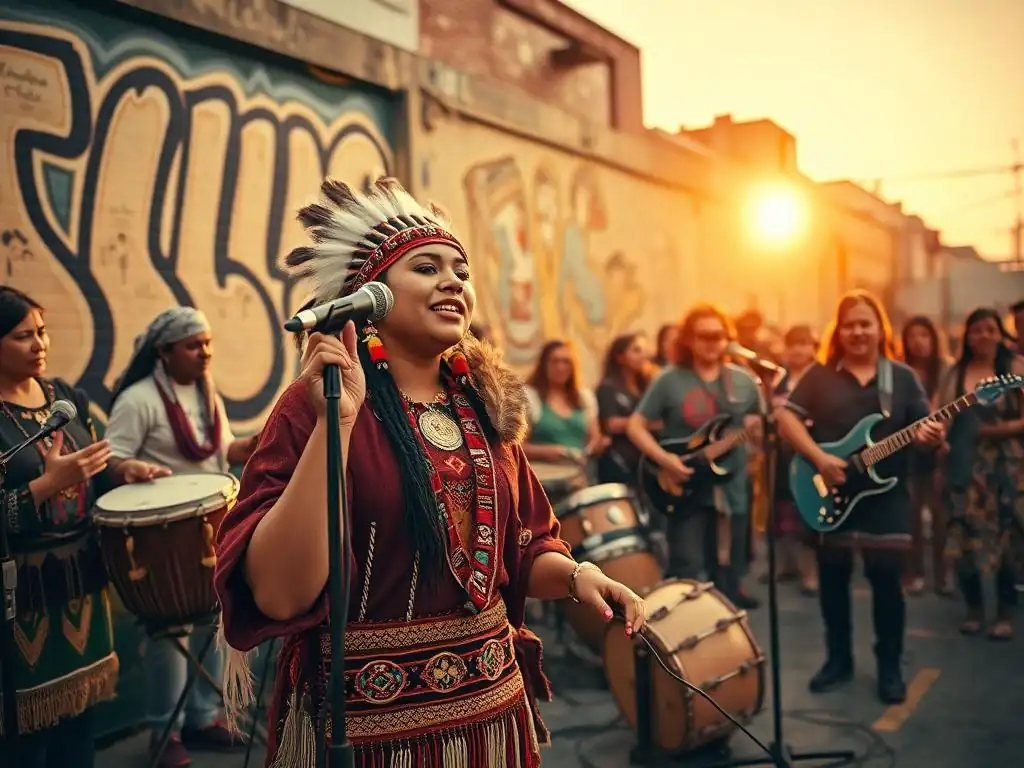
Indigenous artists face a unique set of challenges and opportunities in the contemporary music landscape. One of the primary challenges is the struggle for recognition and access to mainstream platforms. Many Indigenous musicians find it difficult to break into the industry due to systemic barriers and a lack of representation in decision-making roles within record labels and production companies. Additionally, there is often a misunderstanding of Indigenous cultures, which can lead to misrepresentation in the music industry.
Despite these challenges, there are significant opportunities for Indigenous artists to carve out their niche. The rise of digital platforms has democratized music distribution, allowing artists to share their work globally without traditional gatekeepers. Social media also provides a powerful tool for direct engagement with audiences, enabling Indigenous musicians to share their stories and cultural heritage authentically. Furthermore, increased awareness and appreciation for Indigenous cultures in broader society can create a more receptive environment for Indigenous music.
Navigating Cultural Appropriation vs. Appreciation
Cultural appropriation remains a sensitive and contentious issue for Indigenous artists. It refers to the unauthorized use of elements from one culture by members of another culture, often leading to exploitation and misrepresentation. For Indigenous musicians, this can manifest in the use of traditional music styles, instruments, and themes by non-Indigenous artists without proper acknowledgment or understanding of their significance.
Conversely, cultural appreciation involves a respectful engagement with another culture, characterized by acknowledgment and understanding. Indigenous artists often navigate this fine line, striving to share their cultural heritage through their music while remaining vigilant against appropriation. Collaborations between Indigenous and non-Indigenous artists can foster appreciation, provided there is mutual respect and recognition of the cultural context. Education and dialogue are crucial in helping audiences differentiate between appropriation and appreciation, encouraging respectful interactions with Indigenous music and culture.
The Importance of Authentic Representation in Music
Authentic representation in music is vital for Indigenous communities, as it ensures that their stories, values, and experiences are accurately reflected. When Indigenous musicians create and perform their music, they are not only expressing their identity but also challenging stereotypes and misconceptions that often permeate mainstream narratives about Indigenous peoples.
Authentic representation fosters a deeper understanding of Indigenous cultures among listeners and can inspire pride within Indigenous communities. It also encourages young Indigenous artists to pursue their musical talents, knowing that their voices and perspectives are valued. By prioritizing authentic representation, the music industry can play a significant role in promoting diversity and inclusivity, leading to a richer cultural landscape.
Platforms for Indigenous Voices in the Music Industry
In recent years, various platforms have emerged specifically to amplify Indigenous voices in the music industry. Initiatives like Indigenous Music Week and Indigenous Music Awards highlight the contributions of Indigenous artists while providing essential networking opportunities. Additionally, organizations such as the Aboriginal Music Association and the Native American Music Association work to support Indigenous musicians through grant programs, mentorship, and resources for professional development.
Streaming services have also begun to curate playlists that feature Indigenous artists, providing greater visibility and access to their music. These platforms not only showcase Indigenous talent but also educate audiences about the rich diversity of Indigenous cultures and musical traditions. By leveraging these platforms, Indigenous artists can connect with audiences who appreciate their work, paving the way for a more inclusive music industry.
Conclusion: The Lasting Legacy of Indigenous Music Influence Today
The influence of Indigenous music today resonates far beyond the confines of traditional genres. Contemporary artists are increasingly incorporating Indigenous elements into their work, blending traditional sounds with modern genres like hip-hop, electronic, and pop. This fusion not only keeps Indigenous musical traditions alive but also introduces them to new audiences, ensuring their relevance in today's cultural landscape.
Future Trends in Indigenous Music and Pop Culture
Looking ahead, several trends are likely to shape the future of Indigenous music in pop culture. As interest in authenticity and diversity grows, Indigenous artists will likely see increased opportunities for collaboration across genres. The rise of global music festivals that celebrate Indigenous cultures can facilitate these collaborations, showcasing diverse musical expressions on larger stages.
Moreover, the integration of technology in music production offers Indigenous artists new ways to experiment with their sound, potentially leading to innovative genres that reflect their cultural heritage. As more Indigenous musicians gain recognition and platforms to share their work, we can expect a richer tapestry of sounds that honor their ancestors while appealing to contemporary audiences.
Encouraging Respect and Understanding Through Indigenous Melodies
Indigenous melodies have the power to bridge cultural divides and foster understanding among diverse audiences. By sharing their music, Indigenous artists invite listeners to engage with their histories, stories, and perspectives, promoting a deeper appreciation for Indigenous cultures. Education through music can be a transformative experience, encouraging respect for Indigenous traditions and fostering a sense of unity.
As Indigenous music continues to evolve and influence contemporary pop culture, it is essential for audiences to approach it with an open heart and mind. By valuing and respecting the narratives woven into Indigenous melodies, we can ensure that the legacy of Indigenous music endures, enriching our collective cultural experience for generations to come.
Call to Action: Engaging with Indigenous Music and Culture
Engaging with indigenous music and culture is not only a celebration of the rich heritage of these communities but also an essential step towards supporting their ongoing narratives and contributions to contemporary society. By immersing ourselves in the sounds, rhythms, and stories that indigenous music offers, we can foster a deeper understanding and appreciation of the diverse cultures that have shaped the Americas for millennia. Here are some ways you can get involved:
- Attend Indigenous Music Festivals: Participating in festivals that showcase indigenous artists provides a platform for these voices and allows you to experience their culture firsthand.
- Explore Indigenous Music Online: Streaming platforms often have dedicated playlists featuring indigenous artists. Listen to their songs and discover the stories behind them.
- Participate in Workshops: Many indigenous communities offer workshops on traditional music and instruments, providing a unique opportunity to learn and engage directly with the culture.
By taking these steps, you can become an ally in amplifying indigenous voices and preserving their musical traditions for future generations.
Resources for Discovering Indigenous Music
There are numerous resources available for those interested in exploring indigenous music. Here are some key platforms and organizations that can serve as gateways into this vibrant world:
- Streaming Services: Platforms like Spotify, Apple Music, and YouTube have curated playlists and channels dedicated to indigenous music, showcasing a wide range of genres and artists.
- Websites and Blogs: Many dedicated websites provide insights into indigenous music and culture, offering articles, interviews, and recommendations for further listening. Examples include:
- Native America Calling: A radio program that discusses current issues affecting indigenous people, often featuring music segments.
- Indigenous Music Awards: An organization that highlights achievements in indigenous music and showcases nominees through their website.
- Documentaries and Films: Visual storytelling provides context and depth to the music. Films like "Rumble: The Indians Who Rocked the World" explore the influence of indigenous musicians in popular music.
These resources can help you not only discover new music but also understand the cultural significance and history behind it.
Supporting Indigenous Artists and Communities
Supporting indigenous artists and communities is crucial for the sustainability and growth of their musical expressions. Here are some effective ways to contribute:
- Buy Music and Merchandise: Purchasing music directly from indigenous artists or their official websites ensures that they receive fair compensation for their work. Consider buying CDs, vinyl records, or merchandise that represents their brand.
- Attend Live Performances: Supporting indigenous musicians by attending their concerts or performances helps promote their work and introduces their art to wider audiences.
- Donate to Indigenous Organizations: Many organizations work to support indigenous artists and preserve cultural heritage. Donations can help fund programs that promote music education and cultural exchange.
- Advocate for Indigenous Rights: Be vocal about issues that affect indigenous communities, including land rights, cultural preservation, and access to resources. Advocating for these rights ensures that indigenous voices are heard and respected.
By actively engaging in these practices, you can contribute to the flourishing of indigenous music and culture, helping to ensure that it continues to resonate in our contemporary world.
- Introduction to Indigenous Music Influence Today
- The Rich Heritage of Indigenous Music
- Indigenous Music Influence in Contemporary Pop Culture
- The Cultural Impact of Indigenous Melodies
- Challenges and Opportunities for Indigenous Artists Today
- Conclusion: The Lasting Legacy of Indigenous Music Influence Today
- Call to Action: Engaging with Indigenous Music and Culture
- What is the main focus of the article "The Echoes of Ancestors: Indigenous Melodies in Contemporary Pop Culture"?
- How have indigenous cultures contributed to modern music?
- Why is understanding indigenous music important for contemporary artists?
- What are some examples of contemporary artists influenced by indigenous music?
- How does the website address the theme of indigenous achievements?
Frequently Asked Questions
What is the main focus of the article "The Echoes of Ancestors: Indigenous Melodies in Contemporary Pop Culture"?
The article explores the influence of indigenous music on contemporary pop culture, highlighting how traditional melodies and rhythms have been integrated into modern music.
How have indigenous cultures contributed to modern music?
Indigenous cultures have provided unique rhythms, instruments, and melodic structures that enrich contemporary genres, showcasing their lasting impact on today's soundscapes.
Why is understanding indigenous music important for contemporary artists?
Understanding indigenous music allows contemporary artists to draw inspiration from rich cultural traditions, fostering authenticity and diversity in their work while honoring the roots of these traditions.
What are some examples of contemporary artists influenced by indigenous music?
Artists like Buffy Sainte-Marie, A Tribe Called Red, and Jessica Mauboy incorporate traditional elements, showcasing the fusion of indigenous music with various modern styles.
How does the website address the theme of indigenous achievements?
The website highlights the achievements of indigenous civilizations, particularly their artistic contributions, such as music, which continue to resonate and influence global culture today.
Final Reflection: The Resonance of Indigenous Melodies in Modern Culture
The echoes of indigenous music are more than just nostalgic whispers from the past; they are powerful forces shaping contemporary pop culture today. As we navigate through a world increasingly influenced by globalization, the resurgence of indigenous melodies serves as a reminder of the rich cultural tapestries that exist within our societies. The blending of traditional sounds with modern genres not only enriches our musical landscape but also fosters a deeper understanding and appreciation of diverse cultural heritages.
The influence of indigenous music on today’s cultural and social landscape is profound and transformative. From chart-topping hits that incorporate traditional rhythms to artists who draw inspiration from ancestral stories, the impact is undeniable. This revival encourages a dialogue about identity, heritage, and the importance of preserving these musical traditions. As musician and activist Buffy Sainte-Marie once said, The music of the past is not just a memory; it is a living, breathing entity that continues to inspire and connect us.
This sentiment captures the essence of how indigenous melodies resonate within contemporary contexts, bridging generations and fostering unity.
As we reflect on the importance of indigenous music in our lives, let us commit to honoring these traditions and integrating their lessons into our daily experiences. Take a moment to explore the sounds of indigenous artists, engage with their stories, and consider how these influences can enrich your own life. By embracing the echoes of our ancestors, we not only celebrate their legacies but also pave the way for a more inclusive and harmonious future, where diverse voices are heard and cherished.
Uncover the Rhythm: Celebrate Indigenous Melodies Today!
Thank you for exploring the rich tapestry of Indigenous music and its influence on contemporary pop culture! Your interest not only honors these ancestral echoes but also empowers you to be part of a vibrant narrative that continues to evolve.
Now, let's take action and deepen your connection to these powerful cultural expressions:
- Listen to a playlist featuring Indigenous artists who are reshaping the music scene—truly embrace the sounds and stories that resonate today!
- Share your favorite Indigenous melody with friends and on social media to introduce others to these mesmerizing tunes.
- Explore local events or workshops that celebrate Indigenous music, giving you the chance to engage with the community and learn more about its impact.
As you reflect on these musical journeys, consider this: How can the stories conveyed through Indigenous melodies enhance your understanding of culture and community in today's world?
Dive in and keep the conversation going!