
Women in Mayan Art: Exploring Gender Roles in Creation and Craftsmanship

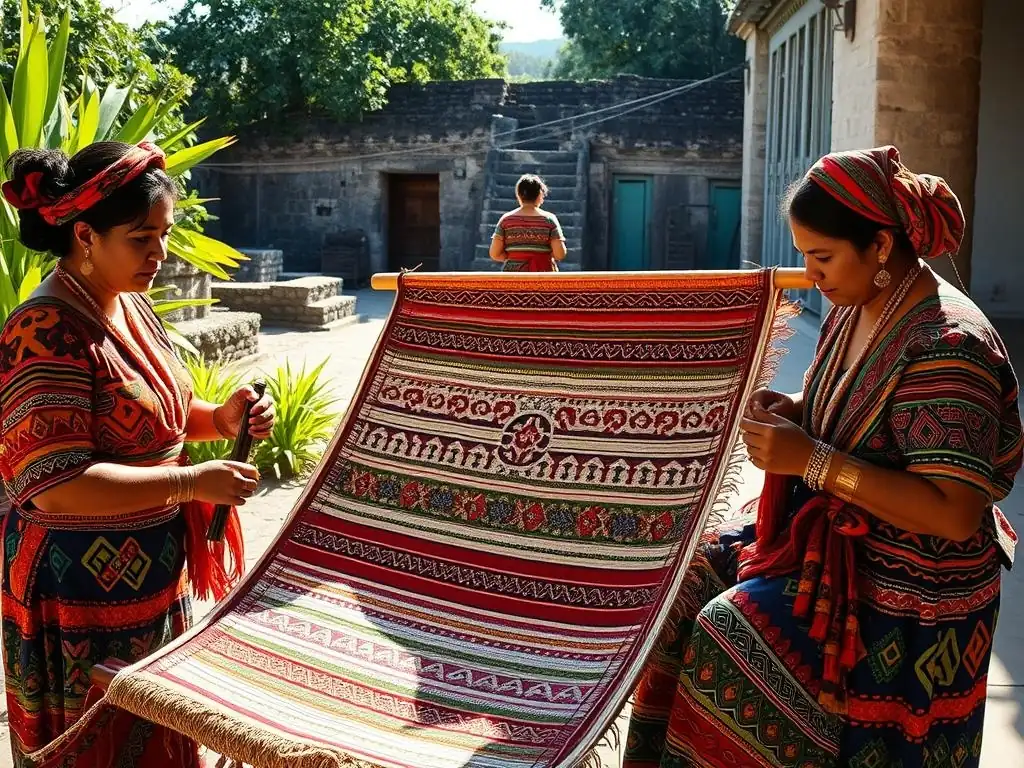
Welcome to Indigenous Civilizations of the Americas, where we invite you to embark on a fascinating journey through the rich tapestry of indigenous cultures that flourished long before European contact. In our featured article, “Women in Mayan Art: Exploring Gender Roles in Creation and Craftsmanship,” we delve into the pivotal roles that Mayan women played in the vibrant art history of their civilization. Discover how these remarkable women shaped artistic expression and contributed to the cultural legacy of the Mayans.
Prepare to be captivated by their stories and the profound impact they left on art and society. Let your curiosity guide you as you explore further!
Introduction to Mayan Women in Art History
The exploration of Mayan women in art history reveals a rich tapestry of contributions and cultural significance that has often been overlooked in mainstream narratives. Before European colonization, the Maya civilization flourished in Mesoamerica, showcasing sophisticated societal structures, advanced technologies, and a profound appreciation for art. In this context, women played pivotal roles not just as creators but also as custodians of cultural heritage and tradition. This article aims to delve into the gender roles within Mayan art, shedding light on how women's creativity and craftsmanship shaped the artistic landscape of their civilization.
Significance of Gender Roles in Mayan Art
In understanding Mayan art, one must recognize that gender roles were deeply embedded within the culture. The division of labor often assigned specific artistic tasks to women, which aligned with their societal roles as caretakers and community leaders.
- Artistic Expression: Women were instrumental in creating textiles, pottery, and intricate jewelry, often using techniques passed down through generations.
- Symbolic Importance: Many artworks featured themes of fertility, motherhood, and the divine feminine, highlighting women's roles in both the domestic sphere and spiritual life.
The recognition of these gender roles allows for a more nuanced understanding of Mayan art, where women's contributions are not merely supplementary, but rather foundational to the civilization's artistic heritage.
Overview of Women's Contributions to Mayan Craftsmanship
The craftsmanship of Mayan women is evident in various artistic forms, each reflecting their skills and cultural significance.
- Textiles: Women were skilled weavers, creating elaborate garments and ceremonial attire that expressed social status and identity.
- Pottery: Female artisans excelled in pottery, producing both functional and ceremonial vessels that were integral to daily life and rituals.
- Jewelry Making: The creation of intricate jewelry from jade, shell, and other materials showcased women's artistic prowess and economic contributions.
These contributions were not only vital for the sustenance of their communities but also served as expressions of cultural identity and continuity.
Historical Context of Mayan Women in Art
To fully appreciate the role of women in Mayan art, it is essential to consider the historical context of their society.
The Role of Women in Ancient Mayan Society
Women in ancient Mayan society held various roles, from domestic caretakers to influential community leaders. Their status could vary significantly depending on social class, with noblewomen often enjoying more privileges than commoners.
- Political Influence: Certain women wielded considerable power, even participating in political decisions and ceremonies.
- Religious Roles: Many women served as priestesses, playing key roles in religious rituals that were integral to Mayan life.
This multifaceted role of women illustrates their importance not only in the artistic realm but also in the broader societal structure.
Women as Artists and Creators in Mayan Culture
While much of the historical record has focused on male artists and leaders, it is crucial to recognize that women were also celebrated for their artistic talents.
- Artistic Recognition: Some women were acknowledged as master artisans and were often depicted in art, emphasizing their contributions to the creative landscape.
- Cultural Legacy: The works created by women have left an indelible mark on Mayan culture, influencing generations and preserving stories that resonate to this day.
The exploration of Mayan women in art history reveals a complex interplay of gender, artistry, and cultural identity. By recognizing and celebrating the contributions of women, we gain a deeper understanding of the Mayan civilization and its artistic legacy.
Artistic Mediums and Techniques
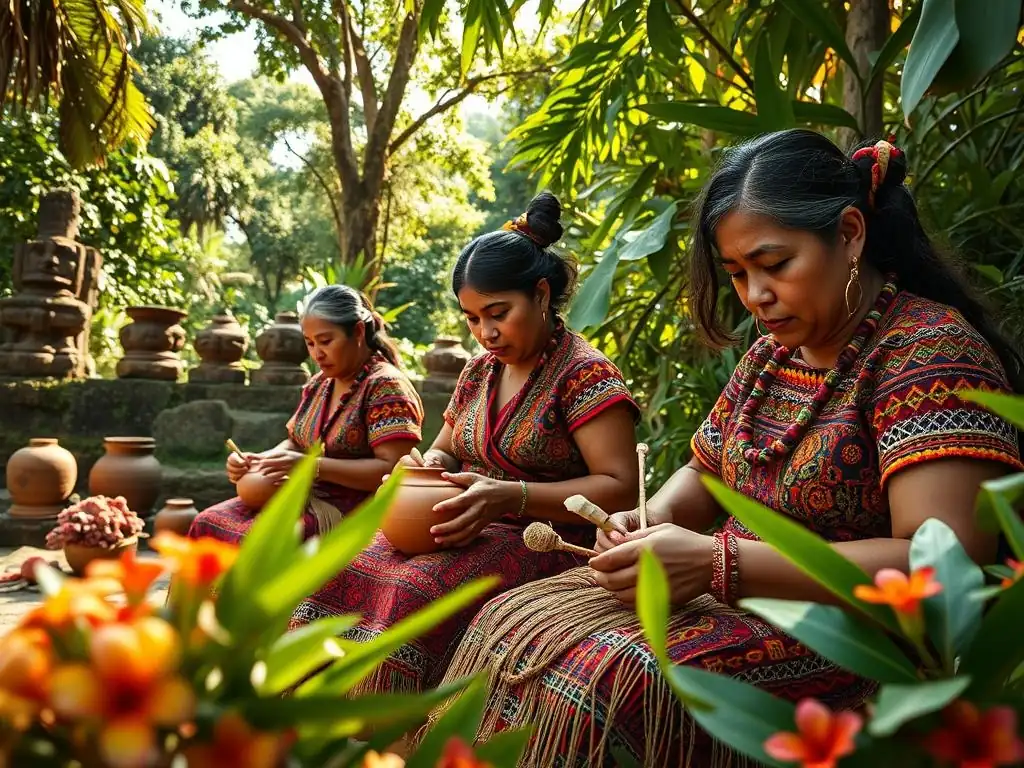
Mayan women played a significant role in the artistic traditions of their civilization, contributing to various mediums and techniques that defined Mayan art. Their craftsmanship was not only a reflection of their skills but also an embodiment of cultural narratives, gender roles, and community values. Women were often the primary creators of essential everyday objects, as well as ceremonial artifacts that held deep cultural significance. The mastery of these artistic mediums served both functional and aesthetic purposes, revealing the intricate connections between art, identity, and spirituality in Mayan society.
Pottery and Ceramics: Women's Craftsmanship in Mayan Art
Pottery and ceramics are among the most critical mediums in Mayan art, with women being the primary artisans responsible for their creation. From functional vessels to ceremonial effigies, these objects were often decorated with intricate designs and symbols that conveyed cultural stories and beliefs. Women utilized simple tools and techniques, such as coiling and molding, to shape the clay before firing it in open fires or rudimentary kilns.
The decorative elements on pottery included geometric patterns, animal motifs, and scenes depicting daily life, mythology, and rituals. These designs were not merely ornamental; they were rich in symbolism and conveyed the values and beliefs of Mayan society. For example, the use of specific colors could represent different elements of nature or deities, making each piece a significant cultural artifact. Women’s contributions to pottery were so essential that they were often seen as the keepers of tradition, passing down their skills and knowledge through generations.
Textile Production: Weaving and Embroidery by Mayan Women
Textile production was another area where Mayan women excelled, utilizing their skills in weaving and embroidery to create vibrant garments and ceremonial textiles. The process of weaving was deeply intertwined with the social fabric of Mayan communities, as it involved communal activities and served as a means of expressing identity.
Women employed backstrap looms to weave intricate patterns and designs, often incorporating symbolic motifs that held cultural significance. These textiles were not just functional; they also served as a canvas for storytelling, reflecting the narratives of Mayan mythology and the natural world. Additionally, embroidery added another layer of artistry, with women decorating garments and ceremonial cloths with colorful stitches that conveyed messages of status, spirituality, and community ties.
The artistry of Mayan textiles has been recognized worldwide, highlighting the importance of women’s craft in the preservation of cultural heritage. Each piece of textile art is a testament to the skills, creativity, and resilience of Mayan women, as they navigated their roles within a complex social structure.
Sculpture and Mural Painting: Female Contributions in Artistic Expression
While pottery and textiles are widely recognized, women also made significant contributions to sculpture and mural painting in the Mayan civilization. Although often overshadowed by male artists, evidence suggests that women participated in the creation of both public and private artworks, including sculptures of deities and murals depicting significant events and rituals.
In public spaces, women likely collaborated with their male counterparts in creating murals that adorned temples and palaces, reflecting both religious themes and the power dynamics of their society. Through these artistic endeavors, women were able to express their identities and influence the cultural landscape of their communities.
Additionally, female figures in Mayan sculpture often served as representations of fertility, motherhood, and divine femininity. These depictions highlight the reverence for women and their roles in the continuity of life within Mayan culture. The artistic contributions of women in these media reveal a complex interplay of gender roles, creativity, and spirituality that characterized Mayan art.
Themes and Symbols in Mayan Art Created by Women
The themes and symbols found in Mayan art created by women offer a rich tapestry of cultural narratives and gender perspectives. Women’s artworks often explored themes of femininity, spirituality, and the natural world, serving as reflections of their experiences and beliefs. The symbolic language embedded in their creations provides valuable insights into how gender roles were understood and expressed within Mayan society.
Representation of Femininity in Mayan Art
In Mayan art, femininity is often represented through various symbols and themes that celebrate women’s roles as nurturers, creators, and spiritual beings. Female figures frequently appear in pottery, sculpture, and murals, embodying qualities associated with fertility, life, and the earth.
These representations are not only significant in their artistic form but also serve to reinforce women's integral roles in society. For instance, depictions of goddesses and female ancestors in Mayan art illustrate the reverence for feminine power and the connection between women and the divine. Such representations reflect the cultural understanding of women as vital contributors to both the physical and spiritual realms of life.
Spiritual and Mythological Themes in Women's Artwork
Mayan women's artwork also delves into spiritual and mythological themes, drawing from a rich tapestry of beliefs that informed their daily lives. Many artworks feature motifs and symbols that relate to deities, nature, and the cycles of life, all of which were central to Mayan cosmology.
Women often integrated these themes into their pottery, textiles, and murals, creating pieces that served not only aesthetic purposes but also ritualistic ones. For example, the use of specific symbols related to maize, water, and the moon in their artwork signifies the importance of these elements in Mayan mythology and agriculture.
Through their creations, women conveyed stories of creation, transformation, and the interconnectedness of life, emphasizing their roles as custodians of cultural knowledge and spiritual wisdom. The exploration of these themes highlights the depth and richness of women's contributions to Mayan art, illustrating how their voices and experiences shaped the artistic narrative of their civilization.
Case Studies of Notable Mayan Women Artists
The contributions of women in Mayan art history are profound and multifaceted, often reflecting the intricate interplay between gender roles and artistic expression. Various notable figures have emerged, each showcasing the significant impact of women on the cultural and artistic landscape of the Maya civilization. These case studies not only highlight individual achievements but also shed light on the broader societal context in which these women operated.
Lady Xook: Contributions and Impact
Lady Xook, a prominent figure from the 7th century, is perhaps one of the most celebrated women in Mayan history. She was the wife of the ruler of Yaxchilan and is frequently depicted in the intricate art of her time. Her contributions to Mayan art are particularly noteworthy because they provided insight into the spiritual and political dimensions of female power within the Maya society.
In various stelae and carvings, Lady Xook is shown engaging in rituals, often participating in bloodletting ceremonies, which were believed to connect the earthly realm to the divine. These artistic representations serve to underscore her role as a mediator between the gods and her people. Furthermore, her representation in art not only immortalized her status but also highlighted the integral role of women in religious and ceremonial practices.
Lady Xook's impact extends beyond her lifetime, as she has become a symbol of the artistic and spiritual contributions of women in Mayan society. Her legacy is a testament to the ability of women to influence art and culture, challenging the traditional narratives that often overlook their contributions.
The Ixil Women: Legacy in Mayan Art History
The Ixil women, particularly those from the highland regions of Guatemala, have played a vital role in the preservation and continuation of Mayan artistic traditions. Known for their textile artistry, these women have maintained techniques that have been passed down through generations, illustrating the importance of women's roles in cultural preservation.
The Ixil women’s weaving not only serves a practical purpose but also functions as a powerful medium of expression, often imbued with symbolic meanings that reflect their identity and community values. The vibrant colors and intricate patterns found in Ixil textiles tell stories of their heritage, beliefs, and social status, making their artistry a living history.
In contemporary discussions of Mayan art history, the Ixil women's contributions are increasingly recognized for their cultural significance. Their work not only preserves ancient techniques but also adapts to modern contexts, ensuring that the legacy of Mayan artistic expression continues to thrive.
Challenges Faced by Mayan Women Artists
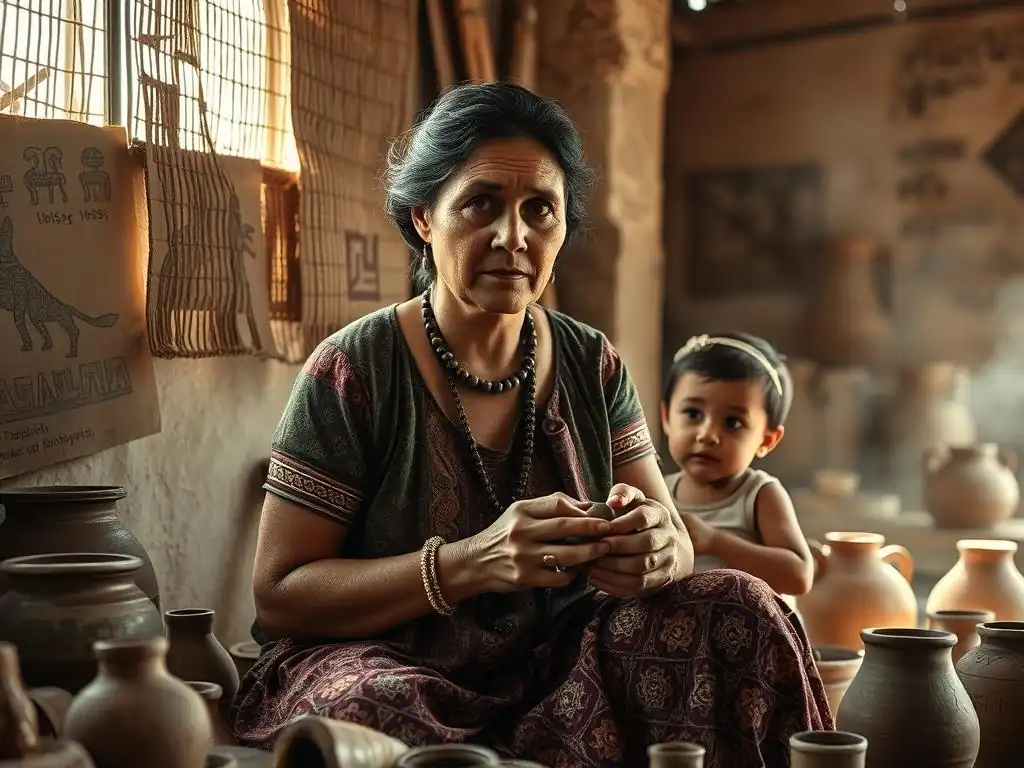
While the contributions of Mayan women to art and culture are significant, they have often faced substantial challenges that have affected their recognition and preservation of their work. The societal structures and cultural expectations of their time presented barriers that limited the visibility of women in art.
Societal Expectations and Gender Norms
Mayan society was structured around specific gender roles, often relegating women to domestic spheres, which impacted their opportunities for artistic expression. The traditional view of women as caretakers and homemakers often overshadowed their potential as creators. Despite this, many women found ways to engage in artistic practices, often within the confines of their household or community settings.
The societal expectations of women as caregivers also meant that their artistic contributions were frequently viewed as secondary to those of their male counterparts. This dynamic not only affected the recognition of their work but also influenced the types of art women were encouraged to create, often focusing on functional items rather than monumental works that would secure historical legacy.
Preservation of Women's Artistic Heritage
The preservation of women's contributions to Mayan art history has faced obstacles, primarily due to historical documentation practices that favored male artists. Many artworks created by women were often unnamed or attributed to male relatives, leading to a significant loss of their identities within the artistic narrative.
Efforts to reclaim this heritage are essential for recognizing the full scope of Mayan art history. Initiatives aimed at documenting and promoting the work of women artists, both past and present, are crucial for ensuring that their contributions are acknowledged and celebrated. By highlighting the artistic achievements of women, we can foster a more inclusive understanding of Mayan culture and its rich artistic traditions, ultimately enriching the broader discourse on gender roles in art history.
The Influence of Mayan Women on Contemporary Indigenous Art
The legacy of Mayan women in art is not confined to the past; it continues to resonate within contemporary indigenous art movements. Many modern indigenous artists draw inspiration from the rich tapestry of Mayan culture, including the significant contributions of women in various artistic fields. This influence is evident in various mediums such as textiles, pottery, and mural painting, where traditional themes and techniques are reinterpreted to address contemporary issues.
Mayan women have historically held roles as artisans, weaving intricate textiles and creating pottery that reflects their cultural identity and cosmology. Today, many contemporary artists seek to revive these traditional forms while incorporating modern narratives that address social justice, identity, and environmental concerns. This blending of old and new not only honors the skills passed down through generations but also empowers women by giving them a platform to express their voices and experiences.
Reviving Traditional Techniques and Styles
Contemporary indigenous artists are increasingly committed to reviving traditional Mayan techniques and styles, often as a form of resistance against cultural erasure. By utilizing ancestral knowledge in their art, these women not only preserve their heritage but also adapt it to modern contexts. For example, many artists are reintroducing ancient weaving methods, using natural dyes and traditional patterns that tell stories of their ancestors.
This revival is often collaborative, with women coming together to share techniques and promote their work at local and international levels. Art collectives and cooperatives have emerged, where women can learn from one another and strengthen their community ties. Exhibitions showcasing these works highlight the profound connection between the past and the present, shedding light on the ongoing relevance of Mayan culture.
Modern Perspectives on Gender in Indigenous Art
The discussion surrounding gender roles in indigenous art has evolved significantly in recent years. Scholars and artists alike are re-examining the historical narratives that have often marginalized the contributions of women. Modern perspectives emphasize the importance of recognizing women's roles not just as subjects in art but as creators and innovators.
Contemporary discourse encourages a more inclusive understanding of gender in the context of indigenous art. This shift is evident in the increasing visibility of women artists in galleries and exhibitions, challenging the traditional male-dominated narratives that have historically shaped the art world. The exploration of gender dynamics within Mayan art not only enriches our understanding of the past but also fosters a more equitable future for all artists.
Conclusion: The Lasting Legacy of Mayan Women in Art History
The impact of Mayan women on art history is profound and enduring. Their contributions have laid the groundwork for future generations of artists and have shaped the cultural landscape of the Americas. The skills, stories, and traditions passed down through women's artistry have become a vital part of cultural identity and heritage.
Recognizing and celebrating the role of women in Mayan art is essential to understanding the full scope of indigenous civilizations. As contemporary artists continue to draw from these historical influences, they keep alive the narratives and techniques that define Mayan creativity.
Reflection on Gender Roles in Mayan Art and Its Impact Today
Reflecting on the gender roles within Mayan art reveals a complex interplay of power, identity, and cultural expression. Historically, women's contributions have often been overlooked, yet their influence on artistic practices has been significant. Today, this reflection encourages a deeper appreciation for the diverse roles women played in shaping Mayan art and culture.
As modern audiences engage with Mayan art, it becomes increasingly important to question and redefine traditional narratives. Understanding the significance of women's artistry not only honors their legacy but also promotes a more nuanced view of history that acknowledges the importance of all voices.
Future Directions for Research on Mayan Women in Art History
Future research on Mayan women in art history holds great potential for uncovering untold stories and contributions. Scholars are encouraged to explore various avenues, such as examining the roles of women in specific artistic practices, investigating regional differences, and analyzing the socio-political contexts that influenced their work.
Additionally, interdisciplinary approaches that incorporate anthropology, history, and feminist studies can provide richer insights into the complexities of gender in Mayan art. By fostering collaborations between contemporary artists and researchers, the understanding of Mayan women's contributions to art can continue to evolve and inspire future generations.
- Introduction to Mayan Women in Art History
- Significance of Gender Roles in Mayan Art
- Overview of Women's Contributions to Mayan Craftsmanship
- Historical Context of Mayan Women in Art
- Artistic Mediums and Techniques
- Themes and Symbols in Mayan Art Created by Women
- Case Studies of Notable Mayan Women Artists
- Challenges Faced by Mayan Women Artists
- The Influence of Mayan Women on Contemporary Indigenous Art
- Conclusion: The Lasting Legacy of Mayan Women in Art History
Frequently Asked Questions
What role did women play in Mayan art?
Women were integral to the creation of art in Mayan society, often involved in craftsmanship and the production of pottery, textiles, and other artistic expressions.
How did Mayan women influence artistic traditions?
Mayan women contributed to artistic traditions by preserving techniques and styles, ensuring their cultural significance was maintained across generations.
Are there notable works of art created by Mayan women?
Yes, many notable works exist, including intricate textiles and pottery, showcasing the skills and creativity of Mayan women in their communities.
How did gender roles affect women's participation in art?
Gender roles in Mayan society often dictated the types of art women could create, emphasizing their roles in domestic and communal life while also allowing for creative expression within those confines.
What is the lasting impact of Mayan women's contributions to art?
The contributions of Mayan women have had a lasting impact on both the cultural heritage of the Maya and the broader understanding of gender roles in art history, influencing contemporary perspectives.
Final Reflection: The Enduring Legacy of Mayan Women in Art History
The exploration of Mayan women in art history reveals a profound connection between gender roles and cultural expression that remains relevant today. As we delve into the narratives of these remarkable women, we uncover not only their contributions to art and craftsmanship but also the societal structures that shaped their experiences. This understanding challenges us to recognize the vital role women have played in the preservation and evolution of Mayan culture, reminding us that their voices and talents deserve to be celebrated and acknowledged in the broader tapestry of art history.
Mayan women have historically been at the forefront of artistic innovation, yet their stories often remain untold or overshadowed. The impact of their work transcends generations, influencing contemporary discussions around gender, creativity, and cultural heritage. As we reflect on their legacy, we are reminded of the words of Maya Angelou: I am my best work—a series of road maps, reports, recipes, doodles, and prayers.
This sentiment resonates deeply with the journeys of Mayan women artists, whose creations serve as powerful roadmaps of identity, resilience, and cultural pride.
As we conclude this exploration, I invite you to reflect on the lessons from the lives and artistry of Mayan women. Consider how their stories can inspire your own creative endeavors and challenge the narratives around gender and artistry in your community. By honoring their contributions and advocating for greater recognition of women in art history, we can ensure that their legacies continue to inspire future generations. Let us carry forward the spirit of these remarkable women, embracing the richness of their experiences as we forge our own paths in the world of art and beyond.
Unleash Your Creativity: Discover the Legacy of Women in Mayan Art!
Thank you for diving into the rich world of Mayan artistry with us! By exploring the gender roles in creation and craftsmanship, you’ve uncovered the significant contributions of women that shaped this vibrant culture. Now, let's take the next step together!
- Create your own Mayan-inspired artwork: Gather some art supplies and start crafting a piece that reflects the techniques and styles discussed in the article.
- Share your experience on social media: Tag us and use #MayanWomenArt to showcase your creations and inspire others to learn about the vital roles of women in indigenous art.
- Join a local art class or workshop: Seek out a community group that focuses on Mayan art to connect with fellow creators who share your passion!
What unique perspectives do you believe women contributed to Mayan art that continue to influence modern artistic expression?