
Rituals and Religion: Moche Origins and Their Societal Impact

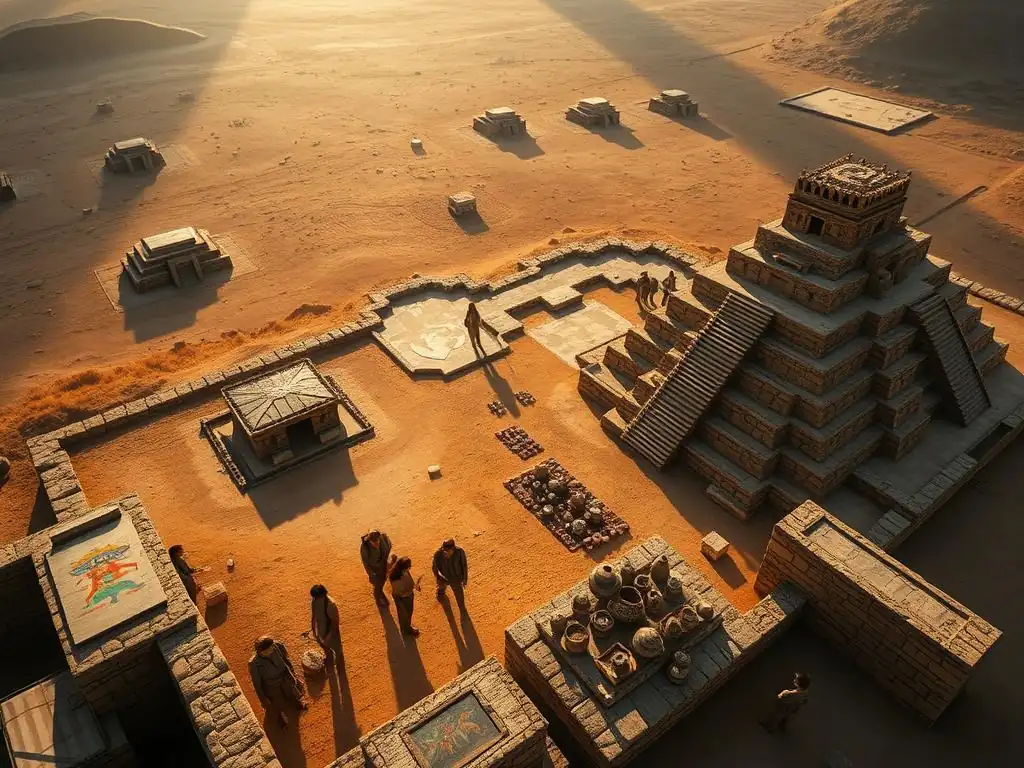
Welcome to Indigenous Civilizations of the Americas, where we invite you to journey through the rich tapestry of indigenous cultures that flourished long before European contact. Today, we delve into the captivating world of the Moche civilization, exploring their intricate rituals and profound societal impact. What secrets do their ancient practices hold, and how did they shape their communities? Prepare to be intrigued as we uncover the layers of tradition and innovation that defined the Moche people, and discover the enduring legacy they left behind.
- Introduction to Moche Civilization
- Moche Rituals: An In-Depth Exploration
- Societal Impact of Moche Rituals
- Case Studies of Moche Ritual Practices
- Archaeological Evidence of Moche Rituals
- Conclusion: Lasting Legacy of Moche Rituals and Their Societal Impact
-
Frequently Asked Questions
- What are the main Moche rituals highlighted in the article?
- How did Moche society influence their rituals?
- What is the significance of the Moche in the context of indigenous cultures in the Americas?
- How did Moche rituals impact their community structure?
- What lasting impact did the Moche civilization have on future cultures?
- Final Reflection: The Enduring Legacy of Moche Rituals and Their Societal Impact
- Unveil the Mysteries of Moche Society!
Introduction to Moche Civilization
The Moche civilization, known for its remarkable achievements in agriculture, architecture, and artistry, thrived on the northern coast of Peru from approximately 100 AD to 800 AD. This ancient civilization is particularly notable for its intricate rituals and belief systems that played a pivotal role in shaping Moche society and its cultural landscape. Understanding the Moche rituals and societal impact provides essential insights into how these indigenous people organized their communities, expressed their spirituality, and interacted with their environment.
Through an exploration of the Moche's complex social structures, vibrant ceremonial practices, and unique artistic expressions, we can uncover the underlying values and beliefs that defined their way of life. This article will delve into the origins of Moche rituals and examine their profound effects on the civilization's societal framework, offering a comprehensive view of how the Moche navigated their world and left an enduring legacy in the Americas.
Overview of Moche Culture and Society
The Moche civilization was characterized by its sophisticated society and rich cultural heritage. They established a highly organized community that revolved around agriculture, with a robust system of irrigation that allowed for the cultivation of crops such as maize, beans, and cotton. The social structure was hierarchical, with elites, artisans, and farmers occupying distinct roles within society.
Key aspects of Moche culture include:
- Artistry: The Moche are renowned for their exquisite pottery, metalwork, and textiles. Their artistic expressions often depicted religious themes and daily life, showcasing their advanced skills and creativity.
- Architecture: The construction of monumental adobe pyramids and temples, such as Huaca del Sol and Huaca de la Luna, illustrates the Moche’s architectural prowess and their dedication to religious practices.
- Economy: A complex economy based on agriculture, trade, and craft production supported Moche society. The Moche engaged in long-distance trade, exchanging goods with neighboring cultures.
The interplay of these elements created a dynamic and vibrant civilization that left a lasting imprint on the history of the Americas.
Importance of Rituals in Moche Life
Rituals were central to Moche life, serving as a means of connecting the community with their deities, ancestors, and the natural world. These ceremonies were often elaborate and involved various elements, such as:
- Religious Offerings: Moche rituals frequently included sacrifices, both human and animal, as a form of offering to appease their gods and ensure agricultural fertility.
- Ceremonial Festivals: Specific times of the year were marked by festivals that celebrated agricultural cycles, the changing seasons, and important deities. These gatherings fostered community cohesion and strengthened social bonds.
- Artistic Expressions: Rituals were not only spiritual practices but also opportunities for artistic expression. The Moche created ceremonial pottery and textiles that depicted mythological scenes and were used in various rituals.
The societal impact of these rituals was profound. They reinforced social hierarchies, promoted cultural identity, and provided a framework for understanding the world. The Moche rituals and their societal impact continue to be a subject of study, revealing the complexities of this ancient civilization and its place within the broader narrative of indigenous cultures in the Americas.
Moche Rituals: An In-Depth Exploration
Types of Moche Rituals
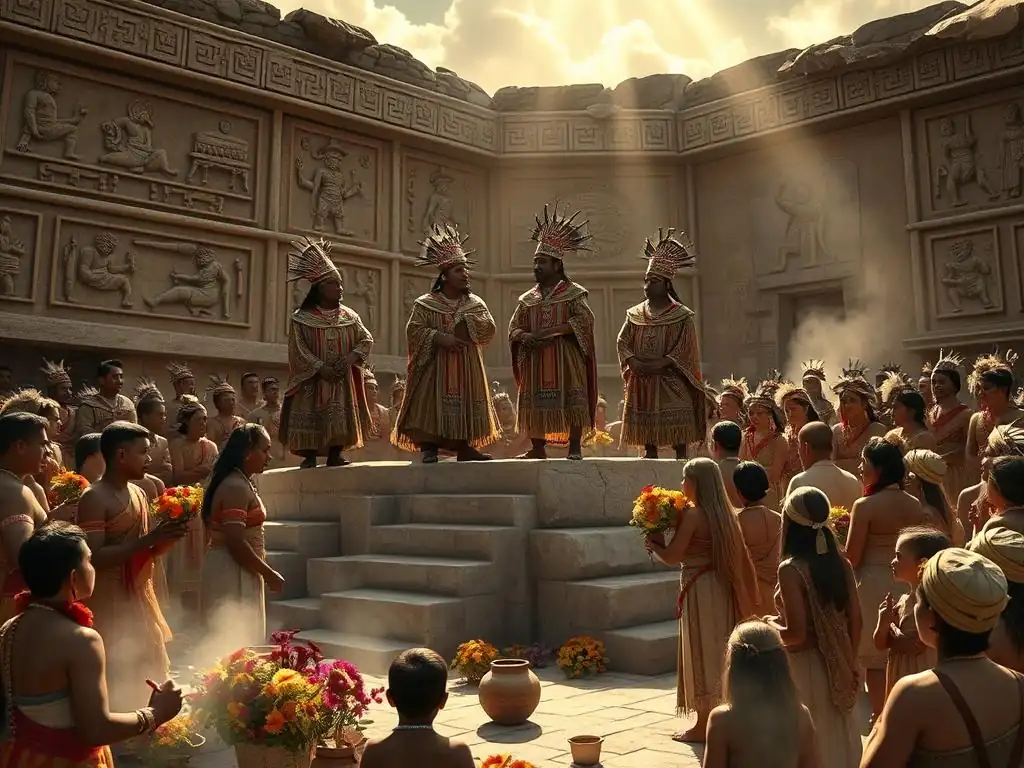
The Moche civilization, flourishing along the northern coast of Peru from approximately 100 to 800 AD, engaged in a variety of rituals that were deeply intertwined with their social, agricultural, and religious lives. These rituals served not only to communicate with the divine but also to reinforce societal structures and community bonds.
Religious Ceremonies and Offerings
Religious ceremonies were central to Moche culture, reflecting their spiritual beliefs and reverence for the natural world. The Moche performed elaborate rituals dedicated to various deities, often involving offerings that included:
- Food and Drink: The Moche offered maize beer (chicha) and other foods, symbolizing gratitude and supplication to their gods.
- Sacrificial Practices: Human and animal sacrifices were conducted during significant ceremonies, believed to appease the gods and ensure agricultural fertility and prosperity.
- Burial Rituals: The elaborate tombs of elite Moche individuals, such as the Lord of Sipán, demonstrate the significance of death rituals in Moche society. These tombs often contained offerings meant to accompany the deceased in the afterlife.
Rites of Passage and Community Events
Rites of passage were vital for marking significant transitions in individual and community life. The Moche celebrated various life events such as birth, coming of age, marriage, and death through communal rituals, which fostered social cohesion. Examples include:
- Coming-of-Age Ceremonies: These rituals often involved tests of strength and endurance that signified a young individual's transition into adulthood, thus reinforcing gender roles and societal expectations.
- Harvest Festivals: Celebrations marking the success of agricultural cycles included dance, music, and rituals to honor deities, facilitating community bonding and cultural expression.
The Role of Rituals in Moche Religion
Moche rituals were not merely ceremonial; they played a crucial role in the broader context of Moche religion, serving to connect the earthly realm with the spiritual.
Deities and Spiritual Beliefs
The Moche pantheon included numerous deities associated with natural elements, agriculture, and fertility. Key figures included:
- Ai Apaec: The principal deity often depicted as a decapitator, associated with warfare, agriculture, and the cycle of life and death.
- The Moon and Stars: Celestial bodies were revered, believed to influence agricultural cycles and daily life, enhancing the Moche's connection to the cosmos.
Understanding these deities allowed the Moche to navigate their environment and societal challenges, emphasizing the importance of ritual in expressing devotion and seeking favor.
Symbolism in Moche Rituals
Symbolism permeated Moche rituals, encapsulating complex beliefs and cultural narratives. Key symbols included:
- Iconography: Elaborate pottery and textiles often depicted religious motifs and stories, serving as visual representations of their beliefs and rituals.
- Colors and Materials: Specific colors and materials used in rituals held distinct meanings, with gold and silver representing the sun and moon, respectively, encapsulating the duality of life and death.
These symbols not only conveyed spiritual beliefs but also reinforced social identities and community values, illustrating the profound societal impact of Moche rituals.
The intricate tapestry of Moche rituals reveals the civilization's deep connection to their beliefs, highlighting how these practices shaped their society and left a lasting impact on their cultural legacy. Understanding these aspects is essential to appreciating the complexities of Moche civilization and its contributions to the broader narrative of indigenous cultures in the Americas.
Societal Impact of Moche Rituals
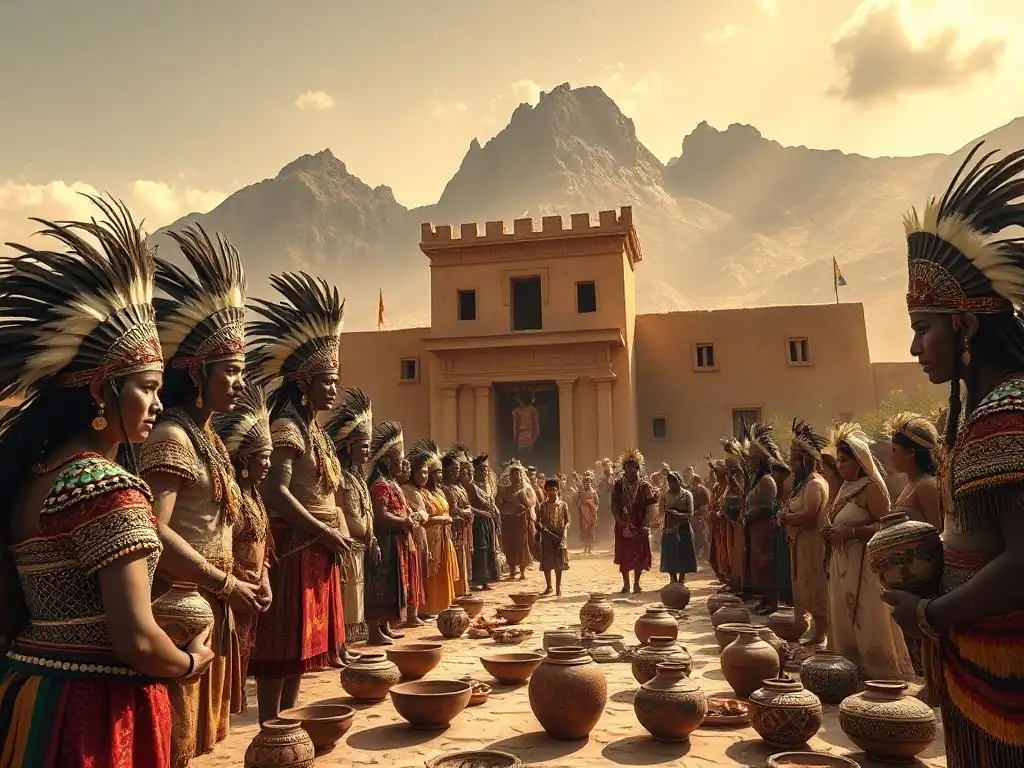
The Moche civilization, which flourished in northern Peru from approximately 100 AD to 800 AD, had a deeply embedded system of rituals that significantly influenced their societal structure. These rituals were not only spiritual practices but also essential in reinforcing the hierarchical organization of the Moche society.
Hierarchical Organization and Leadership
At the core of Moche society was a complex hierarchical structure, often depicted through their rich iconography and archaeological findings. The elite class, including the priests and the ruling elite, wielded considerable power, largely derived from their roles in religious ceremonies. Moche rulers, often referred to as "Curacas," were seen as intermediaries between the gods and the people, legitimizing their authority through ritualistic practices.
- Ceremonial Leadership: The leadership was often manifested in ceremonial practices that included offerings and sacrifices, believed to appease deities and ensure agricultural fertility.
- Ritual Embodiment of Power: These ceremonies served to solidify the rulers' status, as participation in elaborate rituals was exclusive to the elite, marking a clear distinction between social classes.
This religious stratification reinforced the power dynamics within Moche society, where the elite maintained control over resources and decision-making processes, further embedding their authority through the performance of rituals.
Community Cohesion through Rituals
Rituals played a vital role in fostering a sense of unity and identity among the Moche people. Through communal participation in these ceremonies, social bonds were strengthened, leading to a robust communal identity.
- Cultural Identity: Shared rituals, such as those celebrating agricultural cycles or honoring the dead, were central to Moche cultural identity. They provided a platform for communal storytelling and collective memory.
- Social Responsibilities: Ritual participation also created a sense of responsibility among community members, as everyone had a role to play, whether in crafting ritual objects, preparing offerings, or participating in the ceremonies themselves.
Thus, Moche rituals were instrumental in maintaining social order and cohesion, ensuring that the community remained interconnected through shared beliefs and practices.
Economic Impact of Rituals
The economic implications of Moche rituals were profound, affecting resource management and trade within the civilization. The dedication of resources to ceremonial practices not only reflected the society's values but also shaped its economic landscape.
Resource Allocation for Ceremonies
Moche rituals required significant resource allocation, including labor, materials, and food. This dedication of resources had several economic implications:
- Agricultural Surpluses: The need for food and offerings during rituals drove agricultural production, leading to the cultivation of surplus crops. This surplus was often redistributed within the community, enhancing social ties.
- Craftsmanship: The creation of ritualistic artifacts, from pottery to elaborate textiles, stimulated local craftsmanship. Artisans were often commissioned to produce items specifically for rituals, fostering skilled labor and local economies.
The commitment to rituals thus facilitated economic activity, allowing for the specialization of labor and the growth of various artisanship that contributed to Moche society's overall prosperity.
Trade and the Flow of Goods in Ritual Contexts
Moche rituals also had significant implications for trade networks, influencing the flow of goods both within and outside their civilization.
- Ceremonial Exchange: Rituals often involved the exchange of goods as offerings, which established a system of reciprocity among different communities. This practice fostered trade relationships, as neighboring groups would participate in Moche rituals, bringing their own goods to trade.
- Trade Routes: The importance of ceremonial practices encouraged the establishment and maintenance of trade routes, allowing for the exchange of materials such as precious metals, textiles, and foodstuffs. This network was vital not only for economic sustenance but also for cultural exchange.
Moche rituals were intricately linked to the civilization's economic framework, influencing both the allocation of resources and the development of trade networks. Through these practices, the Moche established a dynamic economy that supported their societal structures and cultural identity.
Case Studies of Moche Ritual Practices
Specific Rituals and Their Societal Significance
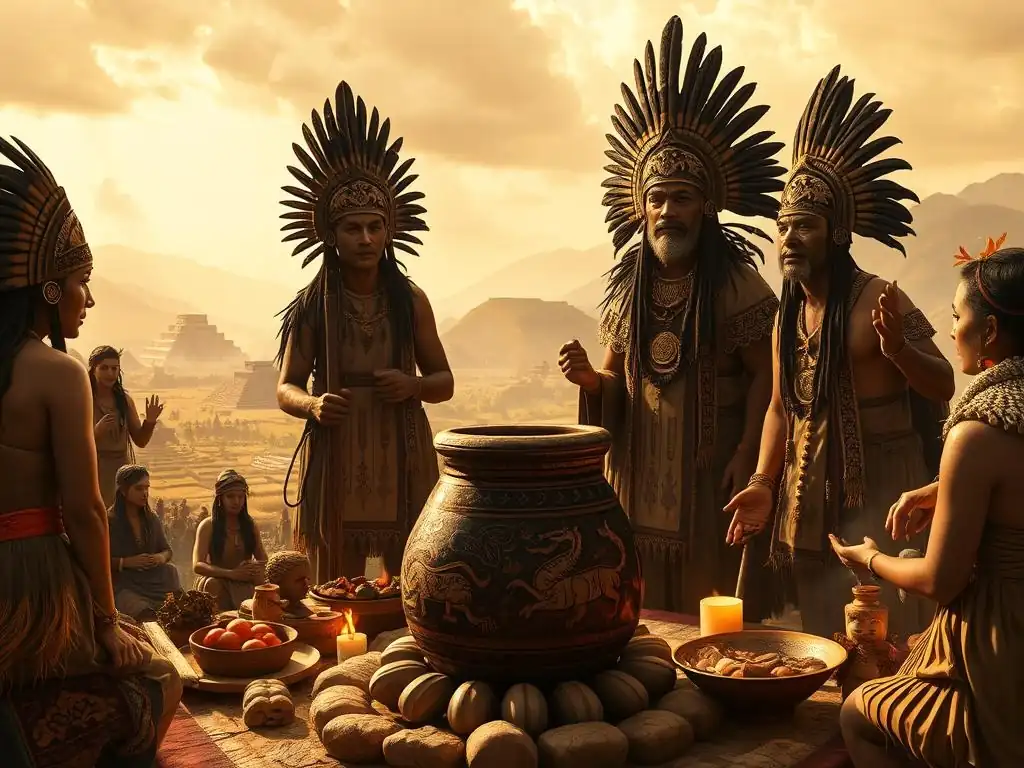
The Moche civilization, which thrived on the northern coast of Peru from approximately 100 to 800 CE, is renowned for its intricate rituals that reflected their values, beliefs, and societal structures. These rituals played a pivotal role in reinforcing social hierarchies, religious devotion, and community cohesion. Below, we delve into specific rituals and their profound societal significance.
Sacrificial Ceremonies at Huaca de la Luna
The Huaca de la Luna is one of the most significant archaeological sites related to Moche rituals, particularly known for its sacrificial ceremonies. These rituals often involved the offering of human lives, which were believed to appease deities and ensure agricultural fertility.
- Purpose and Beliefs: The Moche believed that such sacrifices were crucial for maintaining cosmic order and securing favor from their gods, particularly during times of drought or social unrest. They associated these rituals with essential agricultural cycles, underpinning the Moche economy.
- Ritual Process: The sacrificial ceremonies typically involved the selection of prisoners taken during warfare. These individuals were often adorned with ceremonial attire, signifying their elevated status as offerings to the gods. The process was elaborate, involving music, dance, and the presence of high-ranking priests who led the rituals.
- Archaeological Evidence: Excavations at Huaca de la Luna have revealed numerous remains, including skeletal evidence of sacrificial victims. Analysis of these remains indicates that the rituals were not only brutal but also highly organized, reflecting a society deeply invested in its religious practices.
The impact of these sacrificial ceremonies extended beyond the immediate act; they served to reinforce the power of the elite, who orchestrated these events, thereby solidifying their status within Moche society.
Community Participation in the Rituals of Ancestors
Community participation was a fundamental aspect of Moche rituals, particularly those honoring ancestors. These rituals fostered a sense of belonging and collective identity among the Moche people.
- Ancestral Veneration: Rituals often involved the veneration of ancestors, believed to possess the ability to influence the living. The Moche conducted ceremonies to honor these ancestors, which included offerings of food, textiles, and pottery.
- Role of the Community: Community members actively participated in these rituals, which served as a platform for social cohesion. Everyone, from children to elders, had designated roles, whether in the preparation of offerings or in the execution of dances and chants. This collective involvement reinforced social bonds and shared cultural identity.
- Celebration of Agricultural Cycles: Key rituals coincided with agricultural cycles, such as planting and harvesting seasons. These events involved communal feasting, music, and dance, fostering unity and cooperation among different social classes.
Through these rituals, the Moche not only honored their ancestors but also reinforced their societal structure, ensuring that communal ties remained strong and that the cultural legacy was passed down through generations.
The Moche rituals, particularly those involving sacrificial ceremonies and community participation, played a crucial role in shaping their societal impact. These practices were not merely religious expressions; they were vital components of Moche identity and social organization, reflecting their complex relationship with the divine and the community.
Archaeological Evidence of Moche Rituals
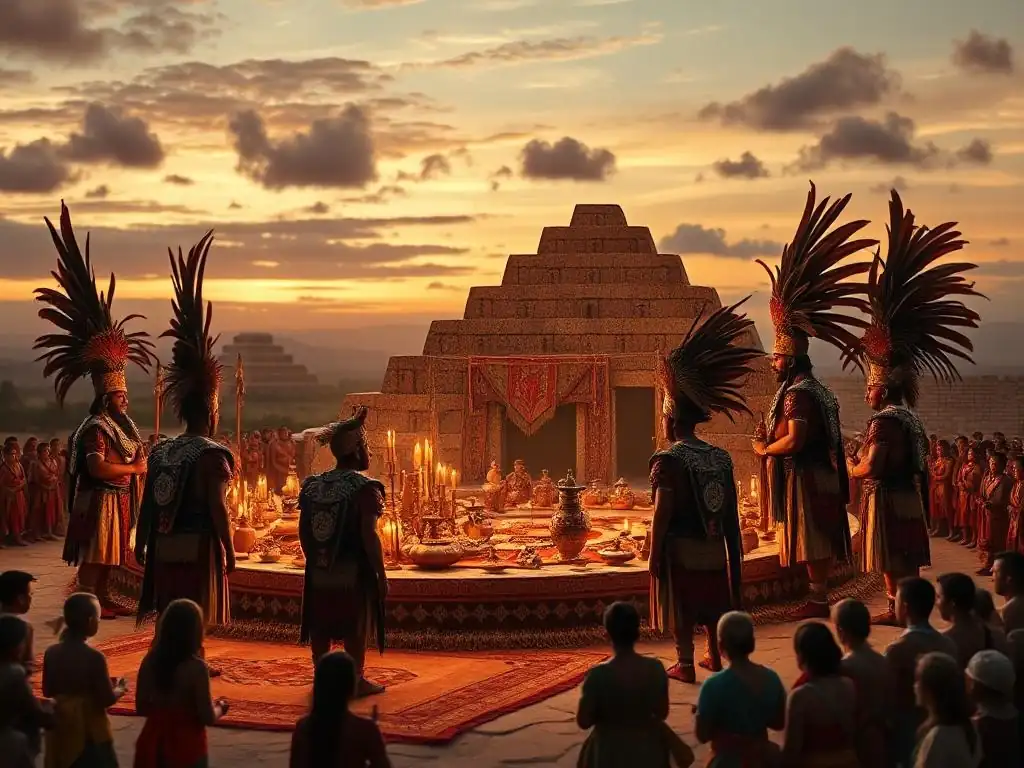
The Moche civilization, flourishing in northern Peru from approximately 100 to 800 CE, left behind a rich tapestry of archaeological evidence that provides insight into their rituals and societal impact. This evidence encompasses monumental architecture, intricate ceramics, and burial practices, each revealing the complexities of Moche spirituality and social structure.
Key Findings and Their Implications
Archaeological excavations have uncovered various sites that highlight the Moche's ritualistic practices. These findings suggest not only the spiritual beliefs of the Moche but also their societal organization and interactions within their environment.
- Monumental Architecture: The construction of large ceremonial centers, such as huacas (pyramids), indicates the importance of communal rituals. These structures served as focal points for religious activities and social gatherings, reinforcing the hierarchical nature of Moche society.
- Burial Practices: The discovery of elaborate tombs, particularly those of elite individuals, points to a belief in an afterlife and the significance of status in Moche culture. Grave goods, including ceramics and gold artifacts, reflect the beliefs surrounding death and the afterlife, suggesting that rituals played a crucial role in maintaining social stratification.
- Ceramic Analysis: The Moche are renowned for their ceramics, which often depict scenes of rituals, deities, and daily life. Analysis of these artifacts reveals not only artistic expression but also religious symbolism and the values of Moche society.
Huaca del Sol and its Ritual Significance
Overview
Huaca del Sol, one of the largest adobe structures in the Americas, serves as a prime example of Moche architectural and ritual significance. This monumental site, constructed in multiple phases, was primarily used for ceremonial purposes.
Ritual Activities
The site was likely a center for various rituals, including offerings to deities and ancestor worship. Excavations have revealed remains of animal sacrifices and ceremonial feasts, illustrating the Moche's deep connection to their religious practices. The scale of Huaca del Sol indicates its role in unifying the community, as it drew participants from various regions for communal rituals, reinforcing social ties and shared beliefs.
Iconography on Ceramics and Its Interpretations
The Moche civilization is particularly noted for its sophisticated ceramic artistry, which often includes elaborate iconography that provides insights into their rituals and religious beliefs.
- Symbolic Imagery: Moche ceramics frequently depict supernatural beings, mythological scenes, and ritual activities. These images serve as a narrative tool, illustrating the Moche worldview and their interactions with the divine.
- Portrait Vessels: One of the most striking forms of Moche ceramics is the portrait vessel, which represents human figures with intricate facial features. These vessels are believed to play a role in ancestor veneration, suggesting that the Moche honored their forebears through ritualistic practices involving these artifacts.
- Ceremonial Context: The context in which ceramics were found—often in graves or ritual deposits—indicates their significance in Moche ceremonies. The presence of specific motifs or symbols can shed light on the cultural importance of certain objects within the Moche religious framework.
The archaeological evidence of Moche rituals, from monumental architecture to intricate ceramics, reveals a complex society deeply intertwined with its spiritual beliefs. Understanding these elements offers valuable insights into the societal impact of Moche rituals and their enduring legacy in the history of indigenous civilizations of the Americas.
Conclusion: Lasting Legacy of Moche Rituals and Their Societal Impact
The Moche civilization, thriving on the northern coast of Peru from approximately 100 to 800 AD, left an indelible mark on the cultural landscape of the Americas through their intricate rituals and profound social structures. These rituals were not merely ceremonial acts; they were woven into the very fabric of Moche society, influencing their politics, economy, and community life. Their legacy continues to resonate, providing insights into the complexity of indigenous cultures.
Reflection on Moche Contributions to Indigenous Cultures
The Moche civilization is often celebrated for its remarkable achievements in art, architecture, and agriculture. However, their contributions extend beyond tangible artifacts; their rituals played a crucial role in shaping societal norms and values. Moche rituals, such as the ceremonial sacrifices and elaborate burial practices, served to reinforce social hierarchies and community cohesion.
- Social Stratification: The Moche society was hierarchically structured, and their rituals often reflected this. The elite class engaged in exclusive ceremonies, thereby reinforcing their status. This stratification was evident in the grandiose tombs of elite individuals, which were richly adorned and contained offerings that underscored their power and significance.
- Integration of Religion and Daily Life: Moche rituals were deeply intertwined with agricultural cycles, emphasizing the importance of maize and other crops. Rituals often coincided with planting and harvesting seasons, illustrating a spiritual connection to the land. Such practices not only ensured a bountiful harvest but also fostered a sense of communal identity and purpose.
- Artistic Expression: The Moche are renowned for their pottery, which often depicted ritual scenes. These artworks provide valuable insights into their spiritual beliefs and societal norms, showcasing the interplay between artistry and ritual practice. The intricacy of their ceramics reflects a society that valued both form and function, using art as a means of communication and expression of identity.
Modern Perspectives on Moche Rituals
Today, scholars and enthusiasts alike continue to explore the Moche civilization's rich tapestry of rituals and their societal implications. Modern archaeological techniques and interdisciplinary studies have shed new light on how these ancient practices can inform our understanding of contemporary indigenous cultures.
- Reevaluation of Historical Narratives: Recent research emphasizes the need to reconsider the Moche's role within the broader context of pre-Columbian civilizations. By examining their rituals and societal structures, we gain a clearer picture of their influence on subsequent cultures in the region. This reevaluation challenges previous assumptions that downplayed the sophistication of Moche society.
- Cultural Resilience: The study of Moche rituals also highlights the resilience of indigenous cultures. Many elements of Moche spirituality and social organization can be seen in modern Andean communities. This continuity demonstrates how ancient practices have adapted and persisted, reflecting the enduring nature of cultural identity.
- Interdisciplinary Approaches: Modern anthropology, archaeology, and history converge to provide a holistic view of Moche rituals. By integrating various methodologies, researchers can better understand the complexities of Moche society and its lasting impact on indigenous cultures throughout the Americas.
The Moche rituals and their societal impacts are not just relics of the past; they are vital components of a legacy that continues to shape cultural identities today. The exploration of these ancient practices enriches our understanding of the diverse and intricate histories of indigenous peoples in the Americas.
Frequently Asked Questions
What are the main Moche rituals highlighted in the article?
The article discusses various ceremonial practices of the Moche, including burial rituals, agricultural ceremonies, and rituals honoring deities, showcasing their rich spiritual life.
How did Moche society influence their rituals?
Moche society was deeply intertwined with their rituals, as they reflected their social hierarchy, agricultural practices, and relationship with nature, emphasizing the importance of these ceremonies in daily life.
What is the significance of the Moche in the context of indigenous cultures in the Americas?
The Moche are significant for their advanced engineering, artistic achievements, and complex societal structures, which provide insight into the diversity of indigenous cultures prior to European contact.
How did Moche rituals impact their community structure?
Moche rituals played a vital role in reinforcing social cohesion, establishing leadership roles, and fostering a sense of community identity, significantly impacting their societal organization.
What lasting impact did the Moche civilization have on future cultures?
The Moche civilization influenced subsequent cultures through their artistic styles, agricultural techniques, and religious practices, leaving a legacy that shaped the cultural landscape of the Andes.
Final Reflection: The Enduring Legacy of Moche Rituals and Their Societal Impact
The exploration of Moche rituals and their societal impact reveals a profound connection between ancient practices and contemporary cultural identities. Today, as we navigate a world increasingly defined by rapid change and globalization, the significance of understanding such historical contexts becomes ever more critical. The Moche civilization, with its intricate rituals and societal structures, offers us a lens through which we can examine our own cultural narratives and the ways they shape our communities.
Moche rituals were not merely ceremonial; they were foundational to the very fabric of their society, influencing everything from governance to social cohesion. The echoes of these ancient practices can still be felt in modern societies that seek to preserve their heritage while adapting to new realities. As anthropologist David Graeber once said, Ritual is the way we make sense of the world around us.
This sentiment underscores the importance of rituals in fostering a sense of belonging and continuity, reminding us that our cultural roots are vital in shaping our identities today.
As you reflect on the lessons drawn from the Moche civilization, consider how you can incorporate the essence of ritual into your own life. What practices can you adopt or adapt to strengthen your connections with others and honor your heritage?
Embrace the power of ritual not only as a means of remembrance but also as a tool for building community and fostering understanding in an increasingly fragmented world. Let the legacy of the Moche inspire you to create meaningful traditions that resonate with your values and aspirations, ensuring that the impact of their societal practices continues to thrive through generations.
Unveil the Mysteries of Moche Society!
Thank you for diving deep into the fascinating world of Moche rituals and their impact on society! You’ve uncovered some incredible insights about how these ancient practices shaped their civilization. Now, let’s take that knowledge and put it into action!
Here are some ways you can further engage with these discoveries:
- Join a local museum or cultural group that focuses on Indigenous history to immerse yourself in ongoing learning.
- Share what you've learned! Discuss the significance of Moche rituals with friends or on social media to raise awareness and spark conversations.
- Explore further! Read about related cultures or consider visiting archaeological sites linked to the Moche to experience their legacies firsthand.
What aspect of Moche culture inspires you the most, and how can you apply these insights to enrich your own community?