
Stargazing in the Andes: Unraveling the Mysteries of Ancient Astronomical Observations

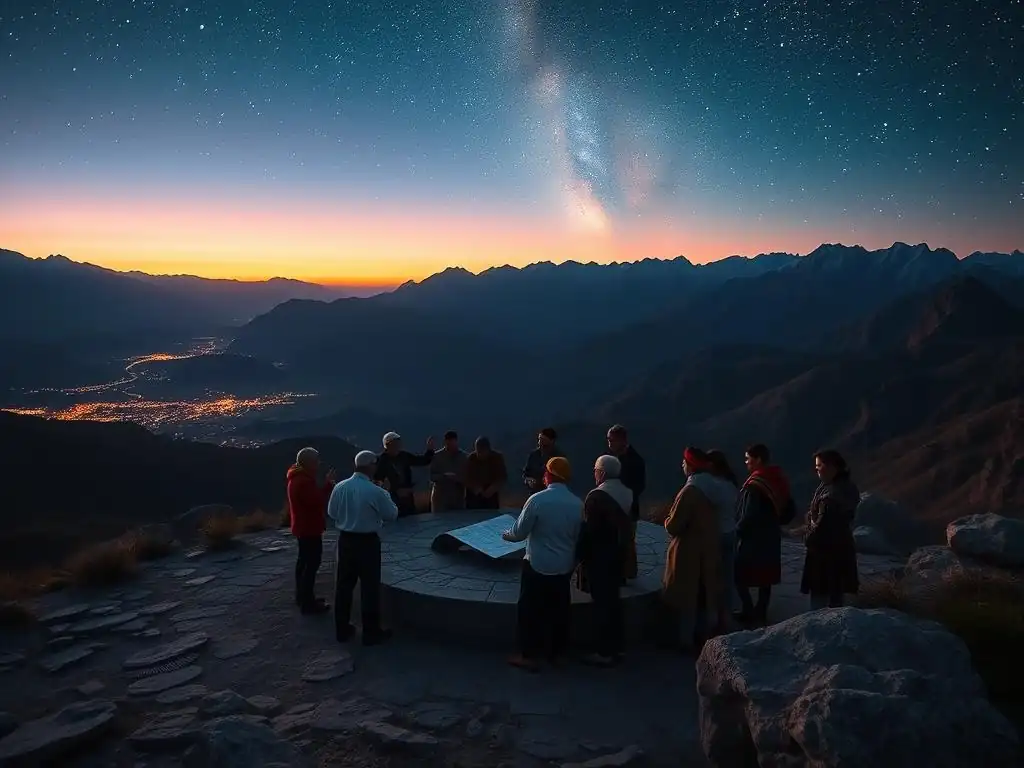
Welcome to Indigenous Civilizations of the Americas, where we invite you to embark on a journey through the rich tapestry of indigenous cultures that flourished long before European contact. In today's feature, "Stargazing in the Andes: Unraveling the Mysteries of Ancient Astronomical Observations," we delve into the fascinating ancient Andean astronomical practices that reveal the profound knowledge and artistry of these remarkable societies. As we uncover the secrets of how the stars guided their lives, you'll discover the enduring legacy and impact of these civilizations that continues to resonate today. Prepare to be captivated and enlightened—your exploration begins here!
The Andes Mountains, stretching over 7,000 kilometers along the western edge of South America, are not only renowned for their breathtaking landscapes but also for the rich tapestry of indigenous cultures that flourished there. Among these cultures, the ancient Andean civilizations developed sophisticated astronomical practices that reveal their profound understanding of the cosmos.
This article delves into the intricate relationship between these civilizations and their astronomical observations, exploring how their insights into celestial movements influenced agricultural practices, religious rituals, and social organization. By unraveling the mysteries of ancient Andean astronomical practices, we gain not only an appreciation for their achievements but also a lens through which to view their lasting impact on contemporary indigenous cultures.
Introduction to Ancient Andean Astronomical Practices
The ancient Andean civilizations, particularly the Inca and their predecessors, engaged in meticulous observations of the night sky. They devised calendars based on celestial events, which were integral to agricultural cycles and religious ceremonies. These practices were not mere curiosities; they were deeply embedded in the fabric of Andean life and spirituality. Through the study of their astronomical techniques, we can uncover the wisdom and knowledge that guided these cultures, illuminating their perspectives on time, space, and existence.
Overview of Andean Cultures and Their Relationship with Astronomy
The Andean region was home to diverse cultures, including the Chavín, Nazca, Moche, Tiwanaku, and Inca. Each of these civilizations contributed uniquely to the development of astronomical knowledge. For example, the Nazca people are famous for their geoglyphs, which some scholars believe were aligned with celestial bodies. The Inca, on the other hand, built sophisticated observatories and utilized the Milky Way in their agricultural calendars.
- Key Cultural Elements:
- Calendar Systems: Utilized to determine planting and harvesting times.
- Rituals: Many religious ceremonies were timed according to astronomical events.
- Architectural Alignments: Structures were often oriented towards significant celestial occurrences.
Importance of Astronomy in Indigenous Civilizations of the Americas
Astronomy was not merely a scientific pursuit in Andean cultures; it was a fundamental aspect of their worldview. The stars, planets, and other celestial phenomena influenced agricultural practices, dictated the timing of festivals, and shaped their mythology and cosmology. The ability to predict seasonal changes through astronomical observations enabled these civilizations to thrive in the challenging Andean environment.
The Historical Context of Andean Astronomical Observations
To fully appreciate the significance of ancient Andean astronomical practices, it is essential to understand the historical context in which they developed. The interplay of geography, climate, and cultural evolution played a crucial role in shaping their astronomical knowledge.
The Role of Astronomy in Andean Society
In Andean society, astronomy served both practical and spiritual functions. It was essential for agricultural success, as crops depended on seasonal cycles. Moreover, celestial events were often interpreted as omens or messages from the gods, leading to rituals that sought to maintain harmony between the people and the cosmos.
- Practical Applications:
- Agricultural Planning: Use of lunar and solar cycles to guide planting and harvest.
- Navigation: Celestial navigation techniques for exploring and trade.
Key Civilizations: Inca and Pre-Inca Contributions to Astronomy
The Inca civilization stands out as one of the most prominent in Andean history, known for its impressive architectural feats and advanced agricultural techniques. However, it was built upon the astronomical knowledge of earlier cultures, such as the Tiwanaku and Moche. Each civilization contributed to a cumulative understanding of the stars and celestial events.
- Inca Contributions:
- Sacsayhuamán: An archaeological site believed to function as an astronomical observatory.
- Intihuatana Stones: Ritual stones used to mark astronomical events.
By exploring these civilizations and their astronomical practices, we can gain a deeper understanding of how ancient Andean cultures viewed their world, and how they harnessed the knowledge of the stars to navigate their lives.
Tools and Techniques Used in Ancient Andean Astronomy
Ancient Andean civilizations, such as the Incas, developed sophisticated tools and techniques for astronomical observations, reflecting their deep connection to the cosmos. Their practices were not merely for scientific inquiry; they were intertwined with religious beliefs, agricultural planning, and societal organization. This section explores the instruments they utilized and the methods they employed to observe celestial phenomena.
Instruments for Stargazing: From Simple Tools to Complex Structures
The ancient Andeans crafted a variety of instruments that ranged from simple tools to elaborate structures designed for astronomical observation.
- Stone Circles and Alignments: These structures, such as those found in Tiwanaku and Cusco, were aligned with astronomical events like solstices and equinoxes. They served as calendars, marking the changing seasons essential for agriculture.
- Watch Towers: Elevated platforms or towers, such as those in the region of Saksayhuamán, allowed observers to have an unobstructed view of the night sky, enhancing their ability to track celestial bodies.
- Intihuatana Stones: These ritual stones, often referred to as "hitching posts for the sun," were believed to be used for astronomical observations and ceremonies. They were positioned to connect the earthly realm with celestial events, particularly solar movements.
- Quipu: While primarily known as a recording and communication tool, quipus may have also been used to track astronomical cycles through knotted cords, allowing for the documentation of significant celestial events.
Techniques for Observing Celestial Bodies: Methods and Practices
The techniques employed by ancient Andean astronomers were a blend of observational skill and cultural significance.
- Direct Observation: The Andeans were keen observers of the night sky, noting the positions of stars and planets. They would often record changes in celestial bodies over extended periods, helping them make predictions about future events.
- Use of Shadows and Light: By strategically placing stones or other markers, they could measure the movement of the sun's shadow, which assisted in determining solstices and equinoxes. This technique was crucial for agricultural planning.
- Calendrical Systems: The Andean cultures developed complex calendrical systems based on lunar and solar cycles. These calendars were integral in organizing agricultural activities and religious festivals, showcasing their understanding of celestial rhythms.
Major Astronomical Events Observed by Ancient Andean Cultures
Ancient Andean civilizations were astute astronomers who meticulously observed and recorded significant celestial events. These observations were not only crucial for their agricultural practices but also held cultural and religious importance.
Solar and Lunar Events: Eclipses and Solstices
The Andean peoples closely monitored solar and lunar events, recognizing their significance in their cosmology.
- Eclipses: Solar and lunar eclipses were remarkable events that were often interpreted as omens or messages from the gods. The Incas, for example, would conduct rituals to appease deities during eclipses, reflecting their reverence for celestial phenomena.
- Solstices and Equinoxes: The summer and winter solstices, as well as the equinoxes, were pivotal in the Andean calendar. These events marked critical points in the agricultural cycle, indicating when to plant or harvest crops. Structures like the Temple of the Sun in Cusco were aligned to capture the sunlight during these events, emphasizing their importance.
Planetary Movements: Understanding the Stars and Planets
The ancient Andean civilizations also had a sophisticated understanding of planetary movements, which they incorporated into their agricultural and societal practices.
- Tracking Planets: The movements of planets such as Venus were meticulously tracked, as they were associated with various deities and agricultural cycles. The Andeans recognized the significance of these planets in their mythology and rituals.
- Star Constellations: Certain constellations, like the Southern Cross, were central to Andean cosmology. They served as navigational aids and were utilized in agricultural planning, as their visibility indicated specific seasonal changes.
Through these tools, techniques, and observations, ancient Andean cultures developed a rich astronomical tradition that significantly impacted their way of life and worldview. Their legacy continues to influence contemporary understanding of astronomy in the region.
The Influence of Geography on Andean Astronomical Practices
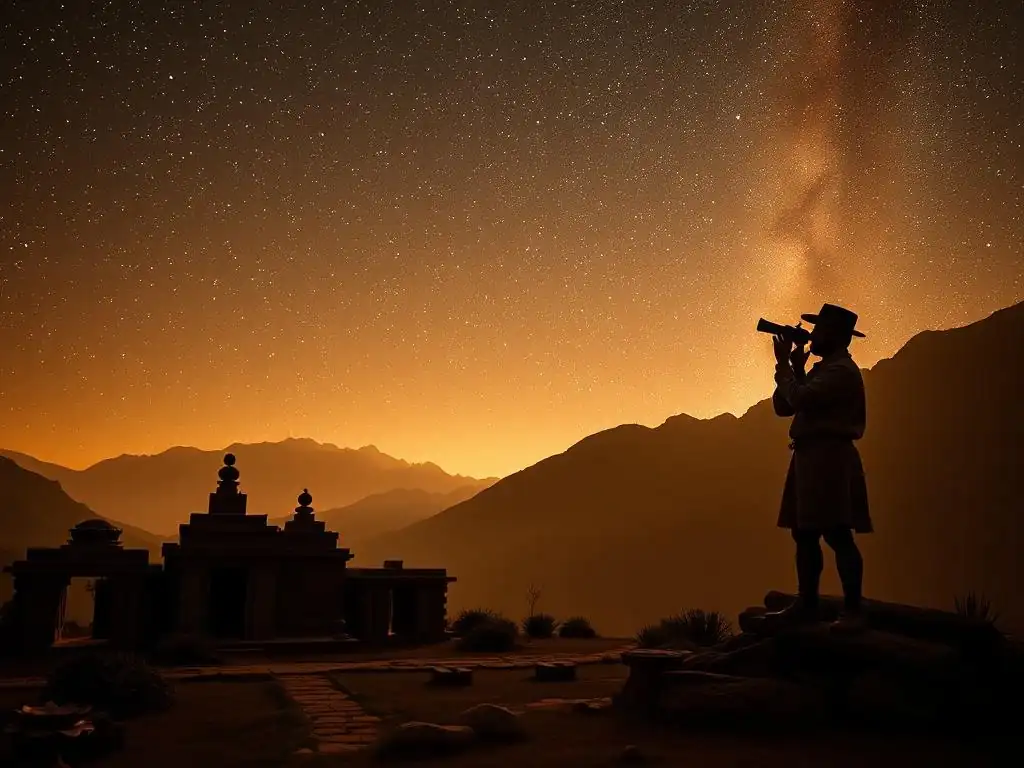
The geographical landscape of the Andes Mountains significantly shaped the astronomical practices of ancient Andean civilizations. The high altitudes of the Andes, often exceeding 4,000 meters, provided a clear and unobstructed view of the night sky, making it an ideal environment for stargazing. This unique topography allowed societies such as the Inca, Tiwanaku, and Nazca to develop sophisticated astronomical knowledge that was closely tied to their agricultural practices, religious beliefs, and social structures.
Moreover, the diverse ecosystems across different altitudes contributed to varying celestial observations, as each region had its own cultural interpretations of the night sky. The Andean peoples utilized their geographical advantages to construct observatories and align sacred sites with celestial events, demonstrating a profound understanding of the cosmos that was intricately linked to their daily lives.
The Impact of Altitude and Location on Stargazing
The high altitude of the Andean region not only provided a clearer view of the stars but also influenced the visibility of celestial bodies. At elevations where the air is thinner, light pollution is minimal, allowing for a more precise observation of stars, planets, and other astronomical events. Ancient Andean astronomers took advantage of this phenomenon, meticulously tracking the movements of celestial bodies throughout the year.
Additionally, the location of specific Andean sites played a crucial role in astronomical observations. For instance, sites like Machu Picchu and the Intihuatana stone served as platforms for observing solstices and equinoxes, marking significant changes in the agricultural calendar. These locations were often chosen based on their geographic positioning relative to the horizon, ensuring optimal visibility for stargazing activities.
Sacred Sites: Alignments with Celestial Events
Ancient Andean civilizations constructed various sacred sites that were intentionally aligned with celestial events. These alignments were not arbitrary but rather part of a broader cosmological framework that linked the earthly realm with the celestial. For example, many temples and ceremonial structures were oriented to capture the first rays of the sun during solstices and equinoxes, reflecting a deep reverence for the sun's life-giving properties.
The Intihuatana, or "hitching post of the sun," found at several archaeological sites, is a prime example of such alignments. This stone structure was used in rituals meant to connect the sun and the earth, reinforcing the belief in the sun as a deity of immense importance. The precise positioning of these structures illustrates the advanced astronomical knowledge possessed by the Andean people and their ability to integrate this understanding into their cultural and spiritual practices.
Myths and Beliefs Surrounding Astronomy in Andean Cultures
Astronomy in ancient Andean cultures was deeply intertwined with mythology and spirituality, influencing their social practices and cultural identity. The stars were not merely celestial bodies; they were imbued with significant meaning and often represented deities, ancestral spirits, or cosmic narratives that guided daily life.
Cosmic Narratives: How Stars Shaped Cultural Identity
The constellations and celestial events held great significance in the creation myths and legends of Andean civilizations. For instance, the Milky Way was often viewed as a river or path that connected the earthly realm with the heavens, symbolizing the journey of souls. Various stars and constellations were personified and associated with specific gods and goddesses, reinforcing the cultural narratives that shaped community identities.
These cosmic narratives served not only as a means of understanding the universe but also as a framework for social organization and agricultural practices. For example, the appearance of certain stars marked the beginning of planting seasons or important festivals, thereby integrating astronomical observations into the fabric of Andean life.
Rituals and Festivals Linked to Astronomical Phenomena
Rituals and festivals in Andean cultures were often timed with astronomical events, reflecting the significance of celestial cycles in their agricultural and religious calendars. The winter solstice, celebrated during Inti Raymi, was a crucial event that marked the return of longer days and the sun's renewal. During this festival, offerings were made to the sun god Inti, emphasizing the relationship between celestial phenomena and agricultural fertility.
Similarly, the rising of specific stars or constellations signified the timing for planting or harvesting crops. These events were celebrated with ceremonies that included music, dance, and rituals aimed at ensuring a bountiful harvest. The integration of astronomical phenomena into their cultural practices highlights the profound respect Andean civilizations held for the cosmos and its influence on their lives.
Modern Implications of Ancient Andean Astronomical Knowledge
The ancient Andean civilizations, particularly the Inca, developed remarkable astronomical systems that were deeply intertwined with their agricultural practices, religious beliefs, and societal structures. This profound understanding of celestial phenomena is not merely a relic of the past; it has modern implications that resonate in contemporary astronomy, cultural heritage, and environmental sustainability.
Relevance of Ancient Practices in Contemporary Astronomy
Ancient Andean astronomical practices have garnered attention from modern astronomers and scientists alike. The methodologies used by the Andean peoples, such as the observation of solstices and lunar phases, are increasingly relevant in today's studies of celestial mechanics. For instance, the precise calendar systems derived from these observations can offer insights into seasonal changes and their effects on agriculture—knowledge that contemporary farmers and agricultural scientists are beginning to appreciate as they seek to create sustainable practices in the face of climate change.
Moreover, modern astronomical tools, such as telescopes and satellite technology, have been enhanced by principles observed in ancient practices. The careful mapping of constellations and celestial events by Andean cultures serves as a rich historical context for current astronomical research, emphasizing the continuity of human inquiry into the cosmos.
Preservation of Andean Astronomical Heritage Today
The preservation of ancient Andean astronomical knowledge is crucial for cultural identity and heritage. Various organizations and indigenous groups are working diligently to document and revive these practices, integrating them into educational curricula and community activities.
Efforts include:
- Cultural Workshops: Many communities hold workshops that teach traditional astronomical knowledge, emphasizing its significance in daily life and environmental stewardship.
- Collaborative Research: Academics are partnering with indigenous leaders to document oral histories and traditional ecological knowledge, ensuring that ancient practices are not lost to time.
- Astronomical Events: Celebrations aligned with celestial events, such as solstices and equinoxes, are being revived, allowing younger generations to connect with their ancestors’ wisdom.
These initiatives not only honor the past but also contribute to a broader understanding of the universe, fostering a sense of pride and continuity among Andean communities.
Conclusion: The Lasting Legacy of Ancient Andean Astronomical Practices
Ancient Andean astronomical practices leave behind a legacy that goes beyond mere celestial observations; they embody a worldview that prioritizes harmony with nature and the cosmos. This legacy continues to inform contemporary discussions on sustainability, environmental ethics, and cultural preservation.
Reflecting on the Importance of Astronomy in Indigenous Cultures
The role of astronomy in Indigenous cultures, particularly in the Andes, extends into various aspects of life, including agriculture, navigation, and ritual practices. Understanding these connections allows for a more profound appreciation of the intricate relationship between people and their environment. The universe was not just a backdrop for the Andean civilizations; it was an integral part of their social fabric, influencing everything from planting seasons to religious ceremonies.
By reflecting on these practices, modern society can learn valuable lessons about the interdependence of human life and the natural world, encouraging a more holistic approach to environmental stewardship.
Future Research Directions in Andean Astronomy
Future research in Andean astronomy holds exciting possibilities. Scholars are encouraged to explore:
- Interdisciplinary Studies: Combining insights from archaeology, anthropology, and astronomy to create a more comprehensive understanding of ancient practices.
- Technological Integration: Using modern technology to analyze ancient sites and artifacts, potentially uncovering new astronomical alignments or observations.
- Indigenous Knowledge Systems: Fostering collaborations with indigenous communities to ensure that their perspectives and knowledge systems are respected and integrated into research endeavors.
As we continue to unravel the mysteries of ancient Andean astronomical observations, we not only honor the achievements of these remarkable civilizations but also enrich our understanding of humanity's enduring quest to connect with the cosmos.
- Introduction to Ancient Andean Astronomical Practices
- The Historical Context of Andean Astronomical Observations
- Tools and Techniques Used in Ancient Andean Astronomy
- Major Astronomical Events Observed by Ancient Andean Cultures
- The Influence of Geography on Andean Astronomical Practices
- Myths and Beliefs Surrounding Astronomy in Andean Cultures
- Modern Implications of Ancient Andean Astronomical Knowledge
- Conclusion: The Lasting Legacy of Ancient Andean Astronomical Practices
- What are Ancient Andean astronomical practices?
- How did the Andean civilizations use astronomy in agriculture?
- What tools did the Ancient Andeans use for their astronomical observations?
- What impact did Ancient Andean astronomy have on their society?
- How can we learn more about these practices today?
Frequently Asked Questions
What are Ancient Andean astronomical practices?
Ancient Andean astronomical practices refer to the advanced techniques used by indigenous cultures in the Andes for observing celestial bodies and tracking time, seasons, and agricultural cycles.
How did the Andean civilizations use astronomy in agriculture?
The Andean civilizations relied on astronomical observations to determine the optimal planting and harvesting times, aligning their agricultural practices with celestial events such as solstices and equinoxes.
What tools did the Ancient Andeans use for their astronomical observations?
Ancient Andeans utilized simple yet effective tools such as observatories, stone markers, and the intihuatana (a ritual stone associated with astronomy) to enhance their understanding of the cosmos.
What impact did Ancient Andean astronomy have on their society?
The impact of Ancient Andean astronomy was profound, influencing religious practices, societal organization, and the development of calendars that governed both agricultural and ceremonial events.
How can we learn more about these practices today?
To learn more about Ancient Andean astronomical practices, visit resources like the website "Indigenous Civilizations of the Americas," which offers a comprehensive exploration of these rich cultural traditions and their lasting legacies.
Final Reflection: Illuminating the Cosmos through Ancient Andean Wisdom
In exploring the ancient Andean astronomical practices, we uncover a profound connection between humanity and the cosmos that resonates deeply in our modern world. These practices not only reveal the advanced understanding that ancient civilizations had of celestial movements but also highlight the timeless human quest for knowledge and meaning. As we look to the stars today, we are reminded that our ancestors were not merely observers of the night sky; they were seekers of truth, crafting narratives that shaped their cultures and identities.
The influence of these ancient practices continues to permeate our cultural and social landscapes, inspiring a renewed interest in indigenous knowledge systems and their relevance in contemporary society. By recognizing the intricate relationship between the Andean peoples and their celestial observations, we can appreciate the depth of their wisdom and its application in our lives today. The stars are not just points of light; they are the stories of our ancestors, guiding us through the ages.
This perspective invites us to reflect on how we can integrate these ancient insights into our understanding of the universe and our place within it.
As we conclude this exploration, I invite you to take a moment to gaze at the night sky and ponder the stories it holds. Consider how the lessons learned from ancient Andean astronomical practices can inspire your own journey of discovery and connection with the cosmos. Let the stars remind you of the wisdom of those who came before us, and encourage you to seek your own path in the vast universe. Embrace the wonder, and allow it to guide you toward a deeper understanding of both the heavens and yourself.
Unveil the Wonders of the Universe!
Thank you for joining us on this cosmic journey through the Andes! We hope you’ve uncovered the fascinating ways ancient civilizations observed the stars and shaped their understanding of the cosmos. Let this newfound knowledge inspire you to explore the universe beyond the page!
Now, it’s time to put your curiosity into action:
- Join a local stargazing group to deepen your appreciation for the night sky and share your experiences with fellow enthusiasts.
- Visit a nearby planetarium or observatory to engage with experts and gain hands-on experiences that will enhance your stargazing skills.
- Share this article with friends and family, and initiate discussions about the wonders of ancient astronomy—who knows what insights or stories might emerge?
What celestial mysteries will you discover on your next stargazing adventure? Let’s start the conversation in the comments below!