
Aligning with the Cosmos: The Intersection of Architecture and Astronomy in Indigenous Cultures


Welcome to Indigenous Civilizations of the Americas, where we invite you to embark on a fascinating journey through the rich tapestry of pre-colonial cultures. Delve into our featured article, "Aligning with the Cosmos: The Intersection of Architecture and Astronomy in Indigenous Cultures," and discover how these remarkable societies ingeniously intertwined their architectural marvels with celestial observations. As you explore the profound connections between the stars and the structures that defined their world, you'll uncover the astonishing achievements that continue to inspire us today. Join us in unraveling the mysteries of indigenous architecture and astronomy—your adventure begins now!
Introduction to Indigenous Architecture and Astronomy
The intersection of architecture and astronomy in indigenous cultures of the Americas reveals a profound relationship between the built environment and the celestial sphere. Indigenous architecture and astronomy were not merely functional or decorative; they were deeply intertwined with the cultural, spiritual, and practical lives of the people who created them.
From the monumental structures of the Maya to the sacred sites of the Inca, indigenous civilizations crafted architectural marvels that aligned with celestial events, reflecting their understanding of the cosmos and its influence on earthly life. This article delves into the rich tapestry of indigenous architectural practices and their astronomical significance, showcasing how these ancient societies utilized their architectural skills to connect with the universe.
Overview of Indigenous Cultures and Their Achievements
Indigenous cultures across the Americas exhibited remarkable achievements in various fields, including agriculture, art, and architecture. Civilizations such as the Maya, Aztec, and Inca developed sophisticated urban centers, each with distinct architectural styles that often featured astronomical alignments.
- Maya Civilization: Renowned for their pyramids and observatories, the Maya closely monitored celestial cycles, incorporating these observations into their architectural designs.
- Inca Empire: The Incas constructed impressive structures, such as Sacsayhuamán, that aligned with key astronomical events, emphasizing their worldview that intertwined the cosmos with governance and agriculture.
- Northeastern Woodlands Tribes: These tribes created longhouses and ceremonial sites that reflected seasonal changes and celestial patterns.
These achievements demonstrate not only technical skill but also a profound understanding of the natural world, showcasing a cosmology that integrated the heavens with daily life.
Importance of Astronomy in Indigenous Societies
Astronomy played a pivotal role in the lives of indigenous peoples, guiding agricultural practices, religious ceremonies, and social organization. Understanding celestial movements allowed these societies to:
- Track Seasons: The alignment of structures with solstices and equinoxes helped in agricultural planning, ensuring crops were planted and harvested at the optimal times.
- Ceremonial Practices: Many indigenous ceremonies were timed according to astronomical events, such as eclipses or the appearance of certain constellations, which were often seen as significant omens or messages from the gods.
- Navigational Skills: Knowledge of the stars was essential for navigation, especially for cultures engaged in long-distance trade or exploration.
This intimate connection with astronomy highlights how deeply interwoven these practices were with the very fabric of indigenous societies, influencing everything from everyday life to spiritual beliefs.
Historical Context of Indigenous Architecture
The architectural practices of indigenous cultures in the Americas evolved over millennia, shaped by environmental conditions, cultural exchanges, and advancements in technology. Understanding this historical context is crucial for appreciating the significance of astronomical alignments in their architectural designs.
Evolution of Architectural Styles in Indigenous Cultures
Indigenous architecture evolved significantly, influenced by factors such as geography, climate, and resource availability. Key characteristics include:
- Materials: Use of local materials such as adobe, stone, and wood, which affected the durability and style of structures.
- Design Principles: Architectural designs often reflected not only aesthetic preferences but also cosmological beliefs, with structures oriented toward celestial events.
- Sustainability: Many indigenous cultures practiced sustainable building techniques, ensuring that their structures harmonized with the surrounding environment.
This evolution reflects a dynamic interplay between tradition and innovation, demonstrating how indigenous peoples adapted their architectural styles to meet both practical and ceremonial needs.
Key Civilizations and Their Architectural Innovations
Several key civilizations stand out for their architectural innovations that incorporated astronomical principles:
- Maya: Their cities featured observatories like El Caracol at Chichen Itza, designed for tracking celestial bodies and events.
- Inca: The Temple of the Sun in Cusco was aligned with the sun's rays during solstices, serving both religious and agricultural purposes.
- Mississippian Culture: The mounds found in Cahokia were not only burial sites but also aligned with astronomical events, reflecting a sophisticated understanding of celestial cycles.
These civilizations exemplify how indigenous architecture was not just about shelter but also a manifestation of their cosmological beliefs, embodying their relationship with the universe in enduring stone and earth.
The Role of Astronomy in Indigenous Architecture
Indigenous cultures across the Americas integrated astronomy into their architectural practices, reflecting a profound understanding of celestial events. The alignment of structures with astronomical phenomena was not merely decorative; it served practical, agricultural, and ceremonial purposes. By observing the movements of celestial bodies, indigenous peoples could determine seasonal changes, agricultural cycles, and important ceremonial dates, thereby deeply intertwining their architectural designs with their cosmological beliefs.
Understanding Celestial Events and Their Significance
For many indigenous cultures, celestial events such as solstices, equinoxes, and lunar cycles were critical markers of time. These events influenced agricultural practices, such as planting and harvesting, and were vital for the timing of rituals and ceremonies. For instance, the summer solstice marked the longest day of the year and was celebrated in various cultures as a time of abundance and fertility. Structures were often built to align with these celestial events, allowing communities to observe and celebrate them in unison.
Indigenous astronomers utilized a combination of oral traditions and empirical observations to create calendars that dictated societal activities. Their understanding of the stars and planets was sophisticated, enabling them to use astronomical knowledge to navigate, plan agricultural cycles, and conduct rituals. This knowledge was reflected in their architectural designs, which often served as observatories or ceremonial sites aligned with specific celestial events.
Architectural Features Reflecting Astronomical Alignments
Many indigenous architectural features were designed specifically to align with celestial bodies. For example, certain doorways, windows, and entire buildings were oriented to capture the first light of the rising sun or to mark the position of the setting sun during the solstices.
In some cultures, the layout of entire cities was based on astronomical orientations. The careful placement of structures in relation to the stars demonstrated an advanced understanding of geometry and spatial awareness. Additionally, the use of materials with specific reflective properties in construction enhanced the visibility of celestial bodies during significant astronomical events.
Case Studies of Indigenous Architecture and Astronomy
The Pyramids of the Maya: Alignments with Celestial Bodies
The Maya civilization is renowned for its impressive pyramids, many of which exhibit precise astronomical alignments. For instance, the Pyramid of Kukulcán at Chichen Itza is designed with a unique staircase that casts a shadow resembling a serpent during the equinoxes, symbolizing the descent of the god Kukulcán. This event attracted thousands of visitors who gathered to witness the intersection of architecture and astronomy.
Moreover, the Maya constructed observatories, such as the Caracol at Chichen Itza, where they meticulously tracked celestial movements. The structure's windows and doors were aligned with key astronomical events, allowing priests and astronomers to observe the movements of Venus, which held significant cultural importance.
The Ancestral Puebloans: Structures and Solar Events
The Ancestral Puebloans, known for their cliff dwellings and pueblos, also integrated astronomical observance into their architectural designs. One notable example is the Sun Temple at Chaco Canyon, which features a circular kiva aligned with the sunrise on the winter solstice. This alignment was significant for ceremonial practices, marking a time of renewal and reflection.
In addition to solstitial alignments, the Ancestral Puebloans built structures that showcased their understanding of lunar cycles. The alignment of certain structures with the moon’s rising points served as calendars for important agricultural and ceremonial events.
The Inca Empire: Sacred Sites and Astronomical Observations
The Inca Empire displayed a remarkable integration of astronomy within its architecture, particularly at sacred sites like Machu Picchu. The Intihuatana stone, often referred to as the "hitching post of the sun," is a ritual stone associated with astronomical observations. This structure is believed to have been used to predict solstices and equinoxes, reflecting the Incas' reverence for celestial bodies.
Furthermore, many Inca temples were oriented toward the sun, and the Festival of Inti Raymi celebrated the winter solstice, underscoring the importance of solar alignments in their architectural and cultural practices. The Inca's sophisticated understanding of astronomy was not only evident in their monumental architecture but also in their ability to harmonize their built environment with the cosmos.
Techniques and Methods in Indigenous Astronomical Practices
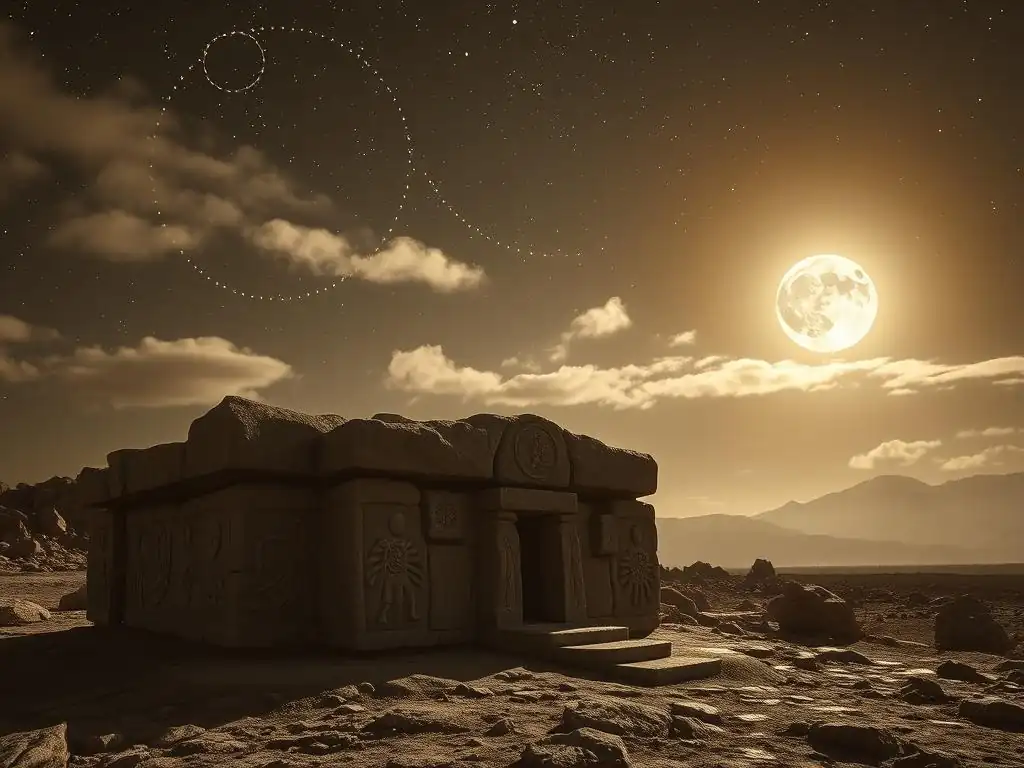
Indigenous cultures across the Americas developed sophisticated techniques and methods to observe celestial bodies, which significantly influenced their architectural designs. These practices were deeply rooted in their worldviews, integrating spirituality, agriculture, and daily life with astronomical phenomena.
One notable method was the use of observation points or structures that aligned with celestial events, such as solstices and equinoxes. For instance, structures like the Great Serpent Mound in Ohio are believed to align with the lunar cycle, showcasing how astronomical events were used to mark agricultural seasons. Additionally, many cultures utilized shadow-casting techniques, where the position of shadows cast by architectural features at specific times of the year indicated key celestial events.
Moreover, Indigenous astronomers employed a keen understanding of the stars' movements, mapping constellations and their seasonal appearances. This knowledge was essential for navigation and agricultural planning, as planting and harvesting were often timed according to the stars.
Indigenous peoples utilized a variety of tools and instruments to aid in celestial navigation, reflecting their deep connection to the cosmos. Some of these tools included:
- Gnomons: Simple vertical sticks or poles placed in the ground to cast shadows. The length and angle of the shadow could indicate the time of day or the changing seasons.
- Stone Circles and Alignments: Many cultures constructed stone structures aligned with celestial bodies. For example, the Mayans built observatories like El Caracol, which allowed them to track the movements of Venus and other celestial bodies.
- Calendrical Systems: Many Indigenous cultures developed intricate calendars based on lunar and solar cycles. These calendars were often inscribed into stone or recorded through oral traditions, serving both as agricultural guides and ceremonial timelines.
- Star Maps: Some Indigenous cultures created star maps, which detailed the positions of stars and constellations. These maps were often passed down through generations and played a crucial role in navigation and seasonal planning.
Oral Traditions and Their Influence on Architectural Design
Oral traditions are paramount in Indigenous cultures, serving as a conduit for passing down knowledge about astronomy, history, and cultural values. These traditions significantly influenced architectural design in several ways.
Firstly, many architectural features were designed to align with celestial events described in oral stories. For instance, the Hopi people in the Southwest United States constructed their pueblos in alignment with the sun's path, as narrated in their creation stories. These stories not only dictated the physical alignment but also imbued the structures with cultural significance.
Additionally, oral traditions often included detailed instructions on how to construct buildings that reflected cosmological beliefs. For example, the Inca civilization incorporated specific orientations in their temples and agricultural terraces, aligning them with solar and lunar events, which were embedded in their oral history.
Furthermore, these traditions fostered a communal understanding of the cosmos, where the shared stories about the stars and their movements were reflected in the collective architectural identity. This relationship between oral tradition and architecture ensured that buildings were not merely functional but also carried profound spiritual and cultural meanings.
Contemporary Implications of Indigenous Astronomy in Architecture
The principles of Indigenous astronomy continue to have significant implications in contemporary architectural practices. As modern architects increasingly recognize the value of integrating traditional knowledge, Indigenous astronomical insights are being revisited and applied to contemporary designs.
Preservation of Indigenous Knowledge in Modern Architecture
Preserving Indigenous knowledge is essential for recognizing the contributions of Indigenous cultures to architectural practices. Many architects now work collaboratively with Indigenous communities to ensure that traditional astronomical knowledge is respected and incorporated into modern designs.
This preservation can take various forms, including:
- Cultural Consultations: Engaging with Indigenous elders and knowledge keepers to gain insights into how astronomical alignments influence architectural practices.
- Educational Initiatives: Incorporating Indigenous astronomy into architectural education, ensuring future architects understand the value of these traditional practices.
- Documentation Projects: Archiving Indigenous architectural wisdom related to astronomy, allowing for continued scholarship and understanding of these methods.
Integrating Indigenous Astronomy into Contemporary Design
The integration of Indigenous astronomy into contemporary design not only honors the rich heritage of these cultures but also offers innovative solutions to modern architectural challenges.
Architects are increasingly looking to Indigenous practices for inspiration, including:
- Sustainable Design: Utilizing celestial alignments to optimize natural light and energy use in buildings, echoing traditional practices that harmonized with the environment.
- Cultural Relevance: Designing public spaces and buildings that reflect the astronomical knowledge of Indigenous communities, thus fostering a sense of identity and belonging.
- Landscape Architecture: Incorporating astronomical elements into landscape design, such as pathways aligned with the solstices, creating spaces that encourage community engagement and education about Indigenous astronomical traditions.
By bridging the gap between traditional knowledge and contemporary architecture, there is a growing movement to create spaces that honor the past while addressing the needs of the present and future.
Conclusion: The Lasting Legacy of Indigenous Architecture and Astronomy
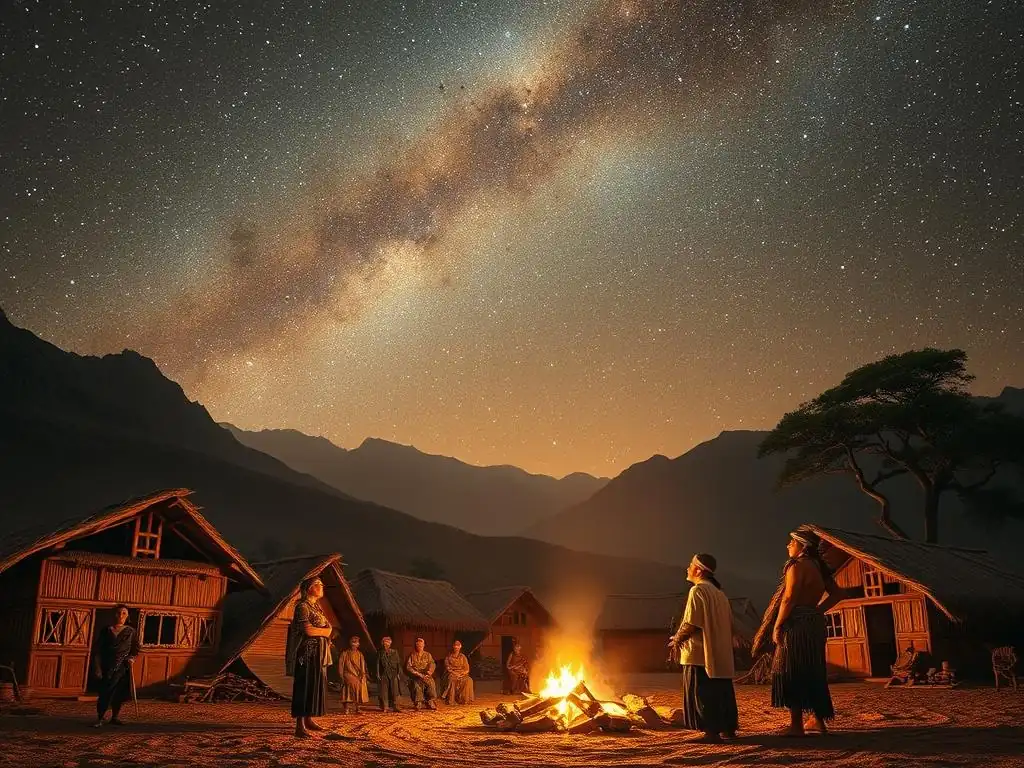
The profound relationship between architecture and astronomy in indigenous cultures of the Americas illustrates a sophisticated understanding of the cosmos that has left a lasting legacy. Structures such as the pyramids of the Maya, the kivas of the Pueblo peoples, and the stone circles of the Inca reflect not only aesthetic mastery but also an intricate alignment with celestial bodies. These architectural feats were not merely functional; they served as observatories, spiritual centers, and community gathering places, integrating the cosmos into the daily lives and religious practices of indigenous peoples.
This legacy persists today, as many modern communities continue to honor and draw inspiration from these ancestral practices. The alignment of buildings with astronomical events remains a point of cultural pride and identity. Furthermore, the knowledge and techniques developed by these civilizations inform contemporary architectural practices, especially in sustainable design, which seeks to harmonize human-built environments with natural landscapes and celestial phenomena.
Reflection on the Importance of Cosmic Alignment in Indigenous Cultures
The cosmic alignment in indigenous architecture is a testament to the advanced understanding of astronomy possessed by these societies. For many indigenous cultures, the stars, sun, and moon were not mere points of light in the sky; they were integral components of cultural narratives and spiritual beliefs. Structures were often designed to align with significant astronomical events, such as solstices, equinoxes, and celestial movements, which played a crucial role in agricultural practices, religious ceremonies, and community calendars.
By reflecting on these alignments, we can appreciate the depth of knowledge and observation that these cultures possessed. For example, the alignment of the Temple of Kukulkan at Chichen Itza with the sun during the equinox demonstrates a sophisticated understanding of solar cycles. Such insights highlight the importance of astronomy in guiding not only agricultural practices but also the social and spiritual lives of these communities.
Moreover, these cosmic alignments fostered a sense of connection to the universe, reinforcing the idea that humanity is part of a larger cosmic order. This perspective can inspire contemporary society to seek a deeper relationship with the natural world and acknowledge the wisdom that indigenous cultures offer regarding sustainable living and environmental stewardship.
Future Directions for Research on Indigenous Architecture and Astronomy
As interest in indigenous architecture and astronomy grows, future research must explore various dimensions to deepen our understanding of these remarkable civilizations. One promising direction is the application of modern technology, such as satellite imaging and 3D modeling, to uncover new insights into ancient alignments and construction techniques. This can help reveal how traditional knowledge systems utilized celestial navigation and environmental cues in architectural design.
Additionally, interdisciplinary approaches that integrate archaeology, anthropology, and astronomy will expand our comprehension of how indigenous peoples viewed their place in the cosmos. Collaborations with indigenous communities can provide valuable insights, ensuring that research respects cultural sensitivities and contributes positively to the communities involved.
Another area ripe for exploration is the documentation and revitalization of traditional astronomical practices among indigenous peoples. Understanding how contemporary indigenous communities maintain these traditions can inform broader discussions about cultural preservation and resilience.
Finally, educational initiatives that highlight the significance of indigenous architecture and astronomy in academic curricula can promote greater awareness and appreciation for these cultures. By fostering a dialogue between indigenous knowledge systems and modern scientific perspectives, we can enrich our understanding of both history and the cosmos, paving the way for a more inclusive approach to knowledge.
- Introduction to Indigenous Architecture and Astronomy
- Historical Context of Indigenous Architecture
- The Role of Astronomy in Indigenous Architecture
- Case Studies of Indigenous Architecture and Astronomy
- Techniques and Methods in Indigenous Astronomical Practices
- Tools and Instruments Used for Celestial Navigation
- Oral Traditions and Their Influence on Architectural Design
- Contemporary Implications of Indigenous Astronomy in Architecture
- Conclusion: The Lasting Legacy of Indigenous Architecture and Astronomy
- Reflection on the Importance of Cosmic Alignment in Indigenous Cultures
- Future Directions for Research on Indigenous Architecture and Astronomy
- What is the main focus of the article "Aligning with the Cosmos: The Intersection of Architecture and Astronomy in Indigenous Cultures"?
- How did indigenous cultures incorporate astronomy into their architecture?
- Why is the study of indigenous architecture and astronomy important?
- What are some examples of indigenous civilizations that excelled in architecture and astronomy?
- How did the achievements in architecture and astronomy impact indigenous societies?
Frequently Asked Questions
What is the main focus of the article "Aligning with the Cosmos: The Intersection of Architecture and Astronomy in Indigenous Cultures"?
The article explores the connection between architecture and astronomy in various indigenous cultures of the Americas, highlighting how these civilizations aligned their structures with cosmic phenomena.
How did indigenous cultures incorporate astronomy into their architecture?
Indigenous cultures often designed their architectural structures to align with celestial events, such as solstices and equinoxes, reflecting their deep understanding of astronomical cycles.
Why is the study of indigenous architecture and astronomy important?
Studying indigenous architecture and astronomy reveals the sophisticated knowledge these cultures possessed, demonstrating their ability to integrate natural elements into their living spaces and spiritual practices.
What are some examples of indigenous civilizations that excelled in architecture and astronomy?
Civilizations such as the Maya, Inca, and Aztec are noted for their impressive architectural feats and advanced astronomical knowledge, which played a crucial role in their societal development.
How did the achievements in architecture and astronomy impact indigenous societies?
The achievements in architecture and astronomy fostered a sense of community identity and enabled the effective organization of agricultural practices, rituals, and social structures, influencing their cultural legacy.
Final Reflection: Embracing the Harmony of Indigenous Architecture and Astronomy
The profound connection between architecture and astronomy in Indigenous cultures is not just a relic of the past; it is a living testament to the wisdom that continues to resonate in our modern world. As we navigate through contemporary challenges, understanding how these cultures harmonized their built environments with celestial phenomena can inspire innovative solutions that respect both nature and tradition. The intricate designs and astronomical alignments found in Indigenous architecture remind us that our built environments can be more than mere structures; they can be reflections of our relationship with the universe.
The influence of Indigenous architecture and astronomy extends far beyond aesthetics; it shapes our cultural identity and social consciousness. By recognizing and valuing these practices, we can foster a deeper appreciation for the interconnectedness of all things. As noted by Indigenous scholar Robin Wall Kimmerer, "> We are the stories we tell; we are the stories we live." This sentiment underscores the importance of honoring these narratives as we seek to create spaces that resonate with our collective histories and aspirations, allowing us to cultivate a sense of belonging and purpose.
As we look to the future, let us take a moment to reflect on how we can incorporate the lessons from Indigenous architecture and astronomy into our own lives. Consider how you can align your personal and communal spaces with the natural world, fostering a sense of harmony and respect for the cosmos.
Whether through sustainable design choices or simply by being more mindful of our surroundings, we can honor the wisdom of Indigenous cultures and contribute to a more balanced and interconnected world. Embrace this journey of reflection and action, and let it guide you toward a deeper understanding of your place within the universe.
Unveil the Wonders of Indigenous Cosmos-Inspired Architecture!
Thank you for exploring the fascinating connection between architecture and astronomy in Indigenous cultures. You've unlocked insights into how these civilizations harmonized their structures with the cosmos, embodying a legacy that inspires awe and respect for our natural surroundings. Now, it’s time to take action and deepen your engagement with this captivating knowledge.
- Dive Deeper: Visit your local museum or cultural center to experience Indigenous architecture in person and learn about its celestial significance.
- Share Your Insights: Start a conversation with friends or family about what you learned today. Encourage them to explore the beauty of Indigenous cultures.
- Get Involved: Participate in community events or workshops focused on Indigenous teachings to connect with others who share your passion.
What aspect of Indigenous cosmology resonates with you the most, and how does it inspire your view of architecture and nature?