
How Andean Agricultural Systems Facilitated Trade and Economy

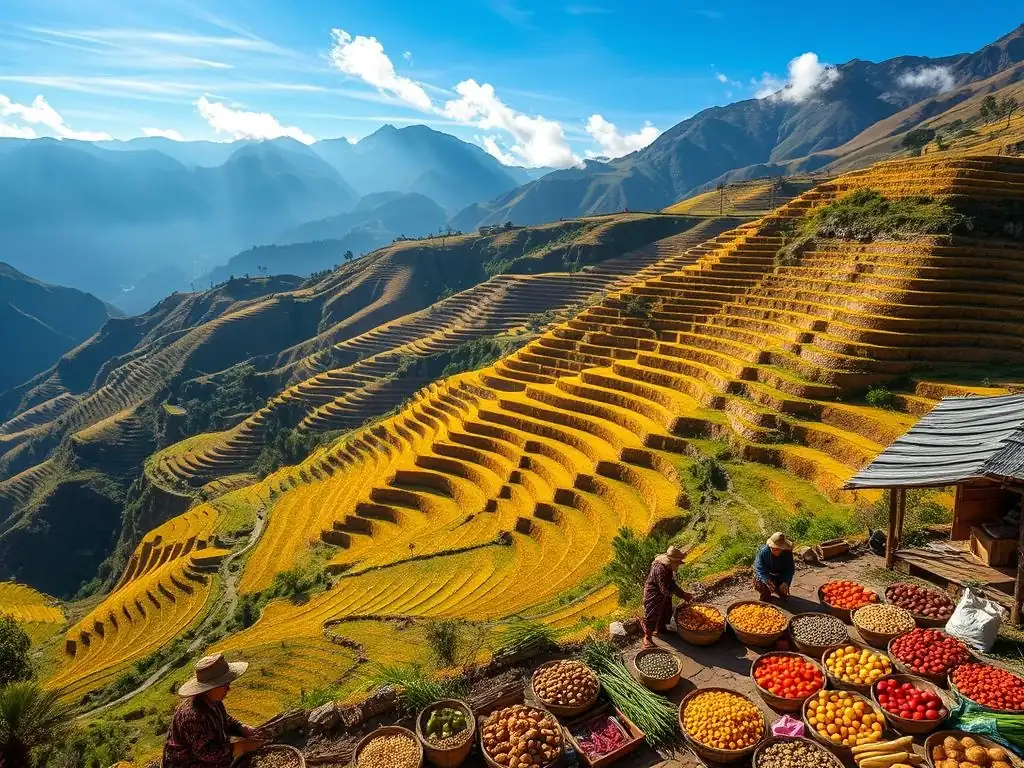
Welcome to Indigenous Civilizations of the Americas! Embark on a captivating journey through the rich tapestry of indigenous cultures that flourished across the Americas long before the arrival of European explorers. Here, we delve deep into the incredible Andean agricultural trade systems, a testament to the ingenuity and resilience of these civilizations. Discover how these sophisticated systems not only nurtured their societies but also paved the way for thriving trade networks that shaped their economy and culture. Join us as we uncover the remarkable advancements and achievements that continue to influence our world today.
- Introduction to Andean Agricultural Trade Systems
- The Foundations of Andean Agricultural Systems
- The Role of Andean Agricultural Trade Systems
- Societal Impacts of Agricultural Trade in the Andes
- Challenges Faced by Andean Agricultural Trade Systems
- The Legacy of Andean Agricultural Trade Systems
- Conclusion: The Significance of Andean Agricultural Trade Systems
-
Frequently Asked Questions
- What were the primary crops cultivated in the Andean agricultural systems?
- How did Andean agricultural trade systems influence the economy?
- What role did technology play in Andean agriculture?
- How did Andean societies organize their trade networks?
- What lasting impacts did these agricultural systems have on modern economies?
- Final Reflection: The Enduring Legacy of Andean Agricultural Trade Systems
- Unleash the Power of Andean Agriculture Today!
Introduction to Andean Agricultural Trade Systems
The Andean region, rich in diversity and cultural heritage, has long been recognized for its sophisticated agricultural practices that laid the foundation for thriving economies and extensive trade networks. Before European colonization, indigenous civilizations such as the Inca and their predecessors developed advanced agricultural systems that were not only essential for sustaining their populations but also pivotal in facilitating trade across vast distances.
These Andean agricultural trade systems harnessed the unique geographical features of the Andes, including varied altitudes and climates, allowing for the cultivation of a wide range of crops. This article delves into the intricacies of these agricultural systems, their role in shaping trade, and their lasting impact on the economy and culture of the Andean peoples.
Overview of Andean Civilizations and Agriculture
The Andean civilizations, particularly the Inca Empire, were renowned for their innovative agricultural techniques and ability to adapt to the challenging mountainous terrain. Key aspects of their agricultural systems included:
- Terracing:
- The construction of terraces on steep slopes maximized arable land and minimized soil erosion.
- Irrigation:
- Advanced irrigation methods, including aqueducts and canals, ensured consistent water supply for crops.
- Diverse Crop Cultivation:
- The Andean peoples cultivated a variety of crops such as potatoes, quinoa, maize, and beans, which supported diverse diets and agricultural resilience.
These developments not only ensured food security but also allowed for surplus production, which became a crucial element in trade systems that extended beyond local communities.
Importance of Trade in Andean Economies
Trade was a vital component of Andean economies, serving as a catalyst for interaction among various cultures and communities. The significance of trade in the Andean region can be highlighted through several key points:
- Resource Redistribution:
- Trade facilitated the exchange of goods between different ecological zones, ensuring that communities benefitted from diverse resources unavailable in their immediate environments.
- Cultural Exchange:
- The movement of goods led to the exchange of ideas, technologies, and cultural practices, enriching the societies involved.
- Economic Stability:
- A robust trade network contributed to economic stability, as communities relied on trading relationships to access essential goods and services, fostering interdependence.
Through these mechanisms, Andean agricultural trade systems not only supported local economies but also solidified the cultural and social ties that united various indigenous groups across the region.
The Foundations of Andean Agricultural Systems
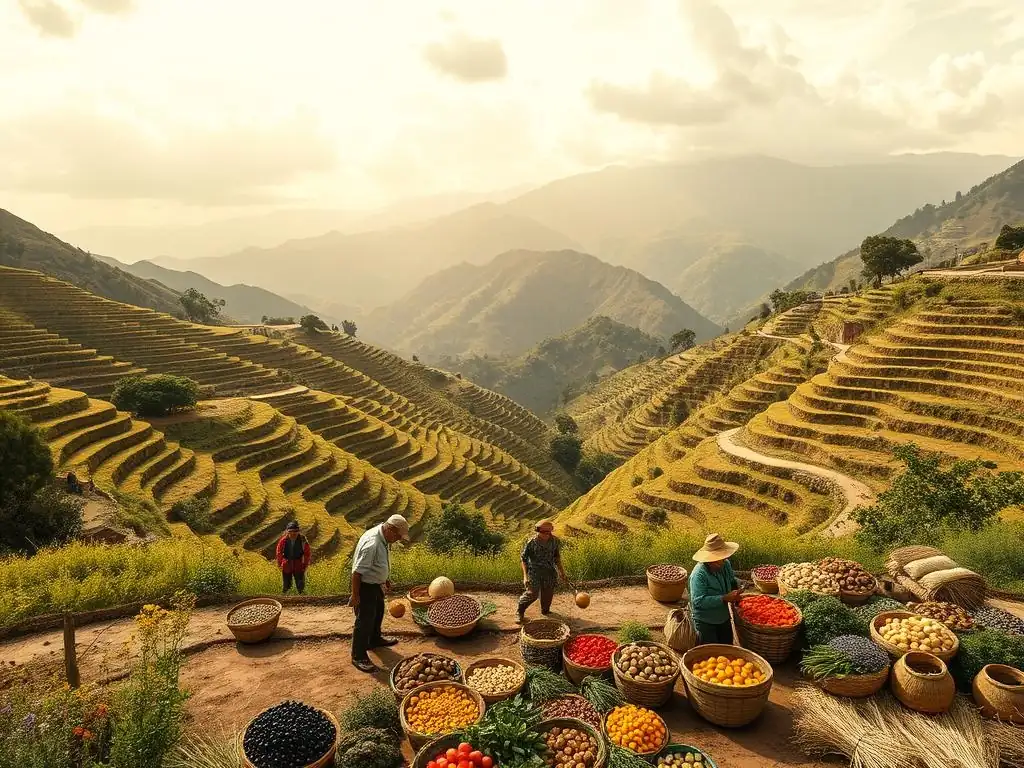
Key Crops and Their Significance
The Andean agricultural trade systems were profoundly influenced by the cultivation of key crops that not only supported local diets but also facilitated trade networks across the region. Among the most prominent crops were:
- Potatoes: Native to the Andes, potatoes became a staple food source. With over 4,000 varieties, they were adapted to various climates and altitudes, allowing for diverse cultivation across the Andean region. The nutritional value of potatoes contributed to population growth and the development of complex societies.
- Quinoa: Known as the "mother grain," quinoa was vital for its high protein content and adaptability to harsh environments. It served as a significant trade item, with its cultivation spreading beyond the Andean regions due to its nutritional benefits and culinary versatility.
- Maize (Corn): Introduced to the Andean region from Mesoamerica, maize became a crucial crop for both sustenance and trade. Its various uses in food, beverages, and rituals made it a central component of Andean culture and economy.
- Beans: Complementing the diet by providing essential proteins, beans were often cultivated alongside maize in a practice known as intercropping. This technique not only optimized land use but also enriched the soil, enhancing agricultural productivity.
These crops were more than just food sources; they formed the backbone of trade systems, allowing Andean civilizations to establish intricate networks that connected various communities, facilitating the exchange of goods, culture, and technology.
Agricultural Techniques and Innovations
Andean agricultural trade systems were marked by several innovative techniques that maximized productivity and sustainability:
- Terracing: The mountainous terrain of the Andes necessitated the development of terraced farming, where steps were carved into slopes to create flat land for cultivation. This method reduced soil erosion and increased arable land, allowing for the cultivation of crops at various altitudes.
- Irrigation Systems: Advanced irrigation techniques, including the construction of canals and aqueducts, enabled farmers to divert water from rivers to their fields. This innovation was critical in managing the diverse climates of the Andes, ensuring consistent agricultural outputs.
- Crop Rotation: Farmers practiced crop rotation to maintain soil fertility and reduce pest infestations. By alternating crops such as maize and beans, they ensured that nutrients were replenished in the soil, ultimately leading to higher yields.
- Selective Breeding: Indigenous farmers engaged in selective breeding to enhance the qualities of crops. By choosing the best seeds from healthy plants, they improved yield, disease resistance, and adaptability to local conditions.
These techniques not only improved agricultural efficiency but also laid the groundwork for trade by allowing communities to produce surplus crops, which were then exchanged in local and regional markets.
Geographic Influence on Andean Agriculture
The geography of the Andes played a crucial role in shaping agricultural practices and trade systems. Key geographical factors include:
- Altitude Diversity: The Andes span a range of altitudes, from high peaks to valleys, creating microclimates that support diverse agricultural activities. Each altitude zone allows for the cultivation of specific crops, leading to a rich agricultural tapestry that facilitated trade among different regions.
- Climate Variability: The Andean region experiences varied climates, from arid desert regions to humid tropical areas. This variability encouraged the development of specific agricultural techniques suited to each environment, enhancing the resilience of Andean agricultural systems.
- Access to Water Resources: Rivers originating from the Andes provided essential water resources for irrigation. The ability to harness these water sources through canals and aqueducts enabled communities to thrive and support trade.
- Proximity to Trade Routes: The geographical layout of the Andes created natural corridors for trade. Communities situated along these routes could easily exchange surplus crops, goods, and cultural practices, strengthening economic ties and fostering social connections.
The geographic features of the Andes not only influenced agricultural practices but also played a pivotal role in the establishment of extensive trade networks, allowing indigenous civilizations to thrive before European colonization.
The Role of Andean Agricultural Trade Systems
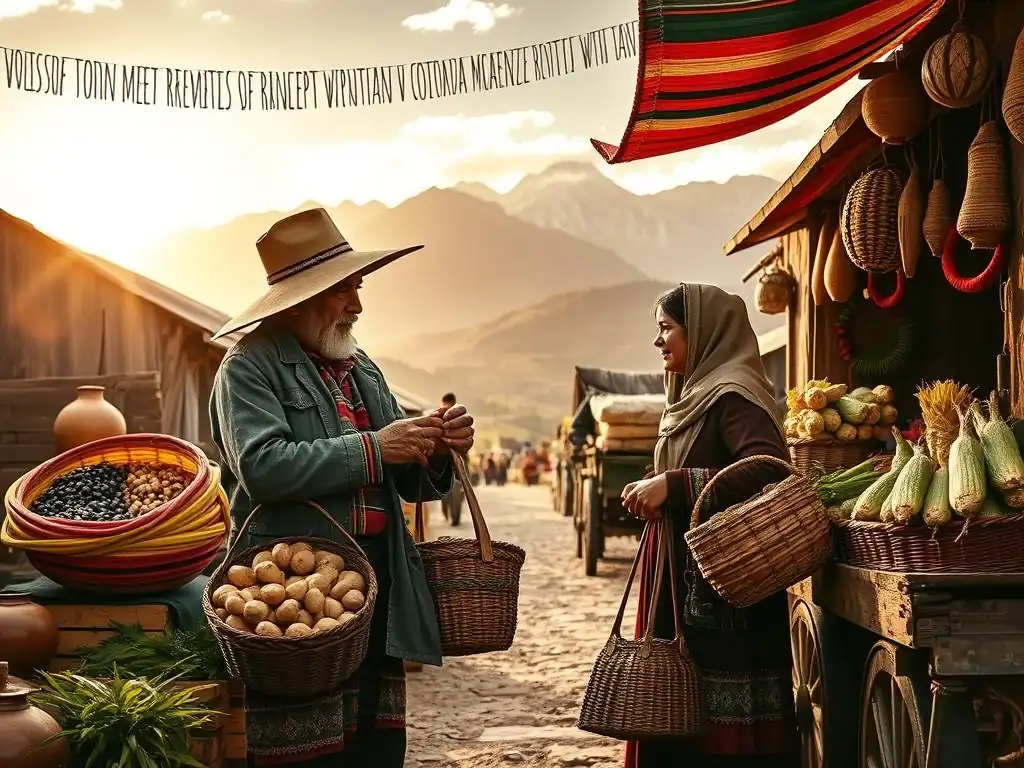
The Andean agricultural trade systems were pivotal in shaping the economies and societies of pre-Columbian indigenous cultures. These systems not only facilitated trade among various communities but also fostered social cohesion and cultural exchange. The rich agricultural diversity of the Andes, characterized by crops like potatoes, maize, quinoa, and various tubers, enabled the establishment of intricate trade networks that spanned vast distances. The unique topography of the region, with its high mountains and valleys, contributed to the development of specialized agricultural practices tailored to different ecological niches, which in turn supported vibrant trade activities.
Trade Routes in the Andean Region
The Andean region was crisscrossed by a network of trade routes that connected various communities and civilizations. These routes facilitated the exchange of goods, ideas, and cultural practices across different altitudes and regions. Key features of these trade routes include:
- Interconnected Pathways: Major trade routes, such as the Inca road system, linked coastal areas with highland regions, enabling the transport of agricultural products and resources.
- Natural Obstacles: The Andes' geographical challenges, including high altitudes, steep mountains, and rugged terrain, necessitated the development of innovative transportation methods, such as the use of llamas and alpacas for carrying goods.
- Market Centers: Trade hubs like Cusco emerged as central marketplaces where goods from diverse regions were exchanged. These hubs played a crucial role in fostering economic interaction and cultural exchange.
| Trade Route | Key Features |
|---|---|
| Coastal Route | Connected coastal communities with highland areas. |
| Highland Pathways | Facilitated movement of goods between various ecological zones. |
| Lowland Connections | Linked the Andean region with neighboring areas, including the Amazon basin. |
Barter Systems and Economic Exchange
In the absence of a formal currency, Andean agricultural trade systems relied heavily on barter systems for economic exchange. The following aspects characterize these barter systems:
- Direct Exchange: Communities exchanged goods directly, such as trading surplus crops for textiles, pottery, or metals. This direct trade fostered relationships and alliances among different groups.
- Standardized Units: Certain commodities, like coca leaves, were often used as a standard for trade, facilitating more complex transactions. This practice allowed for a common understanding of value among different groups.
- Community-Based Economy: The local economy was often community-oriented, where surplus production was redistributed among members, reinforcing social bonds and interdependence.
Impact of Agricultural Surplus on Trade
The agricultural practices in the Andean region produced significant surpluses that had a profound impact on trade and economic structures:
- Increased Trade Volume: Surplus production enabled communities to engage in extensive trade, allowing them to exchange not just food but also crafts and raw materials. This exchange contributed to economic prosperity and stability.
- Cultural Exchange: The movement of goods facilitated the exchange of ideas, technologies, and cultural practices. For instance, agricultural techniques such as terrace farming were shared among communities, enhancing overall agricultural productivity.
- Political Power: Control over agricultural surplus often translated into political power, with powerful leaders being able to leverage resources for social and political influence. This dynamic played a crucial role in the governance of various Andean societies.
The Andean agricultural trade systems were essential to the economic and social fabric of indigenous civilizations in the region. Through intricate trade routes, barter systems, and the impact of agricultural surplus, these systems not only shaped local economies but also contributed to the rich tapestry of cultural exchange and development that characterized the Andes before European colonization.
Societal Impacts of Agricultural Trade in the Andes
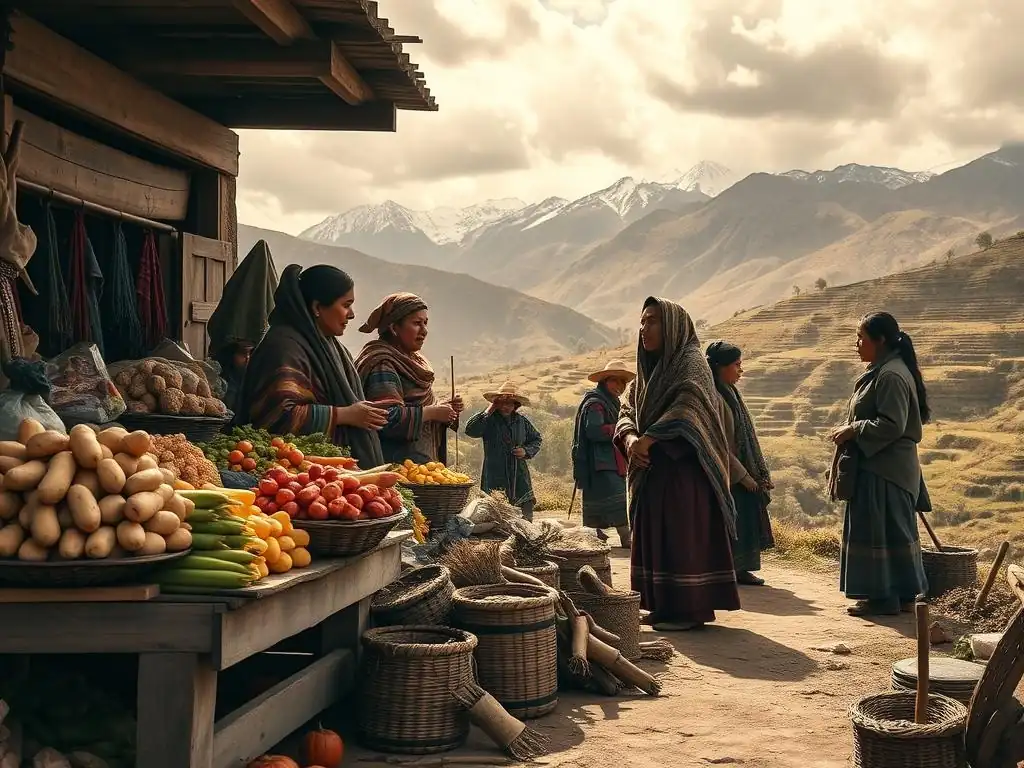
The Andean agricultural trade systems significantly influenced the societal structure and economic classes within indigenous communities. These systems allowed for the development of a stratified society, where agricultural output dictated wealth and social status.
- Elites and Leaders: In many Andean cultures, such as the Inca Empire, the elite class controlled large tracts of land and resources. They had access to the best agricultural lands, which enabled them to produce surplus crops. This surplus was crucial for trade and solidified their power over the lower classes. The elites often exchanged agricultural products for luxury items, such as textiles and metals, reinforcing their status.
- Common Farmers: The majority of the population consisted of common farmers who worked the land. They cultivated staple crops such as potatoes, maize, and quinoa, which were vital for sustenance and trade. While they had less wealth compared to the elites, their agricultural skills were essential in maintaining the economy.
- Labor Specialization: The trade of agricultural goods led to labor specialization within communities. Some individuals focused exclusively on farming, while others engaged in trade, textile production, or metalworking. This division of labor fostered economic interdependence, as farmers relied on artisans for goods in exchange for their produce.
The social hierarchy established through agricultural trade not only shaped the economic landscape but also impacted cultural identities and practices within Andean societies.
Cultural Exchanges Through Trade
Agricultural trade in the Andes served as a catalyst for cultural exchanges among different indigenous groups. This dynamic interaction enriched cultural practices, beliefs, and technologies.
- Diversity of Crops: The trade networks facilitated the exchange of diverse crops, which contributed to dietary variety and agricultural innovation. For instance, the introduction of new varieties of potatoes and maize from different regions led to enhanced agricultural resilience and food security.
- Shared Agricultural Techniques: As different groups interacted through trade, they also shared agricultural techniques and technologies. The Andean people developed advanced agricultural practices, such as terracing and irrigation, which were exchanged among communities. These techniques not only improved crop yields but also fostered collaboration and knowledge-sharing.
- Cultural Rituals and Festivals: Trade routes became conduits for cultural rituals and festivals, where communities gathered to celebrate agricultural harvests. These events promoted social cohesion and the sharing of cultural traditions, such as music, dance, and storytelling, strengthening the bonds among different groups.
Through these exchanges, Andean agricultural trade systems not only enhanced economic prosperity but also played a pivotal role in the cultural richness of the region.
The Role of Agriculture in Community Development
Agriculture was foundational to community development in the Andean region, influencing various aspects of life, including social organization, economic stability, and environmental sustainability.
- Community Organization: Agricultural practices fostered the establishment of organized communities. The need for collective labor during planting and harvest seasons encouraged cooperation among community members. This collaboration often led to the formation of social groups based on shared agricultural responsibilities.
- Economic Stability: The ability to produce surplus crops allowed communities to engage in trade with neighboring tribes, enhancing economic stability. Surplus production ensured that communities could withstand adverse conditions, such as droughts or crop failures, by relying on stored goods or trading with others.
- Sustainable Practices: Indigenous Andean agricultural systems exemplified sustainable practices, such as crop rotation and the use of native species. These methods not only preserved the environment but also ensured that agricultural activities could be maintained over generations, supporting long-term community development.
Andean agricultural trade systems were not merely economic mechanisms; they were integral to the social fabric, cultural exchanges, and overall development of indigenous communities in the region. Their legacy continues to influence agricultural practices and trade in modern Andean societies.
Challenges Faced by Andean Agricultural Trade Systems
Environmental Factors Affecting Agriculture
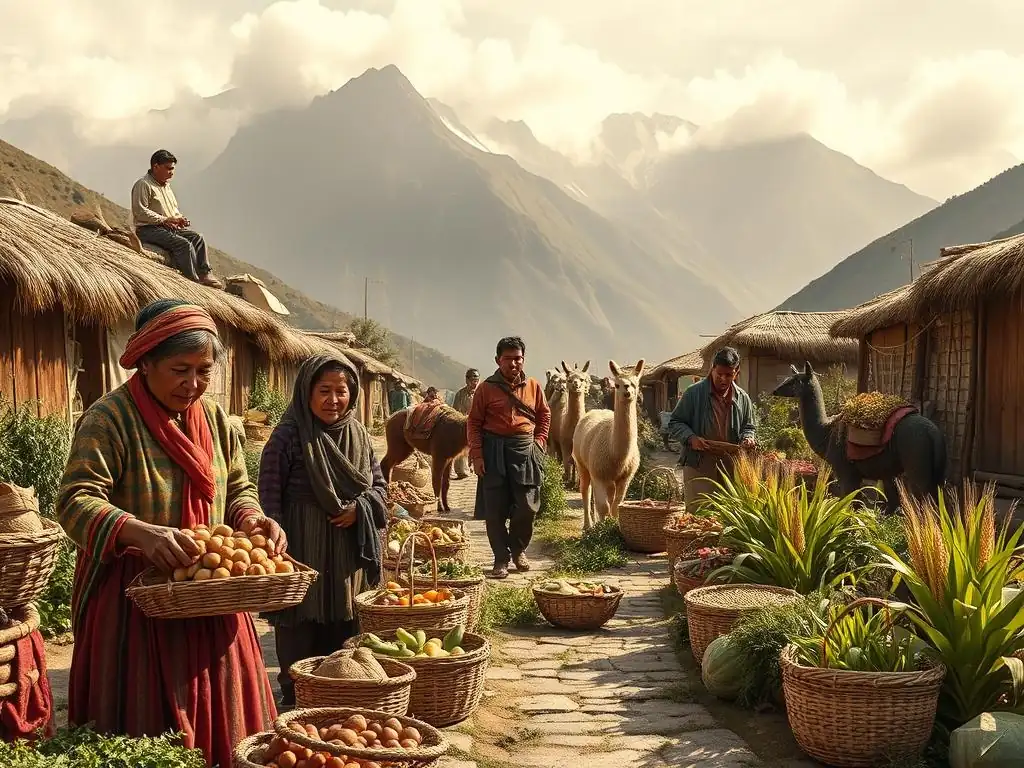
The Andean region, characterized by its diverse topography and climate, presents unique challenges for agricultural trade systems. Several environmental factors play a critical role in shaping the agricultural practices and trade dynamics of this area:
- Altitude Variability: The Andes mountains reach significant elevations, resulting in varying climates across short distances. Higher altitudes often mean cooler temperatures, which can limit the types of crops that can be cultivated. For example, potato varieties thrive in high altitudes, while maize is better suited for lower elevations.
- Soil Composition: The fertility of soil in the Andes can be inconsistent. In some areas, volcanic ash enriches the soil, promoting robust agricultural output. However, in other regions, erosion and nutrient depletion can hinder productivity, affecting the overall trade volume.
- Water Availability: Access to water is another critical factor. While many Andean communities developed sophisticated irrigation systems, variability in precipitation can lead to periods of drought or flooding, disrupting agricultural cycles and trade.
- Climate Change: Recent alterations in climate patterns have introduced additional stressors on agriculture in the Andes. Changes such as increased temperatures and altered precipitation patterns threaten traditional cropping systems, potentially impacting trade systems reliant on these crops.
Socio-Political Influences on Trade
The socio-political landscape of the Andean region has significantly influenced the development and sustainability of agricultural trade systems. Key factors include:
- Territorial Conflicts: Historical and ongoing territorial disputes among various indigenous groups can disrupt trade networks. Conflicts over land rights and access to resources often lead to instability, affecting agricultural production and trade.
- Economic Policies: Government policies and regulations have also played a substantial role in shaping trade practices. Policies that favor large-scale agricultural production can marginalize smallholder farmers, leading to decreased diversity in crops and trade goods.
- Cultural Importance of Crops: Certain crops, such as quinoa and potatoes, hold significant cultural value among Andean societies. These cultural ties can influence trade practices, as communities prioritize local consumption over broader trade relations, potentially limiting market expansion.
- Alliances and Cooperation: On the flip side, cooperative trade agreements among different indigenous groups can enhance trade efficiency. These alliances often focus on sharing resources, knowledge, and access to markets, which can bolster agricultural productivity and trade.
Adaptations and Resilience of Andean Farmers
Andean farmers have demonstrated remarkable adaptability and resilience in the face of challenges affecting their agricultural trade systems. Their strategies include:
- Diverse Crop Cultivation: To mitigate risks associated with environmental factors, Andean farmers often practice polyculture, growing a variety of crops. This diversity not only ensures food security but also enhances trade opportunities, as different crops can appeal to various markets.
- Innovative Agricultural Techniques: Farmers have developed unique farming techniques, such as terracing and raised beds, to maximize arable land use on steep slopes. These methods help conserve soil and water, contributing to sustained agricultural productivity.
- Traditional Knowledge: The transmission of traditional agricultural knowledge across generations has equipped Andean farmers with the skills needed to adapt to changing conditions. This includes understanding local ecosystems, seasonal cycles, and crop management practices tailored to specific environments.
- Community Support Systems: Strong community networks often play a vital role in supporting farmers during difficult times. Cooperative systems allow farmers to share resources, labor, and knowledge, fostering resilience against socio-political and environmental challenges.
While Andean agricultural trade systems face numerous challenges, the adaptability and innovative practices of Andean farmers continue to facilitate trade and sustain their economies. By addressing environmental factors and leveraging socio-political influences, these farmers have developed robust systems that not only support their communities but also contribute to the broader Andean economy.
The Legacy of Andean Agricultural Trade Systems
Long-term Impacts on Indigenous Economies
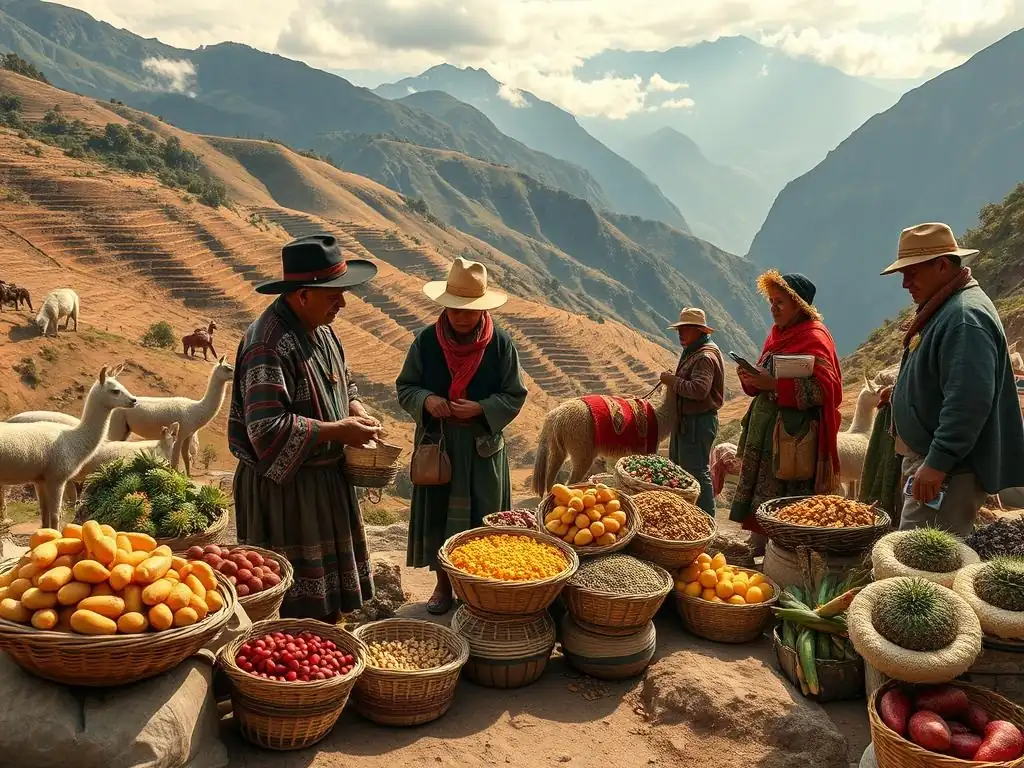
The Andean agricultural trade systems laid a robust foundation for socio-economic structures that have endured through the centuries. By cultivating diverse crops such as maize, potatoes, and quinoa, Andean civilizations developed complex agricultural practices that not only sustained their communities but also facilitated trade networks across vast distances. The introduction of terracing and irrigation techniques allowed for increased productivity, which led to surplus production. This surplus not only fed local populations but also enabled the exchange of goods and resources between different regions, fostering economic interdependence among various indigenous groups.
The establishment of trade routes, such as the Inca road system, connected highland and lowland communities, allowing for the efficient movement of agricultural products. The exchange of goods was often regulated through a system of barter that included textiles, pottery, and metalwork, demonstrating a sophisticated understanding of economic principles. This inter-regional trade was vital for the development of complex societies, as it encouraged the specialization of labor and the emergence of trade centers, which further stimulated local economies.
Influence on Modern Agricultural Practices in the Region
The legacy of Andean agricultural trade systems continues to influence modern agricultural practices in the Andean region today. Many contemporary farmers still rely on traditional methods such as crop rotation and the use of indigenous seed varieties, which have been passed down through generations. These practices are essential for maintaining soil fertility and ensuring sustainable agricultural outputs.
Moreover, the revival of ancient crops like quinoa has gained international attention due to its nutritional value and adaptability to harsh climates. As global demand for organic and sustainably sourced foods increases, Andean farmers have the opportunity to capitalize on their unique agricultural heritage. This resurgence not only supports local economies but also promotes biodiversity and cultural preservation.
| Aspect | Traditional Practices | Modern Adaptations |
|---|---|---|
| Crop Diversity | Use of native crop varieties | Incorporation of organic farming techniques |
| Farming Methods | Terracing, irrigation, and crop rotation | Sustainable practices and permaculture |
| Economic Systems | Barter and local trade | Integration into global markets |
Preservation of Andean Agricultural Traditions
The preservation of Andean agricultural traditions is vital for maintaining the cultural identity of indigenous peoples in the region. Many communities actively engage in practices that honor their ancestors and the agricultural systems that sustained them for centuries. Festivals celebrating harvests and traditional farming techniques serve not only as a means of cultural expression but also as an educational tool for younger generations.
Organizations dedicated to the preservation of Andean agricultural knowledge are increasingly advocating for the recognition of these practices as invaluable cultural heritage. Initiatives to promote agroecology and community-supported agriculture are helping to sustain traditional farming practices while adapting them to contemporary challenges such as climate change and market pressures.
The legacy of Andean agricultural trade systems is profound, influencing not only historical economies but also modern agricultural practices and cultural preservation efforts. The ongoing commitment to these traditions ensures that the rich agricultural heritage of the Andean civilizations continues to thrive in the face of globalization and environmental change.
Conclusion: The Significance of Andean Agricultural Trade Systems
Summary of Key Points
The Andean agricultural trade systems were pivotal in shaping the economic landscape of pre-Columbian South America. These systems showcased remarkable ingenuity in agricultural practices, enabling communities to thrive in the challenging Andean environment. Here are the key points that underline their significance:
- Innovative Techniques: Indigenous peoples employed advanced techniques such as terracing, irrigation, and crop rotation, which maximized agricultural output. These practices not only supported local consumption but also facilitated surplus production for trade.
- Diversification of Crops: The Andean region was home to a rich variety of crops, including potatoes, quinoa, and maize. This diversification allowed for resilience against crop failures and provided a steady supply of goods for local markets and trade networks.
- Trade Networks: The establishment of extensive trade networks allowed for the exchange of agricultural products across vast distances. These networks connected various Andean cultures and facilitated the movement of goods, ideas, and technologies.
- Cultural Exchange: Trade not only involved the exchange of agricultural products but also fostered cultural interactions. This led to the sharing of agricultural knowledge, culinary practices, and social customs among different indigenous groups.
- Economic Foundation: The agricultural surplus generated by these systems provided a strong economic foundation that supported the growth of complex societies, including powerful empires like the Inca. The ability to trade surplus goods was crucial for political stability and social organization.
The Lasting Influence on Indigenous Civilizations of the Americas
The influence of Andean agricultural trade systems extends far beyond their immediate economic benefits. Their legacy can be seen in various aspects of indigenous civilizations in the Americas:
- Agricultural Knowledge: The techniques developed in the Andes laid a foundation for agricultural practices in other regions. Many of these methods have been adapted and integrated into modern agricultural systems, showcasing their enduring relevance.
- Cultural Identity: The crops and trade practices became integral to the cultural identity of Andean societies. Festivals, rituals, and social gatherings often centered around agricultural cycles and the celebration of harvests, thus reinforcing community bonds.
- Social Structures: The economic activities stemming from agricultural trade contributed to the establishment of social hierarchies and governance structures within indigenous communities. Leaders emerged to manage trade relations and agricultural production, shaping the political landscape of the region.
- Resilience and Adaptation: The ability to adapt agricultural practices in response to environmental challenges has fostered a resilient cultural identity among Andean peoples. This adaptability continues to be a hallmark of indigenous communities today, as they navigate modern challenges.
The Andean agricultural trade systems not only facilitated economic trade but also played a crucial role in the development of social, cultural, and political structures within indigenous civilizations of the Americas. Their significance remains evident in the rich tapestry of indigenous heritage and agricultural practices that continue to thrive today.
Frequently Asked Questions
What were the primary crops cultivated in the Andean agricultural systems?
The Andean agricultural systems primarily cultivated potatoes, maize, and quinoa, which were vital for both local consumption and trade.
How did Andean agricultural trade systems influence the economy?
The Andean agricultural trade systems allowed for the exchange of surplus crops, promoting economic growth and fostering inter-regional trade among various indigenous groups.
What role did technology play in Andean agriculture?
Innovative technologies such as terracing and irrigation systems significantly enhanced crop yields, enabling more efficient trade and supporting larger populations.
How did Andean societies organize their trade networks?
Andean societies established complex trade networks based on reciprocity and exchange, linking communities through a structured system of barter and shared resources.
What lasting impacts did these agricultural systems have on modern economies?
The Andean agricultural trade systems laid the foundation for contemporary agricultural practices and trade routes, influencing modern economic structures in the region.
Final Reflection: The Enduring Legacy of Andean Agricultural Trade Systems
The intricate web of Andean agricultural trade systems not only shaped the economic landscape of ancient civilizations but continues to resonate in today's global economy. As we explore the historical significance of these systems, it becomes clear that they laid the groundwork for modern trade practices, emphasizing the importance of sustainable agriculture and community resilience in the face of contemporary challenges. The lessons learned from these ancient practices are more relevant than ever, urging us to reconsider our own agricultural and trade strategies in a world increasingly defined by globalization.
Cultural and social dynamics have been profoundly influenced by the Andean agricultural trade systems, which fostered not only economic exchange but also the sharing of knowledge and cultural practices. The interconnectedness of these communities highlights the importance of collaboration and mutual support in achieving prosperity. As we reflect on this, we are reminded of the words of anthropologist Gary Nabhan: The future of our food systems depends on our ability to learn from the past.
This sentiment underscores the necessity of looking back at these historical systems to inform our current practices and to cultivate a more sustainable future.
As we move forward, let us take a moment to reflect on how the principles of Andean agricultural trade systems can inspire our actions today. Consider how you can incorporate sustainable practices in your own life or community, fostering connections that honor the past while paving the way for future generations. By embracing the lessons of resilience, cooperation, and sustainability, we can contribute to a more equitable and thriving global economy, ensuring that the legacy of the Andean agricultural systems endures for years to come.
Unleash the Power of Andean Agriculture Today!
Thank you for diving into the fascinating world of Andean agricultural systems! By exploring how these ancient practices shaped trade and economy, you've unlocked insights into the resilience and ingenuity of indigenous civilizations. Now, it's time to take action and apply this knowledge to make an impact today.
- Engage with your local agricultural community: Attend workshops or farmer's markets to discover sustainable practices.
- Share your newfound knowledge: Discuss Andean systems with friends and family, or write a post on social media to spark interest in these valuable methods.
- Explore further: Visit a museum or online resource that highlights indigenous agricultural practices and their global influence.
What steps will you take to honor and integrate the lessons from Andean agriculture into your own life or community?