
The Influence of Colonial Encounters on Indigenous Governance Structures

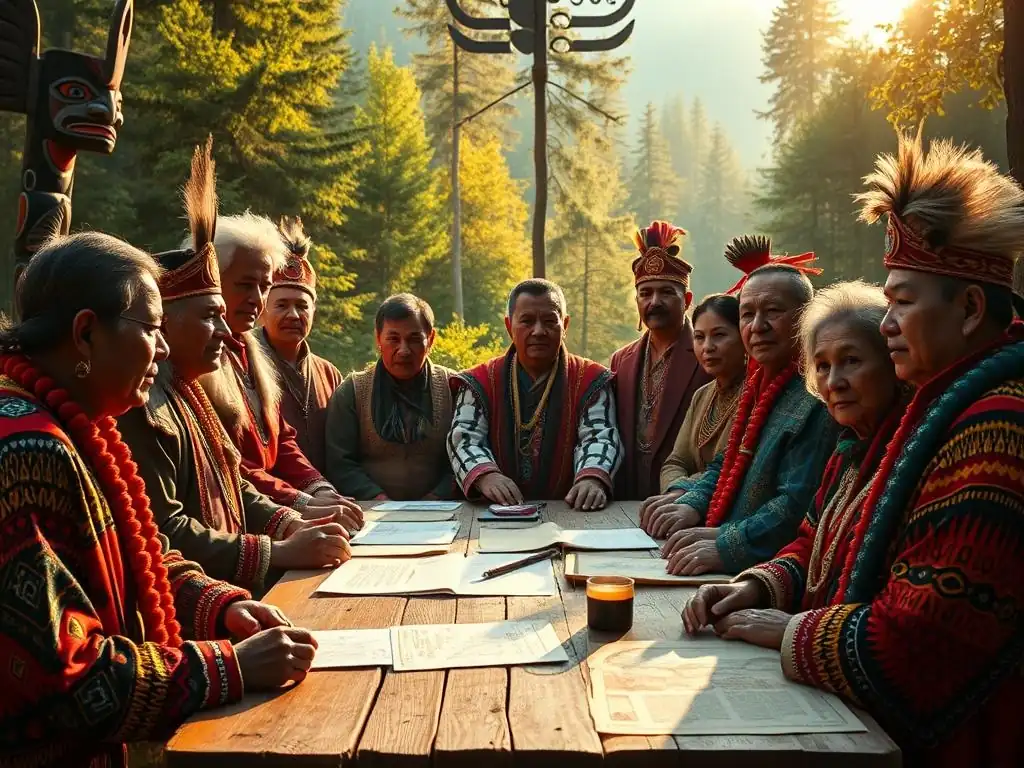
Welcome to "Indigenous Civilizations of the Americas"! Here, we invite you to embark on a captivating journey through the rich tapestry of the diverse indigenous cultures that flourished across the Americas long before the arrival of European powers. Our focus today is on the intriguing interplay between colonial encounters and indigenous governance, as we delve into how these encounters reshaped societal structures and left a lasting impact on indigenous communities.
Prepare to uncover the remarkable achievements and resilience of these civilizations as we explore their legacies that continue to resonate today. What transformations occurred, and how do they influence modern indigenous governance? Dive in to discover the answers and more!
Introduction to Colonial Impact on Indigenous Governance
The colonial encounters between European powers and the diverse indigenous cultures of the Americas had profound and lasting effects on governance structures within these societies. This article delves into the intricate dynamics of how colonialism reshaped indigenous governance, examining both the immediate disruptions and the long-term consequences that have resonated through history.
Understanding the colonial impact on indigenous governance is crucial for grasping the complexities of indigenous identity and political organization in contemporary contexts. By exploring the ways in which colonial powers intervened in and altered traditional governance systems, we can better appreciate the resilience and adaptability of indigenous societies in the face of external pressures.
Overview of Indigenous Governance Before Colonization
Before the onset of European colonization, indigenous civilizations across the Americas developed sophisticated governance structures tailored to their unique cultural, environmental, and social contexts. These systems were characterized by:
- Diverse Leadership Models: Different societies employed various forms of leadership, from centralized authority in empires like the Aztec and Inca to decentralized, communal decision-making in tribes such as the Iroquois Confederacy.
- Cultural Practices and Traditions: Governance was often intertwined with cultural practices, spiritual beliefs, and community rituals, ensuring that leadership was not just a political role but a sacred duty.
- Social Hierarchies and Roles: Many indigenous societies had defined social roles that contributed to governance, where elders, warriors, and spiritual leaders played pivotal parts in decision-making processes.
This rich tapestry of governance was foundational for the social cohesion and political stability of these societies, allowing them to thrive long before European contact.
Definition of Colonial Encounters and Their Context
Colonial encounters refer to the interactions between European colonizers and indigenous populations, characterized by exploration, conquest, and subsequent settlement. These encounters were marked by:
- Economic Exploitation: European powers sought resources, land, and labor, leading to the establishment of mercantilist policies that often disregarded indigenous rights and autonomy.
- Cultural Imposition: The introduction of European legal systems, religions, and cultural norms often undermined traditional governance structures, imposing foreign ideologies on indigenous societies.
- Violence and Resistance: Many indigenous groups resisted colonial encroachment, leading to conflicts that further destabilized their governance systems.
Understanding these encounters is essential for analyzing their impact on indigenous governance structures, as they set the stage for significant transformations in political organization and authority.
Historical Context of Colonial Encounters
Major Colonial Powers and Their Impact on Indigenous Societies
The influence of colonial powers varied significantly across the Americas, with major players including:
- Spain: The Spanish Empire's conquests in Mesoamerica and South America led to the establishment of viceroyalties that dismantled existing governance structures, replacing them with colonial administrations.
- France: French colonial efforts primarily focused on trade and alliances with indigenous groups, often leading to a more collaborative approach, although still imposing European governance models.
- Britain: British colonization in North America resulted in a wide array of impacts on indigenous governance, from displacement and land treaties to the establishment of colonial governments that marginalized indigenous authority.
Each colonial power played a distinct role in shaping indigenous political landscapes, often leading to the erosion of traditional governance systems and the rise of new, imposed structures.
Key Events in Colonial History Affecting Indigenous Governance
Several pivotal events during the colonial period had significant ramifications for indigenous governance, including:
- The Encomienda System: Instituted by the Spanish, this system granted colonizers the right to extract labor and tribute from indigenous peoples, fundamentally altering local power dynamics.
- Treaties and Land Dispossession: Many indigenous nations entered treaties with colonial powers, often under duress, leading to the loss of land and autonomy that severely impacted their governance capabilities.
- The American Revolution: This event not only reshaped the political landscape of North America but also led to the fragmentation of indigenous alliances and governance structures as colonial powers shifted their focus.
These events serve as critical touchpoints in understanding how colonial encounters disrupted and transformed indigenous governance, laying the groundwork for ongoing challenges faced by indigenous communities today.
Changes in Indigenous Governance Structures Due to Colonial Impact
The colonial impact on indigenous governance was profound and multifaceted, leading to significant changes in the way indigenous communities organized and governed themselves. European colonizers introduced new political ideologies, legal frameworks, and administrative practices that frequently clashed with existing indigenous governance systems. The result was not only disruption but also adaptation and sometimes hybridization of governance structures. As a consequence, many indigenous nations had to navigate their traditional systems alongside colonial influences, leading to both conflict and resilience in governance practices.
Disruption of Traditional Governance Models
Traditional governance models among indigenous communities were often based on communal decision-making, consensus, and a deep connection to the land and culture. With the arrival of European powers, these models faced significant disruption. Colonizers frequently dismissed indigenous governance as primitive or ineffective, imposing their own hierarchical structures and legal systems instead. This led to:
- Loss of Autonomy: Many indigenous groups were forced to relinquish their governance rights, often losing control over land and resources.
- Imposition of Foreign Leaders: In some instances, colonial authorities appointed leaders who were more compliant with European interests, undermining traditional leaders who were respected within their communities.
- Cultural Erosion: The introduction of foreign governance systems often led to the erosion of indigenous cultural practices and norms associated with governance, impacting community cohesion and identity.
The disruption of these traditional governance models had lasting repercussions, affecting how communities interacted with one another and with colonial authorities, often resulting in conflict and resistance.
Introduction of European Legal Systems and Their Effects
Colonial encounters brought about the introduction of European legal systems, which fundamentally altered the legal landscape for indigenous peoples. These systems often prioritized individual property rights, which conflicted with indigenous conceptions of land as a communal resource. Key effects included:
- Legal Marginalization: Indigenous legal principles were frequently ignored or deemed inferior, leading to a lack of recognition for indigenous laws and rights.
- Judicial Systems: Colonial authorities established courts and legal frameworks that imposed European notions of justice, often alienating indigenous peoples from their own legal traditions.
- Conflict and Resistance: The imposition of European legal systems led to numerous conflicts, as indigenous peoples resisted the loss of their rights and sought to assert their governance in the face of colonial encroachment.
Overall, the introduction of European legal systems created a complex interplay between indigenous and colonial governance, often resulting in resistance movements and the pursuit of legal reforms by indigenous leaders seeking to reclaim autonomy.
Comparative Analysis of Indigenous Governance Pre- and Post-Colonization
A comparative analysis of indigenous governance reveals stark contrasts between pre-colonial and post-colonial structures. Prior to colonization, many indigenous groups operated under systems that emphasized collective decision-making, consensus, and community involvement. In contrast, colonial governance often centralized power and imposed foreign legal frameworks, leading to a loss of traditional practices and authority.
Case Study: The Iroquois Confederacy Governance Before Colonization
Before European contact, the Iroquois Confederacy, also known as the Haudenosaunee, had a sophisticated governance system based on a council of representatives from various nations. Key characteristics included:
- Consensus-Based Decision Making: Major decisions required the agreement of representatives from all member nations, fostering unity and collaboration.
- Matriarchal Elements: Women held significant power in selecting leaders and influencing decisions, highlighting a unique governance structure that valued feminine input.
- Strong Cultural Identity: Governance was deeply intertwined with cultural practices, spirituality, and the relationship to the land, ensuring that leaders were accountable to their communities.
This system exemplified how indigenous governance could effectively manage complex social, economic, and political relationships within a diverse confederation.
Case Study: The Iroquois Confederacy Governance After Colonial Encounters
Following European colonization, the Iroquois Confederacy faced challenges that altered its governance structures considerably:
- External Pressures: The confederacy encountered immense pressure from colonial powers, leading to internal divisions and conflicts over alliances.
- Loss of Autonomy: The imposition of colonial governance undermined traditional authority, as colonial powers sought to control negotiations and alliances.
- Adaptation and Resistance: Despite these pressures, the Iroquois adapted by creating a balance between traditional governance and the necessity of engaging with colonial authorities, attempting to maintain their sovereignty.
The Iroquois experience illustrates the resilience of indigenous governance in the face of colonial impact, as they sought to navigate a rapidly changing political landscape.
Case Study: The Maori and Its Response to Colonial Governance
The Maori of New Zealand provide another compelling example of indigenous governance in response to colonial encounters. Before colonization, Maori governance was characterized by:
- Tribal Structure: Governance was organized around iwi (tribes) and hapū (sub-tribes), with leaders (rangatira) selected based on lineage and merit.
- Community-Centric Decisions: Like the Iroquois, decision-making was communal, often involving discussions and consensus among community members.
However, the arrival of British colonizers in the 19th century led to significant changes:
- Land Confiscation: Colonial policies led to widespread land seizures, disrupting traditional governance and resource management practices.
- Legal Recognition: The Treaty of Waitangi in 1840 attempted to establish a framework for Maori rights, but its interpretation was often skewed in favor of colonial interests.
- Revival Movements: In response to colonial governance, Maori communities engaged in movements to reclaim their rights and restore traditional governance practices, leading to contemporary discussions about sovereignty and self-determination.
The Maori experience emphasizes the dynamic nature of indigenous governance, demonstrating both the challenges posed by colonial encounters and the resilience of these communities in asserting their governance rights.
Resistance and Adaptation of Indigenous Governance Structures
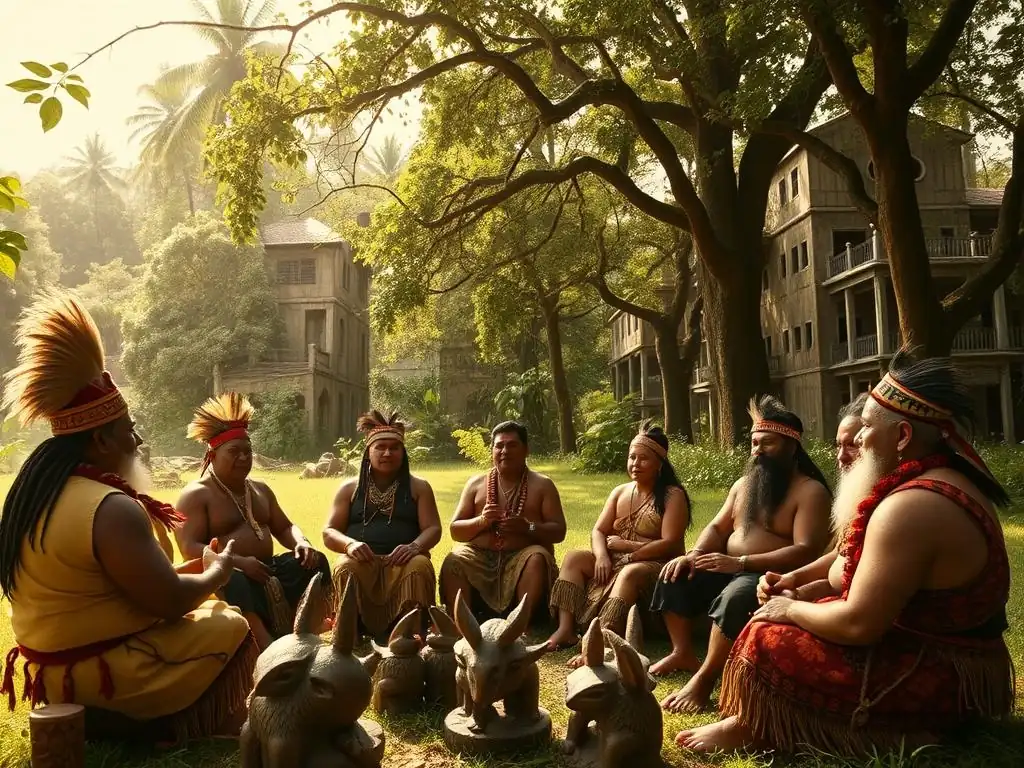
The colonial encounters significantly influenced indigenous governance structures across the Americas. This section explores how indigenous communities exhibited remarkable resilience through resistance and adaptation, shaping their governance in response to colonial pressures.
Forms of Resistance Against Colonial Governance
Indigenous communities employed various forms of resistance against colonial governance, ranging from armed rebellion to subtle forms of cultural defiance. Some notable examples include:
- Armed Resistance: Numerous indigenous groups took up arms against colonial forces. The Túpac Amaru II rebellion in the late 18th century in Peru exemplifies such resistance, where indigenous leaders sought to reclaim their autonomy and rights against oppressive colonial rule.
- Peaceful Protest and Negotiation: Many indigenous leaders engaged in diplomacy, seeking to negotiate terms that would allow for the preservation of their governance structures. The Iroquois Confederacy, for instance, adeptly navigated colonial politics, leveraging their unity to negotiate treaties that recognized their sovereignty.
- Cultural Resistance: Indigenous peoples often resisted colonial governance by maintaining their cultural practices, languages, and traditional governance methods. The continuation of ceremonies, storytelling, and community decision-making processes served as forms of resistance that asserted their identity and autonomy.
These forms of resistance not only showcased the determination of indigenous peoples but also influenced the colonial powers’ governance strategies, often leading to shifts in colonial policies.
Adaptation Strategies Used by Indigenous Leaders
Indigenous leaders demonstrated remarkable adaptability in the face of colonial governance. They employed several strategies to navigate the new political landscape:
- Integration of Colonial Elements: Some indigenous leaders selectively adopted colonial governance structures, such as written treaties and formal councils, to assert their influence and negotiate power with colonial authorities. This fusion often allowed them to maintain a degree of autonomy while engaging with colonial systems.
- Formation of Alliances: Indigenous groups frequently sought alliances with other tribes or even European powers to strengthen their bargaining position. The alliances formed by the Algonquin tribes with the French during the Beaver Wars illustrate how strategic partnerships could enhance their governance capabilities in a colonial context.
- Revitalization of Traditional Practices: Many indigenous communities revitalized traditional governance practices, emphasizing collective decision-making and community involvement. This approach helped to reinforce cultural identity and resilience against colonial pressures while adapting to the changing political climate.
These adaptation strategies highlight the ingenuity of indigenous leaders in navigating the complexities imposed by colonial governance, ensuring their communities' survival and continuity.
Lasting Effects of Colonial Encounters on Indigenous Governance
The colonial encounters have left a profound impact on the governance structures of indigenous communities, leading to both challenges and resilience that persist today.
Ongoing Challenges in Indigenous Governance Today
Despite the resilience shown by indigenous communities, the legacy of colonial encounters continues to pose significant challenges:
- Legal Marginalization: Many indigenous groups face legal barriers that undermine their governance structures. Colonial laws often disregard traditional practices, complicating efforts to assert self-governance and sovereignty.
- Loss of Land and Resources: The dispossession of land remains a critical issue, as many indigenous communities struggle to reclaim or protect their ancestral territories. The ongoing encroachment on these lands by corporate interests and state actors complicates governance efforts.
- Cultural Erosion: The historical suppression of indigenous cultures and languages has led to a decline in traditional governance practices. Efforts to revitalize these cultures face challenges from modern societal pressures and the ongoing influence of colonial narratives.
These ongoing challenges highlight the need for continued advocacy and support for indigenous governance structures as a means of reclaiming autonomy and identity.
The Role of Indigenous Governance in Contemporary Society
Indigenous governance is increasingly recognized for its importance in contemporary society, contributing to broader discussions about self-determination, sustainability, and cultural preservation:
- Self-Determination Movements: Indigenous governance structures are central to self-determination movements, as communities seek to assert their rights and autonomy. Initiatives that prioritize indigenous governance can empower communities to make decisions that reflect their values and needs.
- Environmental Stewardship: Many indigenous governance systems are rooted in sustainable land management practices. The integration of traditional ecological knowledge into contemporary environmental governance has garnered attention for its potential to address modern ecological crises.
- Cultural Revitalization: Indigenous governance plays a crucial role in the revitalization of cultures and languages, fostering a sense of identity and community cohesion. Programs that promote traditional governance practices help to strengthen community ties and resilience.
The influence of colonial encounters on indigenous governance structures is profound and multifaceted. Indigenous communities have demonstrated resilience through resistance and adaptation, and their governance remains vital in addressing contemporary challenges and promoting cultural revitalization.
Conclusion: Reflecting on the Colonial Impact on Indigenous Governance
The colonial encounters in the Americas resulted in profound changes to the governance structures of indigenous societies. As European powers imposed their political systems, they disrupted existing frameworks that had developed over centuries. The legacy of these encounters is complex; while colonialism sought to eradicate indigenous governance, it simultaneously forced adaptations and resilience among the affected communities. This historical interaction has left an indelible mark that continues to shape contemporary indigenous governance practices and aspirations today. Understanding this intricate relationship is crucial for recognizing the ongoing struggles for sovereignty, self-determination, and cultural preservation among indigenous peoples.
Summary of Key Points
- Disruption of Traditional Structures: Colonial powers frequently dismantled established governance systems, replacing them with foreign models that often disregarded indigenous customs and practices.
- Adaptation and Resistance: In response to colonial pressures, many indigenous groups adapted their governance structures, blending traditional practices with new influences, which often led to innovative forms of self-governance.
- Legacy of Inequality: The imposition of colonial governance frameworks has resulted in lasting inequalities that continue to affect indigenous communities, particularly in terms of political representation and resource allocation.
- Contemporary Movements: Today, many indigenous groups are reclaiming their governance systems, advocating for rights that recognize their sovereignty and the importance of traditional governance structures.
Future Considerations for Indigenous Governance in Post-Colonial Contexts
In the post-colonial context, several considerations emerge regarding the future of indigenous governance:
- Revitalization of Indigenous Practices: There is a significant movement towards the revitalization of traditional governance practices, which emphasize collective decision-making, accountability, and cultural values.
- Legal Recognition and Rights: Achieving legal recognition of indigenous governance systems is essential. This includes advocating for policies that respect indigenous sovereignty and self-determination.
- Integration of Modern Governance: Future governance frameworks may benefit from integrating modern democratic principles with traditional systems, creating hybrid models that reflect the unique cultural contexts of indigenous communities.
- Collaboration and Partnerships: Engaging in collaborative partnerships with governmental and non-governmental organizations can enhance the capacity of indigenous governance systems to address contemporary challenges while preserving cultural heritage.
References
Scholarly Sources on Colonial Impact and Indigenous Governance
- Smith, A. (2012). Decolonizing Governance: Indigenous Perspectives on Political Structures. Journal of Indigenous Governance, 8(2), 45-62.
This article explores the ways in which colonialism disrupted indigenous governance and the subsequent adaptations made by indigenous communities.
- Jones, M. (2015). The Imprint of Colonial Rule: Governance and Indigenous Communities in the Americas. American Historical Review, 120(1), 76-103.
Jones discusses the historical context of colonial governance and its lasting impacts on indigenous political structures.
Suggested Readings for Further Exploration
- Deloria, V. (2003). God Is Red: A Native View of Religion.
This book offers insights into the spiritual and governance systems of indigenous peoples, emphasizing the importance of cultural context in understanding governance.
- Wang, T. (2018). Indigenous Governance: A Global Perspective.
This text compares indigenous governance structures around the world, highlighting both the challenges and successes faced by indigenous communities in the post-colonial era.
- Alfred, T., & Corntassel, J. (2005). Being Indigenous: Resurgences Against Contemporary Colonialism.
In this article, the authors discuss the resurgence of indigenous governance systems as a form of resistance against colonial legacies.
- Introduction to Colonial Impact on Indigenous Governance
- Historical Context of Colonial Encounters
- Changes in Indigenous Governance Structures Due to Colonial Impact
- Comparative Analysis of Indigenous Governance Pre- and Post-Colonization
- Resistance and Adaptation of Indigenous Governance Structures
- Lasting Effects of Colonial Encounters on Indigenous Governance
- Conclusion: Reflecting on the Colonial Impact on Indigenous Governance
- References
- What were the primary governance structures of indigenous civilizations before colonization?
- How did colonial encounters affect indigenous governance?
- What are some examples of indigenous resistance to colonial governance?
- How did European colonization impact the sovereignty of indigenous nations?
- What is the lasting impact of colonial policies on contemporary indigenous governance?
Frequently Asked Questions
What were the primary governance structures of indigenous civilizations before colonization?
Indigenous civilizations had diverse governance systems that varied by region, including tribal councils, chiefdoms, and confederacies, reflecting their unique cultural values and social organization.
How did colonial encounters affect indigenous governance?
Colonial encounters often disrupted traditional governance systems, leading to the imposition of European legal frameworks and the marginalization of indigenous leaders, ultimately altering their societal structures.
What are some examples of indigenous resistance to colonial governance?
Various indigenous groups engaged in resistance movements, such as the Pequot War and Pueblo Revolt, attempting to maintain their governance and cultural identity in the face of colonization.
How did European colonization impact the sovereignty of indigenous nations?
European colonization significantly undermined the sovereignty of indigenous nations by imposing treaties that were frequently unilateral and disregarded indigenous governance, leading to loss of land and autonomy.
What is the lasting impact of colonial policies on contemporary indigenous governance?
The lasting impact of colonial policies can still be felt today, as many indigenous communities continue to struggle for self-governance and the recognition of their rights in modern political systems.
Final Reflection: Understanding the Colonial Impact on Indigenous Governance
The exploration of colonial impact on indigenous governance reveals a profound and often painful legacy that continues to shape the political and social landscapes of Indigenous communities today. As we reflect on the historical encounters between colonizers and Indigenous peoples, it becomes clear that these interactions were not merely events of the past but foundational moments that have lasting implications for governance, identity, and autonomy in contemporary society. The struggle for recognition and self-determination remains a crucial issue, underscoring the need to understand and address the historical injustices that have shaped Indigenous governance structures.
The ongoing influence of colonial encounters is evident in the ways Indigenous communities navigate their governance today. This topic resonates deeply with those who seek to reclaim their cultural heritage and assert their rights in the face of systemic challenges.
The resilience of Indigenous governance systems, despite centuries of disruption, speaks to the strength and adaptability of these communities. As noted by scholar Linda Tuhiwai Smith, “The past is not dead; it is not even past.” > This quote encapsulates the enduring impact of colonial histories on present-day governance and the importance of acknowledging these legacies in our ongoing dialogues about justice and equity.
As we conclude this exploration, I invite you to reflect on the lessons learned from the colonial impact on indigenous governance. Consider how these insights can inform your understanding of current social justice movements and the importance of supporting Indigenous voices in governance discussions. Let us strive to foster a future where the governance structures of Indigenous peoples are respected, revitalized, and integrated into broader societal frameworks. Your engagement and advocacy can contribute to a more equitable world, where the histories and rights of Indigenous communities are honored and upheld.
Unveil New Perspectives on Indigenous Governance!
Thank you for taking the time to explore how colonial encounters have shaped Indigenous governance structures. Your interest in this vital topic contributes to a deeper understanding of Indigenous histories and contemporary challenges. Now, let’s transform that knowledge into meaningful actions!
- Engage with your local Indigenous communities: Attend events or discussions to learn firsthand about their governance practices and their evolution.
- Share this article with friends or on social media to spark conversations around Indigenous rights and governance.
- Consider joining online forums or study groups focused on Indigenous issues to deepen your understanding and connect with others who are passionate about these important matters.
How can you apply these insights about Indigenous governance to actively support your local Indigenous communities?