
The Forgotten Legacies: What Indigenous Civilizations Lost to European Invaders

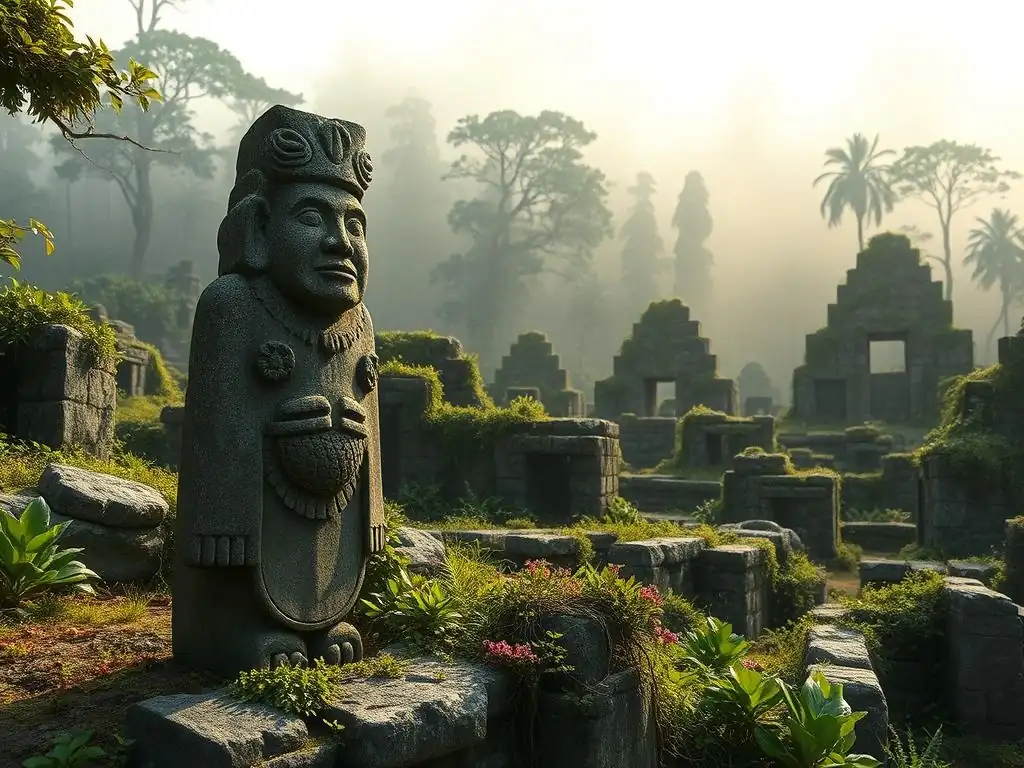
Welcome to Indigenous Civilizations of the Americas, where we invite you to embark on a journey through the rich tapestry of cultures that flourished long before European contact. In our featured article, “The Forgotten Legacies: What Indigenous Civilizations Lost to European Invaders,” we delve deep into the profound impact of colonization, uncovering the indigenous civilizations lost legacies that continue to resonate today.
Prepare to be captivated by stories of resilience, innovation, and the indelible mark left by these remarkable societies. Join us as we shed light on their achievements and explore the cultural treasures that time has not forgotten—your adventure into the past begins here!
Indigenous civilizations across the Americas were rich in culture, knowledge, and achievements long before European invaders set foot on their lands. These societies developed complex systems of governance, advanced agricultural practices, and profound spiritual beliefs, all of which contributed to a vibrant tapestry of human experience. However, the arrival of European colonizers led to devastating consequences, resulting in the loss of invaluable legacies—both tangible and intangible.
This article delves into the depths of these lost legacies, highlighting the cultural heritage that was disrupted and dismantled during this tumultuous period. By understanding what was lost, we can better appreciate the resilience of these cultures and the ongoing impact of their historical narratives.
Introduction to Indigenous Civilizations and Their Legacies
The indigenous civilizations of the Americas were not monolithic but rather a mosaic of diverse cultures, each with its unique traditions and histories. Before European contact, these societies thrived in various environments, ranging from the arid deserts of the Southwest to the dense forests of the Northeast and the vast plains of the Midwest. They were characterized by their adaptability, innovation, and a deep connection to the land.
The legacies of these civilizations encompass a wide array of achievements, including advanced agricultural techniques, intricate social structures, and rich spiritual practices. Unfortunately, many of these legacies were tragically lost or diminished due to the impact of European colonization. Understanding these lost legacies is crucial in recognizing the depth of indigenous cultural heritage and the ongoing effects of colonialism.
Overview of Indigenous Civilizations Before European Contact
Before the arrival of Europeans in the late 15th century, numerous indigenous civilizations flourished across the Americas. From the sophisticated urban centers of the Aztecs and Maya to the nomadic tribes of the Great Plains, each group contributed to the continent's rich cultural landscape.
Achievements and Contributions of Indigenous Cultures
Indigenous cultures made significant advancements in various fields, including:
- Agriculture: Many indigenous peoples developed sophisticated agricultural systems, cultivating crops such as maize, beans, and squash—often referred to as the "Three Sisters." These practices not only sustained their communities but also laid the foundation for future agricultural developments.
- Architecture: Remarkable architectural achievements can be seen in the construction of cities like Tenochtitlán, which featured impressive temples, causeways, and canals, as well as the elaborate cliff dwellings of the Ancestral Puebloans.
- Art and Craftsmanship: Indigenous artisans produced intricate pottery, textiles, and jewelry, showcasing their skills and cultural significance. These items often held spiritual meaning and were integral to their societies' identities.
- Medicine: Indigenous peoples possessed extensive knowledge of medicinal plants and practices, which were critical for their health and well-being.
Societal Structures and Governance of Indigenous Peoples
Indigenous societies were organized in diverse ways, reflecting their unique cultural values and environmental contexts:
- Political Systems: Many civilizations, such as the Iroquois Confederacy, developed complex political systems that emphasized cooperation and consensus-building among various tribes. This governance model showcased the ability to manage resources and maintain peace.
- Social Hierarchies: While some indigenous groups had defined social hierarchies, others operated on principles of egalitarianism. Leadership often depended on merit and community respect rather than hereditary privilege.
- Cultural Practices: Spiritual beliefs and cultural traditions played a central role in shaping societal norms. Rituals, ceremonies, and storytelling were vital for preserving history and community cohesion.
The indigenous civilizations of the Americas were marked by their remarkable achievements and rich societal structures. However, the arrival of European invaders brought about immense disruption, leading to the loss of countless legacies that continue to resonate in contemporary discussions about cultural heritage and identity.
The Impact of European Colonization on Indigenous Civilizations
The arrival of European colonizers in the Americas marked a profound turning point for indigenous civilizations, leading to the loss of countless legacies that had flourished for millennia. These impacts were multifaceted, encompassing social, economic, and environmental dimensions. European colonization often resulted in the dismantling of established societies, cultural practices, and governance structures.
The introduction of new technologies and systems, while sometimes beneficial, frequently came at the expense of indigenous ways of life, leading to a tragic erosion of their cultural identity. The legacies lost during this tumultuous period are not just historical footnotes but are crucial for understanding the complexity and richness of indigenous civilizations prior to European contact.
Initial Encounters: Exchange and Conflict
When European explorers first arrived in the Americas, initial encounters between them and indigenous peoples were marked by a mixture of curiosity and conflict. The exchange of goods, such as food and tools, initially held the promise of mutual benefit; however, these interactions quickly devolved into violence as colonizers sought land and resources. Indigenous nations often faced aggressive tactics, including warfare and forced submission, as Europeans imposed their will and structures upon them.
The clash of cultures was not merely an exchange but a fundamental struggle for survival, leading to significant losses for indigenous civilizations. These encounters set the stage for a series of conflicts that would devastate indigenous populations and cultures.
The Consequences of European Disease on Indigenous Populations
One of the most catastrophic consequences of European colonization was the introduction of diseases to which indigenous populations had no immunity. Epidemics of smallpox, measles, and influenza swept through communities, decimating populations and leading to a staggering decline in numbers. Historical estimates suggest that some regions lost up to 90% of their indigenous populace within a few decades of contact.
This loss not only affected the demographic makeup of societies but also disrupted social structures, knowledge transmission, and cultural practices. The impact of these diseases was a pivotal moment in the colonization process, facilitating European dominance while irrevocably altering the fabric of indigenous societies.
Loss of Land and Resources: A Critical Factor
The loss of land and resources was perhaps the most visible and devastating impact of European colonization on indigenous civilizations. As settlers expanded their territories, indigenous peoples were systematically dispossessed of their ancestral lands through treaties often signed under duress, outright military conquest, or deceptive practices. This loss disrupted traditional ways of life that were intimately tied to the land, leading to food scarcity and cultural disintegration.
The extraction of resources, such as minerals and timber, further exacerbated the situation, as indigenous communities were often excluded from the very lands that sustained them. This critical factor in the colonization process not only stripped indigenous peoples of their livelihoods but also erased their connection to the land, a cornerstone of their cultural identity.
Cultural Heritage and Its Significance in Indigenous Societies
Cultural heritage plays a vital role in shaping the identity and continuity of indigenous societies. It encompasses language, traditions, spiritual beliefs, and artistic expressions, all of which are integral to the community's worldview and social cohesion. The legacies of indigenous civilizations are found in their cultural heritage, which has been profoundly impacted by European colonization. Understanding these elements is essential to appreciating the depth and resilience of indigenous cultures, many of which continue to adapt and thrive despite historical challenges.
Language and Oral Traditions: A Key to Identity
Language serves as a cornerstone of cultural identity for indigenous peoples, encapsulating their history, knowledge, and worldview. Many indigenous languages carry unique concepts and philosophies that reflect the intimate relationship between the people and their environment. Oral traditions, passed down through generations, are vital for preserving stories, teachings, and communal values. European colonization often led to the suppression of these languages and stories, as colonizers imposed their own languages and narratives. The loss of language is not merely a linguistic issue but signifies a broader cultural erosion, with repercussions for identity and community cohesion.
Spiritual Beliefs and Practices: Understanding Indigenous Worldviews
Indigenous spiritual beliefs and practices are deeply rooted in the relationship between people and the natural world. These systems of thought often emphasize respect for nature, community interdependence, and the sacredness of the land. European colonization frequently disrupted these spiritual practices, with missionaries attempting to convert indigenous peoples to Christianity and undermining traditional belief systems. This cultural imperialism resulted in the loss of spiritual legacies that had guided indigenous societies for generations. Understanding these worldviews is crucial for recognizing the complexities of indigenous identities and the enduring significance of their spiritual practices.
Art and Architecture: Expressions of Indigenous Creativity
The artistic expressions of indigenous civilizations are a testament to their creativity and cultural richness. From intricate pottery and textiles to monumental architecture, art serves as a reflection of identity, beliefs, and communal values. The colonization process often led to the destruction of these artistic forms, as European settlers imposed their own aesthetic standards and suppressed indigenous artistic practices.
However, many indigenous artists continue to draw upon their cultural heritage, creating works that honor their ancestors and convey contemporary experiences. The resilience of indigenous art reflects a broader effort to reclaim narratives and assert cultural identity in the face of historical erasure.
The Specific Legacies Lost by Indigenous Civilizations
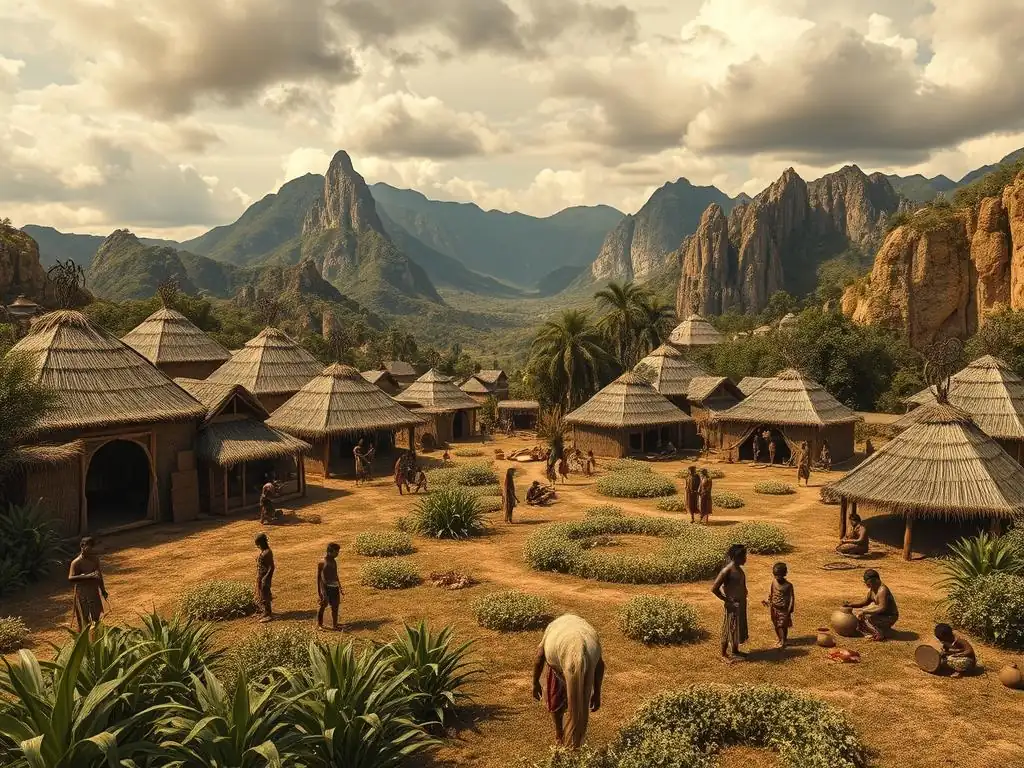
Indigenous civilizations across the Americas cultivated rich cultures with profound contributions to society, technology, and spirituality. However, the European invasion led to the loss of numerous legacies, which can be categorized into several key areas. Understanding these lost legacies provides insight into the devastating impact of colonization on these vibrant cultures.
Destruction of Sacred Sites and Places of Worship
One of the most profound losses for indigenous civilizations was the destruction of sacred sites and places of worship. Many indigenous peoples had spiritual connections to specific landscapes, monuments, and structures that held significant religious and cultural importance.
- Temples and Shrines: For instance, the Aztecs had grand temples, such as the Templo Mayor, which were central to their religious life. The Spanish conquistadors demolished these temples and built churches on the ruins, symbolizing a broader effort to eradicate indigenous spirituality.
- Cultural Landscapes: Natural features like mountains, rivers, and forests, considered sacred, were exploited or desecrated. This not only disrupted spiritual practices but also severed the connection between the people and their ancestral lands.
The loss of these sacred sites represents a deep cultural wound, stripping communities of their identity and spiritual heritage.
Erasure of Languages and Dialects
Language is a vital component of cultural identity, and the erasure of indigenous languages during and after colonization represented a significant loss.
- Language Extinction: Many indigenous languages, such as those spoken by the Taino and the Cherokee, were suppressed or completely eradicated as European colonizers imposed their languages. This led to the loss of unique worldviews expressed through these languages, including oral histories, traditions, and knowledge systems.
- Linguistic Diversity: According to estimates, around 300 indigenous languages have disappeared in North America alone since European contact. The decline of these languages has diminished the richness of cultural expressions and the transmission of knowledge from one generation to the next.
The ongoing efforts to revive and preserve indigenous languages are crucial for restoring cultural identity and heritage.
Vanishing Traditional Knowledge and Practices
The invasion not only led to the physical destruction of indigenous cultures but also the loss of traditional knowledge and practices that had been developed over centuries.
- Agricultural Techniques: Indigenous peoples had sophisticated agricultural methods, including crop rotation and companion planting, that contributed to sustainable farming. These practices were often dismissed or destroyed, leading to the loss of ecological knowledge that is now recognized as vital for modern agriculture.
- Medicinal Knowledge: Indigenous healers possessed extensive knowledge of medicinal plants and natural remedies. The disruption of their communities and the introduction of foreign medicines resulted in a significant loss of this invaluable knowledge, which was finely attuned to the local environment.
The erasure of traditional knowledge not only affected indigenous peoples but also the broader world, resulting in the loss of sustainable practices and ecological wisdom.
Case Studies of Indigenous Civilizations and Their Lost Legacies
To understand the impact of European invasion on indigenous civilizations, examining specific case studies provides a clearer picture of the lost legacies and the resilience of these cultures.
The Aztec Civilization: Wealth, Culture, and Subsequent Losses
The Aztec civilization was one of the most advanced societies in the Americas, known for its impressive architecture, vibrant art, and complex social structures.
- Cultural Riches: The Aztecs developed intricate systems of trade, agriculture, and governance. Their capital, Tenochtitlán, was a marvel of engineering and culture, boasting impressive temples and marketplaces.
- Aftermath of Conquest: Following the conquest led by Hernán Cortés in 1521, many aspects of Aztec culture suffered severe losses. The population plummeted due to violence and disease, and much of their cultural heritage, including texts, artifacts, and oral traditions, was systematically destroyed or lost.
The legacy of the Aztecs is a testament to their ingenuity and resilience, even in the face of overwhelming odds.
The Inca Empire: Advanced Engineering and Its Demise
The Inca Empire, stretching across the Andes Mountains, was renowned for its advanced engineering and agricultural practices.
- Architectural Marvels: The Incas constructed extensive road networks and monumental structures, such as Machu Picchu, that showcased their engineering prowess. These achievements were not only functional but also reflected their deep connection to the land and spirituality.
- Colonial Destruction: The Spanish conquest, led by Francisco Pizarro, resulted in the rapid decline of the Inca Empire. Much of their infrastructure was repurposed or destroyed, and their agricultural systems were disrupted, leading to food shortages and social upheaval.
The loss of these advancements highlights the Inca's contributions to civilization and the devastating impact of colonization on their society.
North American Tribes: Diverse Cultures and Their Struggles
North American indigenous tribes exhibited diverse cultures, each with unique traditions, languages, and social structures.
- Cultural Diversity: From the Iroquois Confederacy's democratic governance to the intricate weaving practices of the Navajo, these tribes developed rich cultural legacies that reflected their environments and histories.
- Struggles Against Colonization: The arrival of European settlers led to displacement, warfare, and significant cultural loss. Many tribes faced forced removals, leading to the loss of ancestral lands and traditional practices. The Trail of Tears is a poignant example, where thousands of Cherokee were forcibly relocated, resulting in immense suffering and loss of life.
Despite these challenges, indigenous communities continue to strive for cultural revitalization and recognition of their legacies, underscoring their resilience and ongoing contributions to contemporary society.
The Continuing Impact of Lost Legacies on Indigenous Communities Today
The loss of legacies from indigenous civilizations has had a profound and lasting impact on contemporary indigenous communities across the Americas. These lost legacies encompass not only tangible cultural artifacts but also intangible aspects such as languages, spiritual practices, and traditional knowledge. As a result, many indigenous peoples today grapple with the consequences of cultural dislocation, identity crises, and the challenge of reclaiming their heritage in a world that often marginalizes their histories.
Modern indigenous communities face the daunting task of navigating between traditional cultural practices and the pressures of contemporary society. The erasure of histories and cultural practices has led to a diminished sense of identity for many individuals, creating a gap between generations. This ongoing struggle is reflected in various social issues, including lower educational attainment, economic challenges, and health disparities. The impact of colonization is thus not merely historical; it continues to resonate in the lived experiences of indigenous peoples, underscoring the importance of recognizing and addressing these lost legacies.
Revitalization Efforts: Reclaiming Lost Languages and Traditions
In response to the erosion of their cultural legacies, many indigenous communities are engaging in revitalization efforts aimed at reclaiming lost languages and traditions. Language is a vital aspect of cultural identity, serving as a vessel for knowledge, history, and worldview. Consequently, language revitalization programs have become a focal point for many indigenous groups seeking to restore their cultural heritage.
These initiatives often include:
- Language immersion schools: These institutions provide students with an opportunity to learn their native languages in an immersive environment, fostering fluency and cultural connection.
- Community workshops: Local gatherings allow community members to share knowledge and skills related to traditional crafts, storytelling, and other cultural practices.
- Digital resources: The use of technology, such as apps and online courses, has expanded access to language learning, catering particularly to younger generations.
Through these revitalization efforts, indigenous communities are not only preserving their languages but also re-establishing connections to their cultural legacies, strengthening their identities in the process.
The Role of Education in Preserving Indigenous Heritage
Education plays a crucial role in preserving indigenous heritage and transmitting knowledge across generations. Culturally relevant education that incorporates indigenous perspectives, histories, and languages can empower students and foster a sense of pride in their heritage. Many indigenous communities advocate for educational reform that includes:
- Curriculum development: Creating educational content that reflects indigenous histories, cultures, and contributions, ensuring that indigenous students see themselves represented in what they learn.
- Teacher training: Equipping educators with the knowledge and tools to teach indigenous content effectively and sensitively.
- Community involvement: Encouraging participation from community elders and cultural leaders in schools to share traditional knowledge and practices with students.
By embedding indigenous perspectives into educational systems, communities work toward reclaiming their narratives and ensuring that future generations have the tools to understand and appreciate their cultural legacies.
Contemporary Movements for Cultural Preservation and Recognition
The movement for cultural preservation and recognition among indigenous peoples has gained momentum in recent years. Activists and organizations advocate for the protection of indigenous rights, lands, and cultural heritage, emphasizing the importance of recognizing the historical injustices faced by these communities. Key components of these contemporary movements include:
- Legal advocacy: Efforts to secure legal protections for indigenous lands and cultural practices through legislation and treaties.
- Cultural heritage sites: The recognition and preservation of significant sites as crucial to maintaining the cultural identity of indigenous peoples.
- Public awareness campaigns: Initiatives aimed at educating the broader public about indigenous histories and contributions, fostering understanding and respect.
These movements not only aim to reclaim lost legacies but also empower indigenous communities to assert their rights and identities in a rapidly changing world.
Conclusion: Reflecting on the Forgotten Legacies of Indigenous Civilizations
The forgotten legacies of indigenous civilizations serve as a reminder of the resilience and richness of these cultures, which have endured despite centuries of colonization and cultural erasure. As contemporary indigenous communities strive to reclaim their heritage, it is essential to reflect on the historical injustices that led to these losses. Recognizing the depth and significance of indigenous contributions to the Americas can foster greater respect and understanding between indigenous and non-indigenous societies.
The Importance of Acknowledging and Honoring Indigenous Histories
Acknowledging and honoring indigenous histories is crucial in the journey toward reconciliation and healing. By recognizing the profound impact of colonization on indigenous civilizations, society can begin to address the ongoing implications of this legacy. This acknowledgment not only validates the experiences of indigenous peoples but also serves as a foundation for fostering mutual respect and understanding.
Efforts to integrate indigenous histories into mainstream narratives, such as educational reforms and public commemorations, play an essential role in this process. By elevating indigenous voices and stories, we contribute to a more inclusive and accurate understanding of history that honors the legacies of those who came before.
Future Directions for Indigenous Cultural Heritage Preservation
Looking ahead, the preservation of indigenous cultural heritage will require continued collaboration, advocacy, and innovation. Future directions may include:
- Strengthening intergenerational relationships: Ensuring that knowledge and traditions are passed down through meaningful connections between elders and youth.
- Leveraging technology: Utilizing digital platforms to share indigenous stories, languages, and practices, making them accessible to wider audiences.
- Global partnerships: Engaging with international organizations and movements to support indigenous rights and cultural preservation on a global scale.
By embracing these strategies, indigenous communities can continue to thrive, ensuring that their rich legacies are not only remembered but also celebrated and sustained for generations to come.
- Introduction to Indigenous Civilizations and Their Legacies
- Overview of Indigenous Civilizations Before European Contact
- The Impact of European Colonization on Indigenous Civilizations
- Cultural Heritage and Its Significance in Indigenous Societies
- The Specific Legacies Lost by Indigenous Civilizations
- Case Studies of Indigenous Civilizations and Their Lost Legacies
- The Continuing Impact of Lost Legacies on Indigenous Communities Today
- Conclusion: Reflecting on the Forgotten Legacies of Indigenous Civilizations
- What are the main themes explored in the article "The Forgotten Legacies: What Indigenous Civilizations Lost to European Invaders"?
- How did European colonization affect indigenous civilizations?
- What specific achievements of indigenous civilizations are highlighted in the article?
- Why is it important to recognize the legacies of indigenous civilizations today?
- How can readers learn more about the indigenous civilizations discussed in the article?
Frequently Asked Questions
What are the main themes explored in the article "The Forgotten Legacies: What Indigenous Civilizations Lost to European Invaders"?
The article focuses on the diverse indigenous cultures of the Americas, highlighting their achievements, societies, and the lasting impact they had before European colonization.
How did European colonization affect indigenous civilizations?
European colonization led to the loss of legacies, including the destruction of cultures, displacement of communities, and the erasure of knowledge systems that had thrived for centuries.
What specific achievements of indigenous civilizations are highlighted in the article?
The article emphasizes various achievements such as advanced agricultural techniques, sophisticated social structures, and remarkable artistic expressions that were integral to their societies.
Why is it important to recognize the legacies of indigenous civilizations today?
Recognizing these legacies helps in understanding the rich cultural history of the Americas and promotes respect for the contributions of indigenous peoples, fostering a deeper cultural awareness.
How can readers learn more about the indigenous civilizations discussed in the article?
Readers can explore further by visiting the website, which offers a comprehensive exploration of various indigenous cultures, including links to additional resources and educational materials.
Final Reflection: Honoring the Lost Legacies of Indigenous Civilizations
The exploration of indigenous civilizations lost legacies is not merely a historical recounting; it is a vital conversation that resonates deeply in our contemporary society. As we navigate a world increasingly aware of its past injustices, the stories of these civilizations remind us of the profound cultural richness and knowledge that were irrevocably altered or erased by European colonization. The legacies of these communities are not just relics of the past; they are essential narratives that shape our understanding of identity, resilience, and the ongoing struggle for recognition and rights.
The influence of these lost legacies continues to permeate our cultural and social landscape. The stories of indigenous peoples, their traditions, and their wisdom are integral to the fabric of our global heritage. As we witness a resurgence of interest in indigenous rights and environmental stewardship, it becomes clear that the lessons from these civilizations are more relevant than ever. The earth does not belong to us; we belong to the earth.
This quote encapsulates the interconnectedness that indigenous cultures have long understood, reminding us that the wisdom of the past can guide our actions in the present and future.
As we reflect on the themes presented in this article, I invite you to consider how you can honor and uplift the legacies of indigenous civilizations in your own life. Engage with their histories, support indigenous voices, and advocate for their rights and recognition. By doing so, you not only acknowledge the past but also contribute to a future where these legacies are celebrated and preserved. Let us commit to being stewards of history, ensuring that the stories of those who came before us are not forgotten, but rather woven into the narrative of our shared humanity.
Unveil the Richness of Indigenous Histories!
Thank you for taking the time to explore the fascinating legacies of Indigenous civilizations. By delving into this topic, you’ve gained insight into the profound losses and sacrifices these cultures endured, as well as the rich histories that deserve recognition. Now, it's time to honor their stories and take meaningful action.
Here are some impactful steps you can take:
- Dive deeper: Explore a variety of resources on Indigenous histories through books, documentaries, and articles that highlight their resilience and contributions to society.
- Share your knowledge: Discuss what you've learned with friends and family or on social media to raise awareness about the importance of preserving Indigenous cultures and traditions.
- Connect with the community: Engage with local Indigenous organizations or attend events in your area to learn directly from the voices that are actively preserving these invaluable legacies.
Which legacy or story of an Indigenous civilization resonates with you the most and inspires you to share?