
Language and Communication: The Effect of European Contact on Mayan Languages

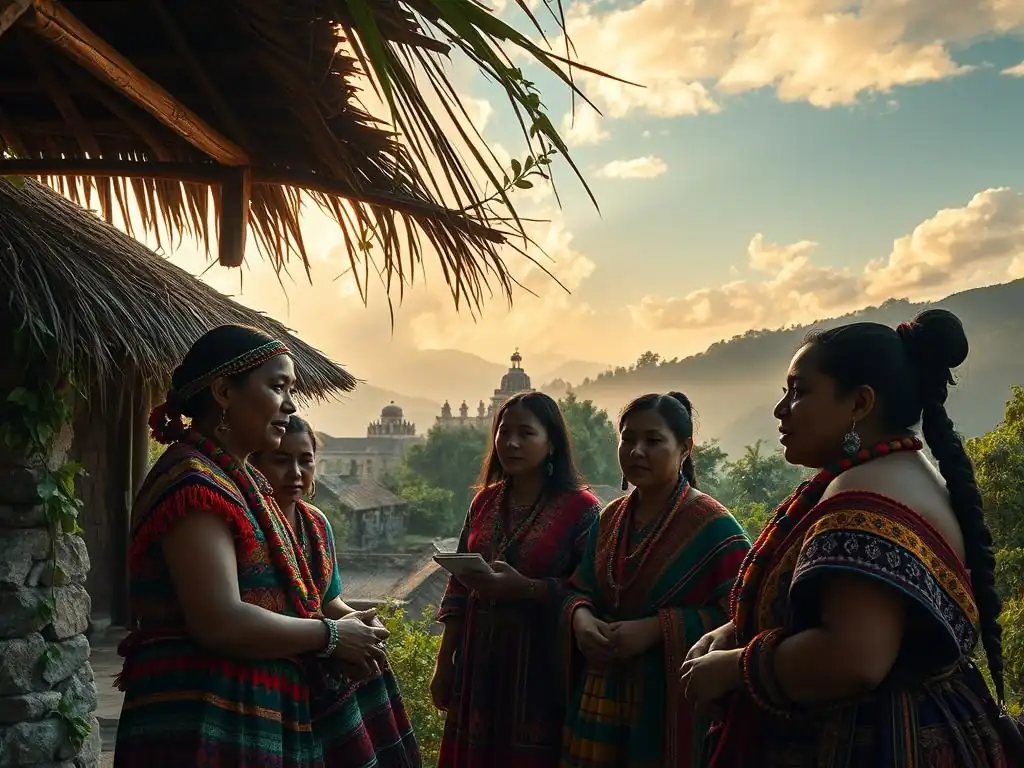
Welcome to Indigenous Civilizations of the Americas, where we invite you on an enlightening journey through the rich tapestry of indigenous cultures that flourished long before European colonization. In our featured article, “Language and Communication: The Effect of European Contact on Mayan Languages,” we delve into the profound impact that European interactions had on the intricate web of Mayan languages.
Prepare to uncover the stories of resilience, adaptation, and transformation that shaped these vibrant cultures. Discover how the echoes of history continue to resonate today, and let your curiosity lead you deeper into the fascinating legacy of the Mayan civilization.
- Introduction to Mayan Languages and European Contact
- Historical Context of European Contact with the Mayans
- The Impact of European Contact on Mayan Languages
- Case Studies of Specific Mayan Languages
- Cultural Consequences of Language Changes
- Conclusion: The Lasting Legacy of European Contact on Mayan Languages
- References
-
Frequently Asked Questions
- What impact did European contact have on Mayan languages?
- How did the Mayan languages evolve after European colonization?
- Are there still speakers of Mayan languages today?
- What are some of the key achievements of indigenous Mayan civilizations?
- How can understanding Mayan languages contribute to cultural preservation?
- Final Reflection: The Enduring Legacy of Mayan Languages Amid European Contact
- Embrace the Wisdom of Language: Take Action Today!
Introduction to Mayan Languages and European Contact
The interaction between European colonizers and indigenous peoples marked a pivotal moment in history, particularly for the Mayan civilizations of Mesoamerica. This article delves into the intricate tapestry of Mayan languages and how they were influenced by European contact. The Mayans, known for their rich linguistic heritage, spoke a variety of languages that not only served as a means of communication but also played a vital role in their cultural identity.
However, the arrival of Europeans led to significant changes in these languages, impacting their evolution and use over time. By exploring this subject, we aim to shed light on the Mayan languages' European contact impact, uncovering both the challenges and adaptations faced by these vibrant cultures in the wake of colonization.
Overview of the Mayan Languages
The Mayan languages are a family of related languages spoken by the Maya peoples, primarily in present-day Mexico, Guatemala, Belize, and parts of Honduras and El Salvador. This linguistic family includes over 30 distinct languages, with some of the most widely spoken being:
- K'iche' (Quiché)
- Yucatec Maya
- Kaqchikel
- Q'eqchi'
- Mopan
Each of these languages demonstrates unique phonetic, grammatical, and syntactical features. For instance, while Yucatec Maya is notable for its use of vowel harmony, K'iche' is recognized for its complex verb morphology. The diversity among these languages reflects the rich cultural and historical backgrounds of the Maya civilization.
Significance of Language in Mayan Culture
Language is a cornerstone of Mayan identity and culture. It serves not only as a means of communication but also as a vessel for tradition, history, and knowledge. Through oral traditions, literature, and rituals, the Mayan languages encapsulate the worldview and cosmologies of the Maya people.
- Cultural Preservation:
- Oral histories passed down through generations preserve the collective memory of the Mayan civilizations.
- The languages are intertwined with traditional practices and beliefs.
- Social Cohesion:
- Language fosters community bonds and reinforces group identity.
- Dialects often signify regional affiliations and cultural uniqueness.
- Intellectual Heritage:
- The Mayans were skilled in astronomy, mathematics, and agriculture, all of which are documented in their languages.
- Sacred texts and codices, such as the Popol Vuh, exemplify the depth of Mayan intellectual tradition.
Introduction to European Contact with the Mayans
The arrival of Europeans in the Americas in the 15th and 16th centuries initiated profound changes for the Mayan civilizations, particularly in terms of language and communication. Spanish colonization brought about significant shifts in the sociolinguistic landscape:
- Imposition of the Spanish Language: Spanish became the dominant language in regions where the Mayans lived, often leading to the erosion of indigenous languages.
- Bilingualism and Language Shift: Many Mayans adopted Spanish for trade, governance, and education, resulting in a shift towards bilingualism in some communities.
- Linguistic Borrowing: The interaction between Spanish and Mayan languages led to the incorporation of Spanish vocabulary and concepts into Mayan languages, enriching them yet also altering their original forms.
Understanding the nuances of how European contact impacted Mayan languages is crucial for appreciating the resilience and adaptability of these cultures in the face of colonial pressures.
Historical Context of European Contact with the Mayans
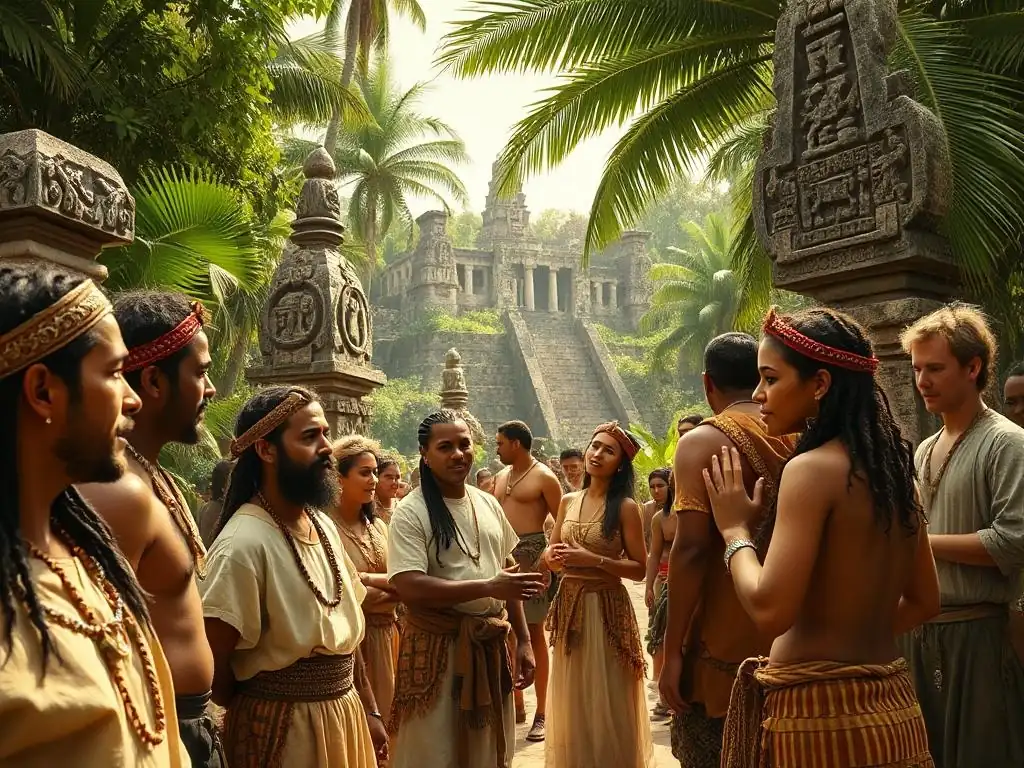
Timeline of European Exploration and Colonization
The timeline of European exploration and colonization in the Americas provides critical context for understanding the impact on Mayan languages. Significant events include:
- 1492: Christopher Columbus arrives in the Bahamas, marking the beginning of sustained European interest in the Americas.
- 1511: The first European contact with the mainland of Central America occurs, when a Spanish expedition lands on the coast of present-day Honduras.
- 1524-1526: Spanish conquistador Pedro de Alvarado begins the conquest of the Mayan territories, initiating extensive cultural and linguistic exchanges.
- 1540s: Large-scale colonization efforts take place, with the establishment of Spanish settlements in Guatemala and Yucatán.
- 1600s: Spanish influence solidifies, leading to the implementation of colonial policies that significantly impact the sociolinguistic landscape of the Mayan languages.
This timeline illustrates the gradual encroachment of European powers into Mayan territories, setting the stage for profound changes in language and communication among the Mayan peoples.
Key Figures in European Contact
Several key figures played pivotal roles in the European contact with the Mayans, shaping the linguistic and cultural dynamics of the time:
- Hernán Cortés: Although primarily known for the conquest of the Aztec Empire, Cortés's actions in surrounding areas influenced perceptions of indigenous cultures, including the Mayans.
- Pedro de Alvarado: A prominent conquistador who led campaigns against the Mayans, Alvarado's interactions with local leaders contributed to the complex linguistic exchanges that would follow.
- Fray Bartolomé de las Casas: A missionary who advocated for the rights of indigenous peoples, de las Casas documented the languages and cultures he encountered, providing valuable insights into Mayan languages during European contact.
- Diego de Landa: A Franciscan friar who attempted to convert the Mayans, de Landa's writings include significant observations on the Mayan language and script, though his actions also led to the destruction of many Mayan texts.
These individuals not only represent the diverse motivations behind European contact but also highlight the varied impacts on Mayan languages and communication practices.
Initial Encounters: Early Impressions and Misunderstandings
The initial encounters between Europeans and the Mayans were characterized by a mix of curiosity, misunderstanding, and miscommunication.
- Cultural Misinterpretations: Europeans often misinterpreted Mayan customs, rituals, and social structures, viewing them through a Eurocentric lens. This led to significant misunderstandings about the value and complexity of Mayan languages and cultures.
- Language Barriers: The lack of a mutual language hindered effective communication. Early European explorers relied on interpreters, such as the indigenous Nahuatl speakers, to facilitate discussions, which often resulted in inaccuracies and misrepresentations of Mayan languages.
- Documentation Efforts: Some European chroniclers, like Diego de Landa, sought to learn and document Mayan languages. However, their efforts were often flawed, leading to further misconceptions. De Landa's Relación de las cosas de Yucatán is a prime example, as it includes valuable linguistic observations but also reflects a colonial mindset that undervalued indigenous knowledge systems.
The early encounters set a complex foundation for the subsequent impact of European contact on Mayan languages, leading to significant linguistic shifts and the gradual adoption of Spanish terms and structures within Mayan languages.
The Impact of European Contact on Mayan Languages
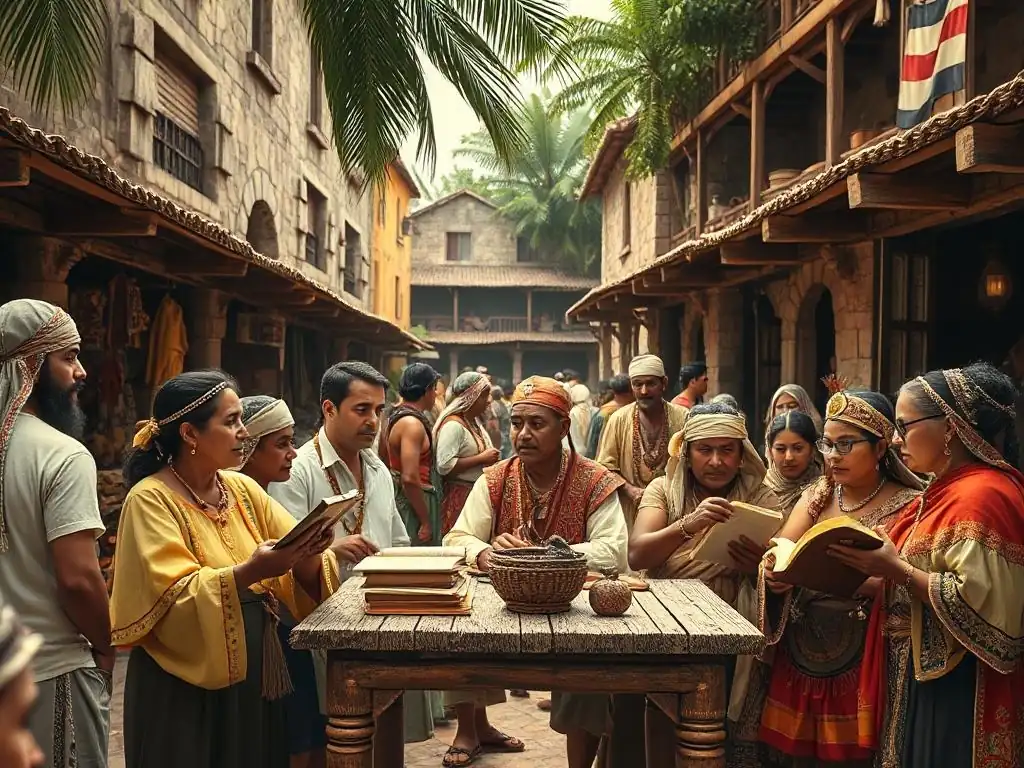
Language Shift: Adoption of European Vocabulary
The arrival of Europeans in the Americas marked a significant turning point for the Mayan languages, catalyzing a profound language shift among various Mayan-speaking communities. As contact intensified, many indigenous peoples began to incorporate European vocabulary into their languages, fundamentally altering their linguistic landscape. This phenomenon primarily stemmed from the necessity of engaging with European settlers and missionaries, who introduced new concepts, technologies, and cultural practices.
Key Areas of Vocabulary Adoption:
- Agriculture: Terms related to European farming techniques, crops, and livestock made their way into Mayan languages. For instance, words for wheat (trigo) and cattle (ganado) became common.
- Religion: The spread of Christianity led to the adoption of religious terminology. Words like sacerdote (priest) and iglesia (church) were integrated into the lexicon.
- Government and Trade: Administrative and trade-related terms, such as gobernador (governor) and mercado (market), were also adopted, reflecting new social structures imposed by colonial authorities.
The incorporation of these terms not only enriched Mayan languages but also reflected a shift in societal dynamics, as indigenous communities navigated their relationships with European powers.
Loss of Indigenous Language Speakers
The impact of European contact on Mayan languages was not solely confined to vocabulary changes; it also resulted in a significant loss of indigenous language speakers. Following the arrival of the Spanish in the 16th century, many Mayan communities faced drastic demographic changes due to violence, disease, and forced assimilation.
Consequences of Population Decline:
- Language Endangerment: The decline in the number of fluent speakers led to the endangerment of several Mayan languages. For example, the number of speakers of less widely spoken dialects, such as Q'anjobal and Chuj, decreased dramatically.
- Intergenerational Transmission: With fewer speakers, the transmission of language from one generation to the next weakened. Children began to adopt Spanish as their primary language, further contributing to the decline of indigenous tongues.
- Cultural Identity: The loss of language speakers not only threatened linguistic diversity but also eroded cultural identity among Mayan communities. Language is a vital component of cultural heritage, and its decline often correlates with a loss of traditional practices and knowledge.
Influence of European Languages on Mayan Dialects
The influence of European languages, particularly Spanish, on Mayan dialects has been profound. As Mayan communities engaged with European settlers, their languages evolved, incorporating structural and phonetic elements from Spanish.
Manifestations of Influence:
- Phonetic Changes: Some Mayan dialects began to adopt Spanish phonemes, altering their pronunciation patterns. For instance, the incorporation of sounds like the voiceless th as in "thing" has been observed in some dialects.
- Grammatical Structures: European contact led to grammatical shifts, with some Mayan languages absorbing Spanish syntactic structures. This can be seen in the increased use of the Spanish subjunctive mood in certain contexts.
- Code-Switching: A prevalent practice among bilingual speakers involves code-switching between Mayan languages and Spanish. This fluidity showcases the integration of both languages within everyday communication, often blending vocabulary and grammar from both sources.
The interplay between Mayan languages and European languages has produced a dynamic linguistic environment, highlighting the resilience and adaptability of indigenous communities in the face of colonial challenges.
Overall, the impact of European contact on Mayan languages is a multifaceted phenomenon, characterized by vocabulary adoption, demographic shifts leading to language loss, and the profound influence of European languages on Mayan dialects. These changes not only reshape linguistic practices but also reflect the broader historical and cultural transformations experienced by Mayan societies.
Case Studies of Specific Mayan Languages
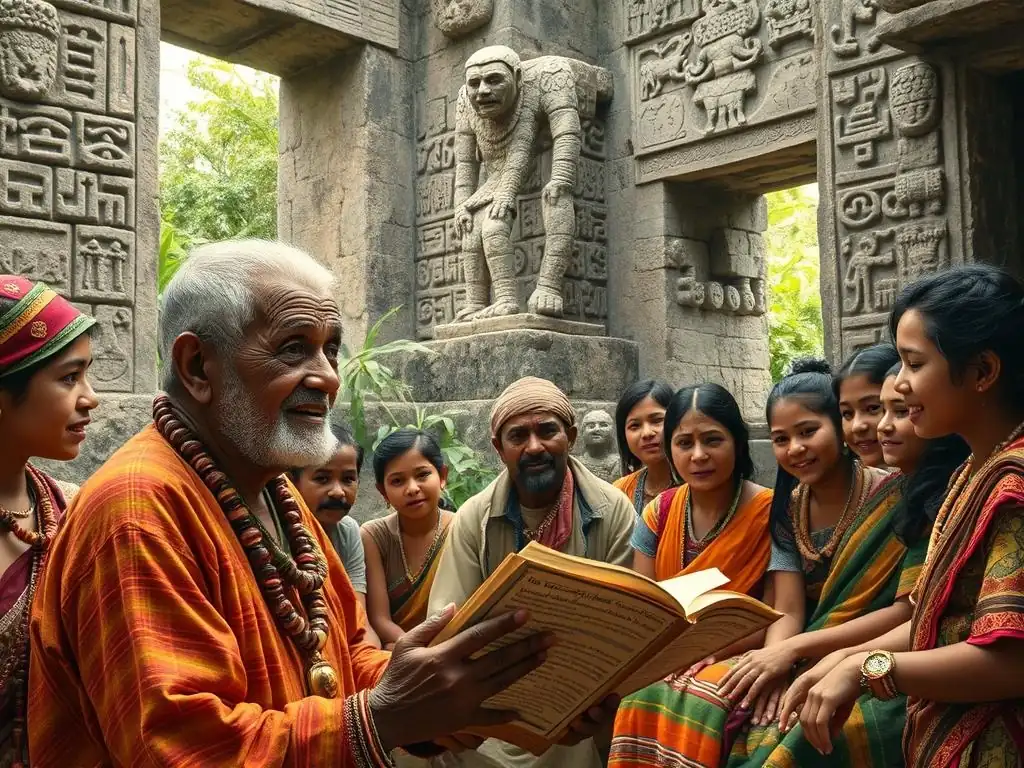
The study of Mayan languages post-European contact reveals significant transformations influenced by various factors, including societal changes, language contact, and the imposition of colonial structures. This section delves into specific case studies of the Yucatec Maya language, K'iche', and Kaqchikel languages, showcasing the unique impacts European contact had on each.
The Effect on Yucatec Maya Language
The Yucatec Maya language, primarily spoken in the Yucatán Peninsula, underwent notable changes following European contact in the 16th century. One of the most significant influences was the introduction of Spanish, which led to a bilingual context that reshaped the linguistic landscape.
- Lexical Borrowing: The Yucatec Maya language experienced extensive lexical borrowing from Spanish. Words related to religion, governance, and everyday life were adopted, leading to the integration of terms such as:
- “iglesia” (church)
- “gobierno” (government)
- “mesa” (table)
- Phonetic Changes: European contact also influenced the phonetic structure of Yucatec Maya. The introduction of new sounds and pronunciation patterns altered how certain words were articulated. For instance, the adaptation of Spanish loanwords often resulted in modified vowel sounds to fit the phonological system of Yucatec Maya.
- Sociolinguistic Dynamics: The sociolinguistic environment shifted dramatically as Spanish became associated with power and prestige. This led to a decline in the use of Yucatec Maya in formal settings, although the language remained robust within local communities. The coexistence of both languages created a unique linguistic situation that persists to this day.
The Influence on K'iche' and Kaqchikel Languages
K'iche' and Kaqchikel languages, predominantly spoken in the highlands of Guatemala, also experienced profound changes due to European contact. The Spanish colonization brought about various shifts in language use, preservation, and transmission.
- Language Shift: In regions where Spanish was imposed, some speakers of K'iche' and Kaqchikel began to shift towards Spanish for economic and social mobility. This shift was particularly evident among younger generations, leading to a decline in fluency in their native languages.
- Cultural Resilience: Despite external pressures, speakers of K'iche' and Kaqchikel have shown remarkable resilience in preserving their languages. Community efforts to revitalize and promote indigenous languages have led to the creation of educational programs and literature in both languages. For example, the K'iche' New Testament was translated and published, showcasing the community's dedication to language preservation.
- Influence of Religion: The introduction of Christianity had a significant impact on the vocabulary and language structure of both K'iche' and Kaqchikel. Religious terminology was integrated into the languages, and many indigenous prayers and hymns were composed in K'iche' and Kaqchikel, blending traditional beliefs with European religious practices.
Comparison of Language Changes Across Different Regions
The effects of European contact on Mayan languages were not uniform; they varied significantly across different regions and communities. Analyzing these differences provides insights into the broader implications of colonization on language and culture.
| Region | Language | Main Changes | Sociolinguistic Impact |
|---|---|---|---|
| Yucatán Peninsula | Yucatec Maya | Lexical borrowing, phonetic changes | Bilingualism; decline in formal use of Yucatec Maya |
| Guatemala Highlands | K'iche' | Language shift, cultural resilience | Preservation efforts; shift towards Spanish for social mobility |
| Guatemala Highlands | Kaqchikel | Influence of Christianity, vocabulary changes | Community revitalization initiatives |
The comparison illustrates that while some Mayan languages adapted to survive in a bilingual context, others faced significant challenges that led to language shift and decline. The resilience shown by many communities highlights the enduring nature of these languages and their cultural significance.
The impact of European contact on Mayan languages is a complex interplay of adaptation, resistance, and transformation. Understanding these case studies not only sheds light on the historical context but also emphasizes the ongoing importance of preserving these rich linguistic heritage and cultural identities.
Cultural Consequences of Language Changes
The Role of Language in Identity and Community
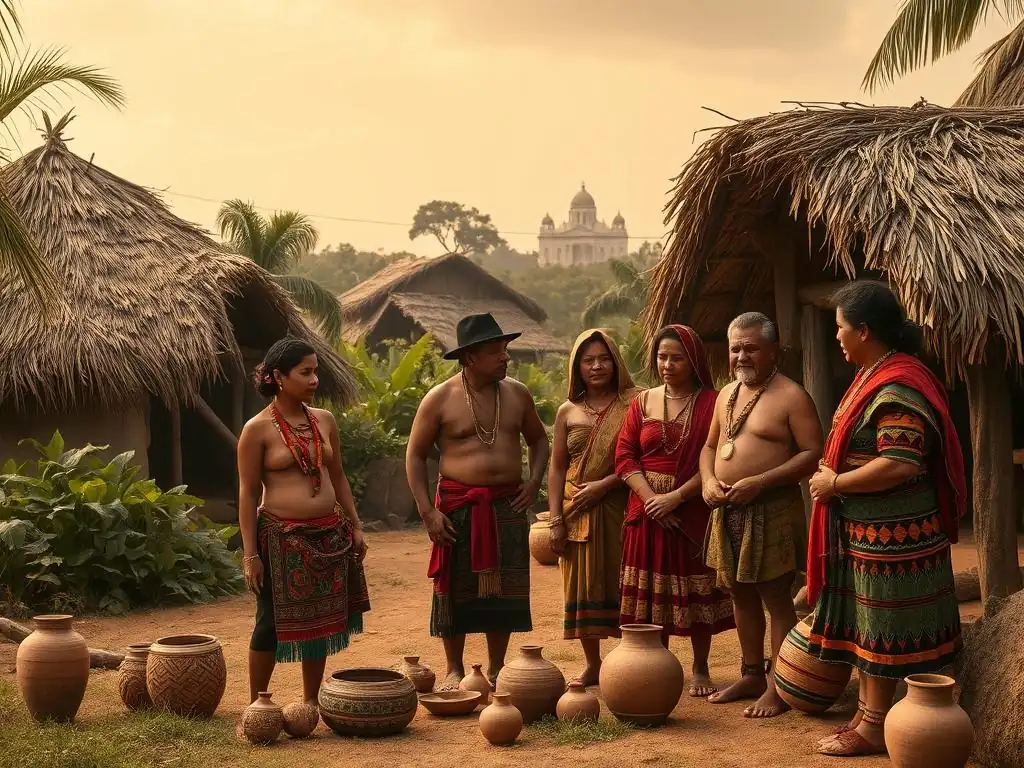
Language is a foundational aspect of identity and community for the Maya people. It is not merely a tool for communication but a vessel for cultural heritage, traditions, and collective memory. Prior to European contact, the diverse Mayan languages—such as K'iche', Yucatec, and Q'eqchi'—played a crucial role in shaping the social structures and worldviews of various Mayan communities.
The impact of European contact, beginning in the 16th century, led to significant changes in the linguistic landscape of the Maya. The introduction of Spanish as a dominant language profoundly affected not only the way Mayans communicated but also how they perceived their identity. This linguistic shift can be seen as a form of cultural erosion, where the richness of the indigenous languages was threatened, leading to a fragmentation of community ties.
Furthermore, as Spanish became more entrenched within the Mayan society, it created a socio-linguistic stratification where fluency in Spanish was often associated with prestige and power, while indigenous languages were marginalized. This dynamic has led to a complex interplay between identity and language, where some Mayans embraced bilingualism as a means of navigating both indigenous and colonial worlds, while others resisted Spanish influence to preserve their cultural identity.
Documentation of Mayan Languages Post-Contact
The documentation of Mayan languages post-contact presents a dual narrative: one of decline and one of resilience. Following the arrival of Europeans, many Mayan languages faced the threat of extinction, as colonial policies often suppressed indigenous cultures. However, scholars and missionaries also played a role in documenting these languages, sometimes out of a genuine interest in understanding the local populations.
- Early Documentation Efforts: Missionaries, such as Fray Pedro de Betancourt, initiated the first systematic efforts to transcribe Mayan languages. Their works, while often aimed at religious conversion, inadvertently preserved valuable linguistic data.
- Linguistic Revivals: In the 20th century, the rise of anthropological interest led to a renewed focus on documenting and studying Mayan languages. Researchers compiled grammars and dictionaries, contributing to a growing body of knowledge that recognized the sophistication of these languages.
- Challenges in Documentation: Despite these efforts, challenges remain. Many languages are still under-documented, particularly those spoken in remote areas. The complexities of dialectal variations and the influence of Spanish complicate efforts to capture the full richness of Mayan languages.
The documentation efforts are crucial not only for linguistic preservation but also for affirming the cultural significance of these languages in modern contexts.
Preservation Efforts of Mayan Languages in Contemporary Times
In contemporary times, various initiatives have emerged aimed at preserving and revitalizing Mayan languages in the face of ongoing globalization and cultural assimilation. These efforts highlight the resilience of Mayan communities and their commitment to maintaining linguistic heritage.
- Educational Programs: Many Mayan communities have initiated bilingual education programs that incorporate indigenous languages alongside Spanish. These programs aim to boost literacy rates in Mayan languages and foster a sense of pride in cultural identity among younger generations.
- Cultural Organizations: Numerous organizations are dedicated to the revitalization of Mayan languages. For example, the Maya Language Academy promotes the use of indigenous languages in daily life and cultural events, reinforcing their relevance in contemporary society.
- Digital Resources: The digital age has opened new avenues for language preservation. Online platforms and mobile applications are being developed to teach and promote Mayan languages, making them accessible to a broader audience and encouraging their use among younger people.
- Community Engagement: Grassroots movements often play a pivotal role in revitalization efforts. Community leaders and elders work together to pass down linguistic knowledge through storytelling, traditional practices, and cultural celebrations, ensuring that the languages remain vibrant.
The ongoing efforts to preserve Mayan languages reflect a broader struggle for cultural identity and autonomy in the face of historical and contemporary challenges. By recognizing the importance of language as a cornerstone of Mayan identity, these initiatives contribute to a more profound understanding of the cultural legacy of the Maya civilization and its enduring impact on the Americas.
Conclusion: The Lasting Legacy of European Contact on Mayan Languages
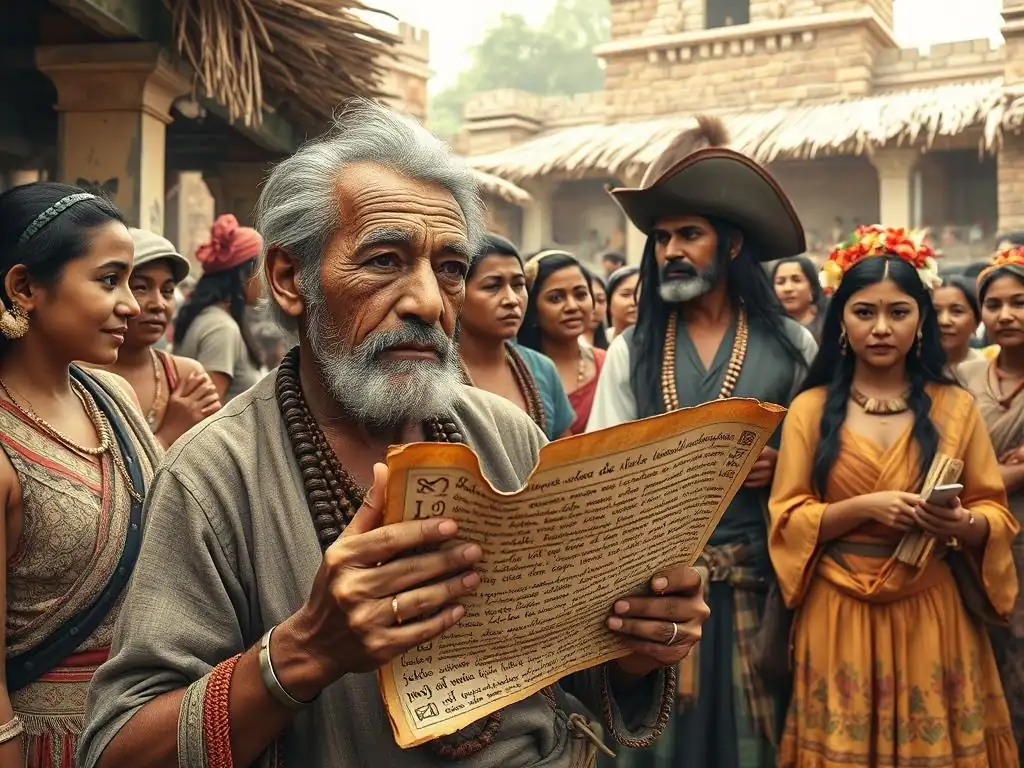
The impact of European contact on Mayan languages is profound and multifaceted, leaving a legacy that resonates through history and continues to shape linguistic landscapes today. The arrival of Spanish colonizers in the 16th century marked a pivotal moment for the Mayan languages, introducing not only new vocabulary but also altering language dynamics and usage patterns. This legacy is evident in the linguistic elements that have been integrated into the Mayan languages and the shifts in language prestige and usage resulting from colonial attitudes.
The interaction between Mayan languages and Spanish led to the emergence of numerous loanwords that are still in use today. For instance, many agricultural terms, religious concepts, and everyday vocabulary have been adapted into the Mayan lexicon. This blending reflects a cultural exchange, albeit one rooted in a context of domination and coercion. In many instances, Mayan languages experienced a decline in transmission and prestige, as colonial policies favored Spanish, often deeming indigenous languages as inferior.
However, the resilience of Mayan languages in the face of colonial pressures illustrates a powerful story of survival and adaptation. Various Mayan communities have worked diligently to preserve their linguistic heritage, ensuring that their languages continue to thrive despite historical challenges.
Reflection on the Resilience of Mayan Languages
The resilience of Mayan languages is demonstrated through various efforts to revitalize and maintain these languages within their communities. For instance, educational programs that incorporate Mayan languages into the curriculum are increasingly being adopted, allowing young speakers to learn in their native tongues alongside Spanish. This bilingual education fosters a sense of identity and pride within the community, reinforcing the importance of preserving linguistic heritage.
Furthermore, numerous grassroots organizations and cultural initiatives have emerged, dedicated to promoting the use of Mayan languages in everyday life, literature, and the arts. These efforts highlight a recognition of the cultural richness embedded in these languages and the need to honor and sustain them. Many Mayan speakers are now more vocal in advocating for their rights to use and promote their languages, countering the historical narrative of suppression.
The integration of technology and social media has also played a role in revitalizing these languages. Online platforms facilitate communication and cultural expression in Mayan languages, bridging generational gaps and encouraging younger individuals to engage with their linguistic heritage.
Future Directions for Research and Preservation
As we look to the future, research and preservation of Mayan languages must continue to adapt to contemporary challenges. Scholars and linguists should prioritize collaborative projects that involve community members, ensuring that research is not only academically rigorous but also culturally relevant and respectful.
Key areas for future research include:
- Documentation: Continued efforts to document and archive Mayan languages, focusing on lesser-studied dialects and endangered variations.
- Technological Integration: Developing digital tools and resources, such as language learning apps or online dictionaries, that make Mayan languages accessible to a broader audience.
- Policy Advocacy: Engaging with policymakers to promote language rights and the inclusion of Mayan languages in official contexts, such as education and public service.
The preservation of Mayan languages is not only vital for maintaining cultural identity but also for enriching the global linguistic diversity. As we strive to understand the complexities of European contact, it is essential to acknowledge the ongoing journey of the Mayan languages and the communities that uphold them, ensuring that their voices continue to be heard and celebrated.
References
Key Texts on Mayan Languages and European Contact
-
"Mayan Languages: A Comparative Perspective"
This comprehensive work explores the intricate relationships between various Mayan languages and how they adapted and evolved following European contact. The author delves into phonological, syntactic, and lexical changes that emerged, offering a detailed analysis backed by extensive field research.
-
"The Impact of Colonization on Mayan Languages"
In this pivotal text, the author examines the direct effects of European colonization on the linguistic landscape of the Maya. Through historical documents and oral histories, the book presents evidence of how language use shifted, including the adoption of Spanish vocabulary and changes in language status among different Mayan communities.
-
"Language and Identity among the Maya"
This book discusses the relationship between language and identity in the context of European contact. It highlights how Mayan languages served as a vessel for cultural preservation even amidst colonization, and how these languages have been revitalized in contemporary society.
-
"Mayan Hieroglyphs and European Encounters"
This text focuses on the interaction between Mayan hieroglyphic writing and European interpretations. It investigates how European scholars approached Mayan scripts and the resulting misinterpretations that influenced both language and cultural perceptions.
-
"Bilingualism in the Maya World: Historical and Current Perspectives"
This scholarly work takes a closer look at the phenomenon of bilingualism in Mayan communities post-contact. It outlines the sociolinguistic dynamics that arose as Spanish became prominent while Mayan languages continued to thrive, shaping the linguistic identity of the Maya today.
Suggested Further Reading on Mayan Civilization
-
"The Maya: A Very Short Introduction"
A succinct and engaging overview of Mayan civilization, this book provides insights into their historical context, societal structures, and cultural achievements. It serves as an excellent primer for those new to the study of the Maya.
-
"Ancient Maya: The Rise and Fall of a Civilization"
This text offers an in-depth look at the major periods of Mayan history, detailing their advancements in mathematics, astronomy, and architecture. It also discusses the socio-political structures that defined their civilization.
-
"Maya Civilization: A Critical Introduction"
This critical introduction tackles various aspects of Maya civilization, including religion, economics, and art. It presents a balanced view of the achievements and challenges faced by the Maya through centuries of change.
-
"The Maya: A Civilization and Its Arts"
Focusing on the artistic expressions of the Maya, this book examines how art served as a medium for cultural expression and communication. It reflects on the continuity of these artistic traditions in the face of European contact.
-
"Maya Ethnobotany"
This text explores the relationship between the Maya and their environment, including the medicinal and practical uses of plants. It highlights the importance of traditional knowledge systems, some of which were influenced by European plants and practices.
By delving into these key texts and suggested readings, readers can gain a deeper understanding of the complexities surrounding Mayan languages and the broader impacts of European contact on Mayan civilization.
Frequently Asked Questions
What impact did European contact have on Mayan languages?
European contact led to significant changes in Mayan languages, including the introduction of new vocabulary and shifts in language usage as communities adapted to colonial influences.
How did the Mayan languages evolve after European colonization?
After European colonization, Mayan languages experienced alterations in syntax and phonetics, reflecting cultural exchanges and the influence of European languages, particularly Spanish.
Are there still speakers of Mayan languages today?
Yes, several Mayan languages are still spoken today, with millions of speakers primarily in Guatemala and parts of Mexico, showcasing their resilience despite historical challenges.
What are some of the key achievements of indigenous Mayan civilizations?
Indigenous Mayan civilizations are known for their advanced knowledge in mathematics, astronomy, and the development of a complex writing system, which influenced their languages and culture.
How can understanding Mayan languages contribute to cultural preservation?
Studying and promoting Mayan languages helps preserve cultural identity and heritage, ensuring that traditional knowledge and practices are passed down through generations despite external pressures.
Final Reflection: The Enduring Legacy of Mayan Languages Amid European Contact
The impact of European contact on Mayan languages is a profound testament to the resilience of cultural identity and communication. As we navigate the complexities of globalization and cultural exchange today, it is crucial to recognize how historical encounters have shaped the linguistic landscape we see now. The erosion and evolution of Mayan languages serve as a powerful reminder of the delicate balance between cultural preservation and adaptation in the face of external influences.
Mayan languages have not only survived the tumultuous waves of European contact but have also thrived in many contexts, influencing contemporary discourse and identity. The ongoing revitalization efforts and the growing appreciation for indigenous languages highlight a broader movement towards recognizing and valuing linguistic diversity. As noted by linguist David Crystal, “Languages are the most powerful instruments of preserving and developing our tangible and intangible heritage.” > This quote encapsulates the essence of our responsibility to honor and protect the rich tapestry of Mayan languages and their cultural significance.
As we reflect on the lessons learned from the historical impact of European contact on Mayan languages, I invite you to consider your own relationship with language and communication. How can you contribute to the preservation of linguistic diversity in your community? Whether through learning an indigenous language, supporting cultural initiatives, or simply engaging in conversations about the importance of linguistic heritage, each action can foster a deeper appreciation for the languages that shape our world. Let us embrace the richness of our shared human experience and commit to nurturing the voices that have endured through time.
Embrace the Wisdom of Language: Take Action Today!
Thank you for taking the time to explore the profound impact of European contact on Mayan languages. Your curiosity is a vital step towards understanding the complex tapestry of communication that has shaped indigenous cultures. Now, let’s put that understanding into practice and honor these languages!
- Dive deeper into a specific Mayan language by exploring online resources or enrolling in local classes to broaden your knowledge.
- Share this article with friends and family to help raise awareness about the importance of preserving indigenous languages.
- Join or support an organization dedicated to revitalizing Mayan languages—your involvement can truly make a difference!
What steps will you take to ensure that the legacy of these languages remains alive and vibrant in your community?