
Understanding Heritage Conservation: The Key to Preserving Indigenous Cultures

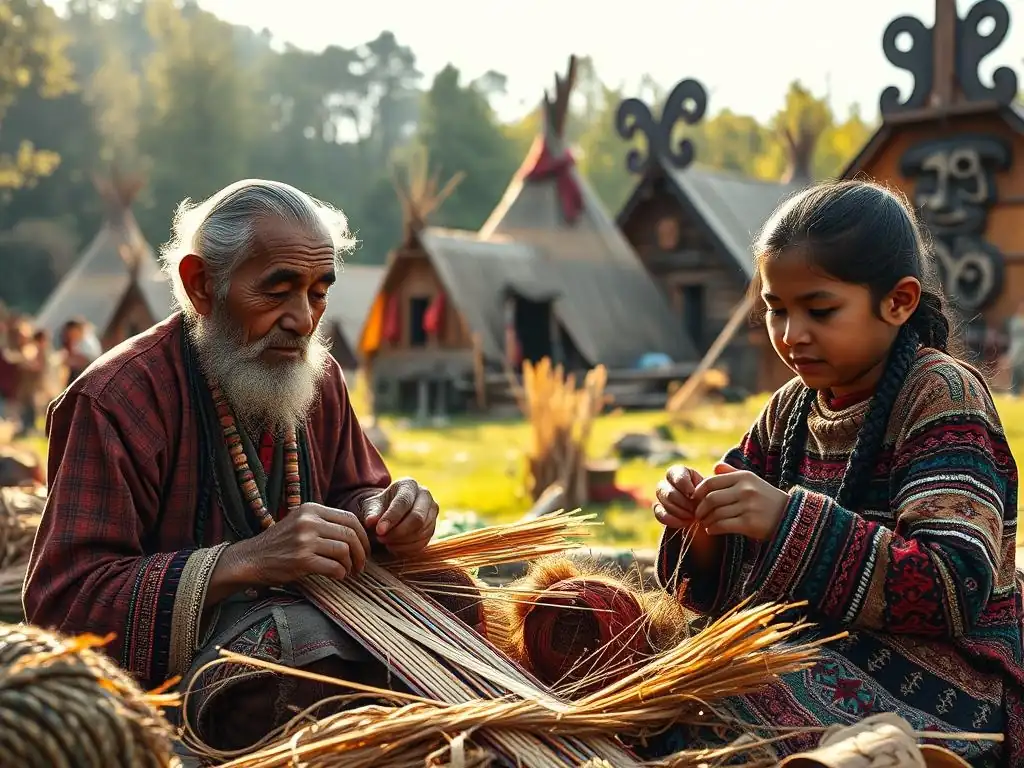
Welcome to Indigenous Civilizations of the Americas, where we embark on a captivating journey through time to uncover the rich tapestry of indigenous cultures that flourished long before European influence reshaped the continent. Here, we delve into the intricacies of Preserving Indigenous Cultures Heritage, highlighting the remarkable achievements and resilient societies that have left an indelible mark on history.
Are you ready to explore the vital preservation efforts that not only honor these cultures but also ensure their stories are told for generations to come? Join us as we illuminate the path to understanding heritage conservation and its pivotal role in safeguarding the legacy of indigenous peoples.
Heritage conservation plays a crucial role in safeguarding the diverse and rich tapestry of indigenous cultures that have thrived across the Americas for millennia. As we delve into the complexities of preserving indigenous cultures heritage, we recognize that these cultures are not merely historical artifacts; they embody living traditions, languages, practices, and knowledge systems that have shaped the identities of countless communities. This article aims to explore the significance of heritage conservation, its impact on indigenous cultures, and the ongoing efforts to protect and promote these invaluable heritages in the face of modern challenges.
Introduction to Heritage Conservation
Heritage conservation encompasses a range of practices and principles aimed at protecting and preserving cultural heritage for future generations. This includes not only physical monuments and artifacts but also the intangible aspects of culture, such as traditions, languages, and rituals. By understanding the definition and importance of heritage conservation, we can better appreciate its role in maintaining the vibrant legacies of indigenous peoples.
Definition of Heritage Conservation
Heritage conservation refers to the systematic efforts to protect and maintain cultural heritage, ensuring its survival for future generations. This can involve:
- Preservation: Safeguarding sites and objects from deterioration.
- Restoration: Returning a site or artifact to its original state.
- Rehabilitation: Adapting a site for contemporary use while respecting its historical significance.
- Interpretation: Communicating the significance of heritage to the public.
This multifaceted approach is essential for acknowledging and valuing the diverse indigenous cultures that form an integral part of the Americas' historical landscape.
Importance of Preserving Indigenous Cultures Heritage
Preserving indigenous cultures heritage is vital for several reasons:
- Cultural Identity: Heritage serves as a foundation for cultural identity, enabling communities to maintain their unique traditions and values.
- Educational Value: Understanding indigenous heritage fosters respect and appreciation for diverse worldviews, contributing to a more inclusive society.
- Historical Record: Indigenous cultures offer critical insights into human history, environmental stewardship, and sustainable practices that can inform contemporary society.
- Community Empowerment: Involving indigenous communities in heritage conservation efforts empowers them to take ownership of their narratives and practices.
By prioritizing the preservation of indigenous cultures heritage, we can contribute to a more equitable and just world.
The Role of Heritage Conservation in Indigenous Cultures
Heritage conservation is not only about maintaining physical sites; it plays a pivotal role in the survival and flourishing of indigenous cultures. Understanding this relationship requires an exploration of the historical context and the key elements that constitute indigenous heritage.
Historical Context of Indigenous Cultures in the Americas
Indigenous cultures in the Americas have a profound and varied history, dating back thousands of years. These cultures have developed unique social structures, belief systems, and practices that reflect their relationship with the environment. The arrival of European colonizers drastically altered this landscape, leading to significant disruptions in indigenous ways of life. Understanding this historical context is essential for grasping the importance of heritage conservation in preserving the legacies of these communities.
Key Elements of Indigenous Heritage
Indigenous heritage encompasses a wide array of elements, including:
- Languages: The preservation of indigenous languages is crucial for maintaining cultural identity and transmitting traditional knowledge.
- Traditional Practices: Ceremonies, rituals, and art forms that have been passed down through generations embody the spirit and wisdom of indigenous peoples.
- Cultural Landscapes: Sacred sites and natural environments hold deep spiritual significance and are integral to the cultural identity of many indigenous communities.
Recognizing and protecting these key elements is fundamental to the broader efforts of heritage conservation.
The Impact of Colonization on Indigenous Heritage
Colonization has had devastating effects on indigenous cultures, leading to the loss of languages, traditions, and ancestral lands. The ongoing impacts of colonialism manifest in various ways, including:
- Cultural Erosion: The imposition of foreign values and practices has led to the marginalization of indigenous cultures.
- Displacement: Forced relocation and land dispossession have disrupted traditional ways of life and cultural continuity.
- Systemic Inequalities: Indigenous communities continue to face socio-economic challenges that affect their ability to preserve their heritage.
Addressing these impacts is crucial for the effective conservation of indigenous cultures and their heritage, ensuring that future generations can connect with their roots and maintain their cultural identity.
Principles of Heritage Conservation
Heritage conservation is grounded in several key principles that guide the preservation and management of indigenous cultures. These principles emphasize the importance of authenticity, integrity, and context.
- Authenticity refers to the genuine nature of cultural expressions and the materials associated with them. It is crucial to maintain the original elements of cultural heritage to ensure that the representation remains true to its origins.
- Integrity involves the preservation of the cultural significance and the completeness of the heritage site or practice. This includes protecting the physical attributes and the cultural meanings that communities ascribe to these elements.
- Context recognizes that heritage is situated within a broader narrative, which includes historical, social, and environmental factors. Understanding the context helps in making informed decisions that respect the connections between indigenous cultures and their landscapes.
By adhering to these principles, conservation efforts can foster a deeper appreciation of the cultural heritage of indigenous peoples, ensuring that their voices and histories are honored and preserved for future generations.
Understanding the Philosophy Behind Heritage Conservation
The philosophy of heritage conservation is rooted in the belief that cultural heritage is not merely a collection of artifacts or sites, but a living expression of identity, history, and values of indigenous peoples. This philosophy underscores the importance of preserving not only tangible elements, such as buildings and objects, but also intangible aspects, including languages, traditions, and practices.
At its core, this philosophy advocates for:
- Cultural Continuity: Supporting the ongoing practice of cultural traditions and values, allowing indigenous communities to maintain their identities.
- Community Involvement: Engaging indigenous peoples in the decision-making processes related to their cultural heritage. This ensures that conservation practices are respectful and reflective of the community’s needs and values.
- Sustainability: Promoting practices that ensure the longevity of cultural heritage without compromising the environment or community resources. Sustainable practices allow for the preservation of heritage while fostering economic and social development.
Understanding this philosophy is essential for anyone involved in heritage conservation, as it provides a framework for respectful and meaningful engagement with indigenous cultures.
Ethical Considerations in Preserving Indigenous Cultures
Ethical considerations are paramount in the preservation of indigenous cultures, especially given the historical injustices faced by these communities. A few key ethical principles include:
- Respect for Autonomy: Indigenous communities should have the right to control the narrative surrounding their cultures. This means recognizing their authority to determine what aspects of their heritage should be preserved and how.
- Informed Consent: Engaging with indigenous peoples requires obtaining their informed consent for any conservation efforts. This involves transparent communication about the goals and methods of preservation and ensuring that communities are fully aware of how their cultural heritage will be used.
- Equity and Justice: Preservation efforts must seek to address historical inequities. It is essential to consider how past actions have impacted indigenous communities and strive to rectify these injustices through fair representation and equitable resource allocation.
By prioritizing these ethical considerations, conservationists can foster trust and collaboration with indigenous communities, ultimately leading to more effective and respectful preservation practices.
The Role of Indigenous Communities in Heritage Conservation
Indigenous communities play a crucial role in heritage conservation, as they are the primary custodians of their cultural heritage. Their involvement is vital for several reasons:
- Cultural Knowledge: Indigenous peoples possess invaluable knowledge about their traditions, practices, and the landscapes they inhabit. This knowledge is essential for understanding the significance of various cultural elements and ensuring their appropriate preservation.
- Community-Led Initiatives: When indigenous communities lead conservation efforts, they can tailor strategies to their specific cultural contexts. This ensures that preservation practices are relevant and beneficial to the community.
- Cultural Revitalization: Involving indigenous peoples in conservation efforts can also foster cultural revitalization. Engaging with traditional practices, languages, and ceremonies can strengthen community identity and promote intergenerational transmission of cultural knowledge.
Overall, the active participation of indigenous communities in heritage conservation not only enhances the effectiveness of these efforts but also empowers communities to reclaim and celebrate their cultural heritage.
Strategies for Preserving Indigenous Cultures Heritage
Preserving indigenous cultures heritage requires a multifaceted approach that encompasses various strategies tailored to the specific needs of each community.
Documentation and Record-Keeping of Cultural Practices
One of the foundational strategies for preserving indigenous cultures is thorough documentation and record-keeping of cultural practices. This involves:
- Recording Oral Histories: Oral traditions are vital for transmitting knowledge and values. Documenting these stories helps preserve linguistic diversity and cultural narratives.
- Archiving Cultural Artifacts: Collecting and cataloging artifacts within indigenous communities provides a way to safeguard cultural expressions and allows for future generations to access their heritage.
- Creating Digital Archives: Utilizing technology to create digital records of cultural practices can enhance accessibility and sharing, making it easier for indigenous communities and researchers to engage with these materials.
By prioritizing documentation, communities can ensure that their cultural practices are preserved and respected, even in the face of modernization and change.
Restoration and Maintenance of Indigenous Sites
Restoration and maintenance of indigenous sites form another critical strategy in preserving indigenous cultures heritage. This includes:
- Physical Preservation: Ensuring that significant sites are maintained and restored to reflect their original state whenever possible. This might involve using traditional construction methods and materials that honor indigenous practices.
- Cultural Significance: Recognizing the cultural importance of these sites for contemporary indigenous communities is essential. This means involving community members in the restoration process to ensure that their input and perspectives are reflected.
- Sustainable Practices: Implementing sustainable maintenance practices that protect the site’s ecological integrity while honoring its cultural heritage supports both environmental stewardship and cultural preservation.
This approach ensures that indigenous sites continue to serve as vital spaces for cultural expression and community engagement.
Education and Awareness Programs on Indigenous Heritage
Education and awareness programs are vital for fostering appreciation and understanding of indigenous heritage among both indigenous and non-indigenous populations. Effective strategies include:
- Community Workshops: Hosting workshops that allow community members to share their cultural practices with others fosters intercultural understanding and respect.
- School Curriculum Integration: Incorporating indigenous perspectives and histories into educational curricula helps to raise awareness among younger generations and combats stereotypes related to indigenous cultures.
- Public Awareness Campaigns: Utilizing media and public events to highlight the importance of preserving indigenous cultures can engage broader audiences, encouraging support for conservation efforts.
By investing in education and awareness, communities can create a more informed society that values and respects indigenous cultures, ultimately contributing to their preservation.
Challenges in Heritage Conservation
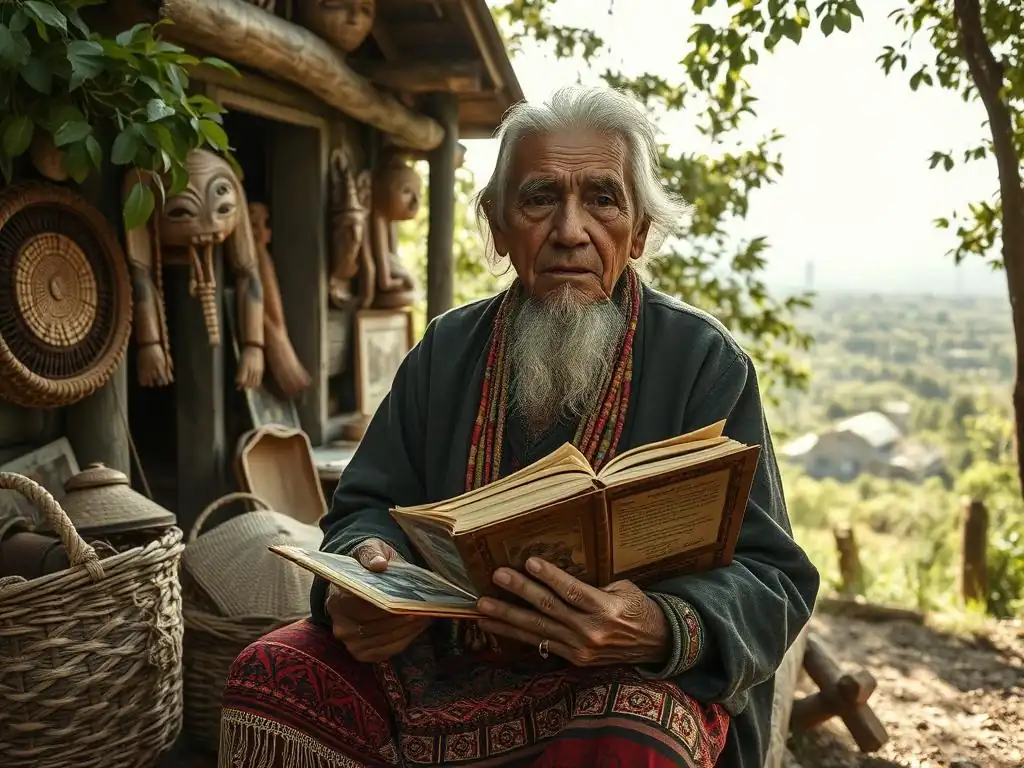
Heritage conservation plays a crucial role in preserving the unique identities of Indigenous cultures across the Americas. However, numerous challenges hinder these efforts, making it essential to address them to ensure the survival of these rich cultural legacies.
The Threats Facing Indigenous Cultures Today
Indigenous cultures are currently threatened by various factors, including globalization, urbanization, and socio-economic pressures. These challenges manifest in several ways:
- Loss of Language: Many Indigenous languages are at risk of extinction as younger generations adopt dominant languages, leading to the erosion of cultural identity.
- Cultural Appropriation: The commercialization of Indigenous cultural symbols and practices often strips them of their original meaning and significance, undermining their authenticity.
- Displacement: Indigenous communities frequently face displacement from their ancestral lands due to industrial development, agriculture, and urban expansion, which disrupts their connection to their heritage.
Each of these threats not only endangers the cultures themselves but also the knowledge and traditions that have been passed down through generations.
Legal and Political Barriers to Heritage Preservation
Legal frameworks and political dynamics significantly influence the effectiveness of heritage conservation strategies. Indigenous peoples often encounter several obstacles:
- Insufficient Legal Protections: Many countries lack comprehensive laws that recognize and protect Indigenous heritage rights, allowing for exploitation and degradation of cultural sites.
- Bureaucratic Challenges: Complex bureaucratic processes can hinder Indigenous communities' ability to assert their rights over heritage sites, delaying necessary conservation actions.
- Political Marginalization: Indigenous voices are often sidelined in political discussions, resulting in decisions that do not reflect their interests or needs regarding heritage preservation.
Overcoming these barriers requires advocacy and collaboration between Indigenous communities, governments, and organizations dedicated to heritage conservation.
The Role of Climate Change in Cultural Heritage Loss
Climate change poses a significant threat to cultural heritage, particularly for Indigenous communities closely tied to their environments. Key impacts include:
- Physical Damage to Sites: Rising sea levels, increased flooding, and extreme weather events threaten the integrity of heritage sites, leading to irreversible loss.
- Altered Ecosystems: Changes in ecosystems affect traditional practices such as hunting, fishing, and gathering, disrupting the transmission of cultural knowledge.
- Forced Migration: Climate-induced displacement can lead Indigenous peoples to abandon their ancestral lands, severing their connections to cultural heritage and identity.
Addressing the impacts of climate change necessitates integrated conservation strategies that consider environmental sustainability alongside cultural preservation.
Case Studies in Heritage Conservation
Exploring successful case studies in heritage conservation provides valuable insights into effective strategies and outcomes. These examples highlight how Indigenous communities have navigated challenges to preserve their cultures.
Successful Heritage Conservation Projects in Indigenous Communities
Numerous Indigenous-led initiatives have successfully preserved cultural heritage through collaborative efforts:
- The Maori Heritage Project (New Zealand): This project focused on revitalizing Maori language and traditions, engaging the community in educational initiatives that fostered a renewed appreciation for their heritage.
- The Zapatista Movement (Mexico): This grassroots effort prioritized cultural preservation by emphasizing local customs, language, and governance, resulting in a vibrant cultural resurgence among the Zapatista communities.
These projects demonstrate the effectiveness of community involvement and the importance of culturally sensitive approaches in heritage conservation.
Lessons Learned from Preservation Efforts
Analysis of various preservation efforts reveals important lessons:
- Community Engagement is Key: Successful initiatives often involve direct participation from Indigenous communities, ensuring that their voices and perspectives guide conservation strategies.
- Interdisciplinary Approaches: Integrating knowledge from various fields, such as anthropology, ecology, and law, can enhance the effectiveness of conservation efforts.
- Long-term Commitment: Heritage conservation requires sustained support and resources over time, rather than short-term interventions.
By applying these lessons, future conservation efforts can be more effective and culturally relevant.
The Impact of Community-Driven Conservation Initiatives
Community-driven conservation initiatives have shown profound effects on Indigenous cultures:
- Empowerment: Engaging communities in heritage conservation fosters a sense of ownership, leading to greater commitment to preserving their cultural identity.
- Cultural Revitalization: These initiatives often spark renewed interest in traditional practices, languages, and customs, contributing to cultural resilience.
- Strengthened Relationships: Collaborative efforts can strengthen ties between Indigenous communities and external stakeholders, facilitating better support for future conservation efforts.
Ultimately, community-driven initiatives play a vital role in ensuring the sustainability of Indigenous cultures and their heritage.
The Future of Preserving Indigenous Cultures Heritage
As we look toward the future, the preservation of indigenous cultures' heritage must adapt to the evolving global landscape. This evolution is characterized by a growing recognition of the importance of indigenous knowledge systems, languages, and cultural practices. The next decade will see an increased emphasis on integrating indigenous perspectives into broader heritage conservation efforts. This includes advocating for the rights of indigenous communities to control and manage their cultural heritage, ensuring that they are active participants in conservation initiatives.
Furthermore, as climate change poses new threats to cultural sites and practices, future conservation efforts will need to incorporate strategies that address these challenges. A holistic approach that combines traditional ecological knowledge with modern conservation techniques will be essential to safeguard both the environment and the heritage of indigenous peoples. Ultimately, the future of preserving indigenous cultures' heritage hinges on collaboration, innovation, and respect for the unique identities and histories of these communities.
Emerging Trends in Heritage Conservation
The field of heritage conservation is witnessing several emerging trends that are reshaping how indigenous cultures are preserved. One significant trend is the increased focus on community-led conservation efforts. Indigenous communities are asserting their rights to manage and protect their cultural heritage, leading to more sustainable and culturally relevant practices. This grassroots approach empowers communities and fosters a deeper understanding of their heritage.
Another trend is the growing recognition of intangible cultural heritage, which includes traditions, languages, and art forms. Preservation efforts are shifting from solely protecting physical artifacts to ensuring that living cultures thrive. This involves supporting language revitalization programs, traditional art forms, and storytelling practices that are vital to the identity of indigenous peoples.
Moreover, there is a rising awareness of the interconnectedness of cultural heritage and biodiversity. Initiatives that promote the conservation of indigenous lands and practices are being recognized as crucial to the survival of both cultural and natural heritage. As these trends continue to evolve, they promise to enhance the effectiveness of preserving indigenous cultures' heritage.
The Role of Technology in Protecting Indigenous Heritage
Technology plays a pivotal role in modern heritage conservation, offering innovative tools to protect and promote indigenous cultures. Digital documentation techniques, such as 3D scanning and virtual reality, allow for the preservation of cultural artifacts and sites in ways that were previously unimaginable. These technologies enable indigenous communities to create digital repositories of their heritage, ensuring that their stories and traditions are accessible to future generations.
Additionally, social media platforms are empowering indigenous peoples to share their cultures with a global audience. Through storytelling, art, and music shared online, indigenous voices are amplified, fostering cross-cultural understanding and appreciation. This digital presence can also support fundraising efforts and global advocacy for the protection of indigenous rights and heritage.
However, it is essential to approach the use of technology with caution. Ensuring that indigenous communities retain control over how their heritage is represented and shared online is paramount. Ethical considerations must guide the implementation of technology in heritage conservation to prevent exploitation and misrepresentation of indigenous cultures.
Collaborative Approaches to Heritage Preservation
Collaboration is crucial for effective heritage preservation, particularly when it comes to indigenous cultures. Building partnerships among indigenous communities, governments, NGOs, and academic institutions can lead to more comprehensive and inclusive conservation strategies. These collaborations can facilitate knowledge exchange, pooling resources and expertise to address complex heritage challenges.
One successful model of collaboration is the establishment of co-management agreements, where indigenous communities work alongside government agencies to manage cultural sites. Such agreements ensure that indigenous perspectives and traditional knowledge inform conservation practices, leading to more respectful and effective outcomes.
Furthermore, fostering intercultural dialogue between indigenous and non-indigenous communities can enhance mutual understanding and respect. By sharing knowledge and experiences, all parties involved can contribute to a more equitable approach to heritage conservation that honors the significance of indigenous cultures.
Conclusion
Recap of the Importance of Heritage Conservation
The conservation of indigenous cultures' heritage is vital for preserving the rich tapestry of human history and ensuring that diverse voices continue to be heard. Heritage conservation not only safeguards tangible artifacts and sites but also nurtures the intangible aspects of culture, such as languages, traditions, and worldviews. Recognizing the importance of cultural heritage fosters a sense of identity and continuity for indigenous communities, allowing them to thrive in a rapidly changing world.
As we confront the challenges of the 21st century, including climate change and globalization, the need for effective heritage conservation becomes ever more pressing. It is through the protection of indigenous cultures that we can learn valuable lessons about sustainability, resilience, and the interconnectedness of humanity.
Call to Action for Supporting Indigenous Cultures
To support the preservation of indigenous cultures' heritage, it is essential for individuals and organizations to take action. This can include:
- Advocating for Indigenous Rights: Support policies that recognize and uphold the rights of indigenous peoples to manage their cultural heritage.
- Engaging in Responsible Tourism: When visiting indigenous lands, practice respectful tourism that honors local customs and contributes to community well-being.
- Promoting Indigenous Voices: Amplify indigenous perspectives by sharing their stories, art, and traditions through various platforms.
- Supporting Language Revitalization: Contribute to programs aimed at preserving and revitalizing indigenous languages, which are integral to cultural heritage.
By taking these steps, we can all play a role in preserving the rich heritage of indigenous cultures and ensuring their continued vibrancy for generations to come.
- Introduction to Heritage Conservation
- The Role of Heritage Conservation in Indigenous Cultures
- Principles of Heritage Conservation
- Strategies for Preserving Indigenous Cultures Heritage
- Challenges in Heritage Conservation
- Case Studies in Heritage Conservation
- The Future of Preserving Indigenous Cultures Heritage
- Conclusion
- What is the significance of heritage conservation for indigenous cultures?
- How can we support the preservation of indigenous cultures?
- What are some examples of achievements in indigenous cultures before colonization?
- Why is it important to focus on diverse indigenous cultures?
- How does European colonization impact the preservation of indigenous heritage?
Frequently Asked Questions
What is the significance of heritage conservation for indigenous cultures?
Heritage conservation plays a critical role in preserving the unique identities and traditions of indigenous cultures, ensuring their history and values are passed down through generations.
How can we support the preservation of indigenous cultures?
Supporting indigenous communities through education, advocacy, and funding initiatives can help maintain their cultural practices and promote their heritage in a modern context.
What are some examples of achievements in indigenous cultures before colonization?
Indigenous cultures in the Americas exhibited remarkable achievements in areas such as agriculture, architecture, and art, showcasing their advanced understanding of the environment and creativity.
Why is it important to focus on diverse indigenous cultures?
Focusing on diverse indigenous cultures enriches our understanding of the complexity and variety of human experiences, highlighting the need to respect and celebrate each culture's unique contributions to global heritage.
How does European colonization impact the preservation of indigenous heritage?
European colonization led to significant disruption of indigenous societies, resulting in the loss of languages, traditions, and land, making the need for effective heritage conservation efforts more urgent than ever.
In today's rapidly changing world, the preservation of Indigenous cultures is more crucial than ever. As globalization continues to dilute cultural identities, the importance of understanding and implementing effective heritage conservation practices cannot be overstated. The survival of Indigenous cultures hinges on our collective commitment to safeguarding their traditions, languages, and histories. It is a call to action for everyone to recognize that preserving Indigenous cultures heritage is not merely a niche concern but a fundamental aspect of our shared human experience.
The impact of heritage conservation extends far beyond the confines of Indigenous communities; it shapes our cultural landscape as a whole. As we engage with the stories, customs, and wisdom of Indigenous peoples, we enrich our own lives and foster a deeper appreciation for diversity. The ongoing dialogue surrounding heritage conservation encourages us to reflect on our roles as stewards of culture. Cultural heritage is the bridge that connects us to our past and guides us into the future.
This quote encapsulates the essence of our responsibility to honor and protect the legacies that have shaped our world.
As we move forward, I invite you to reflect on your own connection to Indigenous cultures and consider how you can contribute to their preservation. Embrace the opportunity to learn, advocate, and support initiatives that uplift Indigenous voices. Whether through education, community engagement, or simply sharing knowledge, each of us has the power to make a difference. Let us commit to being active participants in the journey of preserving Indigenous cultures heritage, ensuring that these invaluable treasures continue to thrive for generations to come.
Embrace and Protect Indigenous Heritage Today!
Thank you for taking the time to explore the vital topic of heritage conservation and its role in preserving Indigenous cultures. Your interest demonstrates a commitment to understanding and safeguarding these rich histories. Now, it’s time to transform your newfound knowledge into meaningful action!
Here are a few impactful ways you can make a difference:
- Join a local heritage conservation organization dedicated to preserving Indigenous cultures—your support can amplify these important voices.
- Discover Indigenous art and history by visiting local museums or attending cultural events, and share your experiences with friends and family to raise awareness.
- Consider volunteering or participating in educational workshops to enhance your understanding and engage with community members directly.
How will you contribute to protecting Indigenous heritage and ensuring its vibrant future for generations to come?