
CrossCultural Encounters: Indigenous Military Practices and European Armies

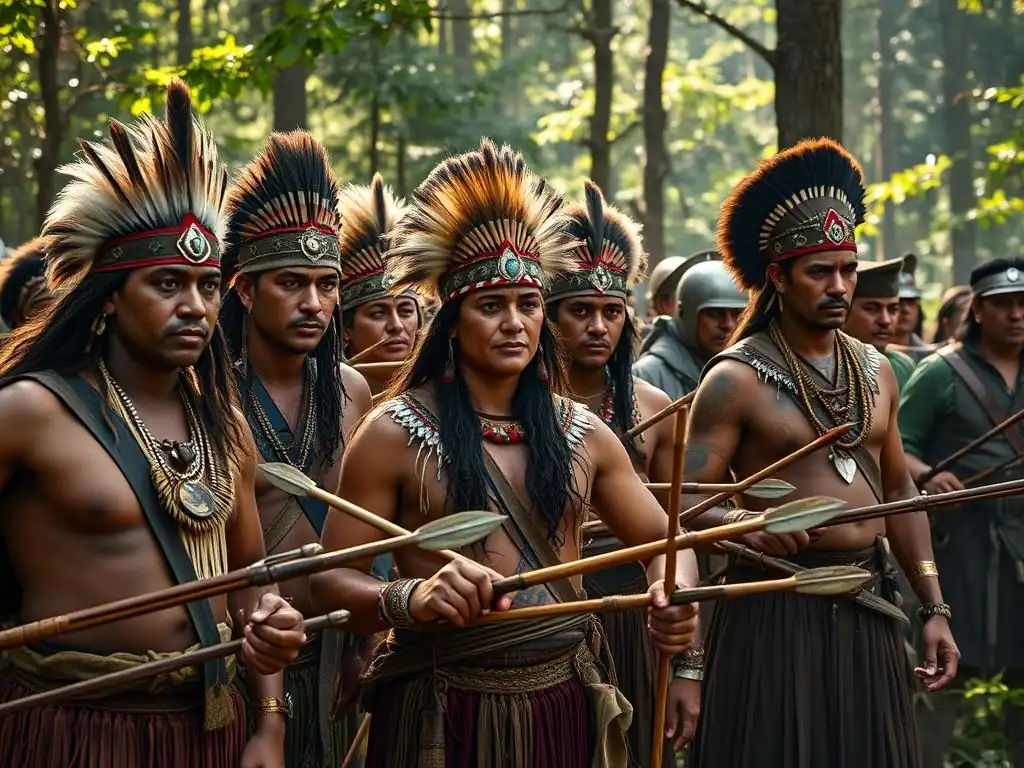
Welcome to Indigenous Civilizations of the Americas, where we invite you to embark on an enlightening journey through the rich tapestry of indigenous cultures that once flourished across the continent. In this unique exploration, we delve into the intriguing world of indigenous military practices, uncovering how these remarkable societies not only defended their territories but also shaped the very fabric of warfare in the Americas. Prepare to challenge your perceptions as you discover the profound impacts of these practices on European armies and the broader historical landscape.
What strategies did these civilizations employ that still resonate today? Join us as we unravel these captivating narratives and more!
- Introduction to Indigenous Military Practices in the Americas
- Historical Context of Indigenous Military Practices
- Encountering European Armies
- Indigenous Military Strategies and Techniques
- The Impact of European Colonization on Indigenous Military Practices
- Case Studies of Notable Cross-Cultural Military Encounters
- The Legacy of Indigenous Military Practices in Modern Context
- Conclusion: The Significance of Understanding Indigenous Military Practices
-
Frequently Asked Questions
- What are indigenous military practices in the Americas?
- How did European armies perceive indigenous military strategies?
- What role did alliances play in indigenous military practices?
- How did indigenous military practices influence European warfare?
- Are there lasting impacts of indigenous military practices today?
- Final Reflection: Embracing the Legacy of Indigenous Military Practices
- Unveil the Strength of Indigenous Wisdom in Today's Military Practices!
Introduction to Indigenous Military Practices in the Americas
The military practices of indigenous cultures in the Americas are a rich tapestry woven from the unique histories, environments, and social structures of various tribes and civilizations. Before European contact, these societies developed sophisticated strategies and techniques for warfare that were deeply intertwined with their cultural identities, spiritual beliefs, and community values.
This article aims to delve into the indigenous military practices that flourished across the continent, illustrating their complexity and significance within the broader context of indigenous societies. By examining these practices, we can gain a deeper appreciation for the resilience and adaptability of these cultures in the face of external challenges, particularly during the tumultuous period of European colonization.
Overview of Indigenous Military Practices
Indigenous military practices in the Americas were as diverse as the cultures themselves. From the highly organized armies of the Aztecs and Incas to the guerrilla tactics employed by various Plains tribes, military strategies varied greatly depending on geographic, social, and economic factors.
Key aspects of these practices included:
- Community Involvement: Unlike European militaries, which often relied on professional soldiers, many indigenous groups engaged the entire community in military efforts, fostering a sense of unity and shared purpose.
- Tactical Innovation: Indigenous peoples developed unique tactics suited to their environments. For example, the use of mobility and stealth was prevalent among tribes in forested regions, while open-field battles characterized warfare among those on the Great Plains.
- Spiritual Elements: Warfare was often seen through a spiritual lens, with rituals and ceremonies designed to secure favorable outcomes. Leaders and warriors frequently sought guidance from spiritual entities, highlighting the profound connection between warfare and belief systems.
Importance of Military Strategies in Indigenous Cultures
The significance of military strategies within indigenous cultures cannot be overstated. These practices served not only as a means of defense against external threats but also as a way to assert cultural identity and sovereignty.
Some key points include:
- Territorial Defense: Military practices were crucial for protecting ancestral lands from encroachment by rival tribes and, later, European settlers.
- Resource Control: Control over resources, such as water sources and hunting grounds, often dictated the outcome of conflicts, making military strategy a critical aspect of survival.
- Cultural Heritage: The methods of warfare, including training, weaponry, and strategies, were integral to passing down cultural knowledge and values, reinforcing community bonds and identity.
Purpose of the Article: Exploring Cross-Cultural Encounters
This article seeks to explore the interactions between indigenous military practices and European armies during the age of colonization. By examining these cross-cultural encounters, we aim to highlight how indigenous strategies influenced European military tactics and vice versa.
The objectives of this exploration include:
- Understanding Adaptation: Investigating how indigenous groups adapted their military practices in response to European technologies and strategies.
- Recognizing Influence: Analyzing how indigenous military tactics impacted colonial military operations and the subsequent outcomes of various conflicts.
- Promoting Awareness: Raising awareness of the rich and diverse military traditions of indigenous peoples, which are often overlooked in traditional historical narratives.
Through this examination, we aim to provide a comprehensive understanding of indigenous military practices in the Americas and their enduring legacy in the context of warfare and military history.
Historical Context of Indigenous Military Practices
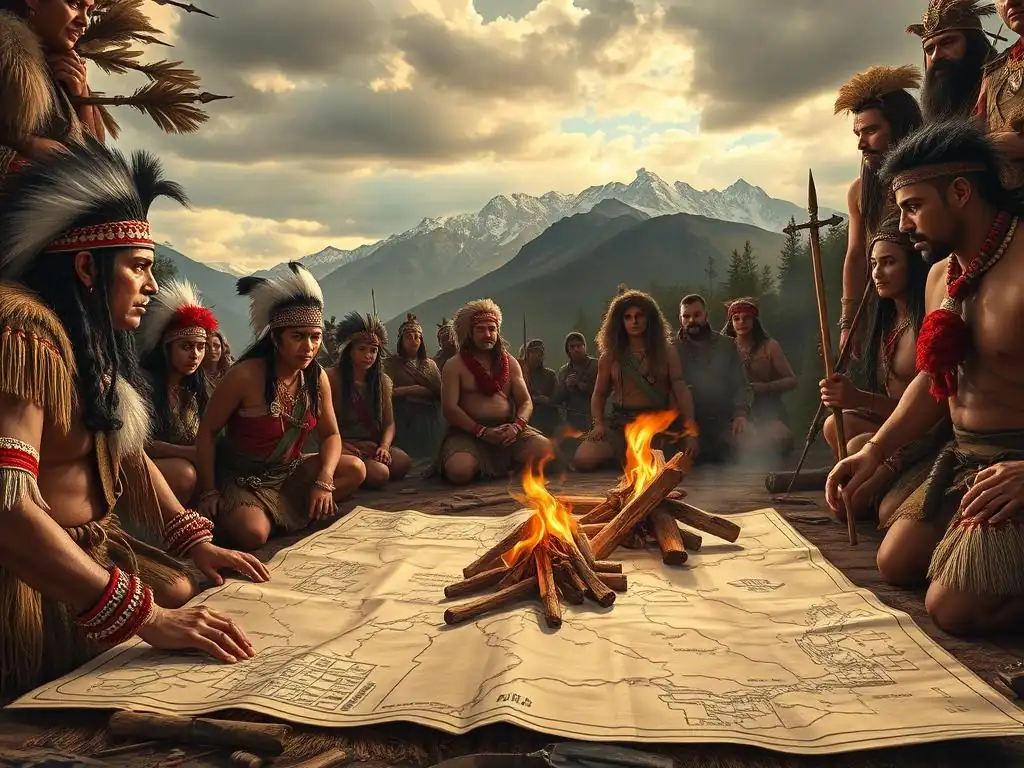
Understanding the historical context of Indigenous military practices in the Americas requires an exploration of the social, political, and environmental factors that shaped these practices before European contact. Indigenous military strategies were not merely defensive responses to threats; they were integral to the social fabric of many nations, reflecting their values, structures, and relationships with neighboring tribes.
Prior to European colonization, Indigenous peoples engaged in warfare for various reasons, including territorial disputes, resource acquisition, and tribal alliances. The nature of warfare was often ritualistic, embedded within cultural traditions and social structures. Conflicts could range from small-scale skirmishes to large-scale battles, characterized by a deep understanding of the terrain and communal participation in military endeavors.
The military practices varied significantly across different regions, influenced by factors such as population density, resource availability, and external threats. For instance, in the Great Plains, the nomadic tribes utilized cavalry tactics, primarily through skilled horsemanship and mobility, while in Mesoamerica, more complex societies like the Aztecs developed extensive military hierarchies and strategies.
Pre-Colonial Warfare Among Indigenous Peoples
Indigenous warfare in the Americas was complex and multifaceted, often driven by the need to assert dominance, protect resources, and maintain social cohesion. Key aspects of pre-colonial warfare included:
- Ritual and Ceremony: Many Indigenous cultures integrated ritualistic elements into their military practices. Warfare was often preceded by ceremonies intended to invoke the favor of deities or ancestors, underscoring the spiritual dimensions of conflict.
- Tactics and Strategies: Indigenous military tactics were adapted to the environment. For instance, forested regions saw the use of ambush tactics and stealth, whereas open plains allowed for more direct confrontations using speed and mobility.
- Community Involvement: Warfare was typically a communal effort, involving different societal roles. Men might take up arms, but women often played crucial roles in logistics, care for the wounded, and maintaining morale.
- Impact of Trade Relationships: Trade routes not only facilitated economic exchanges but also influenced military alliances. Strong trade partnerships could deter aggression, while rivalries often led to conflicts over trade access.
Key Indigenous Nations and Their Military Structures
Various Indigenous nations developed distinct military structures tailored to their unique environments and cultural practices. Here are a few notable examples:
- The Aztec Empire: The Aztecs had a highly organized military hierarchy, with professional soldiers known as Eagle and Jaguar warriors. Their military campaigns aimed to expand territory and acquire captives for religious sacrifices. Military service was a pathway to social mobility.
- The Iroquois Confederacy: The Iroquois employed a sophisticated political structure that included military councils. Warfare was often communal, with decisions made collectively by clan leaders. They utilized guerrilla tactics and were skilled in diplomacy, often forming temporary alliances.
- The Plains Tribes: Nations such as the Lakota and Cheyenne relied heavily on horseback warfare. Their strategies emphasized mobility and surprise, using the vast plains to their advantage during raids and skirmishes.
- The Inca Empire: The Inca developed a vast military system that could mobilize large numbers of troops quickly. They achieved success through a combination of strategic warfare and diplomacy, often incorporating conquered peoples into their military ranks.
Influence of Geography on Indigenous Military Practices
Geography played a pivotal role in shaping Indigenous military practices across the Americas. The diverse landscapes—ranging from dense forests to arid deserts and expansive plains—dictated the strategies and organization of military forces.
- Terrain as Strategy: In mountainous regions, such as the Andes, guerrilla warfare was common. Indigenous peoples developed tactics that took advantage of elevation and natural barriers, allowing them to ambush larger enemies.
- Resource Availability: Access to resources influenced military capabilities. For instance, tribes near rivers could use canoes for rapid movement and surprise attacks, while those in forested areas became adept at stealth and ambush tactics.
- Seasonal Variations: Warfare was often seasonal, correlating with agricultural cycles. Tribes would engage in conflict during periods of harvest or when they had surplus resources, allowing them to sustain military campaigns.
- Environmental Adaptation: Indigenous military practices reflected a deep understanding of their environment. Terrains were strategically utilized, with Indigenous warriors often using the landscape for cover, navigation, and as part of their tactical maneuvers.
Indigenous military practices in the Americas were characterized by a blend of cultural significance, strategic adaptability, and environmental awareness. These practices not only defined the relationships between tribes but also shaped their responses to European encroachment, laying the groundwork for the profound transformations that followed colonization.
Encountering European Armies
Initial Contact: European Colonizers and Indigenous Military Practices
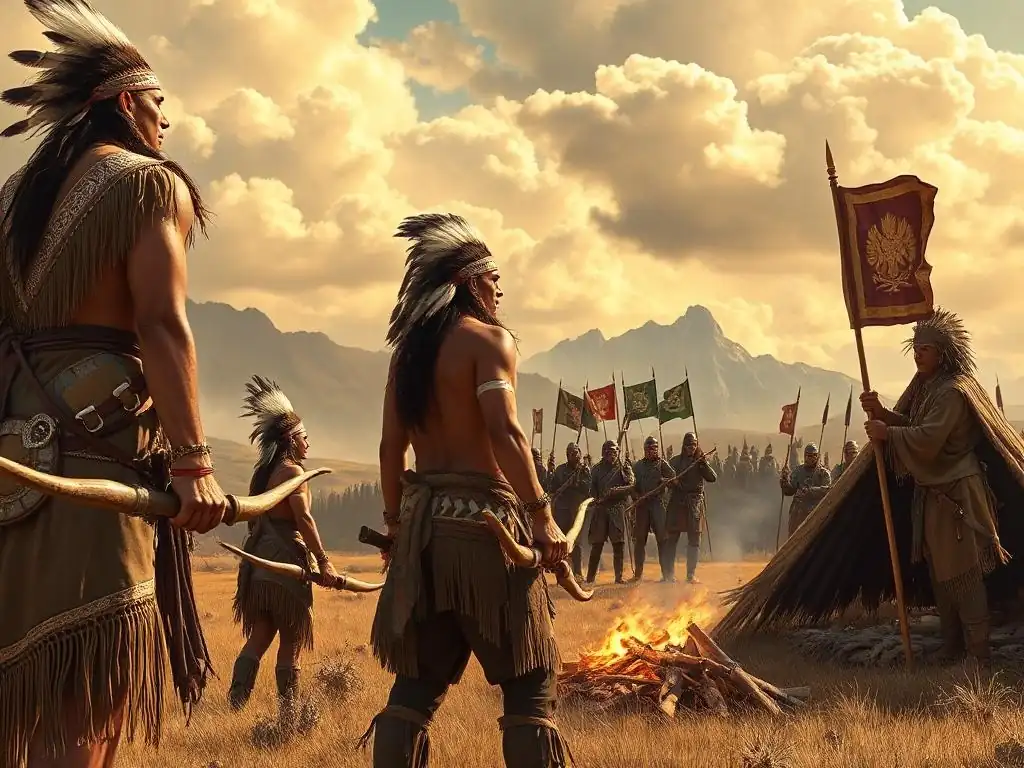
The arrival of European colonizers in the Americas marked a significant turning point in the continent's history, particularly in the realm of military encounters. Indigenous military practices were diverse and deeply rooted in the cultural and social fabrics of the various tribes and civilizations. When Europeans landed, they encountered a range of military strategies that had evolved over centuries, shaped by the unique environmental and social conditions of each region.
Indigenous peoples employed a variety of tactics that emphasized mobility, stealth, and intimate knowledge of the terrain. For instance, tribes such as the Iroquois Confederacy utilized complex alliances and guerrilla warfare techniques, allowing them to outmaneuver larger European forces. In contrast, European armies relied heavily on organized formations, heavy artillery, and traditional battle lines, which often proved less effective in the dense forests and varied landscapes of North America.
The initial contact often resulted in misunderstandings regarding military capabilities and intentions:
- Underestimation: European colonizers frequently underestimated the military prowess of Indigenous peoples, viewing them as primitive and disorganized.
- Adaptation: Indigenous groups quickly adapted to European warfare technologies, integrating firearms into their existing practices while maintaining traditional methods.
- Diplomatic Maneuvering: Many tribes engaged in strategic alliances with European powers, such as the French and the British, to bolster their military standing against rival Indigenous groups and colonizers.
Differences in Military Tactics: Indigenous vs. European Approaches
The military tactics of Indigenous peoples in the Americas were fundamentally different from those of European armies, shaped by cultural values, environmental factors, and historical experiences.
Indigenous Military Tactics
- Guerrilla Warfare: Indigenous groups often employed hit-and-run tactics to disrupt European forces. This style of warfare allowed smaller tribes to inflict significant damage without engaging in direct confrontations.
- Terrain Utilization: Knowledge of local geography enabled Indigenous warriors to conduct ambushes and evade larger forces. The ability to navigate forests, mountains, and rivers gave them a strategic advantage.
- Flexible Alliances: Indigenous groups formed temporary alliances based on necessity, allowing them to pool resources and manpower against common threats.
- Cultural Warfare: Warfare was often intertwined with spiritual beliefs, and victories were celebrated as communal triumphs. This aspect fostered resilience and unity among tribes.
European Military Tactics
- Linear Warfare: European armies typically employed linear formations in battle, relying on discipline and coordination. This tactic was effective in open fields but struggled in rugged terrain.
- Heavy Artillery and Cavalry: European forces utilized cannons and cavalry, which required extensive logistics and organization. This reliance on heavy weaponry often hindered their ability to adapt to Indigenous tactics.
- Fortifications: Europeans built fortifications to protect their settlements, believing that strongholds would deter Indigenous assaults. However, many Indigenous groups adapted by laying siege or attacking supply lines instead.
- Centralized Command: European military operations were characterized by hierarchical command structures, which contrasted with the more decentralized leadership often seen in Indigenous warfare.
Case Studies of Indigenous Resistance Against European Forces
Several notable examples illustrate the effectiveness of Indigenous military practices against European colonizers, showcasing resilience and strategic ingenuity.
The Pueblo Revolt (1680)
In New Mexico, the Pueblo people united against Spanish colonial rule in a well-coordinated uprising. Utilizing their knowledge of the land, they launched a surprise attack on Spanish settlements, resulting in the temporary expulsion of Spanish forces. The revolt highlighted the effectiveness of Indigenous unity and strategic planning.
King Philip's War (1675-1676)
This conflict involved several Indigenous tribes in New England, led by Metacom (King Philip), against English settlers. The war was marked by brutal tactics from both sides, with Indigenous forces employing guerrilla warfare to retaliate against encroachments on their lands. Despite initial successes, the war ultimately resulted in substantial losses for Indigenous peoples, but it demonstrated their capacity for organized resistance.
The War of 1812
Indigenous groups like the Shawnee, under leaders such as Tecumseh, allied with the British against American expansion. They aimed to create a confederation to resist U.S. encroachment. Although ultimately unsuccessful, their military coordination and tactical approaches posed significant challenges to American forces, illustrating the enduring impact of Indigenous military practices.
The encounters between Indigenous peoples and European armies reveal a complex interplay of military strategies that shaped the course of American history. Indigenous military practices, marked by adaptability and deep-rooted cultural significance, often challenged European assumptions of dominance and paved the way for resistance movements that would echo through the centuries.
Indigenous Military Strategies and Techniques
Indigenous military practices in the Americas were characterized by a rich tapestry of strategies and techniques that reflect the diverse cultures and environments of the continent. These practices were not only reactive responses to external threats but also proactive measures that showcased the ingenuity and adaptability of indigenous peoples. Understanding these strategies provides insight into how indigenous societies structured their military efforts and how they interacted with European armies during periods of conflict.
Guerrilla Warfare: Tactics of Indigenous Armies
Guerrilla warfare was a hallmark of indigenous military practices across the Americas. This form of warfare emphasized mobility, surprise, and the element of stealth, allowing smaller, less-equipped forces to effectively confront larger and more organized armies.
- Hit-and-Run Tactics: Indigenous armies often employed hit-and-run tactics, launching sudden attacks on enemy forces and retreating quickly to avoid prolonged engagement. This method minimized casualties and maximized the impact of their strikes.
- Small, Highly Mobile Units: Units were usually composed of skilled warriors familiar with their local environment. These groups could navigate forests, mountains, and rivers with ease, allowing them to strike unexpectedly and then disappear into the landscape.
- Adaptation to Enemy Tactics: Indigenous forces were adept at learning and adapting European military tactics to their own style of warfare. For example, they would often ambush European supply lines or target isolated soldiers, undermining the enemy’s operational effectiveness.
The effectiveness of guerrilla warfare was evident during encounters with European powers. Indigenous groups, such as the Apache and the Iroquois, used these tactics to resist colonization and defend their territories, demonstrating a profound understanding of both their landscape and their opponents.
Use of Terrain in Indigenous Military Practices
The strategic use of terrain played a critical role in indigenous military practices. Indigenous groups had an intimate knowledge of their land, which they utilized to gain advantages over their adversaries.
- Natural Fortifications: Many indigenous armies utilized natural features such as mountains, rivers, and forests as defensive barriers. These geographical elements provided protection and made it difficult for European armies to advance.
- Ambush Sites: Terrain was also chosen for its potential as an ambush site. High ground, dense foliage, and narrow passes were often selected for surprise attacks, leveraging the element of surprise to inflict maximum damage on enemy forces.
- Seasonal Considerations: Indigenous military strategies were often adapted to seasonal changes. For example, during the rainy season, swamps could be utilized to hinder the movement of European troops, while dry periods allowed for greater mobility for offensive operations.
The strategic acumen in utilizing terrain not only demonstrated the military sophistication of indigenous groups but also highlighted their ability to integrate environmental knowledge into their warfare strategies.
Psychological Warfare and Deception in Indigenous Tactics
Psychological warfare and deception were integral components of indigenous military practices, aiming to undermine enemy morale and create confusion among opposing forces.
- Rituals and Symbolism: Indigenous warriors often employed rituals and symbolic gestures to instill fear and uncertainty in their enemies. War cries, elaborate war paints, and the display of captured weapons served to intimidate European soldiers.
- Misinformation and Deception: Indigenous military leaders would sometimes spread misinformation regarding troop movements or intentions, creating a sense of uncertainty among European commanders. This tactic was particularly effective in leading enemies into traps or ambushes.
- Use of Spies and Scouts: Information gathering was crucial, and indigenous forces often utilized scouts to gather intelligence on enemy positions and movements. This information was then used to inform their strategies and exploit weaknesses.
The adept use of psychological tactics not only showcased the intelligence of indigenous military leaders but also played a significant role in their resistance efforts against European colonization, shaping the dynamics of warfare in the Americas.
Through the examination of these indigenous military strategies and techniques, it is evident that they were not merely primitive responses to invasion but rather complex systems rooted in cultural significance and practical necessity. The keyword "Indigenous military practices Americas" encapsulates the rich history of these techniques that profoundly influenced the encounters between indigenous groups and European armies.
The Impact of European Colonization on Indigenous Military Practices
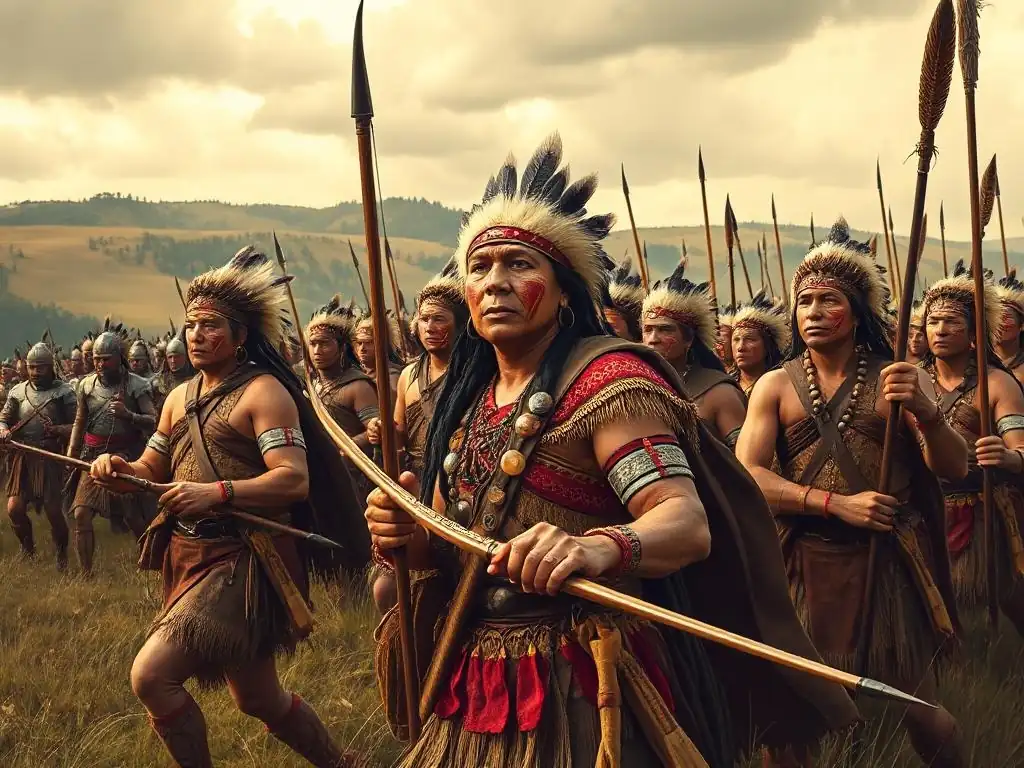
The arrival of European powers in the Americas marked a profound shift in the military landscape of indigenous societies. European colonization introduced new strategies, technologies, and ideologies that not only transformed indigenous military practices but also had lasting effects on their societies and cultures. The interaction between European armies and indigenous military practices led to a complex exchange that reshaped warfare across the continent.
Changes in Warfare Due to European Influence
The introduction of European military tactics forced indigenous groups to reevaluate their own strategies and adapt to a new kind of warfare. Before colonization, many indigenous nations engaged in warfare that was often ritualistic, with a focus on honor and prestige rather than complete destruction. However, European colonization brought about several key changes:
- Shift from Honor to Survival: Indigenous groups began to view warfare through the lens of survival, recognizing the existential threat posed by European invaders. The need to protect their land, resources, and way of life led to a more aggressive military posture.
- Formation of Alliances: In response to European encroachment, many indigenous nations formed alliances, both with each other and with European powers. These alliances were strategic, aimed at countering the common threat posed by colonizers. For example, the Iroquois Confederacy formed alliances with both the British and the French during the French and Indian War.
- Increased Scale of Conflict: The scale of conflict escalated as indigenous groups mobilized larger numbers of warriors in response to European incursions. This shift often involved the incorporation of new tactics and strategies that were previously uncommon in their traditional warfare.
Introduction of European Weapons and Technology
The introduction of European weapons drastically altered the indigenous military landscape. Firearms, cannons, and other advanced weaponry became pivotal components in many indigenous warfare strategies. Key aspects include:
- Firearms and Gunpowder: Indigenous groups who gained access to firearms often experienced a significant advantage on the battlefield. For instance, the acquisition of muskets allowed some tribes to engage in combat with greater effectiveness against European forces and other indigenous adversaries.
- Metal Armor and Tools: The introduction of metal tools and weapons changed the dynamics of combat. Indigenous groups began to produce their own versions of European weapons, adapting them to fit local needs and combat styles. The use of metal-tipped arrows and spears became widespread among those who could access these resources.
- Impact on Traditional Practices: The reliance on European technology led to a decline in traditional weapons and practices. As indigenous warriors adopted new arms, the cultural significance of traditional weapons diminished, affecting their identity and military ethos.
Adaptation of Indigenous Military Techniques
Despite the overwhelming influence of European military practices, indigenous groups demonstrated remarkable resilience and adaptability. They integrated European technologies while retaining core aspects of their traditional warfare. This adaptation involved:
- Blending Tactics: Many indigenous nations combined traditional tactics with European methods, leading to innovative strategies. For example, they employed guerrilla warfare techniques that utilized their knowledge of the terrain and surprise attacks, which were often more effective against European formations.
- Cultural Syncretism: The blending of European and indigenous military practices resulted in unique forms of warfare that reflected both cultures. The use of war dances and rituals alongside European battle formations created a hybrid military culture.
- Continued Resistance: Indigenous military practices evolved as a form of resistance against colonization. Many groups maintained their martial traditions while adapting them to confront European powers, demonstrating their commitment to sovereignty and cultural preservation.
The impact of European colonization on indigenous military practices was multifaceted, leading to significant changes in warfare, technology, and tactics. Indigenous societies not only adopted European innovations but also showcased their resilience by adapting these elements to fit their own cultural contexts. The legacy of these adaptations continues to influence the understanding of indigenous military practices in the Americas today.
Case Studies of Notable Cross-Cultural Military Encounters
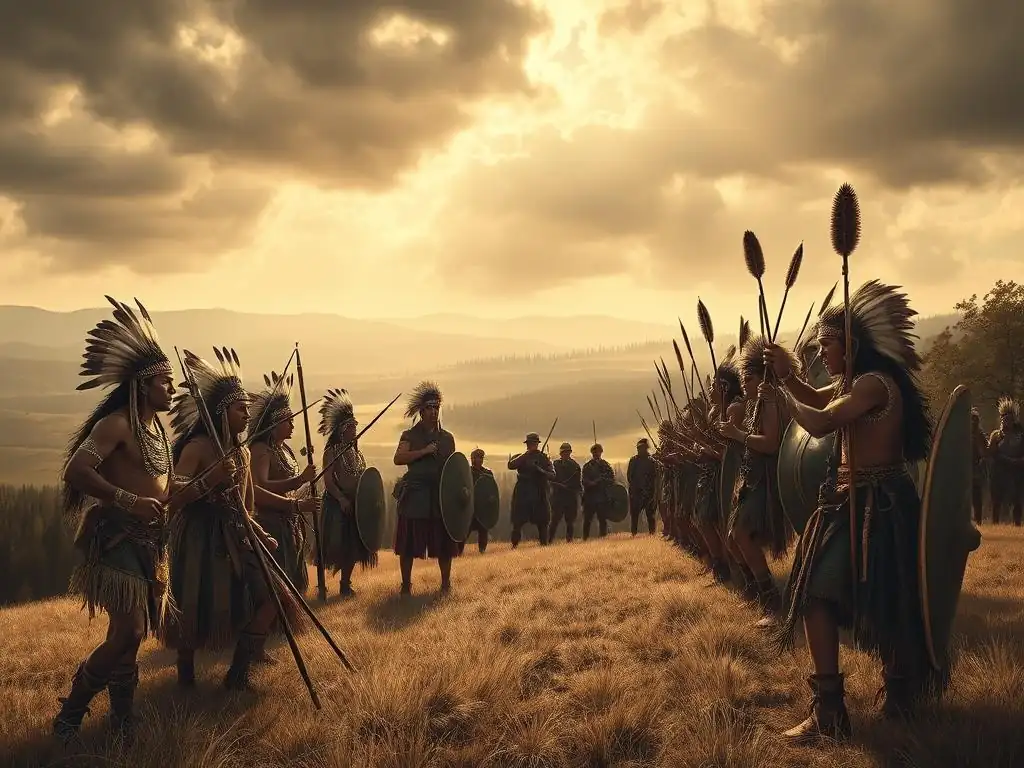
Case Study 1: The Pueblo Revolt and Spanish Colonization
The Pueblo Revolt of 1680 stands as one of the most significant examples of indigenous resistance against European colonization in the Americas. The Pueblo people, native to present-day New Mexico, faced increasing oppression from Spanish colonizers who sought to impose their religious and cultural practices. The Spanish established missions, forced labor, and confiscated land, which ultimately led to widespread discontent among the Pueblo communities.
In response to these oppressive policies, a coordinated uprising was planned by the Pueblo leaders, notably Po'pay of Ohkay Owingeh (San Juan Pueblo). The revolt was meticulously organized, emphasizing the importance of unity among various Pueblo tribes, including the Tewa, Tiwa, and Keres. The use of traditional military practices, such as guerrilla tactics and ambush strategies, proved effective against the Spanish, who were unprepared for such a coordinated effort.
The revolt resulted in the temporary expulsion of the Spanish from the region, marking a rare and successful indigenous military endeavor. The Pueblos managed to reclaim their autonomy and restore traditional practices for a brief period. However, the Spanish returned in 1692, but the revolt left a lasting legacy on indigenous resistance and military practices in the Americas.
Case Study 2: The Iroquois Confederacy's Role in Colonial Wars
The Iroquois Confederacy, composed of the Mohawk, Oneida, Onondaga, Cayuga, Seneca, and later the Tuscarora nations, played a pivotal role during the colonial wars between European powers in the 17th and 18th centuries. Their strategic military alliances and practices were significant in shaping the balance of power in the Northeast region of North America.
The Iroquois utilized sophisticated military tactics that included diplomacy, reconnaissance, and surprise attacks. They were adept at leveraging their knowledge of the terrain and forming alliances with European powers, notably the British and the French. During the French and Indian War (1754–1763), the Iroquois aligned with the British, providing critical support and intelligence that helped the British gain control over territories previously dominated by the French.
The Iroquois military structure was also notable for its democratic decision-making processes, allowing for collective input from various clans, which contrasted sharply with European hierarchical military systems. This adaptability and strategic acumen demonstrated the effectiveness of indigenous military practices, reinforcing their influence in the region during times of conflict.
Lessons Learned from Indigenous Military Encounters
The study of indigenous military practices in the Americas reveals several critical lessons about warfare, resistance, and cultural resilience.
- Adaptation and Innovation: Indigenous groups often adapted European military technologies to fit their needs while retaining their traditional practices. For instance, the integration of firearms with traditional tactics was common, enabling indigenous forces to level the playing field against European armies.
- Strategic Alliances: The importance of forming strategic alliances cannot be overstated. Indigenous nations often formed temporary coalitions with European powers, which allowed them to enhance their military capabilities and negotiate more favorable terms.
- Cultural Resilience: The military encounters highlighted the enduring nature of indigenous cultures. Even in the face of overwhelming odds, indigenous groups employed their unique social structures and cultural practices to resist colonization, showcasing their resilience and adaptability.
- Guerrilla Warfare: Many indigenous groups utilized guerrilla warfare tactics, which allowed them to exploit their knowledge of the land and engage in hit-and-run strategies. This approach often frustrated conventional European military operations, leading to significant challenges for colonial forces.
The exploration of indigenous military practices in the Americas reveals a rich tapestry of strategies, alliances, and resilience that shaped the course of history during cross-cultural encounters. Understanding these practices enhances our appreciation for the complexities of indigenous societies and their lasting impact on the Americas.
The Legacy of Indigenous Military Practices in Modern Context
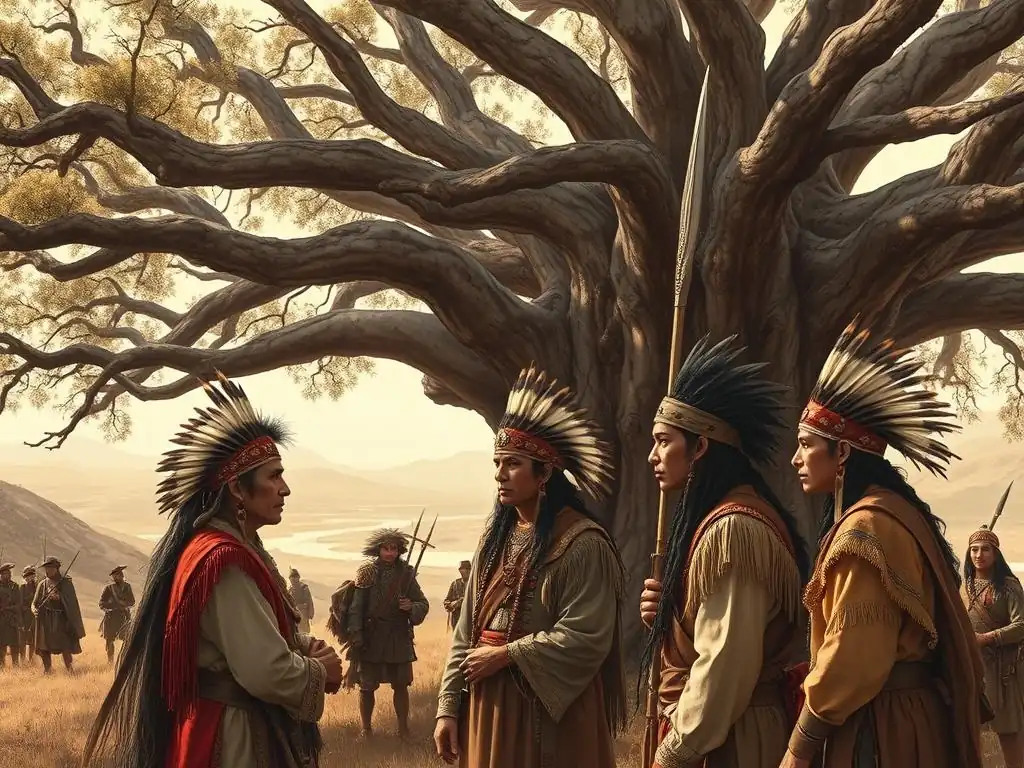
Continuing Influence of Indigenous Military Strategies
The impact of Indigenous military practices in the Americas extends far beyond their historical context, continuing to influence modern military strategies and tactics. Many contemporary military programs integrate traditional Indigenous knowledge and strategies, recognizing the effectiveness of guerrilla tactics and deep understanding of the local terrain. For instance, during conflicts such as the Vietnam War, U.S. military leaders studied Indigenous strategies that emphasized mobility, surprise, and deep knowledge of the environment—principles that have their roots in the military practices of Native American tribes.
- Guerrilla Warfare: Indigenous groups often employed guerrilla tactics, utilizing ambushes and hit-and-run strategies that are now staples in modern asymmetrical warfare.
- Environmental Adaptation: The ability to navigate and utilize diverse landscapes—whether forests, plains, or mountains—has been a significant advantage that modern military forces have sought to replicate.
- Community Engagement: The emphasis on community and collective action in Indigenous warfare has inspired modern military doctrines that prioritize local engagement and support.
These strategies highlight a sophisticated understanding of warfare shaped by centuries of experience, demonstrating that Indigenous military practices are not only of historical interest but also hold valuable lessons for contemporary military operations.
Recognition and Preservation of Indigenous Military Histories
The recognition of Indigenous military practices is crucial for preserving the rich histories of these cultures. Many Indigenous communities are actively working to document and share their military experiences, countering the often one-sided narratives presented in mainstream history. This effort includes:
- Cultural Revitalization: Many tribes are reclaiming and revitalizing their traditional military practices through festivals, reenactments, and educational programs that teach younger generations about their ancestors' strategies and sacrifices.
- Academic Research: Scholars and historians are increasingly focusing on Indigenous military histories, producing literature and studies that highlight the complexities of Indigenous warfare, including alliances, conflicts, and strategies that were often overlooked.
- Collaborative Projects: Partnerships between Indigenous communities and academic institutions have led to projects that aim to preserve and disseminate Indigenous military histories, ensuring that these narratives are included in broader historical discussions.
By acknowledging and preserving these histories, modern society can foster a more comprehensive understanding of the diverse factors that shaped the Americas prior to European colonization.
Current Perspectives on Warfare Among Indigenous Communities
Today, many Indigenous communities continue to hold unique perspectives on warfare and conflict, often influenced by their historical experiences and cultural values. Current attitudes can be categorized as follows:
- Cultural Resilience: Indigenous peoples often view warfare not only as a means of defense but also as a form of cultural expression and resilience. The stories of past conflicts are intertwined with their identities and serve as reminders of their endurance.
- Restorative Justice: In contrast to conventional military responses, many Indigenous communities advocate for restorative justice as a means of resolving conflicts. This approach emphasizes healing, community involvement, and reconciliation over punitive measures.
- Environmental Stewardship: The connection between warfare and environmental stewardship is evident in many Indigenous philosophies. Warfare strategies often reflect a deep respect for the land, leading to a modern perspective that prioritizes ecological balance and sustainability in conflict resolution.
These contemporary perspectives demonstrate that Indigenous military practices are not relics of the past but living traditions that continue to adapt and influence the ways in which communities approach conflict today. Understanding these viewpoints enriches the broader discourse on Indigenous military practices in the Americas and their relevance in contemporary society.
Conclusion: The Significance of Understanding Indigenous Military Practices
The study of Indigenous military practices in the Americas reveals a rich tapestry of strategies, tactics, and cultural values that shaped not only the indigenous societies themselves but also the interactions they had with European forces. Understanding these practices is crucial for several reasons, including the recognition of their complexities and the impact they had on the course of history.
Indigenous peoples employed a variety of military strategies that were adapted to their diverse environments, ranging from the forests of North America to the deserts of the Southwest. These tactics often included guerrilla warfare, ambushes, and the use of terrain to their advantage. This insight challenges the simplistic narrative of indigenous peoples as merely victims of colonization, instead highlighting their agency and strategic prowess in the face of European aggression.
Reflection on Cross-Cultural Military Influences
The encounters between indigenous armies and European forces were marked by a significant exchange of military knowledge and practices. This cross-cultural influence reshaped both indigenous and European military approaches. For instance, European armies often adapted indigenous tactics to counter guerrilla warfare, while indigenous forces sometimes incorporated European weaponry and organizational techniques.
- Tactical Adaptation:
- Indigenous groups effectively utilized knowledge of local geography and resources.
- European armies learned to respect the adaptive strategies of indigenous warriors, which often led to unexpected outcomes on the battlefield.
The blending of these military practices not only influenced immediate conflicts but also left a lasting legacy on military traditions in the Americas. Understanding these interactions provides a more nuanced view of historical warfare and its implications for contemporary military strategies.
Importance of Acknowledging Indigenous Contributions to Warfare
Recognizing the contributions of indigenous peoples to military history is vital for several reasons:
- Cultural Recognition:
- Acknowledging indigenous military practices honors the rich histories and cultures of these groups, moving beyond stereotypes to appreciate their complex societies.
- Historical Accuracy:
- Documenting these contributions corrects historical narratives that often marginalize indigenous experiences and overlooks their significant roles in shaping the outcomes of conflicts.
- Modern Implications:
- The military strategies and practices developed by indigenous peoples can provide valuable lessons for contemporary military operations and peacekeeping efforts.
By highlighting these contributions, we foster a more inclusive understanding of history that recognizes the agency and resilience of indigenous cultures.
Call to Action: Further Exploration of Indigenous Military Histories
To deepen our understanding of indigenous military practices in the Americas, it is essential to engage in further exploration of this rich and complex history. Here are some steps to encourage this exploration:
- Research and Education:
- Delve into academic texts, primary sources, and indigenous narratives that discuss military practices, strategies, and experiences.
- Support Indigenous Historians:
- Promote the works of indigenous scholars who can provide authentic perspectives on military histories and practices.
- Encourage Dialogue:
- Facilitate discussions that bring together historians, military experts, and indigenous voices to share insights and interpretations of historical events.
By taking these actions, we can contribute to a broader understanding of the essential role that indigenous military practices played in shaping the Americas, both historically and in contemporary contexts. Engaging with these histories not only enriches our knowledge but also honors the legacies of those who fought to protect their peoples and cultures.
Frequently Asked Questions
What are indigenous military practices in the Americas?
Indigenous military practices refer to the strategies, tactics, and organization employed by various Native American tribes for defense and warfare before European contact. These practices often included guerrilla warfare, ambushes, and alliances.
How did European armies perceive indigenous military strategies?
European armies initially underestimated indigenous military strategies, viewing them as primitive. However, they later recognized the effectiveness of guerrilla tactics and the deep knowledge indigenous peoples had of their local environments.
What role did alliances play in indigenous military practices?
Alliances among indigenous tribes were crucial for enhancing military strength and resources. These partnerships allowed tribes to combine forces against common enemies, both from within and outside the continent.
How did indigenous military practices influence European warfare?
Indigenous military practices influenced European warfare by introducing new tactics and strategies. This included the use of hit-and-run attacks, ambushes, and a deeper understanding of terrain, which reshaped European military approaches in the Americas.
Are there lasting impacts of indigenous military practices today?
Yes, the legacy of indigenous military practices continues in modern contexts, influencing contemporary military strategies and cultural identity among Native American communities. These practices serve as a reminder of the resilience and adaptability of indigenous peoples throughout history.
Final Reflection: Embracing the Legacy of Indigenous Military Practices
The exploration of Indigenous military practices in the Americas reveals a profound connection between culture and strategy that remains relevant today. As we navigate a world increasingly defined by cultural exchanges and global interactions, understanding these historical practices offers invaluable insights into resilience, adaptability, and the rich tapestry of human experience.
The influence of Indigenous military practices on European armies not only reshaped warfare but also fostered a deeper appreciation for diverse strategies and perspectives. This ongoing dialogue between cultures continues to shape our understanding of military history and strategy in contemporary contexts. As we reflect on these encounters, we are reminded of the words of historian David Hurst Thomas: The past is not a dead thing; it is alive, and it is part of us.
This sentiment underscores the importance of recognizing and honoring the contributions of Indigenous peoples to military practices and the broader historical narrative.
As we conclude this exploration, I invite you to reflect on the lessons embedded within these cross-cultural encounters. Consider how the principles of adaptability, respect for diverse perspectives, and the strength found in collaboration can be applied in your own life. Embrace the opportunity to learn from the past, engage with different cultures, and carry forward the legacy of Indigenous military practices as a source of inspiration and guidance in our ever-evolving world.
Unveil the Strength of Indigenous Wisdom in Today's Military Practices!
Thank you for exploring the fascinating world of Indigenous military practices and their profound influence on modern armies. Through this journey, we have discovered unique perspectives and strategies that highlight the resilience and ingenuity of Indigenous cultures. Now, let's take the next step together!
Here’s how you can deepen your engagement with this important topic:
- Join a local discussion group or online forum focused on Indigenous rights and military history. You’ll enrich your understanding while connecting with like-minded individuals.
- Share your thoughts by commenting below! What insights have you gained, and how can we integrate these lessons into contemporary discussions about military practices?
- Explore more by visiting local Indigenous organizations or museums that celebrate these histories and practices.
How can the wisdom of Indigenous military strategies inform modern approaches to conflict resolution and peacekeeping efforts? Let’s start a discussion!