
The Significance of Oral Traditions in Preserving Indigenous Heritage Amidst Destruction

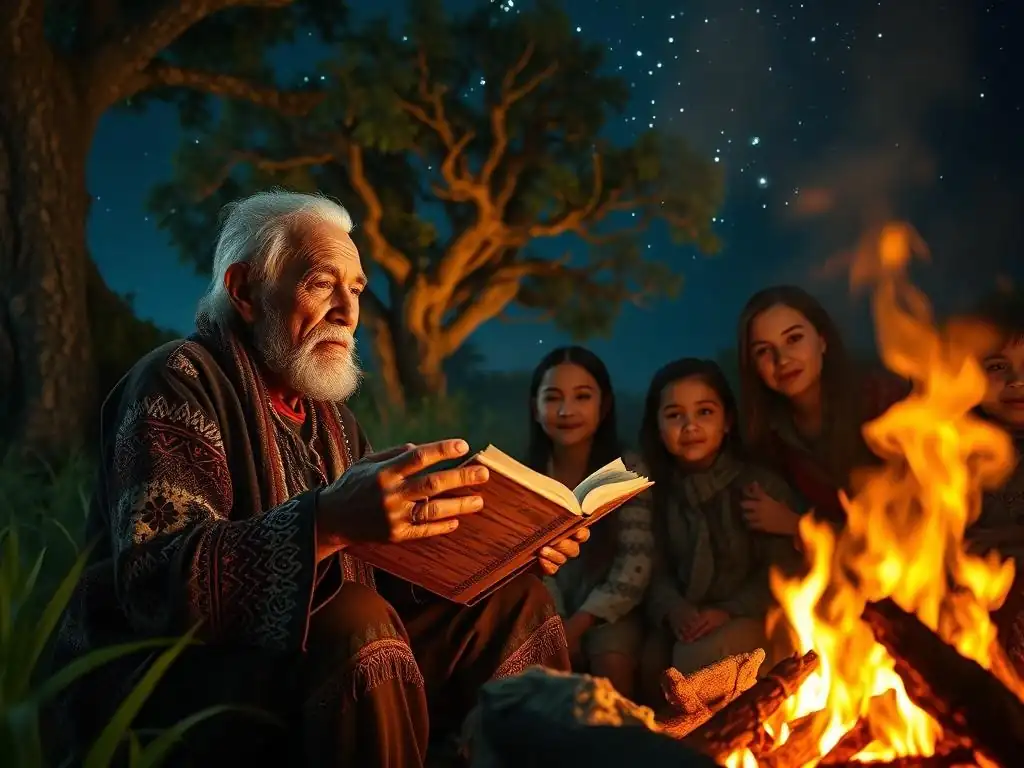
Welcome to Indigenous Civilizations of the Americas, where we invite you to embark on a journey through the rich tapestry of the diverse indigenous cultures that flourished long before European arrival. In our featured article, “The Significance of Oral Traditions in Preserving Indigenous Heritage Amidst Destruction,” we delve into the importance of oral traditions—a vital lifeline that has safeguarded the wisdom, stories, and identities of these remarkable societies.
Discover how these vibrant narratives not only reflect the resilience of indigenous peoples but also challenge the narratives of conquest and loss. Join us as we unravel the profound legacies and enduring spirit of the Americas’ first inhabitants, compelling you to explore further and uncover the stories that shaped their world.
Introduction to Oral Traditions and Indigenous Heritage
Oral traditions represent a vital link between past and present for many indigenous cultures across the Americas. These rich narratives, passed down through generations, encompass stories, beliefs, rituals, and histories that are instrumental in shaping cultural identity and community cohesion. In an era marked by the profound impacts of European colonization, which often resulted in the destruction of cultural heritage, the importance of oral traditions has become even more pronounced.
They serve not only as a means of preserving knowledge but also as a resilient form of resistance against the erasure of indigenous identities. This article delves into the critical role of oral traditions in safeguarding indigenous heritage, emphasizing their significance in fostering community bonds, transmitting knowledge, and maintaining language.
Understanding Oral Traditions in Indigenous Cultures
Oral traditions are narratives that are spoken rather than written, encompassing a wide range of genres, including myths, legends, folktales, and historical accounts. They are foundational to many indigenous cultures, providing a framework for understanding the world, guiding ethical behavior, and imparting wisdom. Unlike written texts, oral traditions thrive on performance, adaptability, and communal participation. This dynamic nature allows these stories to evolve, reflecting contemporary experiences while remaining rooted in ancestral knowledge.
For instance, many indigenous communities utilize oral traditions to explain natural phenomena, teach moral lessons, and maintain a sense of place within their cultural landscape. These narratives often feature prominent figures, such as ancestors or deities, who embody cultural values and teachings.
The Role of Oral Traditions in Cultural Identity
The significance of oral traditions extends beyond mere storytelling; they are integral to the formation and expression of cultural identity among indigenous peoples. Through these narratives, communities articulate their unique histories, philosophies, and worldviews, reinforcing a collective sense of belonging.
In many cultures, oral traditions serve as a means of connecting individuals to their ancestry and the land. This connection is crucial, particularly in the face of cultural erasure brought about by colonization. By engaging with these stories, individuals not only learn about their heritage but also cultivate a deeper appreciation for their community's resilience and continuity.
The Importance of Oral Traditions in Preserving Heritage
How Oral Traditions Foster Community Bonds
Oral traditions play a fundamental role in fostering social cohesion and community identity. Storytelling gatherings, often held during significant cultural events, provide opportunities for individuals to come together, share experiences, and reinforce communal ties.
These gatherings are more than just opportunities for entertainment; they are essential to the transmission of cultural values and practices. Through shared narratives, community members develop a collective memory that strengthens their bonds and reaffirms their commitment to preserving their heritage.
Oral Traditions as a Tool for Knowledge Transmission
In many indigenous cultures, oral traditions serve as a primary means of knowledge transmission, encompassing a vast array of subjects such as agriculture, hunting practices, and medicinal uses of plants. Elders, regarded as custodians of knowledge, play a vital role in this process, imparting wisdom to younger generations through storytelling.
This method of learning is particularly effective as it allows for experiential engagement and contextual understanding. By situating knowledge within the framework of oral narratives, learners are better able to appreciate its relevance and application in their daily lives.
The Importance of Oral Traditions in Maintaining Language
Language is a crucial component of cultural identity, and oral traditions are instrumental in the preservation and revitalization of indigenous languages. Many languages are at risk of extinction due to the lasting effects of colonization, making the role of oral narratives even more critical.
Through storytelling, songs, and chants, indigenous languages are kept alive, allowing younger generations to connect with their linguistic heritage. Additionally, oral traditions often incorporate specific dialects and regional vernaculars, enriching the cultural tapestry and ensuring the continuity of linguistic diversity.
The importance of oral traditions in preserving indigenous heritage cannot be overstated. They are a vital means of maintaining cultural identity, fostering community bonds, transmitting knowledge, and sustaining languages in the face of ongoing challenges. As we explore the significance of these traditions further, it becomes clear that they are not merely relics of the past but living practices that continue to shape indigenous communities today.
Historical Context: Destruction of Indigenous Heritage
The arrival of European colonizers in the Americas marked a significant turning point that led to the systemic destruction of indigenous cultures and heritage. As European powers expanded their territories, they imposed foreign governance, religion, and economic systems that often conflicted with indigenous ways of life. This imposition resulted in the loss of languages, rituals, and social structures that had been sustained for millennia.
The consequences of colonization were profound and multifaceted, encompassing not only physical violence but also cultural assimilation and erasure. Indigenous peoples faced forced relocations, enslavement, and massacres, which decimated populations and disrupted traditional knowledge systems. Many indigenous communities were pressured to abandon their cultural practices in favor of European customs, leading to a significant decline in the transmission of oral traditions, which were essential for cultural continuity.
Impact of European Colonization on Indigenous Cultures
European colonization had a devastating impact on indigenous cultures across the Americas. The introduction of foreign diseases, such as smallpox and measles, resulted in catastrophic population declines, further undermining the social fabric of indigenous societies. As these populations diminished, so too did the ability to pass down oral histories, traditions, and languages, which were integral to cultural identity.
Moreover, colonial policies often sought to dismantle indigenous governance systems and replace them with European-style institutions. This shift not only disrupted traditional leadership structures but also marginalized indigenous voices in the decision-making processes that affected their lives. The cultural imperialism practiced by colonizers often made indigenous peoples feel as though their identities were invalid, leading to a disconnection from their heritage and histories.
Case Studies of Cultural Erosion Due to Colonization
Several case studies illustrate the cultural erosion experienced by indigenous groups due to colonization. For instance, the impact of Spanish colonization on the Aztec and Inca civilizations led to the loss of significant cultural practices and languages. The Spanish enforced Catholicism and suppressed indigenous religions, resulting in a loss of traditional narratives and spiritual practices.
Another example is the forced assimilation of Native American tribes in the United States. Government policies, such as the establishment of Indian boarding schools, aimed to eradicate indigenous languages and cultures. Children were prohibited from speaking their native languages or practicing their cultural traditions, leading to a generational gap in oral tradition transmission.
These historical instances highlight the broader trend of cultural erosion experienced by indigenous peoples, underscoring the urgent need to recognize and revitalize these oral traditions as a means of preserving indigenous heritage.
The Role of Oral Traditions During Times of Crisis
Oral traditions have served as a vital means of preserving indigenous knowledge, identity, and resilience, particularly during times of crisis. In the face of colonial violence and cultural erasure, oral storytelling became a repository for collective memory and a tool for cultural survival. Elders and community leaders used oral traditions to convey histories, values, and teachings, ensuring that essential cultural knowledge was not lost.
These traditions often included narratives of resistance, resilience, and adaptation in response to changing circumstances. By recounting stories of ancestors who faced adversity, indigenous peoples were able to foster a sense of continuity and belonging, reinforcing community ties and cultural identity amidst the chaos of colonization.
Additionally, oral traditions provided a means to articulate grievances and assert agency in the face of oppression. Through storytelling, indigenous communities could reclaim their narratives and challenge colonial narratives, emphasizing the importance of their cultural heritage.
Contemporary Relevance of Oral Traditions
In contemporary times, the relevance of oral traditions has been amplified as indigenous communities seek to reclaim and revitalize their heritage. As a response to the historical challenges posed by colonization, many indigenous groups are recognizing the importance of oral traditions in preserving their cultures and identities.
Oral traditions not only serve as a bridge connecting past and present but also empower communities to assert their rights and narratives in a world that often marginalizes their voices. In educational settings, the integration of oral traditions into curricula has become a powerful tool for cultural revitalization, fostering pride and understanding among younger generations.
Revitalization Efforts of Oral Traditions in Modern Times
Across the Americas, numerous revitalization efforts have emerged to restore and promote oral traditions within indigenous communities. Initiatives such as community storytelling circles, language immersion programs, and the documentation of oral histories are pivotal in preserving these cultural practices.
For instance, many tribes have established language nests, where elders teach the younger generation their native languages through storytelling and traditional songs. These programs not only help to revitalize languages but also enhance cultural pride and identity among participants.
Additionally, indigenous authors and artists are increasingly drawing on oral traditions to create literature and art that resonates with contemporary audiences. By weaving traditional narratives into modern mediums, they are fostering a renewed appreciation for indigenous cultures and their oral histories.
The Role of Technology in Preserving Oral Traditions
Technology plays a significant role in the preservation and promotion of oral traditions in the modern era. Digital platforms allow for the recording, archiving, and sharing of oral histories, making them accessible to wider audiences. This democratization of knowledge helps to counter the historical narrative that often marginalized indigenous voices.
Social media, podcasts, and online storytelling platforms provide new spaces for indigenous peoples to share their stories, traditions, and cultural practices. These technologies enable communities to connect with each other and with allies, fostering a sense of solidarity and collective identity.
Moreover, multimedia projects that incorporate audio and visual elements are being developed to create engaging representations of oral traditions. By utilizing technology, indigenous communities can ensure that their oral histories are not only preserved but also celebrated in contemporary contexts.
Examples of Successful Oral Tradition Revivals
Several successful examples of oral tradition revivals highlight the resilience of indigenous cultures in reclaiming their heritage. The Hawaiian language revitalization movement is a prominent case, where community-driven efforts have led to the establishment of Hawaiian immersion schools and cultural programs that promote traditional storytelling and practices.
Similarly, the revitalization of the Ojibwe language through the use of digital media has inspired younger generations to engage with their heritage. Community members have created online platforms to share stories, songs, and teachings in Ojibwe, fostering a sense of pride and cultural identity.
These examples illustrate the potential for oral traditions to thrive in contemporary society, emphasizing their importance not only as a means of cultural preservation but also as a vehicle for empowerment and community cohesion. By revitalizing these traditions, indigenous peoples are asserting their identities and ensuring that their rich heritage endures for future generations.
Challenges Faced by Oral Traditions Today
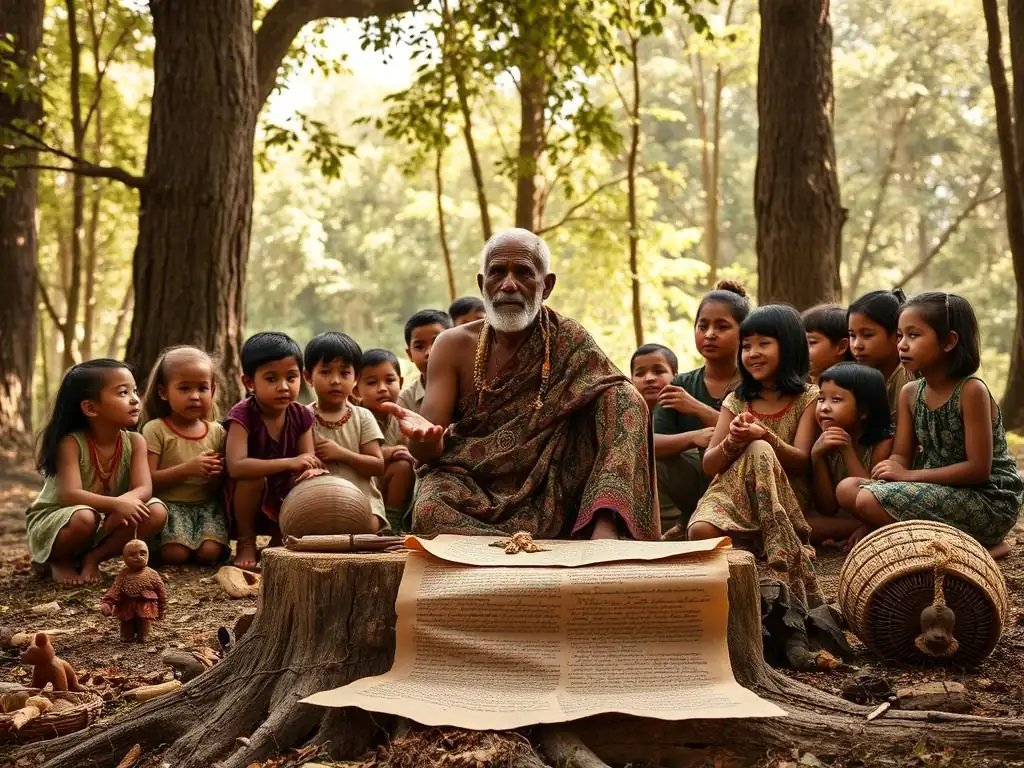
Oral traditions, the bedrock of many indigenous cultures, are facing multifaceted challenges in contemporary society. These challenges stem from a combination of modernization, globalization, and societal shifts that threaten the transmission of knowledge and cultural practices from one generation to the next. The erosion of languages, the influx of technology, and the diminishing role of community elders are just a few factors that contribute to the fragility of these vital traditions.
Threats to Oral Traditions from Modernization
Modernization presents a significant threat to oral traditions. As societies evolve and urbanization increases, indigenous communities often experience a disconnection from their cultural roots. Younger generations may prioritize education and careers outside their traditional practices, leading to a decline in cultural participation. The allure of modern entertainment and technology often overshadows traditional storytelling, making it difficult for elders to engage youth in their cultural narratives. Additionally, the loss of fluent speakers of indigenous languages hampers the ability to pass down oral histories and teachings effectively.
The Impact of Globalization on Indigenous Narratives
Globalization exacerbates the challenges faced by oral traditions by imposing dominant cultural narratives that can overshadow indigenous voices. As global media and consumer culture permeate indigenous communities, traditional stories, and practices may be diluted or misrepresented. This can lead to a homogenization of culture, where unique narratives are replaced by generic, mainstream stories. Furthermore, the appropriation of indigenous symbols and stories in popular culture without proper context or respect can undermine the authenticity and significance of these traditions. The struggle for recognition and respect for indigenous narratives in a globalized world remains a critical concern.
The Importance of Community Engagement in Preservation
Community engagement is paramount in the preservation of oral traditions. Indigenous communities must take an active role in revitalizing their cultural practices through intergenerational dialogue, workshops, and storytelling events. Involving youth in the practice of oral storytelling fosters a sense of identity and belonging, ensuring that these narratives continue to thrive. Additionally, partnerships with educational institutions and cultural organizations can help to create platforms for indigenous voices, allowing for the sharing and celebration of oral traditions. Emphasizing the importance of community-led initiatives reinforces the idea that preserving oral traditions is not just a responsibility but a collective endeavor.
Conclusion: The Lasting Significance of Oral Traditions
The significance of oral traditions in preserving indigenous heritage cannot be overstated. They serve as a vital link to the past, holding the histories, values, and teachings of indigenous cultures. Recognizing and valuing these traditions is essential not only for the communities themselves but also for the broader understanding of human history and cultural diversity.
Summarizing the Importance of Oral Traditions in Cultural Preservation
The importance of oral traditions lies in their ability to convey knowledge, maintain cultural identity, and foster community cohesion. They encapsulate the wisdom of elders and provide insights into the relationships between people, nature, and the cosmos. As living narratives, oral traditions adapt to contemporary realities while preserving their core values, making them invaluable in the fight against cultural erosion.
Call to Action for Supporting Indigenous Oral Traditions
We must advocate for the support and revitalization of indigenous oral traditions. This can be achieved by promoting awareness of their importance, encouraging community-based initiatives, and supporting policies that protect indigenous rights and languages. By amplifying indigenous voices and sharing their stories, we contribute to a more inclusive narrative that honors the rich tapestry of human experience and ensures that future generations can continue to learn from these timeless traditions.
References
[Sources and citations related to oral traditions and indigenous heritage]
- Bruchac, Joseph. Our Stories Remember: An Anthology of Native American Literature. This compilation highlights the importance of storytelling in Indigenous cultures and how oral traditions serve as a vessel for cultural continuity.
- Deloria, Vine Jr. Custer Died for Your Sins: An Indian Manifesto. Deloria explores the role of oral traditions in preserving Indigenous identities and critiques the impact of colonization on these practices.
- Hirschfelder, Arlene B. and Paulette F. Molin. The Encyclopedia of Native American Religions. This reference work discusses various Indigenous belief systems, emphasizing how oral traditions play a crucial role in religious practices and community cohesion.
- McIvor, Onagosh. "The Role of Oral Traditions in Indigenous Education." Journal of Indigenous Education, vol. 5, no. 1, 2016, pp. 45-58. This article examines how oral traditions are integral to Indigenous pedagogies and the transmission of knowledge across generations.
- Nabokov, Peter and Robert Easton. Native American History: A Chronology of Native American History from Prehistory to the Present. This book provides a timeline that illustrates how oral traditions have been pivotal in documenting Indigenous histories and experiences.
- Smith, Linda Tuhiwai. Decolonizing Methodologies: Research and Indigenous Peoples. Smith discusses the implications of oral traditions in research methodologies and highlights their role in countering colonial narratives.
- Vizenor, Gerald. Survivance: Narratives of Native Presence. Vizenor's work delves into the concept of survivance, emphasizing how oral traditions function as acts of resistance against cultural erasure.
These references underscore the importance of oral traditions in preserving Indigenous heritage, serving as crucial links to identity, history, and cultural survival amidst ongoing challenges.
- Introduction to Oral Traditions and Indigenous Heritage
- The Importance of Oral Traditions in Preserving Heritage
- Historical Context: Destruction of Indigenous Heritage
- Contemporary Relevance of Oral Traditions
- Challenges Faced by Oral Traditions Today
- Conclusion: The Lasting Significance of Oral Traditions
- References
Frequently Asked Questions
What are oral traditions in the context of Indigenous cultures?
Oral traditions are storytelling practices that convey the history, beliefs, and values of Indigenous peoples, often passed down through generations, preserving their cultural identity.
Why are oral traditions important for Indigenous heritage?
Oral traditions play a crucial role in the transmission of knowledge and are a fundamental means for Indigenous communities to maintain their cultural practices and worldviews despite historical challenges.
How do oral traditions contribute to community identity?
These traditions foster a sense of belonging and unity within communities, allowing individuals to connect with their heritage and strengthen their social bonds through shared stories and experiences.
What challenges do oral traditions face today?
Oral traditions are threatened by factors such as colonization, modernization, and the decline of native languages, which can lead to the erosion of cultural practices and loss of historical knowledge.
How can we support the preservation of oral traditions?
Supporting Indigenous initiatives, participating in cultural events, and promoting the importance of oral traditions in education can help ensure that these vital stories and practices continue for future generations.
Final Reflection: The Enduring Importance of Oral Traditions
In a world increasingly dominated by digital narratives and fleeting trends, the importance of oral traditions stands as a beacon of resilience and cultural identity. These traditions are not merely stories passed down through generations; they are the lifeblood of Indigenous heritage, encapsulating wisdom, values, and history that might otherwise be lost amidst the destruction of cultural landscapes. As we navigate the complexities of modernity, it becomes imperative to recognize and honor the profound role that these oral histories play in shaping our collective consciousness.
The impact of oral traditions extends far beyond the confines of Indigenous communities; they serve as a vital link to our shared humanity. These narratives foster a sense of belonging and continuity, reminding us of the interconnectedness of all cultures. As we witness the ongoing struggle for Indigenous rights and recognition, the words of the late Indigenous activist, Vine Deloria Jr., resonate deeply: We are not just the stories we tell; we are the stories that have been told to us.
This acknowledgment of our shared narratives invites us to reflect on our own histories and the ways in which they inform our present and future.
As we conclude this exploration of oral traditions, I invite you to take a moment to reflect on the stories that shape your own identity. Consider how you can contribute to the preservation of these narratives, whether through listening, sharing, or creating your own.
Each of us has a role to play in honoring the past while forging a path toward a more inclusive future. Let us embrace the importance of oral traditions, not just as relics of the past, but as living, breathing elements of our cultural fabric that deserve to be celebrated and preserved for generations to come.
Embrace and Preserve Indigenous Heritage Today!
Thank you for taking the time to explore the rich tapestry of oral traditions and their vital role in protecting Indigenous heritage. You've gained insight into how these traditions are not just stories; they are the lifeblood of cultural identity and history. Now, let’s put that knowledge into action!
- Engage with Indigenous Voices: Seek out and attend oral storytelling events in your community or online. This is an excellent way to connect directly with Indigenous cultures and perspectives.
- Share Your Insights: Talk about what you’ve learned with friends or on social media to raise awareness about the importance of preserving these traditions.
- Contribute to Heritage Projects: Consider volunteering or supporting local Indigenous initiatives focused on cultural preservation, whether through advocacy or participating in workshops.
How has your understanding of oral traditions shifted, and how might you incorporate this newfound appreciation into your daily life?