
Economic Resilience: How the Aztecs Managed Scarcity and Surplus

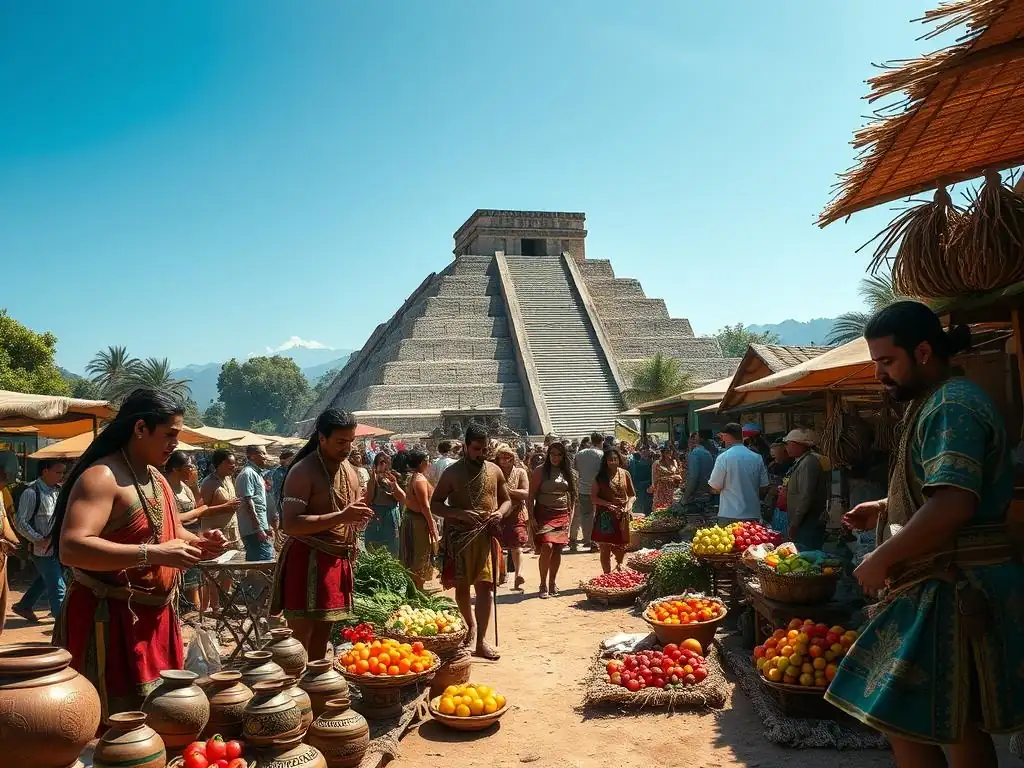
Welcome to Indigenous Civilizations of the Americas, where we invite you to embark on a journey through the rich tapestry of pre-colonial cultures that flourished across the continent. In our featured article, "Economic Resilience: How the Aztecs Managed Scarcity and Surplus," we delve into the fascinating Aztec economic management strategies that not only sustained their empire but also shaped their society's very foundation. Prepare to uncover the innovative ways these remarkable civilizations navigated challenges and thrived in a landscape of abundance and scarcity. Your exploration begins here—dive deeper to reveal the secrets behind their enduring legacies!
- Introduction to Aztec Economic Management Strategies
- Understanding Scarcity in Aztec Agriculture
- Surplus Production in the Aztec Economy
- Aztec Economic Management Strategies
- Balancing Scarcity and Surplus
- Lessons from Aztec Economic Management for Modern Societies
- Conclusion: The Legacy of Aztec Economic Management Strategies
- Frequently Asked Questions
- Final Reflection: Embracing Economic Resilience Through Aztec Wisdom
- Uncover Your Economic Resilience Journey Today!
Introduction to Aztec Economic Management Strategies
The Aztec civilization, known for its impressive accomplishments in agriculture, architecture, and governance, presents a fascinating case study in economic management strategies. This article delves into how the Aztecs navigated the complexities of scarcity and surplus within their economy, highlighting their innovative practices and societal structures that allowed them to thrive in a challenging environment.
Understanding these strategies not only sheds light on the economic resilience of the Aztecs but also provides valuable insights into their cultural identity and the legacy they left behind. Through a meticulous examination of their agricultural practices and resource management, we uncover the intricate tapestry of the Aztec economy, emphasizing their adaptability and foresight amidst the ever-present challenges of resource allocation.
Overview of the Aztec Civilization
The Aztec civilization, which flourished in Mesoamerica from the 14th to the 16th century, was characterized by its rich tapestry of culture, religion, and social structure. The capital city, Tenochtitlan, located on what is now Mexico City, served as the heart of this powerful empire. With a population that reached hundreds of thousands, the Aztecs developed a highly organized society that prioritized agricultural production and trade.
- Key Features of Aztec Society:
- Social Structure: The Aztecs had a hierarchical society, with the emperor at the top, followed by nobles, priests, warriors, and commoners.
- Religion: Their religious beliefs were intimately tied to agriculture, as they worshipped gods who governed the fertility of the land.
- Achievements: The Aztecs were known for their advancements in various fields, including:
- Agricultural Techniques: Development of chinampas (floating gardens) to enhance crop production.
- Trade Networks: Establishment of extensive trade routes that facilitated the exchange of goods and resources.
The combination of these factors contributed to a robust economy that was not only self-sufficient but also capable of supporting a large population.
Importance of Economic Management in the Aztec Society
Economic management was crucial to the survival and prosperity of the Aztec civilization. The ability to effectively handle both scarcity and surplus allowed the Aztecs to maintain social stability and foster growth. Here are some key aspects of their economic management strategies:
- Resource Allocation: The Aztecs employed various methods to manage resources effectively, ensuring that food and materials were available when needed.
- Trade Practices: They engaged in barter and trade, which helped mitigate the risks associated with crop failures and resource depletion.
- Crisis Management: During periods of drought or famine, the Aztecs implemented measures such as food storage and distribution to prevent widespread starvation.
By understanding the economic strategies employed by the Aztecs, we gain valuable insights into how they adapted to their environment, overcame challenges, and laid the groundwork for a civilization that would leave an indelible mark on history.
Understanding Scarcity in Aztec Agriculture
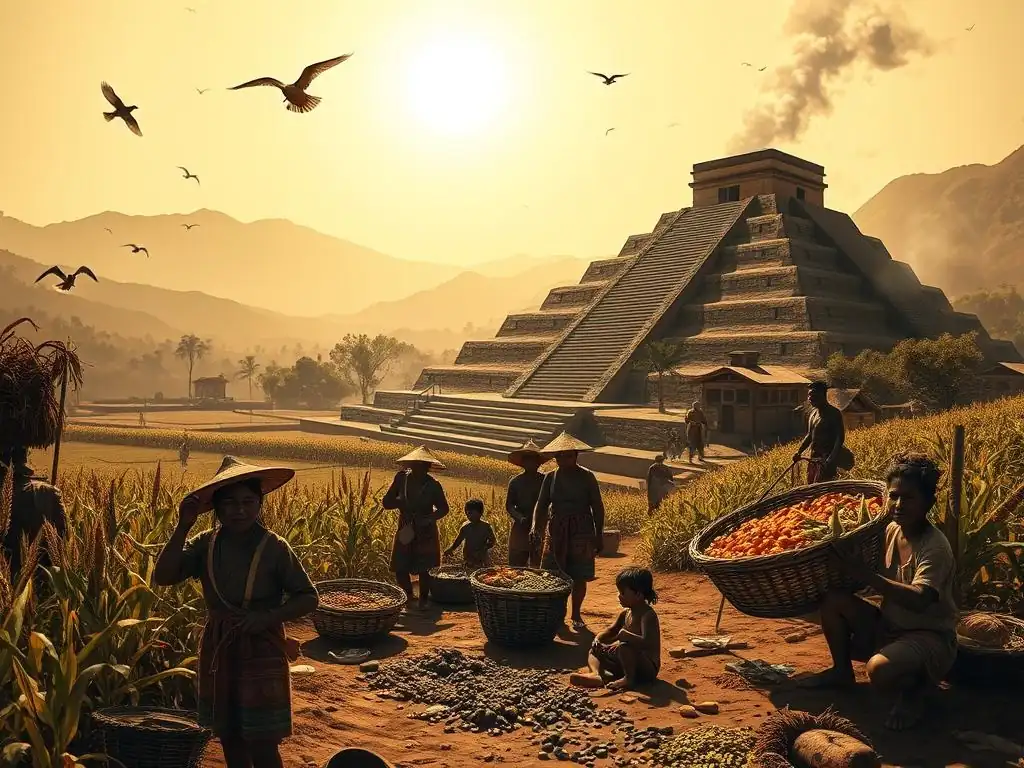
The Aztec civilization, renowned for its advanced societal structures and rich cultural heritage, faced significant challenges related to agricultural scarcity. Understanding how they managed these difficulties provides insight into their economic resilience and innovative strategies. The Aztecs relied heavily on agriculture, primarily cultivating maize, beans, and squash—known as the "Mesoamerican triad." However, several factors contributed to scarcity in their agricultural practices.
Factors Contributing to Scarcity in the Aztec Era
- Environmental Constraints:
- Geography: The Aztecs inhabited the Valley of Mexico, characterized by high altitudes and variable climates. These geographic conditions limited the types of crops that could be grown and restricted arable land.
- Soil Fertility: The intensive farming practices led to soil depletion over time, diminishing yields and prompting the need for sustainable practices.
- Population Pressure:
- Growing Population: By the late 15th century, the Aztec population had surged to an estimated 5-6 million people. This rapid growth placed immense pressure on food production systems.
- Urbanization: The expansion of cities like Tenochtitlan further strained agricultural resources as more people migrated to urban areas, increasing demand for food.
- Climate Variability:
- Droughts and Floods: The Aztecs experienced fluctuations in climate, including prolonged droughts and destructive floods, which directly impacted crop yields and food availability.
- Seasonal Changes: Variability in seasonal rainfall patterns made it challenging to predict planting and harvest times, leading to inconsistent food supply.
How the Aztecs Responded to Scarcity
The Aztecs employed various strategies to mitigate the effects of scarcity and ensure food security. Their responses were rooted in innovation and adaptability, allowing them to thrive despite the challenges they faced.
Innovations in Agricultural Techniques
The Aztecs were pioneers in agricultural innovation, developing techniques that maximized their productivity:
- Chinampas: Often referred to as "floating gardens," chinampas were man-made islands created in shallow lake areas. This technique allowed for year-round cultivation and significantly increased agricultural output. Each chinampa could produce multiple harvests annually, effectively combating scarcity.
- Terracing: To manage the steep terrain of the Valley of Mexico, the Aztecs constructed terraces that prevented soil erosion and retained moisture. This method increased the amount of land available for farming and improved crop yields.
- Irrigation Systems: The Aztecs developed sophisticated irrigation systems to divert water from lakes and rivers to their fields. This ensured a steady supply of water, especially during dry spells, and helped to sustain their crops.
Crop Diversification and Rotation
The Aztecs understood the importance of crop diversity in maintaining soil health and ensuring food security:
- Intercropping: By planting different crops in close proximity, the Aztecs enhanced productivity and reduced the risk of total crop failure. For instance, maize provided support for climbing beans, while squash spread over the ground, helping to prevent weeds.
- Crop Rotation: The Aztecs practiced crop rotation to maintain soil fertility and reduce pests. By alternating crops, they could replenish nutrients in the soil and minimize the impact of diseases.
- Storage Techniques: To manage surplus and prepare for scarcity, the Aztecs developed effective storage methods, including drying and storing grains in granaries. This allowed them to stockpile food during bountiful harvests and provide for their population during lean times.
Through these innovative agricultural practices and management strategies, the Aztecs showcased remarkable resilience in the face of scarcity. Their ability to adapt and develop sustainable solutions not only supported their civilization but also laid the groundwork for subsequent agricultural practices in the region.
Surplus Production in the Aztec Economy
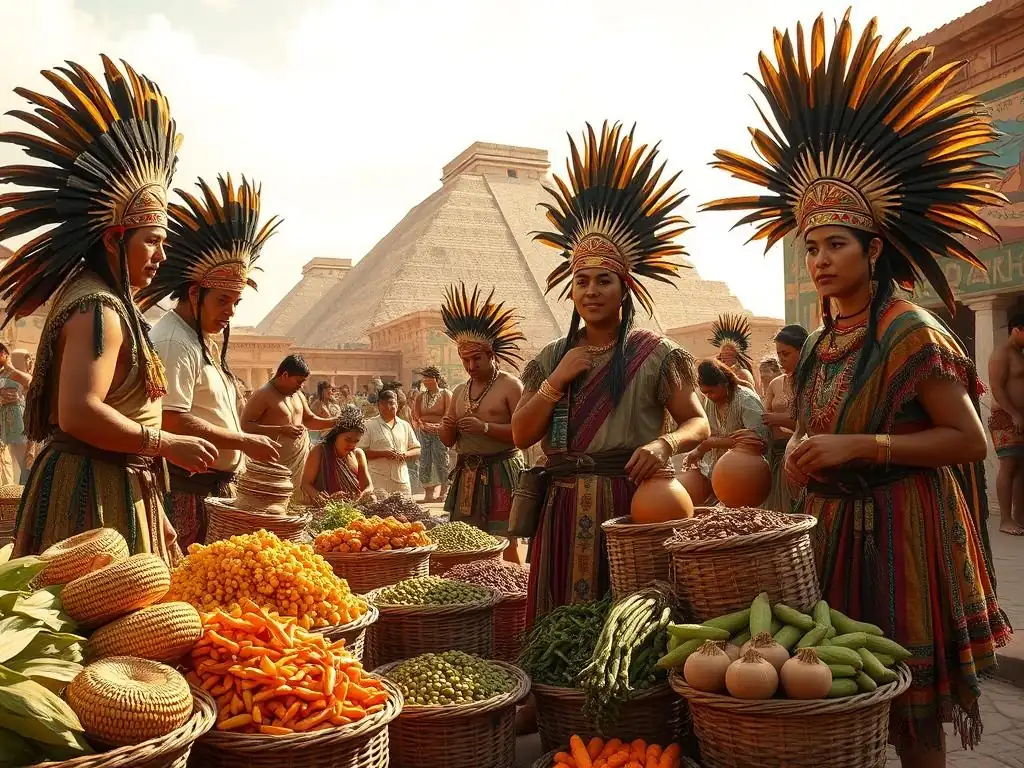
Surplus production was a cornerstone of the Aztec economy, enabling the civilization to thrive in a challenging environment. The Aztecs mastered the art of agricultural management, implementing innovative techniques such as chinampas (floating gardens) to maximize yields. This allowed them to produce more food than was immediately necessary for survival, creating a buffer against famine and enabling trade. The surplus not only supported the growing population but also facilitated the development of a complex society marked by stratification, specialization, and cultural flourishing.
The Role of Surplus in Aztec Society
The surplus produced by the Aztecs played a crucial role in shaping their society. It allowed for:
- Economic Stability: Surplus production ensured a steady food supply, which was vital for sustaining large urban populations, particularly in the capital city of Tenochtitlan. This stability reduced the risk of famine and social unrest.
- Trade and Exchange: The excess crops provided opportunities for trade both within the empire and with neighboring cultures. Markets flourished, where goods such as textiles, pottery, and precious metals were exchanged, enhancing economic interdependence.
- Social Stratification: Surplus production contributed to the emergence of a class system. Wealth generated from surplus allowed elites to accumulate power, while commoners engaged in agricultural labor. This stratification influenced political structures and cultural practices.
- Cultural Development: With basic needs met, the Aztecs could focus on arts, religion, and education. Surplus enabled them to support priests, artisans, and scholars, leading to significant advancements in various fields.
Key Crops Contributing to Surplus
The Aztec agricultural landscape was diverse, with several key crops contributing to their economic resilience. These crops formed the backbone of their diet and supported surplus production.
Maize as a Staple Crop
Maize (Zea mays) was the most significant crop in the Aztec economy, often considered the lifeblood of their society. Its importance can be summarized as follows:
- Nutritional Foundation: Maize provided a substantial portion of the Aztec diet, supplying essential carbohydrates and nutrients. It was consumed in various forms, including tortillas, tamales, and beverages like atole.
- Cultural Significance: Maize was revered in Aztec mythology, symbolizing life and fertility. Rituals and ceremonies often centered around maize, highlighting its essential role in their culture.
- Agricultural Techniques: The Aztecs implemented advanced farming techniques to cultivate maize, including crop rotation and intercropping with beans and squash, which enhanced soil fertility and maximized land use.
Other Important Crops: Beans, Squash, and Chiles
In addition to maize, several other crops contributed to the Aztec surplus:
- Beans (Phaseolus vulgaris): Beans were a vital source of protein and complemented maize in the Aztec diet. They also improved soil nitrogen levels, making them an ideal companion crop in the chinampa system.
- Squash (Cucurbita spp.): Squash provided essential vitamins and minerals. Its sprawling vines helped suppress weeds, thus enhancing the overall yield of the agricultural plots.
- Chiles (Capsicum spp.): Chiles added flavor and nutritional value to Aztec cuisine. They were cultivated extensively and were a staple in various dishes, contributing to the unique culinary identity of the civilization.
By effectively managing the production of these key crops, the Aztecs established a robust agricultural system that not only addressed scarcity but also generated surplus, laying the foundation for their complex civilization.
Aztec Economic Management Strategies
Trade Networks and Economic Exchange
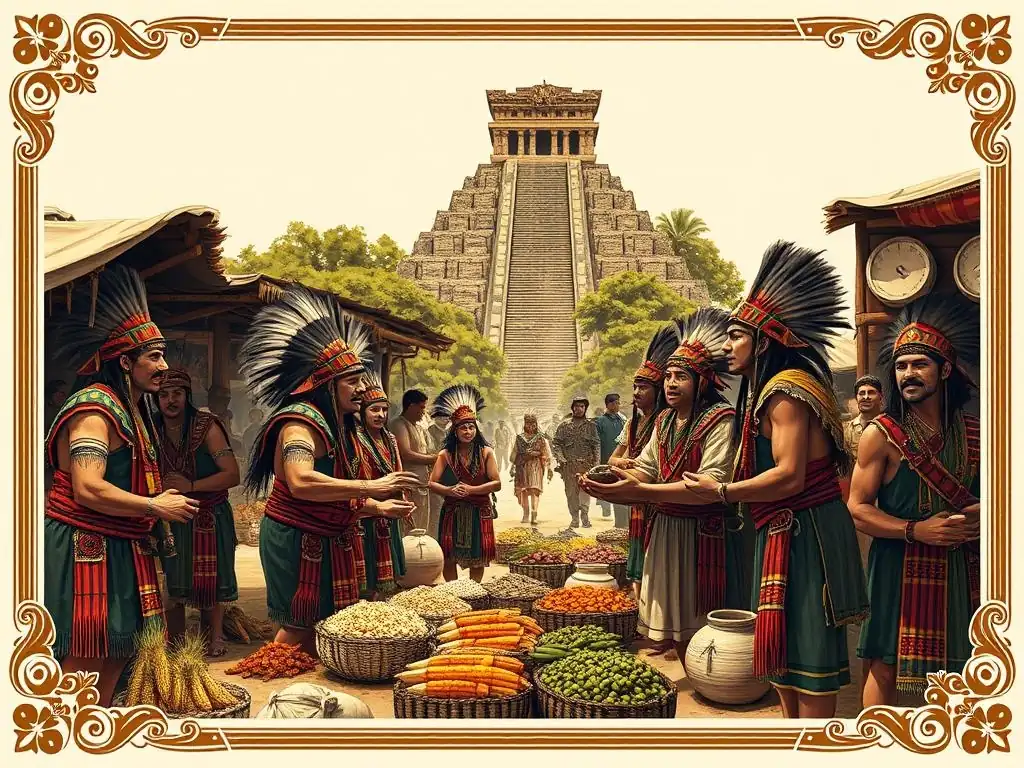
The Aztec Empire was renowned for its sophisticated trade networks, which played a pivotal role in the economic management strategies that allowed them to thrive in a diverse geographic landscape. The Aztecs established an elaborate system of trade that connected various regions, facilitating the exchange of goods and resources, which in turn contributed to their economic resilience.
Local and Long-Distance Trade Routes
The Aztec economy was supported by an extensive network of local and long-distance trade routes. Within the Empire, smaller markets called tianquiz(tli) were established in towns and city-states, where local producers and merchants could sell their goods. These markets facilitated the exchange of everyday items such as textiles, pottery, and foodstuffs.
In contrast, long-distance trade routes extended beyond the immediate regions of the Empire. The Aztecs engaged in trade with neighboring cultures such as the Tarascans and the Mixtecs, exchanging valuable commodities like cacao, obsidian, and gold. The famous merchant class known as pochteca were instrumental in these exchanges, often traveling great distances to acquire rare goods. Their efforts not only enhanced the wealth of the Aztec capital, Tenochtitlan, but also established a system of interdependence among various indigenous groups.
Barter System and Currency Use
The Aztec economy primarily operated on a barter system, where goods were exchanged directly for other goods. However, to facilitate trade, the Aztecs developed a form of currency using cacao beans, which were highly valued not only as a food source but also as a means of exchange. This innovative use of cacao beans allowed for more efficient transactions and provided a standardized measure of value.
In addition to cacao, the Aztecs also utilized cotton cloth as a form of currency, which served as a medium for more substantial purchases. This dual-currency system helped manage economic exchanges and provided a means for individuals to accumulate wealth, further enhancing the stability and resilience of the Aztec economy.
State Control and Regulation of Resources
The Aztec Empire exemplified a centralized form of governance that exercised significant control over economic resources. This control was crucial in managing scarcity and surplus, contributing to the overall stability of the civilization.
Tribute System in Aztec Economy
One of the most vital aspects of Aztec economic management was the tribute system, which required conquered city-states and regions to pay tribute to the Aztec Empire. This tribute often consisted of agricultural products, textiles, precious metals, and other valuable resources. Through this system, the Aztecs ensured a steady influx of goods that supported their economy and allowed for the redistribution of wealth.
The tribute system not only strengthened the economic foundation of the Empire but also reinforced social hierarchies and political power. The collected tributes were used to support the ruling elite and finance large public projects, such as temples and infrastructure, which in turn stimulated further economic activity.
Role of the Tlatoani in Economic Management
The Tlatoani, or the Aztec ruler, played a crucial role in overseeing economic management. Each city-state had its own Tlatoani, responsible for regulating trade, collecting tribute, and managing resources. The Tlatoani's authority enabled them to implement economic policies that responded to changing conditions, such as drought or population growth.
Moreover, the Tlatoani would often intervene in trade disputes and ensure that markets operated smoothly. This centralization of economic power allowed for a coordinated response to scarcity and surplus, aiding in the Empire's overall resilience. By maintaining control over key resources and orchestrating economic activities, the Tlatoani helped sustain the Aztec civilization through both prosperous and challenging times.
Balancing Scarcity and Surplus
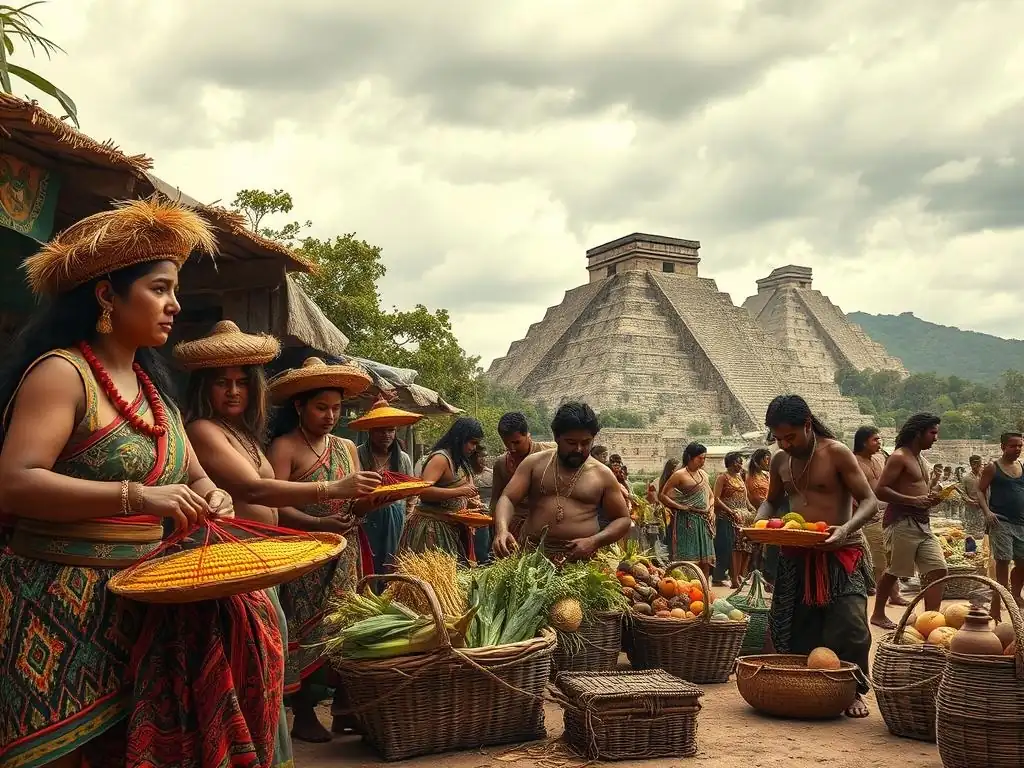
The Aztec civilization, known for its sophisticated economic management strategies, navigated the challenges of scarcity and surplus with remarkable ingenuity. Their economy was primarily agrarian, heavily reliant on the cultivation of maize, beans, and squash, often referred to as the "Mesoamerican triad." The Aztecs' ability to balance these two extremes—scarcity and surplus—was essential for sustaining their society and supporting their large population.
The Aztecs faced various environmental challenges, including droughts and floods, which threatened their agricultural output. In response, they developed adaptive strategies that enabled them to optimize resource use and maintain stability in their economy. This adaptability was not only crucial for food security but also for the socio-political structure of the Aztec Empire.
Adaptive Strategies for Economic Resilience
The Aztec approach to economic resilience was multifaceted, involving a combination of agricultural innovations, trade, and societal organization. Their strategies included:
- Crop Diversification: By cultivating a variety of crops, the Aztecs reduced the risk of total crop failure. This practice allowed them to draw from different sources of food, ensuring that if one crop failed, others could sustain the population.
- Terracing and Irrigation: The Aztecs constructed terraces on hillsides and developed sophisticated irrigation systems to maximize arable land and manage water resources effectively. These innovations increased agricultural productivity and mitigated the impact of drought.
- Trade Networks: The Aztecs established extensive trade networks that connected various regions, allowing them to acquire resources not locally available. This interdependence among communities helped to buffer against local shortages.
- Social Organization: The structure of Aztec society, with its hierarchical organization, allowed for effective mobilization of labor and resources during times of scarcity. Community efforts were coordinated to ensure that food distribution was equitable and efficient.
Seasonal Planning and Resource Allocation
Seasonal planning was a critical component of Aztec economic management strategies. The agricultural calendar was divided into specific planting and harvesting periods, allowing for meticulous planning of resource allocation. Key elements included:
- Milpa System: This rotational farming method involved planting crops in cycles, which enhanced soil fertility and reduced the risk of pest infestations. Each milpa plot was used for a few years and then left fallow, allowing the land to recover.
- Timing of Planting: The Aztecs paid close attention to climatic conditions, planting crops at optimal times to maximize yields. They relied on traditional knowledge and observations of natural indicators to guide their planting schedules.
- Labor Management: The Aztecs organized labor based on the seasons, ensuring that sufficient workers were available for planting and harvesting. This strategic allocation of labor helped to optimize productivity and manage labor costs.
Storage Techniques for Surplus Management
To address the inevitable fluctuations between scarcity and surplus, the Aztecs developed advanced storage techniques that played a vital role in their economic strategies. These included:
- Chinampas: Often referred to as "floating gardens," chinampas were man-made islands in Lake Texcoco that enabled year-round agriculture. Surplus production from these areas could be stored and utilized during lean seasons.
- Granaries and Storage Pits: The Aztecs constructed granaries and underground storage pits to protect surplus grains from pests and environmental damage. Techniques such as using clay pots for smaller quantities helped preserve the quality of stored food.
- Preservation Methods: The Aztecs employed various food preservation methods, including drying, smoking, and fermenting, to extend the shelf life of surplus food. These methods ensured that food could be available during times of scarcity.
The Aztec economic management strategies were characterized by their adaptability to environmental challenges and their innovative approaches to agriculture and resource management. By balancing scarcity and surplus through effective planning, storage, and social organization, the Aztecs not only sustained their civilization but also laid the foundation for a robust economy that supported their cultural achievements for centuries.
Lessons from Aztec Economic Management for Modern Societies
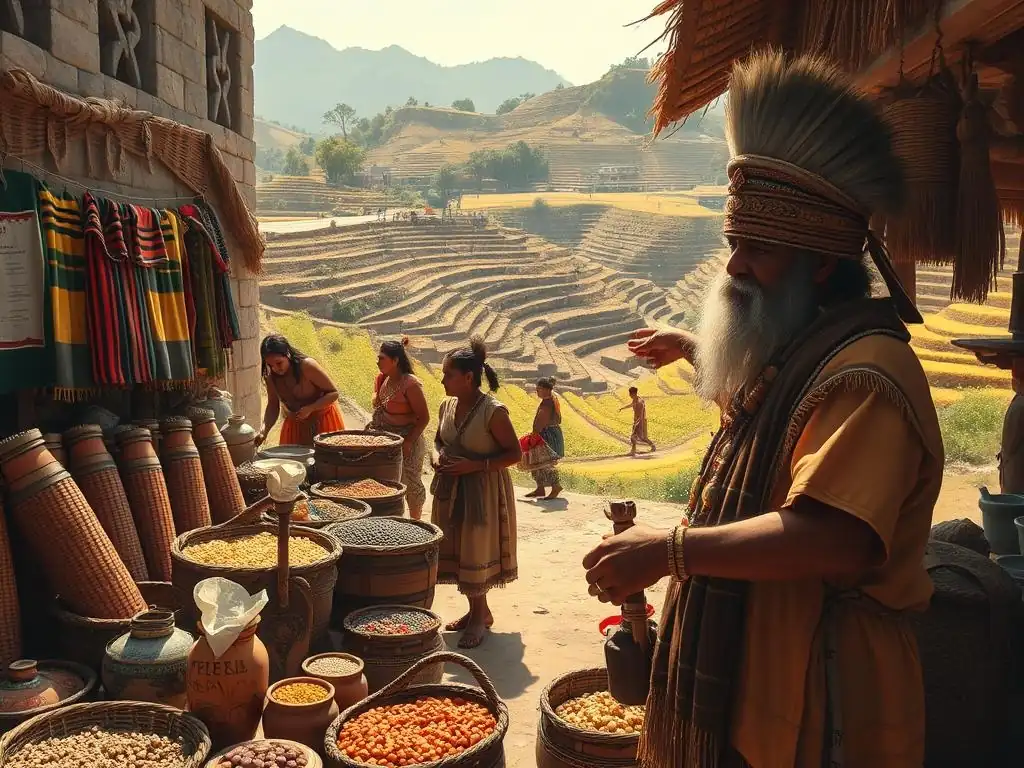
Relevance of Aztec Strategies in Today’s Economy
The economic management strategies employed by the Aztecs are not just historical footnotes; they offer valuable lessons for contemporary societies grappling with issues of scarcity and surplus. The Aztecs developed a sophisticated system that balanced agricultural production and trade, demonstrating an understanding of resource allocation that is highly relevant today.
- Resource Allocation: The Aztecs implemented an intricate system of tribute and trade that ensured resources were distributed efficiently across their empire. By creating a network of trade routes, they facilitated the movement of goods and services, optimizing resource availability. Modern economies can learn from this by enhancing supply chain management and investing in infrastructure that promotes efficient distribution.
- Diversification: The Aztecs cultivated a wide variety of crops, including maize, beans, and squash, which not only enriched their diet but also mitigated risks associated with crop failure. This principle of diversification is crucial for contemporary economies, especially in the face of climate change and market volatility. By encouraging agricultural diversity and alternative income sources, societies can build resilience against economic shocks.
- Community Engagement: The communal aspect of Aztec agriculture, where farmers collaborated and shared resources, underscores the importance of community in economic sustainability. Today, fostering community-based initiatives can stimulate local economies and create networks of support that enhance economic resilience.
Sustainable Practices Inspired by Aztec Agriculture
The Aztec civilization was not only innovative in their economic management but also in their sustainable agricultural practices. Their techniques are increasingly relevant in our pursuit of sustainability in modern agriculture.
- Chinampas: Often referred to as "floating gardens," chinampas were a form of intensive agriculture practiced by the Aztecs. These man-made islands in Lake Texcoco were highly productive and allowed for year-round farming. Modern practices can draw inspiration from chinampas by utilizing permaculture techniques and urban farming initiatives that maximize space and resources, thereby reducing the environmental impact of agriculture.
- Crop Rotation and Intercropping: The Aztecs utilized crop rotation and intercropping, planting complementary crops that enhanced soil fertility and decreased pest infestations. These sustainable practices are echoed in modern organic farming, where rotating crops and planting in diverse combinations can lead to healthier ecosystems and increased food security.
- Water Management: The Aztecs developed sophisticated irrigation systems to manage water resources effectively, ensuring that crops received adequate hydration even during dry seasons. Lessons from their water management can be applied today through rainwater harvesting and sustainable water use practices, which are crucial in regions facing water scarcity.
- Agroforestry: Integrating trees into agricultural landscapes was another practice employed by the Aztecs. This not only provided shade and reduced soil erosion but also contributed to biodiversity. Incorporating agroforestry practices in modern agriculture can enhance resilience against climate change and support ecosystem health.
By studying and adopting these Aztec economic management strategies and sustainable practices, modern societies can enhance their resilience and adapt to the challenges posed by scarcity and environmental changes. Embracing these lessons can lead to more sustainable economic systems that respect both cultural heritage and ecological integrity.
Conclusion: The Legacy of Aztec Economic Management Strategies
The Aztec civilization's economic management strategies stand as a testament to their remarkable ability to navigate the challenges of scarcity and surplus. Through a combination of innovative agricultural practices, trade networks, and social organization, the Aztecs cultivated a resilient economy that not only supported their large population but also facilitated their cultural and political ambitions.
Key strategies included the implementation of chinampas, or floating gardens, which maximized agricultural output in the marshy terrain of the Valley of Mexico. This method drastically enhanced food production, ensuring that the Aztecs could sustain both their people and their expanding empire. Additionally, the establishment of a complex market system enabled efficient distribution and exchange of goods, reinforcing economic interdependence among various city-states.
The legacy of Aztec economic management is evident in the ways their strategies influenced subsequent indigenous economies, showcasing a blend of adaptability and innovation that continues to inspire modern economic thought.
Lasting Impact on Indigenous Economies
The economic strategies employed by the Aztecs have left a lasting impact on indigenous economies in the Americas. Their practices of resource management, trade, and agricultural techniques were not only effective during their time but also laid the groundwork for future generations.
- Agricultural Innovations: The use of chinampas became a model for sustainable agriculture in various regions. Many indigenous communities today still practice similar techniques, adapting them to local environmental conditions.
- Trade Networks: The extensive trade systems established by the Aztecs facilitated connections between diverse cultures and regions. This emphasis on trade has persisted, with many indigenous groups continuing to rely on barter and trade to sustain their local economies.
- Cultural Exchange: The Aztec economy fostered cultural exchange that enriched both their society and neighboring communities. This legacy of collaboration can be observed in the shared practices and traditions among indigenous groups that emerged after the Aztec period.
Overall, the Aztec economic management strategies serve as a foundational reference point for understanding the resilience and adaptability of indigenous economies across the Americas.
Reflection on Economic Resilience in Historical Context
Reflecting on the economic resilience demonstrated by the Aztecs provides valuable insights into how societies can thrive in the face of environmental and social challenges. Their ability to implement effective management strategies amid resource limitations speaks to a broader principle of sustainability that is relevant today.
- Environmental Adaptation: The Aztecs' use of chinampas is a prime example of how indigenous groups adapted their agricultural practices to suit their environment. This adaptability is crucial as contemporary societies face the effects of climate change and resource depletion.
- Community Organization: The social structure of the Aztec economy emphasized collaboration and resource sharing, which contributed to their overall resilience. Such community-oriented approaches can inform modern economic models that prioritize local cooperation and mutual support.
- Lessons for Modern Economies: The principles of the Aztec economic management strategies—sustainability, adaptability, and community—serve as essential lessons for contemporary economies grappling with issues of scarcity and inequality.
The Aztecs' innovative economic management strategies not only fueled their civilization's growth but also left a profound legacy that continues to resonate in the practices of indigenous cultures today. Their story is a powerful reminder of the importance of resilience in the face of adversity, offering timeless lessons that transcend historical boundaries.
Frequently Asked Questions
What are the main economic management strategies employed by the Aztecs?
The Aztecs utilized a variety of economic management strategies, including agricultural innovations, trade networks, and tribute systems to efficiently manage both scarcity and surplus.
How did the Aztec economy adapt to challenges?
The Aztec economy demonstrated resilience through crop diversification, utilizing chinampas for intensive agriculture, and implementing effective resource distribution to address challenges.
What role did tribute play in Aztec economic management?
Tribute was crucial in the Aztec economy, providing a steady flow of resources from conquered territories which supported urban centers and allowed for surplus management.
How did the Aztecs ensure food security?
The Aztecs ensured food security by developing advanced agricultural techniques, such as terracing and irrigation, and by maintaining a surplus to buffer against famine.
What impact did trade have on the Aztec economy?
Trade facilitated the exchange of goods and resources, enhancing the economic resilience of the Aztecs, allowing them to access essential materials not locally available, and fostering cultural exchange.
Final Reflection: Embracing Economic Resilience Through Aztec Wisdom
The economic management strategies of the Aztecs offer invaluable lessons for today’s world, where scarcity and surplus are ever-present challenges. In an era marked by economic volatility and environmental changes, understanding how the Aztecs navigated these complexities can inspire modern societies to cultivate resilience and adaptability. Their innovative approaches to resource management remind us that effective strategies can lead to thriving communities, even in the face of adversity.
The legacy of Aztec economic management strategies continues to resonate in contemporary discussions about sustainability and resource allocation. By examining their practices, we can see how they prioritized balance and foresight, creating systems that not only addressed immediate needs but also anticipated future challenges. As historian and author Charles C. Mann eloquently stated, “The Aztecs were not just survivors; they were innovators who transformed their environment to meet their needs.” This perspective encourages us to appreciate the depth of their strategies and the ongoing relevance they hold for our current economic landscape.
As we reflect on the lessons learned from the Aztecs, let us take a moment to consider how we can apply these principles in our own lives and communities. How can we foster resilience in our economic practices, ensuring that we are prepared for both scarcity and abundance? I invite you to explore ways to implement sustainable strategies, whether through conscious consumption, community engagement, or innovative resource management. By embracing the wisdom of the past, we can build a more resilient future for ourselves and generations to come.
Uncover Your Economic Resilience Journey Today!
Thank you for diving into the fascinating world of the Aztecs and their remarkable strategies for managing scarcity and surplus. You've gained valuable insights into how adaptive economic practices can shape resilient societies. Now, it's time to take that knowledge and put it into action!
Here are a few steps you can take to dive deeper and apply the lessons of the Aztecs to your life or community:
- Explore Local Resources: Identify and support local businesses that prioritize sustainable resource management. Your choices can foster resilience in your own community.
- Start a Discussion Group: Gather friends and family to explore how historical practices, such as those of the Aztecs, can influence modern economic strategies. Share insights and brainstorm actionable ideas together!
- Implement Sustainable Practices: Consider starting a small garden or initiating a community project focused on sustainable resource use. Every small action contributes to resilience, just like the Aztecs!
What innovative ways can you think of to apply the lessons from the Aztecs about managing resources effectively in your day-to-day life?