
Mayan Pottery: Exploring Functionality and Aesthetic in Everyday Life

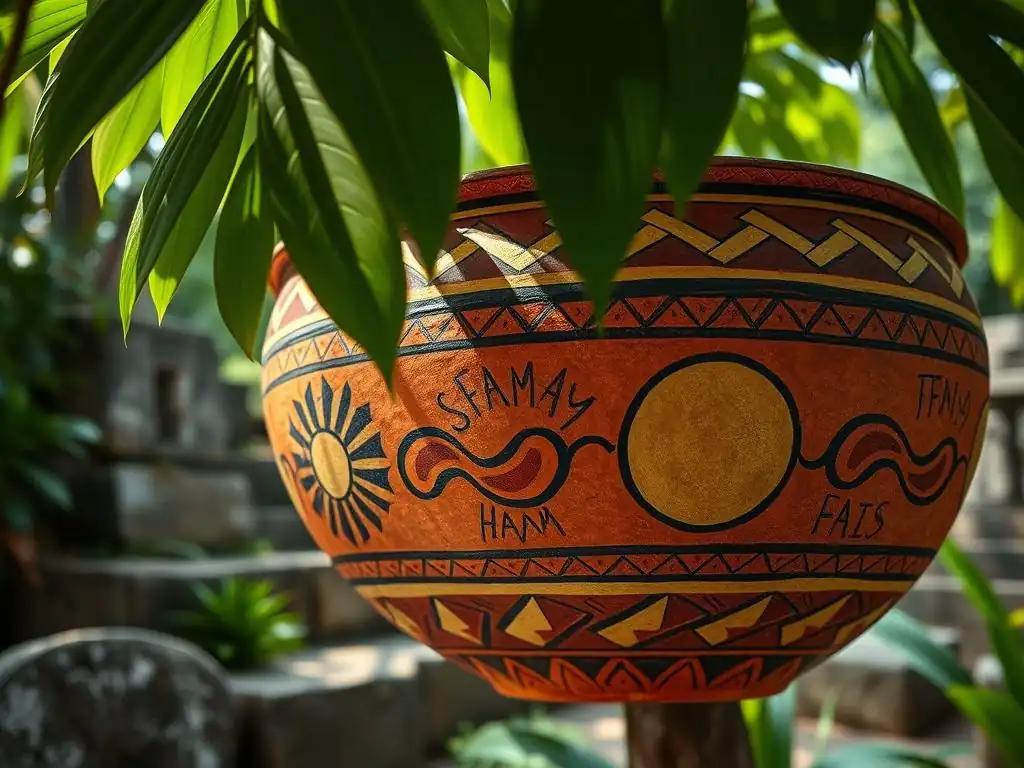
Welcome to Indigenous Civilizations of the Americas, where we embark on a fascinating journey into the rich tapestry of indigenous cultures that flourished across the Americas long before European contact. In our featured article, “Mayan Pottery: Exploring Functionality and Aesthetic in Everyday Life,” we delve into the cultural significance of Mayan pottery, uncovering how these exquisite creations were not just functional but deeply intertwined with the daily lives and spiritual practices of the Mayan people.
Prepare to be captivated as we reveal the stories behind these artifacts and their enduring legacy, inviting you to explore the profound achievements and vibrant societies that shaped the continent’s history.
- Introduction to Mayan Pottery Cultural Significance
- Historical Context of Mayan Pottery
- Functionality of Mayan Pottery in Everyday Life
- Aesthetic Aspects of Mayan Pottery
- The Role of Mayan Pottery in Rituals and Ceremonies
- Preservation and Legacy of Mayan Pottery
- Conclusion: The Enduring Cultural Significance of Mayan Pottery
- Frequently Asked Questions
- Final Reflection: The Cultural Significance of Mayan Pottery in Our Lives
- Unveil the Legacy of Mayan Pottery in Your Life!
Introduction to Mayan Pottery Cultural Significance
Mayan pottery serves as a crucial lens through which we can explore the cultural significance of the ancient Mayan civilization. This remarkable art form not only reflects the aesthetic sensibilities of the Maya but also provides insights into their daily life, rituals, and socio-political organization. By examining Mayan pottery, we can uncover the intricate relationships between art, functionality, and cultural identity that defined this sophisticated society long before European contact. The craftsmanship and symbolic meanings embedded in these artifacts underscore the achievements of the Maya, highlighting their profound connection to their environment and their enduring legacy.
Overview of Mayan Civilization and Its Artistic Legacy
The Mayan civilization, which flourished in present-day Mexico, Guatemala, Belize, and parts of Honduras and El Salvador, is renowned for its impressive achievements in various fields, including mathematics, astronomy, and architecture. Spanning from approximately 2000 BCE to the arrival of Europeans in the 16th century, the Maya developed a rich cultural tapestry characterized by distinct artistic styles, elaborate religious practices, and complex societal structures.
Art played a vital role in Mayan life, with pottery being one of the most significant forms. The Maya produced an array of ceramic objects ranging from utilitarian wares to intricately decorated ceremonial pieces. Mayan pottery reflects a blend of functional and aesthetic qualities, serving both everyday needs and ritualistic purposes. Artistic expressions found in pottery—such as painted designs, motifs, and inscriptions—offer a glimpse into the values, beliefs, and historical narratives of the Maya, thereby contributing to our understanding of their cultural legacy.
Importance of Pottery in Mayan Daily Life
Pottery was indispensable in the daily lives of the Maya, fulfilling various practical needs while also serving as a medium for artistic expression. The Maya crafted a diverse range of ceramic items, including cooking vessels, storage containers, and serving dishes. Each piece was designed with specific functions in mind, showcasing the ingenuity and adaptability of Mayan artisans.
Moreover, pottery often held deeper meanings within Mayan society. For instance, certain vessels were used in religious ceremonies and rituals, indicating the spiritual significance attached to these objects. The designs and symbols depicted on pottery can reveal information about societal roles, trade relationships, and regional differences in artistic expression.
Understanding the cultural significance of Mayan pottery not only enhances our appreciation of their artistic achievements but also illuminates the everyday experiences of the Maya, providing a comprehensive view of their civilization and its enduring impact on the Americas.
Historical Context of Mayan Pottery
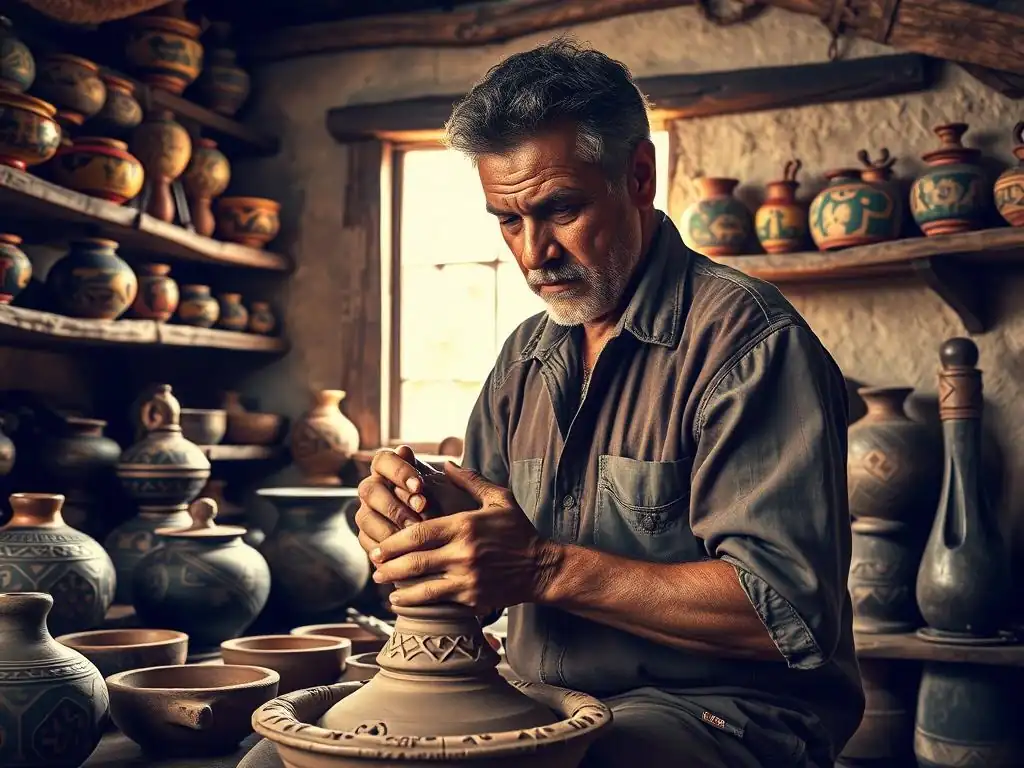
Mayan pottery serves as a vital lens through which we can examine the rich cultural tapestry of the ancient Maya civilization. This ceramic art form evolved over centuries, reflecting not only the technological advancements of the Maya but also their social structures, religious beliefs, and daily lives. The significance of Mayan pottery transcends mere functionality; it embodies the artistic expression and cultural identity of a civilization that thrived in Mesoamerica from approximately 2000 BCE until the arrival of Europeans in the 16th century.
Origins and Evolution of Mayan Pottery
Mayan pottery can be traced back to the Preclassic period, around 2000 BCE, when the earliest forms of ceramics emerged. Initially, these early pieces were simple and utilitarian, often made from coarse clay and used for cooking and storage. As the Maya developed more sophisticated agricultural techniques, their societies became more complex, leading to innovations in pottery production.
During the Classic period (250-900 CE), Mayan pottery underwent a significant transformation. The introduction of new techniques, such as the use of polychrome decoration and intricate modeling, allowed artisans to create stunning works that were not only functional but also highly decorative. Potters began to incorporate symbolic motifs and imagery that reflected their cosmology, mythology, and daily life.
By the Postclassic period (900-1500 CE), the style and function of Mayan pottery continued to evolve, reflecting changes in trade, politics, and religion. The introduction of new firing techniques and clays led to an even broader array of styles and forms, showcasing the adaptability and creativity of the Maya as a civilization.
Key Periods in Mayan Pottery Development
Mayan pottery can be categorized into distinct periods, each marked by unique styles and functions:
- Preclassic Period (2000 BCE - 250 CE)
- Characterized by rudimentary forms and utilitarian designs.
- Pottery was primarily used for cooking and storage.
- Early examples often featured basic decoration and simple shapes.
- Classic Period (250 CE - 900 CE)
- Marked by the proliferation of elaborate designs and advanced techniques.
- Introduction of polychrome pottery, with vibrant colors and intricate patterns.
- Pottery began to serve ceremonial purposes, with the creation of effigy vessels and offerings.
- Postclassic Period (900 CE - 1500 CE)
- Continued innovation in styles, often reflecting regional influences.
- Revival of older styles alongside new trends due to shifts in trade routes and cultural exchanges.
- Pottery became an essential aspect of both domestic life and ritual practices.
This evolution demonstrates the interplay between functionality and aesthetics in Mayan pottery, revealing how these artifacts served as both practical items and expressions of cultural identity.
Influential Regions and Styles of Mayan Pottery
The geographic diversity of the Maya civilization led to the development of distinct regional styles of pottery, each with its own unique characteristics. Some of the most notable regions and their contributions include:
- Highlands:
- Known for fine-quality ceramics, often featuring intricate carvings and painted decorations.
- Styles such as the "Black-on-cream" technique exemplify the artistry of highland potters.
- Lowlands:
- This region produced a wide variety of polychrome pottery, often used in ceremonial contexts.
- The "Codex style" pottery, adorned with glyphs and mythological themes, is particularly significant.
- Southern Maya Region:
- Renowned for its unique effigy vessels, which often depicted deities or symbolic figures.
- Pottery from this area frequently showcased vibrant colors and complex designs.
| Region | Key Characteristics | Notable Styles |
|---|---|---|
| Highlands | Fine-quality ceramics, intricate carvings | Black-on-cream |
| Lowlands | Wide variety of polychrome pottery | Codex style |
| Southern Maya Region | Unique effigy vessels depicting deities | Effigy pottery |
The diversity in styles and techniques across different regions highlights the cultural significance of Mayan pottery, illustrating how artistry was deeply intertwined with the social and spiritual lives of the Maya. Each piece not only served a practical purpose but also conveyed messages about identity, status, and worldview, making Mayan pottery a key element in understanding the cultural landscape of this remarkable civilization.
Functionality of Mayan Pottery in Everyday Life
Practical Uses of Mayan Pottery
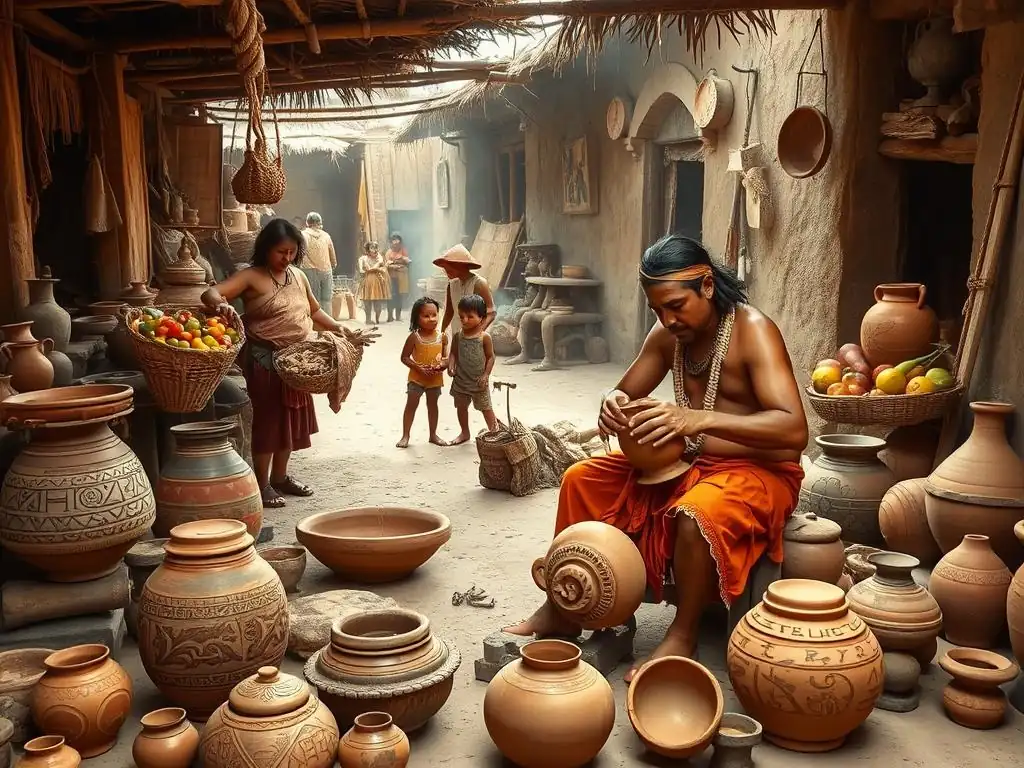
Mayan pottery was not only an artistic endeavor but also an integral part of daily life, serving various practical functions that enhanced the efficiency and quality of living. The pottery produced by the Mayans was characterized by its durability and versatility, making it essential for numerous everyday activities.
Cooking and Food Storage
One of the primary functions of Mayan pottery was its use in cooking and food storage. The Mayans created a variety of ceramic vessels, including:
- Cooking pots: These were often deep and sturdy, ideal for boiling and stewing food. They were made from clay that could withstand high temperatures, allowing for efficient cooking.
- Plates and bowls: Used for serving and consuming meals, these items were often beautifully decorated, indicating not just their utility but also their significance in social gatherings.
- Storage jars: Large, sealed jars were essential for preserving grains, seeds, and other foodstuffs. These jars prevented spoilage and were critical for sustaining communities, especially during times of scarcity.
The designs of cooking and storage pottery varied by region and time period, reflecting local resources and culinary practices, which contributed to a rich tapestry of culinary culture within the Mayan civilization.
Ritual and Ceremonial Functions
In addition to their practical uses, Mayan pottery also played a vital role in rituals and ceremonies. Specific types of pottery were crafted for sacred purposes, highlighting the cultural significance of these items within Mayan society.
- Ritual vessels: These often featured intricate designs and were used in ceremonies involving offerings to the gods, ancestor worship, or during significant life events such as births and marriages.
- Incense burners: Used in religious ceremonies, these pottery items were essential for burning copal and other resins, creating smoke that was believed to carry prayers to the deities.
- Burial pots: Specially designed pots were often included in burial sites, containing items for the afterlife, such as food, tools, and ceremonial objects, reflecting the Mayans’ beliefs about life after death.
The dual functionality of pottery—as both utilitarian and ceremonial objects—illustrates the complexity of Mayan culture and its deep spiritual connections to material objects.
Pottery as a Tool for Trade
Mayan pottery was not only a component of local life but also a significant economic asset in trade networks. The production of pottery served as a catalyst for various economic activities, contributing to the prosperity of the Mayan civilization.
Economic Implications of Pottery Production
The production of pottery had profound economic implications for the Mayan society. As a craft, pottery production was often carried out by specialized artisans who developed skills that were passed down through generations. This specialization led to:
- Increased efficiency: Artisans were able to produce pottery in larger quantities, thus meeting the demands of local and regional markets.
- Diverse products: The variety of pottery types allowed for trade not only within the Mayan territories but also with neighboring cultures, enhancing the richness of inter-regional exchanges.
Moreover, the presence of pottery workshops in urban centers indicates that pottery was a vital part of the local economy, fostering community development through trade and craft specialization.
Exchange Networks in the Mayan World
The Mayan civilization was characterized by extensive exchange networks that facilitated the distribution of goods, including pottery. These networks were crucial for:
- Cultural exchange: As pottery traveled across regions, it carried not only goods but also ideas and artistic styles, promoting cultural diffusion.
- Economic interdependence: Different regions specialized in various types of pottery, leading to a system where local economies relied on each other for different resources, creating a robust trade system.
The significance of pottery in these exchange networks is evident in archaeological findings, where pottery shards and whole vessels are often discovered far from their original production sites, underscoring their role in the broader economic landscape of the ancient Maya.
Mayan pottery holds a rich cultural significance that extends beyond its aesthetic appeal. Its functionality in both everyday life and trade reflects the intricate web of social, economic, and spiritual practices that defined the Mayan civilization.
Aesthetic Aspects of Mayan Pottery
Artistic Techniques and Materials Used
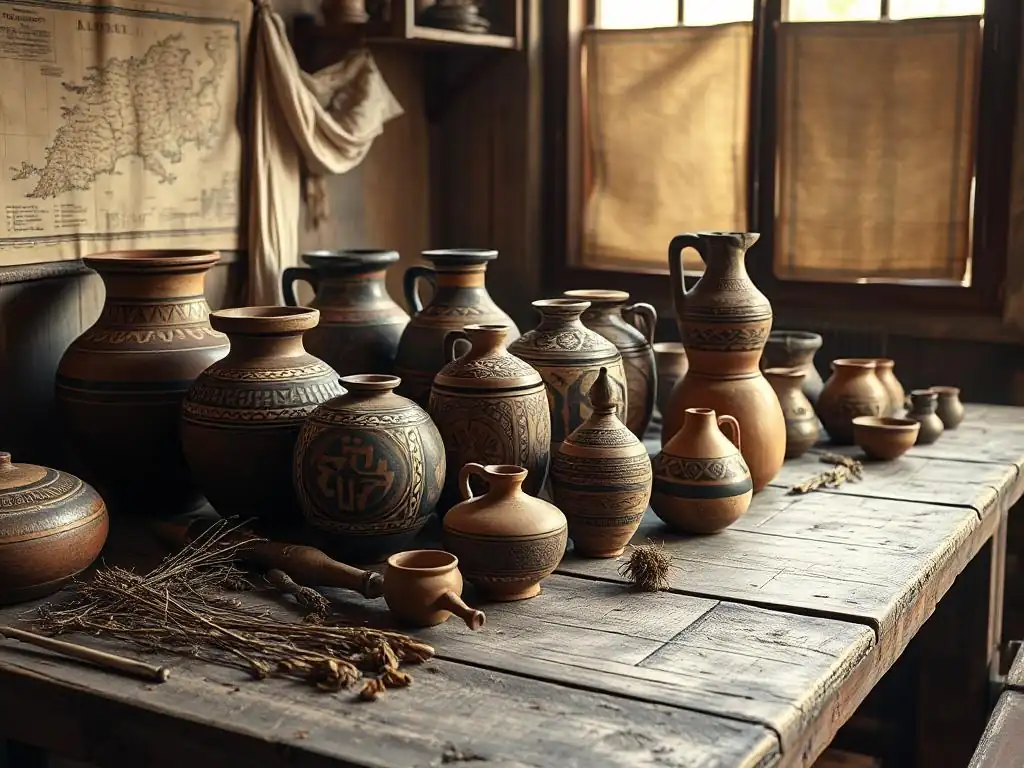
Mayan pottery, known for its intricate designs and functional utility, showcases a blend of artistic techniques and natural materials that reflect the civilization's cultural significance. The artisans employed various methods to create both practical and ceremonial pieces, emphasizing the dual role of pottery in everyday life and spiritual practices.
Types of Clay and Glazing Methods
The primary material used in Mayan pottery is clay, sourced from local riverbanks and other accessible locations. Different types of clay were utilized based on the desired outcome:
- Coarse Clay: Often used for functional items, such as storage vessels and cooking pots, due to its durability.
- Fine Clay: Preferred for decorative pieces, allowing for more intricate designs and smoother finishes.
Mayan potters utilized several glazing methods to enhance the visual appeal of their pottery. The most common techniques included:
- Slip Coating: A liquid mixture of clay and water applied to the surface before firing, creating a smooth finish.
- Natural Pigments: These were derived from minerals and plants, providing vibrant colors that adorned the pottery.
The firing process, often done in open pits, contributed to the unique texture and color of the finished pieces, which could range from earthy tones to bright hues.
Decorative Styles and Motifs
The decorative styles of Mayan pottery exhibit a rich tapestry of cultural influences and regional variations. Common motifs included:
- Geometric Patterns: Often symbolizing cosmic elements, these designs reflect the Mayans' understanding of mathematics and astronomy.
- Figurative Art: Representations of human figures, animals, and mythical creatures were prevalent, illustrating religious beliefs and daily life.
The choice of motifs not only served an aesthetic purpose but also conveyed deeper meanings tied to community identity and spirituality, reinforcing the cultural significance of each piece.
Symbolism and Cultural Meanings in Pottery Designs
Mayan pottery transcended mere functionality; it was imbued with symbolism and cultural meanings that played a vital role in the society's rituals and beliefs. Each design element carried significance, often linked to the Mayans' worldview.
Representation of Deities and Mythology
Many pottery pieces featured depictions of gods and goddesses, reflecting the Mayan pantheon and their mythology. These representations served to:
- Honor Deities: Pottery used in religious ceremonies often included images of specific gods, serving as offerings or tributes.
- Narrate Myths: The scenes depicted on pottery could tell stories from Mayan mythology, preserving cultural narratives for future generations.
Such pottery not only functioned as art but also as a medium for storytelling, helping to maintain the cultural heritage of the Mayan civilization.
Social Status and Identity Reflected in Pottery
The design and quality of pottery often indicated the social status of the owner, with distinct differences between the wares of the elite and commoners. Characteristics that reflected social identity included:
- Complexity of Design: More intricate designs and elaborate decorations were typically associated with higher social status.
- Functional vs. Ceremonial Use: Pottery used in everyday life contrasted with ceremonial pieces, highlighting the distinctions in social roles and responsibilities within the community.
This differentiation in pottery not only served practical purposes but also reinforced social hierarchies and cultural identity among the Mayans, showcasing the profound cultural significance of their pottery.
Mayan pottery encapsulates a rich interplay of aesthetic beauty and cultural significance. Through artistic techniques, symbolic designs, and reflections of social identity, it provides invaluable insights into the everyday lives and spiritual beliefs of the Mayan civilization.
The Role of Mayan Pottery in Rituals and Ceremonies
Ceremonial Pottery and Its Significance
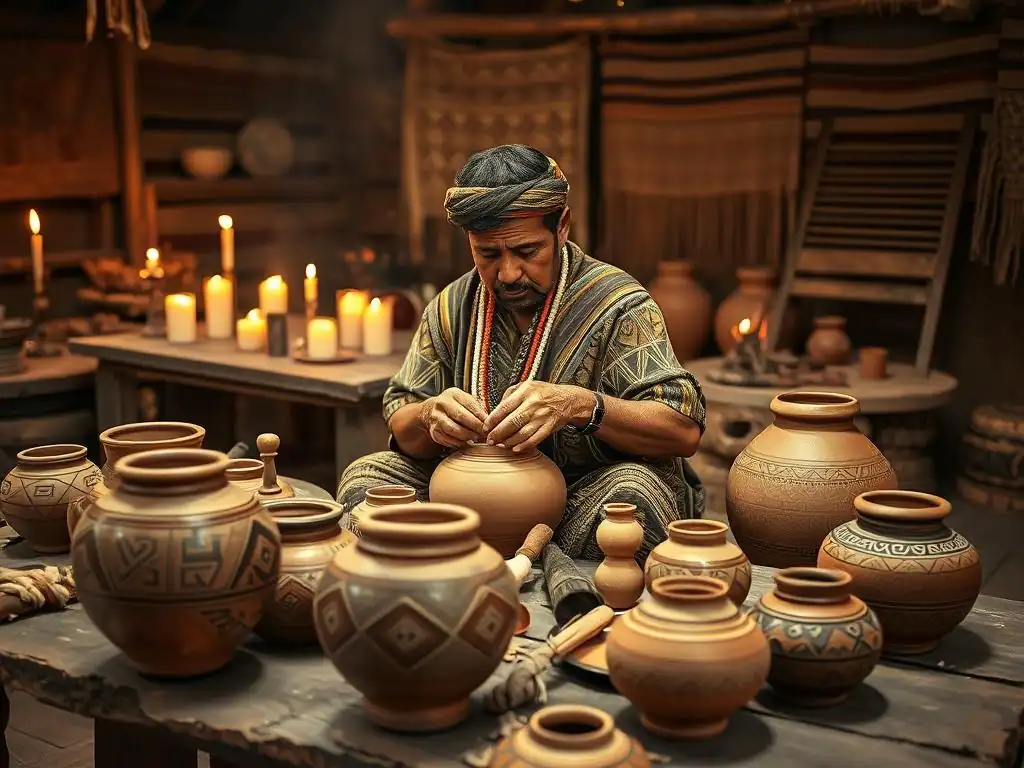
Mayan pottery was not merely a tool for daily use; it played a crucial role in various rituals and ceremonies that were integral to the culture. Ceremonial pottery often featured intricate designs and symbols that reflected the beliefs, myths, and values of the Mayan civilization. These pieces were typically crafted for specific occasions, such as religious ceremonies, festivals, and rites of passage.
The significance of ceremonial pottery can be seen in various contexts:
- Ritual Offerings: Pottery vessels were often used to hold offerings to the gods, which could include food, incense, or even blood. These offerings were a way to appease deities and ensure favor in agricultural cycles or other community needs.
- Symbolic Representation: Many ceremonial pieces were adorned with iconography that represented specific gods, celestial bodies, or important cultural narratives. For example, vessels might depict the maize god, a central figure in Mayan mythology, symbolizing fertility and sustenance.
- Ceremonial Use: Certain pots were exclusively reserved for ritualistic functions, such as pouring ceremonial drinks like chocolate or pulque during important gatherings. This elevated their status beyond mere functional use, embedding them with cultural importance.
Pottery in Funerary Practices
The role of pottery extended significantly into funerary practices within Mayan culture. Gravesites were often filled with a variety of pottery, each serving different purposes and reflecting the beliefs surrounding the afterlife.
Key aspects of funerary pottery include:
- Burial Goods: Pottery was commonly included as grave goods to accompany the deceased into the afterlife. Such items were believed to provide comfort and sustenance to the departed. It was not uncommon to find bowls, plates, and vessels that were specifically crafted for this purpose.
- Symbolic Items: Funerary pottery often bore symbolic decorations that conveyed messages about the individual’s status in life, achievements, or affiliations. For example, a high-status individual might be buried with intricately designed pottery that showcased their wealth and societal standing.
- Cultural Continuity: The practice of including pottery in burial sites illustrates the continuity of cultural beliefs surrounding death and the afterlife. It reflects the Mayan understanding of life cycles and the importance of honoring ancestors through ritual practices.
The Integration of Pottery in Religious Observances
Religious observances in Mayan society were multifaceted, often interweaving various elements of daily life with spiritual practices, and pottery was a key component of these observances.
Important points regarding the integration of pottery in religious contexts include:
- Ceremonial Vessels: Specific types of pottery were designated for use in religious rituals, such as altars or ceremonial platforms where offerings were made. These vessels were often elaborately crafted, showcasing the artisanship and spiritual significance of their use.
- Ritualistic Functions: Pottery served various ritualistic functions, from holding ceremonial drinks to being used in purification rites. The specific type of pottery chosen often aligned with the nature of the ceremony, reflecting its intended purpose.
- Community Engagement: Pottery-making itself was often a communal activity, fostering social bonds among community members as they participated in creating items for religious observances. This collective effort underscored the importance of community in maintaining cultural practices and beliefs.
Mayan pottery held profound cultural significance, deeply embedded within the rituals, funerary practices, and religious observances of the Mayan civilization. Its multifaceted roles not only highlight the craftsmanship and artistic expression of the time but also the intricate relationship between art, culture, and spirituality in Mayan life.
Preservation and Legacy of Mayan Pottery
Archaeological Discoveries and Their Contributions
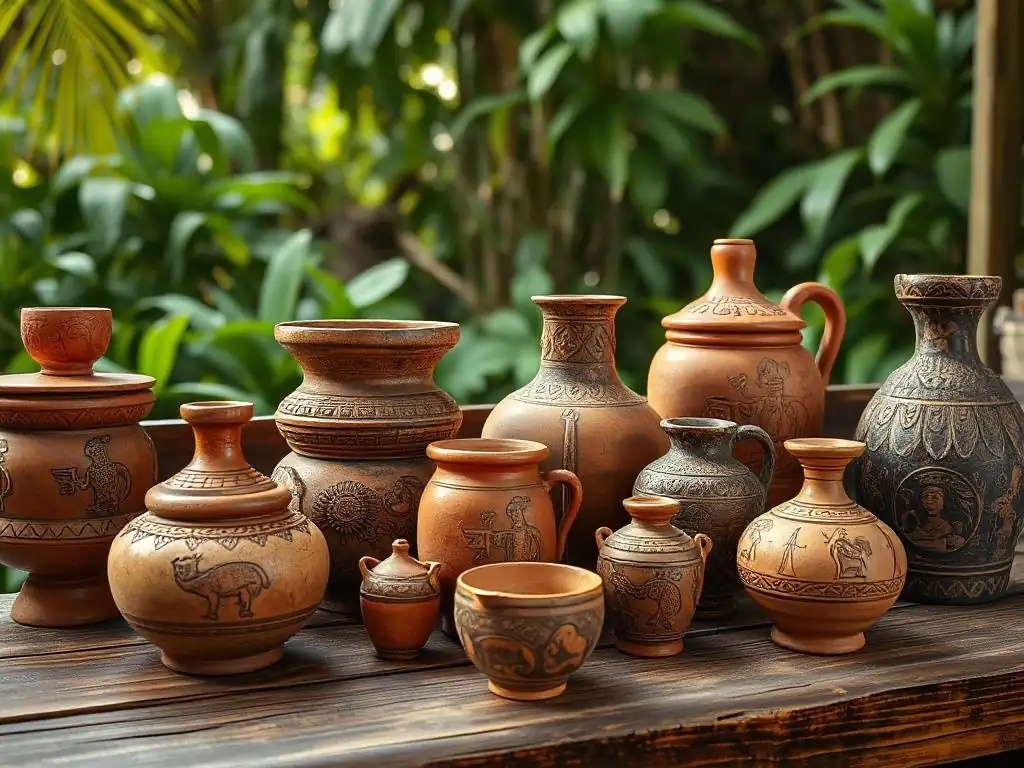
Archaeological discoveries have played a pivotal role in understanding the cultural significance of Mayan pottery. Excavations in sites such as Tikal, Copán, and Palenque have unearthed a wealth of ceramic artifacts that provide insight into the daily lives, rituals, and artistic expressions of the ancient Maya.
- Types of Pottery Discovered:
- Functional Pottery: These pieces include utilitarian vessels used for cooking, serving, and storage. Common examples are cooking pots, plates, and jars.
- Ceremonial Pottery: Often more elaborate, these items were used in rituals and included offerings. They feature intricate designs and motifs that hold symbolic meanings.
- Dating and Contextualization:
- Archaeologists employ techniques such as radiocarbon dating to establish the time frame of these discoveries. This helps in understanding the evolution of pottery styles and their geographical variations over centuries.
- Cultural Insights:
- The decorations on Mayan pottery often reflect societal values and beliefs. For instance, motifs depicting gods, animals, and mythological scenes provide insight into the spiritual and cultural life of the Maya.
Through these discoveries, researchers have not only traced the technological advancements in pottery-making techniques but also understood their social and economic roles within Mayan civilization.
Contemporary Interpretations and Revivals of Mayan Pottery
The cultural significance of Mayan pottery resonates in contemporary times, as artisans and cultural leaders strive to revive traditional practices and interpretations.
- Artisan Workshops: In regions like Guatemala and Mexico, skilled artisans continue to create pottery using ancient techniques passed down through generations. These workshops often serve as educational spaces where the history and significance of Mayan pottery are taught.
- Cultural Festivals: Events celebrating indigenous heritage frequently feature pottery exhibitions, showcasing both traditional and modern interpretations. These festivals help in raising awareness of Mayan culture and its enduring legacy.
- Fusion of Styles: Many contemporary artists blend traditional Mayan motifs with modern aesthetics, creating unique pieces that appeal to both indigenous and global audiences. This fusion not only honors the past but also ensures the survival of these art forms in a rapidly changing world.
Through these efforts, the legacy of Mayan pottery continues to thrive, as it adapts to contemporary contexts while retaining its rich historical significance.
The Influence of Mayan Pottery on Modern Indigenous Art
Mayan pottery has significantly influenced modern indigenous art across the Americas. Its patterns, techniques, and cultural narratives have inspired a new generation of artists who seek to honor and reinterpret their heritage.
- Artistic Techniques:
- Many contemporary indigenous artists incorporate traditional Mayan pottery techniques, such as slip decoration and burnishing, into their work, creating a dialogue between the past and the present.
- Symbolic Representations:
- Modern artworks often feature motifs derived from ancient pottery, serving as a means of storytelling that reflects contemporary social issues, identity, and resilience.
- Collaborative Projects:
- Initiatives that bring together artists from different indigenous backgrounds often result in the cross-pollination of ideas and techniques, enriching the broader indigenous art landscape.
The cultural significance of Mayan pottery extends beyond its physical artifacts; it embodies a living tradition that continues to inspire and shape indigenous identities in the modern world. By appreciating and integrating these ancient practices, contemporary artists contribute to the preservation and evolution of their cultural heritage.
Conclusion: The Enduring Cultural Significance of Mayan Pottery
The legacy of Mayan pottery extends far beyond its physical form, serving as a crucial lens through which we can understand the intricate tapestry of Mayan society. This art form is a testament to the cultural, social, and economic dynamics that defined the lives of the Mayans. Each piece of pottery—whether used for practical purposes or ceremonial functions—encapsulates the beliefs, values, and innovations of this remarkable civilization.
Reflection on the Importance of Pottery in Understanding Mayan Society
Mayan pottery is not merely decorative; it is a functional artifact that offers insights into the daily lives and rituals of its creators. The techniques and styles vary distinctly across different regions and periods, reflecting the diversity within Mayan culture. For instance, the intricate designs found in polychrome pottery often carried symbolic meanings, representing deities or significant events, while utilitarian wares were crafted for everyday use.
The functionality of Mayan pottery can be categorized into several types, highlighting its multifaceted role in society:
- Household Items: Everyday pots and bowls for cooking and storage.
- Ceremonial Objects: Elaborately decorated vessels used in rituals and offerings.
- Trade Goods: Pottery that facilitated commerce within and beyond Mayan territories.
The aesthetic qualities of Mayan pottery also speak volumes about the society's artistic achievements. The vibrant colors, intricate patterns, and innovative forms demonstrate a high level of craftsmanship and cultural expression. This artistic legacy is crucial for understanding how the Mayans viewed the world around them and their place within it.
Future Research Directions in Mayan Pottery Studies
As scholarship on Mayan pottery continues to evolve, several avenues for future research are ripe for exploration:
- Technological Advances: Utilizing modern analytical techniques, such as chemical composition analysis and 3D imaging, to better understand the materials and methods used in pottery production.
- Cultural Exchange: Investigating the influence of neighboring civilizations on Mayan pottery styles and techniques, particularly during periods of trade and interaction.
- Social Stratification: Examining how differences in pottery styles and usage reflect social hierarchies within Mayan communities, including the roles of artisans and the significance of pottery in elite vs. common households.
- Environmental Factors: Assessing how the geography and climate of the region influenced pottery production and usage over time, particularly in relation to resource availability and economic practices.
By delving into these areas, researchers can further uncover the layers of meaning embedded in Mayan pottery, enriching our understanding of this ancient civilization and its enduring cultural significance. Through continued exploration, we can celebrate and preserve the rich heritage of the Mayans, ensuring that their stories remain an integral part of our collective history.
Frequently Asked Questions
What is the cultural significance of Mayan pottery?
Mayan pottery holds great cultural significance as it reflects the artistry and daily life of the Mayan civilization. It served not just as functional ware but also as a medium for expressing social identity and ritual practices.
How did the Mayans use pottery in their daily lives?
Mayan pottery was utilized for a variety of practical purposes, including cooking, storage, and serving food. Its designs and shapes often varied based on the specific functions they served.
What materials were commonly used in Mayan pottery?
Mayan artisans primarily used natural clay sourced from the local environment. They would often mix it with other materials to enhance its durability and aesthetic appeal.
How does Mayan pottery differ from pottery of other indigenous cultures?
Mayan pottery is distinguished by its intricate designs, vibrant colors, and symbolic motifs, which often depict mythological themes and daily activities unique to Mayan life, setting it apart from other indigenous pottery styles.
What impact did Mayan pottery have on modern cultures?
The artistic techniques and styles of Mayan pottery continue to influence contemporary artists. Its cultural significance is recognized in the study of history and anthropology, providing insight into Mayan society and cultural practices.
Final Reflection: The Cultural Significance of Mayan Pottery in Our Lives
Mayan pottery serves as a profound testament to the intricate relationship between functionality and aesthetics in everyday life. Today, as we navigate a world increasingly driven by mass production and digital experiences, the artistry and purpose embedded in Mayan pottery remind us of the importance of cultural heritage and the stories that objects can tell. The beauty of these artifacts lies not only in their craftsmanship but also in their ability to connect us to a rich history that continues to resonate in our modern lives.
Mayan pottery has significantly influenced contemporary art and design, inspiring a revival of appreciation for handcrafted goods and cultural narratives. The intricate designs and practical uses of these vessels reflect a deep understanding of community, tradition, and identity. As we witness a growing movement towards sustainability and authenticity in our consumption patterns, we can draw parallels to the values embodied in Mayan pottery. Art is not a thing; it is a way,
said Elbert Hubbard, reminding us that the essence of art lies in its ability to shape our experiences and perceptions of the world around us.
As you reflect on the lessons from Mayan pottery, consider how you can incorporate elements of this cultural significance into your own life. Embrace the stories behind the objects you choose to surround yourself with, and seek out the beauty in the functional. Let the legacy of Mayan artisans inspire you to appreciate craftsmanship and the narratives that enrich our daily experiences. In doing so, you not only honor the past but also contribute to a future where culture and creativity thrive hand in hand.
Unveil the Legacy of Mayan Pottery in Your Life!
Thank you for taking the time to delve into the fascinating world of Mayan pottery and its remarkable blend of functionality and aesthetics. By exploring its cultural significance, you've gained a deeper appreciation for the artistry that enriched everyday life in ancient civilizations. Now, let's turn that inspiration into action!
- Embrace your creativity: Try your hand at creating your own pottery piece! Sign up for a local pottery class or follow an online tutorial to craft something uniquely yours.
- Share the beauty: Post a photo of your favorite pottery piece—whether it's your own creation or a stunning find from your travels—on social media using the hashtag #MayanArt to inspire others.
- Join a community: Connect with fellow pottery enthusiasts or local Indigenous art organizations to learn more about traditional techniques and their cultural significance.
What aspect of Mayan pottery resonates with you the most, and how do you envision incorporating that into your daily life?