
The Significance of Blood Sacrifice in Olmec Religious Practices

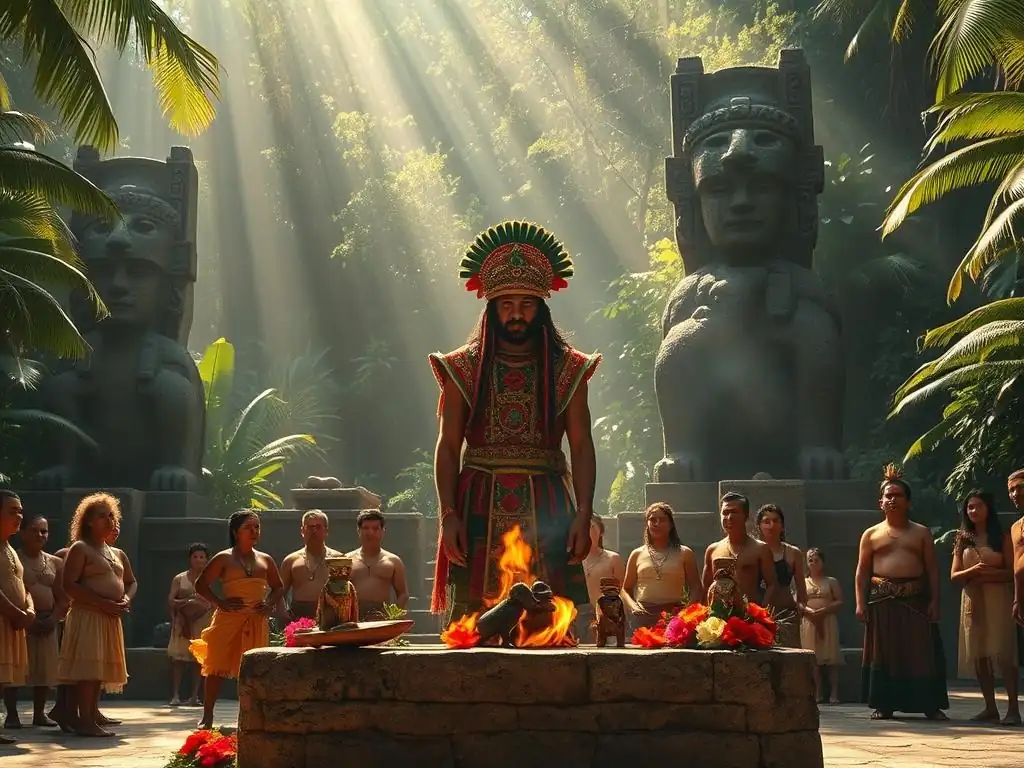
Welcome to Indigenous Civilizations of the Americas, where we invite you to embark on a journey through the rich tapestry of cultures that flourished long before European contact. Here, you will uncover the profound significance of practices such as blood sacrifice within the Olmec civilization, a cornerstone of ancient Mesoamerican spirituality. What drove these early societies to engage in such rituals, and how did they shape their beliefs and social structures?
Dive deeper into our exploration and discover the intricate ways these practices reverberate through history, leaving a lasting legacy that continues to intrigue scholars and enthusiasts alike. Your adventure into the past begins now!
Introduction to Olmec Civilization
The Olmec civilization, often regarded as the "mother culture" of Mesoamerica, laid the foundational frameworks for many societies that followed. Flourishing from approximately 1400 to 400 BCE in the regions of present-day southern Mexico, the Olmecs developed a complex society characterized by advanced agricultural practices, intricate trade networks, and profound artistic achievements. Their culture is particularly notable for its monumental stone sculptures and the creation of the first known writing system in the Americas.
However, perhaps one of the most intriguing aspects of Olmec culture is their religious practices, particularly the significance of blood sacrifice. This article delves into the deep-rooted religious beliefs of the Olmecs, examining the critical role that blood sacrifice played within their spiritual framework and societal structure.
Overview of the Olmec Culture
The Olmec culture is often recognized for its remarkable contributions to the development of later Mesoamerican civilizations. Key elements include:
- Artistic Expression: The Olmecs are famous for their colossal heads and intricate jade carvings, which not only showcase their artistic talent but also reflect their beliefs and societal hierarchy.
- Societal Structure: Olmec society was likely organized into chiefdoms, with leaders who held both political and religious authority. This dual role is essential to understanding the significance of religious rituals, including blood sacrifice.
- Agricultural Innovations: The Olmecs practiced advanced forms of agriculture, which were crucial for sustaining their population and allowing for the growth of complex societal structures.
Importance of Religion in Olmec Society
Religion permeated every aspect of Olmec life, influencing their social, political, and economic structures. Some key points to consider include:
- Cosmology and Deities: The Olmecs believed in a pantheon of gods, each representing different aspects of nature and human experience. These deities were central to their understanding of the world and the cosmos.
- Ritual Practices: Rituals were performed to appease the gods, ensure agricultural fertility, and maintain societal order. Blood sacrifice was often a vital component of these rituals, believed to nourish the deities and secure their favor.
- Cultural Legacy: The religious practices of the Olmecs significantly influenced subsequent Mesoamerican cultures, including the Maya and Aztecs, who adopted and adapted many of their beliefs and rituals.
Understanding Blood Sacrifice in Olmec Religion
Blood sacrifice was not merely a ritualistic act; it was an integral part of Olmec spirituality that held significant meaning and purpose. The exploration of this practice reveals much about their worldview.
Definition of Blood Sacrifice in Olmec Beliefs
In Olmec culture, blood sacrifice involved the offering of blood—often from both humans and animals—as a means of communicating with the divine. It served various purposes:
- Nourishment for the Gods: Sacrificial blood was believed to nourish the gods, ensuring their continued presence and favor.
- Restoration of Balance: The act of sacrifice was seen as a way to restore balance to the cosmos, particularly after periods of turmoil or natural disasters.
- Community Cohesion: Blood sacrifice rituals often involved the entire community, reinforcing social bonds and shared beliefs.
Historical Context of Olmec Blood Sacrifice Practices
The historical context of blood sacrifice within the Olmec civilization reveals its evolution and significance over time:
- Archaeological Evidence: Excavations in Olmec sites, such as La Venta and San Lorenzo, have uncovered altars and offerings that suggest a strong emphasis on sacrificial practices.
- Cultural Interactions: The Olmecs' interactions with neighboring cultures likely influenced their sacrificial practices, as they absorbed and adapted various elements from different societies.
- Legacy of Sacrifice: The emphasis on blood sacrifice persisted in subsequent Mesoamerican civilizations, illustrating the deep-rooted nature of this practice in religious and cultural identity.
Through this examination of Olmec blood sacrifice significance, we can gain a deeper understanding of the complex interplay between religion, culture, and society in one of the earliest civilizations of the Americas.
The Rituals Surrounding Olmec Blood Sacrifice
The Olmec civilization, often regarded as the "mother culture" of Mesoamerica, engaged in complex rituals that were integral to their religious practices, particularly in the context of blood sacrifice. These rituals were not merely acts of violence; they were deeply symbolic and aimed at maintaining cosmic balance and appeasing powerful deities. Central to these rituals was the idea that the life force contained in blood had the ability to nourish gods and sustain the universe.
The Olmec performed blood sacrifices during significant ceremonies, often tied to agricultural cycles, seasonal changes, and important community events. These ceremonies typically involved elaborate preparations, including constructing altars and ceremonial spaces adorned with sacred symbols and offerings. Participants often donned specific regalia to signify their roles within the ritual, enhancing the spiritual atmosphere.
Common Practices and Ceremonies Involving Blood Sacrifice
Blood sacrifice among the Olmec was characterized by specific practices that varied depending on the occasion. Some common ceremonies included:
- Animal Sacrifice: The Olmec would often sacrifice animals such as jaguars, birds, and other wildlife. These animals were believed to embody spiritual significance, representing various deities or natural forces.
- Human Sacrifice: While less common, human sacrifices did occur, often reserved for major events or crises. Captives from rival tribes or individuals deemed significant to the community were selected for this purpose, highlighting the seriousness of the ritual.
- Offering Blood: In many rituals, individuals would offer their own blood as a form of sacrifice. This could involve self-inflicted wounds or the use of specialized tools, such as stingray spines, to draw blood in a controlled manner.
- Ceremonial Feasts: Following the act of sacrifice, communal feasting often ensued, creating a sense of unity among participants and reinforcing community bonds. The consumption of food and drink during these feasts symbolized the sharing of the life force with the community and the gods.
Role of Priests and Spiritual Leaders in Sacrificial Rites
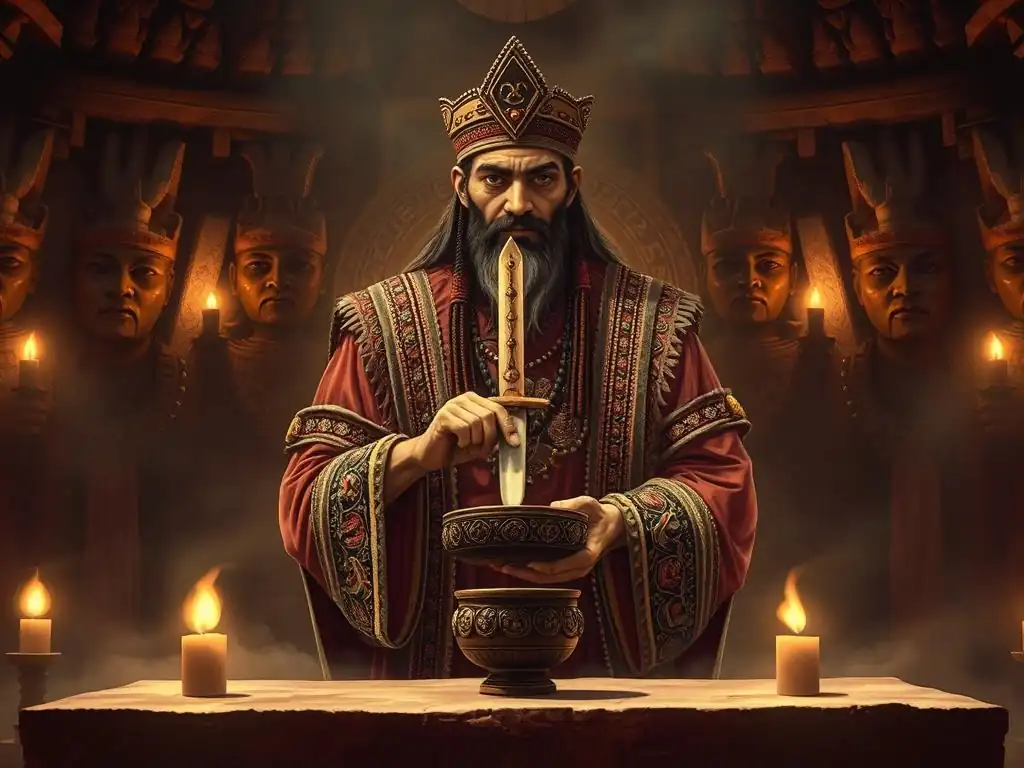
Priests and spiritual leaders held a prestigious role in Olmec society, serving as intermediaries between the divine and the earthly realms. They were responsible for conducting sacrificial rites and ensuring that the ceremonies adhered to the established religious protocols. Their training and knowledge of rituals were considered sacred and were often passed down through generations.
The priests played a critical role in:
- Preparation and Execution: They prepared the altars, selected the offerings, and performed the necessary chants and prayers to invoke the presence of deities. Their expertise was essential for the success of the ritual, as it was believed that their actions directly influenced the gods.
- Interpretation of Omens: Priests were also tasked with interpreting signs and omens, guiding the community in understanding the will of the gods. Their insights were vital for decision-making, particularly in times of crisis.
- Maintaining Religious Calendar: They managed the religious calendar, scheduling ceremonies aligned with agricultural cycles and other significant events. This ensured that rituals occurred at the appropriate times to maximize their effectiveness.
Symbolism of Blood Sacrifice in Olmec Mythology
In Olmec mythology, blood sacrifice held profound symbolic meaning, deeply intertwined with their understanding of life, death, and the natural world. Blood was viewed as a vital force, representative of life itself and essential for the sustenance of both the gods and the earth.
Connection Between Blood and Fertility in Olmec Beliefs
The Olmec believed in a direct connection between blood and fertility, viewing blood as a life-giving substance that could promote growth and regeneration. This belief was particularly significant in agricultural contexts, where successful crops were essential for survival. Sacrificing blood was seen as a way to revive the earth, enabling it to produce bountiful harvests.
Furthermore, the cyclical nature of life and death in Olmec thought reinforced the idea that blood sacrifices were necessary to ensure the continuation of life. By offering blood to the gods, the Olmec sought to foster fertility not only in the soil but also within their community, promoting health and prosperity.
Blood Sacrifice as a Means of Communication with Deities
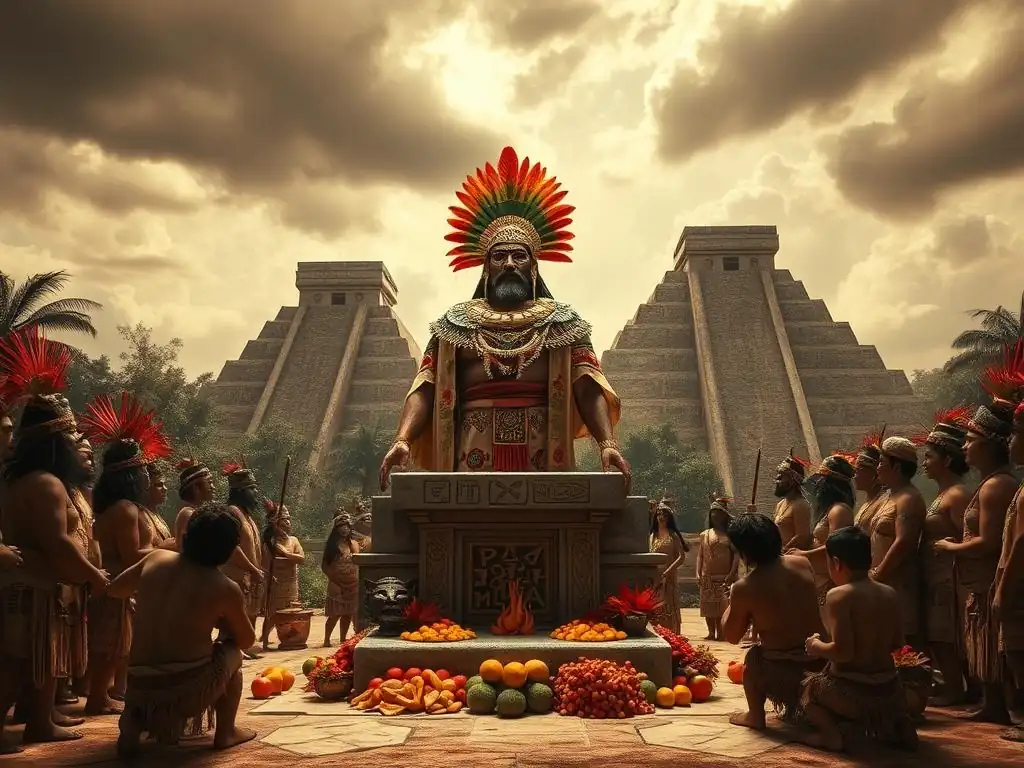
Blood sacrifice served as a vital means of communication between the Olmec people and their deities. The act of sacrifice was believed to transcend earthly boundaries, allowing the community to convey messages, express gratitude, and seek favor from the divine.
- Appeasement of Deities: Through sacrifice, the Olmec sought to appease powerful gods, especially those associated with agriculture, rain, and fertility. This communication was crucial for ensuring favorable conditions for crops and the overall well-being of the community.
- Ritualized Language: The rituals surrounding blood sacrifice often included specific chants, prayers, and offerings that acted as a form of ritualized language. This language was understood by the priests and the deities, creating a sacred dialogue that reinforced the connection between the two realms.
- Culmination of Community Efforts: Ultimately, blood sacrifice was not just an individual act; it represented the collective efforts of the community to engage with the divine. It reinforced social cohesion and shared beliefs, uniting individuals in their spiritual endeavors and fostering a sense of belonging.
The Societal Implications of Blood Sacrifice
Blood sacrifice held profound implications for the Olmec society, influencing various aspects of their social structure and cultural practices. It was not merely a religious act but a significant event that reinforced the community's values, beliefs, and hierarchies. The act of offering blood—be it from animals or humans—was seen as a vital means to appease deities, ensure fertility, and maintain cosmic balance.
In Olmec culture, blood sacrifice was interwoven with their worldview, which emphasized the interconnectedness of life, death, and regeneration. The collective participation in these rituals fostered a sense of belonging and identity among community members, making blood sacrifice a cornerstone of their social fabric. As a result, those who oversaw these rituals, often the elite or priestly class, gained increased power and prestige, thereby further entrenching social stratification.
How Blood Sacrifice Influenced Olmec Social Hierarchy
The practice of blood sacrifice was instrumental in establishing and maintaining the Olmec social hierarchy. Rituals were often presided over by leaders or elite priests, who were viewed as intermediaries between the gods and the people. This role elevated their status within the community, creating a distinction between those who could perform the rituals and the general populace.
Moreover, the ability to conduct blood sacrifices often came with significant resources, including access to valuable goods and labor. Those in power could command participation in sacrificial rites, which not only attracted followers but also solidified their authority. As a result, the intricacies of sacrificial practices became a means of political control, allowing elites to govern and manipulate social relations effectively.
The Role of Blood Sacrifice in Community Cohesion
Blood sacrifice also served as a powerful tool for fostering community cohesion among the Olmec people. These rituals often involved collective participation, drawing together individuals from various social strata. This communal aspect helped to reinforce shared beliefs and cultural identity, thus strengthening social ties.
Rituals that included blood sacrifice were often elaborately planned occasions that marked significant events, such as agricultural cycles, festivals, or milestones in the community. The shared experience of participating in these sacred acts created a sense of unity and purpose, enhancing solidarity among community members. In times of crisis or uncertainty, the communal performance of blood sacrifices provided reassurance and stability, underscoring the importance of these practices in maintaining social harmony.
The Impact of Blood Sacrifice on Olmec Legacy
The legacy of the Olmec civilization, particularly regarding their religious practices, continues to influence the understanding of Mesoamerican cultures. The significance of blood sacrifice is evident in the archaeological record, where evidence of ritual sites and sacrificial remains have been uncovered, shedding light on the cultural and religious life of the Olmec.
Long-term Effects of Sacrificial Practices on Mesoamerican Cultures
The sacrificial practices of the Olmec laid the groundwork for subsequent Mesoamerican civilizations, including the Maya and Aztecs. These later cultures adopted and adapted the practice of blood sacrifice, integrating it into their own religious rituals and belief systems. This continuity illustrates how the Olmec's approach to sacrifice influenced broader regional practices and ideologies.
Furthermore, the significance attributed to blood sacrifice in Olmec society contributed to a complex understanding of life, death, and the cosmos that permeated Mesoamerican cultures. The emphasis on sacrifice as a means of sustaining life and ensuring fertility remained prevalent throughout the region, demonstrating the enduring impact of Olmec religious traditions.
Comparisons with Other Indigenous Cultures in the Americas
When examining the significance of blood sacrifice, it is essential to compare Olmec practices with those of other indigenous cultures across the Americas. For instance, the Inca civilization also engaged in ritual sacrifices, albeit often on a grander scale, including child sacrifices known as capacocha. Similar to the Olmec, these practices were intertwined with agricultural cycles, reflecting a common belief in the necessity of appeasing deities to ensure prosperity.
Additionally, cultures like the Aztecs are renowned for their elaborate sacrificial rites which often included human offerings to sustain the sun. While the scale and specifics of these practices differed, the underlying belief in the power of sacrifice to influence the divine and maintain societal order resonates across various indigenous cultures. Thus, the Olmec approach to blood sacrifice can be seen as part of a larger tapestry of ritualistic practices that defined the spiritual landscape of pre-Columbian societies in the Americas.
Conclusion
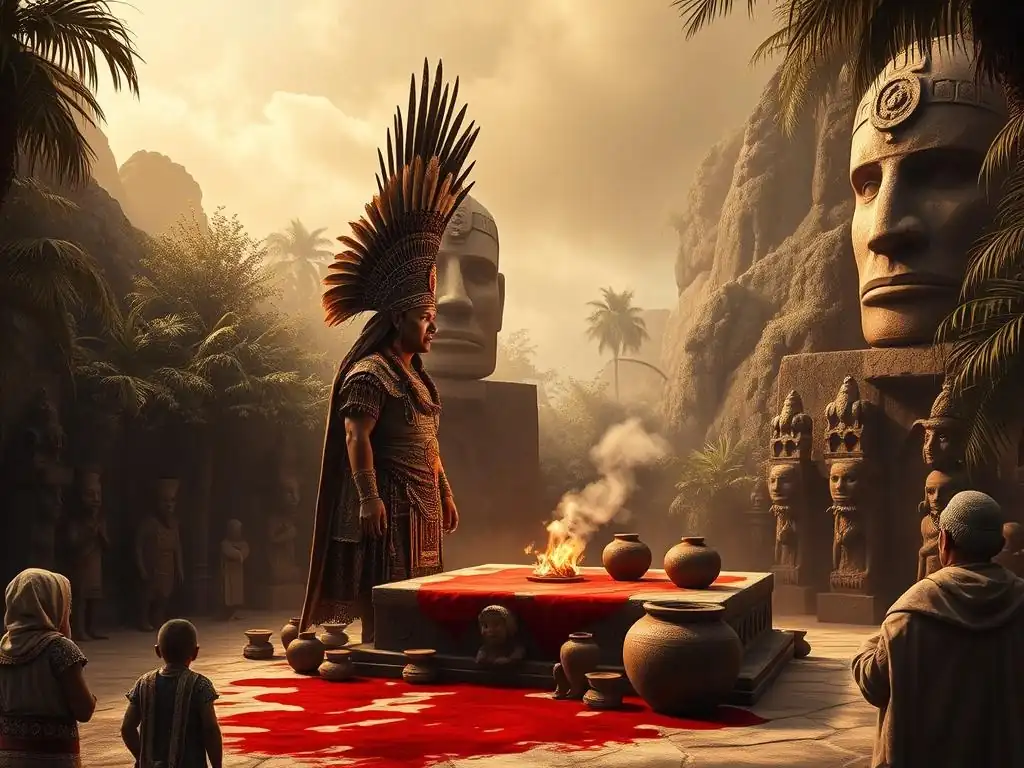
The Olmec civilization, often regarded as the "mother culture" of Mesoamerica, held blood sacrifice as a pivotal element of their religious practices. This ritual was not merely a form of appeasement but a profound expression of their beliefs about life, death, and the cosmos. The significance of blood sacrifice in Olmec society reveals much about their worldview, social structure, and the ways in which they sought to connect with the divine.
Summary of Olmec Blood Sacrifice Significance
Blood sacrifice in Olmec culture served multiple purposes, intertwining the sacred with the societal. It was believed to nourish the gods, ensuring the continuation of agricultural cycles and cosmic balance. The act of sacrifice, often involving animals and, in some cases, humans, was a means to communicate with deities, seek favor, and express gratitude.
- Spiritual Nourishment: The Olmecs viewed blood as a vital life force, essential for sustaining both the divine and the earthly realms.
- Cultural Identity: Rituals of sacrifice reinforced communal bonds, showcasing shared beliefs and values among the Olmec people.
- Political Power: Sacrificial practices were often intertwined with the authority of leaders, linking their legitimacy to divine will and reinforcing their status through religious ceremonies.
The interplay between these facets indicates that blood sacrifice was deeply embedded in the fabric of Olmec life, influencing everything from agriculture to governance.
Reflection on the Enduring Legacy of Olmec Religious Practices
The religious practices of the Olmec, particularly their use of blood sacrifice, left a lasting impact on subsequent Mesoamerican cultures, such as the Maya and Aztec civilizations. These later societies adopted and adapted various Olmec rituals, highlighting the significance of blood sacrifice in their own religious frameworks.
- Cultural Transmission: The symbolism and methods of sacrifice persisted, demonstrating a continuity of belief systems across centuries.
- Archaeological Evidence: Sites such as La Venta and San Lorenzo reveal intricate artifacts and ceremonial spaces that showcase the Olmec's deep religious convictions, influencing future generations.
- Modern Interpretations: Today, scholars and descendants of these ancient cultures reflect on the legacy of Olmec practices, recognizing their contributions to understanding spirituality and community cohesion in Mesoamerica.
Overall, the significance of Olmec blood sacrifice transcends mere ritual; it encapsulates a vital component of their civilization's identity, shaping religious thought and practices that resonate in contemporary discussions of indigenous spirituality.
- Introduction to Olmec Civilization
- Understanding Blood Sacrifice in Olmec Religion
- The Rituals Surrounding Olmec Blood Sacrifice
- Common Practices and Ceremonies Involving Blood Sacrifice
- Role of Priests and Spiritual Leaders in Sacrificial Rites
- Symbolism of Blood Sacrifice in Olmec Mythology
- Connection Between Blood and Fertility in Olmec Beliefs
- Blood Sacrifice as a Means of Communication with Deities
- The Societal Implications of Blood Sacrifice
- The Impact of Blood Sacrifice on Olmec Legacy
- Conclusion
- Summary of Olmec Blood Sacrifice Significance
- Reflection on the Enduring Legacy of Olmec Religious Practices
Frequently Asked Questions
What was the role of blood sacrifice in Olmec culture?
Blood sacrifice was a central aspect of Olmec religious practices, believed to strengthen their connection to the divine and ensure the prosperity of their society.
How did the Olmec view the significance of sacrifice?
The Olmec viewed sacrifice as a means of spiritual exchange, where the offering of blood was believed to nourish the gods and maintain cosmic balance.
What types of sacrifices did the Olmec perform?
The Olmec engaged in various forms of sacrifice, including the offering of animal blood, and possibly human sacrifices, which were intended to appease the deities and mark significant events.
How did blood sacrifice influence Olmec society?
Blood sacrifice reinforced social hierarchies and political power, as rulers often conducted these rituals to demonstrate their authority and maintain the favor of the gods.
What is the lasting impact of Olmec blood sacrifice practices?
The significance of blood sacrifice in Olmec culture laid a foundation for similar practices in later Mesoamerican civilizations, influencing their religious and cultural traditions.
Final Reflection: The Enduring Significance of Olmec Blood Sacrifice
The exploration of Olmec blood sacrifice significance reveals a profound connection between ancient rituals and contemporary understandings of spirituality and community. In a world increasingly driven by technology and individualism, the communal and sacrificial aspects of Olmec practices remind us of the importance of shared beliefs and the lengths to which cultures will go to honor their deities and maintain social cohesion.
The Olmec civilization, often considered the "mother culture" of Mesoamerica, utilized blood sacrifice not only as a means of appeasing gods but also as a way to reinforce societal bonds, a lesson that resonates deeply in today's fragmented societies.
Cultural practices, such as the Olmec's blood sacrifice, continue to influence our understanding of identity, spirituality, and community dynamics. The echoes of these ancient rituals can be seen in modern ceremonies and traditions that emphasize collective memory and shared values. As anthropologist Victor Turner once stated, “Rituals are the means by which we communicate with the sacred.” This observation underscores the ongoing relevance of such practices, inviting us to reflect on how our own rituals—whether religious, familial, or cultural—shape our identities and connections with one another.
As we ponder the significance of Olmec blood sacrifice, I encourage you to reflect on your own practices and beliefs. What rituals do you participate in that foster a sense of community and connection? Consider how these traditions can be enriched by the lessons learned from the Olmec, reminding us that the act of sacrifice—whether of time, resources, or personal comfort—can lead to deeper connections and a more profound understanding of our place in the world. Embrace the opportunity to honor your own heritage while recognizing the universal threads that bind us all together.
Unveil the Power of Olmec Spirituality Today!
Thank you for diving deep into the fascinating world of Olmec religious practices! You've discovered how blood sacrifice played a pivotal role in their spirituality, connecting them to their deities and the cosmos. Now, it’s time to take your newfound knowledge and elevate your understanding further.
Here’s how you can engage with this rich cultural heritage:
- Explore local museums or exhibitions focused on indigenous civilizations to witness artifacts firsthand and connect with the past.
- Share your insights on social media or community forums to spark conversations about the profound significance of ancient rituals.
- Join a cultural workshop or seminar to deepen your appreciation of indigenous practices and their relevance in today's world.
What aspects of Olmec spirituality resonate most with you, and how do you see them influencing contemporary perspectives?