
The Influence of European Religion on Traditional Mayan Beliefs After Conquest

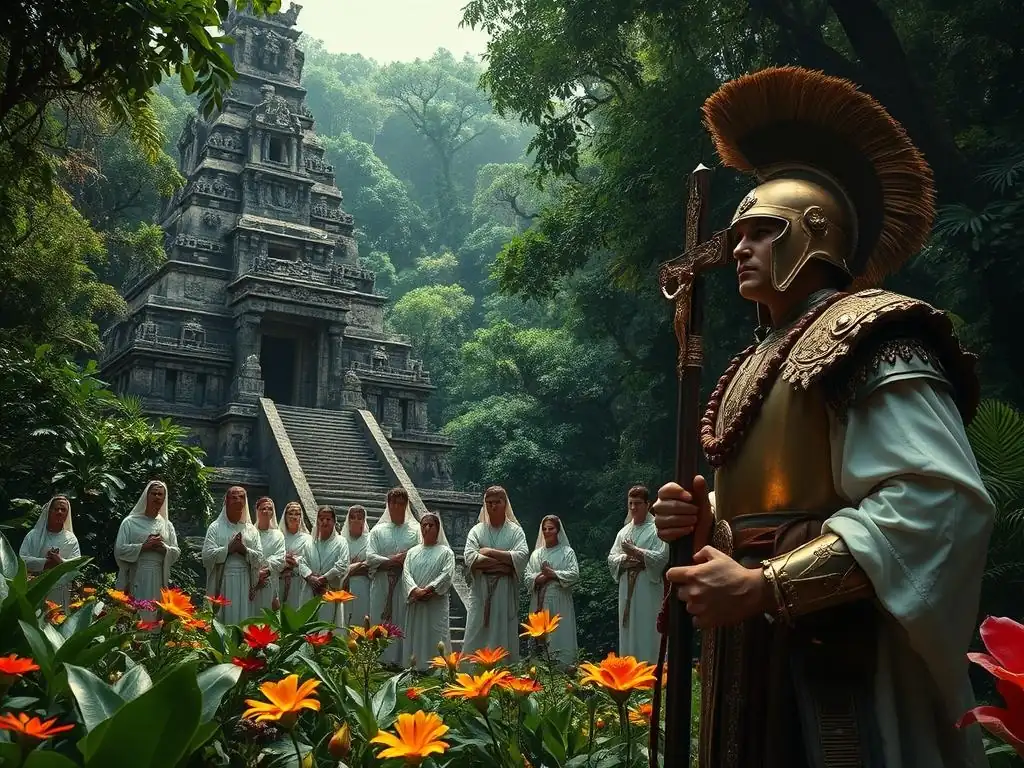
Welcome to Indigenous Civilizations of the Americas, where we invite you to journey through the rich tapestry of cultures that flourished long before European contact. Here, you'll uncover the intricate achievements and vibrant societies that shaped the Americas, from the majestic pyramids of the Mayans to their profound spiritual practices.
In our featured article, “The Influence of European Religion on Traditional Mayan Beliefs After Conquest,” we delve into the fascinating interplay between Mayan beliefs and European influence, revealing how these ancient traditions adapted and transformed in the face of colonization. Prepare to expand your understanding and ignite your curiosity as we explore the enduring legacy of these remarkable civilizations.
- Introduction to Mayan Beliefs and European Influence
- The Impact of European Religion on Traditional Mayan Beliefs
- Changes in Spiritual Practices After European Conquest
- The Long-Term Effects of European Influence on Mayan Beliefs
- Conclusion: The Complex Interplay of Mayan Beliefs and European Influence
-
Frequently Asked Questions
- What were the traditional Mayan beliefs before European contact?
- How did European influence alter Mayan religious practices?
- What role did missionaries play in the change of Mayan beliefs?
- Are there any surviving elements of Mayan beliefs today?
- Why is understanding the influence of European religion on Mayan beliefs important?
- Final Reflection: The Enduring Legacy of European Influence on Mayan Beliefs
- Embrace the Fusion: Explore Mayan Spiritual Heritage Today!
Introduction to Mayan Beliefs and European Influence
The encounter between European colonizers and the Mayan civilization marked a profound shift in the religious landscape of Mesoamerica. This article delves into the intricate interplay between Mayan beliefs and the influence of European religion, examining how these two distinct systems of thought interacted, conflicted, and ultimately transformed each other following the conquest.
Understanding this dynamic is crucial, as it not only highlights the resilience of the Mayan people in preserving aspects of their spirituality but also reveals the complexities of cultural exchange and adaptation in the face of colonial imposition. As we explore the enduring impact of European religious doctrines on traditional Mayan beliefs, we will uncover the layers of meaning, adaptation, and resistance that characterized this period in history.
Overview of the Mayan Civilization and Its Beliefs
The Mayan civilization was one of the most advanced and influential cultures in the Americas, flourishing in present-day Mexico, Guatemala, Belize, Honduras, and El Salvador. Renowned for their achievements in mathematics, astronomy, architecture, and writing, the Maya developed a complex society that was deeply intertwined with their rich spiritual beliefs.
Key Features of Mayan Beliefs:
- Polytheism: The Maya worshipped a pantheon of gods associated with natural elements, celestial bodies, and agricultural cycles. Each deity played a crucial role in daily life and was invoked for various purposes, from fertility to war.
- Rituals and Ceremonies: Religious practices included elaborate rituals, offerings, and ceremonies aimed at appeasing the gods. These rituals often involved music, dance, and the use of ceremonial artifacts.
- Cosmology and Timekeeping: The Maya had a sophisticated understanding of time and the cosmos, reflected in their calendar systems, which were used to track agricultural cycles and religious observances.
- Sacred Texts: The Popol Vuh, a foundational mythological text, encapsulates the Maya's creation stories, cosmology, and beliefs about the afterlife, highlighting their rich literary tradition.
The interplay between these beliefs laid the foundation for a culture that not only respected the spiritual realm but also sought to harmonize human life with the natural world.
The Arrival of European Colonizers and Initial Encounters
The arrival of European colonizers in the early 16th century marked a turning point for the Mayan civilization. Spanish explorers, driven by ambitions of conquest and conversion, encountered the Maya during their expeditions into the Yucatán Peninsula. This initial contact brought about a clash of cultures, where European religious ideologies began to infiltrate and challenge traditional Mayan beliefs.
Key Events and Impacts:
- Cultural Shock: The Europeans, primarily motivated by their Christian faith, viewed the polytheistic practices of the Maya as primitive and sought to eradicate them. This led to significant cultural shock for both parties, as the Maya encountered foreign religious concepts that clashed with their established worldview.
- Forced Conversions: The Spanish imposed Christianity through coercive means, often destroying sacred Mayan sites and replacing them with churches. Missionaries played a pivotal role in the conversion efforts, utilizing both force and persuasion to disseminate their faith.
- Syncretism: Despite the harsh measures taken by the colonizers, many Maya adapted to the new religious landscape by blending elements of Christianity with their traditional beliefs. This syncretism created a unique spiritual expression that retained aspects of Mayan cosmology while incorporating Christian themes.
The consequences of these initial encounters were profound, leading to a complex interplay of resistance, adaptation, and transformation in the face of European influence, which continues to shape the religious landscape of the region today.
The Impact of European Religion on Traditional Mayan Beliefs
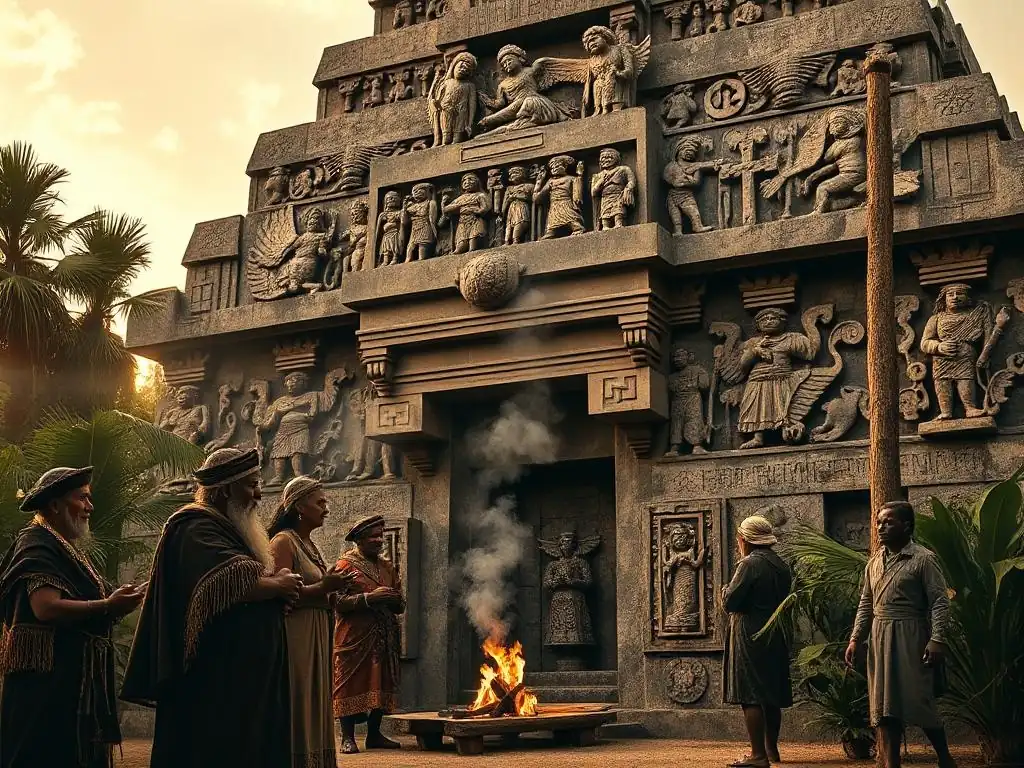
The Introduction of Christianity to the Mayan Region
The arrival of Spanish conquistadors in the early 16th century marked a pivotal moment in the history of the Mayan civilization. With the conquest came the introduction of Christianity, primarily Catholicism, which sought to replace the indigenous religious practices that had flourished for centuries. The Spanish missionaries, driven by the desire to convert the native populations, embarked on extensive efforts to evangelize the Mayans. This process involved not only the dissemination of Christian teachings but also the establishment of churches and schools throughout the region.
The missionaries faced significant challenges in their mission. The deep-rooted nature of Mayan beliefs, which were intricately woven into the fabric of daily life, posed obstacles to conversion. The Mayans held a rich pantheon of gods and goddesses, each associated with different aspects of life, agriculture, and the cosmos. As a result, the introduction of a singular deity and the doctrine of Christian monotheism required a complex negotiation between the two belief systems.
Despite these challenges, missionary efforts resulted in a significant transformation of Mayan spirituality. The initial conversions often involved a superficial acceptance of Christianity while maintaining traditional practices. This duality reflected a broader pattern of cultural adaptation rather than outright rejection or acceptance.
Key Differences Between Mayan Beliefs and European Religion
Mayan beliefs and European religion, particularly Christianity, differ fundamentally in several aspects:
- Concept of Deity:
- Mayan Beliefs: The Mayans practiced polytheism, worshipping a variety of deities representing elements of nature, agriculture, and celestial bodies. Their gods were often seen as capricious and required appeasement through rituals and offerings.
- European Religion: European religion, primarily Christianity, is monotheistic, centered around the belief in one God who embodies love, forgiveness, and salvation. This contrasts sharply with the Mayan view of multiple gods with specific and often unpredictable behaviors.
- Ritual Practices:
- Mayan Beliefs: Rituals were central to Mayan spirituality, involving elaborate ceremonies, music, dance, and offerings, including bloodletting and sacrifices. These practices were rooted in their understanding of the cosmos and the cycles of life.
- European Religion: Christian rituals focus on sacraments, worship services, and prayer. The Eucharist, or Communion, symbolizes the body and blood of Christ, emphasizing a relationship with a singular divine entity rather than the transactional nature of Mayan rituals.
- Afterlife Concepts:
- Mayan Beliefs: The Mayans believed in an intricate afterlife, with multiple realms depending on how one lived and died. The journey to the underworld, Xibalba, was fraught with challenges that the deceased had to navigate.
- European Religion: Christianity promotes a binary view of the afterlife—Heaven and Hell—determined by one's faith and actions during their lifetime. Salvation is attainable through faith in Jesus Christ, contrasting with the Mayan emphasis on ancestral lineage and ritual adherence.
These differences created a fertile ground for conflict but also for eventual blending, as both cultures encountered and interacted with each other.
Syncretism: Blending of Mayan and European Religious Practices
The fusion of Mayan beliefs and European religious practices led to a remarkable phenomenon known as syncretism. This blending resulted in a unique spiritual landscape wherein elements of both traditions coexisted and influenced one another.
- Ritual Adaptation: Many Mayan rituals were adapted to include Christian elements. For instance, traditional ceremonies honoring agricultural cycles began to incorporate Christian saints, creating a hybrid practice that celebrated both the land and the new faith.
- Iconography: The visual representation of religious figures also saw significant changes. Mayan artisans began to depict Christian saints using traditional Mayan artistic styles, thereby creating a visual dialogue between the two religions. This can be seen in various altarpieces and religious artifacts that combine Mayan motifs with Christian symbols.
- Festivals and Celebrations: The introduction of Christian holidays often coincided with pre-existing Mayan festivals. For example, the celebration of the Day of the Dead (Día de los Muertos) incorporates elements of both Catholic traditions and indigenous beliefs about honoring ancestors, showcasing a blend of practices that honors both heritages.
The impact of European religion on traditional Mayan beliefs was profound and multifaceted. While the initial aim was to eradicate indigenous practices, the result was a complex interplay of beliefs that continues to shape the spiritual lives of many in the region today. This syncretism illustrates the resilience of the Mayan culture and its ability to adapt and incorporate new influences while maintaining its core identity.
Changes in Spiritual Practices After European Conquest
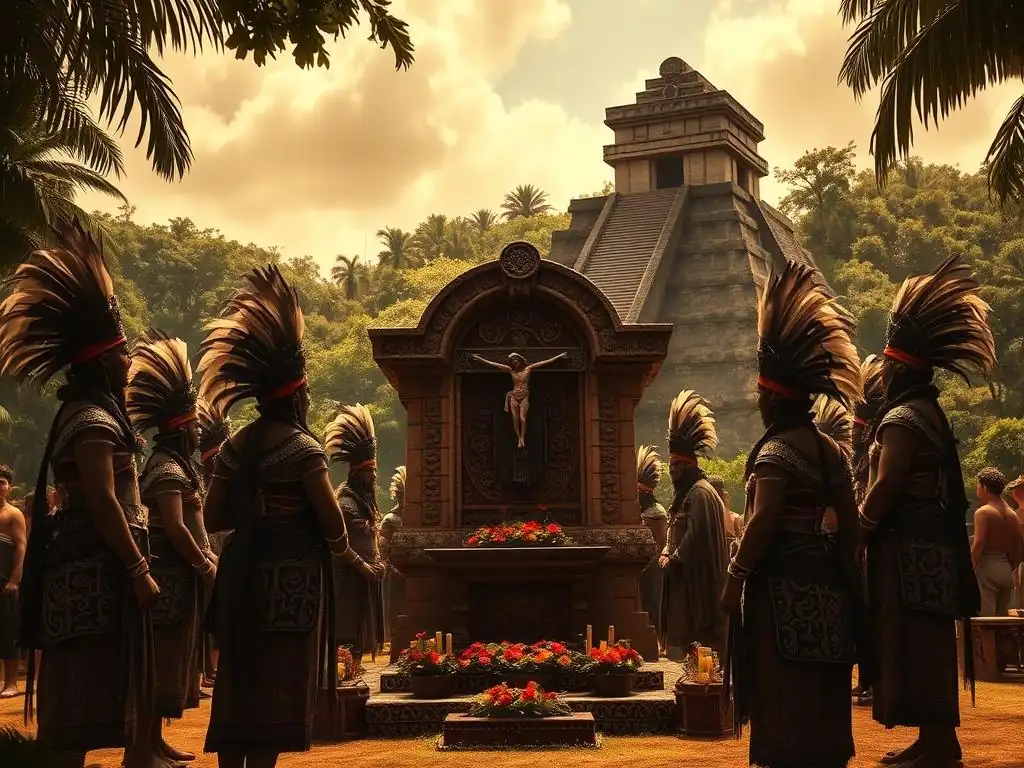
The arrival of European colonizers in the 16th century profoundly impacted the spiritual practices of the Mayan civilization. As Christianity was introduced, traditional Mayan beliefs underwent significant changes, resulting in a complex interplay between indigenous and European religious practices. This transformation was not merely an erasure of the old ways; instead, it marked a convoluted process of adaptation, resistance, and syncretism that shaped the religious landscape of the region.
Alterations in Mayan Rituals and Ceremonies
The conquest led to the systematic dismantling of traditional Mayan rituals and ceremonies, which were integral to their social and spiritual lives. Key aspects of Mayan spirituality included elaborate ceremonies centered around agricultural cycles, celestial events, and ancestor worship. With the influence of European religion, many of these practices were either banned or reinterpreted.
- Suppression of Rituals: European authorities often viewed Mayan ceremonies as pagan and sought to eradicate them. For example, rituals involving human sacrifice, which were significant in Mayan cosmology, were outlawed, leading to a decline in these practices.
- Syncretism: Despite efforts to suppress traditional practices, many Mayans began to blend their rituals with Christian elements. For instance, the celebration of Catholic saints was often intertwined with the veneration of Mayan deities. This amalgamation allowed Mayans to maintain a semblance of their cultural identity while adhering to new religious norms.
- New Rituals: The introduction of Christian rites, such as baptism and the Mass, became part of the Mayan spiritual landscape. These new ceremonies were often localized and infused with Mayan symbolism, demonstrating the resilience and adaptability of Mayan beliefs.
The Role of Missionaries in Transforming Mayan Beliefs
Missionaries played a crucial role in the transformation of Mayan beliefs during and after the conquest. The Spanish Crown sent various religious orders to evangelize the indigenous populations, leading to significant changes in spiritual practices.
- Education and Conversion: Missionaries established schools to educate the Mayans in Christian doctrine. This education often involved the systematic dismantling of traditional beliefs, as missionaries sought to convert Mayans to Christianity. For many, this conversion was a means of survival and social acceptance in a rapidly changing world.
- Cultural Documentation: Interestingly, some missionaries also documented Mayan beliefs and practices, recognizing their complexity and richness. This documentation serves as a vital resource for understanding the fusion of European and Mayan beliefs post-conquest.
- Resistance to Change: While some Mayans accepted Christianity, others resisted missionary efforts. They often adapted Christian teachings to align with their values and traditions, leading to a unique form of belief that incorporated both indigenous and European elements.
Resistance and Adaptation: How Mayans Maintained Their Identity
Despite the overwhelming pressure to conform to European religious practices, many Mayans found ways to resist and adapt, ensuring the survival of their cultural identity.
- Preservation of Language: The Mayan languages became a vessel for preserving their traditional beliefs. Many Mayans continued to communicate their spiritual ideas in their native languages, allowing for the transmission of cultural knowledge through generations.
- Community Solidarity: The communal nature of Mayan society played a significant role in maintaining identity. Shared rituals and practices, even when altered, fostered a sense of unity among the Mayans, helping them to retain aspects of their cultural heritage.
- Hidden Practices: Some Mayans engaged in clandestine practices to preserve their beliefs, conducting traditional rituals in secret to avoid persecution. This covert resistance allowed them to maintain a connection to their ancestral traditions while navigating the challenges posed by European influence.
The influence of European religion on traditional Mayan beliefs after the conquest led to a significant transformation of spiritual practices. While many rituals were altered or suppressed, the resilience of the Mayan people enabled them to adapt and integrate elements of Christianity into their belief system, showcasing the complexity of cultural exchange and resistance during this tumultuous period.
The Long-Term Effects of European Influence on Mayan Beliefs
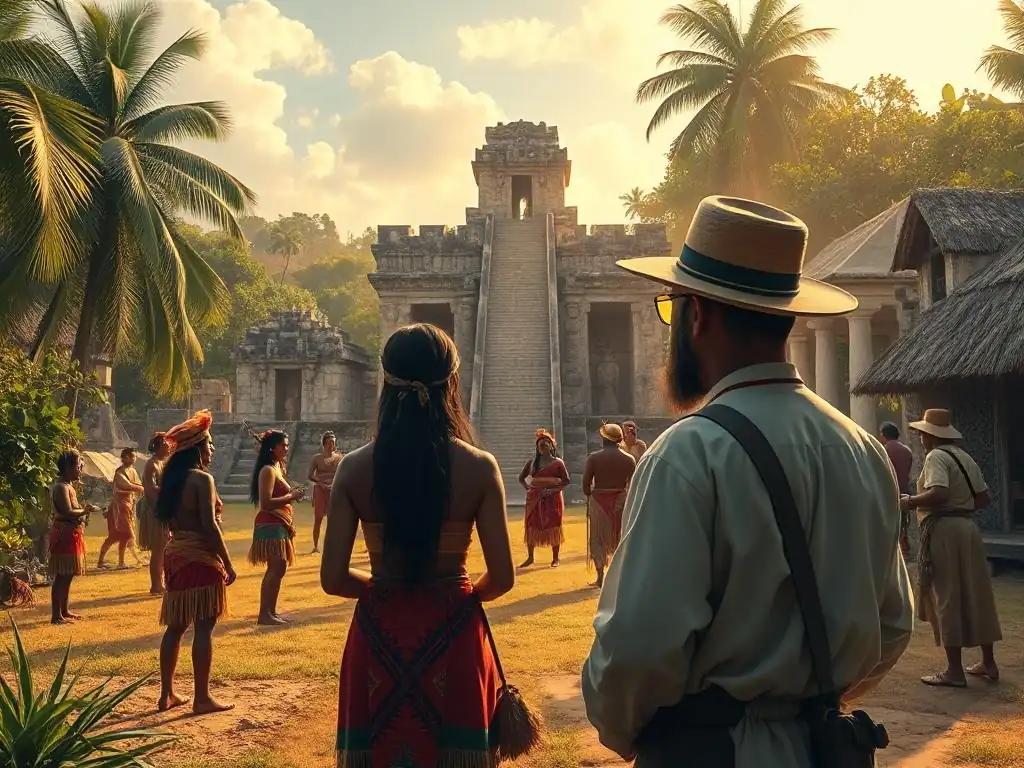
The arrival of Europeans in the Americas marked a profound shift in the spiritual landscape of indigenous societies, particularly for the Mayan civilization. The introduction of Christianity, alongside the colonization efforts, led to significant transformations in traditional Mayan beliefs. This influence manifested in various ways, with long-lasting effects that can still be observed in contemporary Mayan culture.
The initial phase of European influence brought about a systematic attempt to convert the indigenous population to Christianity. Spanish missionaries, particularly the Franciscans and Dominicans, played an instrumental role in this process, often viewing Mayan beliefs as paganism that needed to be eradicated. They employed various strategies, including the destruction of sacred texts and the discouragement of traditional rituals. However, rather than completely extinguishing these beliefs, the European influence often resulted in a complex interplay between Christianity and indigenous spirituality, leading to a unique form of syncretism.
The blending of Mayan beliefs with European religious elements created a dual religious framework in which many Mayans continued to practice traditional rituals while incorporating Christian symbols and narratives. This syncretism not only allowed for the survival of vital aspects of Mayan culture but also facilitated the adaptation of these practices to the new religious context. The resulting spiritual landscape reflects a rich tapestry of beliefs that honors both ancestral traditions and new influences.
The Persistence of Traditional Mayan Beliefs in Modern Times
Despite centuries of colonization and religious conversion, traditional Mayan beliefs have demonstrated remarkable resilience. Even today, many Mayan communities continue to uphold their ancestral practices, often intertwining them with Catholicism in a manner that honors both traditions.
Mayan spirituality, characterized by a deep connection to nature and a reverence for ancestors, remains integral to community life. Rituals associated with agriculture, healing, and significant life events still incorporate traditional elements. For instance, ceremonies to honor the maize god, vital to Mayan agriculture, are frequently celebrated alongside religious observances of Catholic saints.
In modern times, the resurgence of indigenous identity has prompted many Mayans to reclaim and revitalize their traditional beliefs. This movement often emphasizes the importance of spiritual heritage in defining cultural identity. Festivals, such as the Day of the Dead, are celebrated with both traditional Mayan practices and Catholic elements, showcasing the syncretic nature of contemporary spirituality.
- Key Aspects of Persistence:
- Rituals linked to agriculture and seasonal cycles
- Practices honoring ancestors and nature
- Integration of Catholic elements in traditional ceremonies
Case Studies: Examples of Syncretism in Contemporary Mayan Communities
The phenomenon of syncretism is vividly illustrated in various contemporary Mayan communities, where traditional beliefs coexist harmoniously with Christian practices.
- The Festival of the Holy Cross (Cruz de Mayo)
- Celebrated in many Mayan regions, this festival blends Catholic elements with indigenous rituals. Participants create altars adorned with flowers, candles, and traditional offerings, invoking both the Holy Cross and ancestral spirits.
- The Ritual of the Offering to the Earth (Pachamama)
- In this ceremony, Mayans express gratitude to both the Earth and the Christian God. Offerings such as food, flowers, and incense are made to sustain the land, demonstrating a deep respect for nature while acknowledging spiritual beliefs from both traditions.
- The Use of Christian Symbols in Traditional Rituals
- Many Mayan rituals incorporate Christian imagery, such as the Virgin Mary or the crucifix, symbolizing an acceptance of European religious influence while maintaining indigenous practices. This blending reflects the adaptability and resilience of Mayan spirituality.
The Legacy of European Influence on Indigenous Spirituality
The legacy of European influence on Mayan beliefs is multifaceted, rooted in both conflict and coexistence. While the initial contact led to attempts to eradicate traditional practices, the resilience of Mayan culture has resulted in a rich legacy of syncretism that continues to evolve.
The coexistence of Christianity and indigenous beliefs has given rise to a unique spiritual identity that reflects the historical context of colonization. This legacy is particularly evident in the ways that contemporary Mayans navigate their spiritual lives, often finding strength in the duality of their beliefs.
- Key Legacy Elements:
- Resilience of traditional practices amidst external pressures
- Development of a hybrid spiritual identity
- Ongoing adaptation of beliefs in response to modern challenges
The enduring influence of European religion on Mayan beliefs serves not only as a historical account of conquest and colonization but also as a testament to the strength and adaptability of indigenous cultures. Through the lens of syncretism, the complex relationship between Mayan spirituality and European influence continues to shape the spiritual landscape of the Americas.
Conclusion: The Complex Interplay of Mayan Beliefs and European Influence
The encounter between Mayan beliefs and European religion following the conquest of the Americas created a dynamic and complex interplay that shaped the spiritual landscape of the region. This interaction was not merely a one-sided imposition; instead, it involved a series of adaptations, negotiations, and resistances from the Indigenous populations. The fusion of European Catholicism with traditional Mayan spirituality led to a unique syncretism, where elements of both belief systems coexisted and influenced one another.
Mayan deities, rituals, and cosmology were not entirely erased but were often reinterpreted through a European lens. For instance, some Mayan gods were associated with Christian saints, and traditional ceremonies were infused with Catholic practices. This syncretism reflects the resilience of Mayan beliefs, demonstrating how Indigenous populations sought to maintain their cultural identity while navigating the complexities of colonial rule.
Reflection on the Resilience of Mayan Culture
The resilience of Mayan culture post-conquest is an inspiring testament to the strength of Indigenous identity. Despite centuries of oppression and attempts at cultural erasure, many Mayan communities have successfully preserved their traditions, languages, and beliefs. This fortitude can be seen in various aspects of contemporary Mayan life, where traditional practices are often blended with elements of European influence, creating a rich tapestry of cultural expression.
Furthermore, the Mayan calendar, traditional healing practices, and agricultural rituals continue to hold significant importance in the lives of many Mayans today. This persistence highlights how Indigenous cultures can adapt to changing circumstances while retaining core aspects of their identity. The ability to integrate new beliefs, such as Christianity, into existing frameworks illustrates a dynamic cultural evolution rather than a complete subjugation of one belief system by another.
The Importance of Understanding Historical Religious Interactions
Understanding the historical interactions between Mayan beliefs and European influence is crucial for several reasons. First, it provides valuable insights into the mechanisms of cultural adaptation and resilience in the face of colonialism. Recognizing how Mayans navigated these changes allows for a deeper appreciation of their agency and creativity in preserving their cultural heritage.
Second, this understanding fosters a more nuanced view of the effects of colonization. It challenges the narrative of total domination by illustrating that Indigenous cultures are not monolithic but rather dynamic and capable of transformation. By studying these interactions, scholars and enthusiasts can better comprehend the complexity of cultural exchange and the lasting impacts of colonialism on Indigenous societies.
Finally, acknowledging the interplay between Mayan beliefs and European religion enriches our understanding of contemporary Mayan identities. It highlights the ongoing significance of historical processes in shaping current cultural expressions and community structures. Through this lens, we can appreciate the diverse ways in which Indigenous peoples continue to assert their identities and navigate the legacies of their past.
Frequently Asked Questions
What were the traditional Mayan beliefs before European contact?
The traditional Mayan beliefs revolved around a rich pantheon of gods, cosmology, and a strong connection to nature, emphasizing the importance of rituals and ceremonies to maintain harmony.
How did European influence alter Mayan religious practices?
After the conquest, European influence introduced Christianity, leading to a syncretism where many Mayan beliefs were blended with Christian elements, altering traditional practices and rituals.
What role did missionaries play in the change of Mayan beliefs?
Missionaries aimed to convert the Mayan population to Christianity, often disparaging their beliefs and practices, which resulted in significant changes to their spiritual outlook and community structures.
Are there any surviving elements of Mayan beliefs today?
Yes, many Mayan communities still preserve aspects of their traditional beliefs alongside Christianity, showcasing a unique blend that reflects their cultural resilience and adaptation over time.
Why is understanding the influence of European religion on Mayan beliefs important?
Understanding this influence is crucial to grasping the complex dynamics of cultural exchange, the impact of colonization, and the evolution of identities in Mesoamerican societies.
Final Reflection: The Enduring Legacy of European Influence on Mayan Beliefs
The intersection of European religion and traditional Mayan beliefs has created a rich tapestry of cultural evolution that remains relevant today. As we explore the historical dynamics of these influences, it becomes clear that the legacy of this interaction is not merely a relic of the past but a living narrative that continues to shape identities and spiritual practices in contemporary society.
The ongoing dialogue between Mayan beliefs and European influence is a testament to the resilience of cultural heritage. This interplay has fostered a unique syncretism that enriches both traditions, allowing them to coexist and evolve. As noted by cultural anthropologist Victor Turner, “Culture is not a stagnant pool but a flowing river.” > This observation underscores the importance of recognizing how historical events have contributed to the fluidity of belief systems, allowing them to adapt and thrive in new contexts.
As we reflect on the profound implications of this cultural exchange, I invite you to consider how these lessons can resonate in your own life. How can you honor the traditions of your own heritage while remaining open to the influences that shape your worldview? Embracing this duality can lead to a deeper understanding of our shared humanity and the diverse beliefs that enrich our global community. Let us carry forward the lessons of the past, fostering respect and appreciation for the intricate tapestry of beliefs that define us.
Embrace the Fusion: Explore Mayan Spiritual Heritage Today!
Thank you for taking the time to delve into the fascinating interplay between European religion and traditional Mayan beliefs. Your interest not only enriches your understanding but also honors the resilience of indigenous cultures. Now, it's time to take action and deepen your connection to this rich heritage.
- Dive deeper into the stories: Research local Mayan cultural events or festivals to experience these blended traditions firsthand.
- Share your insights: Discuss this article with friends or on social media to raise awareness about the significance of cultural interchanges.
- Reflect on your own beliefs: Engage in a personal journey by journaling about how historical influences shape your perspective today.
What aspect of Mayan spirituality resonates most with you, and how do you see it influencing the modern beliefs around you?