
Colors of the Earth: The Natural Dyes Used by Indigenous Peoples in Clothing

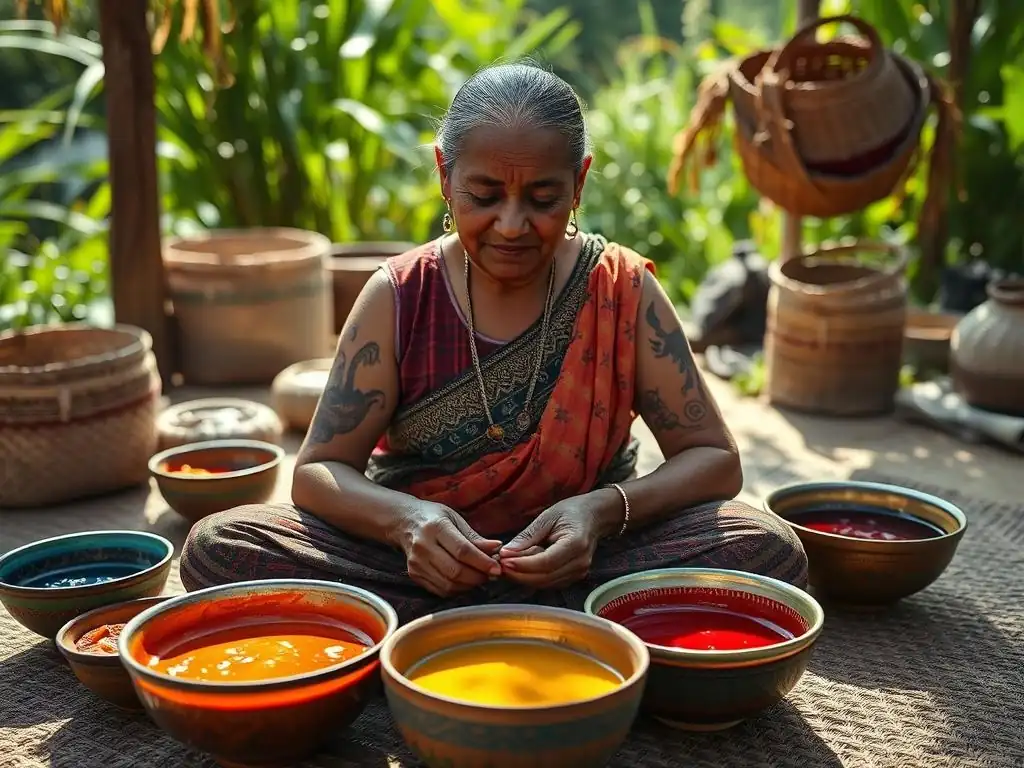
Welcome to Indigenous Civilizations of the Americas, where we invite you to embark on a fascinating journey through the rich tapestry of indigenous cultures that flourished long before European contact. In our featured article, “Colors of the Earth: The Natural Dyes Used by Indigenous Peoples in Clothing,” discover how these vibrant hues tell stories of identity, tradition, and connection to the land. What secrets do these natural dyes hold about the daily lives of these remarkable societies?
Join us as we unravel the threads of history and explore the artistry that continues to inspire today. Dive deeper and let the colors of the past illuminate your understanding of the present!
- Introduction to Natural Dyes in Indigenous Cultures
- Historical Context of Natural Dyes in Indigenous Cultures
- Common Natural Dyes Used by Indigenous Peoples
- Cultural Significance of Colors in Indigenous Clothing
- Modern Applications and Revivals of Natural Dyes
- Challenges Facing Indigenous Practices of Natural Dyeing
- Conclusion: The Legacy of Natural Dyes in Indigenous Cultures
-
Frequently Asked Questions
- What are natural dyes and why are they important to indigenous cultures?
- How did indigenous peoples obtain the materials for their natural dyes?
- What types of colors were commonly produced by indigenous natural dyes?
- How did the use of natural dyes influence indigenous clothing styles?
- What is the impact of modern practices on traditional dyeing methods?
- Final Reflection: The Enduring Legacy of Natural Dyes in Indigenous Cultures
- Unveil the Beauty of Natural Dyes Today!
Introduction to Natural Dyes in Indigenous Cultures
The use of natural dyes in clothing is a rich and vibrant aspect of the cultural heritage of indigenous peoples across the Americas. Long before the advent of synthetic dyes, indigenous communities developed sophisticated techniques for creating color from various plants, minerals, and insects found in their environments.
These natural dyes not only served a practical purpose in textile production but also held significant cultural meanings, often representing identity, social status, and connection to the land. This article delves into the fascinating world of natural dyes used by indigenous cultures, exploring their importance in clothing and the various materials that have been utilized to achieve a stunning array of colors.
Importance of Color in Indigenous Clothing
Color plays a pivotal role in the clothing of indigenous peoples, serving as a medium for storytelling, spirituality, and cultural identity. The colors chosen for garments are often deeply symbolic, reflecting the wearer's affiliation with specific tribes, their geographic location, and even their personal experiences.
- Symbolism: Different colors can convey distinct meanings. For instance:
- Red may signify strength and vitality.
- Blue often represents tranquility and connection to the sky.
- Yellow can symbolize the warmth of the sun and fertility.
- Cultural Practices: In many indigenous cultures, the process of dyeing fabric is intertwined with rituals and traditions. The choice of colors and the methods used can vary significantly from one community to another, showcasing the diversity of practices among indigenous peoples.
- Social Status: The complexity of the dyeing process and the richness of the colors can also indicate social hierarchy. More intricate patterns and vibrant hues are often reserved for ceremonies or significant events, reflecting the skill and artistry of the dyers.
Overview of Natural Dyes Used by Indigenous Peoples
Indigenous peoples have harnessed a wealth of natural resources to create dyes, resulting in a stunning palette that varies by region and availability. Here are some of the most notable sources of natural dyes used in indigenous textiles:
- Plants: Many indigenous cultures utilize local flora to produce dyes. Common plants include:
- Indigo (from the Indigofera plant) for vibrant blues.
- Madder Root (Rubia tinctorum) for deep reds.
- Goldenrod (Solidago) for yellows and golds.
- Minerals: Certain minerals were also used to create dyes. For example:
- Ochre, a natural clay pigment, was used for earthy reds and yellows.
- Charcoal could be employed to produce black hues.
- Insects: Some cultures have exploited the vibrant colors of insects, such as:
- Cochineal, derived from scale insects, which yields rich reds and pinks.
The use of these natural dyes not only reflects the ingenuity of indigenous peoples but also their deep connection to the environment around them. Through this exploration, we can appreciate the artistry and cultural significance of textiles dyed with natural materials, celebrating the legacy of indigenous cultures in the Americas.
Historical Context of Natural Dyes in Indigenous Cultures
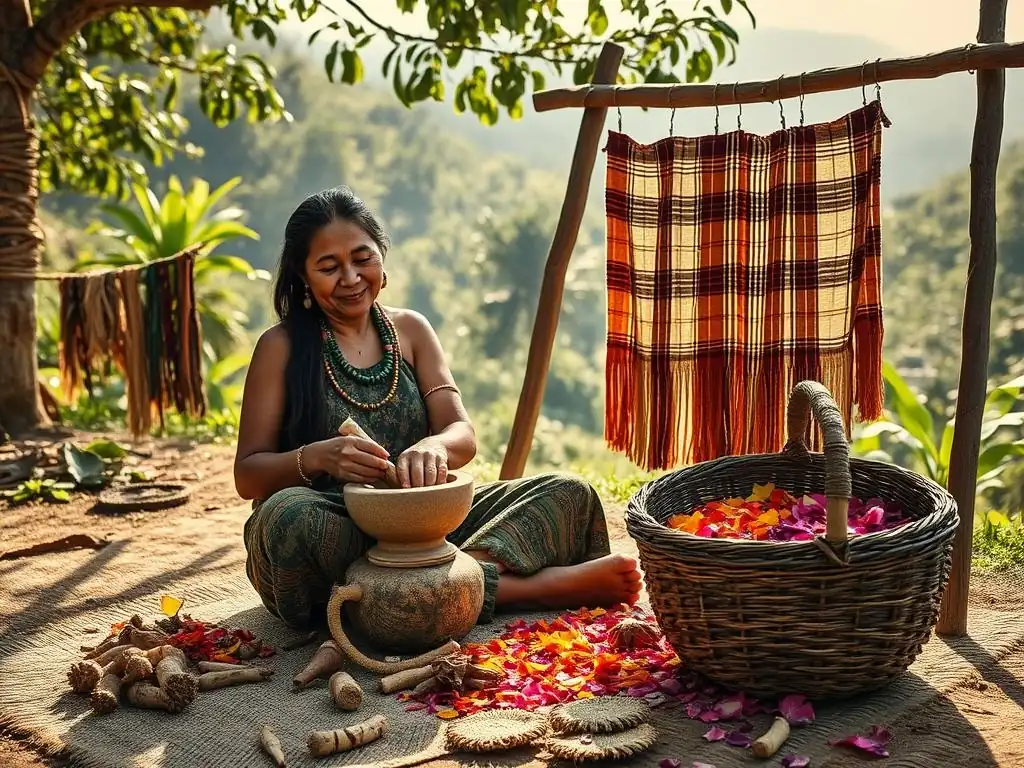
Natural dyes have played a crucial role in the textile traditions of indigenous cultures across the Americas, serving not only aesthetic purposes but also symbolizing cultural identity and social status. Before the arrival of European colonizers, many indigenous communities had established sophisticated methods for sourcing and applying natural dyes derived from local plants, minerals, and insects. These practices were deeply intertwined with their daily lives, spiritual beliefs, and social structures.
The use of natural dyes can be traced back thousands of years, with evidence of dyed textiles found in archaeological sites dating to pre-Columbian times. Indigenous peoples developed a rich palette of colors, each possessing distinct meanings and uses. For instance, red dyes were often made from cochineal insects or madder root, symbolizing life and vitality. Blue hues were typically extracted from indigo plants, representing the sky and water. Such colors were not merely decorative; they conveyed messages, told stories, and maintained connections to ancestral traditions.
With the colonization of the Americas, many indigenous dyeing practices faced disruption due to the introduction of synthetic dyes and changes in trade patterns. However, the resilience of these cultures allowed them to adapt while still preserving their traditional techniques. Today, there is a renewed interest in natural dyes, both for their environmental benefits and their cultural significance, leading to a revival of ancient practices among indigenous artisans and communities.
Traditional Techniques for Extracting Natural Dyes
The methods for extracting natural dyes vary widely across different indigenous cultures, reflecting the diverse ecosystems and available resources. Below are some notable traditional techniques:
- Mordanting: This is a crucial step in the dyeing process where substances (mordants) are used to fix the dye to the fabric. Common mordants included alum, tannin, and iron, often sourced from local plants or minerals.
- Plant Extraction:
- Boiling: Many indigenous cultures would simmer plant materials (roots, leaves, and bark) in water to release the dye. For example, the roots of the Rubia tinctorum (madder) were boiled to produce a rich red.
- Cold Soaking: Some dyes required a slower extraction process, where materials were soaked in cold water for extended periods to develop deeper hues.
- Insect Collection: Certain dyes were derived from insects, such as cochineal. Indigenous peoples would harvest these creatures, typically found on cacti, and process them by drying and grinding to create a pigment that produces vibrant reds.
- Fermentation: Some cultures utilized fermentation processes to extract colors from plants, allowing for unique shades to develop over time, which were then applied to textiles.
- Layering Techniques: Advanced dyeing techniques involved layering multiple dye applications to achieve complex colors and patterns. This practice showcased the skill of the dyer and often held cultural significance.
These techniques illustrate the deep knowledge and expertise indigenous peoples possessed regarding their natural environment and the materials it offered. Such methods not only created beautiful textiles but also fostered a profound connection between culture, nature, and artistry.
Regional Variations in Dyeing Practices Across Indigenous Cultures
The Americas' vast geographical diversity has resulted in a wide range of dyeing practices among indigenous cultures. Here are some notable regional variations:
- North America:
- Navajo Weaving: The Navajo people are known for their intricate rug weaving, often utilizing natural dyes derived from plants like chamisa (for yellows) and indigo (for blues). Their designs often reflect cultural stories and beliefs.
- Central America:
- Maya Textiles: In the highlands of Guatemala, traditional Maya textiles are vibrant and colorful, employing dyes from plants such as the Anato seed for orange and cochineal for red. The dyeing process is often a communal activity, fostering community bonds.
- South America:
- Andean Cultures: Indigenous groups such as the Quechua and Aymara use natural dyes extensively in their textiles, often sourced from local flora and fauna. The use of llama and alpaca fibers dyed with native plants has been a hallmark of their traditional clothing.
- Amazonian Tribes:
- Body Painting and Textiles: Some tribes in the Amazon, like the Yanomami, utilize natural dyes not only for textiles but also for body painting. They extract colors from fruits, seeds, and plants, employing them in ritualistic and everyday contexts.
These regional practices highlight the rich diversity of knowledge and creativity among indigenous cultures, showcasing how natural dyes are not just materials but integral components of cultural expression and identity. The ongoing revival of these techniques serves as a testament to the resilience and richness of indigenous heritage in the face of modernization.
Common Natural Dyes Used by Indigenous Peoples
Plants as Sources of Natural Dyes
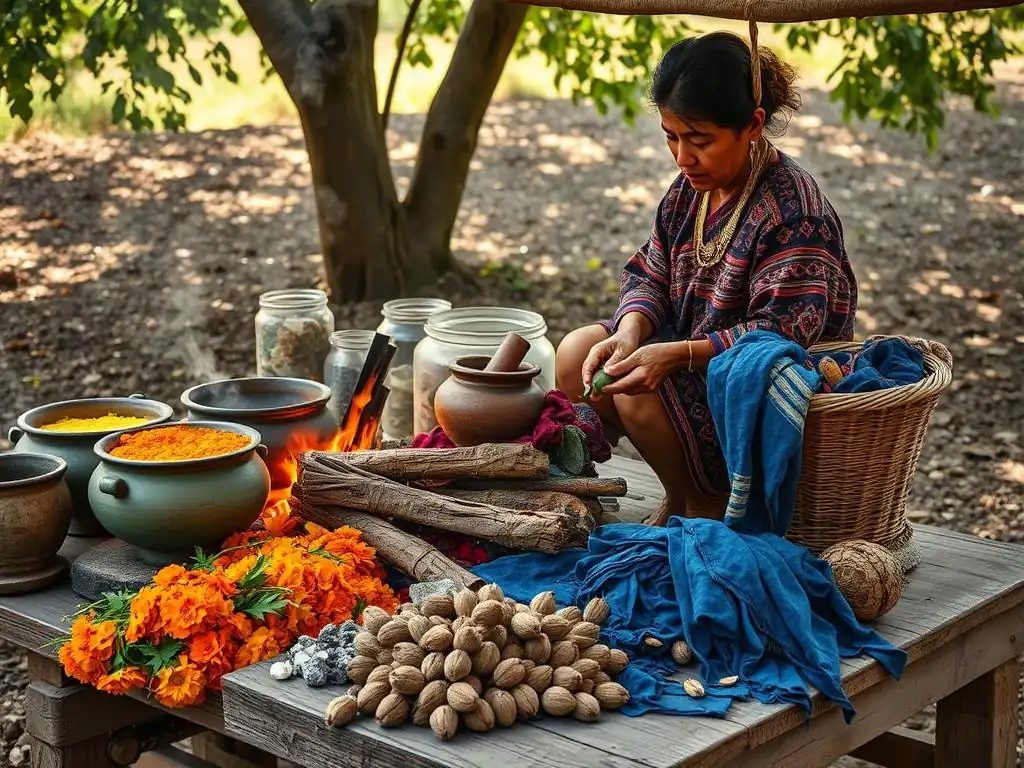
Natural dyes have been an integral part of indigenous cultures across the Americas, playing a crucial role in expressing identity, spirituality, and connection to the land. Indigenous peoples utilized a variety of plant sources to produce vibrant and lasting colors for their textiles. These sources were often chosen for their availability in local environments and their cultural significance. Here are some of the most common plants used:
- Indigo: Known for its deep blue hues.
- Cochineal: A source of brilliant red derived from insects.
- Marigold: Provides shades of yellow and orange.
- Walnut Hulls: Used for rich brown tones.
- Pokeweed: Offers a range of purples and pinks.
These natural dyes not only enhanced the aesthetic appeal of clothing and textiles but also carried meanings and stories within indigenous communities.
Indigo: The Blue Dye of Indigenous Cultures
Indigo, derived from the Indigofera plant, has been one of the most revered natural dyes among indigenous cultures in the Americas. Its deep blue color was not only aesthetically pleasing but also held spiritual significance. Many tribes, such as the Maya and the Zapotec, cultivated indigo extensively, often employing traditional fermentation techniques to extract the dye.
The process of dyeing with indigo involves several steps:
- Harvesting: Leaves are collected from the indigo plant.
- Fermentation: The leaves are soaked in water, allowing the dye to develop through fermentation.
- Dyeing: Fabrics are submerged in the dye bath, where they can absorb the vivid blue tones.
- Oxidation: After dyeing, fabrics are exposed to air, allowing the color to deepen as it oxidizes.
Indigo not only beautified textiles but was also a symbol of wealth and status among certain tribes, often used in ceremonial garments.
Cochineal: The Vibrant Red Dye
Cochineal is a striking red dye obtained from the cochineal insect, commonly found on cacti in Mexico and Central America. The extraction of cochineal dye is labor-intensive, involving the harvesting of female insects, which are dried and processed to produce a highly pigmented powder.
The significance of cochineal in indigenous cultures cannot be overstated:
- Cultural Importance: Used in traditional textiles and ceremonial attire, cochineal dye represents community identity and cultural heritage.
- Trade Value: The dye became a valuable trade commodity, sought after in Europe and other parts of the world for its vibrant color and durability.
The use of cochineal showcases the sophistication of indigenous dyeing techniques and their understanding of the natural world.
Yellow and Orange Dyes from Marigold and Other Plants
Marigold flowers, particularly the Tagetes species, are widely known for producing brilliant yellow and orange dyes. Indigenous peoples across the Americas utilized marigolds in various dyeing processes, often combining them with other plant materials to achieve different shades.
The dyeing process typically involves:
- Collection: Fresh marigold flowers are gathered.
- Preparation: The flowers are boiled in water to extract the dye.
- Dyeing: Fabrics are added to the dye bath, resulting in vibrant yellow and orange hues.
These colors were often used in ceremonial garments and everyday clothing, symbolizing joy and vitality within indigenous cultures.
Minerals and Earth Pigments in Indigenous Dyeing
In addition to plant-based dyes, minerals and earth pigments have been utilized by indigenous peoples for coloring textiles. These natural sources provided a diverse palette for artisans to express creativity and cultural narratives.
The Use of Clay and Ochre for Natural Coloring
Clay and ochre pigments have been fundamental in the dyeing practices of various indigenous cultures. These materials come from the earth and are often rich in iron oxide, yielding earthy tones ranging from reds and oranges to yellows and browns.
Key aspects of using clay and ochre include:
- Sustainability: Sourcing pigments directly from the earth aligns with traditional ecological knowledge, promoting sustainability.
- Cultural Expressions: Different tribes often have distinct methods of using these pigments, reflecting their unique cultural narratives and identities.
- Durability: Textiles dyed with clay and ochre are known for their longevity, maintaining their color over time.
The incorporation of minerals and earth pigments highlights the ingenuity of indigenous communities in utilizing available resources to create beautiful, functional art.
Cultural Significance of Colors in Indigenous Clothing
Symbolism of Colors in Different Indigenous Cultures
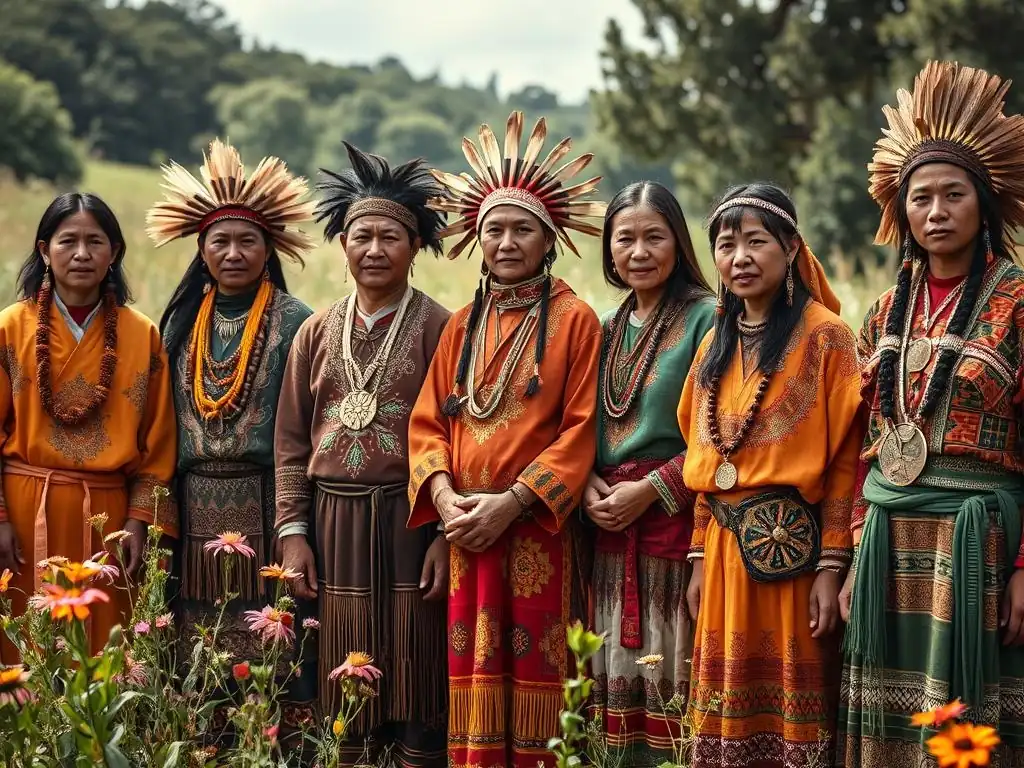
The use of colors in indigenous clothing is deeply intertwined with the cultural identity and spiritual beliefs of various communities across the Americas. Each color holds unique symbolism that reflects the values, traditions, and natural environment of the people.
- Red: Often associated with strength, life, and vitality, red can also symbolize the earth and the blood of ancestors. For many tribes, including the Navajo and the Lakota, red signifies bravery and is used prominently in ceremonial garments.
- Blue: This color is frequently linked to the sky and water, representing tranquility and harmony. In the traditions of the Hopi and Zuni peoples, blue is often used in clothing to invoke rain and fertility, crucial elements for agricultural societies.
- Yellow: Symbolizing the sun, yellow is a color of warmth and illumination. The use of yellow dyes, derived from plants like the goldenrod, is prevalent in the textiles of the Plains tribes, signifying hope and prosperity.
- Black: This color often embodies the earth and is associated with night and the unknown. In many indigenous cultures, black is a color of protection and is used in garments worn during rituals to shield against negative energies.
- Green: Representing nature and growth, green is often used in clothing to honor the land and its resources. The use of natural green dyes from plants like indigo and various leaves showcases the connection between indigenous peoples and their environment.
The colors used in indigenous clothing not only enhance aesthetic appeal but also serve as a language of their own, conveying messages of cultural heritage, spiritual beliefs, and environmental connections.
The Role of Natural Dyes in Rituals and Ceremonies
Natural dyes have played a significant role in the rituals and ceremonies of indigenous cultures, serving not only as a means of decoration but also as a vital component of spiritual practices. The process of obtaining and using these dyes often involves intricate rituals that reflect the community's relationship with nature.
- Ceremonial Garments: Clothing dyed with natural colors is often reserved for special occasions. For example, the traditional attire worn during a powwow may be decorated with vibrant hues obtained from local plants, signifying the wearer's status or role within the community.
- Rituals of Creation: In some cultures, the act of dyeing fabric is itself a ritual. The colors are believed to carry the essence of the plants and minerals from which they are derived, and the dyeing process can be accompanied by prayers and offerings to honor the spirits of the land.
- Healing Practices: Certain colors and their corresponding dyes are associated with healing. For instance, garments dyed with specific natural colors may be worn by individuals seeking spiritual or physical healing, as the colors are thought to possess protective qualities.
- Seasonal Celebrations: Natural dyes are often used to reflect seasonal changes, with colors symbolizing the different phases of life and the cycles of nature. For example, bright colors may dominate summer celebrations, while muted earth tones might be more prevalent in winter rites.
- Storytelling and Identity: The patterns and colors in clothing can also narrate the stories of the community. Each dye can represent a particular clan, family, or event, thus preserving history and identity through the fabric worn by individuals.
Natural dyes are not merely decorative; they embody the spiritual and ceremonial life of indigenous cultures. Through their vibrant colors, these dyes connect people to their history, their land, and their community's values, ensuring that traditions continue to thrive.
Modern Applications and Revivals of Natural Dyes
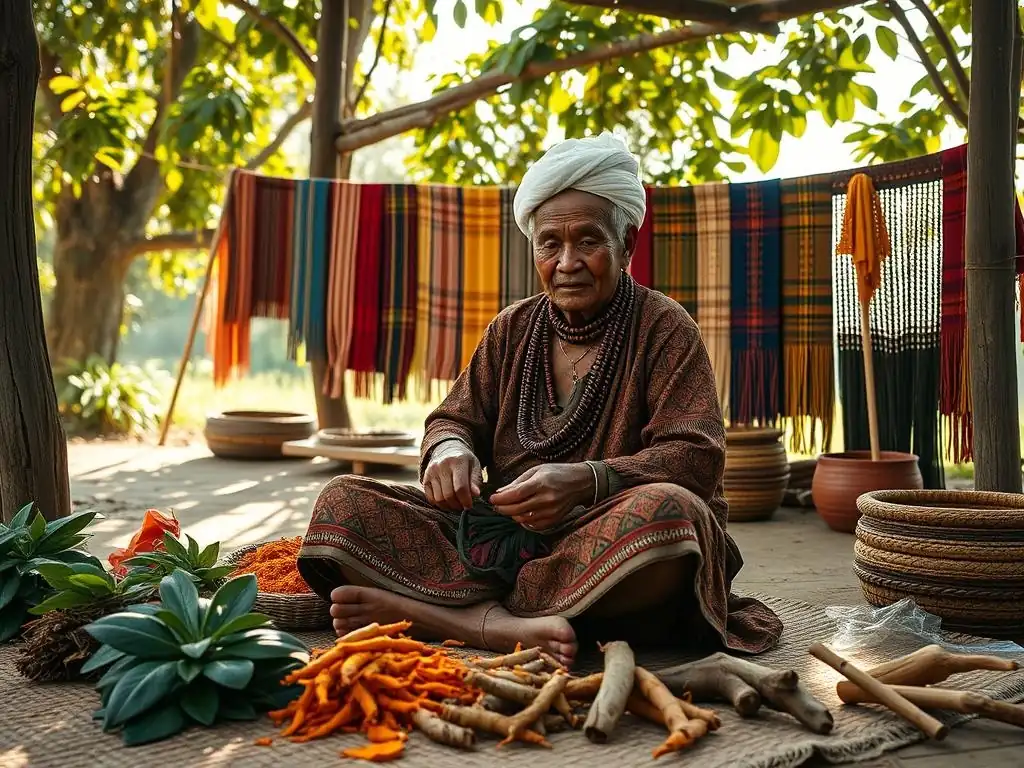
Contemporary Indigenous Artisans and Natural Dye Practices
In recent years, there has been a remarkable resurgence of interest in natural dyes among Indigenous communities across the Americas. Contemporary Indigenous artisans are not only preserving traditional dyeing techniques but are also innovating and adapting these methods for modern applications. This revival is rooted in a deep cultural significance, as the use of natural dyes connects artisans to their heritage and the land.
Techniques and Materials
Indigenous artisans utilize a variety of plant-based materials for dye extraction, including:
- Roots: Such as madder and turmeric, which provide vibrant reds and yellows.
- Barks: Like oak and walnut, used for deep browns and rich blacks.
- Leaves and Flowers: Such as indigo and marigold, yielding blues and yellows, respectively.
These practices often involve intricate processes where the dye is extracted through boiling or soaking, followed by careful application to textiles. Artisans may also incorporate traditional patterns and designs into their work, enriching the cultural narrative behind each piece.
Community Workshops and Education
Many Indigenous communities are offering workshops and educational programs to share their knowledge of natural dyeing with younger generations and the wider public. These programs emphasize the importance of sustainable practices, ecological awareness, and the cultural stories tied to each dye source. By engaging the community, artisans ensure that these techniques are not lost to time and continue to flourish.
The Sustainability of Natural Dyes vs. Synthetic Alternatives
The conversation around sustainability in textiles is increasingly relevant in today’s world, especially concerning the impact of synthetic dyes. Natural dyes, derived from plants, minerals, and insects, present a more environmentally friendly alternative that many Indigenous cultures have utilized for centuries.
Environmental Impact
Natural dyes are typically less harmful to the environment compared to synthetic dyes, which often contain toxic chemicals that can leach into waterways. The production of synthetic dyes also requires substantial water and energy resources, contributing to pollution and ecological degradation. In contrast, natural dyeing often employs local materials and traditional methods that are sustainable and aligned with environmental stewardship.
| Aspect | Natural Dyes | Synthetic Dyes |
|---|---|---|
| Raw Materials | Plants, minerals, insects | Petrochemicals |
| Environmental Impact | Lower toxicity, biodegradable | High toxicity, non-biodegradable |
| Water Usage | Typically lower | Higher due to processing |
| Cultural Relevance | Deeply rooted in traditions | Often disconnected from culture |
Economic Viability
The economic implications of choosing natural dyes are significant as well. While the initial costs of natural dyeing can be higher due to the sourcing of materials and labor-intensive processes, the long-term benefits include supporting local economies and promoting sustainable practices. Artisans can command higher prices for their natural dye products, reflecting the labor and cultural significance involved.
Moreover, the growing demand for sustainable fashion is creating opportunities for Indigenous artisans to market their natural dyed textiles to a broader audience. As consumers become more conscious of their purchasing decisions, the interest in authentic, eco-friendly products continues to rise, making natural dyes a viable option for both artisans and consumers.
The modern applications of natural dyes among Indigenous cultures not only preserve traditional practices but also promote sustainability and cultural identity. By choosing natural over synthetic, we can support environmental health, cultural heritage, and economic sustainability within Indigenous communities.
Challenges Facing Indigenous Practices of Natural Dyeing
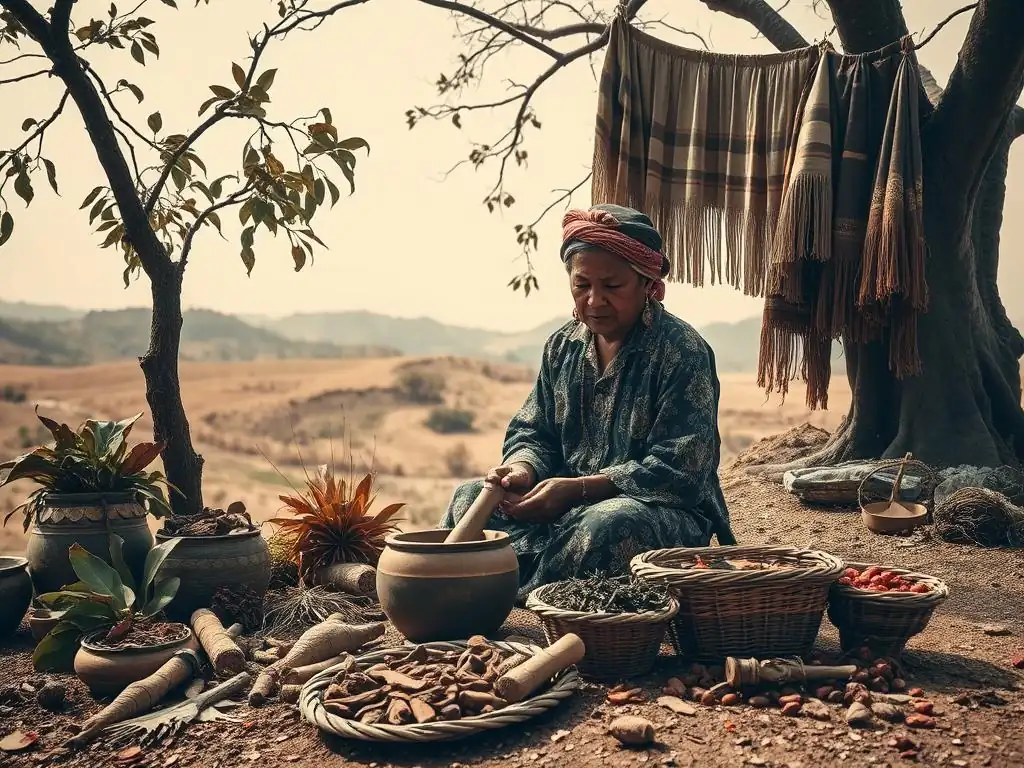
Environmental Impact and Access to Natural Resources
The practice of natural dyeing among indigenous cultures has faced significant challenges, particularly regarding environmental impact and access to natural resources. Many indigenous communities have traditionally relied on local plants, minerals, and insects to produce a range of vibrant colors for textiles. However, modern environmental changes, including deforestation, pollution, and climate change, have severely affected the availability of these natural resources.
- Deforestation: The clearing of forests for agriculture and urban development has led to the loss of crucial plants used in dyeing processes. For example, the tree Aniba rosaeodora, known for its pink dye, has seen a drastic decline in its population due to logging practices.
- Pollution: Industrial waste and agricultural runoff contaminate rivers and lands, making it difficult for indigenous peoples to harvest clean dye materials. This pollution not only affects the plants but also threatens the health of communities that depend on these ecosystems.
The access to these natural resources is further complicated by land rights issues, where indigenous communities often find themselves in legal battles to protect their ancestral lands from exploitation. This struggle limits their ability to gather the plants and resources necessary for traditional dyeing practices.
Preservation of Traditional Knowledge and Techniques
The preservation of traditional knowledge and techniques in natural dyeing is crucial for maintaining cultural identity among indigenous peoples. However, this knowledge is at risk due to several factors:
- Cultural Erosion: Globalization and the influx of synthetic dyes have led to a decline in the use of traditional methods. Younger generations may be less inclined to learn these techniques as they are exposed to modern textile practices.
- Economic Pressures: Indigenous artisans often face economic challenges that make it difficult to sustain traditional dyeing practices. The demand for cheaper synthetic alternatives can overshadow the value of handmade, naturally dyed textiles, leading to a decrease in the economic viability of indigenous craftsmanship.
- Knowledge Transmission: The passing down of knowledge and skills from elders to youth is vital for the survival of natural dyeing practices. However, with increasing urbanization and migration, opportunities for this intergenerational transfer are diminishing.
Efforts are being made to combat these challenges through initiatives that aim to revitalize traditional dyeing practices. Workshops, community programs, and collaborations with artists and environmental organizations are emerging to educate younger generations about the importance of natural dyes and their role in cultural heritage.
While indigenous practices of natural dyeing face significant challenges related to environmental impact and the preservation of traditional knowledge, ongoing efforts highlight the resilience and creativity of these cultures. By acknowledging and supporting these practices, we can contribute to the sustainability of indigenous traditions and their invaluable contributions to the textile arts.
Conclusion: The Legacy of Natural Dyes in Indigenous Cultures
The use of natural dyes in clothing is a profound testament to the ingenuity and resourcefulness of indigenous cultures throughout the Americas. These vibrant colors, derived from the earth's flora and fauna, not only served aesthetic purposes but also held significant cultural and spiritual meanings. The legacy of natural dyes reflects the deep connection indigenous peoples had with their environment and their understanding of sustainable practices long before contemporary sustainability became a widespread concern.
Natural dyes were often created through intricate processes that involved gathering specific plants, roots, and minerals, which were then meticulously processed to extract their colors. For example, the deep red hues of cochineal, sourced from the cochineal insect, served as a symbol of wealth and power among certain cultures, while indigo dyeing became a staple in many communities due to its vibrant blue shades. The knowledge of these techniques was passed down through generations, ensuring that the cultural significance and practical applications of natural dyes were preserved.
Despite the effects of colonization and globalization, the techniques and traditions surrounding natural dyes continue to endure. Many indigenous artisans remain committed to reviving and maintaining these practices, celebrating their heritage while adapting to modern contexts. This enduring legacy is not just about the colors themselves but is also a reflection of the values of sustainability, community, and identity that these cultures embody.
The Continued Relevance of Natural Dyes in Contemporary Clothing
In recent years, there has been a resurgence of interest in natural dyes within the fashion industry, as consumers increasingly seek sustainable and environmentally friendly alternatives to synthetic dyes. This trend has opened up new avenues for indigenous artisans, allowing them to share their traditional knowledge and craftsmanship with a broader audience.
Contemporary designers are collaborating with indigenous communities to incorporate natural dyes into their collections, thus creating a dialogue between ancient practices and modern fashion trends. These collaborations not only provide economic opportunities for artisans but also raise awareness about the cultural significance of the materials being used. The unique properties of natural dyes, such as their biodegradable nature and the rich, complex colors they produce, appeal to environmentally conscious consumers.
Furthermore, the education surrounding natural dyes is becoming an integral part of many art and textile programs. Workshops and courses are being offered to teach the techniques of dye extraction and application, ensuring that this knowledge is not lost but instead evolves in contemporary contexts. This revival of interest emphasizes the importance of preserving indigenous knowledge systems while also encouraging innovation within the textile industry.
Call to Action: Supporting Indigenous Artisans and Their Craft
As the conversation around natural dyes and indigenous cultures grows, it is vital to support the artisans who keep these traditions alive. Here are some ways you can contribute:
- Purchase Handmade Goods: Seek out clothing and textiles dyed with natural colors from indigenous artisans. This not only supports their livelihoods but also promotes the continuation of their craft.
- Participate in Workshops: Engage in local workshops that teach natural dyeing techniques. This hands-on experience fosters a deeper appreciation for the artistry involved and helps spread knowledge of these practices.
- Advocate for Fair Trade: Encourage fair trade practices that ensure artisans receive equitable compensation for their work. This supports their economic independence and the preservation of their cultural heritage.
- Spread Awareness: Share information about the significance of natural dyes and the artisans who produce them through social media and community events. Raising awareness can help foster a greater appreciation for these cultural practices.
By taking these actions, we can honor the legacy of natural dyes in indigenous cultures and contribute to the sustainability of their crafts for future generations. The colors of the earth not only beautify our clothing but also connect us to a rich tapestry of history, tradition, and resilience.
Frequently Asked Questions
What are natural dyes and why are they important to indigenous cultures?
Natural dyes are colorants derived from plants, minerals, and insects. They are significant to indigenous cultures as they reflect their connection to nature and are used in traditional clothing and crafts.
How did indigenous peoples obtain the materials for their natural dyes?
Indigenous peoples sourced materials for natural dyes from their surrounding environment, utilizing local plants, roots, and minerals. This practice showcases their sustainable relationship with nature.
What types of colors were commonly produced by indigenous natural dyes?
Indigenous natural dyes produced a wide range of vibrant colors, including reds from cochineal insects, yellows from marigolds, and blues from indigo plants. Each color had its own cultural significance.
How did the use of natural dyes influence indigenous clothing styles?
The use of natural dyes allowed for diverse and intricate designs in indigenous clothing, reflecting cultural identity and status. Patterns and colors often conveyed stories and traditions.
What is the impact of modern practices on traditional dyeing methods?
Modern practices, including synthetic dyes, have threatened traditional dyeing methods. However, there is a resurgence of interest in preserving these techniques, highlighting their cultural heritage and sustainable practices.
Final Reflection: The Enduring Legacy of Natural Dyes in Indigenous Cultures
The vibrant hues derived from natural dyes not only tell the story of the Earth but also echo the rich traditions of indigenous cultures. Today, as we face a growing environmental crisis and a yearning for authenticity in our consumer choices, the significance of these natural dyes becomes even more pronounced. They serve as a reminder of our connection to the planet and the wisdom embedded in indigenous practices. The revival of natural dyes is not just a trend; it is a movement towards sustainability and respect for cultural heritage.
The influence of natural dyes extends far beyond aesthetics; it embodies a cultural narrative that has been passed down through generations. These colors represent the deep relationship between indigenous peoples and their environment, showcasing their knowledge of local flora and fauna. As we embrace these practices, we honor the resilience and creativity of these communities. The colors of the earth are not just pigments; they are the stories of our ancestors, woven into the fabric of our lives.
This ongoing dialogue between tradition and modernity enriches our understanding of identity and belonging in a rapidly changing world.
As you reflect on the themes presented in this article, consider how you can incorporate the lessons of natural dyes into your own life. Embrace the beauty of sustainability and the stories behind the colors you choose to wear. By supporting indigenous artisans and their practices, you contribute to the preservation of their cultures and the environment. Let the colors of the earth inspire you to make conscious choices that honor both the planet and its diverse peoples, fostering a deeper connection to the world around you.
Unveil the Beauty of Natural Dyes Today!
Thank you for exploring the vibrant world of natural dyes used by Indigenous peoples! You've gained insight into the rich history and significance of these colors, and now it's time to put that knowledge into action. Let’s bring this culture and artistry into your life and community!
Here’s how you can dive deeper and make a difference:
- Start your own natural dye project: Gather materials such as plant leaves, roots, or flowers, and experiment with creating your own dyes. Share your creations on social media and acknowledge the influence of Indigenous artisans!
- Support Indigenous artisans: Purchase clothing or accessories that feature traditional natural dyes from Indigenous makers. This not only supports their culture and practices but also adds a unique touch to your wardrobe.
- Spread the word: Discuss your newfound knowledge with friends and family, encouraging them to appreciate the artistry of natural dyes in their clothing. Sharing knowledge fosters appreciation and respect!
What colors will you choose to infuse your life with Indigenous artistry? Share your favorite natural dye inspirations below!