
The Legacy of Cahokia's Art: How These Ancient Works Continue to Inspire Today

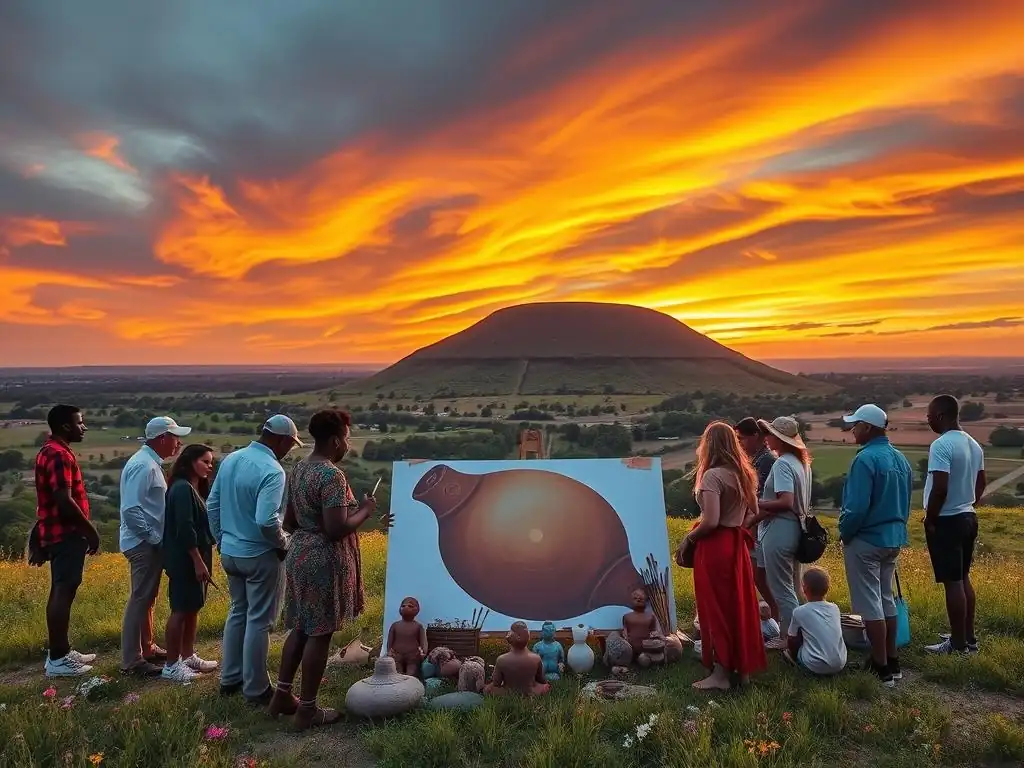
Welcome to Indigenous Civilizations of the Americas, where we embark on an enlightening journey through the rich tapestry of cultures that flourished long before European contact. Delve into the fascinating world of Cahokia, a remarkable civilization known for its intricate art and architecture.
In our featured article, "The Legacy of Cahokia's Art: How These Ancient Works Continue to Inspire Today," we uncover the profound influence of Cahokia's artistic achievements and how they resonate in contemporary creativity. Prepare to be captivated by the stories of resilience and innovation that define these indigenous cultures, and join us as we unravel the enduring legacy they have left behind.
Introduction to Cahokia's Ancient Art Legacy
Cahokia, once a bustling metropolis located near present-day St. Louis, Missouri, stands as a testament to the extraordinary achievements of indigenous civilizations in North America. With its intricate mounds and sophisticated societal structures, Cahokia represents not only a cultural hub of its time but also a vibrant legacy that continues to inspire contemporary artists and scholars alike.
The Cahokia ancient art legacy encompasses a diverse array of artistic expressions that reflect the ingenuity and spiritual depth of its creators. This article aims to explore the profound impact of Cahokia's artistic heritage on modern art and culture, highlighting its significance in understanding the broader narrative of indigenous civilizations in the Americas.
Overview of Cahokia's Cultural Significance
Cahokia emerged as one of the largest urban centers in pre-Columbian North America, flourishing between 600 and 1400 CE. Its social organization, political structure, and economic systems were highly advanced for the time, making it a focal point for trade and cultural exchange. The city was characterized by its impressive earthen mounds, such as Monks Mound, which served ceremonial, political, and residential purposes.
The cultural significance of Cahokia extends beyond its physical structures; it was a melting pot of diverse peoples, ideas, and artistic traditions. Artisans from various regions contributed to the city's artistic landscape, creating a rich tapestry of cultural expression. This legacy of creativity and innovation has left an indelible mark on the identity of indigenous people and continues to resonate in modern artistic practices.
Importance of Art in Indigenous Civilizations
Art played a crucial role in indigenous civilizations, serving not only as a means of aesthetic expression but also as a vehicle for storytelling, cultural preservation, and spiritual practices. In Cahokia, art was deeply intertwined with the community's beliefs, rituals, and daily life.
Key aspects of the importance of art in indigenous cultures include:
- Cultural Identity: Art serves as a reflection of a community's values, traditions, and history, allowing for the transmission of knowledge across generations.
- Spiritual Connection: Many artistic works were created for ceremonial purposes, communicating the community's relationship with the spiritual world.
- Social Cohesion: Art fostered a sense of unity among community members, reinforcing shared identities and collective experiences.
Historical Context of Cahokia's Art
The Rise of Cahokia: A Thriving Hub of Culture
Cahokia's rise as a cultural powerhouse can be traced back to its strategic location along major rivers, facilitating trade and interaction with neighboring tribes. As the population grew, so did the complexity of its social structures. The construction of monumental mounds, intricate pottery, and elaborate ceremonial artifacts reflects the city's burgeoning power and influence.
The peak of Cahokia's cultural development is marked by the construction of the largest earthen mound in North America—Monks Mound. This impressive structure, alongside numerous other mounds, served as a testament to the engineering skills and artistic ambition of Cahokian society.
Key Materials and Techniques Used in Cahokia Art
The artistry of Cahokia was characterized by the use of various materials and techniques that showcase the skill and creativity of its artisans. Some of the prominent materials included:
- Clay: Used extensively for pottery and figurines, clay was shaped and decorated with intricate designs.
- Stone: Tools and ceremonial objects were crafted from local stone, demonstrating advanced lithic technology.
- Shells and Feathers: These materials were often incorporated into jewelry and ceremonial regalia, indicating the importance of trade in accessing exotic resources.
Artisans employed a variety of techniques, including coiling, carving, and painting, to create functional and ceremonial items. The diversity in styles and forms highlights the artistic innovation that thrived in Cahokia.
Influences on Cahokia's Artistic Development
The artistic development of Cahokia was not isolated; it was influenced by interactions with neighboring cultures and trade networks. Cahokia served as a crossroads for diverse cultural exchanges, absorbing elements from various indigenous groups.
Key influences include:
- Mound-Building Traditions: Drawing from earlier traditions seen in other regions, Cahokia developed its own unique style of mound construction.
- Trade Networks: The exchange of goods and artistic ideas with neighboring tribes enriched Cahokian art, leading to the incorporation of new motifs and techniques.
- Religious Practices: Spiritual beliefs shaped artistic expression, as many works were created for religious ceremonies, reflecting the community's values and cosmology.
Cahokia's art legacy remains a vital part of understanding the creativity and resilience of indigenous cultures in the Americas. Through the exploration of these ancient works, we can appreciate the lasting impact they have on contemporary society and the continuing dialogue between past and present artistic expressions.
Major Forms of Cahokia Art
Cahokia, as one of the most advanced pre-Columbian cultures in North America, produced a rich array of artistic expressions that reflect their complex society and beliefs. The major forms of Cahokia art can be categorized into sculpture and carvings, pottery and ceramics, and the monumental mound building that characterizes the landscape of this ancient civilization. Each form played a vital role in not only aesthetic representation but also in the cultural, spiritual, and social fabric of the Cahokian people.
Sculpture and Carvings: Symbolism and Purpose
Sculpture and carvings were integral to Cahokia's artistic legacy. Often crafted from materials such as stone, bone, and wood, these artworks were not merely decorative but served significant symbolic purposes. Many sculptures depicted figures of importance, including leaders and spiritual entities, which were believed to embody the values and beliefs of the community.
The carvings often featured intricate designs that conveyed complex meanings. For instance, effigy figures, which represented animals or human forms, were commonly used in ceremonial contexts. These sculptures were believed to connect the physical world with the spiritual realm, serving as a bridge between the two. The attention to detail in these works demonstrates the high level of craftsmanship and the cultural emphasis on symbolism in Cahokia's artistic expression.
Pottery and Ceramics: Craftsmanship and Function
Pottery and ceramics were essential for both practical and artistic purposes in Cahokia. The Cahokians produced a variety of ceramic forms, including utilitarian vessels for cooking and storage, as well as more elaborate ceremonial pieces. The craftsmanship displayed in these works reflects a deep understanding of materials and techniques, with many pieces featuring unique shapes and intricate decorations.
The decorative motifs on Cahokian pottery often included geometric patterns and depictions of natural elements, which not only enhanced their aesthetic appeal but also carried cultural significance. Certain designs were believed to hold spiritual power or to tell stories of the community's history and beliefs. The dual purpose of pottery—serving both functional and artistic roles—illustrates the integration of art into everyday life in Cahokia.
Mound Building: Art and Architecture Combined
Mound building in Cahokia is perhaps the most striking testament to the civilization's artistic and architectural ingenuity. The construction of these mounds, which served as platforms for temples, burial sites, and ceremonial centers, showcases a blend of art and architecture that is unrivaled in ancient North America. The largest of these mounds, Cahokia Mound (Monks Mound), stands as a monumental achievement in engineering and artistry.
These earthworks were not only impressive in scale but also in their design and placement, often aligned with astronomical events and natural features. The mounds served as focal points for community gatherings and rituals, reinforcing social cohesion and cultural identity. The artistry involved in creating these mounds reflects a sophisticated understanding of landscape and spatial organization, underscoring the importance of communal effort and shared beliefs in Cahokia's artistic legacy.
Themes and Motifs in Cahokia Art
Cahokia art is rich with themes and motifs that reveal insights into the society's values, beliefs, and daily life. Spirituality, social structures, and the natural world are recurrent elements that permeate their artistic expressions. Understanding these themes provides a deeper appreciation of how Cahokians viewed their world and their place within it.
Spirituality and the Connection to Nature
A prominent theme in Cahokia art is the deep spirituality and connection to nature that the community held. Many artworks reflect the reverence for the environment and the belief systems surrounding it. Symbols of natural elements, such as water, earth, and celestial bodies, are frequently depicted, illustrating the community's understanding of their interdependence with the natural world.
The spiritual significance of nature is often expressed through art that symbolizes life cycles, fertility, and the changing seasons. This connection is not just aesthetic; it reflects a worldview where humans, animals, and the environment are intertwined, emphasizing harmony and respect for the natural order.
Social Structures and Daily Life Reflected in Art
Cahokia art also serves as a mirror to the social structures and daily life of its people. Artistic representations often depict social hierarchy, with important figures portrayed in ways that signify their status and role within the community. This can be seen in ceremonial artifacts and pottery that showcase the roles of leaders, warriors, and artisans.
Daily life motifs, including hunting, agriculture, and domestic activities, are also prevalent. The depiction of these activities in art highlights the community's values and priorities, offering a glimpse into the everyday experiences of the Cahokians. Such representations not only celebrate their skills and achievements but also reinforce social bonds and shared cultural narratives.
The Role of Animals and Mythology in Artistic Expression
Animals play a significant role in Cahokia's artistic expression, often symbolizing various aspects of life, spirituality, and mythology. Many artworks feature animal figures that represent both real and mythical creatures, reflecting the community's beliefs and stories passed down through generations.
These animal motifs are often associated with specific deities or spirits, reinforcing the connection between the physical world and the spiritual realm. The use of animals in art serves not just as decoration but as a means of storytelling, encapsulating the values and beliefs of the Cahokian people. By incorporating these themes, Cahokia's art remains a powerful testament to their cultural legacy, continuing to inspire and inform our understanding of ancient civilizations today.
The Impact of Cahokia's Art on Contemporary Culture
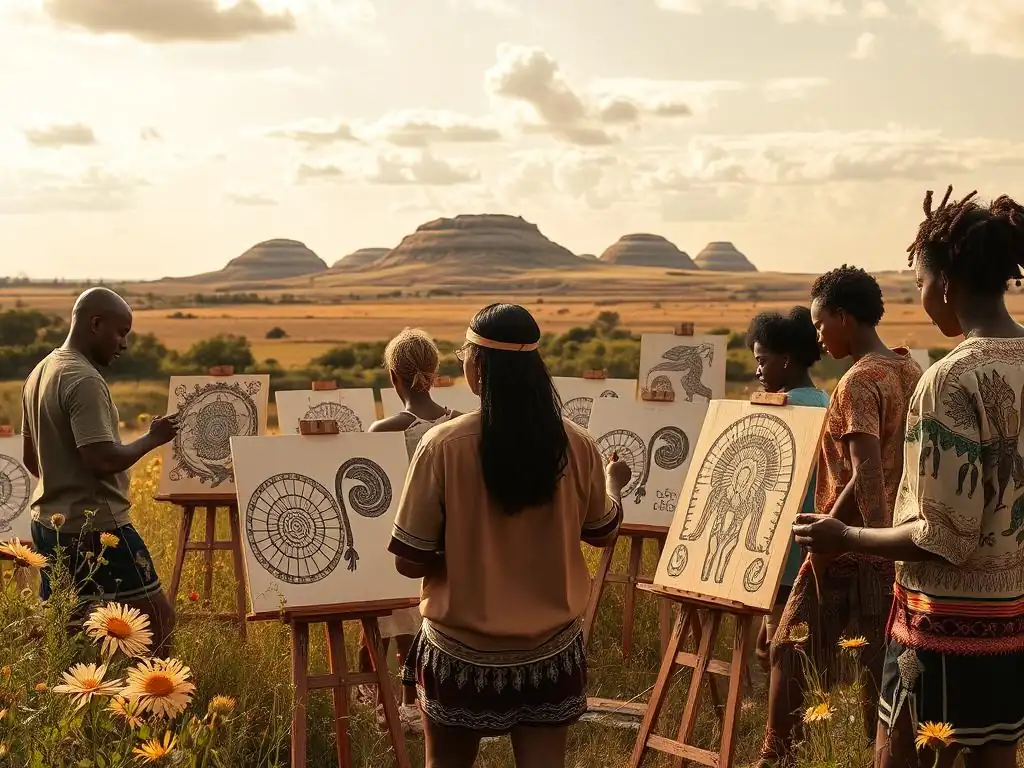
The artistic legacy of Cahokia, one of the most significant pre-Columbian urban centers in North America, has left an indelible mark on contemporary culture. The intricate designs and symbolism found in Cahokian art continue to resonate within modern artistic expressions, influencing a wide variety of mediums and forms.
From pottery and sculpture to textiles and graphic arts, the motifs derived from Cahokia’s rich artistic heritage can be seen in works by indigenous artists across the Americas today. This art not only serves as a source of inspiration but also acts as a vital connection between past and present, reinforcing cultural identity and continuity in indigenous communities.
Influence on Modern Indigenous Artists
Modern Indigenous artists frequently draw upon the themes, materials, and techniques of Cahokia's ancient works to convey contemporary narratives and experiences. Artists like Miriam K. Kauffman and Martha Redbone incorporate Cahokian designs into their paintings and performances, celebrating their cultural heritage while addressing modern societal issues. By reviving the symbols and stories of Cahokia, these artists contribute to a larger movement of cultural reclamation that seeks to honor and preserve indigenous history and identity. The resurgence of traditional art forms reflects a profound respect for ancestral legacies and solidifies their place in today's artistic landscape.
Artistic Techniques Inspired by Cahokia's Legacy
The techniques used in Cahokia's art, such as intricate pottery decoration and the use of natural pigments, have inspired modern artisans to revive and innovate upon these methods. For example, contemporary ceramicists often replicate the styles found in Cahokian artifacts, utilizing hand-coiling and painting techniques that echo ancient practices.
Additionally, the use of local materials, such as clay and natural dyes, emphasizes a sustainable approach to art-making that aligns with the philosophies of many indigenous cultures. This blending of ancient and modern techniques not only preserves traditional knowledge but also allows for the evolution of new artistic expressions that resonate with today's audiences.
The Role of Cahokia Art in Contemporary Social Movements
Cahokia's art has also found a place in contemporary social movements, particularly those advocating for indigenous rights and environmental stewardship. The motifs and narratives encapsulated in Cahokian artwork serve as powerful symbols in protests and campaigns aimed at raising awareness about issues affecting indigenous communities, such as land rights and cultural preservation.
By using Cahokian art as a visual language, activists can communicate their messages more effectively, drawing parallels between the struggles faced by indigenous peoples today and those of their ancestors. This artistic dialogue not only honors the legacy of Cahokia but also empowers current generations to advocate for their rights and heritage.
Preservation and Appreciation of Cahokia's Art Legacy
The preservation and appreciation of Cahokia's art legacy are essential for ensuring that this vital aspect of indigenous culture continues to thrive. Various initiatives and organizations are dedicated to safeguarding these ancient works and promoting awareness of their significance. Collaborative efforts between archaeologists, artists, and indigenous communities are crucial in preserving the stories and techniques that define Cahokia's artistic heritage.
Efforts in Archaeology and Art Restoration
Archaeological efforts in the Cahokia region have led to significant discoveries that enhance our understanding of the site's artistic practices. Ongoing excavations and research initiatives focus on uncovering artifacts and artworks that can shed light on the cultural and artistic achievements of the Cahokians. Restoration projects for existing artifacts aim to maintain their integrity while allowing modern audiences to appreciate their beauty and historical context. These endeavors not only protect the past but also inspire future generations to engage with and respect their cultural heritage.
Museum Exhibitions and Public Awareness Campaigns
Museums play a pivotal role in showcasing the art of Cahokia and fostering public appreciation of its legacy. Exhibitions that feature Cahokian artifacts often include educational components that highlight the cultural significance of the works on display. Public awareness campaigns, including workshops, lectures, and community events, help to inform a wider audience about the importance of preserving indigenous art and culture. By actively engaging the public, these initiatives encourage a deeper understanding and respect for the rich artistic traditions of the Cahokian civilization.
The Importance of Education in Indigenous Art Heritage
Education is a cornerstone of preserving Cahokia's art legacy and ensuring its relevance in contemporary society. Integrating indigenous art history into educational curricula promotes awareness and appreciation among students of all backgrounds. Programs that encourage hands-on engagement with traditional art forms not only foster creativity but also instill a sense of pride in indigenous heritage. By educating future generations about the significance of Cahokia's art, we help to ensure that this cultural legacy continues to inspire and inform for years to come.
Conclusion: The Enduring Legacy of Cahokia's Ancient Art
The art of Cahokia remains a vibrant testament to the creativity, spirituality, and societal values of its people. The intricate designs found in pottery, sculptures, and ceremonial objects are not merely artifacts; they are embodiments of a rich cultural heritage that influenced generations. Today, the legacy of Cahokia's ancient art transcends time and geography, serving as a source of inspiration for contemporary artists, historians, and cultural advocates. This enduring legacy prompts us to reflect on the significance of indigenous art forms and their relevance in modern society.
Cahokia's art invites exploration and appreciation of the diverse narratives woven into its aesthetic expressions. The blending of natural materials and symbolic motifs showcases the sophistication of the Cahokian worldview, grounded in their relationship with the environment and their cosmological beliefs. As we delve into these ancient works, we uncover not only the artistry of the Cahokians but also their perspectives on life, community, and the cosmos.
In recognizing Cahokia's ancient art legacy, we acknowledge its role in fostering cultural continuity and resilience. The stories encapsulated within these pieces resonate with contemporary struggles and aspirations, reminding us of the importance of honoring indigenous voices and perspectives in the broader discourse on art and history.
Reflection on the Cultural Significance of Cahokia Art Today
Cahokia's ancient art continues to hold profound cultural significance in today's world. For indigenous communities, these artworks are symbols of identity and heritage, serving as reminders of ancestral traditions that persist despite centuries of colonization and cultural suppression. The revival and reinterpretation of Cahokian artistic styles can be seen in modern practices, reflecting a desire to reconnect with and celebrate indigenous roots.
Contemporary artists draw inspiration from Cahokia's motifs, integrating them into their work to address both personal and collective narratives. This fusion of ancient and modern influences creates a dialogue that honors the past while also pushing the boundaries of artistic expression. Moreover, educational initiatives that highlight Cahokia's art encourage broader public engagement with indigenous cultures, fostering awareness and appreciation for their contributions to art history.
The cultural significance of Cahokia art is also recognized in academic and museum contexts, where exhibitions and research highlight its historical importance. By showcasing these ancient works, institutions play a vital role in preserving and promoting indigenous heritage, ensuring that Cahokia's artistic legacy is not only remembered but celebrated.
The Future of Cahokia's Art Legacy in a Global Context
Looking ahead, the future of Cahokia's art legacy is poised to expand in a global context, as interest in indigenous cultures rises worldwide. Globalization and advancements in technology present unique opportunities for the dissemination and appreciation of Cahokia's artistic achievements, allowing for cross-cultural exchanges and collaborations that were previously unimaginable.
As artists and scholars engage with Cahokia's art, there is potential for a renewed focus on indigenous methodologies that emphasize sustainability, community involvement, and cultural integrity. These principles resonate with contemporary movements aimed at addressing social and environmental issues, positioning Cahokia's legacy as a valuable resource for inspiration and innovation.
Furthermore, the inclusion of Cahokia's art in discussions surrounding decolonization and cultural revitalization highlights its relevance in contemporary dialogues about identity and representation. As more people become aware of the richness of Cahokian art and its historical significance, there is hope for a greater appreciation of indigenous contributions to global culture.
The legacy of Cahokia's ancient art is not confined to the past; it is a living legacy that continues to inspire and inform our understanding of art and culture today. By fostering respect for this heritage and supporting the voices of indigenous artists, we can ensure that the legacy of Cahokia flourishes for generations to come.
- Introduction to Cahokia's Ancient Art Legacy
- Historical Context of Cahokia's Art
- Major Forms of Cahokia Art
- Themes and Motifs in Cahokia Art
- The Impact of Cahokia's Art on Contemporary Culture
- Preservation and Appreciation of Cahokia's Art Legacy
- Conclusion: The Enduring Legacy of Cahokia's Ancient Art
Frequently Asked Questions
What is the significance of Cahokia's ancient art?
Cahokia's ancient art is a vital part of the cultural heritage that reflects the complex societies and achievements of the Mississippian people.
How did Cahokia influence modern art?
The artistic legacy of Cahokia continues to inspire contemporary artists and scholars, showcasing the creativity and innovation of indigenous cultures.
What types of art were produced by the Cahokians?
Cahokians created various forms of art, including pottery, sculptures, and mound constructions, which served both functional and ceremonial purposes.
How does Cahokia's art reflect its society?
The art of Cahokia illustrates the social hierarchy, spiritual beliefs, and daily life of its people, providing insights into their values and traditions.
Where can I learn more about Cahokia's ancient art legacy?
To explore more about the Cahokia ancient art legacy, visiting dedicated websites or museums focused on indigenous cultures of the Americas can provide in-depth resources and exhibitions.
Final Reflection: The Enduring Legacy of Cahokia's Ancient Art
The legacy of Cahokia's ancient art is not merely a relic of the past; it is a vibrant thread woven into the fabric of contemporary culture. As we explore the intricate designs and profound meanings behind these ancient works, we recognize their relevance today in a world that often overlooks the wisdom of indigenous cultures. The artistry of Cahokia serves as a powerful reminder of the creativity and resilience of human expression, urging us to honor and learn from our ancestors.
Cahokia's art has profoundly influenced the cultural landscape, inspiring artists, historians, and communities alike. The motifs and symbols found in these ancient works resonate with modern themes of identity, connection, and environmental stewardship. As we navigate the complexities of our current society, we can draw strength from the words of artist and educator, Jaune Quick-to-See Smith: Art is a way of knowing, a way of seeing, and a way of being.
This perspective invites us to engage with the past, fostering a deeper understanding of ourselves and our place in the world.
As we reflect on the lessons embedded in Cahokia's ancient art, let us carry forward the spirit of creativity and connection it embodies. I invite you to explore your own artistic expressions and cultural heritage, drawing inspiration from the past to shape a more inclusive future. By embracing the legacy of Cahokia, we can cultivate a richer appreciation for the diverse narratives that define our shared human experience, ensuring that the echoes of ancient voices continue to inspire generations to come.
Unveil the Timeless Inspiration of Cahokia's Art!
Thank you for exploring the incredible legacy of Cahokia's art with us! We hope you discovered how these ancient creations continue to inspire and connect us with the rich cultural heritage of the Americas. Now, it’s time to take that inspiration and transform it into action!
Here are some practical steps to keep the conversation going and deepen your engagement with this beautiful legacy:
- Explore your creativity: Try your hand at creating art inspired by Cahokan motifs or themes. Share your pieces online and tag us!
- Visit a local museum: Seek out exhibitions dedicated to Indigenous art to appreciate its modern relevance. You might discover something new!
- Join the dialogue: Engage in community discussions or online forums about Indigenous art. Share your thoughts and learn from others' perspectives.
What unique ways will you find to integrate the influence of Cahokia's art into your life? Let's inspire each other!