
Defensive Structures of the Aztec Empire: Fortifications and Their Purpose

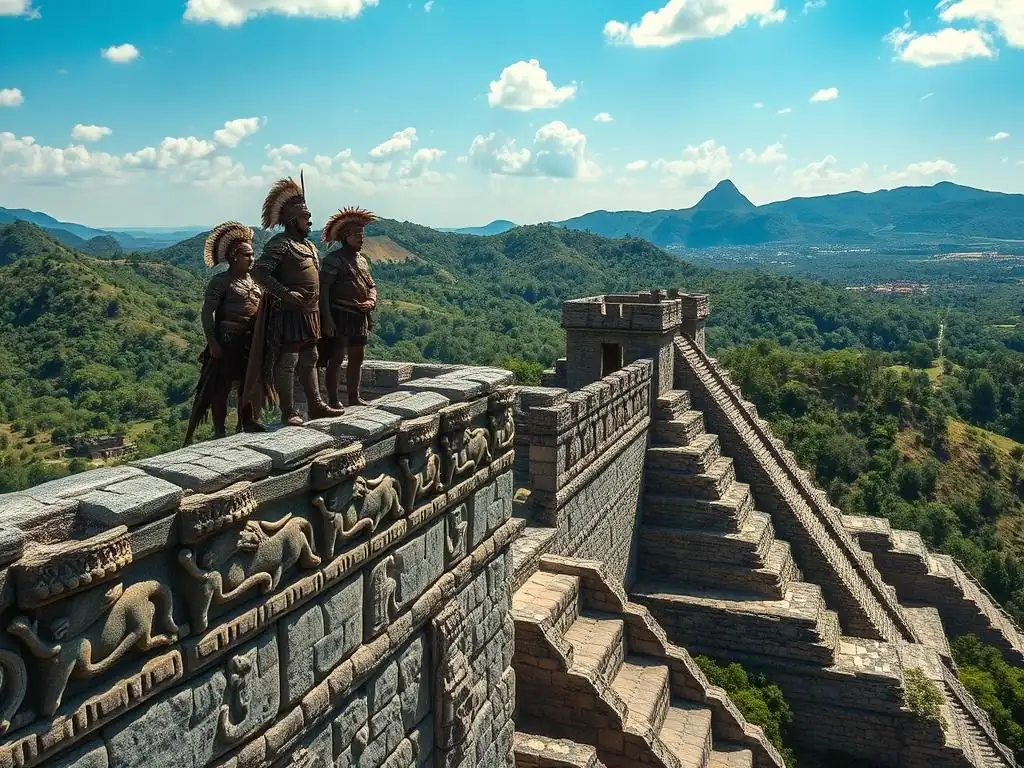
Welcome to Indigenous Civilizations of the Americas, where we invite you to embark on a fascinating journey through the vibrant cultures that flourished long before European contact. In our featured article, we delve into the Defensive Structures of the Aztec Empire, uncovering the remarkable fortifications that safeguarded their society and the strategic brilliance behind their design. What secrets do these ancient walls hold, and how did they reflect the ingenuity of the Aztec civilization? Prepare to be captivated as we unveil the intricate relationship between architecture and survival in one of history's most formidable empires. Let your exploration begin!
- Introduction to Aztec Empire Defensive Structures
- Types of Defensive Structures in the Aztec Empire
- Purpose of Defensive Structures in the Aztec Empire
- Strategic Locations of Defensive Structures
- Innovations in Aztec Defensive Architecture
- Conclusion
-
Frequently Asked Questions
- What were the primary defensive structures of the Aztec Empire?
- How did the defensive architecture of the Aztecs compare to other civilizations?
- What purpose did the fortifications serve in Aztec society?
- Were the defensive structures effective in protecting the Aztecs?
- How did the Aztecs incorporate natural features into their defenses?
- Final Reflection: The Enduring Legacy of Aztec Empire Defensive Structures
- Unveil the Secrets of Aztec Fortifications!
Introduction to Aztec Empire Defensive Structures
The Aztec Empire, a remarkable civilization that flourished in Mesoamerica from the 14th to the 16th centuries, is renowned for its rich cultural achievements, intricate social structures, and formidable military prowess. One of the most significant aspects of the Aztec civilization was its architectural ingenuity, particularly in the realm of defensive structures.
This article delves into the various fortifications built by the Aztecs, exploring their design, purpose, and the critical role they played in safeguarding their society against external threats. By examining these Aztec Empire defensive structures, we gain insight into the strategic thinking and resourcefulness that characterized this vibrant civilization before the arrival of European colonizers.
Overview of the Aztec Civilization and Its Architectural Achievements
The Aztec civilization, centered in what is now Mexico, was a complex society known for its impressive urban planning and architectural advancements. The capital city, Tenochtitlan, was a marvel of engineering, featuring:
- Canals and causeways that facilitated transportation and trade.
- Pyramidal temples dedicated to various deities, showcasing their religious devotion.
- Palaces and marketplaces that reflected their social hierarchy and economic activities.
The Aztecs utilized local materials such as stone, adobe, and wood to construct their cities, employing advanced techniques that allowed for the creation of monumental structures. Their architectural achievements not only served practical purposes but also embodied their cultural values and beliefs, making them a vital aspect of Aztec identity.
Importance of Defensive Structures in the Aztec Empire
Defensive structures were crucial for the Aztec Empire, particularly given its expansionist policies and the need to protect its territory from rival states and invading forces. The following points highlight the significance of these fortifications:
- Strategic Location: Many defensive structures were strategically placed to monitor and control access to key trade routes and territories.
- Symbol of Power: Fortifications served as a visual representation of the Aztec Empire's strength and authority, deterring potential aggressors.
- Military Readiness: The design of these structures allowed for effective military mobilization, enabling the Aztecs to respond swiftly to threats.
By analyzing the various defensive structures within the Aztec Empire, we can better understand how their architectural innovations were not merely for aesthetic purposes, but were integral to their survival and dominance in a tumultuous period of history.
Types of Defensive Structures in the Aztec Empire
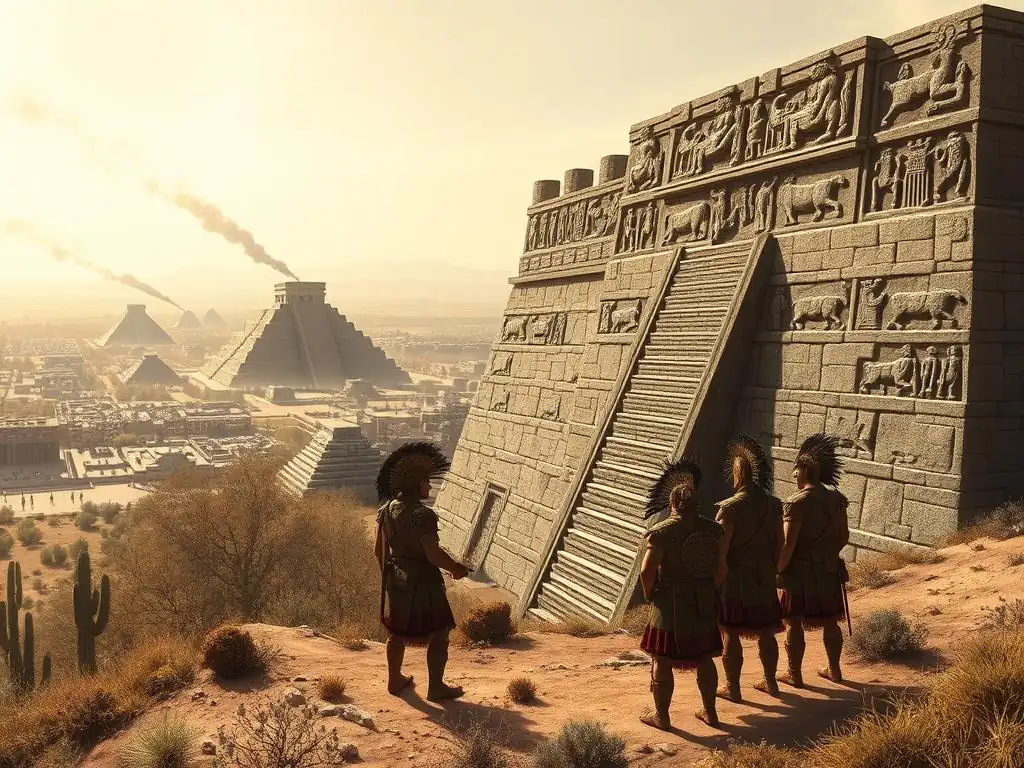
The Aztec Empire, renowned for its rich cultural heritage and architectural prowess, also developed a variety of defensive structures to protect its cities and territories from external threats. These structures played a crucial role in safeguarding the empire's inhabitants, resources, and powerful status in pre-Columbian Mesoamerica. The primary types of defensive structures in the Aztec Empire included walls and fortifications, moats and ditches, each serving distinct purposes that contributed to the overall security of their urban centers.
Walls and Fortifications
Construction Materials and Techniques
The walls and fortifications of the Aztec Empire were primarily constructed using local materials such as stone, adobe, and earth. The use of these materials was dictated by the availability of resources in different regions.
- Stone Walls: In areas where stone was abundant, such as near volcanic regions, the Aztecs built robust walls using large blocks of stone. These walls were often reinforced with a mixture of mud and straw to enhance their durability.
- Adobe Construction: In regions with fewer stones, the Aztecs utilized adobe bricks, made from clay and straw, which were molded into rectangular shapes and dried in the sun. This technique provided a lightweight yet strong solution for fortifications.
- Earthen Mounds: In some cases, earthen mounds were constructed to form defensive barriers. These mounds were often supplemented with wooden palisades to create a formidable defense system.
The construction techniques employed by the Aztecs also involved careful planning and strategic placement, ensuring that walls were constructed at key vantage points, such as hillsides or riverbanks, allowing defenders to monitor potential threats effectively.
Major Examples of Aztec Walls
Several notable examples of Aztec defensive walls can be traced back to key cities within the empire:
- Tenochtitlan: The capital city of the Aztec Empire featured a series of impressive walls and palisades, providing a formidable barrier against potential attackers. The walls were strategically placed around the city, maximizing defensive capabilities.
- Tlaxcala: The city of Tlaxcala had extensive fortifications, including thick stone walls that protected its inhabitants from rival tribes and invaders. The walls also served as a symbol of the city’s power.
- Texcoco: Another significant center, Texcoco was fortified with impressive walls and watchtowers, ensuring the vigilance of its defenders against any external threats.
These walls not only served military purposes but also represented the engineering ingenuity of the Aztec civilization, showcasing their ability to adapt to the challenges of their environment.
Moats and Ditches
Purpose and Construction
Moats and ditches served as an essential component of the Aztec Empire's defensive strategy. These water-filled trenches provided an additional layer of protection against invading forces, complicating any attempts to breach the city’s defenses.
- Deterrent to Attackers: The presence of a moat discouraged potential attackers, as crossing water-filled barriers posed considerable challenges, especially for infantry.
- Flooding Techniques: In some cases, the Aztecs could manipulate local waterways to flood surrounding areas, effectively transforming the landscape into a natural defense.
The construction of moats involved digging deep trenches around the city, which were then filled with water from nearby rivers or lakes. This technique not only served to protect but also managed to enhance the city's irrigation systems.
Notable Instances of Moats in Aztec Cities
Several Aztec cities are recognized for their impressive moat systems:
- Tenochtitlan: The capital city was surrounded by a series of canals and moats that not only defended against attackers but also facilitated transportation and trade within the city.
- Cholula: Known for its extensive fortifications, Cholula featured deep ditches that encircled the city, providing a formidable obstacle to any would-be invaders.
- Tlacopan: This city, a key ally of Tenochtitlan, also implemented a moat system that enhanced its defensive capabilities and allowed for greater control over its territory.
The strategic use of moats and ditches exemplified the ingenuity of the Aztec Empire in urban planning and military defense, illustrating their ability to adapt their environment to suit their needs effectively.
Watchtowers and Observation Points
The Aztec Empire was renowned for its sophisticated architectural prowess, particularly evident in its defensive structures. Among these, watchtowers and observation points played a crucial role in the empire's military strategy. These elevated structures allowed for early detection of potential threats, enabling the Aztec warriors to prepare for defense or initiate countermeasures. The strategic placement of watchtowers within the empire’s urban and rural landscapes exemplified the Aztecs' foresight in safeguarding their territories.
Watchtowers were typically constructed from stone and adobe, materials that provided durability and resistance against assaults. These structures varied in height and design, often reflecting the specific needs of the location they served. In addition to their military utility, watchtowers also functioned as communication hubs, allowing for the swift relay of information across vast distances. Signal fires and smoke signals were commonly used to convey messages between towers, enhancing the coordination of defensive efforts.
Design and Functionality
The design of Aztec watchtowers was both practical and strategic. Most towers were built on elevated terrain or atop fortifications to maximize visibility over the surrounding areas. This elevation allowed sentries to spot approaching enemies from considerable distances, providing critical time for the Aztecs to mobilize their forces.
The towers often featured narrow openings or slits, designed for archers to shoot from while minimizing exposure to enemy fire. The interior of these structures was typically unadorned, focusing on functionality rather than aesthetics. Some towers were even equipped with storage for weapons and supplies, ensuring that defenders could remain prepared for extended periods.
The functionality of these watchtowers extended beyond mere observation; they also served as psychological deterrents. The mere presence of these fortifications communicated strength to potential invaders, dissuading assaults through the display of military readiness. Furthermore, by serving as landmarks, they helped in navigation and territorial demarcation, reinforcing the sense of ownership over the land.
Key Locations of Aztec Watchtowers
The placement of watchtowers throughout the Aztec Empire was strategic, with key locations selected for their vantage points and proximity to critical routes. Some notable areas included:
- Tenochtitlan: The capital city had several watchtowers integrated into its complex urban layout, crucial for monitoring both land and water approaches.
- Chalco: Positioned near vital trade routes, the watchtowers in Chalco were essential for protecting the bustling commerce that passed through.
- Teotihuacan: Although an ancient city by the time of the Aztecs, remnants of watchtowers here were utilized for their strategic elevation and historical significance.
- Tlaxcala: This region served as a buffer zone against hostile neighboring tribes, and its watchtowers were vital for early warning systems.
Overall, the watchtowers of the Aztec Empire were indispensable components of their defensive architecture, ensuring that the empire could protect its people and maintain its dominance amidst a landscape of potential threats.
Purpose of Defensive Structures in the Aztec Empire
Protection Against Invasions
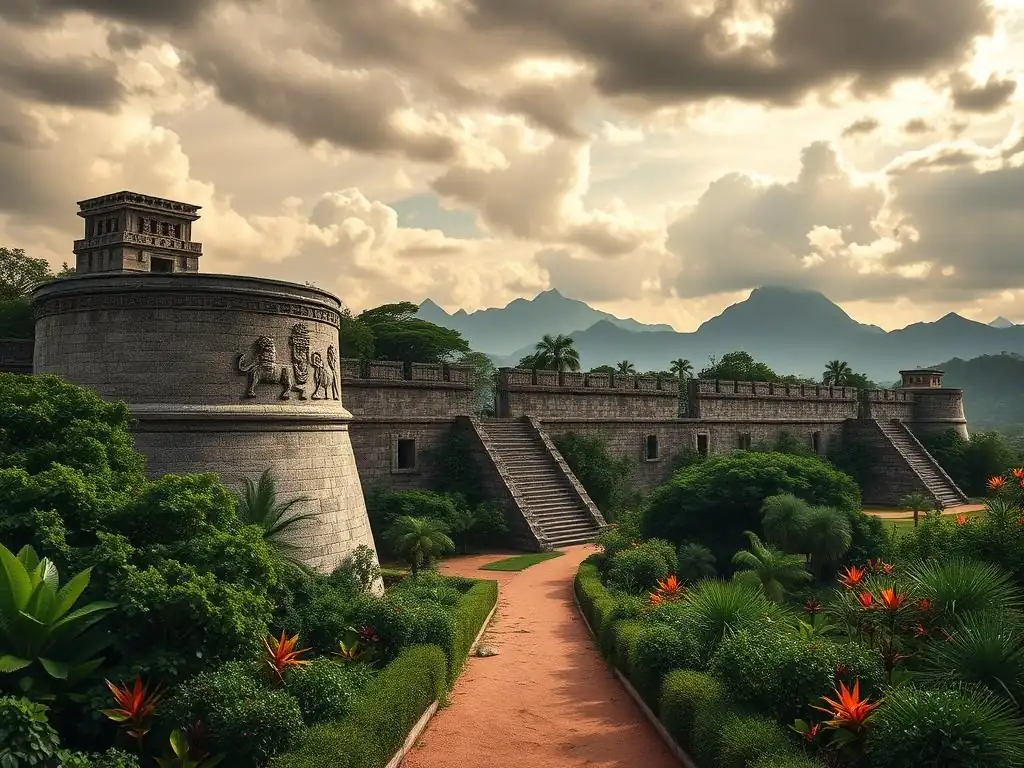
The Aztec Empire defensive structures were primarily designed to safeguard their territories from external threats. Given the empire's expansive reach, which encompassed a vast array of city-states and regions, the need for robust fortifications became paramount. These structures not only served as physical barriers but also as psychological deterrents against potential invaders.
Historical Context of Warfare in the Aztec Era
The Aztec Empire, which thrived from the 14th to the early 16th centuries, was characterized by its militaristic society. Frequent conflicts arose from both internal power struggles and external ambitions, particularly from rival city-states and foreign tribes. The Aztecs engaged in numerous campaigns to expand their territory and acquire resources, notably through the practice of flower wars, which were ritualized battles aimed at capturing prisoners for sacrifices and demonstrating military prowess.
To counter these threats, the Aztecs implemented various fortification techniques, such as:
- Stone walls and palisades: Constructed to reinforce the defenses of major cities and settlements.
- Watchtowers: Strategically placed to provide early warnings of approaching enemies.
- Moats and ditches: Dug around key locations to hinder enemy movement.
These defensive structures enabled the Aztecs to maintain control over their expansive territory while deterring potential aggressors.
Control of Trade Routes
In addition to protection, the Aztec Empire defensive structures played a critical role in controlling vital trade routes. The empire's economy heavily relied on trade, which facilitated the exchange of goods, culture, and ideas between different regions.
The Role of Fortifications in Commerce
The Aztec Empire's strategic location in central Mexico allowed it to dominate trade networks that linked various regions. Fortifications were constructed along these trade routes to ensure safety and security for merchants and travelers. Key aspects of these fortifications included:
- Market oversight: Fortresses often doubled as marketplaces, where merchants could conduct business under the protection of the military.
- Tax collection points: Strategic fortifications allowed for the monitoring and taxation of goods, ensuring that the empire could benefit economically from trade activities.
- Defense of resources: Important trade routes often led to areas rich in resources, which the Aztecs sought to protect from rival factions.
By establishing fortified trade routes, the Aztecs not only secured their economic interests but also facilitated cultural exchange, thus enriching their civilization. The combination of military strength and commercial strategy contributed to the empire's resilience and adaptability in a dynamic geopolitical landscape.
Defensive structures in the Aztec Empire were not merely functional; they served as significant symbols of power and authority. The Aztecs strategically constructed fortifications that represented their might and dominance over their territory. These structures were designed to evoke a sense of awe and reverence among both the indigenous population and potential adversaries.
The grandeur of the fortifications, such as walls and gates, was instrumental in establishing the image of the Aztec Empire as a formidable force in Mesoamerica. The construction of these defensive structures showcased the empire's engineering prowess and resource management, reflecting a society that had the capability to mobilize labor and materials on a grand scale. Moreover, the imposing nature of these fortifications reinforced the idea of the Aztecs as a unified and powerful entity, capable of defending its people and territory against external threats.
How Defensive Structures Represented the Aztec Empire's Strength
The defensive structures of the Aztec Empire, such as the walls of Tenochtitlan and various fortifications throughout its territory, were vital in representing the empire's military strength. These structures were strategically placed to protect key locations, including temples, marketplaces, and residential areas, from potential invasions.
- Strategic Placement: The Aztecs carefully selected the locations for their defensive structures, often positioning them in areas that provided natural advantages, such as elevated terrains or near water bodies. This strategic placement not only enhanced their defensive capabilities but also symbolized their control over the land.
- Architectural Features: The architecture of these defensive structures included thick stone walls, watchtowers, and fortified gates. These features were designed to withstand assaults and demonstrate the empire's commitment to protecting its citizens. The sheer scale and durability of these constructions conveyed an unyielding strength that deterred potential aggressors.
- Cultural Significance: Beyond their practical use, these fortifications held cultural significance. They were often adorned with carvings and symbols that represented the Aztec deities and mythology, further solidifying the connection between military power and religious beliefs. This intertwining of strength and spirituality reinforced the notion that the Aztec Empire was not only a political and military power but also a divine authority in the eyes of its people.
- Psychological Impact: The presence of robust defensive structures served a psychological purpose as well. They instilled a sense of security among the populace while simultaneously intimidating neighboring tribes. The fortifications acted as a visible reminder of the empire's readiness to defend its territory, contributing to the overall perception of the Aztec Empire as an indomitable force in the region.
The defensive structures of the Aztec Empire were multifaceted symbols of power and authority, representing both the military strength and the cultural identity of one of Mesoamerica's most influential civilizations. Their strategic design and imposing presence played a crucial role in maintaining the empire's dominance and ensuring the safety of its people.
Strategic Locations of Defensive Structures
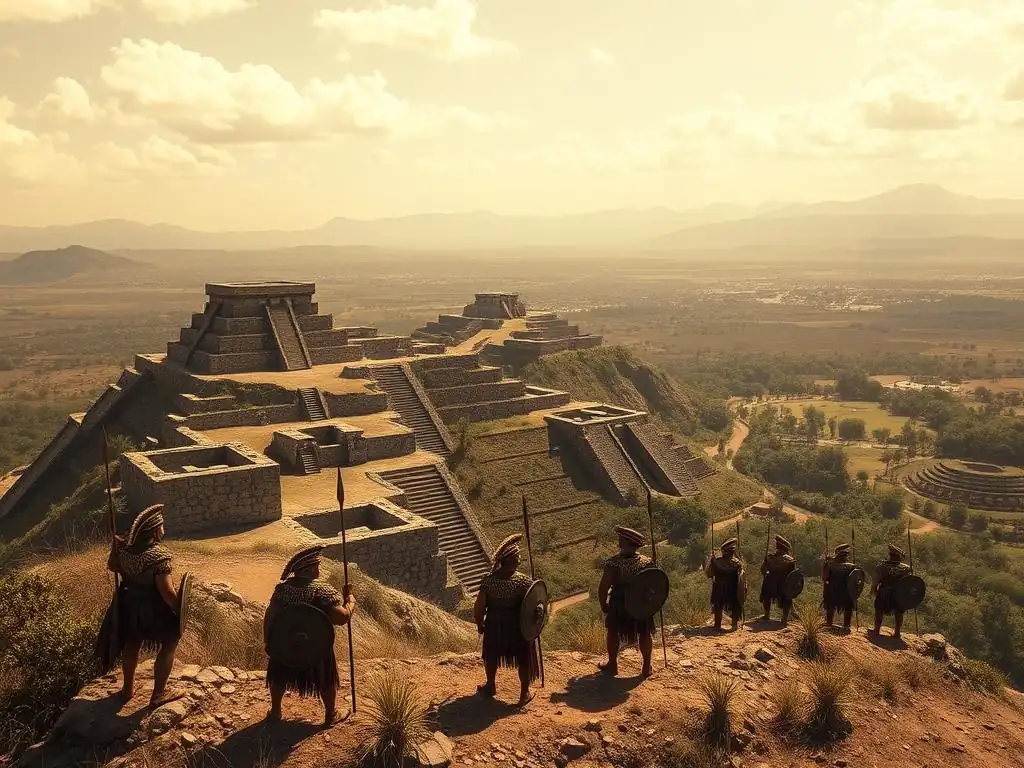
The Aztec Empire’s defensive structures were strategically situated across various locations, reflecting a sophisticated understanding of military architecture and urban planning. These fortifications were primarily found in major cities, where political and economic activities converged, making them focal points of vulnerability to potential attacks.
Major Cities with Notable Defensive Features
Tenochtitlan's Fortifications
Tenochtitlan, the capital of the Aztec Empire, is perhaps the most famous example of Aztec defensive architecture. Built on an island in Lake Texcoco, its natural surroundings provided a significant advantage in defense. The city was encircled by a series of canals that acted as both barriers and moats, hindering land-based assaults. The main defensive features included:
- Stone Walls and Earthworks: Tenochtitlan had thick stone walls reinforced with earth, which were strategically placed at vulnerable points. This layering made it difficult for attackers to breach the defenses.
- Watchtowers and Gates: The city featured watchtowers that allowed for the early detection of threats, while its gates were fortified to control entry and exit, facilitating the defense of the city.
- Floating Gardens (Chinampas): These innovative agricultural systems not only provided food security but also contributed to the city’s defenses by complicating access for invading forces.
Other Key Aztec Cities and Their Defenses
Beyond Tenochtitlan, other cities within the Aztec Empire also showcased impressive defensive structures:
- Texcoco: As a major ally of Tenochtitlan, Texcoco also employed similar defensive strategies, including walls and watchtowers, alongside its strategic location on the shores of Lake Texcoco.
- Tlacopan: This city was fortified with palisades and earthworks, utilizing the natural landscape to enhance its defenses. The surrounding swamps provided an additional layer of protection against enemies.
- Culhuacan: Known for its strong military presence, Culhuacan featured earthen mounds and walls. The layout of the city was designed to funnel attackers into narrow pathways, making them vulnerable.
Geographic Advantages and Challenges
The geographic context of the Aztec Empire played a critical role in shaping its defensive architecture. The Empire’s diverse landscapes provided both advantages and challenges in the design of its fortifications.
Natural Defenses and Their Impact on Design
The Aztec Empire’s topography included mountains, lakes, and dense forests, which influenced the placement and construction of defensive structures:
- Lakes and Waterways: The presence of Lake Texcoco around Tenochtitlan created a natural barrier against invaders from the north and west. This geographical feature facilitated the construction of defensive works that capitalized on the water's protective qualities.
- Mountainous Terrain: In regions where mountains were prevalent, such as in the Sierra Madre range, fortifications were often built on elevated ground to provide vantage points for surveillance and defense. This allowed for both strategic advantage and effective communication between cities.
- Forest Coverage: In areas with dense forests, defensive structures were often camouflaged, allowing for surprise attacks on invading forces. The use of natural materials for construction blended the defenses into the landscape, making them less visible.
The strategic locations and geographic advantages of the Aztec Empire's defensive structures highlight the ingenuity of their architects. These fortifications not only served as protection against invaders but also reflected the cultural and political significance of the cities they safeguarded. The interplay of natural landscapes and human engineering created a complex web of defenses that played a crucial role in maintaining the integrity of the Aztec Empire.
Innovations in Aztec Defensive Architecture
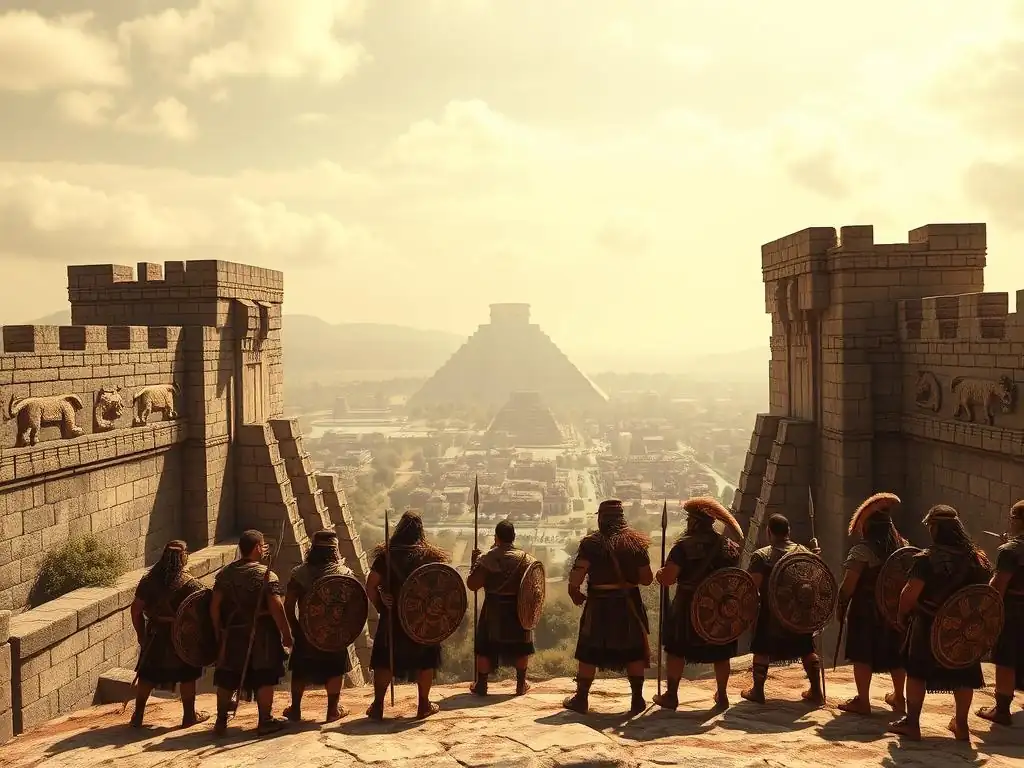
The Aztec Empire is renowned for its remarkable architectural achievements, particularly in the realm of defensive structures. These innovations played a pivotal role in the empire's ability to protect its territory and maintain control over its vast domains. The defensive architecture of the Aztecs was not only functional but also reflected their cultural values and technological prowess.
Unique Engineering Techniques
The Aztecs employed several unique engineering techniques that set their defensive structures apart from those of other civilizations. One of the most notable methods was the use of earthworks. These included embankments and moats, strategically constructed to create barriers against potential invaders. The construction of stone walls was also a hallmark of Aztec defensive architecture, showcasing their advanced masonry skills.
- Stone Blocks: The Aztecs utilized locally sourced volcanic stones, which were both durable and abundant. This choice of material contributed to the longevity of their structures.
- Interlocking Stones: The use of interlocking stones without mortar allowed for greater stability and flexibility in the face of seismic activity, a common occurrence in the region.
- Moats and Ditches: These features not only deterred enemies but also helped manage water drainage, preventing flooding around urban areas.
The combination of these techniques resulted in formidable fortifications that could withstand sieges and assaults.
Adaptations to Local Geography
The geographical landscape of the Aztec Empire greatly influenced the design and placement of defensive structures. The empire spanned various terrains, from mountainous regions to expansive lakes, allowing for diverse defensive strategies.
- Lake Texcoco: The capital city of Tenochtitlan was uniquely positioned on an island in Lake Texcoco. This natural barrier provided a significant defensive advantage, as access was limited to a few causeways, which could easily be fortified.
- Mountain Fortifications: In regions with rugged terrain, the Aztecs constructed fortifications on elevated ground, enabling defenders to survey and control the surrounding area effectively.
- Urban Planning: Defensive features were integrated into the overall urban layout, ensuring that every neighborhood had access to fortified walls and watchtowers.
These adaptations highlight the Aztecs' ability to leverage their environment to enhance their military capabilities.
Comparison with Other Mesoamerican Civilizations
When comparing the defensive structures of the Aztec Empire with those of other Mesoamerican civilizations, several interesting similarities and differences emerge. Understanding these can provide deeper insights into the architectural strategies employed across the region.
Similarities and Differences in Defensive Structures
- Common Materials: Like the Aztecs, other Mesoamerican cultures, such as the Maya and the Mixtec, also utilized local materials, including stone and adobe, in their fortifications.
- Similar Defensive Features: Many civilizations constructed walls and moats. However, the Maya often incorporated stepped platforms into their defenses, which served both as fortifications and ceremonial spaces.
| Feature | Aztec Empire | Maya Civilization | Mixtec Civilization |
|---|---|---|---|
| Primary Material | Volcanic Stone | Limestone and Adobe | Stone and Adobe |
| Fortification Style | Walls + Moats | Stepped Platforms | Elevated Structures |
| Urban Planning Integration | Centralized Fortifications | Dispersed Defensive Areas | Centralized Strategic Locations |
- Strategic Locations: The Aztecs emphasized centralized defensive structures, particularly in Tenochtitlan, whereas the Maya often built multiple fortifications across their territories, reflecting a more decentralized approach to defense.
These comparisons illustrate the diversity of defensive strategies within Mesoamerican civilizations while highlighting the Aztecs' unique adaptations and innovations in their defensive architecture.
Conclusion
Summary of the Significance of Aztec Empire Defensive Structures
The Aztec Empire defensive structures were not only crucial for the protection of their cities and territories but also reflected the sophistication and innovation of Aztec engineering and military strategy. These fortifications, which included walls, ditches, and strategically placed watchtowers, served multiple purposes:
- Protection Against Invasions: The primary function of these defensive structures was to safeguard the empire from external threats, including rival tribes and invading forces. The well-planned layouts allowed for effective defense against potential sieges.
- Control of Movement: Fortifications enabled the Aztecs to control trade routes and access points into their territory. By monitoring and managing these areas, they could exert influence over commerce and resource allocation.
- Symbol of Power: The grandeur and scale of these structures were also a testament to the power and organizational capabilities of the Aztec society. They served as a visible manifestation of the empire's strength, instilling fear in potential aggressors and pride among the populace.
- Cultural Significance: Beyond their practical applications, these defensive structures were imbued with cultural and spiritual significance. Many were adorned with carvings and symbols that reflected Aztec cosmology and societal values.
The defensive structures of the Aztec Empire played a vital role in ensuring the survival and longevity of one of the most remarkable civilizations in pre-Columbian America. Their combination of functionality and artistry illustrates the complex interplay between warfare, culture, and societal organization in Aztec life.
Lasting Legacy of Aztec Fortifications in Modern Architecture
The influence of Aztec defensive structures extends beyond their historical context and continues to resonate in modern architecture and urban planning. Several aspects of Aztec fortifications have left a profound legacy that can be observed in contemporary designs and methodologies:
- Incorporation of Natural Landscapes: The Aztecs skillfully utilized the natural topography to enhance their fortifications. This practice is echoed in modern architecture, where designers often integrate buildings with their surrounding landscapes to improve aesthetics and functionality.
- Use of Durable Materials: The Aztecs employed local materials such as stone and adobe, known for their durability and resistance to natural elements. Modern architects have adopted similar principles, emphasizing sustainability and the use of locally sourced materials.
- Innovative Defensive Techniques: Elements such as moats, walls, and elevated structures have influenced modern military architecture, particularly in fortress designs and secure installations. The principles of visibility and strategic positioning remain relevant today.
- Cultural Heritage Conservation: The preservation of Aztec fortifications has fostered an appreciation for cultural heritage in urban planning. Many cities now prioritize the integration of historical sites within their modern infrastructure, promoting cultural tourism and education.
- Resilience in Urban Design: The Aztec focus on resilience—both in terms of physical defense and community organization—mirrors contemporary urban planning efforts aimed at creating resilient cities that can withstand environmental and social challenges.
The defensive structures of the Aztec Empire not only played a pivotal role in their historical context but also continue to influence modern architectural practices, showcasing the enduring legacy of this remarkable civilization. Through their innovative designs and strategic thinking, the Aztecs laid foundations that resonate in today’s architectural landscape.
Frequently Asked Questions
What were the primary defensive structures of the Aztec Empire?
The defensive structures included walls, moats, and watchtowers that were strategically built to protect against invasions and maintain control over their territory.
How did the defensive architecture of the Aztecs compare to other civilizations?
The defensive architecture of the Aztecs was unique, incorporating natural terrain and advanced engineering techniques, setting them apart from other civilizations like the Maya and Inca.
What purpose did the fortifications serve in Aztec society?
The fortifications served to deter enemy attacks, protect vital resources, and reinforce the political power of the Aztec rulers within their territories.
Were the defensive structures effective in protecting the Aztecs?
While the defensive structures were well-designed, they ultimately could not prevent the downfall of the Aztec Empire due to the overwhelming force and tactics of European invaders.
How did the Aztecs incorporate natural features into their defenses?
The Aztecs utilized natural features such as rivers and hills, integrating them into their defensive strategies to enhance protection and create more formidable barriers against enemies.
Final Reflection: The Enduring Legacy of Aztec Empire Defensive Structures
The defensive structures of the Aztec Empire are not merely relics of the past; they are a testament to the ingenuity and resilience of a civilization that thrived amidst challenges. In today's world, where security and protection remain paramount concerns, the strategic fortifications of the Aztecs remind us of the importance of preparedness and innovation in safeguarding our communities. The lessons learned from their architectural prowess resonate deeply, illustrating that the need for defense is as relevant now as it was in the 15th century.
The influence of the Aztec Empire's defensive structures extends beyond mere historical interest; they serve as a lens through which we can examine the complexities of power, culture, and survival. The intricate designs and strategic locations of these fortifications reflect a society that understood the necessity of defense in maintaining sovereignty and cultural identity. As historian Charles C. Mann eloquently stated, "> The Aztecs were not just warriors; they were architects of their fate." This perspective invites us to appreciate how these structures shaped not only the physical landscape but also the social dynamics of the Aztec civilization.
As we reflect on the significance of the Aztec Empire's defensive structures, let us consider how we can apply these lessons in our own lives. How can we build our own defenses—be they emotional, social, or communal—to protect what we hold dear? I encourage you to take a moment to contemplate the fortifications in your life, both tangible and intangible, and think about how you can strengthen them. By learning from the past, we can create a more secure and resilient future, honoring the legacy of those who came before us while paving the way for generations to come.
Unveil the Secrets of Aztec Fortifications!
Thank you for diving into the fascinating world of Aztec defensive structures! We hope you enjoyed learning about the ingenious fortifications and their crucial role in protecting the empire. Now, it’s time to take your newfound knowledge to the next level and explore further!
Here are some engaging ways to continue your journey:
- Visit a local museum or art exhibit that features artifacts from the Aztec Empire to see these innovations firsthand.
- Share this article with friends or in online communities interested in Indigenous history to spark discussions about the Aztecs and their remarkable engineering achievements.
- Join an online forum or group dedicated to Indigenous civilizations and exchange ideas about how fortifications influenced Aztec society.
What other fascinating aspects of the Aztec Empire are you eager to explore? Feel free to share your thoughts below!