
The Evolution of Textile Technologies: From Ancient Techniques to Modern Revival

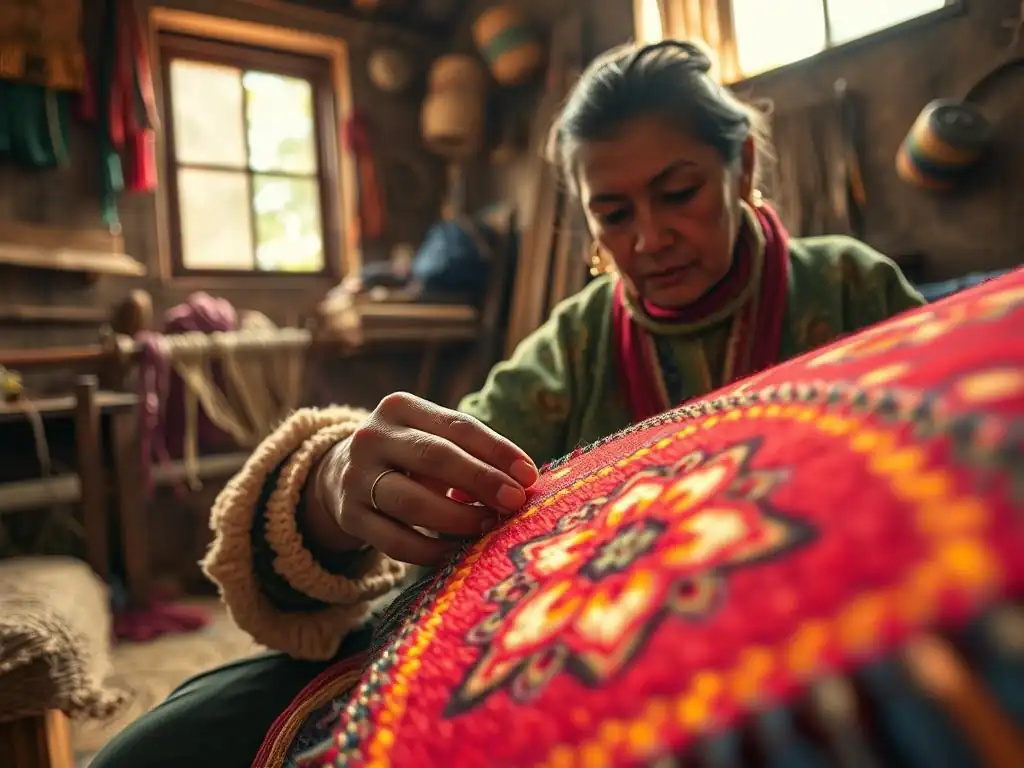
Welcome to Indigenous Civilizations of the Americas, where we embark on an enlightening journey through the rich tapestry of cultures that flourished long before European contact. Our exploration begins with an in-depth look at Indigenous textile technology history, revealing the ingenious techniques and innovations that shaped the fabric of life for countless communities.
Discover how these ancient practices not only demonstrate remarkable craftsmanship but also reflect the profound connection between people and their environment. Prepare to be captivated as we unravel the stories behind these achievements and advances, encouraging you to delve deeper into the vibrant legacy of Indigenous civilizations.
Introduction to Indigenous Textile Technology History
The history of indigenous textile technology in the Americas is a remarkable narrative that showcases the ingenuity, creativity, and adaptability of various cultures long before European colonization. From intricate weavings to the use of natural dyes, the textile practices of indigenous peoples reveal a deep connection to their environment, spirituality, and social structures. This article delves into the evolution of these technologies, tracing their roots from ancient techniques to their modern-day revivals, highlighting how indigenous textile practices not only served functional purposes but also embodied cultural identities and resilience.
Overview of Textile Technologies in Indigenous Cultures
Indigenous cultures across the Americas developed a wide array of textile technologies, each reflecting their unique environments and societal needs. These technologies encompassed various methods of production, including:
- Weaving: Utilizing looms made from local materials and employing diverse patterns and techniques.
- Knitting and Crochet: In regions where wool was available, these methods became pivotal for creating garments and functional items.
- Embroidery: Adding decorative elements to textiles, often with symbolic meanings.
The mastery of these techniques resulted in textiles that were not only practical but also held immense cultural significance. For many tribes, textiles were a means of storytelling, preserving history, and expressing identity.
Importance of Textile Practices in the Americas
Textile practices among indigenous peoples served multiple purposes, encompassing both practical and ceremonial functions. These practices were vital for:
- Economic Sustainability: Textiles provided clothing, shelter, and trade goods, contributing to the economic well-being of communities.
- Cultural Expression: Patterns, colors, and materials used in textiles often carried deep symbolic meanings, connecting individuals to their heritage and beliefs.
- Social Cohesion: The act of weaving or crafting textiles often involved communal participation, strengthening social bonds and cultural continuity.
In essence, indigenous textile practices were a reflection of a harmonious relationship between humans and nature, fostering a sense of belonging and identity within the community.
Ancient Techniques of Textile Production
As we explore the ancient techniques of textile production, it becomes clear that indigenous peoples were pioneers in developing methods that utilized available resources effectively. Their ingenuity laid the groundwork for many modern textile practices.
Traditional Weaving Methods in Indigenous Societies
Traditional weaving methods varied widely among indigenous societies, with each community developing unique styles and techniques based on regional materials. Some notable methods included:
- Backstrap Loom Weaving: Common in Mesoamerican cultures, this technique allowed weavers to create intricate patterns while maintaining mobility.
- Vertical Looms: Used by various tribes, these looms facilitated the production of larger textiles, often for ceremonial use.
The complexity and artistry of these weaving methods not only produced functional items but also created textiles that were revered as works of art.
Natural Dyes and Their Significance in Textile Crafting
Natural dyes played a crucial role in indigenous textile crafting, allowing for a vibrant palette that reflected the environment. These dyes were derived from:
- Plants: Leaves, roots, and flowers provided a range of colors, from deep reds to bright yellows.
- Minerals: Some cultures utilized earth pigments to achieve specific hues.
The significance of natural dyes extended beyond aesthetics; they often held cultural meanings and were used in rituals, making the process of dyeing textiles a sacred practice.
The Role of Animal Fibers in Early Textile Technologies
Animal fibers were integral to the development of textile technologies in the Americas. Indigenous cultures harnessed the qualities of various fibers, such as:
- Cotton: Widely cultivated in Mesoamerica, it was spun and woven into soft, breathable fabrics.
- Wool: Sourced from llamas and alpacas in Andean cultures, it was prized for its warmth and durability.
The use of animal fibers not only expanded the variety of textiles produced but also demonstrated the innovative spirit of indigenous peoples in adapting to their surroundings.
Key Indigenous Civilizations and Their Textile Innovations
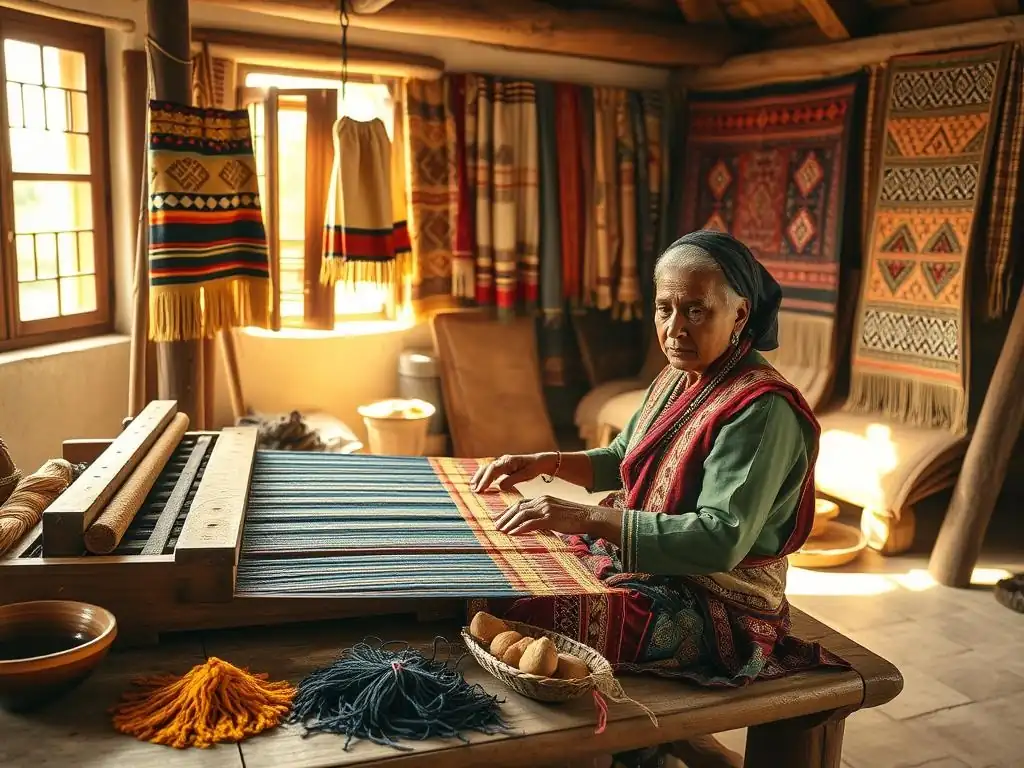
Indigenous civilizations across the Americas developed sophisticated textile technologies that were integral to their cultural identities and daily lives. The innovations in weaving, dyeing, and material sourcing reveal a rich tapestry of practices that not only served functional purposes but also conveyed social and spiritual meanings. From the intricate designs of the Andean cultures to the symbolic weavings of the Maya, each civilization contributed unique advancements in textile technology that have influenced modern practices.
The Inca and Their Advanced Textile Techniques
The Inca civilization, which flourished from the early 15th century until the Spanish conquest in the 16th century, is renowned for its highly advanced textile techniques. The Incas utilized a variety of fibers, including cotton and wool from llamas and alpacas, which were well-suited to the diverse climates of the Andes.
Inca textiles were characterized by their intricate designs and vibrant colors, achieved through complex dyeing processes using natural pigments derived from plants and minerals. Techniques such as backstrap weaving were prevalent, allowing artisans to create detailed patterns that often held cultural significance. Textiles were not merely utilitarian but also represented social status; for instance, the finest garments were reserved for royalty and high-ranking officials. The production of textiles was a communal activity, involving specialized roles and fostering collaboration among community members.
Maya Textile Practices: Weaving and Symbolism
Maya civilization, spanning regions of present-day Mexico, Guatemala, Belize, and Honduras, boasts a rich tradition of textile arts. Maya textiles were woven on backstrap looms, a technique that has remained prevalent among contemporary indigenous weavers. These textiles were often adorned with elaborate motifs, which carried significant cultural meanings and were used to convey stories of mythology, identity, and social status.
The use of color in Maya textiles also holds importance; colors are often associated with the directions and elements in their cosmology. For example, red signifies the east and the dawn, while black represents the west and the night. The symbolism embedded in Maya textiles not only reflects their artistic ingenuity but also serves as a medium for cultural expression and preservation. Modern Maya weavers continue to uphold these traditions, blending ancient techniques with contemporary designs to keep their heritage alive.
North American Indigenous Tribes and Their Use of Textiles
North American Indigenous tribes exhibit diverse textile practices influenced by their environments and cultural needs. From the intricate beadwork of the Great Plains tribes to the woven blankets of the Navajo, textiles played a vital role in everyday life and ceremonial occasions.
The Navajo, in particular, are known for their exquisite woolen rugs and blankets, which showcase complex geometric patterns and vibrant colors. These textiles are not only functional but are also steeped in spiritual significance, often used in ceremonies and as gifts. Other tribes, such as the Plains tribes, utilized animal hides and quills, incorporating them into their clothing and ceremonial regalia. Each tribe's textile practices reflect a deep relationship with their environment, showcasing the resources available and the cultural narratives they embody.
The Impact of Environment on Textile Technologies
The environment in which indigenous civilizations thrived significantly influenced their textile technologies. Factors such as geography, climate, and available raw materials shaped the types of fibers used, the weaving techniques employed, and the dyeing processes developed. Understanding these environmental impacts provides insight into the adaptability and ingenuity of indigenous cultures in utilizing their surroundings.
Geographic Variations in Indigenous Textile Production
Geographic diversity across the Americas led to distinct variations in textile production practices among indigenous peoples. In the arid regions of the Southwest, for instance, the Navajo utilized sheep wool for their textiles, which was well-suited to the local climate. In contrast, coastal tribes, such as the Tlingit and Haida, relied on the abundant resources provided by the ocean, employing materials like cedar bark and fish skins in their textile creations.
The availability of specific plants and minerals also influenced dyeing techniques. For example, the use of cochineal, a dye derived from insects, was prominent in the Mesoamerican region, while other areas relied on local plants for pigmentation. Such geographic variations highlight the adaptability of indigenous cultures and their ability to innovate based on environmental resources.
Climate and Raw Materials: A Comparative Analysis
Climate played a crucial role in determining the types of raw materials used in textile production. In warmer regions, such as the Amazon rainforest, indigenous groups often employed plant fibers like cotton, which thrived in humid conditions. Conversely, in colder climates, such as the Andean highlands, animal fibers from alpacas and llamas were preferred for their insulating properties.
A comparative analysis of these materials reveals how indigenous groups optimized their textile technologies to suit their environmental contexts. For instance, the blending of fibers—such as combining cotton with wool—allowed for enhanced durability and comfort in varying climates. This adaptability not only showcases the technical skills of indigenous weavers but also emphasizes their deep understanding of their environment and its resources, ensuring the survival and evolution of their textile traditions through generations.
The Transition from Ancient to Modern Textile Practices
The evolution of textile technologies from ancient times to the present reflects a rich tapestry of cultural practices, innovations, and adaptations. Indigenous communities across the Americas utilized natural resources and developed sophisticated techniques for weaving, dyeing, and crafting textiles, which served both practical and ceremonial purposes. As these communities encountered external influences, particularly during the European colonization period, their textile practices underwent significant transformations.
The transition from ancient to modern textile practices can be seen as a dynamic interplay between tradition and innovation. Early indigenous textiles were characterized by their use of local materials such as cotton, wool, and plant fibers, often woven with intricate patterns that conveyed cultural narratives and social identity.
However, with the introduction of new materials and techniques brought by European settlers, indigenous textile practices began to evolve. This evolution not only involved the adaptation of European styles but also the revival and reimagining of pre-colonial techniques, leading to a contemporary textile landscape that honors ancestral heritage while embracing modern aesthetics.
Historical Changes in Textile Techniques Over Time
Historically, the techniques used in indigenous textile production varied widely across different regions, reflecting the diversity of cultures and environments. For instance, the Pueblo peoples of the Southwest developed sophisticated weaving techniques using cotton, creating intricate textiles that were both functional and decorative. The incorporation of dyes from local plants and minerals added vibrant colors to their work.
Over time, these techniques were influenced by various factors, including trade, migration, and environmental changes. The introduction of spinning wheels and looms from Europe in the 16th century led to the incorporation of new weaving methods, allowing for more complex designs and faster production.
As indigenous artisans adapted to these changes, they maintained their cultural identity by infusing traditional motifs and patterns into their textiles. This blending of old and new techniques resulted in a rich textile heritage that continues to evolve today. The historical changes in textile techniques thus represent a narrative of resilience, adaptation, and the enduring spirit of indigenous cultures.
The Influence of European Colonization on Indigenous Textiles
European colonization had a profound impact on indigenous textile technologies. Initially, the arrival of Europeans introduced new materials, such as wool and synthetic dyes, which indigenous weavers began to incorporate into their practices. This exchange led to the creation of hybrid textiles that combined traditional techniques with European styles.
However, colonization also brought challenges. The imposition of new economic systems disrupted traditional methods of production and trade, leading to a decline in some indigenous textile practices. Many artisans faced pressures to conform to European tastes, which often devalued the significance of indigenous art forms.
Despite these challenges, indigenous communities demonstrated remarkable resilience. They often adapted and transformed their textile practices to navigate the colonial landscape, preserving their artistic identities while integrating new influences. This historical interplay between colonization and indigenous textile technologies highlights the complexities of cultural exchange and the ongoing negotiations of identity within indigenous communities.
Modern Revival of Indigenous Textile Technologies
The modern revival of indigenous textile technologies reflects a growing recognition of the cultural significance of traditional practices. In recent years, there has been a resurgence of interest in indigenous textiles, with artisans and communities reclaiming and revitalizing ancient techniques. This revival is not merely about preserving the past; it is also about asserting cultural identity and fostering community resilience.
Contemporary movements in indigenous textile arts have led to collaborations between artisans and designers, resulting in innovative works that honor traditional methods while addressing modern aesthetics. This blending of styles has garnered attention in the art world, where indigenous textiles are celebrated for their beauty and cultural significance.
Contemporary Indigenous Artists and Their Textile Work
Contemporary indigenous artists are at the forefront of the revival of textile technologies, utilizing their craft to express cultural narratives and challenge contemporary societal issues. Artists like Linda Lomahaftewa, a Hopi and Choctaw weaver, create stunning textiles that reflect her heritage while engaging with themes of identity and environmental sustainability.
Many contemporary indigenous artists are also focusing on the storytelling aspect of textiles, incorporating traditional motifs and symbols into their work. This approach not only preserves ancient knowledge but also provides a platform for dialogue about indigenous rights, cultural heritage, and the importance of sustainability in the textile industry.
Through exhibitions, workshops, and community projects, these artists are fostering a new appreciation for indigenous textile arts, encouraging younger generations to learn traditional techniques and keep their cultural heritage alive.
The Significance of Preserving Traditional Techniques Today
Preserving traditional textile techniques is crucial for several reasons. First and foremost, these techniques embody the cultural identities and histories of indigenous peoples, serving as a means of storytelling and expression. By maintaining these practices, communities can reclaim their narratives and assert their place in the modern world.
Additionally, traditional textile techniques often emphasize sustainable practices, relying on natural materials and methods that have minimal environmental impact. In an era where fast fashion and mass production dominate the textile industry, indigenous textile practices offer valuable insights into sustainable production and ethical consumption.
Furthermore, preserving these techniques fosters intergenerational knowledge transfer, ensuring that younger generations remain connected to their cultural roots. Workshops, community gatherings, and educational programs play a vital role in this process, allowing artisans to share their skills and stories while inspiring future generations to engage with their heritage.
Case Studies of Successful Textile Revivals in Indigenous Communities
Several indigenous communities have successfully revived traditional textile practices, showcasing the resilience and creativity inherent in their cultures. One notable example is the revival of ikat weaving among the Kuna people of Panama. After facing the decline of traditional practices, Kuna artisans collaborated with local organizations to promote and teach ikat techniques, resulting in a renewed interest in their textile arts.
Another inspiring case is the resurgence of Navajo rug weaving. In recent decades, efforts to support Navajo artisans through educational programs and market access have led to a renaissance of this traditional craft. Navajo rugs are now recognized not only for their beauty but also for their cultural significance, with many artisans incorporating contemporary themes into their work while honoring traditional designs.
These case studies illustrate the power of community efforts in revitalizing indigenous textile technologies. By fostering collaboration, education, and access to markets, these communities are not only preserving their heritage but also enriching the contemporary textile landscape, ensuring that their stories and traditions continue to thrive.
Challenges Facing Indigenous Textile Technologies Today
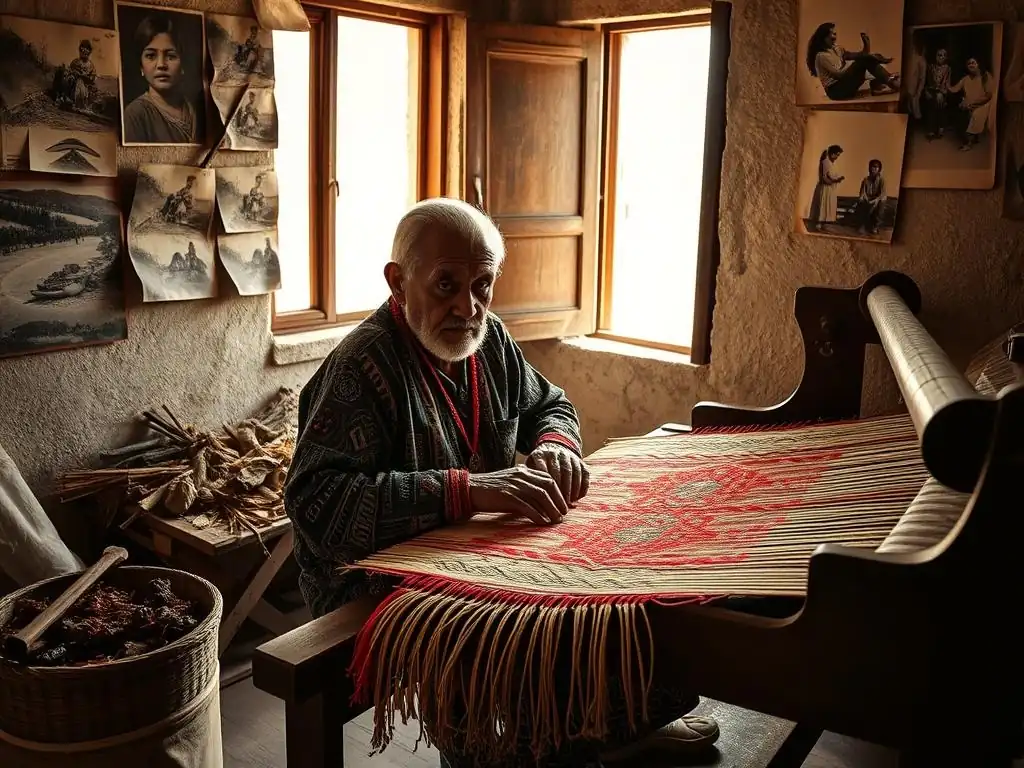
The rich heritage of indigenous textile technologies is facing significant challenges in the contemporary world. These challenges not only threaten the survival of traditional techniques but also impact the communities that have historically preserved them. Understanding these challenges is crucial for recognizing the importance of indigenous textile practices in the broader context of cultural identity and environmental sustainability.
Issues of Cultural Appropriation and Intellectual Property
Cultural appropriation remains a pressing concern for many indigenous communities engaged in textile production. The commercialization of traditional designs without proper acknowledgment or compensation undermines the cultural significance of these textiles.
- Intellectual Property Rights: Many indigenous artisans struggle to protect their traditional designs from appropriation by non-indigenous businesses. The lack of legal frameworks that recognize the unique cultural heritage embedded in these textiles hampers their ability to claim ownership over their creations.
- Representation: When non-indigenous companies use indigenous designs, they often do so without understanding the cultural narratives and spiritual meanings associated with those patterns. This disconnect can lead to representations that are misleading or disrespectful.
- Economic Impact: The unauthorized use of indigenous designs in the commercial market can lead to economic disadvantages for the original creators, as profits are siphoned away from the communities that birthed these artistic expressions.
Addressing these issues requires a collaborative approach that respects the rights of indigenous people and recognizes the value of their cultural contributions.
Economic Challenges and Sustainability in Textile Production
Economic challenges also play a significant role in the survival of indigenous textile technologies. Many artisans face difficulties in accessing markets, resources, and training necessary to sustain their practices.
- Access to Markets: Indigenous artisans often lack the means to reach larger markets, limiting their ability to sell their textiles and generate income. This isolation can contribute to the decline of traditional practices as younger generations seek more stable economic opportunities.
- Resource Scarcity: The materials traditionally used in indigenous textiles, such as specific plants for dyes and fibers, are becoming increasingly scarce due to environmental changes and industrialization. This scarcity not only threatens the quality of the textiles produced but also the methods of production that rely on these natural resources.
- Sustainability Practices: Many indigenous textile production methods are inherently sustainable, utilizing local materials and traditional techniques. However, these practices are at risk as economic pressures push communities towards more industrialized and less sustainable methods of production.
Fostering economic sustainability while preserving traditional techniques is essential for the vitality of indigenous textile production.
Conclusion: The Legacy of Indigenous Textile Technology History
The legacy of indigenous textile technologies is profound, encompassing a rich tapestry of cultural, economic, and environmental significance. This legacy continues to inform contemporary practices and remains integral to the identity of many indigenous communities.
The Continued Importance of Indigenous Textiles in Modern Culture
Indigenous textiles are not just artifacts of the past; they play a vital role in modern culture. They serve as symbols of identity, resilience, and continuity for many indigenous peoples.
- Cultural Identity: Textiles often carry deep cultural narratives, connecting contemporary generations to their ancestors and traditions. Wearing or utilizing these textiles reinforces a sense of belonging and cultural pride.
- Artistic Expression: Indigenous textile techniques inspire modern artists and designers, creating a dialogue between traditional methods and contemporary art. This integration fosters greater appreciation for the intricacies of indigenous craftsmanship.
- Educational Value: Indigenous textiles provide opportunities for education about cultural histories and practices, promoting awareness and respect for diverse traditions.
As society increasingly values diversity and authenticity, indigenous textiles will likely continue to gain prominence.
Future Prospects for Indigenous Textile Technologies
Looking ahead, there are promising prospects for the revival and sustainability of indigenous textile technologies.
- Collaborative Initiatives: Partnerships between indigenous artisans and organizations focused on cultural preservation can help promote traditional techniques while providing economic support. These collaborations can create new markets for indigenous textiles.
- Sustainable Practices: There is a growing movement towards sustainability in fashion and textiles, which aligns well with the principles of many indigenous production methods. Advocating for these practices can lead to a resurgence of interest in traditional textiles.
- Technology Integration: The use of modern technology, such as online platforms for marketing and selling indigenous textiles, can help artisans reach broader audiences while maintaining the integrity of their cultural practices.
The history of indigenous textile technology is rich and complex, and its future holds potential for revitalization and respect as societies work towards greater inclusion and sustainability.
References and Further Reading
The exploration of indigenous textile technology history offers a rich tapestry of cultural significance, innovation, and artistry. Numerous resources are available for those interested in delving deeper into the subject. Below are suggested literature and resources that provide valuable insights into the textile practices of indigenous civilizations in the Americas.
Suggested Literature on Indigenous Textile Practices
- "The Fabric of Our Lives: The Role of Textiles in Indigenous Culture" by Dr. Susan T. McKenzie
- This foundational text examines the integral role textiles played in various indigenous cultures, highlighting the materials, techniques, and cultural meanings associated with textile production.
- "Threads of Life: Preservation of Indigenous Textiles in the Americas" by Maria P. Ruiz
- Ruiz explores the historical context and ongoing efforts to preserve indigenous textile traditions, discussing both ancient techniques and contemporary practices.
- "Weaving the Past: A History of Indigenous Textiles" by John H. Thompson
- This comprehensive history outlines the evolution of textile technologies among different indigenous groups, illustrating how these practices adapted and thrived through centuries.
- "Interwoven: The Art of Indigenous Textile Production" by Elena K. Torres
- Focused on the artistic aspects of textile creation, this book provides an analysis of the symbolism and aesthetics found in indigenous textiles, showcasing their cultural significance.
- "Textiles of the Americas: An Ethnographic Study" by Clara M. DeLaVega
- An ethnographic approach to understanding textile practices among various indigenous groups, this book incorporates interviews and field studies to provide a holistic view of textile technology.
Resources for Learning About Textile Technologies
- Online Archives and Databases
- The American Folklife Center: A digital repository housing extensive collections of textiles and related artifacts from indigenous cultures.
- The Smithsonian Institution’s National Museum of the American Indian: Offers various resources, including articles, exhibitions, and virtual tours focused on indigenous textile arts.
- Documentaries and Educational Videos
- "Weaving Traditions: Indigenous Techniques and Modern Applications": A documentary that showcases indigenous artisans and their weaving practices, addressing both historical context and modern adaptations.
- "Threads of Heritage: Indigenous Textiles of the Americas": This educational series explores the significance of textiles in various indigenous cultures, featuring interviews with artists and scholars.
- Workshops and Online Courses
- The Textile Arts Center: Provides workshops focusing on traditional weaving techniques, often featuring indigenous instructors who share their cultural practices.
- Coursera and edX: Platforms offering courses on textile technologies, some featuring modules specifically about indigenous practices and their historical relevance.
- Cultural Institutions and Museums
- The Museum of Anthropology at the University of British Columbia: Features exhibits on indigenous textile practices and offers educational programming related to textile technologies.
- The Field Museum in Chicago: Houses a collection of indigenous textiles and provides resources for educators and students interested in textile history.
By engaging with these literature and resources, individuals can develop a deeper understanding of the intricate history and ongoing evolution of indigenous textile technology, appreciating the artistic and cultural narratives woven into each fabric.
- Introduction to Indigenous Textile Technology History
- Overview of Textile Technologies in Indigenous Cultures
- Importance of Textile Practices in the Americas
- Ancient Techniques of Textile Production
- Key Indigenous Civilizations and Their Textile Innovations
- The Impact of Environment on Textile Technologies
- The Transition from Ancient to Modern Textile Practices
- Modern Revival of Indigenous Textile Technologies
- Challenges Facing Indigenous Textile Technologies Today
- Conclusion: The Legacy of Indigenous Textile Technology History
- References and Further Reading
- What are some key indigenous textile technologies discussed in the article?
- How did indigenous civilizations influence modern textile practices?
- What role did natural resources play in textile production among indigenous groups?
- How has the history of indigenous textiles contributed to cultural identity?
- In what ways are indigenous textile technologies being revived today?
Frequently Asked Questions
What are some key indigenous textile technologies discussed in the article?
The article highlights various techniques such as weaving, dyeing, and embroidery that were developed by indigenous cultures, showcasing their innovative approaches to textile production.
How did indigenous civilizations influence modern textile practices?
Indigenous civilizations laid the groundwork for modern textile technologies by introducing sustainable practices and unique craftsmanship that continue to inspire contemporary designers and artisans.
What role did natural resources play in textile production among indigenous groups?
Natural resources were crucial, as indigenous peoples utilized local plants, animal fibers, and minerals for creating dyes and materials, reflecting a deep connection with their environment.
How has the history of indigenous textiles contributed to cultural identity?
The history of indigenous textiles serves as a cultural narrative, preserving stories, traditions, and spiritual beliefs, while also fostering a sense of community and identity among indigenous peoples.
In what ways are indigenous textile technologies being revived today?
Today, there is a growing movement to revive indigenous textile techniques, promoting traditional craftsmanship and supporting local artisans, which helps to sustain cultural heritage and economic development.
Final Reflection: The Timeless Journey of Textile Technologies
The evolution of textile technologies is not merely a historical account; it is a testament to human creativity and resilience that continues to resonate in our modern world. Today, as we witness a resurgence in the appreciation for indigenous textile technology history, we are reminded of the profound connection between culture, identity, and craftsmanship. This revival serves as a striking reminder that the threads of our past are intricately woven into the fabric of our present and future.
Cultural narratives surrounding textile technologies have shaped societies for centuries, influencing everything from fashion to sustainable practices. The ongoing appreciation for indigenous techniques highlights the importance of preserving these rich traditions while fostering innovation. As we embrace these ancient methods, we are not only honoring our ancestors but also paving the way for a more sustainable and ethical approach to modern textile production. In the hands of artisans, textiles become a language that speaks of heritage, identity, and the interconnectedness of all beings.
As we reflect on the journey of textile technologies, let us take a moment to consider how we can incorporate these lessons into our lives. I invite you to explore the stories behind the fabrics you encounter, to appreciate the artistry and history woven into each piece. By supporting sustainable practices and honoring indigenous craftsmanship, we can contribute to a future where textile technologies continue to thrive, enriching our lives and the planet. Embrace the call to action: let your choices reflect the values of respect, creativity, and sustainability that have defined textile history for generations.
Explore the Legacy: Embrace Indigenous Textile Traditions Today!
Thank you for taking the time to delve into the fascinating world of textile technologies! By exploring the evolution from ancient techniques to modern revivals, you’ve gained insights into a rich heritage that connects us to generations past. Now, it’s time to take action and celebrate these vibrant traditions!
Here are some ways you can get involved and make a difference:
- Immerse yourself in indigenous textile arts by attending a local workshop or class—connect with artisans and learn firsthand!
- Share your newfound knowledge with others: host a discussion group or share the importance of preserving these techniques through social media.
- Explore indigenous textile museums or exhibitions in your area; discover the stories woven into every piece!
How will you contribute to the revival of these beautiful traditions in your community?