
Ancient Inca Engineering: Mastering Terracing and Water Management

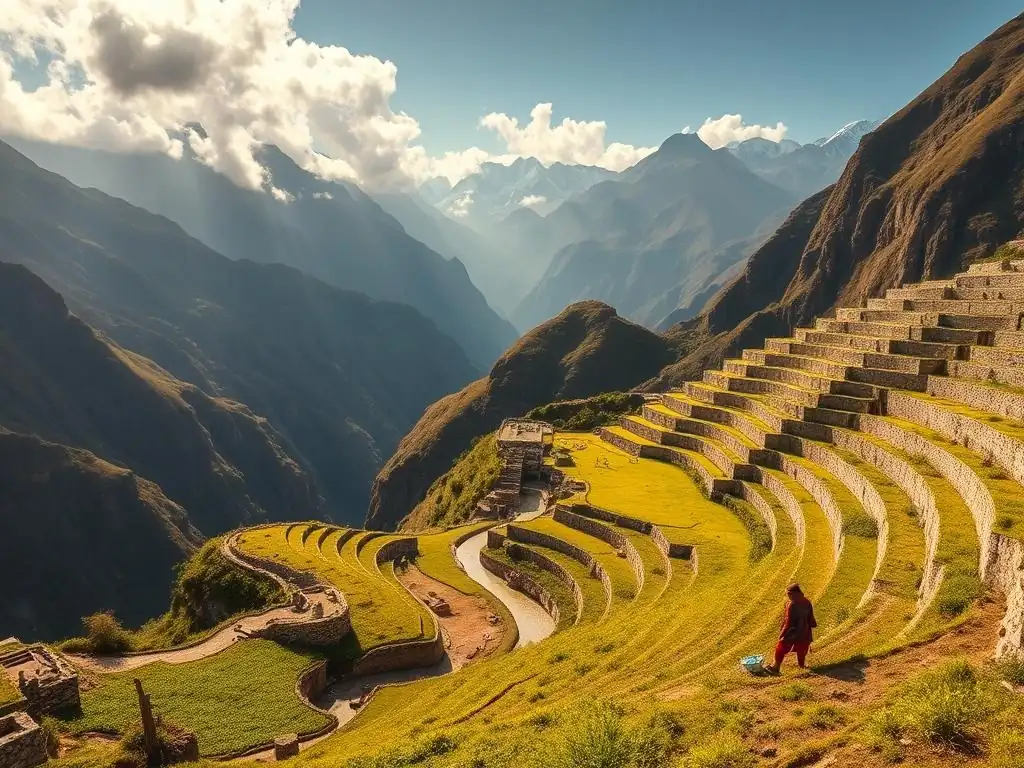
Welcome to Indigenous Civilizations of the Americas, where we invite you to embark on a journey through time to uncover the remarkable achievements of the diverse cultures that flourished long before European contact. In our featured article, “Ancient Inca Engineering: Mastering Terracing and Water Management,” we delve into the ingenious techniques and innovations that defined the Inca Empire. Discover how these ancient engineers transformed their environment, forging a legacy of sustainability and ingenuity that resonates to this day.
Are you ready to explore the fascinating world of Inca engineering and its lasting impact? Join us as we unveil the secrets behind these monumental achievements!
- Introduction to Inca Engineering Techniques and Achievements
- Inca Terracing Techniques: An Engineering Marvel
- Water Management Systems: Ingenious Inca Solutions
- The Interconnection Between Terracing and Water Management
- The Legacy of Inca Engineering Techniques and Achievements
- Conclusion: The Ingenuity of Inca Engineering Techniques and Achievements
- Frequently Asked Questions
- Final Reflection: The Enduring Legacy of Inca Engineering
- Unleash Your Inner Engineer!
Introduction to Inca Engineering Techniques and Achievements
The Inca civilization, known for its remarkable achievements in various fields, stands as a testament to the ingenuity and adaptability of indigenous cultures in the Americas. Among their most impressive feats are the sophisticated engineering techniques that they developed to thrive in the challenging Andean environment.
This article delves into the Inca engineering techniques and achievements, focusing on their innovative terracing and water management systems, which not only exemplified their mastery over the landscape but also played a crucial role in sustaining their society. By exploring the intricate designs and purposeful implementations of these engineering methods, we gain insight into how the Incas transformed their surroundings to ensure agricultural productivity, water conservation, and community resilience.
Overview of Inca Civilization and Their Engineering Mastery
The Inca Empire, which flourished from the early 15th century until the Spanish conquest in the 16th century, was one of the largest and most advanced civilizations in pre-Columbian America. Stretching along the western coast of South America, the empire encompassed diverse ecological zones, from coastal deserts to high mountain plateaus. This geographical diversity posed significant challenges for agriculture and resource management.
The Incas rose to prominence due to their exceptional organizational skills, effective governance, and innovative engineering practices. They understood the importance of adapting their methods to the local environment, leading to the development of advanced agricultural systems. Some key aspects of their engineering mastery include:
- Terracing: The Incas constructed extensive terraces on the steep slopes of the Andes, allowing them to cultivate crops at various altitudes. This method not only maximized arable land but also reduced soil erosion and improved water retention.
- Water Management: The Inca civilization developed sophisticated irrigation systems, including canals and aqueducts, to channel water from rivers and streams to their fields. This ensured a consistent water supply for their crops, even in arid regions.
These engineering techniques were not merely practical solutions; they reflected the Incas' deep understanding of their environment and their ability to manipulate it for agricultural productivity.
Importance of Terracing and Water Management in Inca Society
Terracing and water management were pivotal to the success of the Inca civilization, playing a vital role in their economic stability and social organization. The significance of these engineering achievements can be broken down into several key areas:
- Agricultural Productivity: Terracing allowed the Incas to cultivate crops such as potatoes, maize, and quinoa in otherwise inhospitable terrains. This innovation increased food production, supporting a growing population and contributing to the empire's wealth.
- Resource Efficiency: By effectively managing water resources, the Incas were able to irrigate large areas of farmland, ensuring that crops received adequate moisture. This not only enhanced crop yields but also minimized the risk of drought-related failures.
- Cultural and Social Cohesion: The communal nature of Inca agriculture fostered a sense of collaboration among communities. Large-scale terracing projects often involved collective labor, promoting social bonds and a shared identity among the people.
- Environmental Sustainability: The Inca approach to engineering was inherently sustainable. Their terracing and irrigation practices were designed to work in harmony with the natural landscape, preserving the environment while maximizing agricultural output.
The Inca engineering techniques, particularly in terracing and water management, were foundational to their civilization's success. These achievements not only addressed immediate agricultural needs but also laid the groundwork for a complex society that thrived in one of the most challenging environments on Earth.
Inca Terracing Techniques: An Engineering Marvel
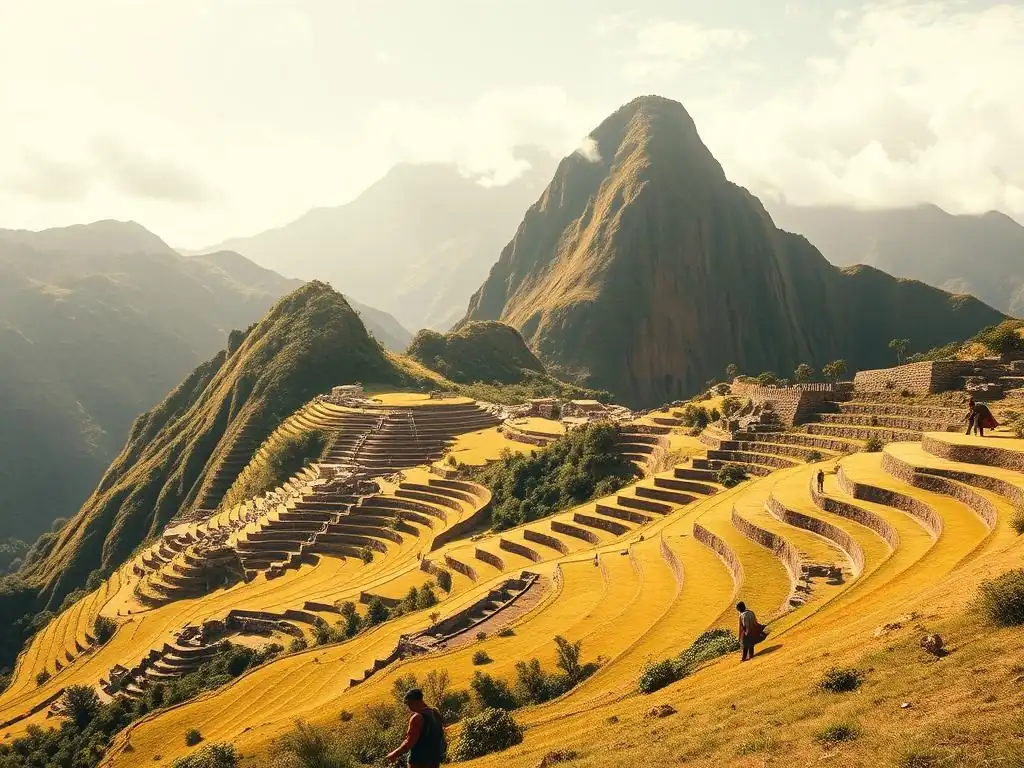
The Inca civilization is renowned for its remarkable engineering techniques, particularly in agriculture through terracing. This innovative method allowed the Incas to maximize arable land on the rugged Andean mountainsides, transforming steep slopes into productive agricultural terraces. Terracing was not merely a means of cultivation; it was a sophisticated system that reflected the Incas' deep understanding of their environment, climate, and the agricultural practices best suited to their landscape.
Purpose and Benefits of Terracing in Inca Agriculture
Terracing served multiple purposes in Inca agriculture, each contributing to the sustainability and efficiency of their food production systems.
- Soil Conservation: The primary purpose of terracing was to reduce soil erosion. By creating flat areas on slopes, the Incas minimized the impact of rainwater runoff, preserving vital topsoil.
- Microclimate Creation: Terraces allowed for the creation of microclimates. Different elevations and orientations could support various crops, providing a more diverse and resilient agricultural system.
- Improved Irrigation: The terraced fields facilitated efficient water management. Water could be directed from higher elevations to lower ones, ensuring that all terraces received adequate irrigation.
- Maximizing Arable Land: The use of terraces significantly increased the amount of land that could be farmed. The Incas were able to cultivate crops in areas that would otherwise be unsuitable for agriculture.
- Cultural Significance: Terracing was not just an agricultural technique; it was part of the Inca identity and social organization. It reflected the community's collaborative efforts and their relationship with the land.
Key Elements of Inca Terracing Design
The engineering of Inca terracing involved several key design elements that ensured its effectiveness and sustainability.
Use of Stone and Earth Materials
The Incas skillfully utilized available materials such as stone and earth in their terracing projects:
- Stone Walls: Many terraces were constructed with stone walls that provided structural integrity. These walls helped to hold back soil and create level surfaces. The use of locally sourced materials reduced transportation costs and integrated the terraces into the natural landscape.
- Earth Fill: Earth from the surrounding areas was often used to fill in and create level surfaces. This technique allowed the Incas to construct terraces quickly and efficiently, adapting to the topography of the land.
- Drainage Systems: The design of terraces included sophisticated drainage systems that channeled excess water away from the fields, preventing waterlogging and ensuring crop health.
Adaptation to Diverse Landscapes
The adaptability of Inca terracing to various landscapes was a testament to their engineering prowess:
- Steep Slopes: In areas with steep gradients, the Incas built narrow, closely spaced terraces that were reinforced with stone walls. This design minimized erosion and optimized the use of space.
- Valleys and Plains: In broader valleys where slopes were less severe, terraces were wider and more spaced out, allowing for larger fields of crops.
- High Altitude Adjustments: At higher altitudes, where temperatures could be extreme, the Incas selected crops that thrived in those conditions, using terraces to create warmer microclimates.
- Integration with Water Management: The terraces were often designed in conjunction with sophisticated irrigation systems, including canals and aqueducts, that ensured a steady water supply across various elevations.
The ingenuity behind these Inca engineering techniques and achievements in terracing and water management has left a lasting legacy, demonstrating a profound understanding of ecological principles and sustainable practices that modern societies can still learn from today.
Examples of Famous Inca Terraces
The Inca civilization is renowned for its advanced engineering techniques, particularly in the realm of terracing. These terraces were not merely agricultural plots; they represented a sophisticated understanding of topography and environmental management. Here, we will explore two of the most notable examples of Inca terracing: Moray and Ollantaytambo.
Moray Agricultural Terraces
Moray is one of the most fascinating archaeological sites in the Andes, showcasing an impressive series of circular terraces that descend into the ground. Located near the town of Maras, Moray is believed to have served as an agricultural laboratory for the Incas.
- Design and Purpose: The terraces at Moray consist of four distinct levels, with each level featuring a different microclimate. This unique design allowed the Incas to experiment with various crops, optimizing their growth conditions. The temperature variations across the levels were significant, enabling the Incas to cultivate diverse plants suited to different climatic needs.
- Engineering Techniques: The construction of Moray's terraces involved precise engineering. Stone walls supported the terraces, which were filled with soil that was carefully layered to enhance drainage and prevent erosion. The Incas were adept at selecting local materials and adapting their techniques to the surrounding environment, showcasing their innovative spirit.
- Impact on Agriculture: By utilizing Moray as a testing ground for crops, the Incas significantly enhanced agricultural productivity. This site illustrates the broader Inca strategy of maximizing agricultural output through careful planning and engineering, which was crucial for sustaining their vast empire.
Ollantaytambo Terraces
Ollantaytambo is not only a well-preserved Inca town but also features remarkable terracing that exemplifies Inca engineering prowess. Located in the Sacred Valley, these terraces served both agricultural and military purposes.
- Terracing Structure: The terraces of Ollantaytambo are built on the steep slopes of the valley, showcasing the Incas' ability to transform challenging landscapes into arable land. The terraced fields here are supported by robust stone walls that have withstood the test of time, demonstrating the durability of Inca construction methods.
- Strategic Importance: The terraces at Ollantaytambo were crucial for agricultural production, providing food for the local population and the Inca military. The site's strategic positioning also allowed it to serve as a fortress during times of conflict, illustrating the dual purpose of these engineering feats.
- Cultural Significance: Beyond their practical uses, the terraces of Ollantaytambo are a testament to the Inca's deep connection with the land. They reflect the Incas' understanding of sustainable practices and their ability to adapt to environmental challenges, ensuring their agricultural systems thrived even in rugged terrains.
Both Moray and Ollantaytambo exemplify the ingenuity and skill of Inca engineering techniques and achievements, showcasing their advanced approach to agriculture and landscape management that contributed to the sustainability of their civilization.
Water Management Systems: Ingenious Inca Solutions
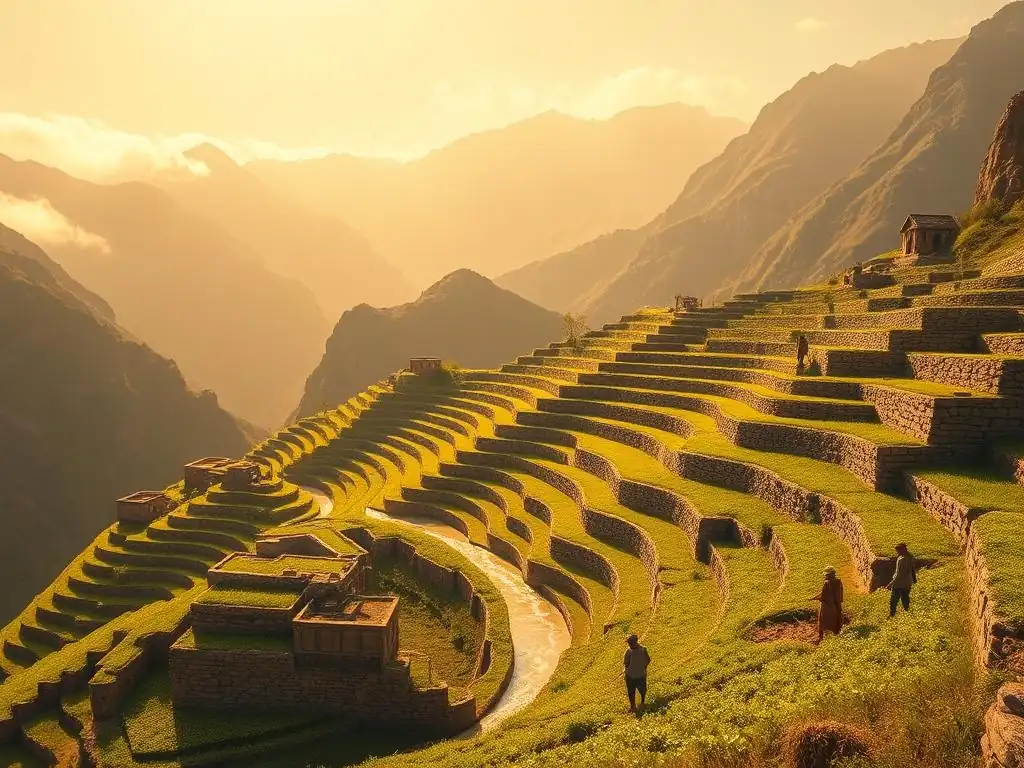
The Inca civilization is renowned for its remarkable engineering techniques, particularly in the realm of water management. This ingenuity was not only crucial for agricultural productivity but also played a significant role in the socio-economic structure of Inca society. Given the diverse geography of the Andes, which includes mountains, valleys, and arid regions, effective water management systems were paramount for sustaining the growing population of the Inca Empire.
The Role of Water Management in Inca Society
Water management was central to the success of the Inca Empire, enabling the cultivation of crops in challenging environments. The Incas understood the importance of water not just for agriculture but also for sanitation and daily life. They developed a sophisticated system that included:
- Irrigation Channels: These were engineered to direct water from rivers and streams to agricultural fields. This allowed the cultivation of crops in areas that would otherwise be too dry for farming.
- Reservoirs: The Incas built reservoirs to store water, ensuring a reliable supply during dry seasons. These structures also helped maintain the water levels in irrigation channels.
- Terracing: This technique was employed to create flat land on steep hillsides, maximizing arable land while minimizing soil erosion. Terracing also facilitated effective water distribution across different elevations.
The efficient management of water resources not only enhanced agricultural yields but also contributed to the stability of Inca society by reducing the risk of famine. The success of these systems showcased the Incas' advanced understanding of hydrology and environmental management.
Inca Aqueducts and Irrigation Techniques
The Inca civilization developed an extensive network of aqueducts and irrigation systems that exemplified their engineering prowess. These systems were vital for transporting water from natural sources to their agricultural fields, helping to support the empire's agricultural economy.
Construction of Aqueducts
The construction of aqueducts by the Incas involved meticulous planning and skilled craftsmanship. Key features of their aqueduct systems include:
- Stone Construction: The aqueducts were often built using locally sourced stone, which provided durability and stability. The stones were finely cut and fitted together, ensuring the aqueducts could withstand the test of time.
- Gradient Engineering: The Incas designed their aqueducts to maintain a consistent gradient, allowing gravity to facilitate the flow of water. This required a deep understanding of topography and hydrodynamics.
- Use of Natural Terrain: The aqueducts frequently followed the contours of the land, utilizing natural valleys and slopes to minimize construction challenges. This approach ensured that water could flow efficiently to where it was needed.
Distribution of Water to Agricultural Fields
Once water was transported through the aqueducts, the Inca engineers employed various techniques for its distribution to agricultural fields:
- Branching Channels: The main aqueducts would branch off into smaller channels that directed water to different fields. This allowed for precise water allocation based on the specific needs of each crop.
- Control Structures: The Incas utilized control structures, such as weirs and sluice gates, to regulate the flow of water. These structures enabled them to manage water levels and divert excess water during heavy rains.
- Integration with Terraces: The water distribution system was intricately connected to the terraced fields. This integration ensured that each level of terrace received adequate water while preventing soil erosion and nutrient loss.
The water management systems of the Inca civilization were a testament to their advanced engineering techniques and achievements. By mastering aqueduct construction and implementing effective irrigation methods, the Incas not only optimized agricultural production but also demonstrated their ability to harmonize with the challenging Andean environment.
Storage Systems: Inca Water Reservoirs
The Inca civilization is renowned for its advanced engineering techniques, particularly in the realm of water management. Central to their agricultural success were sophisticated water storage systems, particularly reservoirs that collected and stored water from various sources. These reservoirs were integral to ensuring a reliable water supply for irrigation, especially in the arid and semi-arid regions of the Andes where rainfall was often scarce and unpredictable.
The Inca constructed reservoirs with precise engineering, often located strategically to capture runoff from rainfall or melting glaciers. These structures were typically built using local materials such as stone and adobe, allowing them to withstand the test of time. The design of the reservoirs included features that facilitated water conservation and distribution, making them essential components of the Inca agricultural system.
Importance of Water Storage for Agriculture
Water storage was crucial for the Inca agrarian society, as it allowed for the cultivation of crops in otherwise inhospitable environments. The ability to store water meant that farmers could irrigate their fields even during dry periods, which was vital for growing staple crops like maize, potatoes, and quinoa.
- Irrigation Efficiency: By storing water, the Incas could develop an intricate irrigation network that maximized water usage efficiency. This system allowed water to be channeled to crops at optimal times, ensuring healthy growth and higher yields.
- Drought Mitigation: The reservoirs acted as buffers against droughts, providing a backup water source. This resilience was vital for sustaining the population and supporting agricultural activities throughout the year.
- Crop Diversity: With reliable water supplies, the Incas could cultivate a variety of crops, which helped diversify their diet and increase food security. This agricultural diversity also contributed to the economic stability of the empire.
Notable Inca Reservoirs
Several remarkable reservoirs stand out in the history of Inca engineering, showcasing their innovative approaches to water management:
- Pucara Reservoir: Located near Lake Titicaca, this reservoir was a significant water storage site for the surrounding agricultural lands. Its construction demonstrates the Inca's ability to manipulate natural landscapes to create functional storage solutions.
- Huánuco Viejo Reservoir: This ancient site features a series of interconnected reservoirs designed to manage water flow effectively. The engineering precision involved in creating these reservoirs reflects the Inca's advanced understanding of hydraulics and water conservation.
- Saqsayhuamán Reservoir: Near Cusco, this reservoir was part of a larger agricultural network. Its strategic placement allowed for effective irrigation of the surrounding fields, showcasing the Inca's foresight in water management.
- Q'eswachaka Reservoir: Known for its role in maintaining traditional agricultural practices, this reservoir system highlights the continued importance of Inca engineering techniques in modern times.
The Inca water reservoirs are a testament to the civilization's ingenuity and mastery of engineering principles. Their ability to effectively store and manage water not only ensured agricultural prosperity but also played a critical role in sustaining their complex society.
The Interconnection Between Terracing and Water Management
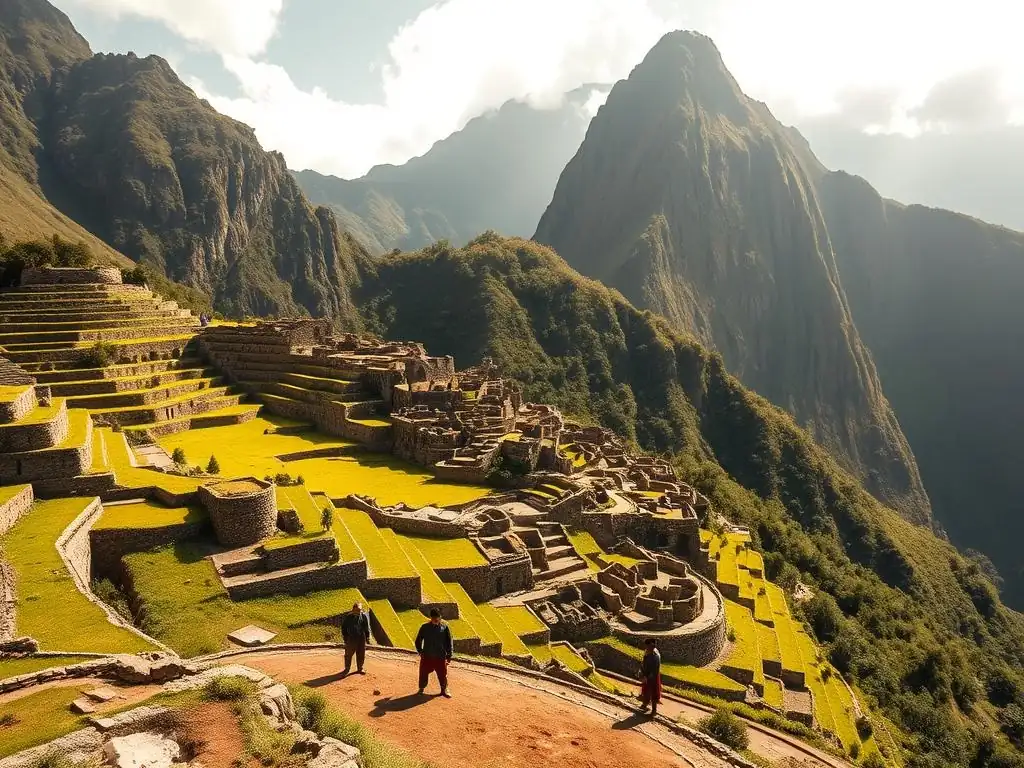
The Inca civilization is renowned for its impressive engineering techniques, particularly in the realms of terracing and water management. These two systems are intricately linked, creating a sustainable agricultural framework that allowed the Incas to thrive in the challenging Andean environment. This section delves into how terracing enhances water efficiency and examines specific case studies that showcase these integrated systems.
How Terracing Enhances Water Efficiency
Terracing is an ancient agricultural practice that involves creating stepped levels on sloped land to reduce soil erosion, manage water runoff, and maximize arable land. In the context of Inca engineering techniques, terracing serves several critical functions:
- Soil Conservation: The stepped design of terraces minimizes soil erosion by slowing down water flow. This allows for better absorption of moisture, which is crucial in the arid highlands of Peru.
- Water Retention: Terraces create flat areas that capture and retain rainwater. This retention is vital, especially during the rainy season, as it ensures a steady supply of water for crops throughout the drier months.
- Irrigation Control: The Incas developed sophisticated irrigation systems that worked in tandem with terracing. By directing water from rivers or streams onto the terraces, they could control the amount of water each level received, reducing waste and optimizing crop yields.
- Microclimate Creation: The terraced landscape allows for the creation of microclimates, where different plant species can thrive based on their water needs. This diversity supports agricultural resilience and enhances productivity.
- Enhanced Crop Yield: By effectively managing both soil and water, terracing directly contributes to increased agricultural output. The Incas could cultivate various crops, including maize, potatoes, and quinoa, which were essential for their sustenance and trade.
Overall, the Inca terracing system exemplifies how engineering techniques and environmental adaptation can lead to sustainable agricultural practices.
Case Studies of Integrated Terracing and Water Management
The practical application of terracing and water management can be observed in various archaeological sites throughout the Inca Empire. Two notable examples are Tipón and Písac, each showcasing unique engineering achievements.
Tipón
Tipón, located near Cusco, is an exceptional example of Inca engineering that combines terracing with an intricate water management system. This site features:
- Extensive Terracing: The terraces at Tipón are meticulously constructed, with some reaching up to 4 meters in height. These terraces not only support agriculture but also provide stunning views of the surrounding landscape.
- Aqueducts and Channels: The Incas engineered a series of aqueducts and channels that distribute water from nearby springs across the terraces. This system ensures that each terrace receives adequate irrigation while minimizing water loss.
- Water Features: Tipón is famous for its ceremonial fountains and water channels, which highlight the Inca's reverence for water as a life-giving force. The precise engineering of these features demonstrates advanced hydraulic knowledge.
- Biodiversity: The combination of terracing and water management at Tipón supports a diverse range of flora, indicating the Incas' understanding of ecological balance.
Písac
Písac, another significant archaeological site, illustrates the sophisticated integration of terracing and water management in the Inca Empire:
- Strategic Location: Situated on a mountainside, Písac's terraces were strategically designed to capture runoff water from rainfall and melting snow, optimizing water availability for agriculture.
- Irrigation Systems: The site features an elaborate irrigation network with channels that lead water to the terraces. This system is designed to ensure efficient water distribution, enhancing the overall agricultural productivity of the area.
- Terrace Design: The terraces at Písac vary in size and shape, tailored to the specific topography of the land. This adaptability reflects the Incas' deep understanding of their environment and resource management.
- Cultural Significance: Písac is not only an agricultural site but also a cultural and religious center. The integration of agricultural and ceremonial spaces illustrates how Inca engineering techniques supported both practical and spiritual needs.
The case studies of Tipón and Písac exemplify how the Incas mastered the interconnection between terracing and water management, leading to remarkable achievements in agriculture and engineering. These sites serve as enduring testaments to the ingenuity and resourcefulness of ancient Inca civilization.
The Legacy of Inca Engineering Techniques and Achievements
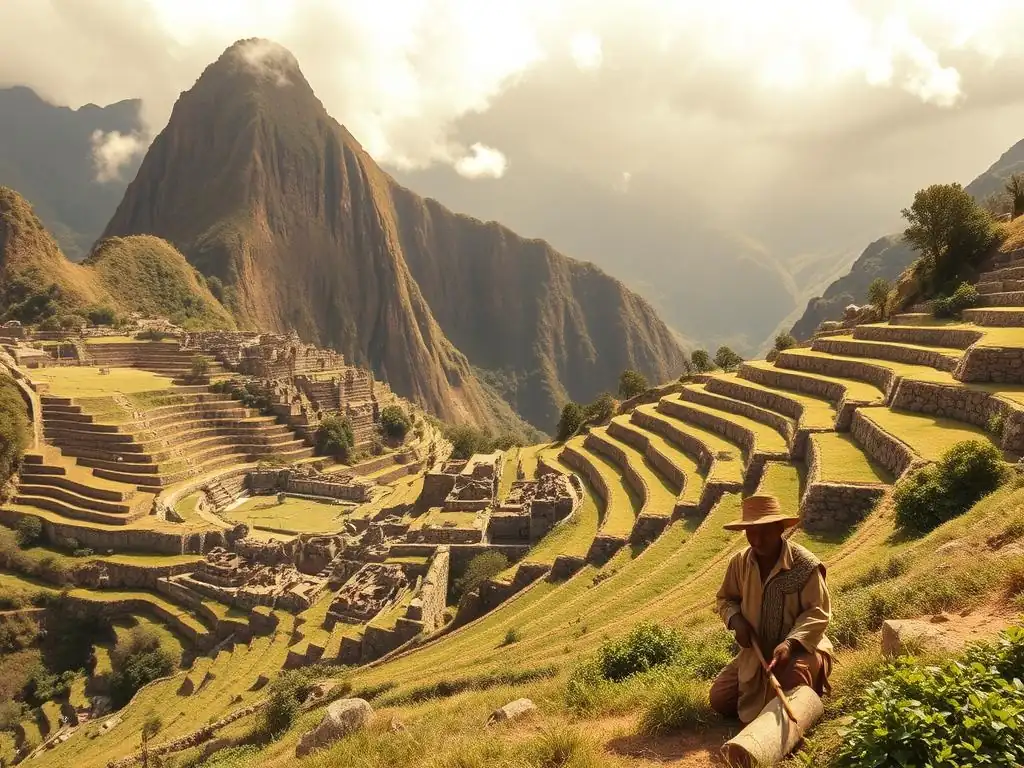
The Inca civilization, renowned for its remarkable engineering techniques and achievements, left a profound legacy that continues to influence various aspects of modern society. Their innovative approaches to agriculture, architecture, and water management demonstrate a sophisticated understanding of the environment, which has shaped contemporary practices. This section explores the lasting impact of Inca engineering techniques, the preservation of their knowledge, and their influence on modern indigenous engineering practices.
Lasting Impact on Modern Agricultural Practices
The terracing systems developed by the Incas are among the most significant contributions to agriculture. These terraces allowed the cultivation of crops on steep mountainous terrain, which would otherwise be unmanageable. The Incas utilized retaining walls and drainage systems to prevent soil erosion and ensure water retention, optimizing the land for farming.
Key Features of Inca Terracing:
- Erosion Control: The terraces minimized erosion by slowing down water runoff, preserving the topsoil.
- Microclimates: Each terrace created its own microclimate, allowing for a diverse range of crops to be cultivated, including potatoes, maize, and quinoa.
- Water Management: The Incas developed sophisticated irrigation systems that diverted water from rivers and streams to the terraces, maximizing agricultural output.
Today, many Andean farmers still utilize similar terracing techniques, demonstrating the enduring effectiveness of Inca methods. This adaptation not only helps in sustainable farming but also plays a critical role in preserving biodiversity and combating climate change in the region.
Preservation of Inca Engineering Knowledge
The knowledge of Inca engineering techniques has been preserved through various means, including oral traditions, archaeological studies, and the continuous use of their methods by descendants of the Inca people.
Mechanisms of Preservation:
- Oral Traditions: Indigenous communities have passed down agricultural techniques and engineering practices through generations, often incorporating Inca methods into their farming.
- Archaeological Research: Excavations of Inca sites have unearthed extensive evidence of engineering achievements, providing insights into their methods and materials. Studies conducted by archaeologists have helped document these practices, ensuring they are not forgotten.
- Cultural Heritage Initiatives: Programs aimed at promoting and preserving indigenous knowledge have been established, recognizing the value of traditional engineering practices. These initiatives often focus on education and the integration of ancient techniques in modern contexts.
The recognition of Inca engineering as a vital part of cultural heritage has fostered a renewed interest in sustainable practices rooted in historical knowledge.
Influence on Contemporary Indigenous Engineering Techniques
Inca engineering has significantly influenced contemporary indigenous engineering techniques across the Americas. Many indigenous groups have adapted these practices to suit their unique environmental contexts while maintaining core principles learned from the Incas.
Examples of Influence:
- Water Management Systems: Modern indigenous communities have implemented similar irrigation techniques, utilizing gravity-fed systems to transport water efficiently, akin to those used by the Incas.
- Sustainable Construction: The use of natural materials, such as stone and adobe, in building structures reflects Inca practices that emphasized harmony with the environment.
- Terracing and Crop Rotation: Many indigenous farmers today utilize terracing and crop rotation inspired by Inca methods, promoting soil health and sustainability.
The legacy of Inca engineering techniques and achievements continues to resonate, not only in the Andes but across the Americas, showcasing the ingenuity and adaptability of indigenous peoples in their engineering endeavors.
Conclusion: The Ingenuity of Inca Engineering Techniques and Achievements
The Inca civilization, renowned for its sophisticated engineering techniques, left an indelible mark on the landscape of the Andes through their innovative terracing and water management systems. These engineering achievements not only facilitated agricultural productivity but also demonstrated the Incas' profound understanding of their environment and their ability to adapt to its challenges.
Summary of Terracing and Water Management Contributions
The Inca's terracing techniques were pivotal in transforming steep, mountainous terrains into arable land. By constructing expansive terraces, they effectively reduced soil erosion, increased arable land area, and optimized the use of available water resources. The terraces created microclimates that allowed for diverse crop cultivation, enhancing food security across the empire.
- Key Contributions:
- Soil Conservation: The terraces acted as barriers against erosion, preserving valuable topsoil.
- Water Management: The Incas developed intricate irrigation systems that channeled water from rivers and streams to the terraces, ensuring consistent moisture for crops.
- Diverse Agriculture: By managing different ecological niches, the Incas cultivated various crops, including potatoes, maize, and quinoa, crucial for sustaining their population.
Moreover, the Inca's water management systems, including aqueducts and reservoirs, played a significant role in their agricultural success. These structures not only supplied water for irrigation but also supported urban centers and ceremonial sites, showcasing the multifunctionality of their engineering projects.
Reflection on the Significance of Inca Engineering in History
Inca engineering techniques and achievements represent a remarkable blend of practicality and ingenuity. The ability to manipulate the environment effectively not only contributed to the survival and prosperity of the Inca civilization but also set a precedent for sustainable agricultural practices.
The legacy of Inca engineering is evident in modern times. Many contemporary agricultural practices in the Andes are influenced by these ancient techniques, emphasizing the importance of preserving such knowledge. Furthermore, the Inca's engineering achievements serve as a testament to human innovation and resilience in the face of geographical challenges.
The Inca civilization’s mastery of terracing and water management exemplifies a profound understanding of engineering principles that not only addressed immediate needs but also contributed to the cultural and economic fabric of their society. The innovations of the Incas continue to inspire and inform modern engineering practices, highlighting the enduring impact of their achievements on our understanding of sustainable development.
Frequently Asked Questions
What were the primary engineering techniques used by the Incas?
The Inca engineering techniques included terracing for agriculture and advanced water management systems that maximized arable land and controlled irrigation.
How did Inca terracing benefit agriculture?
Inca terracing allowed them to cultivate crops on steep slopes, reducing soil erosion and creating microclimates that were ideal for diverse agricultural production.
What role did water management play in Inca society?
Water management was crucial for the Incas, involving sophisticated aqueducts and irrigation systems that ensured a reliable water supply for both agriculture and urban areas.
Can you describe the impact of Inca engineering on modern practices?
Inca engineering techniques, especially in terracing and water management, have influenced modern agricultural practices and are studied for their sustainability and efficiency.
What lasting legacies did Inca engineering leave behind?
The engineering accomplishments of the Incas, such as their terraced fields and aqueduct systems, continue to serve as a model for sustainable development and landscape management today.
Final Reflection: The Enduring Legacy of Inca Engineering
The remarkable achievements of Inca engineering techniques, particularly in terracing and water management, resonate profoundly in today's world. As we grapple with modern challenges such as climate change and sustainable agriculture, the ingenuity of the Incas serves as a powerful reminder of how ancient wisdom can inform contemporary practices. Their ability to harmonize with the environment showcases a level of sophistication that is both inspiring and essential for our future.
The influence of Inca engineering continues to shape our cultural and social landscapes, reminding us of the importance of sustainable practices. The terraced fields of the Andes not only optimized agricultural output but also fostered a deep connection between the people and their land. This relationship is echoed in the words of environmentalist Wangari Maathai: It’s the little things citizens do. That’s what will make the difference. My little thing is planting trees.
Just as the Incas cultivated their environment, we too must find ways to nurture our planet through thoughtful and innovative practices.
As we reflect on the lessons of Inca engineering, I invite you to consider how you can incorporate these principles into your own life. What small changes can you make to promote sustainability and respect for the environment? Whether it’s adopting water conservation techniques, supporting local agriculture, or simply being mindful of your ecological footprint, every action counts. Let the legacy of the Incas inspire you to become a steward of the earth, ensuring that their remarkable achievements continue to influence generations to come.
Unleash Your Inner Engineer!
Thank you for taking the time to explore the fascinating world of ancient Inca engineering with us! We hope you’ve gained valuable insights into their remarkable terracing and water management techniques. Now, let’s take that knowledge and put it into action!
Here are some practical steps you can take to dive deeper into this incredible topic:
- Start a DIY Project: Consider creating a small terraced garden or a rainwater collection system in your backyard. Use the Inca methods as inspiration for your design!
- Learn and Share: Explore modern sustainable farming techniques that draw inspiration from ancient civilizations, and share your findings with friends or on social media.
- Engage with the Community: Join a local group or online forum focused on indigenous engineering and sustainability. Connect with others who are passionate about the past and its relevance to our future.
What innovative ways can you think of to incorporate ancient wisdom into modern practices? **We’d love to hear your ideas in the comments below! **