
Preserving Knowledge: The Transmission of ToolMaking Skills Through Generations

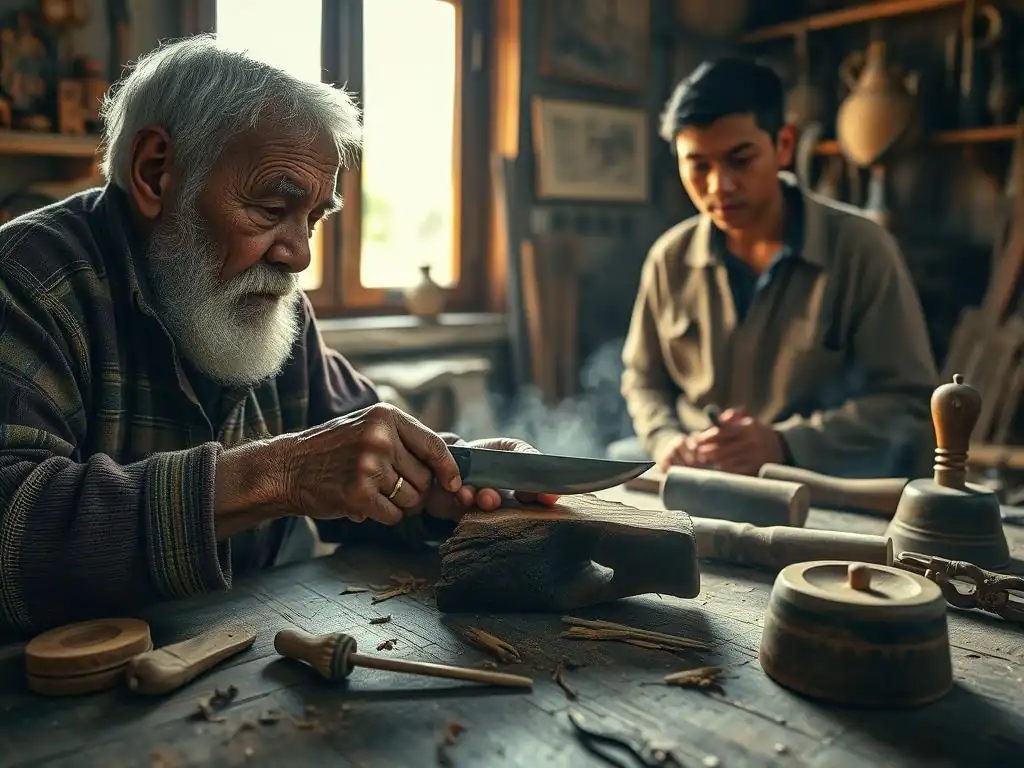
Welcome to Indigenous Civilizations of the Americas, where we invite you to journey through the rich tapestries of diverse indigenous cultures that flourished long before European contact. In our featured article, “Preserving Knowledge: The Transmission of Toolmaking Skills Through Generations,” we delve into the remarkable indigenous toolmaking skills transmission that showcases the ingenuity and resourcefulness of these societies. Discover how generations passed down vital techniques and knowledge, shaping not only their daily lives but also their enduring legacy. Prepare to be captivated as you explore the achievements and advances that continue to resonate today!
Introduction to Indigenous Toolmaking Skills Transmission
The art of toolmaking is a cornerstone of indigenous cultures across the Americas, encompassing a rich tapestry of knowledge, skills, and craftsmanship that has been meticulously passed down through generations. This tradition not only illustrates the ingenuity of these civilizations but also highlights their profound connection to the environment and their ability to adapt tools for various purposes.
The transmission of toolmaking skills is crucial for understanding the broader context of indigenous achievements and advances, as it encapsulates the essence of cultural identity, survival strategies, and technological innovation. As we delve into this topic, we will explore the methods through which indigenous toolmaking skills have been preserved and the impact of these skills on the societies that created them.
Importance of Toolmaking in Indigenous Cultures
Toolmaking has played a vital role in the development and sustainability of indigenous cultures. Here are some key points illustrating its significance:
- Resource Utilization: Indigenous peoples expertly crafted tools from the natural resources available to them, such as stone, bone, wood, and plant fibers. This resourcefulness reflects a deep understanding of their environment.
- Cultural Identity: Toolmaking is often intertwined with cultural practices and spiritual beliefs. Specific tools can hold symbolic meaning, representing community values and traditions.
- Economic Impact: Tools facilitated hunting, gathering, and agriculture, forming the basis of economic systems within indigenous societies. Efficient tools enabled communities to thrive and sustain themselves.
Overview of Knowledge Transmission Methods
The transmission of toolmaking skills among indigenous peoples occurs through various methods that ensure the continuity of knowledge:
- Oral Tradition: Elders and skilled artisans pass down techniques and stories verbally, ensuring that the cultural significance and practical skills of toolmaking are retained.
- Hands-On Learning: Apprenticeship is a common practice where younger generations learn directly from experienced craftsmen, allowing for practical, experiential learning.
- Cultural Ceremonies: Toolmaking can be integrated into rituals and ceremonies, reinforcing the importance of these skills within the community and ensuring their preservation through cultural practices.
Historical Context of Toolmaking in Indigenous Civilizations
Understanding the historical context of toolmaking provides insight into the technological advancements and adaptations made by indigenous civilizations throughout the Americas.
Ancient Toolmaking Techniques and Materials
Indigenous toolmakers employed a variety of techniques and materials that varied across regions and cultures:
- Flint Knapping: This ancient technique involved shaping flint into sharp edges for tools and weapons. It showcases the advanced understanding of material properties and geometry.
- Bone and Antler Tools: Many indigenous groups utilized animal bones and antlers to create tools suited for specific tasks, such as fishing, hunting, and crafting.
Table of Common Toolmaking Materials:
| Material | Common Uses | Cultural Significance |
|---|---|---|
| Stone | Knives, spearheads, axes | Symbol of strength and survival |
| Bone | Harpoons, needles, scrapers | Represents adaptability |
| Wood | Bows, arrows, digging sticks | Integral to daily life |
| Plant Fibers | Cordage, baskets, nets | Connection to the earth |
Role of Toolmaking in Survival and Daily Life
The role of toolmaking in indigenous life cannot be overstated. Tools were essential for:
- Hunting and Gathering: Specialized tools allowed for efficient hunting and food gathering, which were crucial for survival.
- Crafting and Construction: Tools facilitated the creation of shelters, clothing, and other necessary items, influencing the overall quality of life within communities.
- Social Structure: The skills involved in toolmaking often dictated social roles, with specific individuals recognized as craftsmen, which contributed to the social fabric of indigenous societies.
The transmission of indigenous toolmaking skills is a vital aspect of understanding the achievements and advances of these rich cultures. It reflects their resourcefulness, adaptability, and the intricate ways in which knowledge is shared and preserved through generations.
Mechanisms of Knowledge Transmission
Indigenous toolmaking skills transmission is a multifaceted process that encompasses various mechanisms through which knowledge is shared, preserved, and adapted across generations. The transmission of these skills is critical not only for maintaining cultural identity but also for ensuring the survival of practical knowledge essential for everyday life. The methods employed often intertwine, creating a rich tapestry of learning experiences that reflect the values and structures of indigenous societies.
Oral Traditions and Storytelling in Skill Sharing
Oral traditions and storytelling play a foundational role in the transmission of toolmaking skills among indigenous cultures. Elders often recount tales that illustrate the significance of particular tools, their origins, and the skills required to create them. These stories serve multiple purposes:
- Cultural Context: They provide context about the tools' uses within the community, imbuing them with cultural meaning.
- Moral Lessons: Stories often carry moral lessons, emphasizing the importance of respect for materials and the environment.
- Historical Insight: They connect younger generations to their heritage, offering insights into the past through the experiences of their ancestors.
This oral tradition not only facilitates skill sharing but also reinforces communal bonds, ensuring that knowledge is not merely passed down but also deeply understood and valued.
Hands-On Apprenticeship: Learning by Doing
Hands-on apprenticeship is a critical component of indigenous toolmaking skills transmission. This method emphasizes experiential learning, where apprentices learn by actively engaging in the crafting process under the guidance of skilled artisans. Key elements of this approach include:
- Direct Supervision: Apprentices receive immediate feedback and support from experienced craftsmen, which accelerates their learning.
- Repetitive Practice: Through repeated practice, apprentices hone their skills, gradually mastering techniques that may take years to perfect.
- Adaptation and Creativity: As apprentices become more skilled, they are encouraged to innovate, allowing for the evolution of traditional techniques while preserving their core principles.
This method not only ensures the practical skills are retained but also fosters creativity and adaptability among the younger generation.
Community Gatherings and Collective Learning
Community gatherings serve as vital platforms for collective learning, where knowledge regarding toolmaking and other traditional skills is shared openly among members. These gatherings can take various forms, such as festivals, workshops, or seasonal events, and they often include:
- Demonstrations: Skilled artisans showcase their techniques, allowing others to observe and learn in a communal setting.
- Collaborative Projects: Group initiatives, such as creating communal tools or art, foster teamwork and shared responsibility in the learning process.
- Cultural Exchange: Such events often facilitate the exchange of ideas and techniques between different communities, enriching the knowledge base and fostering innovation.
Through these communal experiences, the transmission of toolmaking skills becomes a shared endeavor, reinforcing social ties and cultural identity.
Generational Transmission of Toolmaking Skills
Generational transmission of toolmaking skills is a crucial aspect of cultural preservation among indigenous peoples. This process ensures that valuable techniques and knowledge are not lost but instead continue to thrive and evolve. The focus is often on familial and communal relationships that underpin the learning experience, reflecting the interconnectedness of culture, skill, and identity.
The Role of Elders in Skill Preservation
Elders hold a revered position in many indigenous communities, serving as custodians of knowledge and tradition. Their role in skill preservation encompasses several responsibilities:
- Mentorship: Elders are often the primary instructors, passing down techniques and wisdom accrued over a lifetime.
- Cultural Guardianship: They ensure that the knowledge shared is aligned with cultural values and practices, safeguarding the integrity of the skills.
- Adaptation to Change: Elders also guide younger generations in adapting traditional skills to contemporary contexts, ensuring their relevance in a changing world.
Through their guidance, elders play an indispensable role in the continuity of toolmaking skills and the cultural narratives that accompany them.
Family and Clan-Based Skills Transfer
Family and clan structures significantly influence the transmission of toolmaking skills. Skills are typically passed down within families, where children learn from their parents and grandparents. This familial approach has several advantages:
- Trust and Comfort: The intimate setting of family encourages open communication and learning, allowing for mistakes and exploration without fear.
- Tailored Learning: Each family may have unique techniques or tools that they specialize in, allowing for a personalized transmission of skills.
- Cultural Heritage: Learning within the family context reinforces the cultural significance of these skills, embedding them deeply into the identity of the individual and the family unit.
This clan-based transmission ensures that skills remain relevant and are grounded in the specific histories and contexts of the families that practice them.
Cultural Significance of Passing Down Techniques
The cultural significance of passing down toolmaking techniques extends beyond mere skill retention; it encompasses the very identity and continuity of indigenous cultures. The act of teaching and learning these skills is imbued with meaning, including:
- Identity Formation: Mastery of traditional tools often becomes a source of pride and identity for individuals, linking them to their ancestry.
- Community Cohesion: The shared experience of learning and creating fosters a sense of belonging and community responsibility.
- Cultural Resilience: By actively engaging in traditional practices, communities assert their cultural resilience against external pressures and changes.
In this way, the transmission of toolmaking skills serves as a vital thread in the fabric of indigenous cultural heritage, ensuring that these societies continue to thrive and evolve while honoring their past.
Challenges to the Transmission of Toolmaking Skills
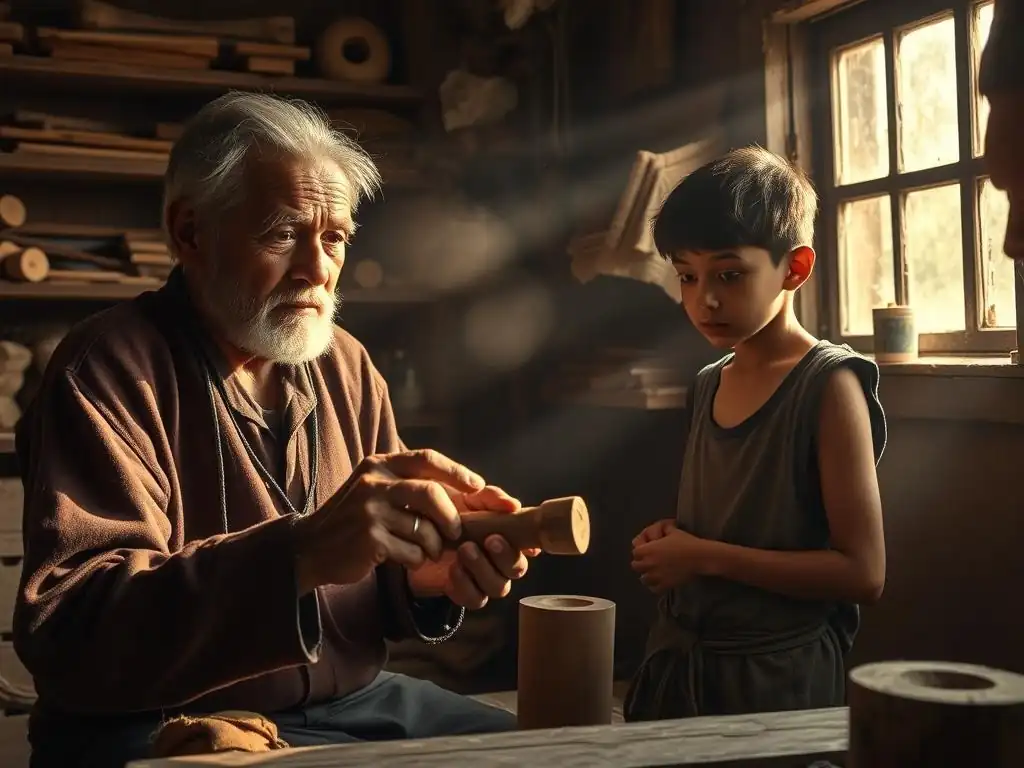
The transmission of toolmaking skills among indigenous communities has faced numerous challenges over the centuries. These challenges have roots in historical, cultural, and social changes that have significantly impacted the methods and effectiveness of knowledge transfer. Understanding these obstacles is crucial for appreciating the fragility of these skills and the ongoing efforts to preserve them.
Impact of Colonization on Indigenous Knowledge
Colonization had a profound effect on indigenous communities, resulting in the disruption of traditional knowledge systems, including toolmaking skills. European colonizers often imposed their own methods and technologies, disregarding indigenous practices. This led to a decline in the transmission of traditional skills, as many indigenous people were forced to abandon their ancestral techniques in favor of those introduced by colonizers. The appropriation of land, resources, and cultural practices further marginalized indigenous artisans, creating a gap in the continuity of knowledge that had been passed down through generations.
Modernization and Its Effects on Traditional Practices
As societies modernized, the advent of industrial tools and machinery began to overshadow traditional methods of toolmaking. This shift often diminished the perceived value of indigenous craftsmanship, leading younger generations to pursue alternative livelihoods that offered more economic security. The reliance on mass-produced tools also contributed to the erosion of traditional skills, as fewer individuals sought to learn the time-honored techniques of their ancestors. Consequently, many indigenous cultures experienced a decline in the practice and appreciation of their unique toolmaking heritage.
Loss of Language and Cultural Context in Skill Transmission
Language plays a pivotal role in the transmission of traditional knowledge, including toolmaking skills. Many indigenous languages contain specific terminology and concepts related to the crafting of tools, which are often lost when these languages decline or become extinct. The loss of cultural context associated with these skills creates barriers for effective teaching and learning. Without the language that encapsulates the intricacies of their craft, younger generations may struggle to fully grasp the significance of the tools they create, resulting in a disconnect from their cultural heritage.
Revitalization Efforts for Indigenous Toolmaking Skills
Despite the challenges faced, numerous revitalization efforts are underway to preserve and promote indigenous toolmaking skills. These initiatives aim to reconnect younger generations with their cultural heritage and ensure that traditional practices are not lost to history. Through various programs and collaborations, indigenous artisans and organizations are working tirelessly to breathe new life into these invaluable skills.
Contemporary Indigenous Artisans and Their Role
Contemporary indigenous artisans play a critical role in the preservation and revitalization of traditional toolmaking skills. Many artisans are dedicated to re-establishing the significance of these practices within their communities. By creating tools that reflect both traditional techniques and contemporary needs, they foster an appreciation for their cultural heritage. Additionally, these artisans often serve as educators, sharing their knowledge with younger generations through workshops and mentorship programs, thereby ensuring that the skills are passed down and adapted to modern contexts.
Educational Programs and Workshops in Skill Preservation
Educational programs and workshops have emerged as vital platforms for preserving indigenous toolmaking skills. These initiatives often focus on hands-on learning experiences that allow participants to engage directly with traditional techniques. By incorporating storytelling and cultural teachings into these programs, educators can convey the deeper significance of the skills being taught. Such programs not only empower participants to develop their own craftsmanship but also foster a stronger connection to their cultural identity and legacy.
Collaborations with Museums and Cultural Institutions
Collaborations between indigenous communities and museums or cultural institutions have proven instrumental in the revitalization of toolmaking skills. These partnerships facilitate the sharing of knowledge and resources, enabling indigenous artisans to showcase their work and educate the public about their cultural heritage. Exhibitions, workshops, and outreach programs organized in conjunction with these institutions provide platforms for artisans to engage with broader audiences, thereby promoting awareness and appreciation for indigenous toolmaking practices. These collaborative efforts serve as a bridge between traditional knowledge and contemporary society, reinforcing the importance of preserving these skills for future generations.
Case Studies of Successful Knowledge Transmission
The transmission of indigenous toolmaking skills through generations is not merely an act of teaching; it is a holistic practice deeply embedded in cultural identity and community values. Various indigenous groups exemplify this through unique case studies, reflecting resilience and adaptability in preserving their traditional knowledge.
Case Study: The Navajo Nation and Their Traditional Weaving Techniques
The Navajo Nation is renowned for its intricate weaving techniques, particularly the creation of woolen rugs and blankets. This craft is not only a toolmaking skill but also a vital expression of cultural heritage. Elders play a crucial role in transmitting these skills through storytelling and hands-on workshops.
Young Navajo weavers are often mentored by their parents or grandparents, engaging in a process that blends practical skill development with lessons on history, symbolism, and the natural resources involved in the weaving process. The use of traditional dyes and weaving patterns connects the younger generations to their ancestors, ensuring that the techniques remain relevant and respected.
This intergenerational approach has been successful, as recent initiatives focus on incorporating these traditional practices into school curriculums, blending modern education with indigenous knowledge, which fosters pride and interest among the youth.
Case Study: Intergenerational Workshops in Traditional Blacksmithing among the Ojibwe
Among the Ojibwe, traditional blacksmithing is a revered skill that has been passed down through family generations. The Ojibwe blacksmiths utilize natural materials to create tools and ceremonial items, emphasizing the importance of resourcefulness and sustainability.
Community-led workshops have emerged, where experienced blacksmiths invite younger community members to learn traditional techniques. These workshops are structured around hands-on experiences, where participants can forge iron and steel items while learning the cultural significance behind each tool created. This method not only preserves the physical skill of blacksmithing but also reinforces community bonds and shared heritage.
Furthermore, these workshops often include discussions about the ecological impacts of toolmaking, fostering a sense of responsibility and stewardship for the land. This holistic approach ensures that the traditional practice of blacksmithing remains vibrant and relevant for future generations.
Case Study: Revived Practices in Modern Inuit Communities
Inuit communities have faced considerable challenges in maintaining their traditional toolmaking skills due to rapid modernization and climate change. However, recent efforts have led to the revival of these essential practices, particularly in the crafting of tools for hunting and fishing.
Local organizations have initiated programs that connect elders with youth to teach traditional techniques such as the making of harpoons, sledges, and fishing gear. These sessions often take place in community gatherings, allowing for a shared experience that strengthens cultural identity.
Innovative adaptations have also been introduced, where modern materials are integrated into traditional designs to enhance functionality while respecting cultural aesthetics. This fusion not only preserves the traditional skills but also encourages younger generations to engage with their heritage in a contemporary context.
The Future of Indigenous Toolmaking Skills Transmission
The future of indigenous toolmaking skills transmission hinges on innovative strategies that respect traditional practices while adapting to modern circumstances. As indigenous communities continue to face challenges from globalization, the preservation of these skills is more crucial than ever.
Innovative Approaches to Skill Preservation
Innovative approaches to skill preservation include the establishment of cultural centers, where workshops on traditional toolmaking are held regularly. These centers serve as hubs for knowledge exchange, utilizing both traditional and modern teaching methods to engage younger generations.
Additionally, online platforms and social media have become powerful tools for sharing knowledge and techniques, enabling indigenous artisans to showcase their skills to a global audience. This visibility not only fosters pride within the community but also encourages a new generation to embrace their cultural heritage through toolmaking.
The Role of Technology in Reviving Traditional Practices
Technology plays a pivotal role in reviving traditional practices by providing access to resources and learning materials. For instance, digital archiving of techniques and tools used in indigenous cultures allows for the preservation of methods that might otherwise be lost.
Moreover, the use of virtual workshops and online tutorials has opened new avenues for learning, allowing individuals in remote locations to participate in skill-building exercises without the need for travel. This technological integration supports both preservation and innovation, ensuring that traditional toolmaking remains dynamic and relevant.
Encouraging Younger Generations to Embrace Toolmaking
Encouraging younger generations to embrace toolmaking involves creating a sense of ownership and pride in their cultural practices. Community events that celebrate traditional skills, such as fairs or exhibitions, can spark interest and inspire youth to engage with their heritage.
Additionally, collaborating with schools to include indigenous toolmaking in the curriculum can provide students with a structured opportunity to learn these skills. By combining cultural education with practical skill development, young people can find value and purpose in their ancestral practices, ensuring the transmission of indigenous toolmaking skills continues for future generations.
Conclusion: The Importance of Preserving Indigenous Toolmaking Skills
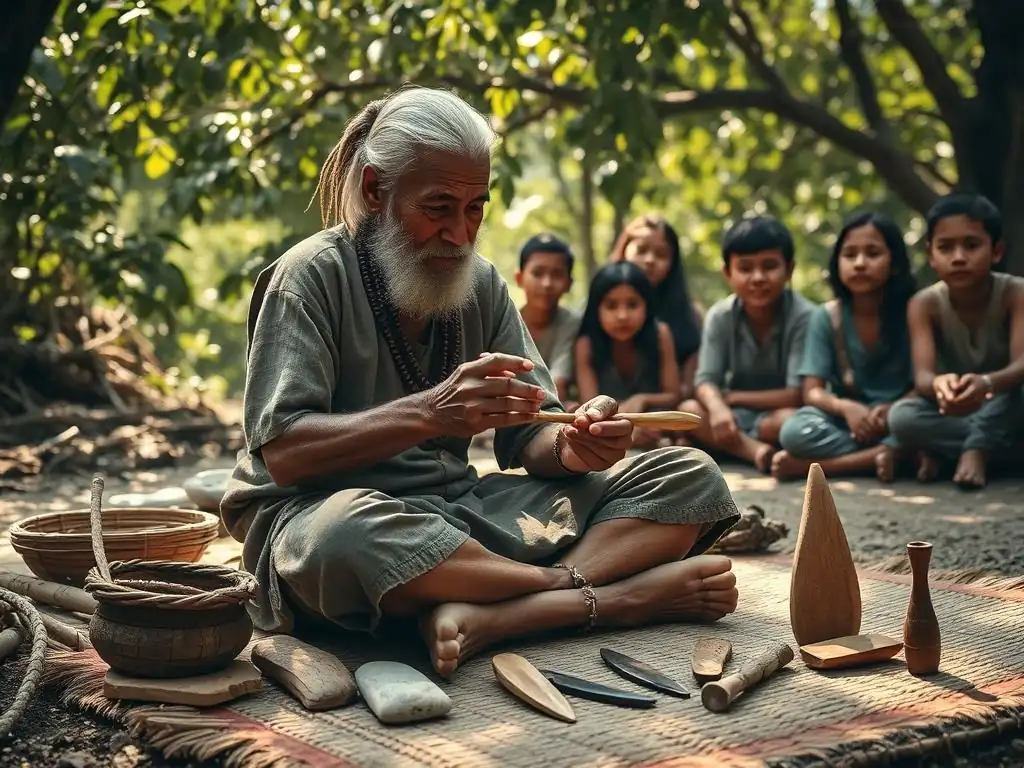
The preservation of indigenous toolmaking skills is critical not only for the survival of cultural heritage but also for the sustainability of traditional practices that have been honed over thousands of years. These skills represent a deep understanding of local materials, environmental conditions, and the intricate knowledge systems that underpin indigenous societies. By maintaining these practices, we are safeguarding vital aspects of identity, history, and resilience within indigenous communities.
Furthermore, the transmission of toolmaking skills is a living testament to the creativity and ingenuity of indigenous peoples. It showcases their ability to adapt and innovate in response to their environments. When we prioritize the preservation of these skills, we also promote a more diversified understanding of technology and craft, enriching the broader narrative of human achievement. This is essential not only for indigenous communities but for society as a whole, as it fosters respect and appreciation for diverse cultural contributions.
Summary of Key Points on Skills Transmission
- Generational Knowledge Transfer: Indigenous toolmaking skills are primarily passed down through oral traditions and hands-on learning. Elders play a crucial role in mentoring younger generations, ensuring that techniques are practiced and preserved.
- Cultural Significance: Toolmaking is not merely a technical skill; it is intertwined with cultural identity and heritage. Each tool carries stories, traditions, and meanings that reflect the community's values and practices.
- Adaptation and Innovation: While traditional skills remain central, indigenous toolmakers also adapt their techniques to incorporate new materials and technologies, demonstrating resilience and creativity in changing environments.
- Community Engagement: Successful transmission of toolmaking skills often involves communal activities, where groups come together to learn, share, and celebrate their craft, reinforcing social bonds and collective identity.
- Challenges to Preservation: Modernization and globalization pose significant threats to the transmission of these skills. Urbanization, loss of traditional lands, and changing lifestyles can disrupt the intergenerational transfer of knowledge.
Call to Action for Supporting Indigenous Knowledge Preservation
To support the preservation of indigenous toolmaking skills, it is imperative for individuals and communities to actively engage in initiatives that promote cultural heritage. Here are some actionable steps you can take:
- Participate in Workshops: Join local workshops or community events that focus on indigenous crafts and toolmaking. This hands-on experience helps keep traditions alive and fosters a deeper appreciation for these skills.
- Support Indigenous Artisans: Purchase tools and crafts directly from indigenous artisans. This not only supports their livelihoods but also helps sustain their cultural practices.
- Advocate for Education: Promote educational programs that include indigenous knowledge systems in curricula. This can help raise awareness of the importance of these skills among younger generations.
- Collaborate with Indigenous Communities: Work alongside indigenous communities to document and share their toolmaking practices. This can involve creating digital archives, writing articles, or producing educational materials.
- Raise Awareness: Use social media and community platforms to highlight the significance of indigenous toolmaking skills and the challenges faced in preserving them.
By taking these steps, we can contribute to a broader movement aimed at respecting, preserving, and celebrating the rich tapestry of indigenous toolmaking skills that have shaped societies across the Americas. 🌍✨
- Introduction to Indigenous Toolmaking Skills Transmission
- Historical Context of Toolmaking in Indigenous Civilizations
- Mechanisms of Knowledge Transmission
- Generational Transmission of Toolmaking Skills
- Challenges to the Transmission of Toolmaking Skills
- Revitalization Efforts for Indigenous Toolmaking Skills
- Case Studies of Successful Knowledge Transmission
- The Future of Indigenous Toolmaking Skills Transmission
- Conclusion: The Importance of Preserving Indigenous Toolmaking Skills
- Summary of Key Points on Skills Transmission
- Call to Action for Supporting Indigenous Knowledge Preservation
- What is the focus of the article "Preserving Knowledge: The Transmission of ToolMaking Skills Through Generations"?
- Why are indigenous toolmaking skills important?
- How did indigenous peoples transmit their toolmaking skills?
- What impact did European colonization have on indigenous toolmaking skills?
- How can we support the preservation of indigenous toolmaking skills today?
Frequently Asked Questions
What is the focus of the article "Preserving Knowledge: The Transmission of ToolMaking Skills Through Generations"?
The article focuses on the importance of indigenous toolmaking skills transmission among various cultures in the Americas, highlighting how these skills were preserved and passed down through generations.
Why are indigenous toolmaking skills important?
Indigenous toolmaking skills are crucial as they represent the technological innovations and cultural practices of native societies, showcasing their adaptation to the environment and resource utilization.
How did indigenous peoples transmit their toolmaking skills?
Transmission occurred through oral traditions, hands-on training, and community mentorship, ensuring that younger generations learned essential craftsmanship techniques and cultural significance.
What impact did European colonization have on indigenous toolmaking skills?
European colonization led to the disruption of traditional practices and knowledge systems, often resulting in the loss of indigenous toolmaking skills and the decline of cultural identity.
How can we support the preservation of indigenous toolmaking skills today?
Support can be provided through community workshops, cultural programs, and educational initiatives that promote the sharing of knowledge and celebrate the heritage of indigenous craftsmanship.
Final Reflection: The Enduring Legacy of Indigenous Toolmaking Skills
The transmission of indigenous toolmaking skills is not just a matter of craftsmanship; it is a vital link to cultural identity and heritage that remains profoundly relevant today. In an era where technology often overshadows traditional practices, the importance of preserving these skills becomes even more critical. As we navigate a rapidly changing world, we must recognize that the wisdom embedded in these techniques offers invaluable insights into sustainable living and community resilience.
The ongoing influence of indigenous toolmaking skills extends far beyond the act of creating tools; it shapes our understanding of community, resourcefulness, and respect for nature. These skills are a testament to the ingenuity of generations past and serve as a reminder of the rich cultural narratives that accompany them. As one indigenous elder poignantly stated, Every tool tells a story, and every story is a thread in the fabric of our existence.
This perspective highlights the importance of not only preserving these skills but also understanding the stories and values they convey.
As we reflect on the lessons of indigenous toolmaking, let us embrace the call to action: to honor and learn from these traditions, integrating them into our lives and communities. I invite you to explore the stories behind the tools you encounter, to engage with artisans who carry these skills forward, and to consider how you can contribute to the preservation of this invaluable knowledge. By doing so, we can ensure that the legacy of indigenous toolmaking continues to inspire and enrich future generations.
Thank you for exploring the rich tradition of toolmaking and its significance in Indigenous cultures. Your engagement with this timeless knowledge not only honors those who came before us but also empowers future generations. Now, let’s take some immediate steps to preserve and uplift this essential craft!
- Dive into the Art of Toolmaking: Start your own project by recreating a traditional tool you’ve learned about. Document your process and share your experiences with others!
- Connect with the Community: Participate in local workshops or online forums dedicated to Indigenous crafts to exchange skills and stories.
- Spread the Knowledge: Share this article with friends and family to inspire them to appreciate and preserve these invaluable skills.
What traditional tool have you always wanted to learn how to make, and who would you like to embark on this journey with?