
The Astronomical Knowledge of the Inca: Mathematical Systems Behind Their Celestial Observations

Welcome to Indigenous Civilizations of the Americas, where we invite you to embark on a fascinating journey through the rich tapestry of indigenous cultures that flourished long before European arrival. In our highlighted article, "The Astronomical Knowledge of the Inca: Mathematical Systems Behind Their Celestial Observations," we delve into the remarkable Inca astronomical knowledge systems—an intricate blend of observation, mathematics, and celestial understanding that shaped their society and continues to resonate today. Prepare to uncover the profound achievements of the Inca and discover the secrets of their skies. Your exploration begins here!
- Introduction to Inca Astronomical Knowledge Systems
- Historical Context of Inca Astronomy
- Mathematical Systems in Inca Astronomy
- Tools and Instruments Used by the Incas
- Celestial Events and Their Significance
- The Influence of Inca Astronomical Knowledge Systems
- Conclusion: The Lasting Impact of Inca Astronomical Knowledge Systems
- References and Further Reading
-
Frequently Asked Questions
- What were the main achievements of the Inca in astronomy?
- How did the Inca utilize their astronomical knowledge?
- What tools or methods did the Inca use for celestial observations?
- How did the Inca's astronomical systems influence their society?
- What is the lasting impact of Inca astronomical knowledge today?
- Final Reflection: The Enduring Legacy of Inca Astronomical Knowledge Systems
- Unveil the Secrets of Inca Astronomy and Engage with the Cosmos!
Introduction to Inca Astronomical Knowledge Systems
The Inca civilization, one of the most remarkable indigenous cultures in the Americas, flourished in the Andean region from the early 15th century until the arrival of Spanish colonizers in the 16th century. Renowned for their sophisticated agricultural techniques, engineering marvels, and complex societal structures, the Incas also possessed an extraordinary understanding of astronomy.
Their astronomical knowledge systems were deeply intertwined with their agricultural practices, religious beliefs, and daily life, reflecting a harmonious relationship with the cosmos. This article delves into the mathematical systems that underpinned Inca celestial observations, providing insights into how these ancient astronomers tracked celestial bodies and utilized this knowledge for various practical purposes.
Overview of Inca Civilization and its Achievements
The Inca Empire, at its height, spanned a vast territory stretching from modern-day Colombia to Chile, encompassing diverse ecosystems and cultures. The Incas are celebrated for their monumental architecture, such as the iconic Machu Picchu, and their advanced agricultural techniques, including the construction of terraced fields and irrigation systems.
Key Achievements of the Inca Civilization:
- Engineering Marvels: The Incas built extensive road networks and sophisticated bridges, facilitating communication and trade across their vast empire.
- Agricultural Innovations: They developed advanced farming techniques, including crop rotation and fertilization methods, which allowed them to sustain a large population.
- Textile Production: Inca textiles were highly valued for their quality and intricate designs, often using materials sourced from llamas and alpacas.
- Centralized Governance: The empire was ruled by a centralized authority, with the Sapa Inca at the helm, which enabled efficient administration and resource allocation.
These achievements illustrate the Incas' remarkable ability to adapt to their environment and develop systems that supported their thriving civilization.
Importance of Astronomy in Inca Culture
Astronomy played a pivotal role in Inca society, influencing various aspects of life, from agriculture to religious practices. The Incas observed the movements of celestial bodies, including the sun, moon, and stars, to establish agricultural calendars and religious festivals.
Key Aspects of Inca Astronomy:
- Agricultural Calendar: The Incas aligned their planting and harvesting seasons with celestial events, ensuring optimal agricultural yield.
- Religious Significance: Celestial bodies were often regarded as deities, and astronomical events were integral to Inca religious ceremonies and rituals.
- Navigational Aid: The Incas utilized stars for navigation, particularly in the vast and sometimes challenging Andean terrain.
Understanding the astronomical knowledge systems of the Incas sheds light on how they viewed their world and the universe, revealing a sophisticated approach to observation and mathematics.
Purpose of the Article
This article aims to explore the intricate mathematical systems that the Incas employed in their astronomical observations. By examining their methodologies and the significance of their findings, we can appreciate the depth of Inca astronomical knowledge systems. Through this exploration, we will uncover how these systems not only contributed to scientific understanding but also played a crucial role in the daily lives and cultural practices of the Inca civilization. Join us as we delve deeper into the celestial world of the Incas and the mathematical frameworks that supported their astronomical endeavors.
Historical Context of Inca Astronomy
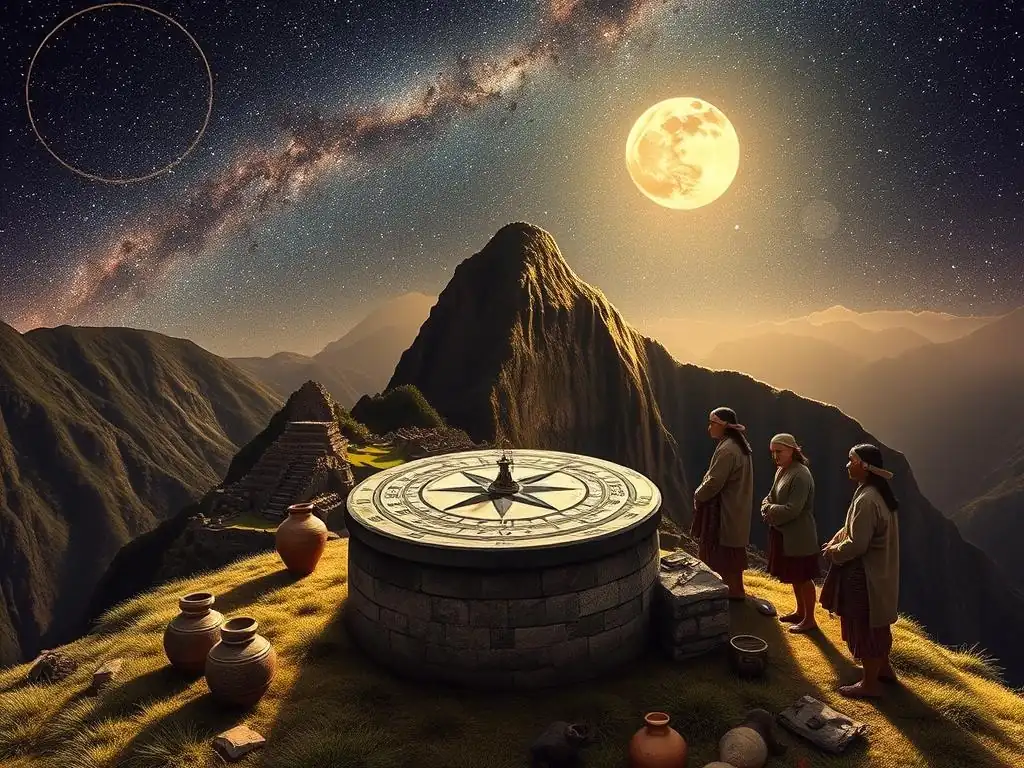
The Inca civilization, flourishing from the early 15th century until the Spanish conquest in the 16th century, possessed a rich and complex understanding of astronomy. Their astronomical knowledge systems were deeply intertwined with their agricultural practices, religious beliefs, and societal structures. The Andes Mountains, with their stunning celestial vistas, served as a natural observatory, allowing the Incas to develop intricate methods for observing and interpreting the night sky.
Ancient Civilizations and Their Celestial Observations
Ancient civilizations across the Americas had a profound relationship with the cosmos, often using celestial bodies for navigation, timekeeping, and agricultural planning. The Inca, much like their predecessors and contemporaries, meticulously observed celestial phenomena such as the movements of the sun, moon, and stars. Their observations were not merely for academic interest; they were essential for survival.
The Inca astronomical knowledge systems included:
- Solar Observations: The sun was revered as a deity, and its cycles dictated agricultural seasons. The Incas constructed temples and ceremonial sites, such as Coricancha in Cusco, aligned with solar events like the solstices.
- Lunar Calendars: The phases of the moon were crucial for scheduling religious festivals and agricultural activities. The Inti Raymi festival, celebrating the winter solstice, exemplified this connection.
- Star Patterns: The Inca looked to the Milky Way, which they referred to as the "Mayu" (river), for guidance. They identified constellations and utilized them for navigation and timing of agricultural tasks.
These observations were recorded through quipu—a system of knotted strings used for accounting and communication. While primarily economic in nature, quipu also encoded astronomical data, reflecting the multifaceted nature of Inca knowledge systems.
The Role of Astronomy in Inca Society
Inca society was heavily influenced by astronomy. The Incas believed that celestial bodies were integral to the harmony of the universe, affecting everything from agricultural fertility to the health of their rulers. This belief system fostered a societal structure where astronomical knowledge was revered and utilized for practical applications.
Key roles of astronomy in Inca society included:
- Agricultural Planning: The timing of planting and harvesting was synchronized with celestial cycles. For example, the appearance of the Pleiades constellation (known as "Los Siete Hermanos") signaled the optimal time for sowing crops.
- Religious Practices: Astronomy was interwoven with Inca religion. The sun, as Inti, was worshipped, and its movements were celebrated through rituals. Priests, often skilled in astronomy, conducted ceremonies to appease celestial deities.
- Political Authority: The ruler, or Sapa Inca, was seen as a direct descendant of the sun. His ability to interpret celestial signs was crucial for maintaining power and legitimacy, linking governance with astronomical phenomena.
The Inca constructed remarkable architectural sites, such as Machu Picchu, that showcased their astronomical knowledge. Structures were meticulously aligned with celestial events, demonstrating their sophisticated understanding of the heavens and their integration into daily life.
Key Historical Figures in Inca Astronomy
While much of Inca history is rooted in collective knowledge rather than individual achievements, several key figures stand out for their contributions to Inca astronomical knowledge systems. Though specific names may not always be documented, the roles of priests and astronomers were vital.
- Pachacuti: Often credited with the expansion of the Inca Empire, Pachacuti also played a significant role in reorganizing the administrative and religious structures of the empire, including the integration of astronomy into governance.
- Astronomers and Priests: The Inca employed skilled astronomers who interpreted celestial events to guide agricultural and religious practices. These individuals were crucial for maintaining the agrarian society's stability.
- Intihuatana: While not a person, this ritual stone associated with astronomy is often linked to the Inca's celestial observances. It is believed to have been used as an astronomical calendar to track solar cycles.
The collective contributions of these figures and their integration of astronomical knowledge into the fabric of Inca culture highlight the sophistication of their Inca astronomical knowledge systems. The legacy of these practices continues to fascinate scholars and enthusiasts alike, reflecting the profound connection between the Inca civilization and the cosmos.
Mathematical Systems in Inca Astronomy
Overview of Inca Mathematical Concepts
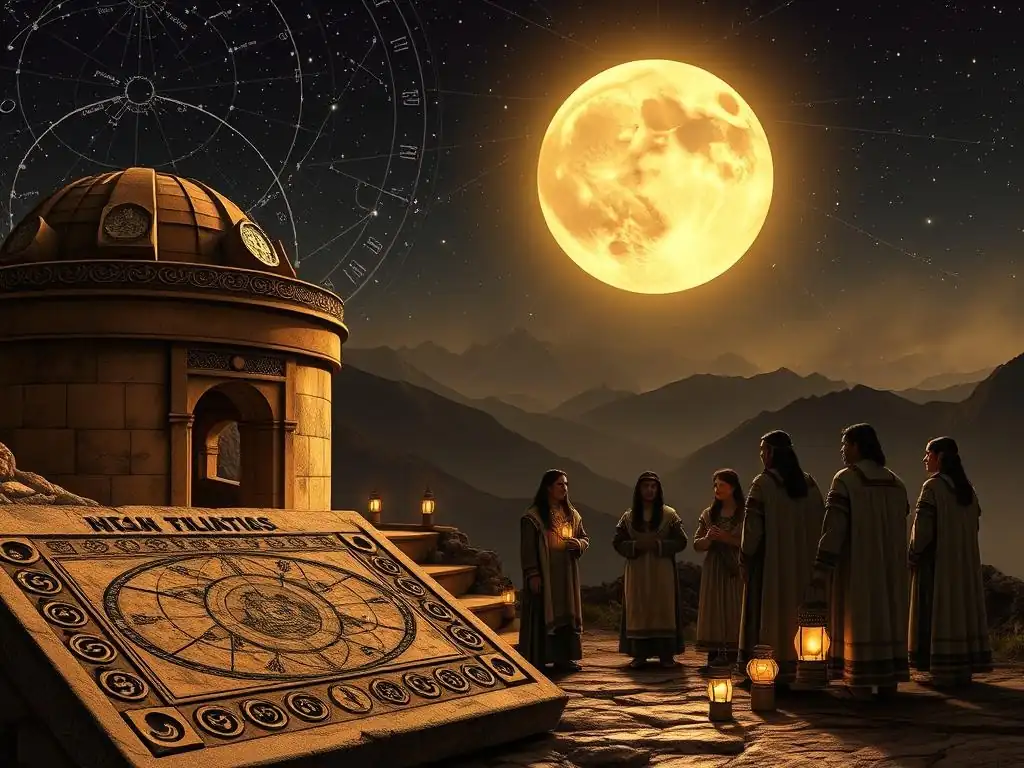
The Inca civilization, known for its sophisticated societal organization and engineering feats, also exhibited a profound understanding of mathematical concepts, particularly in the realm of astronomy. The Incas employed a decimal system, which facilitated the counting and recording of astronomical observations. Their numerical system was based on the use of quipus, a series of knotted strings, which served as a mnemonic device for complex calculations and data management.
The Incas recognized the cyclical nature of celestial bodies, leading to the establishment of calendars that were deeply intertwined with their agricultural practices. The Inca calendar was divided into months and days, marked by significant celestial events, such as solstices and equinoxes. This calendar was crucial for determining the optimal times for planting and harvesting crops, which were essential for sustaining their society.
Geometric Principles in Astronomical Observations
In addition to their numerical systems, the Incas utilized geometric principles to enhance their astronomical observations. They constructed various architectural structures, such as observatories and ceremonial sites, that aligned with celestial phenomena. For instance, the site of Machu Picchu features structures that are positioned to observe specific astronomical events, including the winter solstice sunrise.
The geometric understanding of the Incas extended to angular measurements and the use of shadows for determining time. Intihuatana, or "hitching post of the sun," is a notable example of a ritual stone associated with astronomy. This stone was believed to connect the earth with the cosmos and was carefully positioned to cast a shadow that could be used to mark important solar events.
- Key Geometric Concepts:
- Angles: The Incas likely employed angles to determine the positions of celestial bodies.
- Symmetry: Their architectural designs often reflected symmetry, which may have had astronomical significance.
- Alignment: Structures were aligned with specific stars or celestial events, showcasing their understanding of geometry.
Use of Numbers and Calculation Techniques
The Inca astronomical knowledge systems were supported by their adept use of numbers and calculation techniques. Their quipu system allowed for the recording and transmission of numerical data, crucial for tracking astronomical cycles and events. This system, although primarily used for administrative purposes, also facilitated the documentation of celestial observations.
The Incas also applied basic arithmetic operations, such as addition and subtraction, to calculate time intervals between celestial events. They understood the importance of lunar cycles, which were integral to their agricultural calendar. By observing the moon's phases, the Incas could predict seasonal changes, guiding their agricultural activities.
Moreover, the Incas were skilled in estimating the positions of celestial bodies using a technique known as sight reduction. This technique involved observing celestial objects and calculating their angles using simple instruments, possibly including sighting rods or plumb lines.
- Calculation Techniques:
- Addition/Subtraction: Used for calculating the elapsed time between celestial events.
- Estimation: Techniques to approximate the positions of celestial bodies.
- Observation: Direct observations combined with mathematical calculations to enhance accuracy.
The Inca civilization's astronomical knowledge systems were advanced and multifaceted, integrating mathematical concepts, geometric principles, and practical calculation techniques. Their achievements in astronomy reflect a deep understanding of the cosmos that was essential for their agricultural and societal success.
Tools and Instruments Used by the Incas
Observational Tools: The Intihuatana and Other Sacred Stones
The Incas developed several unique tools and instruments to observe and interpret celestial bodies, among which the Intihuatana stands out as a significant astronomical device. This ritual stone, whose name translates to "the hitching post of the sun," was meticulously crafted to serve both ceremonial and astronomical functions.
- Design and Function: The Intihuatana typically takes the form of a pyramid or a platform with a prominent stone structure. Positioned at high altitudes, these stones allowed priests and astronomers to align their observations with the sun's movement. During the solstices, the sun's shadow cast on the Intihuatana indicated important agricultural events and rituals.
- Other Sacred Stones: Besides the Intihuatana, the Incas utilized various sacred stones that served as astronomical markers. These included:
- Chakana Stones: Often referred to as the Andean cross, these stones represented the three realms of Inca cosmology—underworld, earth, and sky—facilitating complex astronomical calculations.
- Astronomical Altars: Built in various cities, these altars provided precise alignments for observing celestial events, reinforcing the connection between the cosmos and Inca society.
The integration of these tools into their culture illustrates the Incas' sophisticated understanding of astronomy and their reverence for celestial phenomena.
The Importance of the Sun Calendar in Inca Astronomy
The Inca civilization placed immense importance on the Sun Calendar, which reflected their intricate astronomical knowledge and agricultural practices. This calendar was pivotal in regulating agricultural activities, ceremonies, and social events.
- Structure of the Calendar: The Inca Sun Calendar divided the year into twelve months, each consisting of approximately 30 days. Each month was associated with specific agricultural tasks, such as planting and harvesting, and crucial religious ceremonies.
- Solar Events: The calendar was designed around significant solar events, particularly the solstices and equinoxes. The Inti Raymi festival, dedicated to the sun god Inti, was celebrated during the winter solstice, marking the beginning of the agricultural cycle. This event underscored the profound relationship between their astronomical observations and agricultural success.
- Synchronization with Seasons: The Incas used the sun's position to synchronize their calendar with the changing seasons. By observing the sun's trajectory during different times of the year, they could accurately predict seasonal changes, essential for agricultural planning.
The Sun Calendar not only facilitated agricultural efficiency but also reinforced social cohesion through communal celebrations and rituals, showcasing the Incas' advanced integration of astronomy into daily life.
Techniques for Celestial Measurements
The Incas employed several sophisticated techniques for celestial measurements that further exemplified their advanced understanding of astronomy. These techniques enabled them to make accurate predictions and observations regarding celestial events.
- Gnomon Method: The Incas utilized the gnomon method, which involved erecting a vertical stick or pole and measuring the length of its shadow at different times of the day. By studying the shadow's movement, they could determine the time of day and gather information about the sun's path across the sky.
- Astronomical Alignments: Many Inca structures, including temples and agricultural terraces, were aligned with celestial bodies. For instance, the famous Temple of the Sun in Cusco was designed to align with the sun during solstices, allowing for precise celestial tracking.
- Use of Observatories: The Incas constructed observatories at high altitudes, such as Sacsayhuamán, which provided clear views of the night sky. These sites were equipped with platforms and stones that facilitated precise measurements of celestial objects.
- Lunar Observations: In addition to solar observations, the Incas paid close attention to lunar cycles. They understood the significance of the moon in agricultural cycles and incorporated its phases into their calendrical system.
These techniques not only highlight the Inca's mathematical prowess but also underscore their ability to integrate astronomical knowledge into their daily and agricultural practices, thereby ensuring their civilization's prosperity.
Celestial Events and Their Significance
Solstices and Equinoxes in Inca Astronomy
The Inca civilization demonstrated a profound understanding of celestial events, particularly solstices and equinoxes, which played a critical role in their agricultural practices and societal organization. The solstices, occurring around June 21 and December 21, marked the longest and shortest days of the year, respectively. These events were pivotal in determining planting and harvesting times, significantly influencing the agricultural calendar of the Incas.
The equinoxes, occurring around March 21 and September 23, signified the moments when day and night were approximately equal in length. The Incas recognized these days as important markers in their calendar system, which was intricately linked to the cycles of nature. The precision with which the Incas observed these celestial events is evident in their architectural marvels, such as the Temple of the Sun in Cusco, which was aligned with the sun's position during the solstices.
The significance of solstices and equinoxes extended beyond mere agricultural practices; they were also deeply woven into the spiritual beliefs of the Inca. The sun, known as Inti, was revered as a principal deity, and rituals were conducted to honor this celestial body during these important astronomical events. Such practices underscore the Inca's sophisticated astronomical knowledge systems, which integrated mathematics, observation, and spirituality.
The Inca Calendar and Its Relation to Astronomy
The Inca calendar, known as the Inca Solar Calendar or Pachakuti, was a sophisticated system that reflected the Incas' understanding of astronomy. Unlike the Gregorian calendar, which is based on a 365-day year, the Inca calendar was primarily lunar but adjusted to account for solar cycles. This blending of lunar and solar elements allowed the Incas to create a calendar that was not only practical for agricultural purposes but also deeply intertwined with their cosmology.
The calendar consisted of 12 months, each with 30 days, plus an additional five days considered "unlucky" or outside the regular months. These extra days were significant as they marked a transition between the years. The correlation between the calendar and celestial cycles was evident in how the Incas scheduled festivals and agricultural activities, ensuring that they aligned with the solar year.
The Inca's mathematical systems in astronomy enabled them to track celestial movements with remarkable accuracy. They utilized a system of quipus (knotted strings) to record significant dates and events, showcasing an innovative approach to data organization. The calendar not only served a practical function but also reinforced the societal structure, as it dictated the rhythm of life in the Inca Empire.
Rituals and Ceremonies Tied to Celestial Events
Rituals and ceremonies were integral to Inca culture, particularly those tied to celestial events. These ceremonies were often elaborate and included offerings, sacrifices, and communal gatherings that reinforced social cohesion and cultural identity. During solstices and equinoxes, the Incas held significant festivals that celebrated their connection to the cosmos and the agricultural cycles dictated by celestial movements.
One of the most notable ceremonies was Inti Raymi, the Festival of the Sun, celebrated during the winter solstice. This grand event honored Inti, the sun god, and included various rituals designed to ensure a bountiful harvest in the coming year. The celebration involved music, dance, and the reenactment of historical events, illustrating the deep cultural significance of solar worship in Inca society.
Another important ceremony was the Pachamama Raymi, dedicated to the Earth Mother, Pachamama, which coincided with the spring equinox. This event was centered around fertility and the rejuvenation of the land, showcasing the Inca's understanding of the earth's cycles in relation to celestial events. Rituals often involved offerings of food, textiles, and even animal sacrifices, reflecting the Incas' reverence for the natural world and their belief in the interconnectedness of all living things.
These rituals, grounded in astronomical knowledge systems, not only served practical purposes but also reinforced the ideological framework of the Inca Empire, where celestial events were seen as manifestations of divine influence in everyday life. The integration of astronomy into religious practices exemplifies the depth of the Inca's understanding of the cosmos and its impact on their civilization.
The Influence of Inca Astronomical Knowledge Systems
Impact on Agriculture and Farming Practices
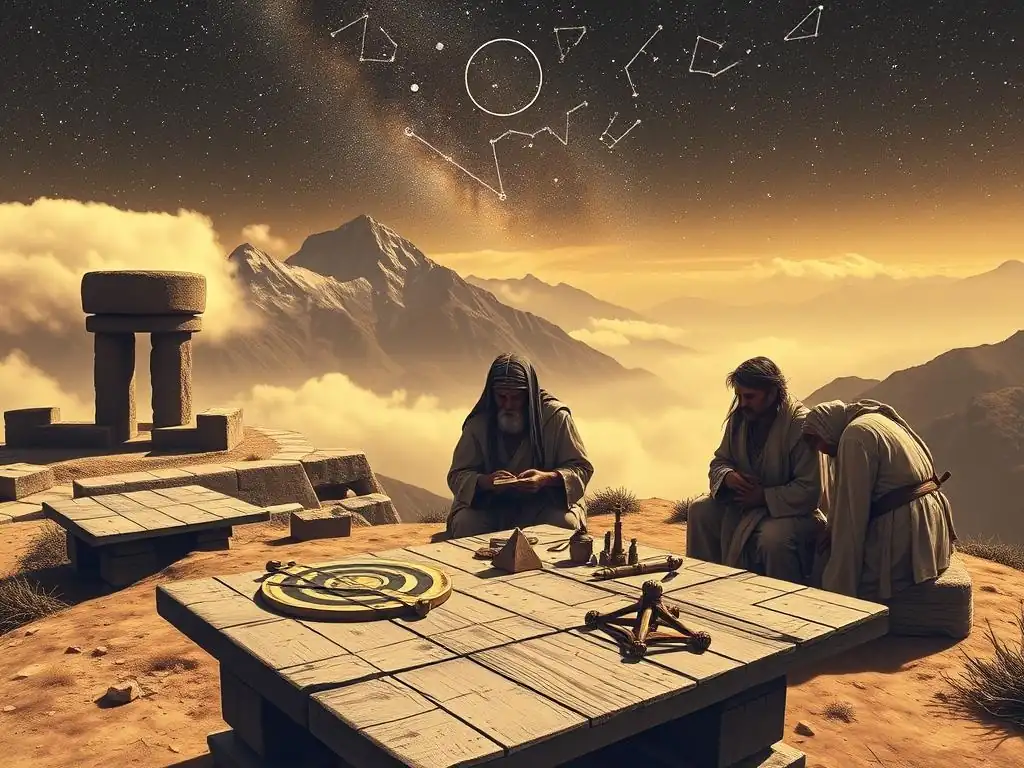
The Inca civilization, renowned for its advanced agricultural techniques, relied heavily on its astronomical knowledge systems. By observing celestial bodies, particularly the sun, moon, and stars, the Incas were able to create sophisticated calendars that guided agricultural activities. Their understanding of seasonal changes was essential, as it allowed them to determine the optimal times for planting and harvesting crops.
- Solar Calendar: The Incas developed a solar calendar with 12 months, each consisting of 30 days, and an additional five days at the end of the year. This calendar was crucial for synchronizing agricultural cycles with solar events, such as solstices, which marked the changing seasons. For example, the June solstice signaled the beginning of the planting season in many regions.
- Lunar Influence: The Incas also considered the moon's phases in their agricultural planning. Certain crops were believed to be better suited for planting during specific lunar phases, leading to a dual calendar system that accounted for both solar and lunar cycles. This approach maximized crop yields and ensured sustainable farming practices.
- Terracing and Irrigation: The Inca's understanding of celestial events extended to their engineering practices. They constructed terraces and sophisticated irrigation systems, which were strategically designed to optimize sunlight exposure and water flow, further enhancing agricultural productivity.
The integration of Inca astronomical knowledge systems into agriculture not only improved food security but also strengthened the societal structure, as communities gathered to celebrate harvests aligned with celestial events.
Relationship Between Astronomy and Inca Architecture
Inca architecture is another testament to their astronomical knowledge systems. Temples, ceremonial structures, and urban layouts were often aligned with astronomical phenomena, reflecting the civilization's deep respect for celestial bodies.
- Sacred Sites: Many significant Inca structures, such as the Coricancha (Temple of the Sun) in Cusco, were designed with precise alignments to solar and lunar events. The temple’s orientation allowed sunlight to illuminate the interior during solstices, reinforcing its sacred status and connection to the sun god Inti.
- Intihuatana Stones: The Incas constructed ritual stones known as Intihuatana, which were believed to be astronomical observatories. These stones, often located at high altitudes, served as markers for celestial events and played a role in agricultural and ceremonial practices. For instance, the Intihuatana at Machu Picchu is aligned with the sun's position during the equinoxes, demonstrating the integration of astronomy into architectural design.
- Urban Planning: The layout of Inca cities also reflects astronomical considerations, with many streets and plazas oriented toward important celestial points. This planning not only facilitated social and ceremonial gatherings but also underscored the civilization's reverence for the cosmos.
The relationship between Inca astronomy and architecture highlights how celestial observations influenced both the physical and spiritual dimensions of Inca life.
Legacy of Inca Astronomy in Contemporary Indigenous Cultures
The astronomical knowledge systems of the Inca continue to resonate within contemporary Indigenous cultures across the Andes. The legacy of their astronomical practices can be seen in various aspects of modern life, from agricultural traditions to spiritual beliefs.
- Cultural Practices: Many Indigenous communities still observe traditional calendars based on celestial events, continuing the agricultural practices established by the Inca. Festivals and rituals often coincide with solstices and equinoxes, celebrating the cycles of nature and honoring ancestral knowledge.
- Astronomical Education: Efforts to revive and maintain indigenous astronomical knowledge are gaining traction, with educational programs emphasizing the importance of traditional astronomy. These initiatives not only preserve cultural heritage but also promote a greater understanding of the cosmos as viewed through an indigenous lens.
- Integration with Modern Science: Contemporary Indigenous astronomers are increasingly recognized for their contributions to astronomical research, blending traditional knowledge with modern scientific approaches. This integration enriches the field of astronomy and highlights the importance of diverse perspectives in understanding the universe.
The enduring influence of Inca astronomical knowledge systems exemplifies the resilience of Indigenous cultures in preserving their heritage while adapting to modern challenges. This legacy reinforces the significance of astronomy in shaping identity, community, and connection to the cosmos.
Conclusion: The Lasting Impact of Inca Astronomical Knowledge Systems
Summary of Key Points
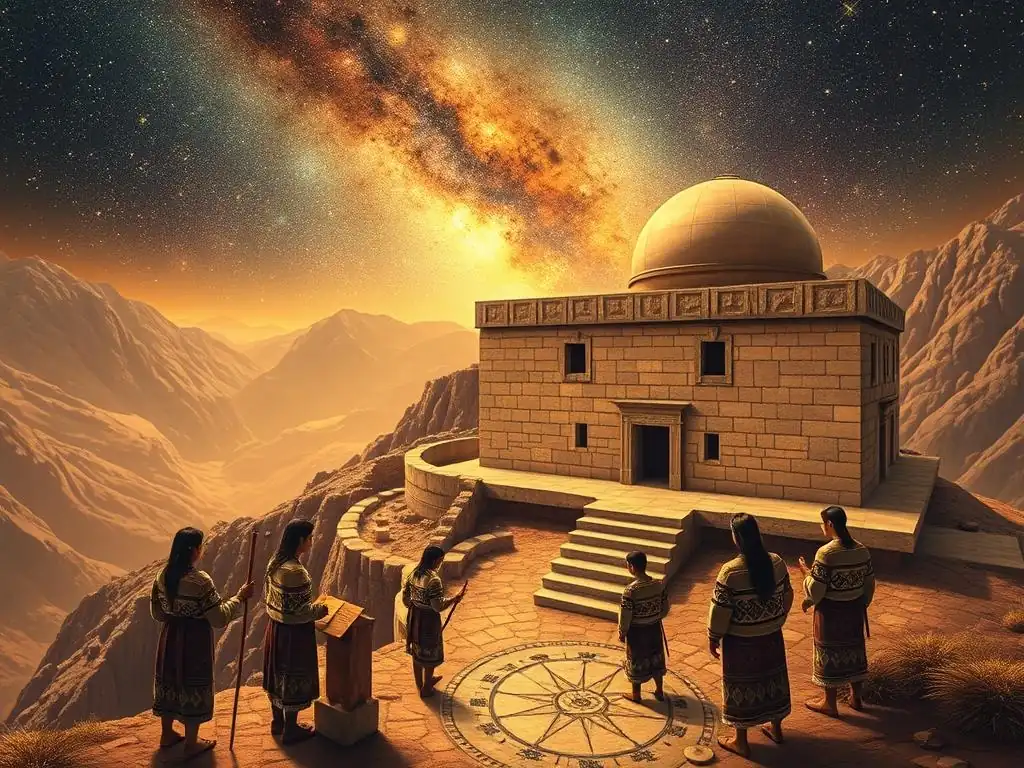
The Inca civilization, renowned for its remarkable achievements in various fields, displayed profound understanding and application of astronomical knowledge systems. Their celestial observations were not merely observations of the skies but were intricately tied to their agricultural practices, religious ceremonies, and societal organization. Key points of Inca astronomical knowledge systems include:
- Calendar Systems: The Incas developed sophisticated calendar systems based on celestial events, allowing them to predict seasonal changes essential for agriculture.
- Architectural Alignments: Many Incan structures were aligned with astronomical phenomena, such as the solstices and equinoxes, showcasing their advanced understanding of celestial mechanics.
- Use of Mathematical Systems: The Incas utilized mathematical principles in their astronomical observations, which enabled them to create accurate predictions regarding celestial cycles.
- Cultural Integration: Astronomy in the Inca civilization was deeply intertwined with their spiritual beliefs, as they viewed celestial bodies as deities that influenced terrestrial events.
The legacy of these astronomical knowledge systems continues to influence modern studies in astronomy, mathematics, and indigenous science.
Reflection on the Importance of Preserving Indigenous Knowledge
Preserving indigenous knowledge, such as that of the Inca astronomical knowledge systems, is crucial for several reasons:
- Cultural Identity: Indigenous knowledge is an integral part of cultural heritage. By preserving these systems, we honor the identity and history of indigenous peoples.
- Scientific Insight: The Inca's understanding of astronomy offers valuable insights into sustainable practices, agricultural cycles, and environmental stewardship that can inform contemporary scientific research.
- Interdisciplinary Learning: Engaging with indigenous knowledge systems encourages interdisciplinary approaches, combining anthropology, history, and science, which enrich our overall understanding of human achievement.
As we strive to recognize and integrate these systems into modern academia and practices, it is essential to approach them with respect and authenticity, ensuring that the knowledge is shared and preserved by the communities from which it originates.
Future Research Directions in Inca Astronomy
The field of Inca astronomy remains ripe for further exploration, with several potential research directions to consider:
- Archaeological Investigations: Continued archaeological work can uncover new artifacts and structures that may provide additional insights into Inca astronomical practices and their societal implications.
- Comparative Studies: Research that compares Inca astronomical knowledge systems with those of other indigenous cultures worldwide could reveal broader patterns in human understanding of the cosmos.
- Technological Integration: Utilizing modern technology, such as satellite imaging and astronomical software, can enhance our ability to analyze ancient Inca sites and their alignments with celestial events.
- Community Engagement: Collaborating with indigenous communities to document and revitalize traditional astronomical knowledge can ensure that these systems are preserved and adapted for future generations.
Overall, the exploration of Inca astronomical knowledge systems not only enriches our understanding of ancient civilizations but also fosters a deeper appreciation for the diverse ways in which humanity has sought to understand the universe.
References and Further Reading
Key Texts on Inca Astronomy and Mathematics
Understanding the complexity of Inca astronomical knowledge systems requires delving into foundational texts that explore their mathematical frameworks and celestial observations. Here are some pivotal works that provide insights into the Inca's sophisticated understanding of astronomy:
-
"The Inca Empire: A Multidisciplinary Approach" by Terence N. D'Altroy
This comprehensive text examines the social, political, and economic structures of the Inca Empire, with a significant focus on their astronomical knowledge and its implications for agriculture and society.
-
"Inca Astronomy: The Role of Celestial Events in the Life of the Inca" by Robert H. McDonald
McDonald’s work details how the Incas utilized celestial events in their agricultural calendar and religious practices, illustrating the intersection of astronomy and daily life.
-
"Mathematics in the Americas: A Historical Perspective" by Miriam A. M. G. Pinho
This book provides a broader context of mathematical systems across various indigenous cultures, including the Inca, and discusses their contributions to astronomy.
-
"The Sacred and the Scientific: Astronomy in the Andes" by Catherine J. Allen
Allen explores the spiritual significance of astronomy in Inca culture, linking mathematical practices with their religious beliefs and rituals.
Suggested Resources for Further Exploration
For those interested in further exploring Inca astronomical knowledge systems, the following resources can provide valuable information:
- Documentaries: Many documentaries focus on Inca civilization and its astronomical practices, often featuring interviews with experts and stunning visuals of ancient sites.
- Online Courses: Platforms like Coursera and edX offer courses on indigenous cultures and their scientific contributions, including modules on Inca astronomy.
- Museums: Visiting museums with exhibitions on the Inca, such as the Museum of the American Indian or the Peru Museum, can provide physical artifacts and interactive displays related to Inca astronomical systems.
Academic Journals on Indigenous Astronomical Systems
To gain a deeper understanding of Inca astronomical knowledge systems, consider exploring the following academic journals that frequently publish articles on indigenous astronomical practices:
-
"Journal of Latin American Studies"
This journal features research articles that often address the intersection of indigenous knowledge and scientific inquiry, including studies on Inca astronomy.
-
"Ethnohistory"
A publication that explores historical experiences and knowledge systems of indigenous cultures, including their astronomical traditions.
-
"Journal of Indigenous Studies"
Focusing on the contributions of indigenous peoples, this journal often includes research on the astronomical knowledge systems of pre-Columbian civilizations, including the Inca.
-
"The American Indian Quarterly"
This journal publishes interdisciplinary scholarship on the history and culture of Native American peoples, including topics on astronomy and mathematics within indigenous contexts.
By engaging with these resources, readers can gain a more nuanced understanding of how the Inca integrated their astronomical knowledge systems into their society, revealing the depth of their intellectual achievements before European contact.
Frequently Asked Questions
What were the main achievements of the Inca in astronomy?
The Inca developed sophisticated astronomical knowledge systems that included precise observations of celestial bodies, allowing them to create an accurate calendar and navigate their empire effectively.
How did the Inca utilize their astronomical knowledge?
The Inca employed their astronomical knowledge for agricultural planning, ensuring that crops were planted and harvested at the optimal times based on celestial events.
What tools or methods did the Inca use for celestial observations?
The Inca utilized simple yet effective tools like the huaca (sacred stones) and observatories, which helped them track the movements of the stars and planets.
How did the Inca's astronomical systems influence their society?
The Inca astronomical knowledge systems were integral to their religious practices and social organization, influencing festivals, rituals, and agricultural cycles across the empire.
What is the lasting impact of Inca astronomical knowledge today?
Today, the Inca's contributions to astronomy are recognized for their advanced understanding of the cosmos, influencing modern studies in archaeoastronomy and cultural heritage preservation.
Final Reflection: The Enduring Legacy of Inca Astronomical Knowledge Systems
The astronomical knowledge of the Inca civilization remains profoundly relevant today, as it reveals the intricate relationship between mathematics, culture, and the cosmos. In an age where we often overlook the wisdom of ancient civilizations, the Inca's sophisticated understanding of celestial movements and their mathematical systems serve as a powerful reminder of humanity's quest for knowledge and connection to the universe. Their ability to navigate and predict celestial events not only guided agricultural practices but also shaped their cultural identity, illustrating that the stars have always been a source of inspiration and guidance.
The influence of Inca astronomical knowledge systems continues to resonate in our cultural and scientific landscapes. As we delve deeper into the cosmos with modern technology, we must acknowledge the foundational contributions of ancient societies like the Incas. Their insights into celestial phenomena remind us that the pursuit of knowledge is a timeless endeavor. The stars are not just distant points of light; they are the reflections of our history, our culture, and our aspirations.
This perspective invites us to appreciate the depth of understanding that our ancestors possessed, which can still inform our contemporary explorations of the universe.
As we reflect on the lessons from the Inca astronomical knowledge systems, let us embrace the call to reconnect with our roots and the cosmos. Consider how you can incorporate this ancient wisdom into your own life—whether through mindfulness of the natural world, the pursuit of knowledge, or fostering a deeper connection with the universe.
The stars above are not just a backdrop to our lives; they are a reminder of the legacy we inherit and the future we can shape. Embrace the journey of discovery, and let the celestial wonders inspire you to seek knowledge and understanding in all aspects of life.
Unveil the Secrets of Inca Astronomy and Engage with the Cosmos!
Thank you for taking the time to explore the rich astronomical knowledge of the Inca civilization! By delving into their sophisticated mathematical systems, you've gained valuable insights into how they observed and interpreted the cosmos. Now, it's time to take that inspiration and transform it into action!
Here are some ways you can connect further with this fascinating topic:
- Visit a local planetarium or astronomy club to experience celestial events and gain firsthand interpretations of the night sky.
- Share this article with friends or on social media to spark discussions about the significance of ancient knowledge in our modern world.
- Engage in an online community focused on indigenous astronomy, where you can connect with enthusiasts and deepen your understanding of this captivating subject.
What celestial wonders or ancient practices have piqued your interest recently? Let’s discuss!