
Challenges and Adaptations: How Mesoamerican Farmers Responded to Environmental Changes

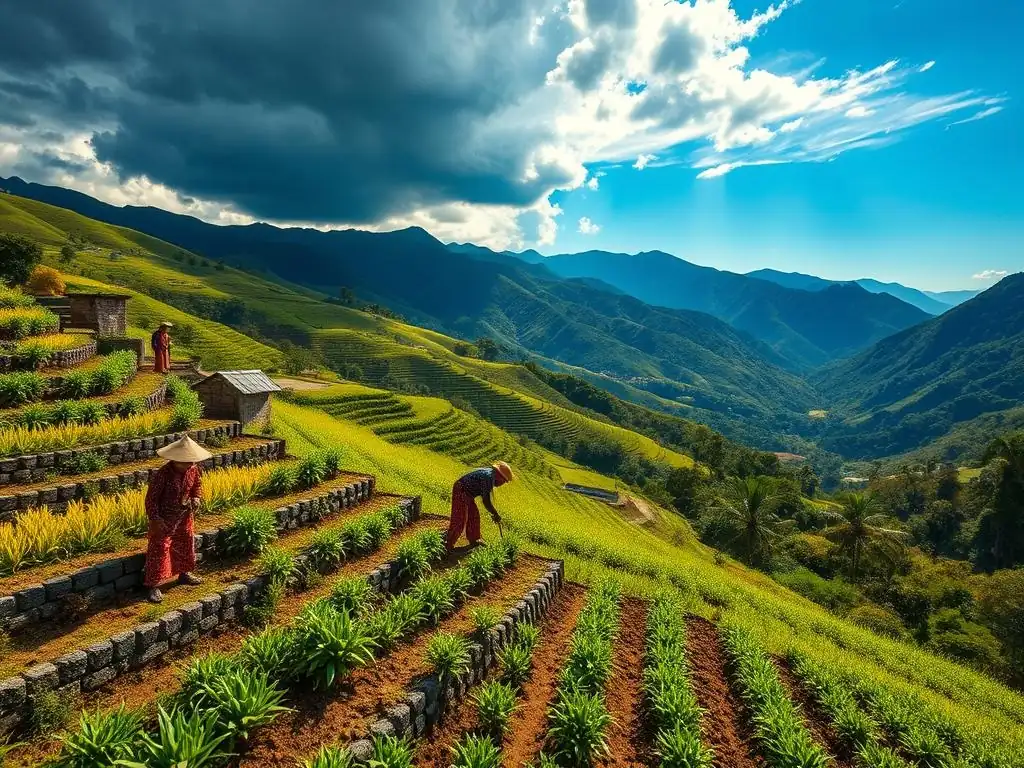
Welcome to Indigenous Civilizations of the Americas, where we invite you to embark on a fascinating journey through the rich tapestry of indigenous cultures that flourished long before European colonization. In our featured article, "Challenges and Adaptations: How Mesoamerican Farmers Responded to Environmental Changes," we delve into the remarkable Mesoamerican farming environmental adaptations that not only highlight the ingenuity of these societies but also their resilience in the face of adversity.
Discover how these ancient farmers navigated the complexities of their environments and left a lasting legacy that continues to influence modern agricultural practices. Join us as we uncover the achievements and innovations that shaped the lives of indigenous peoples across the Americas!
- Introduction to Mesoamerican Farming Environmental Adaptations
- Historical Context of Environmental Changes in Mesoamerica
- Challenges Faced by Mesoamerican Farmers
- Adaptation Strategies Adopted by Mesoamerican Farmers
- Case Studies of Successful Mesoamerican Farming Adaptations
- The Role of Community and Culture in Agricultural Adaptations
- Long-term Impacts of Mesoamerican Farming Adaptations
- Conclusion: The Resilience of Mesoamerican Farmers
- Call to Action
-
Frequently Asked Questions
- What were the main environmental challenges faced by Mesoamerican farmers?
- How did Mesoamerican farmers adapt their farming practices to these challenges?
- What crops were central to Mesoamerican agriculture?
- How did the environmental adaptations of Mesoamerican farmers influence their societies?
- What lasting impacts did Mesoamerican farming practices have on future generations?
- Final Reflection: Resilience and Innovation in Mesoamerican Farming
- Embrace the Resilience of Mesoamerican Farmers!
Introduction to Mesoamerican Farming Environmental Adaptations
Mesoamerican civilizations, known for their advanced agricultural techniques, faced numerous environmental challenges that shaped their farming practices and societal structures. This article delves into the various ways in which Mesoamerican farmers adapted to changes in their environment, focusing on their innovative solutions to agricultural challenges.
From the fertile valleys of the Maya to the arid landscapes of the Aztecs, these adaptations not only ensured food security but also played a crucial role in the development of complex societies. Understanding these practices provides insight into the resilience and ingenuity of indigenous cultures in the Americas, highlighting their profound connection to the land and the ecosystems they navigated.
Overview of Mesoamerican Agricultural Practices
Mesoamerican farmers developed a variety of sophisticated agricultural techniques that allowed them to thrive in diverse environments. Key practices included:
- Milpa System: This traditional method involved rotating crops such as maize, beans, and squash, which complemented each other nutritionally and helped maintain soil fertility.
- Terracing: To combat soil erosion and maximize arable land in hilly regions, farmers constructed terraces. This technique not only increased agricultural productivity but also facilitated water management.
- Chinampas: Often referred to as "floating gardens," these artificial islands were created in shallow lake areas and allowed for year-round cultivation. This innovative system maximized land use and supported dense populations.
- Irrigation: Mesoamerican societies engineered complex irrigation systems, including canals and reservoirs, to manage water resources effectively in both wet and dry seasons.
These practices reflect a deep understanding of local ecosystems and an ability to manipulate the environment to meet agricultural needs.
Importance of Environmental Adaptations in Agriculture
The ability to adapt to environmental changes was crucial for the survival and success of Mesoamerican civilizations. Key reasons include:
- Sustainability: By employing diverse agricultural techniques, Mesoamerican farmers could sustain their populations without depleting natural resources.
- Resilience to Climate Variability: Adapting to seasonal changes and climatic extremes allowed these societies to mitigate risks associated with droughts, floods, and other environmental stresses.
- Cultural Significance: Agricultural adaptations were not merely economic; they were intertwined with cultural practices, spiritual beliefs, and social organization, reinforcing the community's identity and cohesion.
The interplay between environmental adaptations and agricultural practices underscores the ingenuity of Mesoamerican civilizations, which continue to be a source of inspiration and study in contemporary discussions about sustainable agriculture and environmental stewardship.
Historical Context of Environmental Changes in Mesoamerica
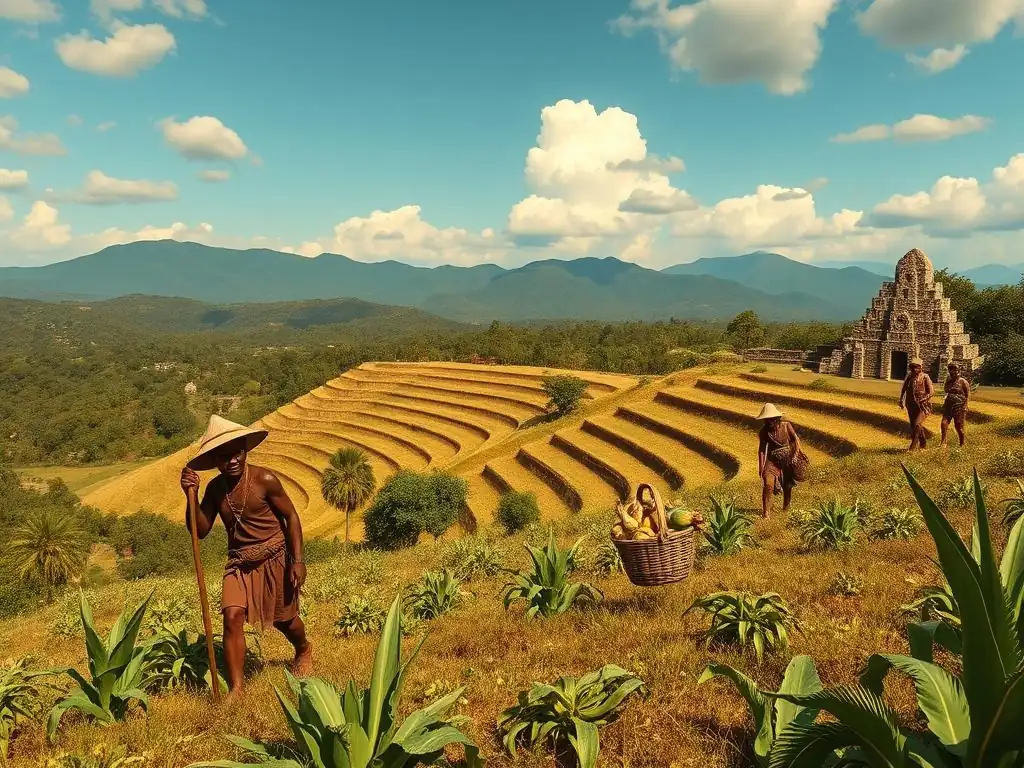
Mesoamerica, a region stretching from central Mexico to northern Central America, has a rich history of agricultural practices deeply intertwined with its environmental conditions. The indigenous peoples of this area developed sophisticated farming techniques in response to various environmental changes over centuries. Understanding the historical context of these adaptations reveals how Mesoamerican farmers navigated the challenges posed by climate variability and natural disasters.
The Mesoamerican agricultural landscape was predominantly shaped by the diverse climates and topographies of the region. From the arid conditions of the northern deserts to the humid tropics of the south, farmers cultivated a variety of crops, including maize, beans, and squash—often referred to as the "Mesoamerican triad." However, the stability of these agricultural practices was frequently threatened by environmental fluctuations.
Climate Variability and Its Impact on Farming
Climate variability significantly influenced Mesoamerican farming practices, leading to both challenges and adaptations. Evidence suggests that the region experienced periods of drought and excessive rainfall, which directly impacted crop yields and agricultural sustainability.
- Drought Conditions: Prolonged droughts, particularly during the Classic Period (250-900 CE), forced farmers to innovate. Techniques such as terracing were implemented on steep hillsides to conserve soil moisture and reduce runoff, while the use of irrigation systems helped to channel water from rivers and streams to fields, mitigating the effects of dry spells.
- Flooding and Excess Rainfall: Conversely, heavy rains often resulted in flooding, which could destroy crops and erode the soil. To combat this, Mesoamerican farmers developed raised-field agriculture, wherein crops were planted on elevated beds, allowing for better drainage and reducing the risk of waterlogging.
- Crop Diversification: Farmers also practiced crop diversification, planting multiple species to ensure that if one crop failed, others might thrive. This strategy not only stabilized food supply but also improved soil health and resilience against pests and diseases.
The ability of Mesoamerican farmers to adapt to these climatic challenges is a testament to their agricultural ingenuity and deep understanding of their environment.
Natural Disasters and Their Effects on Mesoamerican Agriculture
Natural disasters, such as earthquakes, volcanic eruptions, and hurricanes, posed significant threats to Mesoamerican agriculture. The region's geological activity, particularly in areas like modern-day Mexico and Guatemala, led to both immediate and long-term consequences for farming communities.
- Earthquakes and Volcanic Eruptions: These events could devastate agricultural land, burying fields under ash or altering the landscape entirely. However, some farmers turned these disasters into opportunities. Volcanic ash, rich in nutrients, could enhance soil fertility, leading to improved crop yields in the long term. Farmers learned to adapt by rotating their fields and using the ash to their advantage.
- Hurricanes and Storm Surges: The Atlantic hurricane season often wreaked havoc on coastal farming communities. Indigenous farmers developed resilient planting strategies, such as planting crops at staggered times to minimize loss during storms. Moreover, they built protective structures and used natural barriers like mangroves to shield their fields from storm surges.
- Community Cooperation: In the face of natural disasters, communities often came together to support one another through shared resources and labor. This spirit of cooperation not only facilitated recovery but also enhanced the overall resilience of the agricultural systems in place.
Through these adaptive strategies, Mesoamerican farmers demonstrated remarkable resilience in the face of environmental challenges. Their ability to respond to climate variability and natural disasters not only ensured their survival but also laid the foundation for future generations, influencing agricultural practices that continue to resonate in the region today.
Challenges Faced by Mesoamerican Farmers
Mesoamerican farmers faced numerous challenges that significantly affected their agricultural practices. These challenges were primarily environmental, stemming from the diverse and often unpredictable nature of the region's climate and geography. As they adapted to these difficulties, these farmers exhibited remarkable resilience, developing innovative solutions to sustain their agricultural productivity.
Soil Degradation and Nutrient Loss
Soil degradation was one of the most pressing challenges for Mesoamerican farmers. Over time, intensive agricultural practices, such as slash-and-burn farming, led to significant nutrient depletion in the soils. This method, while initially effective for clearing land and enriching soil with ash, eventually resulted in:
- Erosion: Continuous cultivation without adequate crop rotation or soil restoration techniques led to the loss of topsoil.
- Nutrient Depletion: Key nutrients like nitrogen, phosphorus, and potassium became increasingly scarce, diminishing soil fertility and crop yields.
To combat soil degradation, Mesoamerican farmers implemented various adaptive strategies:
- Crop Rotation: Alternating the types of crops grown in a specific area allowed the soil to recover and maintain nutrient balance.
- Agroforestry: Integrating trees and shrubs into farming systems not only improved biodiversity but also enhanced soil structure and fertility through leaf litter decomposition.
- Terracing: By constructing terraces on sloped land, farmers reduced soil erosion, retained moisture, and improved land usability.
These practices not only mitigated the effects of soil degradation but also contributed to the sustainability of Mesoamerican farming.
Water Scarcity and Drought Conditions
Water scarcity posed a significant threat to Mesoamerican agriculture, particularly during periods of drought. The region's reliance on seasonal rainfall made it vulnerable to fluctuations in climate. Key issues included:
- Inconsistent Rainfall: Variability in precipitation patterns resulted in intermittent droughts, leading to crop failures and food shortages.
- Overreliance on Rainfed Agriculture: Many farmers depended solely on rainwater for irrigation, which became increasingly unreliable due to changing climate conditions.
To address water scarcity, Mesoamerican farmers employed several innovative techniques:
- Irrigation Systems: Development of sophisticated irrigation methods, including canals and reservoirs, enabled farmers to store water and distribute it effectively during dry spells.
- Rainwater Harvesting: Farmers collected and stored rainwater in cisterns or ponds to ensure a more reliable water supply throughout the growing season.
- Drought-Resistant Crops: Selection and cultivation of drought-resistant crop varieties, such as certain types of maize and beans, allowed farmers to maintain yields even under challenging conditions.
These adaptations not only improved water management but also contributed to the resilience of Mesoamerican agricultural systems.
Pest and Disease Management Issues
Pest and disease management was another critical challenge for Mesoamerican farmers. The diverse ecosystems of the region fostered various pests and pathogens that threatened crops. Key concerns included:
- Insect Infestations: Pests such as locusts and various beetles could decimate crops, leading to substantial economic losses.
- Plant Diseases: Diseases caused by fungi, bacteria, and viruses often spread rapidly, particularly in monoculture systems.
In response to these challenges, Mesoamerican farmers developed several adaptive strategies:
- Integrated Pest Management (IPM): This approach combined biological control, habitat manipulation, and cultural practices to reduce pest populations while minimizing chemical use.
- Companion Planting: The practice of planting specific crops together to deter pests—such as planting marigolds alongside vegetables—helped enhance crop protection and biodiversity.
- Traditional Knowledge: Farmers relied on indigenous knowledge and practices passed down through generations to identify and manage pests and diseases effectively.
These adaptive strategies illustrate the ingenuity and resilience of Mesoamerican farmers in the face of environmental challenges, enabling them to sustain their agricultural practices and ensure food security.
Adaptation Strategies Adopted by Mesoamerican Farmers
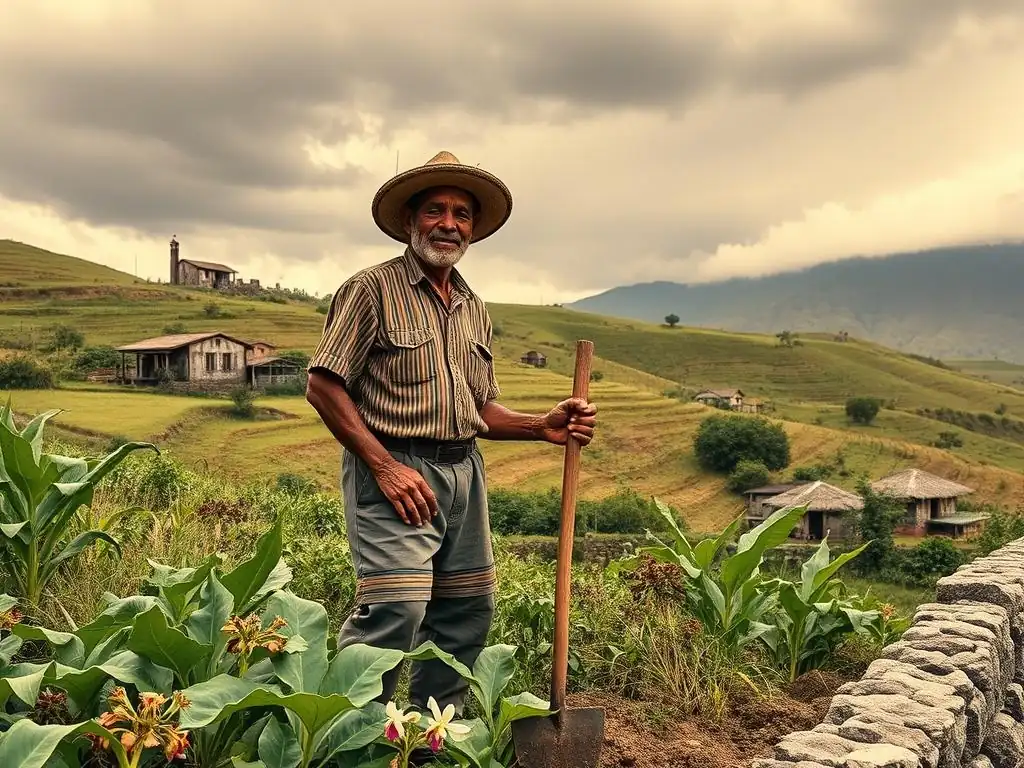
Mesoamerican farmers faced numerous environmental challenges, including climate variability, soil degradation, and water scarcity. To navigate these obstacles, they developed a variety of innovative adaptation strategies that not only ensured food security but also fostered sustainable agricultural practices. Understanding these strategies offers valuable insights into the resilience of indigenous cultures and their profound connection with the environment.
Crop Diversification as a Resilience Strategy
Crop diversification emerged as a crucial resilience strategy among Mesoamerican farmers, allowing them to mitigate the risks associated with monoculture practices. By cultivating a wide array of crops, these farmers were able to:
- Enhance Food Security: Growing multiple crops ensured a steady food supply, reducing dependence on single crops that might fail due to pests or adverse weather conditions.
- Improve Soil Health: Different crops contributed to soil fertility through the use of various root structures and nutrient requirements, thus maintaining soil productivity over time.
Examples of staple crops included maize, beans, and squash, often referred to as the "Three Sisters." This companion planting technique not only maximized land use but also created a synergistic relationship where each plant supported the others. For instance, maize provided a structure for beans to climb, while beans enriched the soil with nitrogen, benefiting the maize and squash.
Implementing Terracing and Agroforestry Techniques
To address the challenges of steep terrain and soil erosion, Mesoamerican farmers implemented terracing and agroforestry techniques. These methods offered several benefits:
- Terracing: By constructing terraces on slopes, farmers reduced soil erosion and water runoff. This technique allowed for more efficient water retention and improved cultivation on otherwise unfit land.
- Agroforestry: Integrating trees with crops provided multiple benefits, including shade, improved soil structure, and enhanced biodiversity. Trees acted as windbreaks, reduced temperature fluctuations, and provided additional resources such as fruit and timber.
The practice of terracing is exemplified by the landscapes of the ancient Maya, who transformed steep hillsides into agricultural platforms, demonstrating their ingenuity and adaptability to environmental challenges.
Use of Indigenous Knowledge in Resource Management
Indigenous knowledge played a pivotal role in the resource management practices of Mesoamerican farmers. This knowledge encompassed a deep understanding of the local ecosystem and the sustainable use of resources. Key aspects included:
- Traditional Ecological Knowledge (TEK): Farmers utilized TEK to identify the best planting times, crop rotations, and pest management practices suited for their environment. This knowledge was often passed down through generations, ensuring its relevance and adaptation over time.
- Water Management Systems: The construction of sophisticated irrigation systems, such as chinampas (floating gardens) in the Aztec Empire, exemplified the integration of indigenous knowledge with agricultural practices. These systems maximized water use and enabled year-round cultivation.
By leveraging their intimate understanding of their surroundings, Mesoamerican farmers successfully adapted to environmental changes and maintained agricultural productivity through sustainable practices. This legacy not only highlights their resilience but also informs contemporary approaches to sustainable agriculture.
The adaptation strategies adopted by Mesoamerican farmers, including crop diversification, terracing, agroforestry, and the utilization of indigenous knowledge, played a vital role in their ability to thrive in diverse and challenging environments. These practices not only ensured their survival but also contributed significantly to the agricultural advancements that shaped the region's rich cultural heritage.
Case Studies of Successful Mesoamerican Farming Adaptations
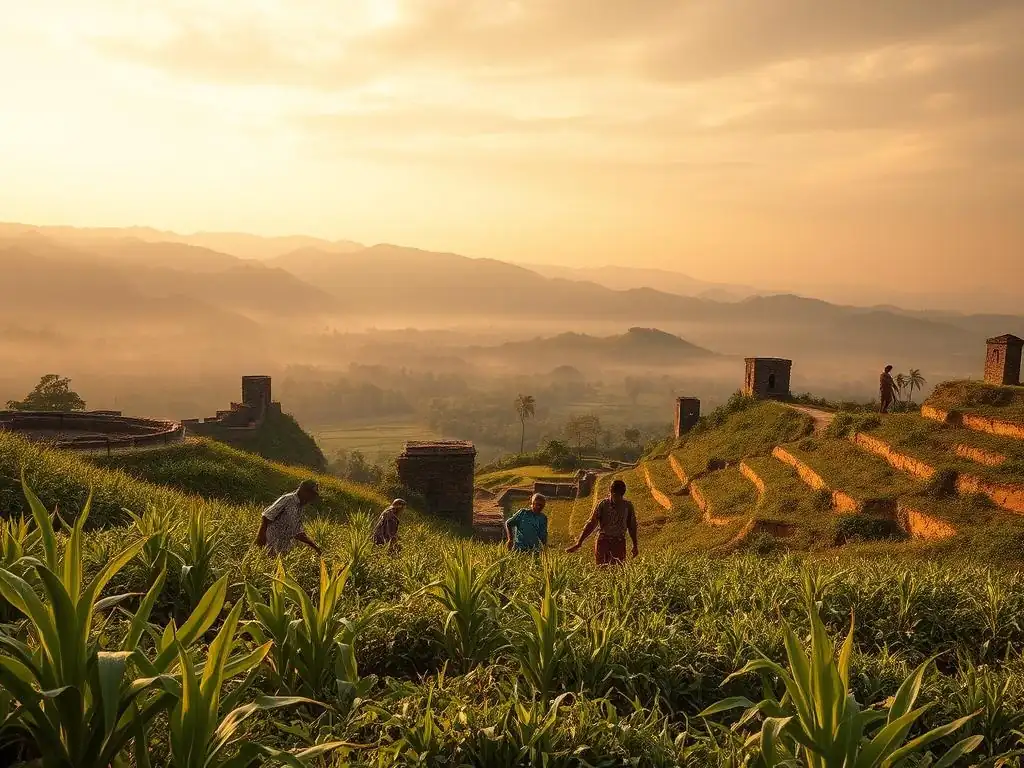
Adaptation Practices in the Maya Civilization
The Maya civilization, which thrived in present-day Mexico, Guatemala, Belize, and parts of Honduras, developed a variety of innovative agricultural practices to adapt to their diverse and often challenging environmental conditions. Their approach to farming was deeply intertwined with their understanding of the local ecosystem, leading to sustainable practices that allowed them to maximize agricultural output.
One of the primary methods employed by the Maya was slash-and-burn agriculture, also known as swidden agriculture. This technique involved clearing forests by cutting down trees and burning the vegetation to enrich the soil with nutrients. After a few years of cultivation, the soil would become depleted, prompting the Maya to move to a new area, allowing the previous plot to regenerate naturally. This practice not only maintained soil fertility but also preserved the surrounding forest ecosystem.
Additionally, the Maya utilized raised-field agriculture in swampy areas, particularly around lakes and riverbanks. By constructing raised fields, they created a microclimate that protected crops from flooding and allowed for better drainage. This method also enabled them to cultivate a variety of crops, such as maize, beans, and squash, which formed the basis of their diet.
Another significant adaptation was the implementation of terracing on hilly terrain. The Maya excavated flat areas on sloped land, which minimized soil erosion and maximized arable land. Terracing allowed them to grow crops in regions that would otherwise be unsuitable for agriculture due to steep slopes.
The Maya’s profound understanding of their environment also led to the development of crop rotation methods. By alternating the types of crops planted in a given area, they reduced the risk of pest infestations and soil depletion, promoting healthier yields over time.
Innovations in Aztec Agriculture
The Aztecs, known for their advanced civilization centered in the Valley of Mexico, also demonstrated remarkable ingenuity in their agricultural practices. Their innovations were crucial in supporting a rapidly growing population in the urban center of Tenochtitlan.
One of the most notable innovations was the chinampa system, often referred to as "floating gardens." This method involved creating small, rectangular areas of fertile arable land on shallow lake beds. The Aztecs would build up soil and vegetation on these islands, allowing for year-round agriculture. Chinampas not only maximized space but also utilized the water’s natural fertility, leading to a surplus of crops, including maize, tomatoes, and various herbs.
The Aztecs also implemented intensive agricultural techniques to increase productivity. They utilized intercropping, planting multiple crops in proximity to one another to enhance growth and reduce pests. For example, the combination of maize, beans, and squash—known as the "Three Sisters"—was a staple in Aztec farming, as these crops benefitted from one another’s growth patterns and nutrient requirements.
Furthermore, the Aztecs developed an advanced irrigation system. They constructed canals and dikes to manage water flow, ensuring that crops received adequate hydration. This system was especially vital in the arid areas surrounding Tenochtitlan, allowing them to cultivate diverse crops even during dry seasons.
The Aztecs also practiced soil enrichment techniques, such as the use of compost and organic matter, to improve soil health. This not only sustained productivity but also supported the long-term viability of their agricultural systems.
Oaxacan Farming Systems and Sustainability
In the Oaxaca region, various indigenous groups developed unique agricultural systems that emphasize sustainability and harmony with the environment. The diverse topography and microclimates of Oaxaca influenced the farming practices that emerged in this area, showcasing the adaptability of Mesoamerican farmers.
One key practice is the use of milpas, or shifting cultivation, which is similar to slash-and-burn agriculture. Farmers would cultivate a plot of land for a few years and then leave it fallow to recover while moving to a new site. This method allowed for the restoration of soil fertility and encouraged biodiversity.
Oaxacan farmers are also known for their cultivation of agroforestry systems, which integrate trees, shrubs, and crops. This practice promotes ecological balance, providing shade and reducing erosion while enhancing soil quality. Farmers cultivate various crops, including maize, beans, and fruits, alongside trees that contribute to the ecosystem.
Another significant aspect of Oaxacan farming is the emphasis on traditional crop varieties. Farmers maintain a rich diversity of local seeds, which are better adapted to the region's specific environmental conditions. This biodiversity enhances resilience against pests and changing climate conditions, ensuring food security.
The community-oriented approach to agriculture in Oaxaca also stands out. Farmers often engage in cooperative practices, sharing resources and knowledge to enhance productivity. This collaborative spirit fosters innovation and sustainability, as farmers learn from one another and adapt to new environmental challenges.
The case studies of the Maya, Aztec, and Oaxacan farming systems highlight the remarkable adaptability of Mesoamerican farmers. Through innovative techniques and sustainable practices, they effectively responded to environmental challenges, ensuring their civilizations thrived for centuries. Understanding these historical adaptations can provide valuable insights for contemporary agricultural practices in the face of modern environmental challenges.
The Role of Community and Culture in Agricultural Adaptations
The intricate relationship between community and culture plays a pivotal role in the agricultural adaptations observed among Mesoamerican farmers. These farmers did not operate in isolation; rather, their agricultural practices were deeply intertwined with the social structures, beliefs, and traditions of their communities. This collective approach to farming fostered resilience in the face of environmental changes, allowing these societies to thrive for centuries before European colonization.
Traditional Knowledge and Its Contribution to Sustainability
Traditional knowledge, accumulated over generations, forms the backbone of Mesoamerican agricultural practices. This body of knowledge encompasses a wealth of information regarding crop selection, cultivation techniques, and sustainable land management practices that are well adapted to local environmental conditions.
- Crop Diversity: Mesoamerican farmers utilized a diverse array of crops, including maize, beans, and squash, often referred to as the "Three Sisters." This polyculture system not only maximized yield but also improved soil health and reduced vulnerability to pests and diseases.
- Agroecological Practices: Techniques such as crop rotation, intercropping, and the use of organic fertilizers demonstrate a sophisticated understanding of ecological relationships. Farmers would alternate between different crops to maintain soil fertility and disrupt pest cycles, showcasing a sustainable approach to farming.
- Water Management: Indigenous farmers developed intricate irrigation systems, including canals and terracing, to manage water resources effectively. These methods allowed for the cultivation of crops in areas with variable rainfall, demonstrating a remarkable adaptation to changing environmental conditions.
The integration of traditional knowledge into modern sustainable practices is increasingly recognized as vital in addressing contemporary environmental challenges, highlighting the ongoing relevance of Mesoamerican farming techniques.
Community-Based Approaches to Environmental Challenges
Mesoamerican farming communities exhibit a strong sense of collective responsibility when confronting environmental challenges. This communal approach fosters cooperation and resource sharing, enabling farmers to adapt more effectively to changing conditions.
- Collective Farming Initiatives: Many indigenous communities engage in collective farming practices, where land is farmed communally rather than individually. This allows for shared knowledge, resources, and labor, enhancing resilience against environmental fluctuations.
- Cultural Practices and Beliefs: Spiritual beliefs often guide agricultural practices, with rituals and ceremonies dedicated to the fertility of the land. These cultural elements reinforce community bonds and encourage sustainable practices that respect the environment.
- Adaptive Strategies Through Collaboration: Communities often come together to address environmental threats, such as droughts or floods. By pooling resources and knowledge, they develop adaptive strategies that may include the construction of communal water storage systems or the implementation of crop diversification plans.
The interplay of community and culture in Mesoamerican farming is a testament to the innovative spirit of these societies. Their agricultural adaptations, rooted in traditional knowledge and communal practices, not only allowed them to navigate environmental changes but also laid the groundwork for sustainable agricultural practices that resonate today. Emphasizing the importance of community in agricultural innovations underscores the relevance of Mesoamerican farming environmental adaptations in contemporary discussions on sustainability.
Long-term Impacts of Mesoamerican Farming Adaptations
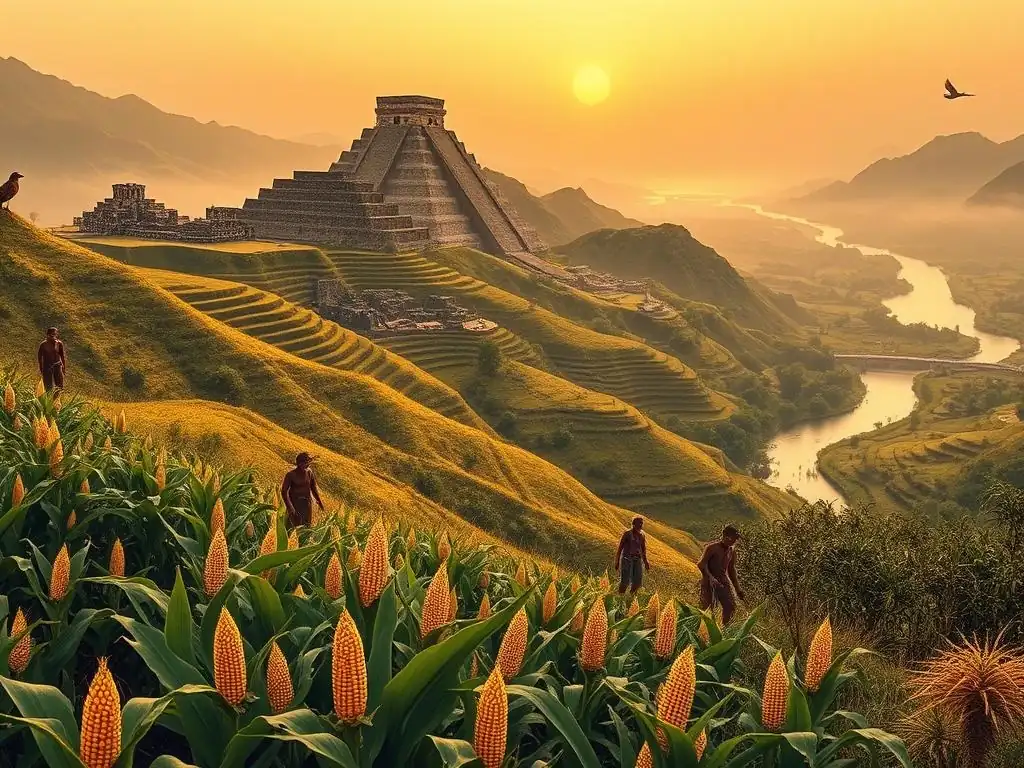
Mesoamerican farmers faced numerous environmental challenges, including climate variability, soil fertility issues, and water management problems. Their innovative responses to these challenges not only ensured their survival but also laid the groundwork for agricultural practices that are still relevant today. The adaptations developed over centuries have had profound long-term impacts on both agriculture and the environment in the region and beyond.
Influence on Modern Sustainable Agriculture Practices
The agricultural practices of ancient Mesoamericans have significantly influenced modern sustainable agriculture. Techniques such as crop rotation, intercropping, and the use of organic fertilizers originated in Mesoamerican societies. For instance:
- Milpa System: This traditional farming technique involves rotating crops such as maize, beans, and squash, which enhances soil fertility and reduces pests. The mutual benefits of these crops, known as the "Three Sisters," exemplify how ancient practices align with modern sustainable agriculture principles.
- Terracing: Mesoamerican civilizations like the Incas and the Aztecs developed terraced farming to maximize arable land on steep slopes. This technique minimizes soil erosion and conserves water, making it a crucial practice in contemporary sustainable farming, especially in mountainous regions.
- Agroforestry: The integration of trees into agricultural landscapes was common among Mesoamerican cultures. This method not only provides shade and habitat but also improves biodiversity and soil health. Modern agroforestry practices take cues from these ancient methods to promote ecological balance and resilience.
These practices have been recognized worldwide as viable solutions to modern challenges, such as climate change and food insecurity. By studying Mesoamerican farming environmental adaptations, contemporary farmers and agricultural scientists can adopt strategies that promote sustainability and resilience in their own practices.
Legacy of Mesoamerican Agricultural Innovations
The legacy of Mesoamerican agricultural innovations extends far beyond their original context. The achievements of these civilizations in adapting to their environment have had lasting effects on global agriculture:
- Crop Domestication: Mesoamericans were instrumental in the domestication of several key crops, including maize, beans, and peppers. The genetic diversity and resilience of these crops continue to be vital for food security today. For example, the maize varieties developed by Mesoamerican farmers are now foundational to global agricultural systems.
- Irrigation Techniques: The sophisticated irrigation systems developed by Mesoamerican societies, such as canal systems and raised fields, serve as models for modern irrigation practices. These systems demonstrate the importance of efficient water management in agriculture, particularly in arid regions.
- Culinary Impact: The agricultural innovations of Mesoamerican cultures have also left a significant mark on global cuisine. Staples such as maize and beans are now integral to diets worldwide, influencing culinary practices and food culture across continents.
- Cultural Resilience: The methods and practices developed by Mesoamerican farmers reflect a deep understanding of their environment. This resilience is evident in the ongoing use of traditional farming techniques by indigenous communities today, which continue to thrive despite external pressures.
The adaptations made by Mesoamerican farmers to their environmental challenges have not only sustained their civilizations but have also provided a rich legacy of agricultural knowledge and practices. Their innovations serve as a foundation for modern agriculture, emphasizing sustainability and ecological balance in the face of ongoing environmental changes.
Conclusion: The Resilience of Mesoamerican Farmers
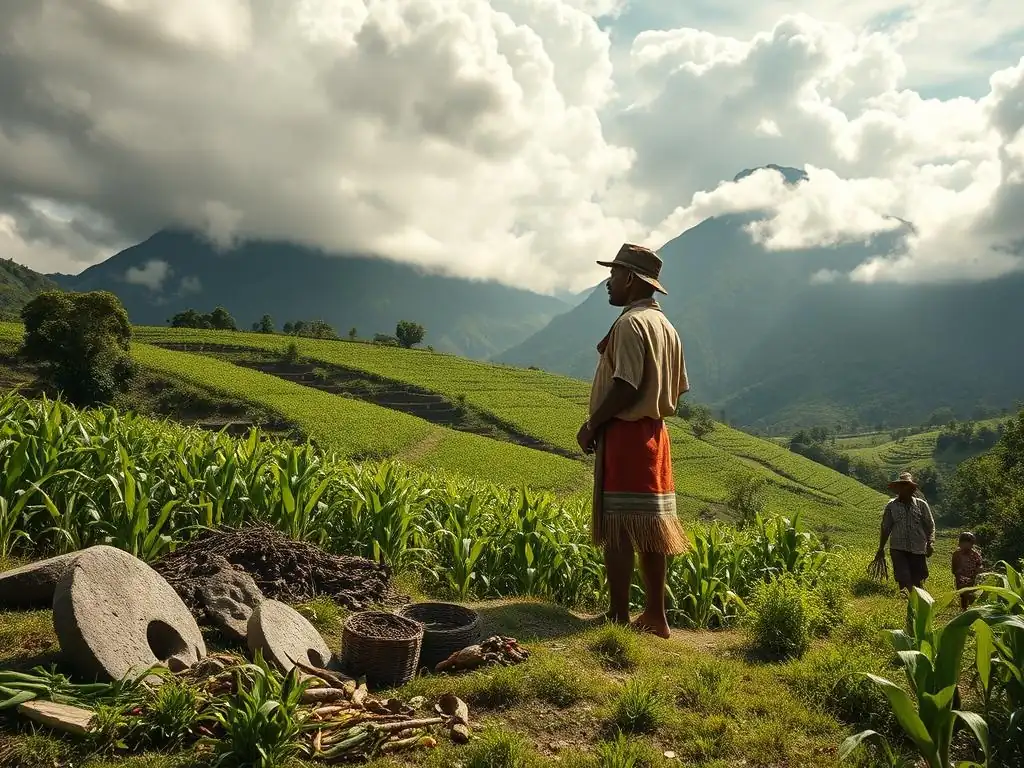
Mesoamerican farmers have long demonstrated remarkable resilience in the face of environmental challenges. Their ability to adapt agricultural practices to changing climates, soil conditions, and ecological shifts has been vital for sustaining their communities. These adaptations not only ensured food security but also fostered a deep connection to the land, which is evident in the agricultural techniques that have been passed down through generations.
Summary of Environmental Adaptations in Mesoamerican Agriculture
Mesoamerican agriculture is characterized by a rich tapestry of innovations and practices that evolved in response to environmental pressures. Some key adaptations include:
- Terracing: Farmers constructed terraces on steep slopes to reduce soil erosion and maximize arable land. This technique allowed for better water retention and created microclimates conducive to crop growth.
- Chinampas: Often referred to as "floating gardens," chinampas were an ingenious method utilized by the Aztecs. These small, rectangular areas of fertile land were created in shallow lake waters, allowing for year-round cultivation of crops such as maize, beans, and squash.
- Crop Rotation and Diversification: Mesoamerican farmers practiced crop rotation to maintain soil fertility and reduce pest outbreaks. By diversifying their crops, they minimized the risk of total crop failure, ensuring a stable food supply.
- Agroforestry: Integrating trees with crop cultivation, agroforestry practices promoted biodiversity and improved soil health. This method provided shade for crops and habitats for beneficial wildlife, contributing to sustainable farming systems.
| Adaptation | Description | Benefits |
|---|---|---|
| Terracing | Leveling land into steps on slopes | Reduces erosion; conserves water |
| Chinampas | Floating gardens on lakes | Year-round farming; soil fertility |
| Crop Rotation | Alternating crops in the same field | Maintains soil health; pest control |
| Agroforestry | Combining trees with crops | Enhances biodiversity; soil health |
These adaptations exemplify the innovative spirit of Mesoamerican farmers and their profound understanding of the natural environment. Their strategies not only allowed for agricultural productivity but also contributed to the development of complex societies that thrived for centuries.
Reflection on the Importance of Preserving Indigenous Agricultural Knowledge
In an age where modern agriculture often prioritizes high-yield monocultures, there is a vital need to recognize and preserve the agricultural knowledge of Mesoamerican cultures. Indigenous farming practices are not merely historical artifacts; they provide valuable insights into sustainable agriculture today.
Preserving this knowledge can offer solutions to contemporary challenges, such as climate change and food insecurity. By integrating traditional ecological knowledge with modern scientific approaches, we can develop farming systems that are resilient and sustainable.
Furthermore, acknowledging the contributions of indigenous farmers fosters respect for their cultural heritage, encouraging the continuation of practices that promote ecological balance and community well-being.
The resilience of Mesoamerican farmers serves as a powerful reminder of the importance of adaptability in agriculture. As we face global environmental challenges, learning from indigenous agricultural practices can guide us towards more sustainable futures. Through education and preservation efforts, we ensure that the wisdom of Mesoamerican farming continues to inspire generations to come.
Call to Action
As we delve into the remarkable adaptations of Mesoamerican farmers, it becomes evident that their practices hold valuable lessons for modern agricultural systems facing similar environmental challenges. By recognizing and embracing these ancient methods, we can foster a more sustainable future for our planet. Here’s how you can contribute:
- Educate Yourself and Others: Learn about Mesoamerican farming techniques, such as milpas (swidden agriculture) and terracing. Share this knowledge within your community to raise awareness of sustainable practices.
- Support Local and Indigenous Farmers: Purchase produce from local farmers’ markets or indigenous co-ops. This not only supports sustainable agriculture but also helps preserve traditional farming methods.
- Promote Biodiversity: Advocate for agricultural practices that prioritize biodiversity, such as crop rotation and polyculture, which were integral to Mesoamerican farming.
- Engage in Community Gardening: Participate in or establish community gardens that incorporate indigenous farming techniques, fostering both environmental sustainability and community cohesion.
Encouraging Sustainable Practices Inspired by Mesoamerican Farming
Mesoamerican farming environmental adaptations have long demonstrated how agriculture can thrive in harmony with nature. For instance, the use of companion planting and natural pest management are techniques that reflect a deep understanding of ecosystem dynamics. Here are some sustainable practices inspired by Mesoamerican agriculture:
- Crop Diversity: Mesoamerican farmers cultivated a variety of crops, including maize, beans, and squash, known as the "Three Sisters," promoting soil health and reducing vulnerability to pests and diseases.
- Agroforestry: Integrating trees into agricultural systems can enhance soil quality, provide shade, and create microclimates conducive to crop growth, mirroring the traditional practices of Mesoamerican civilizations.
- Soil Conservation Techniques: Practices such as terracing and the use of raised beds can reduce soil erosion and improve water retention, essential in adapting to changing climates.
By adopting these practices, modern farmers can not only increase their resilience against environmental changes but also contribute to a more sustainable agricultural landscape.
Importance of Supporting Indigenous Agricultural Communities
Indigenous agricultural communities play a crucial role in preserving traditional farming knowledge and practices that have stood the test of time. Supporting these communities is vital for several reasons:
- Cultural Preservation: Indigenous farming methods are often intertwined with cultural identities and traditions. Supporting these communities helps maintain their heritage and knowledge systems.
- Sustainable Practices: Many indigenous agricultural practices are inherently sustainable and provide valuable insights into biodiversity conservation and climate adaptation.
- Food Security: By investing in indigenous agriculture, we can enhance food security and nutrition for local populations, fostering resilience against global food crises.
- Environmental Stewardship: Indigenous farmers often act as stewards of the land, managing ecosystems in ways that promote sustainability and protect biodiversity.
Recognizing and supporting Mesoamerican farming environmental adaptations not only honors the legacy of these ancient civilizations but also paves the way for a sustainable future. Embracing these practices can lead to a more resilient agricultural system that benefits both people and the planet.
Frequently Asked Questions
What were the main environmental challenges faced by Mesoamerican farmers?
Mesoamerican farmers dealt with droughts, flooding, and soil erosion, which significantly impacted their agricultural productivity and required innovative solutions.
How did Mesoamerican farmers adapt their farming practices to these challenges?
Farmers employed techniques such as terracing, irrigation, and crop rotation to enhance the sustainability of their farming and maximize yields despite environmental changes.
What crops were central to Mesoamerican agriculture?
Maize, beans, and squash were the staple crops, forming the basis of the Mesoamerican diet and closely tied to their agricultural practices and environmental adaptations.
How did the environmental adaptations of Mesoamerican farmers influence their societies?
The adaptations led to increased food security, which supported the growth of complex societies, including urbanization and the development of social hierarchies.
What lasting impacts did Mesoamerican farming practices have on future generations?
The innovative agricultural techniques developed by Mesoamerican farmers not only shaped their societies but also influenced modern farming practices and contributed to biodiversity in the region.
Final Reflection: Resilience and Innovation in Mesoamerican Farming
The challenges faced by Mesoamerican farmers in adapting to environmental changes are not just historical anecdotes; they resonate profoundly with our current climate crisis. As we grapple with unprecedented environmental shifts today, the ingenuity and resilience demonstrated by these ancient farmers serve as a powerful reminder of our capacity to adapt and thrive in the face of adversity. Their strategies, honed over centuries, highlight the importance of sustainable practices that can inform modern agricultural methods and inspire a new generation of farmers.
Mesoamerican farming practices have left an indelible mark on our cultural and social landscapes, illustrating the intricate relationship between humans and their environment. The lessons learned from these adaptations are not merely relics of the past; they continue to influence contemporary agricultural techniques and sustainability efforts worldwide. The greatest danger in times of turbulence is not the turbulence; it is to act with yesterday's logic.
This quote encapsulates the essence of innovation that Mesoamerican farmers embodied, reminding us that embracing change is crucial for survival and progress.
As we reflect on the remarkable adaptability of Mesoamerican farmers, I invite you to consider how these lessons can be applied in your own life and community. What steps can you take to adapt to the environmental challenges we face today? Whether it's adopting sustainable practices in your gardening, supporting local farmers, or advocating for policies that promote environmental stewardship, every action counts. Let the resilience of Mesoamerican farming inspire you to cultivate a future that honors both our heritage and our planet.
Embrace the Resilience of Mesoamerican Farmers!
Thank you for taking the time to explore the incredible adaptations of Mesoamerican farmers in response to environmental changes. You've gained valuable insights into their resilience and ingenuity—now it's time to channel that inspiration into action!
Here are a few thoughtful steps you can take right now:
- Dig deeper into local sustainable practices: Research and implement sustainable farming methods in your own garden or community. Every little effort contributes to addressing environmental challenges!
- Share the story: Spread awareness of Mesoamerican agricultural wisdom by sharing this article with friends and family. Let’s honor and celebrate their contributions to our understanding of resilience.
- Engage with your community: Join a local environmental group or farming cooperative to discuss strategies for adapting to climate change together, fostering community resilience.
How can we apply the ancient wisdom of Mesoamerican farmers to tackle today's environmental challenges in our own lives?