
The Intersection of Art and Functionality in North American Indigenous Buildings

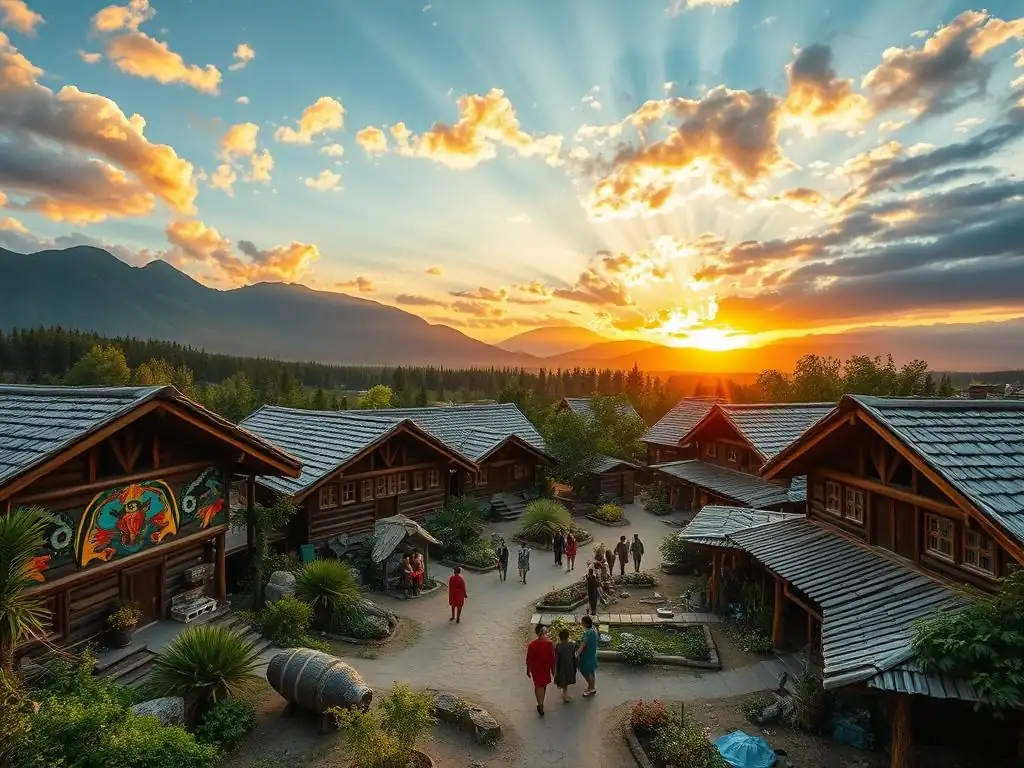
Welcome to Indigenous Civilizations of the Americas, where we embark on a captivating journey through the rich tapestry of indigenous cultures that flourished across the continent long before European contact. In our featured article, "The Intersection of Art and Functionality in North American Indigenous Buildings," we delve into the remarkable achievements of North American Indigenous architecture, revealing how these structures were not only functional but also deeply intertwined with cultural identity and artistic expression.
Prepare to be intrigued as we uncover the innovative designs and enduring legacies of these extraordinary civilizations, inviting you to explore the profound impact they have left on our world today.
Exploring the intricate relationship between art and functionality in North American Indigenous architecture reveals a rich tapestry of cultural expression and practical design. This article delves into how Indigenous communities across the continent created structures that not only met their environmental and social needs but also reflected their spiritual beliefs and artistic traditions. By examining the diverse architectural styles and methods employed by these cultures, we can appreciate the lasting impact of their innovations and the profound connection they maintained with their environment.
Introduction to North American Indigenous Architecture
North American Indigenous architecture encompasses a wide range of building styles and techniques, shaped by the diverse climates, resources, and cultural practices of various Native American tribes. From the earthen lodges of the Great Plains to the intricately carved longhouses of the Pacific Northwest, these structures serve as a testament to the ingenuity and adaptability of Indigenous peoples. Understanding the architectural achievements of these cultures offers valuable insights into their societal organization, environmental stewardship, and artistic expression.
Overview of Indigenous Architecture in North America
Indigenous architecture in North America is characterized by its diversity and regional specificity. Notable examples include:
- Tipis: Used by the Plains tribes, these conical structures were designed for mobility and efficient heating.
- Longhouses: Common among the Iroquois, these elongated dwellings highlighted communal living and were often adorned with intricate carvings.
- Adobe Structures: In the Southwest, Pueblo peoples constructed adobe homes that blended seamlessly with the arid landscape, showcasing sustainable building practices.
These architectural forms not only reflect the environmental adaptations of the builders but also embody their cultural narratives and social structures.
Importance of Art and Functionality in Design
Art and functionality are interwoven in North American Indigenous architecture, with each structure serving both aesthetic and practical purposes. The artistic elements often convey deep symbolic meanings, while the functional aspects ensure the buildings are suited to their environment.
For example, the use of natural materials like wood, stone, and earth not only provides structural integrity but also allows for artistic expression through carvings and paintings. This holistic approach to design underscores the belief that spiritual and physical worlds are interconnected, resulting in spaces that resonate with cultural significance.
Historical Context of North American Indigenous Architecture
To fully appreciate the achievements of North American Indigenous architecture, it is essential to consider the historical context in which these structures were built.
Pre-Colonization Building Techniques
Before European contact, Indigenous peoples employed a variety of building techniques tailored to their specific environments. Techniques included:
- Wattle and Daub: A method using woven branches and mud for wall construction, prevalent among many tribes.
- Earthworks: Mounds and earth lodges were constructed for both habitation and ceremonial purposes.
- Natural Shelters: Some tribes utilized caves or overhangs, integrating their dwellings into the landscape.
These methods reflect a profound understanding of local ecosystems and materials, highlighting the sustainability practices inherent in Indigenous building traditions.
Cultural Significance of Architectural Styles
Different architectural styles not only serve practical needs but also carry deep cultural significance. Structures often symbolize tribal identity, social hierarchy, and spiritual beliefs. For instance, the sacredness of the longhouse in Iroquois culture emphasizes communal living and governance, while the ceremonial kivas of the Pueblo peoples serve as important sites for spiritual gatherings and rituals.
The intersection of art and functionality in North American Indigenous buildings provides a profound insight into the values and priorities of Indigenous cultures. By examining these architectural forms, we can gain a deeper appreciation for their ingenuity and the lasting impact they have had on the landscape of the Americas.
Key Features of North American Indigenous Buildings
North American Indigenous architecture is characterized by a profound relationship between art and functionality, resulting in structures that are not only utilitarian but also rich in cultural significance. The key features of these buildings include their adaptability to the environment, sustainable construction methods using local materials, and intricate designs that often embody spiritual beliefs or community values. These structures were often built with a deep understanding of the local climate, terrain, and resources, showcasing the ingenuity of Indigenous peoples in creating homes that met their needs while harmonizing with nature.
Use of Natural Materials in Construction
The use of natural materials is a cornerstone of North American Indigenous architecture. Indigenous builders relied on locally available resources, which varied greatly by region. Common materials included:
- Wood: Used extensively in the forests of the Pacific Northwest, where cedar trees provided the perfect material for longhouses and totem poles.
- Earth: Adobe and rammed earth were prevalent in the Southwest, creating sturdy, insulated dwellings like pueblo structures that could withstand harsh desert climates.
- Stone: In areas with abundant stone, such as the Northeast, Indigenous peoples constructed long-lasting structures using dry stone walls and other techniques.
This commitment to natural materials not only ensured the sustainability of their buildings but also imbued them with aesthetic qualities that reflected the surrounding landscape.
Innovative Architectural Designs Reflecting Functionality
Indigenous architecture in North America showcases innovative designs that prioritize functionality. Structures were often multifunctional, serving various purposes while accommodating the lifestyles of the inhabitants. For example:
- Tipis: These conical tents used by Plains Indigenous peoples were designed for mobility, allowing them to be easily assembled and disassembled while providing efficient insulation and ventilation.
- Longhouses: Built by the Iroquois and other northeastern tribes, these elongated structures housed multiple families and demonstrated advanced knowledge of communal living and resource sharing.
- Kivas: Circular, subterranean rooms used by Pueblo peoples for ceremonial purposes featured ventilation systems and astounding acoustics, illustrating a deep understanding of environmental engineering.
These architectural innovations highlight the adaptability and creativity of Indigenous cultures in response to their environments and social structures.
Symbolism and Artistic Expression in Building Facades
Symbolism plays a significant role in the architectural designs of North American Indigenous buildings. Facades often feature artistic expressions that convey cultural narratives, spiritual beliefs, and communal identities. Common elements include:
- Carvings and Paintings: Many structures, especially those of the Northwest Coast, are adorned with intricate carvings of animals and mythological figures that represent clan lineages and stories.
- Color Usage: Different colors are employed symbolically; for instance, red may signify strength and vitality, while black might represent the earth and its sustenance.
- Patterns and Shapes: Geometric designs often reflect natural forms, such as the sun, moon, and water, reinforcing the connection between the community and the natural world.
These artistic elements transform simple structures into powerful expressions of identity and heritage, making them integral to the cultural landscape.
Regional Variations in Indigenous Architectural Styles
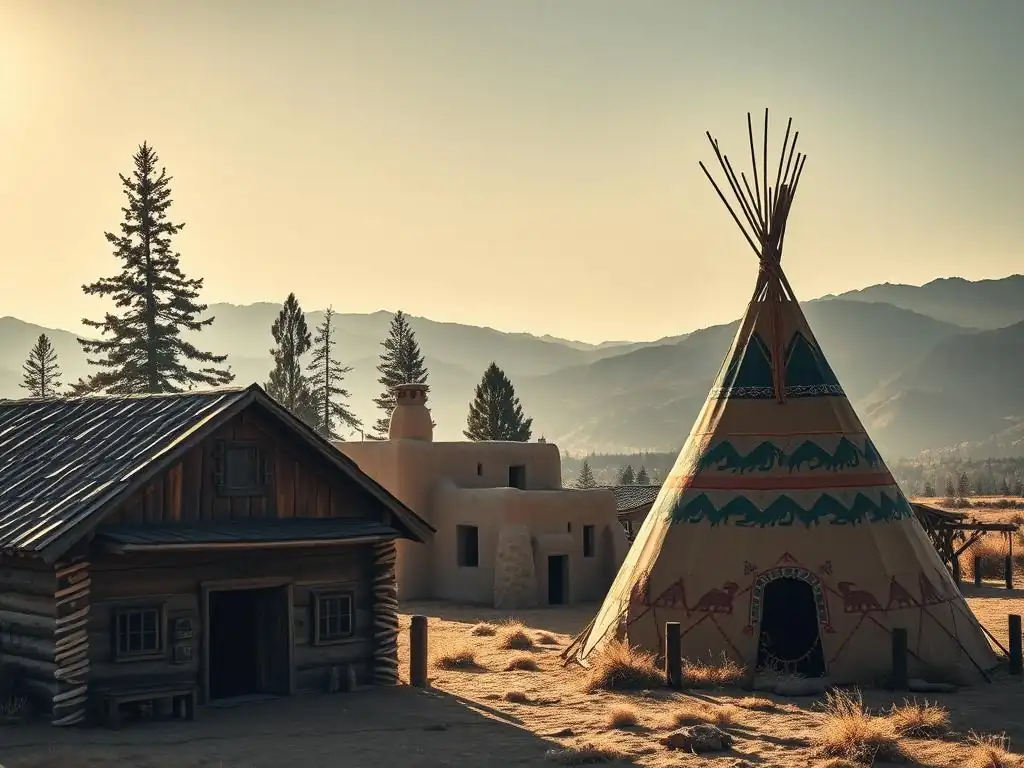
The diversity of North American Indigenous architecture is evident in its regional variations, which reflect the unique environmental conditions, resources, and cultural practices of different Indigenous groups. Each style serves as a testament to the ingenuity and adaptability of these communities.
The Architecture of Plains Indigenous Peoples
Plains Indigenous architecture is primarily characterized by the tipi, a portable dwelling that allowed for a nomadic lifestyle centered around bison hunting. These structures are known for their:
- Conical Shape: Designed to withstand strong winds, the tapered top facilitates the rise of smoke from fires inside.
- Mobility: Easy to transport, tipis can be quickly assembled or dismantled, accommodating the seasonal movements of Plains peoples.
- Interior Layout: Typically featuring a central hearth, the interior space is organized to promote communal living and gatherings.
In addition to tipis, some Plains tribes also constructed earth lodges and wooden structures, showcasing a blend of functionality and cultural significance.
Coastal Indigenous Architecture
The coastal regions of North America, particularly in the Pacific Northwest, are known for their impressive wooden structures. Coastal Indigenous architecture includes:
- Longhouses: These large, communal dwellings housed multiple families and were often decorated with totem poles that represented clan lineage and spiritual beliefs.
- Plank Houses: Built from large cedar planks, these houses provided durability and insulation against the damp coastal climate, featuring intricate carvings and artistic elements on the exterior.
- Fishing Platforms: Elevated structures used for fishing demonstrate the integration of architectural designs with the environment and resource management.
The architecture of coastal Indigenous peoples reflects their deep connection to the ocean and forests, embodying both functionality and artistry.
Southwestern Indigenous Structures
In the arid Southwest, Indigenous architecture is marked by unique adaptations to the desert environment. Key features include:
- Pueblos: These multi-story adobe dwellings often built into cliffs or as standalone structures exemplify advanced masonry techniques. Their thick walls provide insulation against temperature extremes.
- Kivas: Circular, subterranean ceremonial spaces are integral to Pueblo culture, showcasing sophisticated construction methods and serving as community gathering places.
- Terracing: Many Southwestern structures utilize terraced designs to maximize space and improve water drainage, demonstrating an understanding of landscape management.
The architectural styles of the Southwest reflect the rich cultural heritage and adaptability of Indigenous peoples in response to their challenging environment.
Case Studies of Notable North American Indigenous Buildings
Examining the architectural achievements of North American Indigenous cultures reveals a rich tapestry of design that marries artistic expression with practical functionality. From ancient dwellings to modern educational institutions, these structures reflect the values, traditions, and environmental adaptations of their creators. Below are two notable case studies that exemplify the intersection of art and functionality in Indigenous architecture.
Taos Pueblo
Taos Pueblo, located in New Mexico, stands as a stunning example of traditional Pueblo architecture. This ancient community dates back over 1,000 years and is recognized as a UNESCO World Heritage site. The pueblo consists of multi-storied adobe buildings constructed from earth, which not only provide shelter but also regulate temperature, keeping the interiors cool in summer and warm in winter.
The architecture of Taos Pueblo is characterized by its unique adobe bricks, which are made from a mix of clay, sand, and straw. These materials are not only abundant in the region but also embody the community's deep connection to their environment. The structure's design features rounded corners and flat roofs, which are aesthetically pleasing while also practical for the region's climate.
Artistic elements are prominently displayed in the pueblo, with intricate murals and carvings that tell stories of the community’s heritage and spirituality. The buildings themselves serve both communal and individual functions, reflecting the Pueblo people's collective lifestyle and their emphasis on family and community. Today, Taos Pueblo continues to thrive as a living community, showcasing the enduring relevance of its architectural practices.
The Indian Community School of Milwaukee
The Indian Community School of Milwaukee, completed in 2008, serves as a contemporary example of how Indigenous architectural principles can be applied to modern educational environments. Designed by the firm of Potawatomi architect, John W. “Jack” McGowan, the school embodies the values of Indigenous cultures while accommodating the needs of a 21st-century educational institution.
The building's design incorporates elements of nature, with large windows that provide abundant natural light and views of the surrounding landscape. The layout promotes a sense of community and connection, with open spaces that encourage interaction among students and staff. Traditional motifs and symbols are woven throughout the architecture, reflecting the cultural heritage of the students it serves.
Sustainability is a key aspect of the school's design, with features such as rainwater harvesting systems and energy-efficient materials. This commitment to environmental responsibility aligns with Indigenous philosophies that emphasize stewardship of the earth. The Indian Community School stands as a testament to the potential of integrating Indigenous values into modern architecture, illustrating how functionality and cultural significance can coexist harmoniously.
Modern Impacts and Revivals of Indigenous Architectural Practices
As awareness of Indigenous cultures grows, there has been a resurgence in the appreciation and implementation of traditional architectural practices in contemporary designs. Modern Indigenous architects are leading this revival by creating spaces that honor their heritage while meeting current needs.
Contemporary Indigenous Architects and Their Contributions
A new generation of Indigenous architects is emerging, bringing fresh perspectives and innovations to the field. Figures like Martha Schwartz and David Chipperfield are redefining the narrative of Indigenous architecture by incorporating traditional knowledge and practices into their projects.
For instance, architect Nina Johnson, a member of the Yaqui Tribe, focuses on creating spaces that foster community and cultural expression. Her work often draws inspiration from Indigenous storytelling, emphasizing the importance of place and identity in architectural design. By integrating traditional forms and materials, contemporary architects are not only reviving Indigenous architectural practices but also ensuring that these designs resonate with modern functionalities and aesthetics.
Sustainability and Functionality in Modern Designs
Sustainability is at the forefront of modern Indigenous architectural practices. Many contemporary designs prioritize eco-friendly materials and energy-efficient systems, reflecting the Indigenous philosophy of living in harmony with nature.
For example, structures are increasingly built using locally sourced materials like bamboo, straw, and adobe, minimizing environmental impact and promoting regional craftsmanship.
Moreover, modern designs often include features such as green roofs, solar panels, and water conservation systems, ensuring that functionality does not compromise ecological integrity. A notable project is the Red Lake Nation College in Minnesota, which integrates Indigenous values with sustainable design principles, creating a space that honors the land while serving educational purposes.
By embracing both tradition and innovation, contemporary Indigenous architecture continues to evolve, leaving a significant mark on the landscape of North American architecture while ensuring a sustainable future for generations to come.
Conclusion: The Lasting Legacy of Art and Functionality in North American Indigenous Architecture
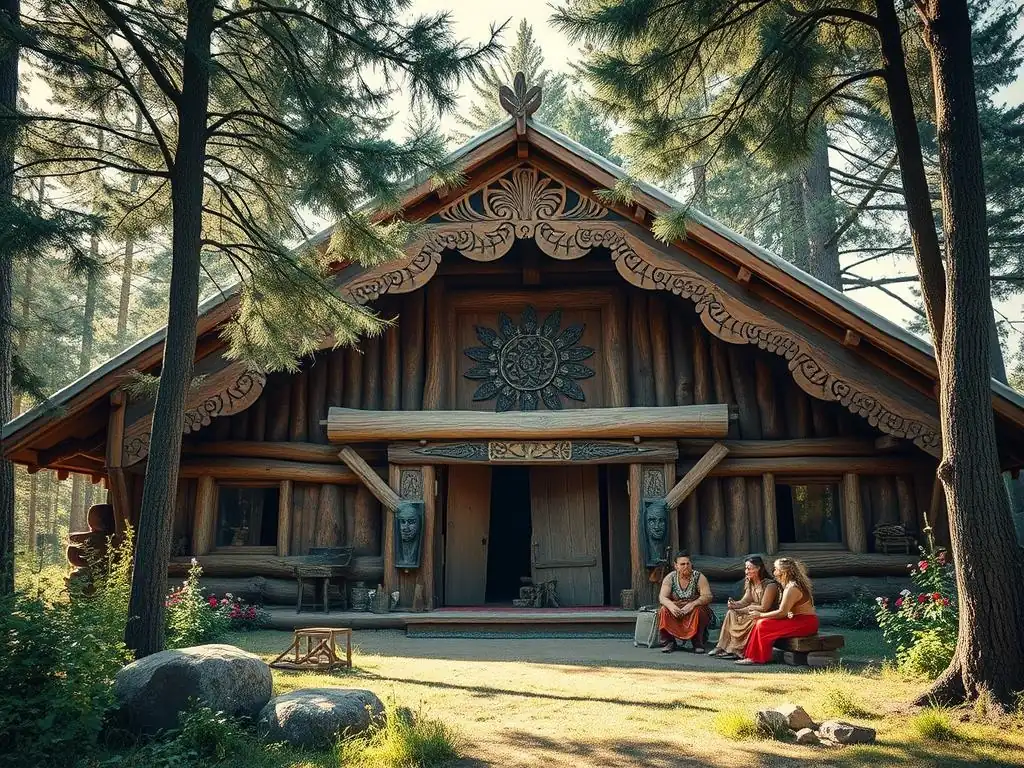
The architectural practices of North American Indigenous peoples serve as a testament to their profound understanding of both art and functionality. Their structures were not merely shelters; they were reflections of cultural identity, environmental adaptation, and social organization. From the intricate designs of the Pueblo cliff dwellings to the elegant longhouses of the Iroquois, each architectural form embodies stories, traditions, and the deep connection these communities have with their land.
This legacy is not just historical; it continues to influence contemporary architecture and design. Modern architects and designers draw inspiration from Indigenous architectural principles, integrating sustainability, community needs, and cultural narratives into their work. The beauty of North American Indigenous architecture lies in its ability to harmonize aesthetic appeal with practical functionality, ensuring that structures serve the needs of the community while expressing cultural values.
Reflection on Cultural Heritage and Architectural Innovations
North American Indigenous architecture reflects a rich tapestry of cultural heritage, showcasing the innovative ways in which communities have interacted with their environments throughout history. These architectural forms often incorporate local materials, ecological practices, and a deep understanding of the seasonal cycles, demonstrating a sophisticated relationship with nature. For example, the use of adobe in the Southwest not only provides insulation but also connects the structures to the surrounding landscape, emphasizing a sense of place.
The innovations found in these architectural practices are remarkable. Techniques such as the use of earth shelters by the Plains peoples, which provided natural insulation, and the timber-framed structures of the Northeast illustrate a diverse range of responses to environmental challenges. These innovations are a testament to the adaptability and ingenuity of Indigenous cultures, highlighting their ability to create functional spaces that reflect their values and lifestyles.
Future Directions in Indigenous Architectural Practices
As we look to the future, there is an increasing recognition of the importance of Indigenous perspectives in architecture. The revival and integration of traditional building techniques, alongside modern sustainability practices, present exciting opportunities for contemporary Indigenous architects. This approach not only honors ancestral knowledge but also addresses current environmental challenges through designs that promote sustainability and resilience.
Moreover, the growing movement towards decolonization in architecture encourages a reevaluation of how space is designed and used within Indigenous communities. This includes acknowledging the cultural significance of land and its stewardship, as well as the importance of community engagement in the design process. Future Indigenous architectural practices will likely continue to blend traditional methods with modern technology, creating spaces that are not only functional but also deeply rooted in cultural identity and community values.
The intersection of art and functionality in North American Indigenous architecture provides a framework for understanding the past and envisioning a sustainable future. By honoring the traditions and innovations of Indigenous peoples, we can create inclusive spaces that reflect diverse cultural narratives and promote a deeper connection to the land.
- Introduction to North American Indigenous Architecture
- Historical Context of North American Indigenous Architecture
- Key Features of North American Indigenous Buildings
- Regional Variations in Indigenous Architectural Styles
- Case Studies of Notable North American Indigenous Buildings
- Modern Impacts and Revivals of Indigenous Architectural Practices
- Conclusion: The Lasting Legacy of Art and Functionality in North American Indigenous Architecture
- Reflection on Cultural Heritage and Architectural Innovations
- Future Directions in Indigenous Architectural Practices
- What are the main characteristics of North American Indigenous architecture?
- How did the environment influence Indigenous building styles?
- What materials were commonly used in Indigenous building construction?
- How did the cultural beliefs of Indigenous peoples reflect in their architecture?
- What impact did European colonization have on Indigenous architecture?
Frequently Asked Questions
What are the main characteristics of North American Indigenous architecture?
North American Indigenous architecture is defined by its sustainable materials, functional designs, and cultural significance. Each structure often reflects the environment and the social practices of the community.
How did the environment influence Indigenous building styles?
The local environment played a crucial role in shaping architectural styles. For instance, wood was commonly used in forested areas, while earth and stone were preferred in regions with different climates, showcasing adaptation to surroundings.
What materials were commonly used in Indigenous building construction?
Indigenous peoples utilized a variety of natural materials such as wood, stone, earth, and animal hides. These materials were often chosen for their availability and suitability for the local climate.
How did the cultural beliefs of Indigenous peoples reflect in their architecture?
Many Indigenous structures embody spiritual beliefs and cultural narratives. For example, the layout and design of buildings often symbolize cosmological principles or serve specific ceremonial functions.
What impact did European colonization have on Indigenous architecture?
European colonization led to significant changes in Indigenous architecture, including the introduction of new materials and designs. This often resulted in a blending of traditions, but also the loss of many unique building practices.
Final Reflection: Embracing the Harmony of Art and Functionality in North American Indigenous Architecture
The exploration of North American Indigenous architecture reveals a profound connection between artistic expression and functional design, highlighting how these structures serve not only as shelters but also as cultural symbols. In today's world, where the importance of sustainable and culturally sensitive practices is increasingly recognized, the principles found in Indigenous architecture resonate deeply. These buildings are not merely physical spaces; they embody the stories, traditions, and values of the communities they represent, reminding us that architecture can be both beautiful and purposeful.
The influence of North American Indigenous architecture extends far beyond its physical form; it shapes our understanding of community, identity, and environmental stewardship. As we witness a growing appreciation for Indigenous knowledge systems and their integration into contemporary design, it is clear that these architectural practices continue to inspire and inform modern approaches to building. Architecture is the art of how to waste space.
– Philip Johnson. This quote serves as a poignant reminder that true architectural wisdom lies in the thoughtful use of space, a principle that Indigenous designs exemplify through their harmonious relationship with nature and community.
As we reflect on the lessons embedded in North American Indigenous architecture, I invite you to consider how you can incorporate these values into your own life and work. Think about the spaces you inhabit: Are they reflective of your identity and values? Challenge yourself to seek out and support designs that honor cultural heritage and prioritize functionality, sustainability, and community well-being. By doing so, you not only enrich your own experience but also contribute to a broader movement that respects and uplifts the narratives woven into the fabric of our built environment.
Discover the Harmony of Art and Utility!
Thank you for engaging with our exploration of the unique blend of artistry and functionality in North American Indigenous buildings. We hope you have gained valuable insights into how these structures reflect profound cultural values and practical design. Now, it's your turn to take action!
- Dive deeper into this topic: Explore detailed articles on Indigenous architectural techniques and their cultural significance available on our site.
- Visit a local exhibit: Look for museums or cultural centers that showcase Indigenous art and architecture to experience these principles firsthand.
- Share your thoughts: Engage in discussions with friends or on social media about how these buildings inspire modern design and their personal significance to you.
Which aspect of Indigenous architecture resonates most with your understanding of art and functionality? We invite you to share your thoughts below!